

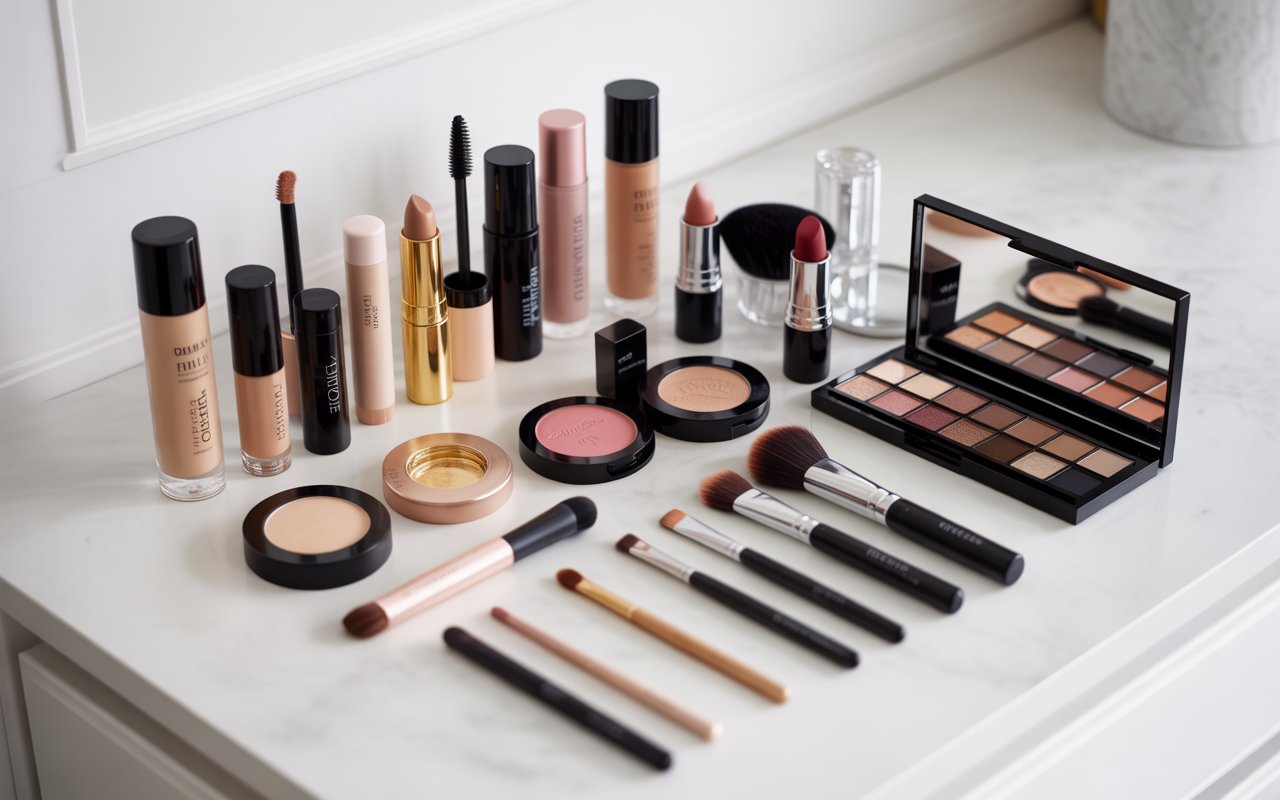
Starting out with makeup can feel like walking into a store where everything is in a foreign language. There are hundreds of products on the shelves, each one promising something different, and if you’ve never worn much makeup before, figuring out where to start is genuinely confusing. The good news is that you really don’t need a lot to look great — you just need the right things.
Most women who are new to makeup make the same mistake: they buy too much at once, end up overwhelmed, and leave half of it untouched at the bottom of their bag. The smarter approach is to start with a tight, focused collection of products that actually work together and help you build real skills without the stress.
A solid first kit doesn’t have to cost a fortune, and it definitely doesn’t need to be complicated. The 12 products below cover every step of a complete makeup routine, from skin prep to the final touch of color, and they’re all beginner-friendly by design.
1. Face Primer
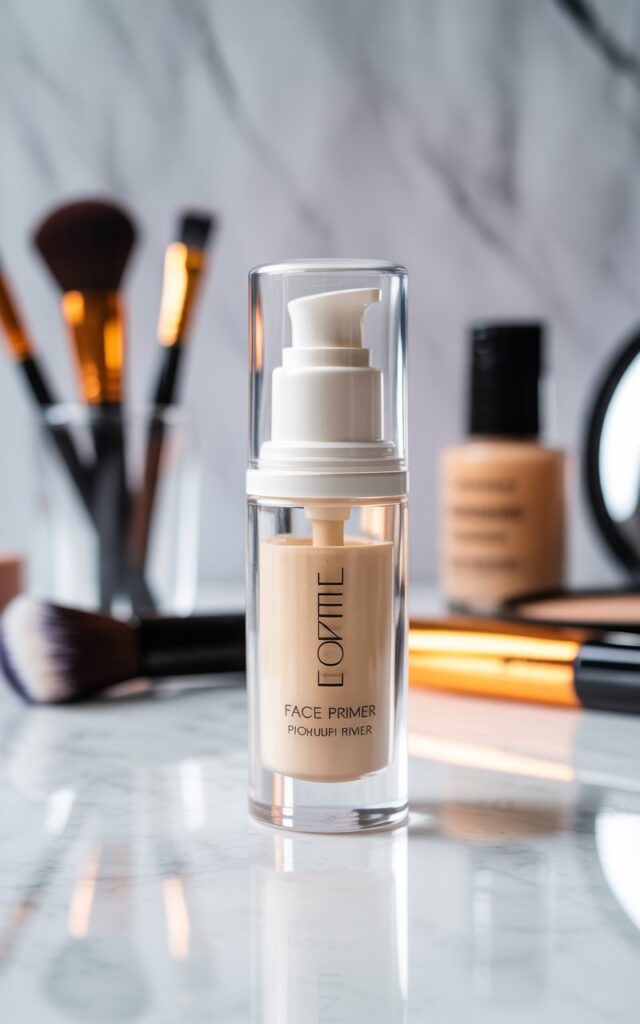
Primer is the first product that goes on your face after skincare, and it does something simple but important: it gives your makeup something to grip onto. Without it, foundation tends to slide around and fade faster, especially if you have oily or combination skin.
Look for a lightweight, hydrating formula if your skin tends to be dry, or a mattifying one if you deal with shine. Either way, a thin layer across your face before foundation makes a noticeable difference in how long your look lasts through the day.
2. Tinted Moisturizer or Light Foundation
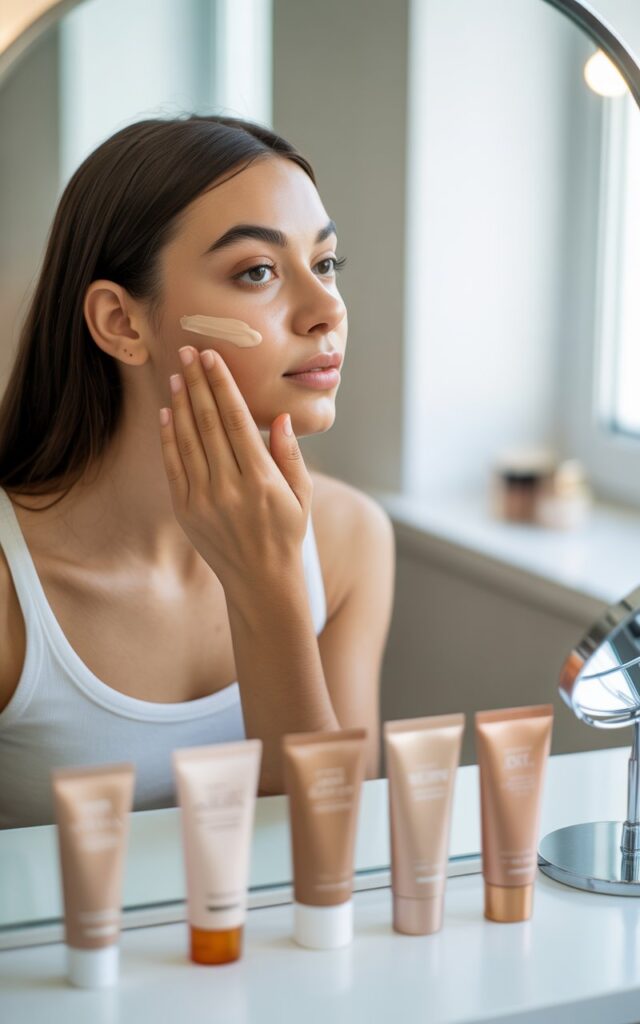
For women just getting started, a tinted moisturizer or a sheer, buildable foundation is far more forgiving than a full-coverage formula. Heavy coverage foundations require more blending skill, and any mistakes are much more obvious on the skin.
A tinted moisturizer gives you a little evening-out effect without looking like you’re wearing much at all — which is actually what most women are going for anyway. When you’re ready for more coverage, a light-to-medium foundation that can be layered is a great step up.
The key detail here: always match the shade to your jawline, not your hand or wrist. Your jawline is where the product needs to blend into your neck, so that’s the spot that matters.
3. Concealer
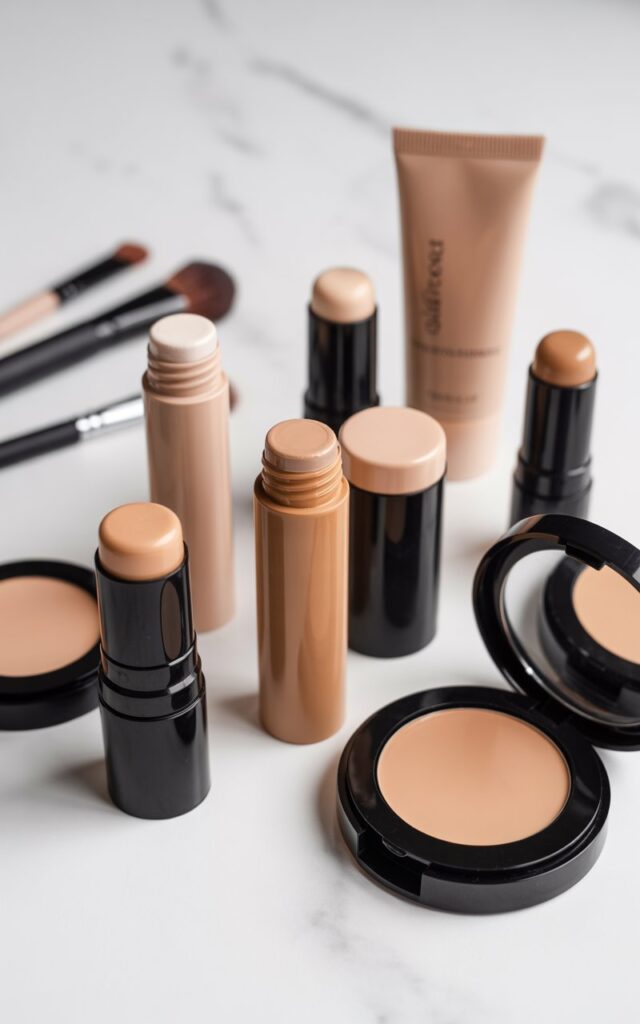
Concealer is arguably the single most useful product in a first kit. It does the heavy lifting for dark circles, redness around the nose, and any blemishes that your foundation didn’t fully cover.
For under the eyes, go one shade lighter than your skin tone to brighten the area. For covering blemishes, match your skin tone exactly. A creamy, blendable texture is much easier to work with than a thick or dry formula, which can settle into fine lines and look cakey by midday.
4. Setting Powder
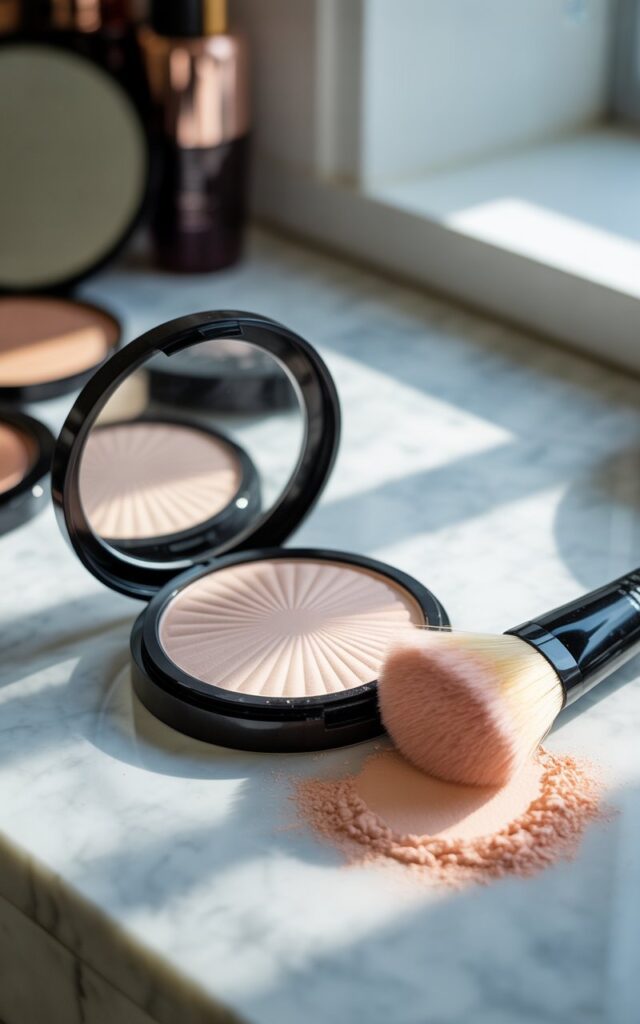
Once your base is on, setting powder locks everything in place and controls shine. It’s particularly helpful on the forehead, nose, and chin — the areas where makeup tends to break down first.
A translucent loose powder works on most skin tones and doesn’t add any extra color, which keeps things simple. Apply it with a large, fluffy brush using a pressing motion rather than swiping it across the skin.
5. Blush
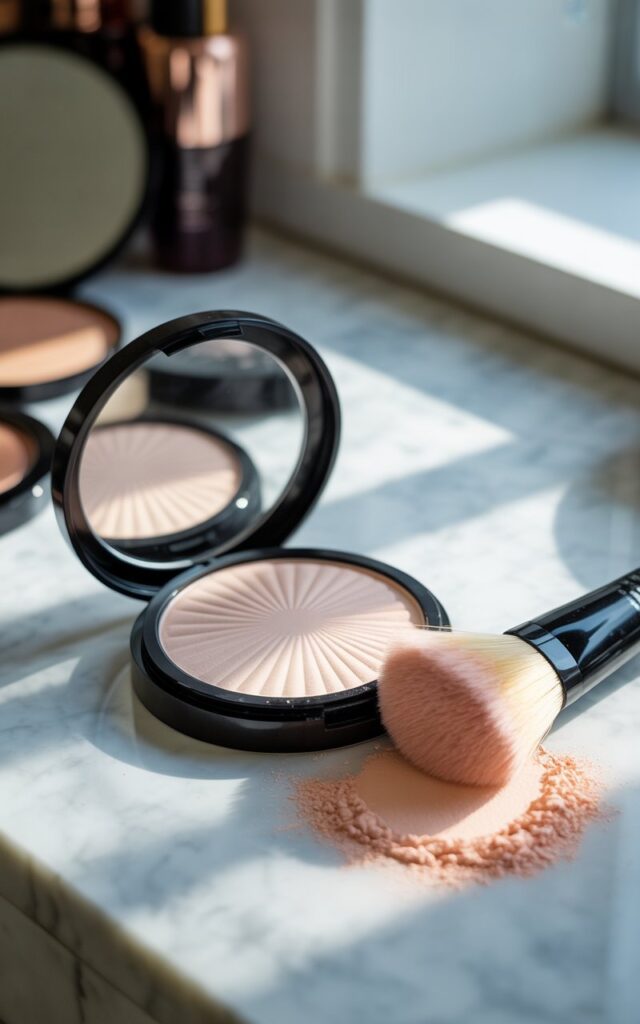
Blush is one of those products that seems optional until you skip it — and then you notice how flat your face looks without it. After applying foundation and powder, the skin can lose its natural warmth and color. A small amount of blush on the cheeks brings it right back.
Neutral peachy-pink tones are the most beginner-friendly because they work with almost any skin tone and pair well with any eye or lip combination you choose. Start light and build — a little goes a long way with most formulas.
6. Highlighter
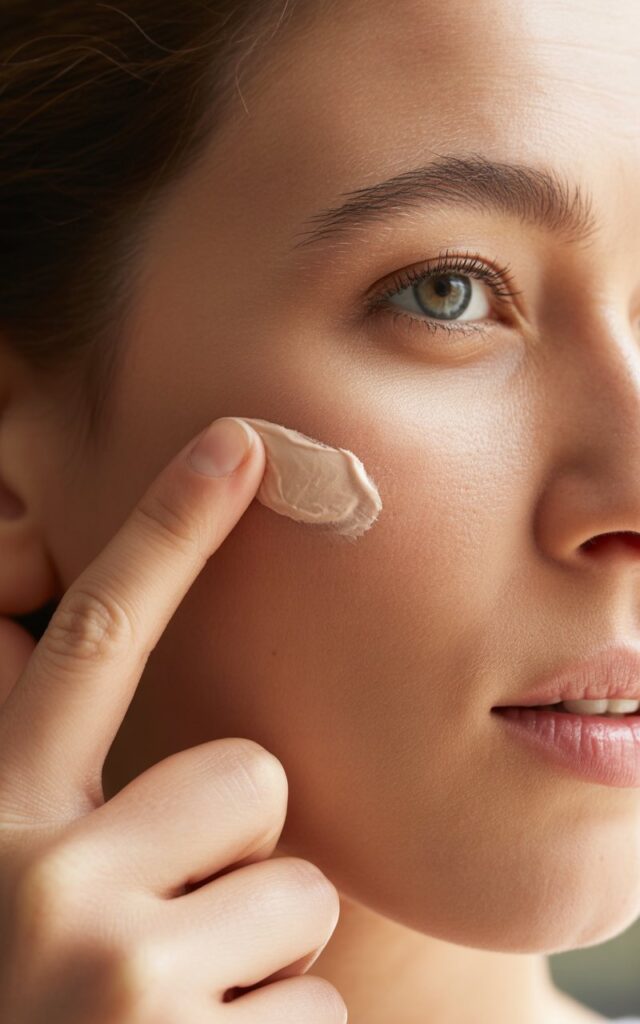
A cream or liquid highlighter applied to the tops of the cheekbones and the brow bone gives skin that fresh, awake look that’s genuinely hard to achieve with foundation alone. It catches light in a way that looks natural rather than glittery when you choose the right formula.
For beginners, a cream highlighter applied with a fingertip is the easiest method. Press it gently onto the high points of the face rather than blending it out too much — you want it to stay concentrated where the light hits naturally.
7. Contour Stick or Powder
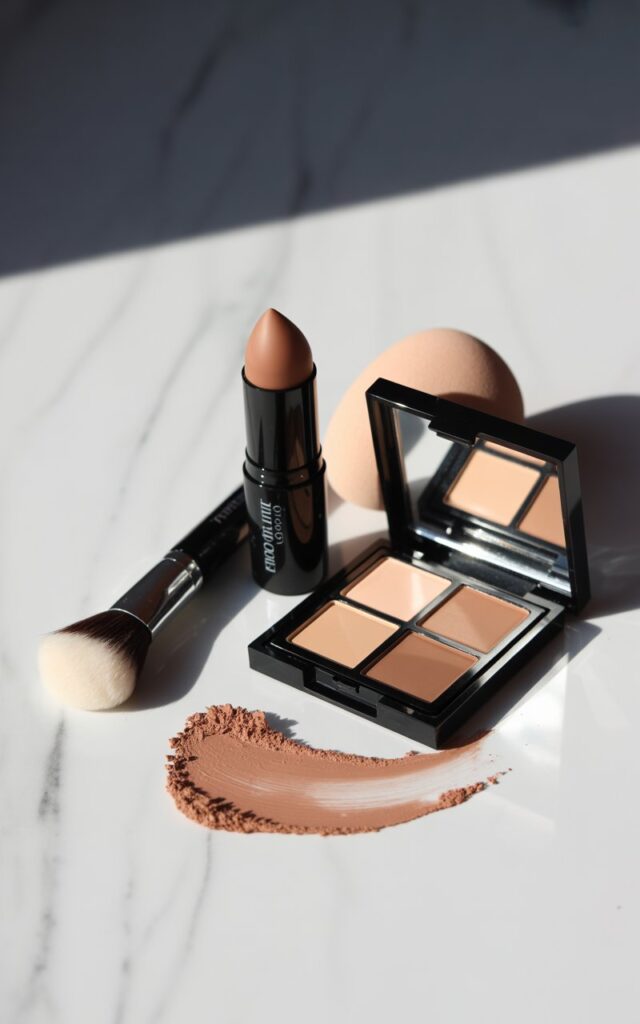
Contouring sounds intimidating, but at a beginner level, it just means using a shade slightly darker than your skin tone in the hollows of the cheeks and along the sides of the nose or forehead to add a bit of definition. You don’t need to sculpt — just a subtle shadow creates a more three-dimensional look.
A contour stick in a cool-toned brown (not orange) is the most user-friendly option because it’s easy to apply precisely and blend out with a brush or sponge. Keep it subtle — the goal is a natural shadow, not a dramatic stripe.
8. Eyebrow Product
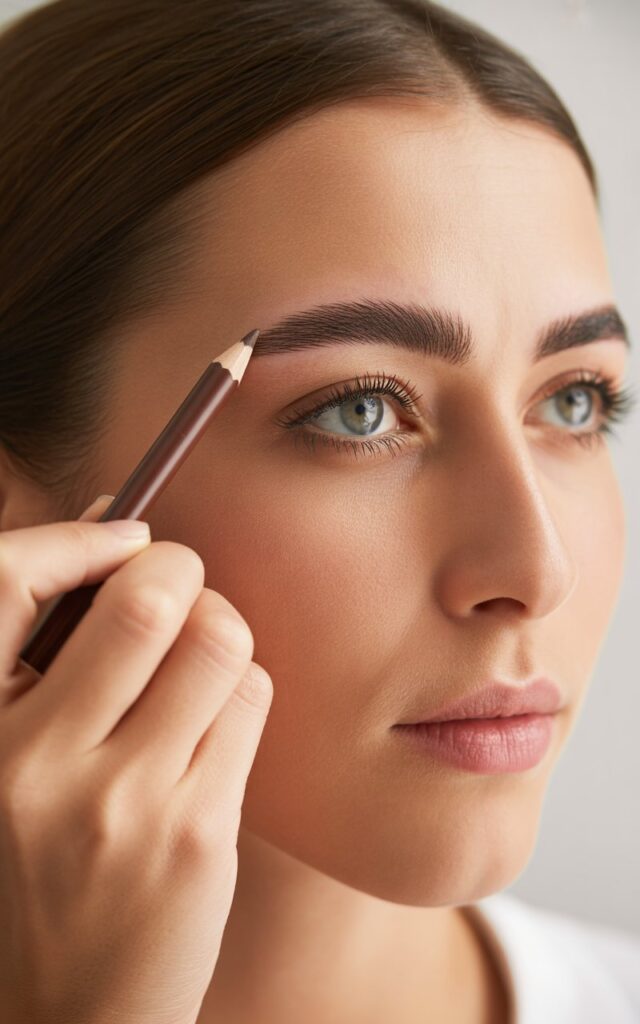
Well-groomed brows frame the entire face, and filling them in slightly is one of the highest-impact, lowest-effort things you can do with makeup. A tinted brow gel or a fine-tipped brow pencil are both excellent starting points.
With a pencil, use short, light strokes to mimic the look of individual hairs rather than drawing a solid line. With a brow gel, brush through the hairs in an upward direction to set them in place. Either way, the goal is to look polished and defined, not drawn-on.
9. Neutral Eyeshadow Palette
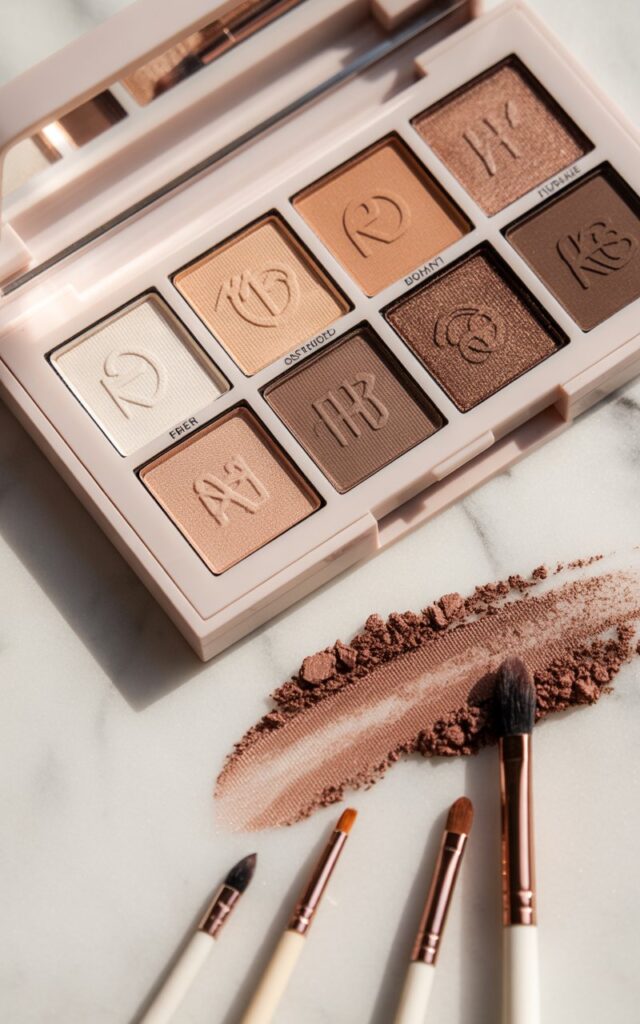
A small neutral palette with four to six shades — a light base color, a medium transition shade, and one or two deeper tones — covers everything a beginner needs for eye makeup. Neutrals are forgiving because they blend easily and pair with any look.
Apply the lightest shade across the entire lid as a base, use the medium shade in the crease to add depth, and sweep the darkest shade close to the lash line for definition. That three-step process alone produces a finished, polished eye look every single time.
10. Eyeliner
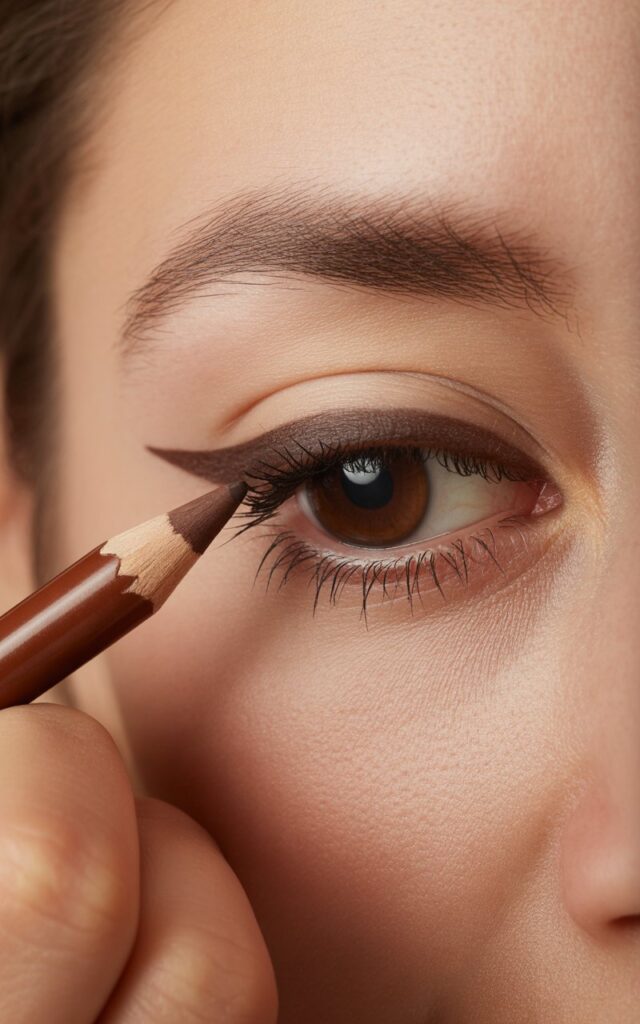
A pencil eyeliner is the most beginner-friendly option — softer than a liquid liner and much easier to control. A brown or dark gray shade along the upper lash line looks natural and adds definition without being as sharp or demanding as a cat-eye in black.
If the line isn’t perfectly even, use a cotton swab to smudge it slightly. That small adjustment actually makes the liner look more intentional rather than hiding a mistake.
11. Mascara
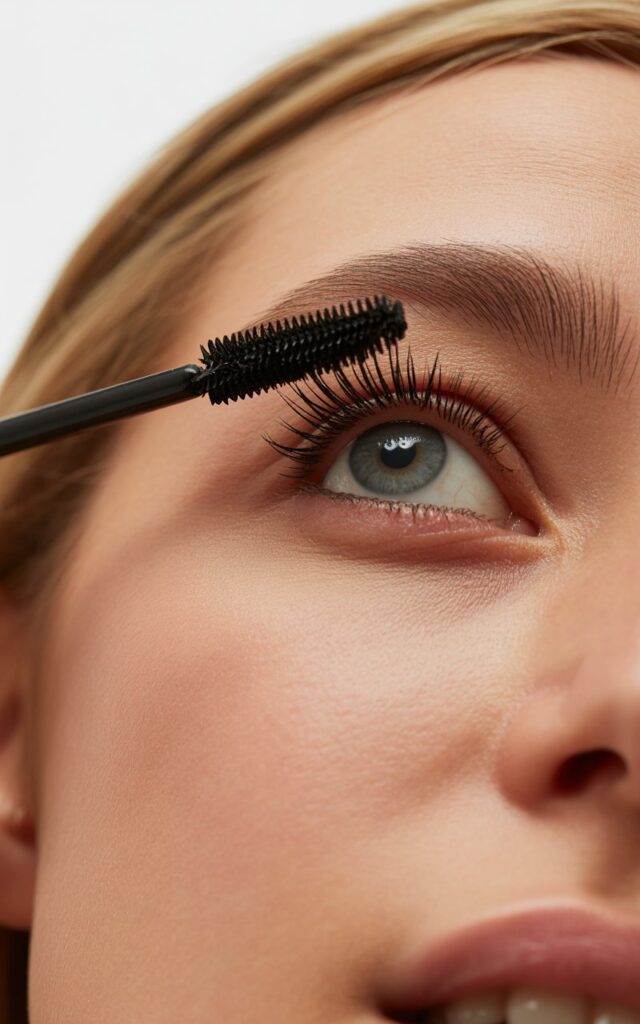
Mascara opens up the eyes more than almost any other product. One coat on the upper lashes, applied by wiggling the wand from root to tip, makes a visible difference in how awake and defined your eyes look.
To avoid clumps, let the first coat dry for 30 seconds before adding a second if you want more volume. Starting with the wand tip wiped lightly on a tissue before application also prevents overloading the lashes with too much product at once.
12. Setting Spray
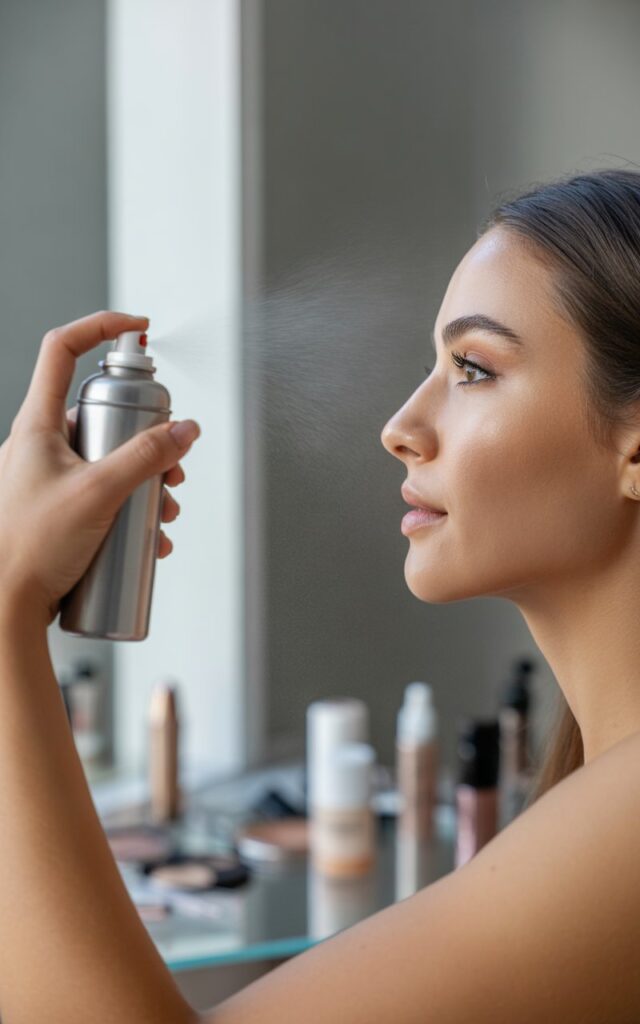
Setting spray is the final step in any routine and does exactly what it sounds like — it locks your makeup in place so it doesn’t fade, transfer, or separate throughout the day. A fine mist held about 12 inches from your face, applied in an X and T pattern, is all it takes.
It also gives the skin a more natural, skin-like finish by softening the powdery look that setting powder can sometimes leave behind. For women who wear makeup to work or for long days, this step makes a real difference in how the look holds up by evening.
Your First Kit Is a Starting Point, Not a Finish Line
Twelve products might sound like a lot, but in practice, a complete routine using all of them takes less than 15 minutes once you’re comfortable with the steps. And you don’t have to use every single one every day — on lighter days, a tinted moisturizer, blush, brow gel, mascara, and a lip product can get you out the door looking put-together in under five minutes.
What matters most at this stage is learning what each product does on your skin specifically. Skin tone, skin type, and personal preference all shape which products you’ll reach for most. Start with this list, pay attention to what you love and what feels like extra work, and let your kit grow naturally from there. The more you practice, the more effortless it all becomes.
Frequently Asked Questions
Q: Do I need to use all 12 products every day?
A: No. On most days, a simplified version using just a few essentials — like a tinted moisturizer, blush, mascara, and brow product — is completely enough. The full routine is more for evenings out or occasions when you want a more polished look.
Q: What’s the difference between setting powder and setting spray?
A: Setting powder mattifies the skin and locks in your base products, particularly useful for oily areas. Setting spray is applied at the end and blends everything together while helping makeup last longer. They serve different purposes and work well used together.
Q: How do I find my foundation shade as a beginner?
A: Swatch a few shades along your jawline in natural light and choose the one that disappears into your skin. Avoid testing on the back of your hand — that area is often a different tone than your face.
Q: Is primer really necessary?
A: It’s optional, but helpful. Primer extends the wear of your makeup and gives foundation a smoother surface to sit on. If you have oily skin or wear makeup for long hours, it’s worth using. On shorter, low-key days, you can skip it.
Q: What type of concealer is best for dark circles?
A: A creamy, hydrating formula one shade lighter than your skin tone works best under the eyes. Dry or thick concealers tend to settle into fine lines and look patchy as the day goes on.
Q: Can I skip eyeshadow and still have a finished eye look?
A: Absolutely. A coat of mascara, defined brows, and a thin line of eyeliner along the upper lash line creates a complete, polished eye look without any eyeshadow at all.
Q: What’s the easiest blush formula for beginners?
A: Powder blush is generally the most forgiving because it builds gradually and is easy to blend. Cream blush can look more natural but requires quicker blending before it sets on the skin.
Q: How do I know if my contour shade is the right one?
A: The shade should be a cool-toned brown — think taupe or a soft grayish-brown — rather than orange or overly warm. It should look like a natural shadow, not a stripe of bronzer. If people can see it from across the room, it’s too dark or too warm for your skin tone.
Q: Do I need both eyeliner and eyeshadow in my first kit?
A: Not necessarily. Many women find that one or the other is enough for their everyday routine. A pencil liner alone can create a defined, finished look without any eyeshadow at all, especially paired with mascara.

