

Your 30s have a way of sneaking up on you — one morning you’re washing your face with whatever’s on the shelf, and the next you’re squinting at the mirror wondering when that line showed up. The truth is, your skin starts changing in this decade in ways that are subtle at first but can snowball fast if you don’t pay attention. Collagen production begins to slow, cell turnover takes longer, and the skin’s ability to hold onto moisture isn’t what it used to be.
None of this is cause for panic. What it does mean is that the bare-minimum routine that worked at 22 won’t cut it anymore. This is actually a good thing — not because you need to spend a fortune, but because there are a handful of well-researched steps that, done consistently, make a real and visible difference. The science backing these ingredients and habits is solid, and the results speak for themselves.
The sections below cover what actually matters — the basics that board-certified dermatologists point to again and again as the highest-impact moves you can make in your 30s. No gimmicks, no 12-step confusion. Just the stuff that works.
- 1. Sunscreen Is the One Non-Negotiable
- 2. Start Retinol — and Start Slow
- 3. Vitamin C in the Morning
- 4. Hyaluronic Acid for Hydration That Actually Holds
- 5. A Gentle Cleanser — Not the Harshest One on the Shelf
- 6. Exfoliate — But Not Aggressively
- 7. Don't Skip the Eye Cream
- 8. Peptides Are Worth Your Attention
- 9. Your Neck and Chest Need the Same Care as Your Face
- 10. Sleep, Diet, and Stress Are Part of Your Routine Too
- Small Habits, Long-Term Results
- Frequently Asked Questions
1. Sunscreen Is the One Non-Negotiable
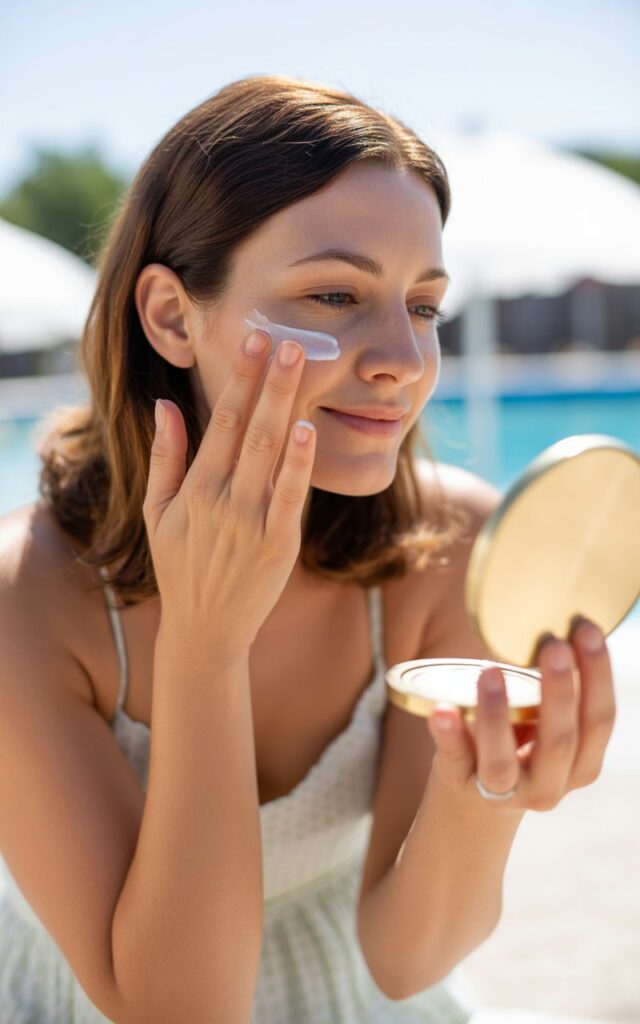
If there is a single product that earns its place in every dermatologist’s conversation about aging, it’s sunscreen. UV exposure is the leading driver of collagen breakdown, dark spots, and the kind of skin damage that shows up years later in the form of deep lines and uneven tone. The damage doesn’t require a beach day — everyday UV exposure adds up over time.
Broad-spectrum SPF 30 or higher, applied every single morning, is the baseline. That means face, neck, and the backs of your hands. Reapplication matters too — SPF protection fades after about 80 minutes of outdoor exposure. The good news is that formulas have come a long way. Lightweight, non-greasy sunscreens work beautifully under makeup and won’t leave you looking washed out. If you don’t love the one you’re using, try a different formula. A sunscreen you’ll actually wear every day is the right sunscreen for you.
2. Start Retinol — and Start Slow
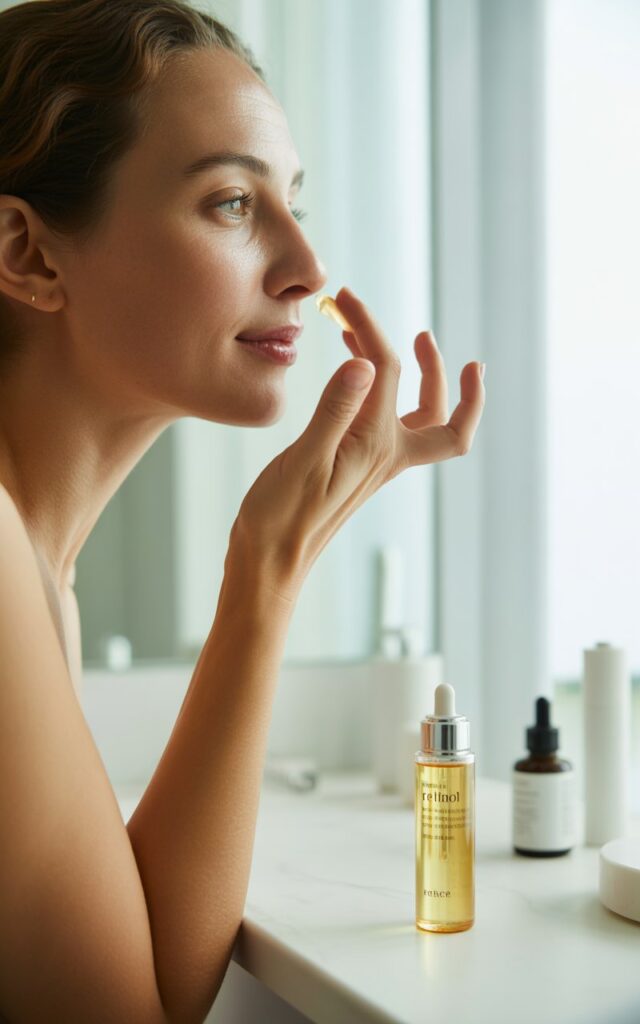
Retinol is vitamin A in its over-the-counter form, and it’s one of the most studied and proven ingredients in skincare. It speeds up cell turnover, stimulates collagen production, reduces the appearance of fine lines, and helps fade dark spots. Your 30s are the right time to introduce it if you haven’t already.
The catch is that retinol can cause irritation when you go too fast. Dermatologists consistently recommend starting with a low-concentration formula — around 0.25% — and using it once a week before working up to nightly or every-other-night use. Apply it at night only, since it makes skin more sensitive to sunlight. Give it a few months of consistent use before expecting to see significant changes. Results are slow and real, which is exactly how good skincare tends to work.
3. Vitamin C in the Morning
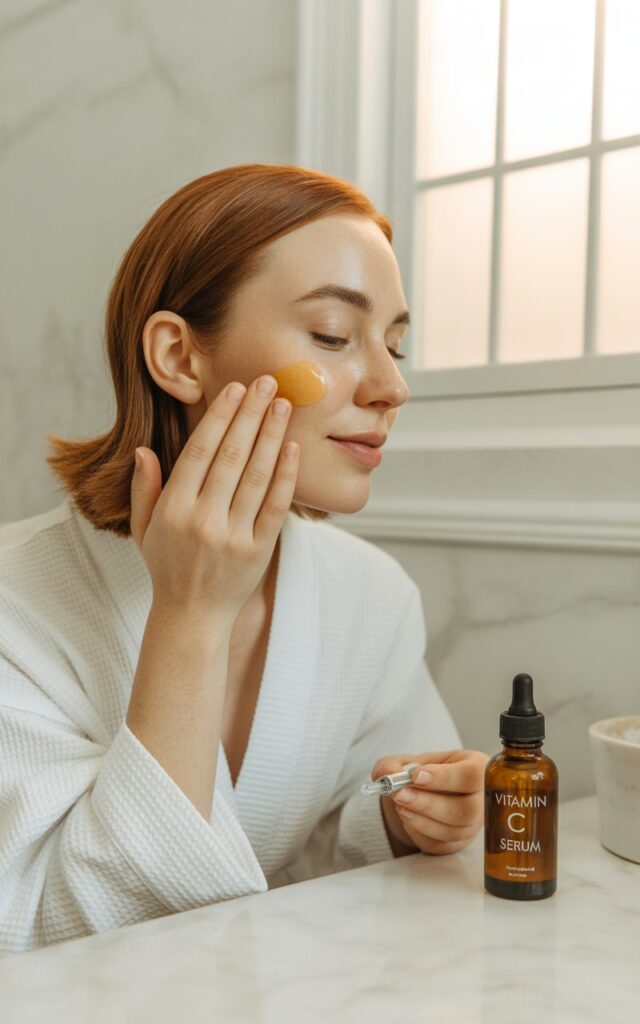
Think of vitamin C as your daytime defense partner. Applied in the morning before sunscreen, it works as an antioxidant, helping to neutralize free radicals from pollution and UV exposure that would otherwise break down collagen. It also brightens overall tone and can reduce the look of dark spots with continued use.
Not all formulas are equal. Look for L-ascorbic acid at a concentration between 10% and 20% for the most evidence-backed results. Vitamin C serums tend to be on the pricier side, but there are solid mid-range options that perform well. Apply it after cleansing and before moisturizer, let it absorb for a minute, then follow with SPF.
4. Hyaluronic Acid for Hydration That Actually Holds
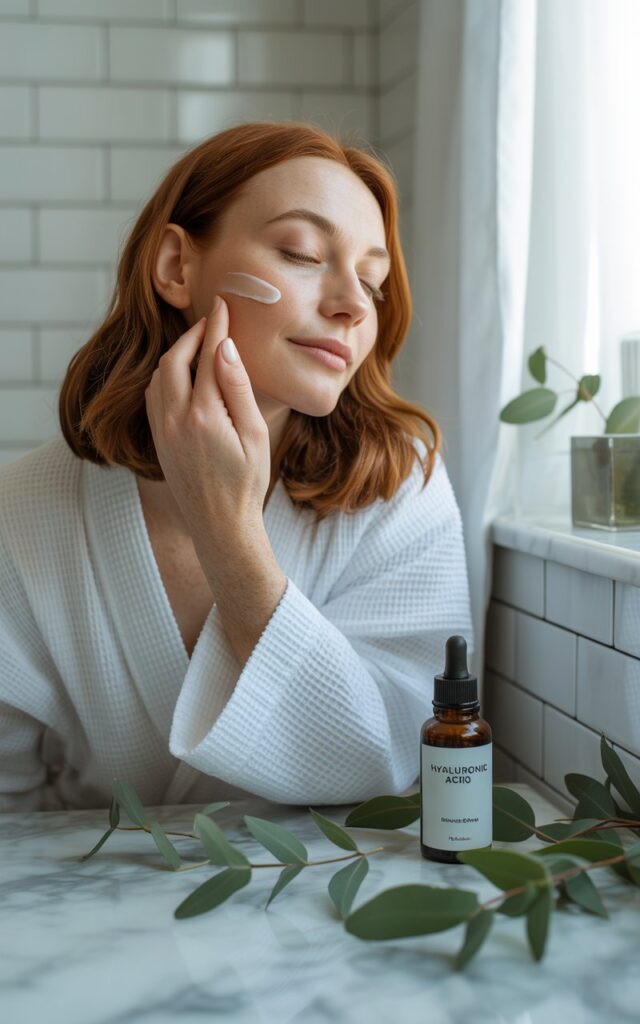
Hyaluronic acid is a substance the body naturally produces that draws moisture to the surface of the skin. Here’s the problem: production starts declining as early as your mid-20s, which means that by your 30s, skin can start losing that plump, dewy quality it had without any effort before.
Adding a hyaluronic acid serum or moisturizer to your routine helps replenish this. It’s a water-binding ingredient — it pulls moisture from the air and holds it against the skin, giving an almost instant plumping effect. Apply it to slightly damp skin and follow immediately with a moisturizer to seal it in. It layers well under everything and works for all skin types, including oily and breakout-prone.
5. A Gentle Cleanser — Not the Harshest One on the Shelf
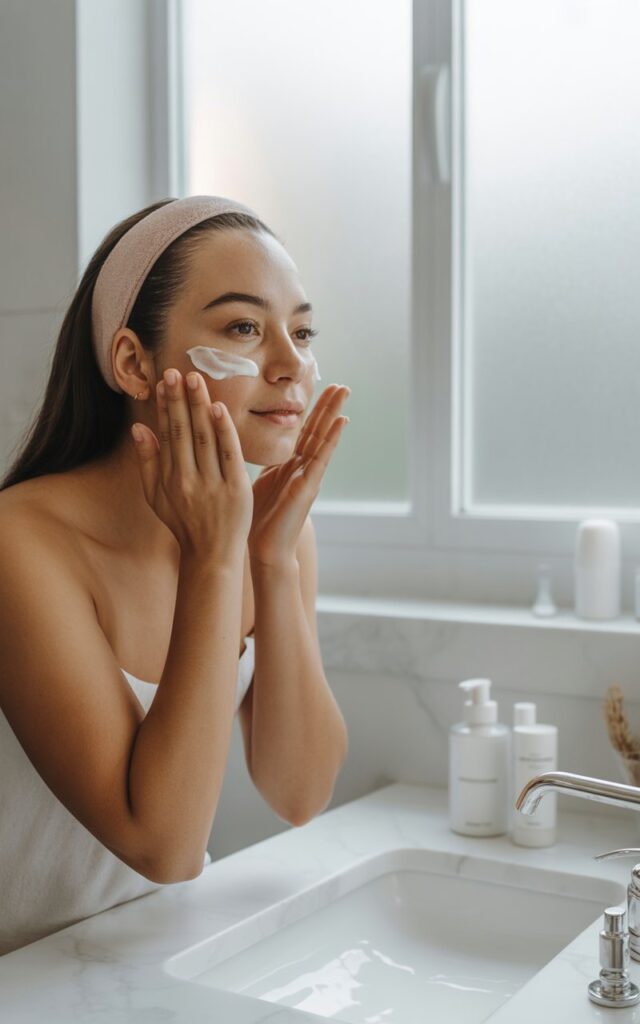
This one is straightforward but worth saying clearly: harsh cleansers strip your skin’s natural oils and compromise its protective barrier, and that speeds up aging. A tight, squeaky-clean feeling after washing is not a sign that the cleanser worked better. It’s a sign that it took too much.
A mild, fragrance-free cleanser suited to your skin type is all you need — morning and night. Look for formulas that cleanse without drying. If your skin feels tight after washing, that’s a signal to switch. Healthy skin has a balanced barrier, and keeping that intact is what makes every other product in your routine more effective.
6. Exfoliate — But Not Aggressively
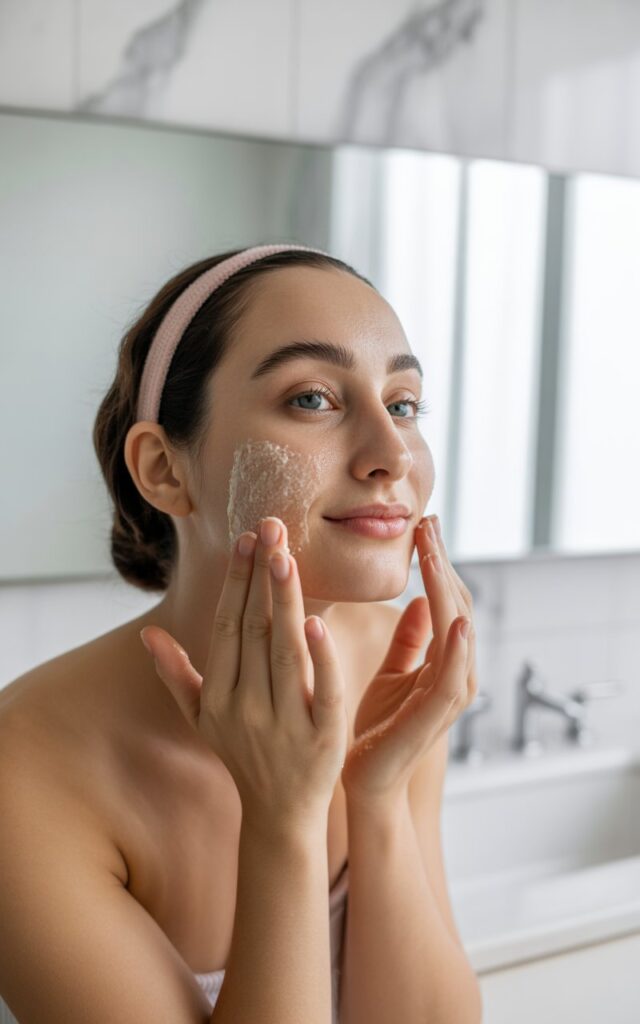
After your 30s, skin cell turnover starts slowing down. Dead cells linger on the surface longer than they used to, which leads to a dull, uneven complexion. Chemical exfoliants help move that process along without the micro-tears that physical scrubs can cause.
Glycolic acid (an AHA) works well for improving texture and targeting fine lines and discoloration. Salicylic acid (a BHA) is a better choice if you have breakout-prone skin, since it penetrates into pores. Two to three times a week is plenty for most women — overuse is one of the most common skincare mistakes, and it does more harm than good. If you’re using retinol, be mindful about how you layer these, as both accelerate cell turnover and can compound irritation if overdone.
7. Don’t Skip the Eye Cream
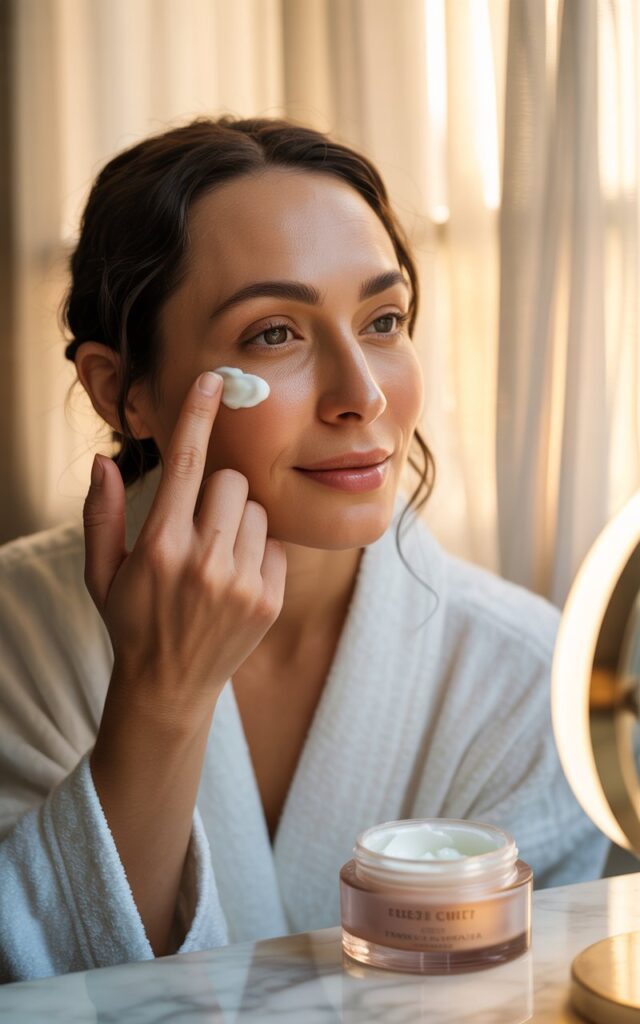
The skin around your eyes is thinner than anywhere else on your face. It has fewer oil glands, less natural support, and is constantly in motion — squinting, smiling, and everything in between. Fine lines and puffiness tend to show up here first, and they respond best to early care.
A good eye cream doesn’t have to be complicated. Look for ingredients that address your specific concern. Caffeine and green tea help with puffiness. Vitamin C, mica, and titanium dioxide address discoloration. Hyaluronic acid and peptides help soften the appearance of fine lines. Apply with your ring finger using a gentle patting motion — no pulling or rubbing.
8. Peptides Are Worth Your Attention
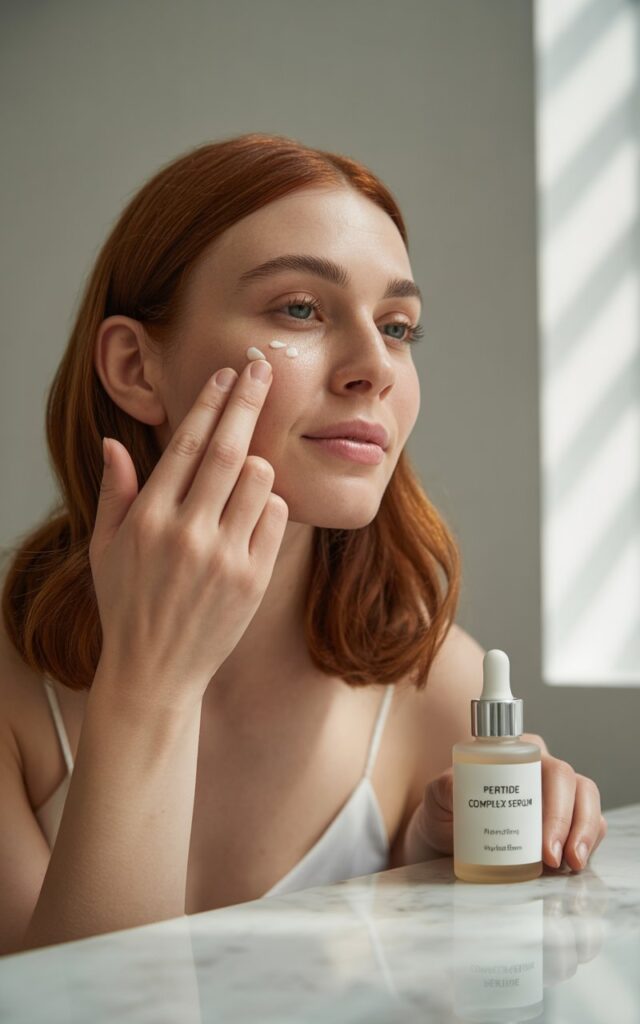
Peptides are short chains of amino acids that signal skin cells to produce more collagen and elastin. They’re particularly useful for women who find retinol too irritating, or as a complement to it for added firming benefits.
What makes peptides stand out is that they work without the sensitivity that comes with stronger actives. They’re a good fit for dry or reactive skin, and they hold up well under makeup. Look for them in serums and moisturizers, and check that they appear early in the ingredient list — that’s where the concentration is. A peptide-rich moisturizer applied morning and night can quietly do a lot of work over time.
9. Your Neck and Chest Need the Same Care as Your Face

The neck and chest are among the first places to show visible age, and yet most women stop their routine at the jawline. Whatever goes on your face — SPF, moisturizer, vitamin C, retinol — should go on your neck and décolletage too.
The skin here is thinner and gets nearly as much sun exposure as your face does, especially if you spend any time outdoors. Horizontal neck lines, crepey texture, and sun spots in this area are harder to address once they’re established. The simplest habit shift is just extending your routine downward every time you apply products.
10. Sleep, Diet, and Stress Are Part of Your Routine Too

No serum compensates for chronic sleep deprivation or a diet that’s heavy in refined sugar. These aren’t wellness-magazine filler points — they have real, documented effects on how skin ages. Sugar, for example, binds to collagen and elastin through a process called glycation, which makes those fibers stiff and prone to breaking down faster. That translates to sagging and loss of elasticity over time.
Sleep is when the skin’s repair mechanisms are most active. Blood flow shifts toward the skin, collagen production ramps up, and toxins drain. A good night’s rest paired with a hydrating nighttime routine takes advantage of this process. Chronic stress raises cortisol levels, which degrades collagen and increases inflammation — both of which accelerate aging. Managing stress isn’t a soft suggestion; it’s part of how you care for your skin.
Small Habits, Long-Term Results
The 30s are genuinely one of the best times to build a skincare routine, because the changes you make now are largely preventive. You’re not catching up — you’re getting ahead. Sunscreen and retinol alone, used consistently, do more for long-term skin health than any combination of trendy products. Add in a vitamin C serum, a solid moisturizer with hyaluronic acid, and an eye cream, and you’ve covered the fundamentals that dermatologists return to again and again.
The key is consistency over complexity. A five-product routine that you follow every day will outperform a 15-step routine you abandon after two weeks. Start with what feels manageable, introduce new steps one at a time, and give each product long enough to show real results. Skin doesn’t change overnight, but with the right basics in place, the difference a year from now will be clear.
Frequently Asked Questions
Q: When should I start using retinol in my 30s?
A: Any time in your 30s is a good time to start. If you’re new to it, begin with a low-concentration formula (around 0.25%) once a week at night and slowly increase frequency over several weeks as your skin builds tolerance.
Q: Can I use vitamin C and retinol in the same routine?
A: Yes, but not at the same time. Apply vitamin C in the morning before sunscreen, and retinol at night. Using them at the same time can cause irritation and reduce the effectiveness of both.
Q: How much SPF do I actually need?
A: Broad-spectrum SPF 30 is the minimum recommended by dermatologists for daily use. SPF 50 offers additional protection and is worth considering if you spend significant time outdoors. Consistent application matters as much as the SPF number — most people apply far less than is needed for the labeled protection.
Q: What’s the difference between AHAs and BHAs, and which should I use?
A: AHAs like glycolic acid work on the surface of the skin to improve texture, fine lines, and discoloration. BHAs like salicylic acid go deeper into pores, making them a better fit for oily or acne-prone skin. Many women in their 30s do well with an AHA; those with frequent breakouts may prefer a BHA or a combination product.
Q: Do I really need a separate eye cream, or can I use my regular moisturizer?
A: A separate eye cream isn’t always mandatory, but it helps. The skin around the eyes is thinner and more delicate, and eye creams are formulated to be gentler and better suited to that area. They often contain targeted ingredients for puffiness or discoloration that a standard face moisturizer won’t have.
Q: How long does it take for anti-aging products to show results?
A: Most active ingredients need at least 8 to 12 weeks of consistent use before visible improvement appears. Retinol can take up to six months to show its full effect. Patience and consistency are more important than switching products frequently.
Q: Is an expensive skincare routine necessary to see results in your 30s?
A: No. Many drugstore products contain the same effective ingredients — hyaluronic acid, niacinamide, glycolic acid — as high-end brands. What matters more is choosing products with evidence-backed ingredients and using them regularly. A consistent, affordable routine will outperform an expensive one used inconsistently.
Q: Does diet really affect how my skin ages?
A: Yes, in meaningful ways. Excess sugar triggers glycation, a process that breaks down collagen and elastin, leading to sagging and loss of firmness over time. A diet high in antioxidants, healthy fats, and lean protein supports skin repair and helps maintain collagen. Staying well-hydrated also supports overall skin function.
Q: Should I extend my skincare routine to my neck and chest?
A: Absolutely. The neck and chest are some of the earliest places to show visible aging because the skin there is thinner and gets significant sun exposure. Extending your SPF, vitamin C, and moisturizer to these areas every day is one of the simplest high-impact habits you can build.

