

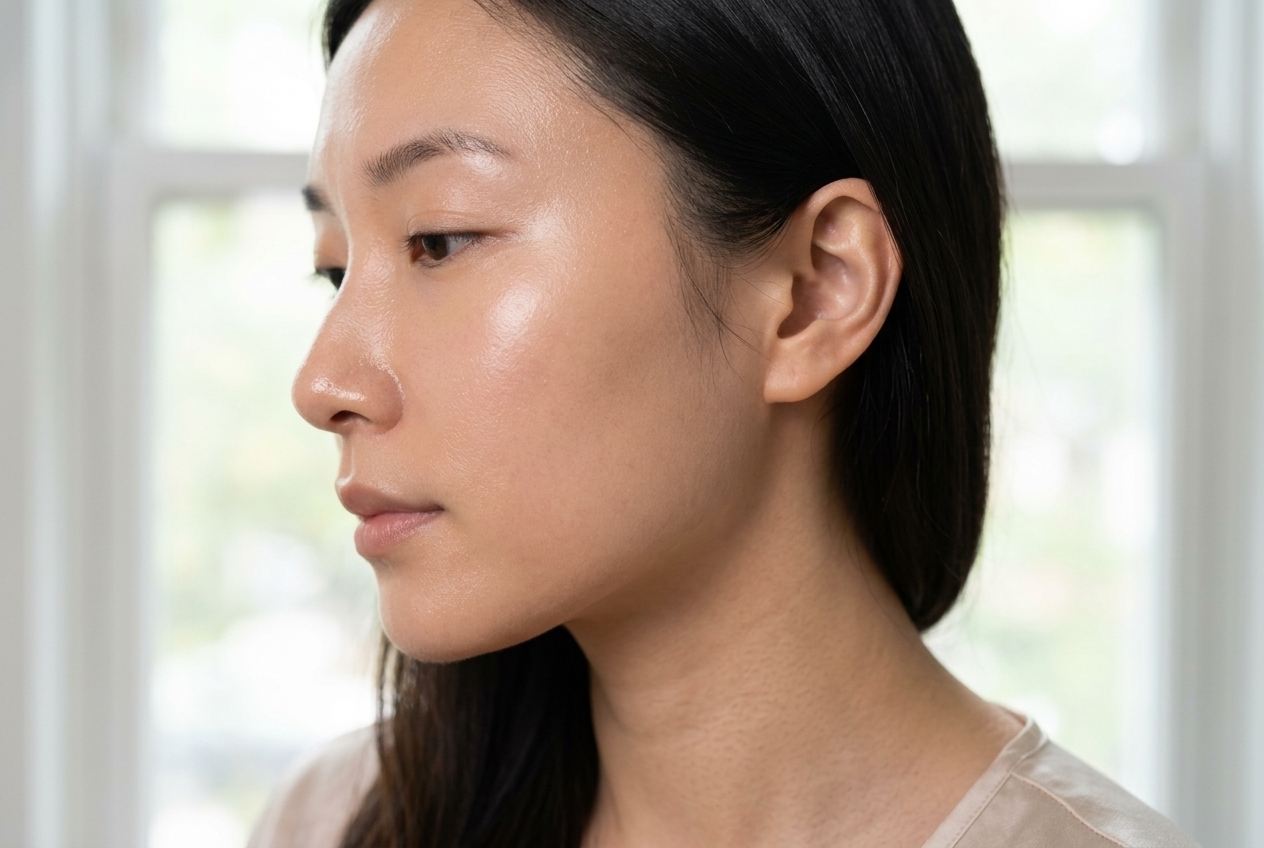
Your 30s are when your skin starts sending you signals. Not dramatic ones, but quiet ones — a fine line near your eyes that wasn’t there last year, a dullness that won’t go away no matter how much sleep you get, dark spots that seem to appear out of nowhere. These changes are completely normal, and they’re largely driven by biology. Collagen production begins to slow down, cell turnover takes longer, and the skin barrier becomes less efficient at retaining moisture. None of this is cause for alarm, but it is a reason to pay attention.
The good news is that your 30s are actually one of the best times to take skin health seriously. You’re not playing catch-up yet — you’re still in prevention mode. The habits and products you commit to now can genuinely make a difference in how your skin looks and feels a decade from now. Think of it like saving for retirement, but for your face.
What actually works isn’t a 12-step routine or a medicine cabinet full of expensive products. It’s a handful of consistent, well-chosen habits backed by solid ingredients. Below are the 11 routines that women in their 30s are following to slow down early aging — and the reasons why each one matters.
- 1. Double Cleansing Every Night Without Exception
- 2. Adding Retinol to the Nighttime Routine
- 3. Wearing Broad-Spectrum SPF Every Single Day
- 4. Using a Vitamin C Serum in the Morning
- 5. Applying Eye Cream with Peptides and Caffeine
- 6. Layering Hyaluronic Acid for Deep Hydration
- 7. Treating the Neck and Décolletage Like an Extension of the Face
- 8. Exfoliating Two to Three Times a Week with Chemical Exfoliants
- 9. Using a Niacinamide Serum for Tone and Texture
- 10. Doing Facial Massage or Gua Sha a Few Times a Week
- 11. Prioritizing Sleep and Managing Stress as Part of the Routine
- The Earlier You Start, The Less Catching Up You Have to Do
- Frequently Asked Questions
1. Double Cleansing Every Night Without Exception
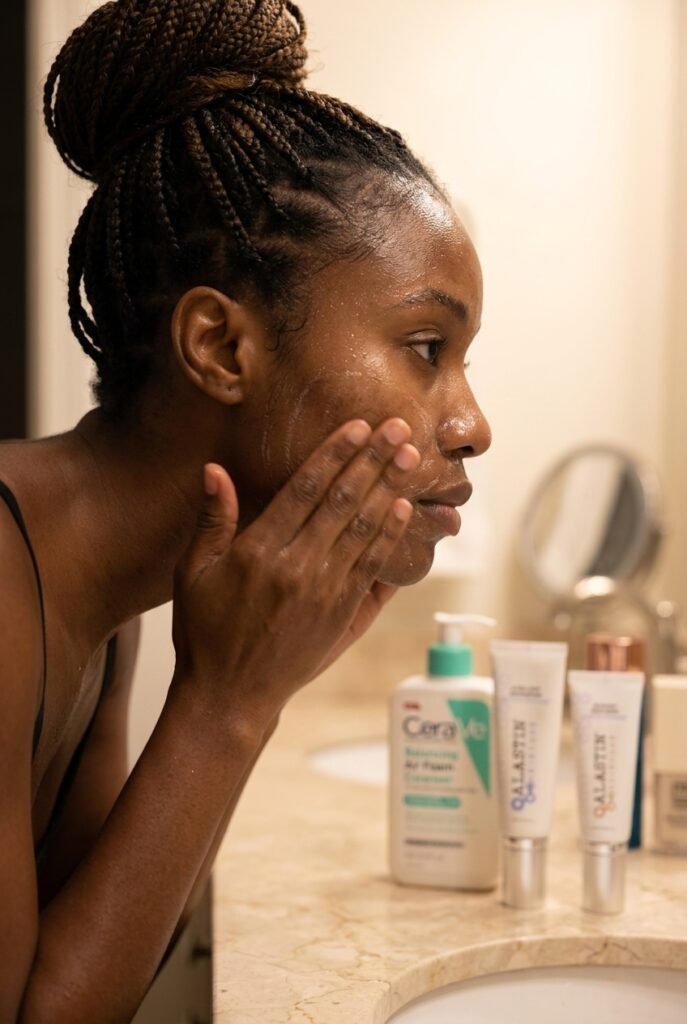
The single-cleanser routine that worked in your 20s often falls short once you’re regularly wearing SPF, foundation, or both. A standard face wash doesn’t fully remove sunscreen or oil-based makeup, and that residue left overnight can clog pores and accelerate skin dullness over time.
Double cleansing solves this with two steps: an oil-based cleanser or balm first to dissolve makeup and SPF, followed by a gentle water-based cleanser to remove anything left behind. The skin goes to bed clean — not stripped, just clean — which allows your overnight products to actually absorb and do their job.
2. Adding Retinol to the Nighttime Routine
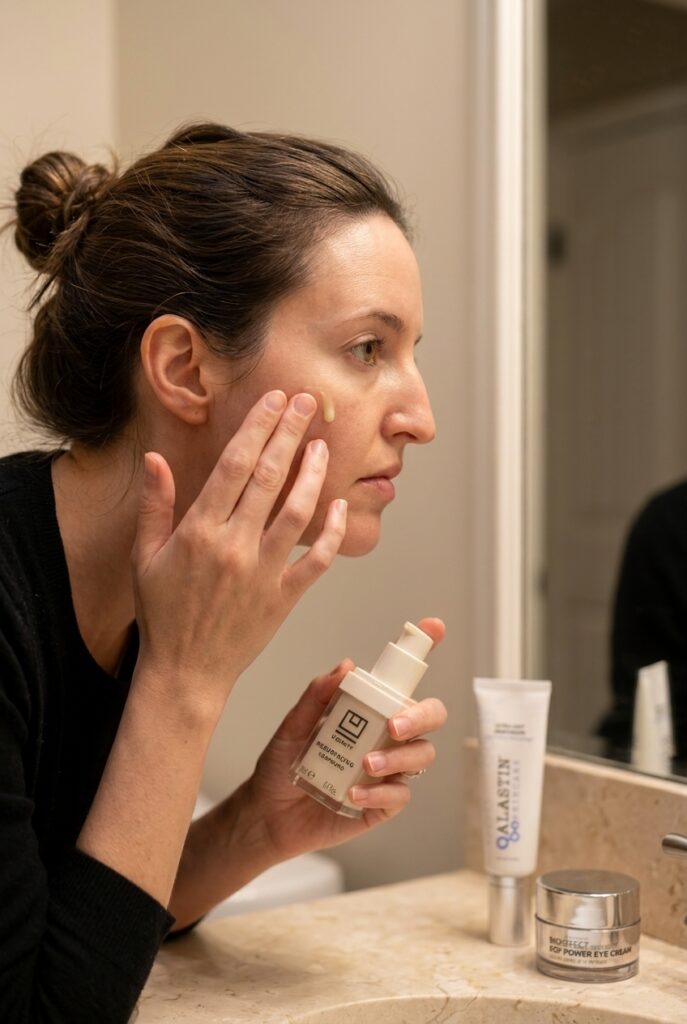
Retinol is one of the most well-researched ingredients in skincare, and your 30s are the right time to start using it consistently. It works by speeding up cell turnover, stimulating collagen production, and smoothing out the early texture changes that start appearing around this age.
The key is starting low and going slow. A concentration between 0.25% and 0.5% used two to three nights per week is a reasonable starting point. From there, most women gradually increase frequency as their skin adjusts. Since retinol makes skin more sun-sensitive, it’s strictly a nighttime ingredient — always followed by SPF the next morning.
For those with sensitive skin, bakuchiol is a plant-based alternative that delivers similar results with significantly less irritation.
3. Wearing Broad-Spectrum SPF Every Single Day
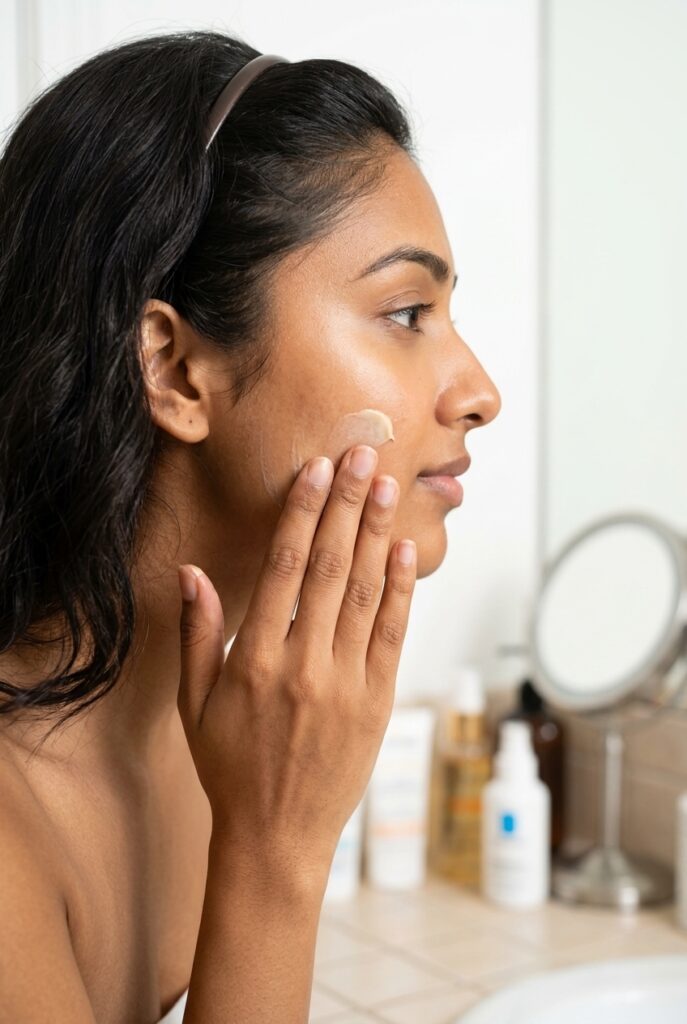
This one isn’t optional. Up to 80% of visible skin aging comes from UV exposure, which means sunscreen is the single most effective anti-aging product available. Not a serum, not a retinol, not a vitamin C — sunscreen.
The important detail here is that it needs to happen every day, including overcast days and days spent mostly indoors. UVA rays (the ones responsible for collagen breakdown and pigmentation) pass through clouds and glass. A broad-spectrum SPF 30 or higher applied as the last step of the morning routine covers this base. Reapplying throughout the day, especially if spending time outside, keeps the protection consistent.
4. Using a Vitamin C Serum in the Morning
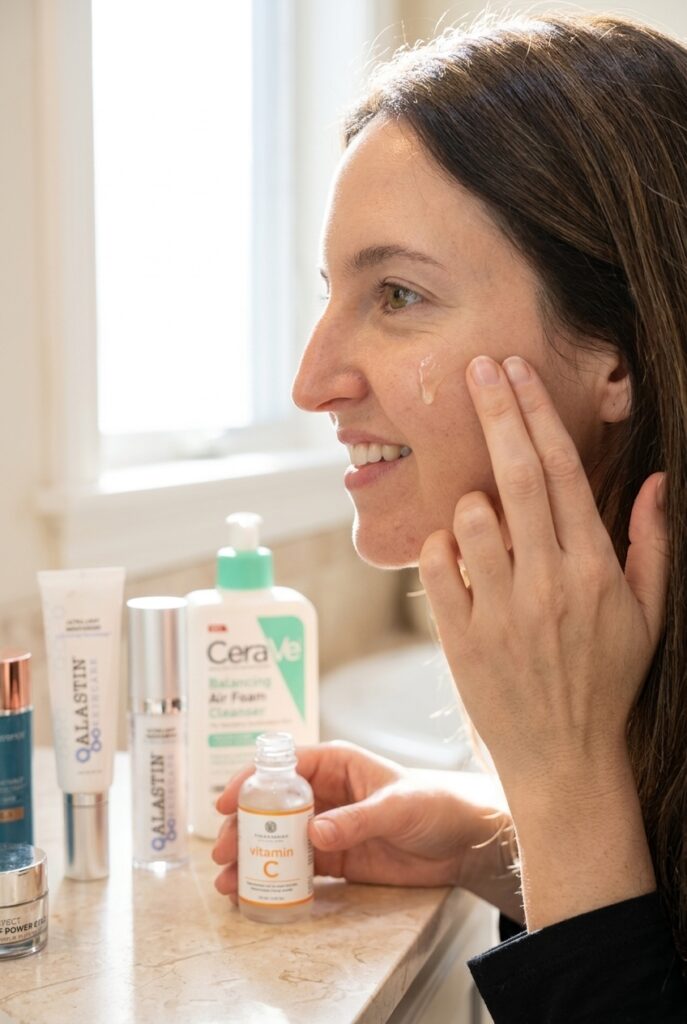
Vitamin C pairs naturally with sunscreen as a morning routine staple. Applied before SPF, it neutralizes free radicals from UV exposure and pollution — two of the main triggers for collagen degradation. It also works over time to fade dark spots and even out skin tone by regulating melanin production.
The most effective form is L-ascorbic acid, though it can be unstable and slightly irritating for some skin types. More stable derivatives like ascorbyl glucoside or sodium ascorbyl phosphate are gentler alternatives that still deliver results, just at a slower pace. Whatever the formulation, storing vitamin C in a cool, dark place extends its shelf life considerably.
5. Applying Eye Cream with Peptides and Caffeine
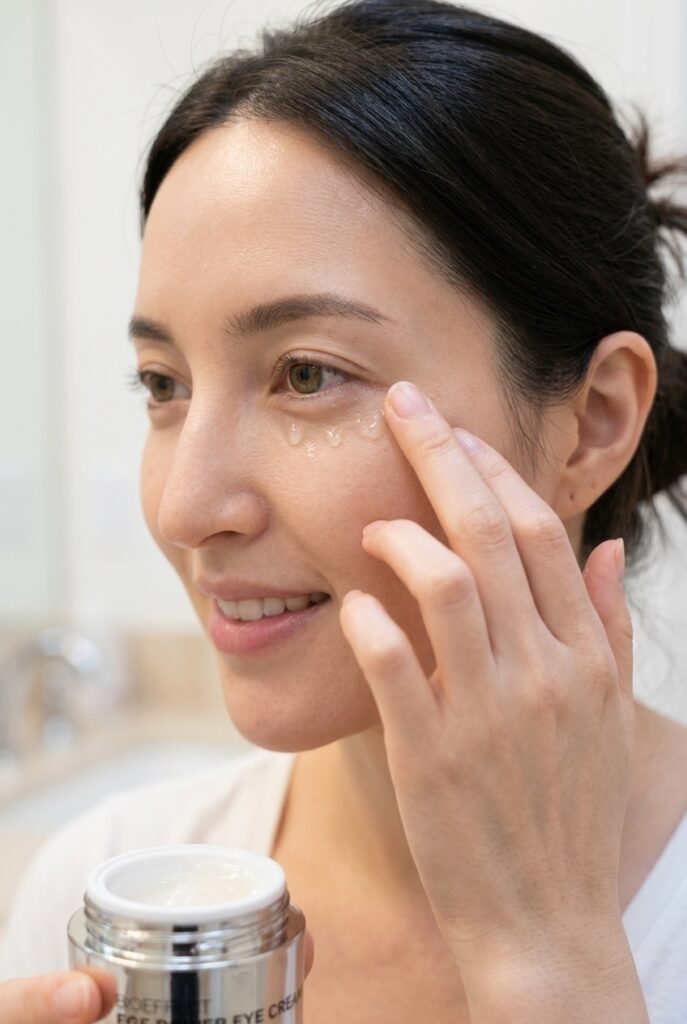
The skin around the eyes is thinner and more delicate than anywhere else on the face, which is why crow’s feet and under-eye puffiness tend to show up first in the 30s. A targeted eye cream makes a real difference here — not because of magic, but because it delivers concentrated ingredients exactly where they’re needed.
Look for formulas that combine peptides (which support skin firmness and structure) with caffeine (which constricts blood vessels temporarily to reduce puffiness). Hyaluronic acid in an eye cream helps with the crepey texture that can develop under the eyes. Apply with a light tapping motion using the ring finger — never pulling or rubbing the skin.
6. Layering Hyaluronic Acid for Deep Hydration
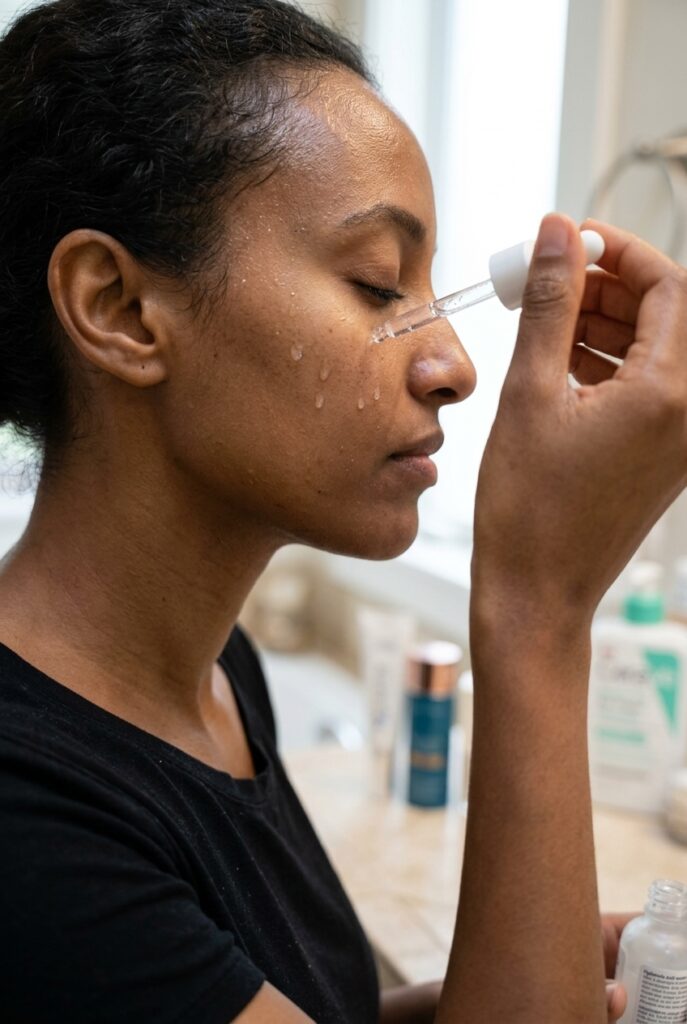
As collagen declines, the skin also loses its ability to hold onto water as efficiently as it once did. This is where hyaluronic acid becomes a genuinely useful daily ingredient. It’s a humectant, meaning it draws moisture from the environment into the skin and holds it there, which keeps the skin plump and helps fine lines look less pronounced.
A hyaluronic acid serum works best applied to slightly damp skin right after cleansing, before moisturizer. This gives it something to hold onto. For dry climates, pairing it with an occlusive moisturizer on top is especially helpful, since humectants can draw moisture from the skin itself if the air is too dry.
7. Treating the Neck and Décolletage Like an Extension of the Face
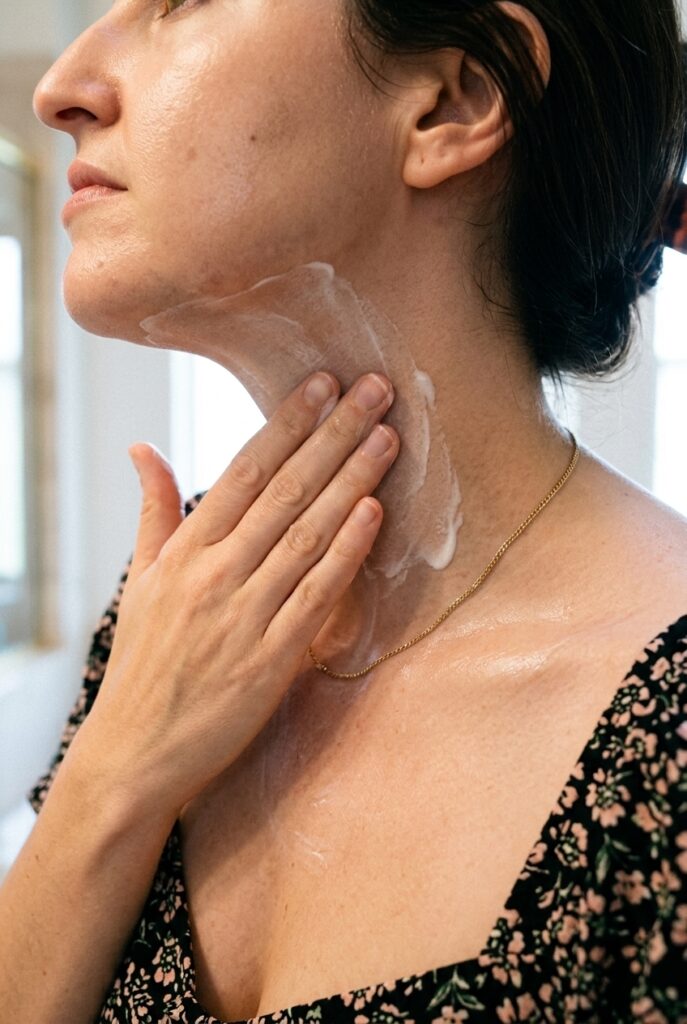
This is one of the most consistently skipped steps in a skincare routine — and one of the most visible signs of aging. The neck and chest have thinner skin, fewer oil glands, and often receive far less protection from sunscreen than the face does. Decades of neglect show up there clearly, especially in the form of crepey skin, sun spots, and horizontal neck lines.
The fix is simple: extend everything downward. Cleanser, vitamin C, moisturizer, and SPF should all travel down the neck and chest as part of the same routine. Retinol can be introduced here as well, though at a lower concentration since the skin tends to be more reactive.
8. Exfoliating Two to Three Times a Week with Chemical Exfoliants
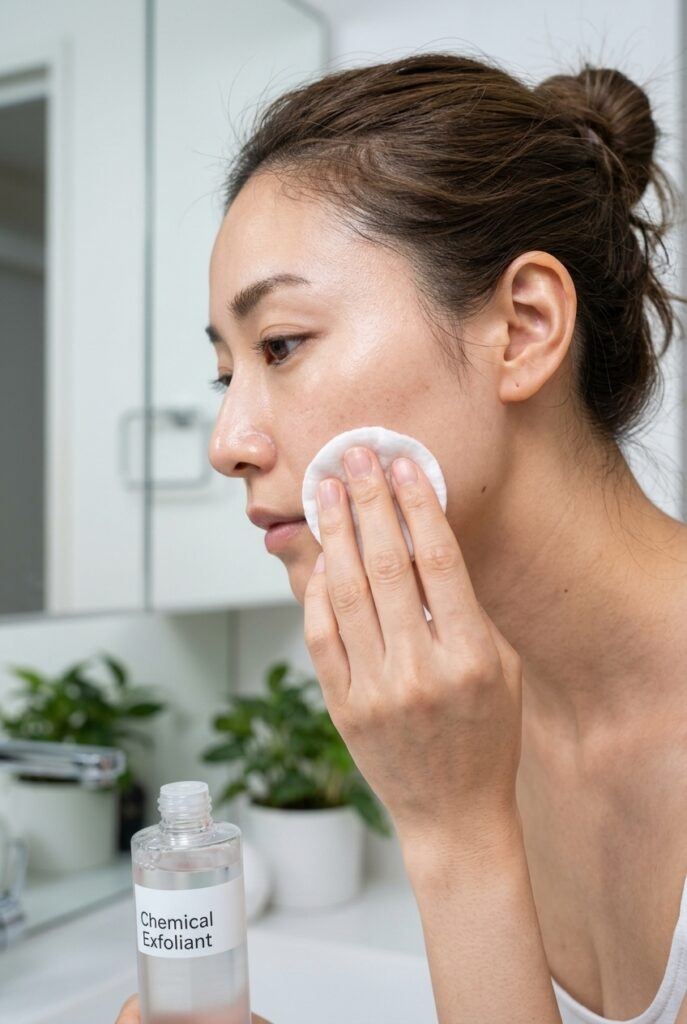
Cell turnover starts slowing down in the 30s, which means dead skin cells sit on the surface longer than they used to, causing dullness, rough texture, and uneven tone. Regular exfoliation clears that buildup and keeps the skin looking fresh between other treatments.
Chemical exfoliants — specifically AHAs (like glycolic acid and lactic acid) and BHAs (like salicylic acid) — are far more effective and less damaging than physical scrubs. AHAs work on the surface to brighten and smooth, while BHAs penetrate the pore lining and are especially useful for anyone dealing with breakouts or congestion. Two to three times per week is enough to see results without disrupting the skin barrier.
9. Using a Niacinamide Serum for Tone and Texture
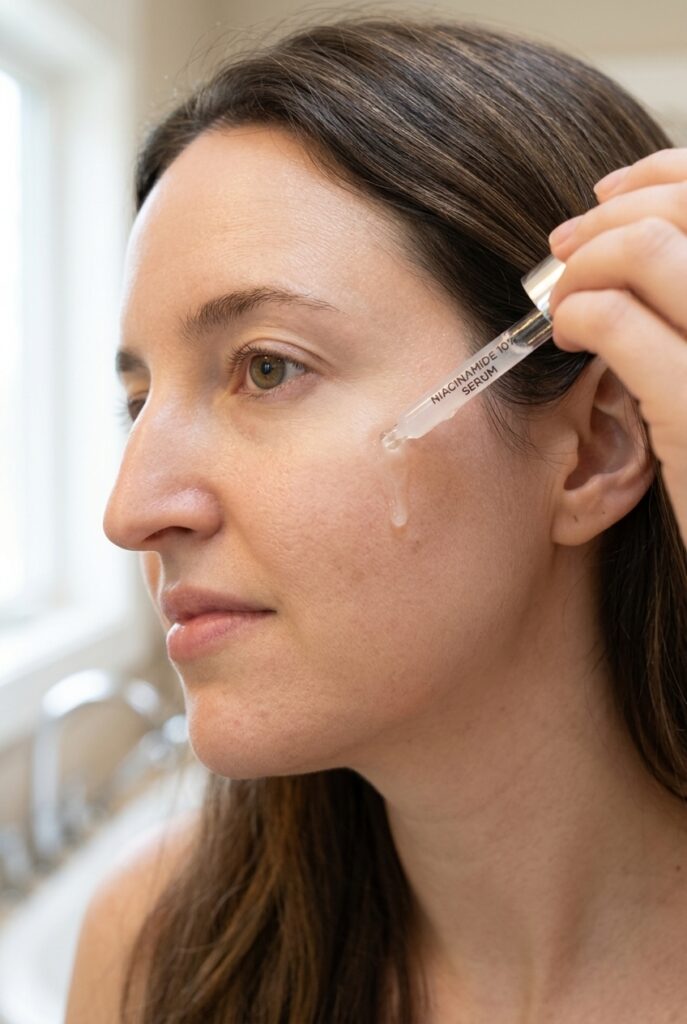
Niacinamide, also known as vitamin B3, is one of the most versatile ingredients in a 30s routine. It improves skin tone, reduces the appearance of pores, strengthens the skin barrier, and helps fade hyperpigmentation — all without irritating the skin. It also plays well with almost every other active ingredient, which makes it easy to work into an existing routine.
Women dealing with post-acne marks, sun spots, or general uneven tone tend to see the most noticeable results. For darker skin tones especially, niacinamide is often preferred over more aggressive brightening treatments because it works gradually and without sensitizing the skin.
10. Doing Facial Massage or Gua Sha a Few Times a Week
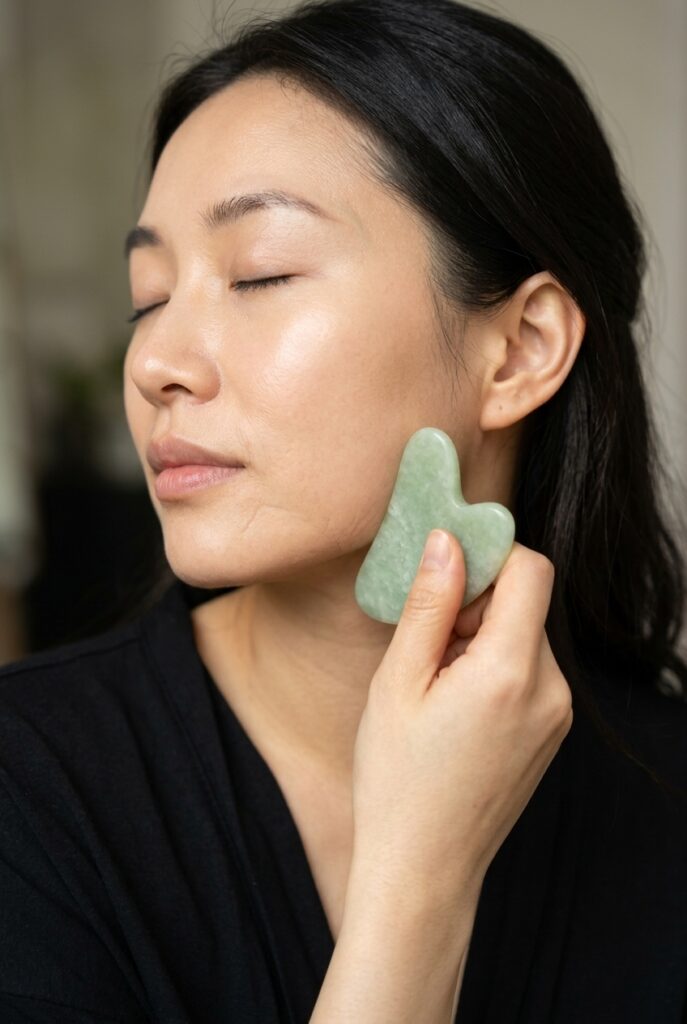
Facial massage has moved beyond a wellness trend and into the category of practices that actually support skin health. Regular massage improves circulation, which brings more oxygen and nutrients to skin cells. It also helps stimulate lymphatic drainage, reducing puffiness — especially in the morning.
Gua sha tools, traditionally flat stones made of jade or rose quartz, are used with gentle upward strokes along the jawline, cheekbones, and forehead. Used consistently, this practice can help with facial firmness over time by working the underlying facial muscles. It takes about five minutes and pairs well with a facial oil or serum that allows the tool to glide without pulling.
11. Prioritizing Sleep and Managing Stress as Part of the Routine

This one doesn’t come in a jar, but it might matter more than any product on the list. During sleep, the skin goes into active repair mode — collagen is produced, cell regeneration happens, and inflammation levels drop. Consistently getting less than seven hours disrupts all of this.
Chronic stress raises cortisol levels, which breaks down collagen and weakens the skin barrier. Over time, this shows up as increased dullness, more pronounced lines, and slower healing. Stress-reduction habits — whether that’s exercise, time outdoors, or anything else that works — have a measurable effect on skin quality. Pairing quality sleep with a solid nighttime routine is what allows those products to actually do their job.
The Earlier You Start, The Less Catching Up You Have to Do
Skincare in your 30s isn’t about fixing damage — it’s about getting ahead of it. The women who tend to look the most vibrant at 45 and 50 are often the ones who treated SPF and retinol like non-negotiables in their 30s, not as things they’d start someday. That kind of consistency adds up in a way that no single product or treatment can replicate.
You don’t need an elaborate routine to make this work. A gentle cleanser, vitamin C in the morning, SPF every day, retinol at night, and good hydration are enough to cover most of the ground. The rest — eye cream, exfoliation, gua sha, niacinamide — layer in naturally as you find your rhythm. Start with what you’ll actually stick to, and build from there.
Frequently Asked Questions
Q: When should women in their 30s start using retinol?
A: As early in your 30s as possible, ideally before fine lines become prominent. Starting with a low concentration two to three nights per week gives the skin time to adjust without irritation.
Q: Can vitamin C and retinol be used together?
A: Not in the same routine. Vitamin C is a morning ingredient used under SPF, while retinol is used at night. Alternating them this way means you get the full benefit of both without destabilizing either.
Q: How often should women in their 30s exfoliate?
A: Two to three times a week with a chemical exfoliant like glycolic acid or salicylic acid is a good baseline. Over-exfoliating strips the skin barrier, so more is not better here.
Q: Does SPF need to be reapplied throughout the day?
A: Yes, especially when spending time outdoors. SPF wears off, and a single morning application doesn’t hold up for the entire day. Reapplication every two hours when exposed to the sun keeps protection consistent.
Q: Is a separate eye cream necessary, or can the same moisturizer be used around the eyes?
A: A dedicated eye cream with peptides and caffeine is worth it for the 30s. The skin around the eye area is significantly thinner and responds better to targeted formulas than a standard face moisturizer.
Q: What’s the best way to treat dark spots that appear in the 30s?
A: A combination of vitamin C in the morning, niacinamide throughout the routine, and chemical exfoliation a few nights per week addresses the root causes. Consistent SPF is also non-negotiable, since sun exposure makes hyperpigmentation darker.
Q: Should the neck and chest really be treated with the same products as the face?
A: Absolutely. The neck and décolletage are often where the most visible age-related changes appear, precisely because they’re routinely left out of skincare routines. Everything — SPF, retinol, moisturizer — should extend below the jaw.
Q: Does drinking water improve skin hydration?
A: Being properly hydrated supports overall skin health, but drinking water alone won’t plump skin the way topical hyaluronic acid does. A combination of good internal hydration and the right topical products gives the best result.
Q: How long does it take to see results from a consistent skincare routine?
A: Hydration and texture improvements can appear within four to six weeks. More significant anti-aging results — like reduced fine lines and more even tone — typically take three to six months of consistent use.

