


There’s a specific kind of woman who walks into a room and turns heads — not because she’s wearing a full face of stage makeup, but because something about her eyes just works. That effect almost never comes from an hour in front of the mirror. Most of the time, it comes from knowing exactly which looks require the least effort for the most payoff.
Eyeshadow has had a real comeback recently. After years of the “clean girl” aesthetic dominating beauty culture — minimal lids, barely-there liner, a single coat of mascara — women are reaching for their palettes again. The runways for fall 2025 confirmed it loud and clear: eyeshadow is back, and this time it’s smarter, more wearable, and far more interesting than before.
The good news is that making a strong impression with your eye makeup doesn’t mean you need to be a professional artist or spend 45 minutes blending. These ten looks range from a simple wash of color to a bit more drama — and every single one is easier to pull off than it appears.
- 1. The Brown Smoky Eye
- 2. A Single Wash of Shimmery Shadow
- 3. The Warm-Toned Cut Crease — Softened
- 4. The Undone, Smudgy Liner Eye
- 5. The Jewel-Toned Smoky Eye
- 6. Chrome or Metallic Lids
- 7. The Soft Goth Eye
- 8. Glossy Eyelids
- 9. The Floating Liner
- 10. The Monochromatic Eye
- The Eyes Have It — And You Don't Have to Work That Hard for It
- Frequently Asked Questions
1. The Brown Smoky Eye
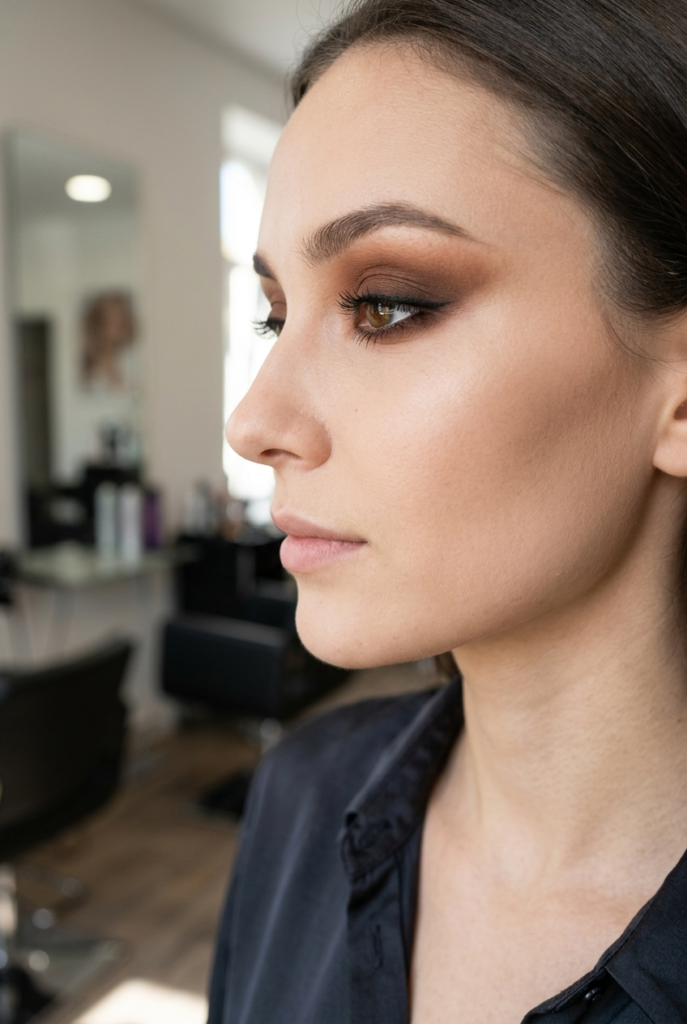
If there’s one look that consistently shows up on celebrities, runway models, and real women alike, it’s the brown smoky eye. Zendaya wore a version of it at the 2025 Met Gala that was widely photographed — a warm, diffused shadow applied across the entire lid and softened toward the brow bone, paired with a thin line of black liner and curled lashes.
What makes this one work is that brown smoke is flattering on every skin tone and eye color. Unlike black smoky eyes, which can feel heavy if overdone, warm browns stay readable in daylight and intensify beautifully under evening light. Start with a medium matte brown in your crease, blend it outward, then deepen the outer corner. That’s genuinely all it takes.
2. A Single Wash of Shimmery Shadow
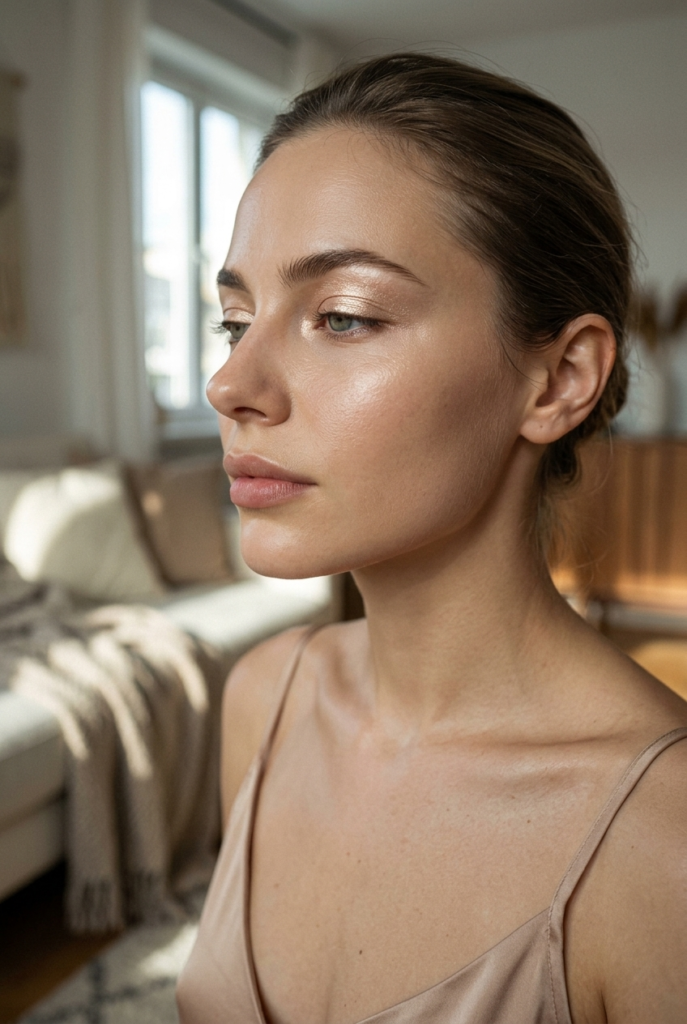
This is the look beauty editors have been quietly wearing for the past year. One shade — no blending, no multiple steps — applied across the entire lid and left alone. The trick is in the finish: shimmer or satin, not matte.
A shimmery champagne, a soft gold, or a rose-bronze applied with a flat brush (or even your finger) catches the light in a way that makes eyes look wide awake and polished. Harper’s Bazaar and ELLE have both spotlighted satin-finish shadows for exactly this reason — they offer real luminosity without any glitter fallout.
3. The Warm-Toned Cut Crease — Softened
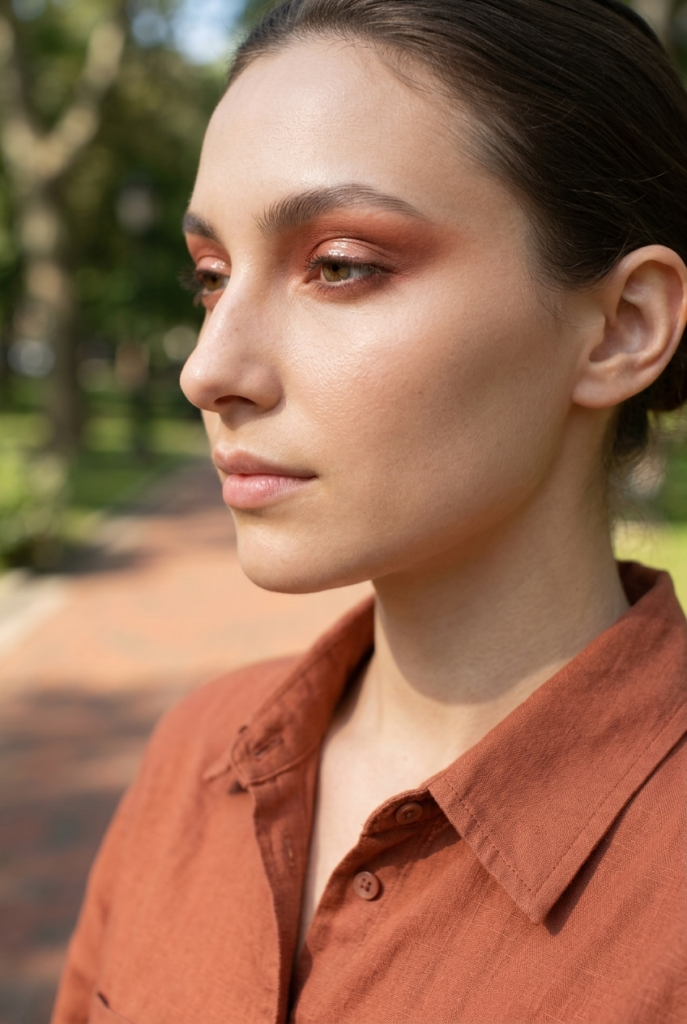
The cut crease got a bit of a reputation for being an advanced technique, but the softened version is much more approachable. Rather than a sharp, defined line in the crease, this look uses a deeper warm shade — terracotta, rust, or a rich bronze — blended just above the natural crease and smudged slightly so there are no harsh edges.
The result reads as dimensional and artistic without looking like it took serious skill. Pair it with minimal liner and a glossy lid in a lighter shade at the center, and the whole thing comes together in about ten minutes.
4. The Undone, Smudgy Liner Eye
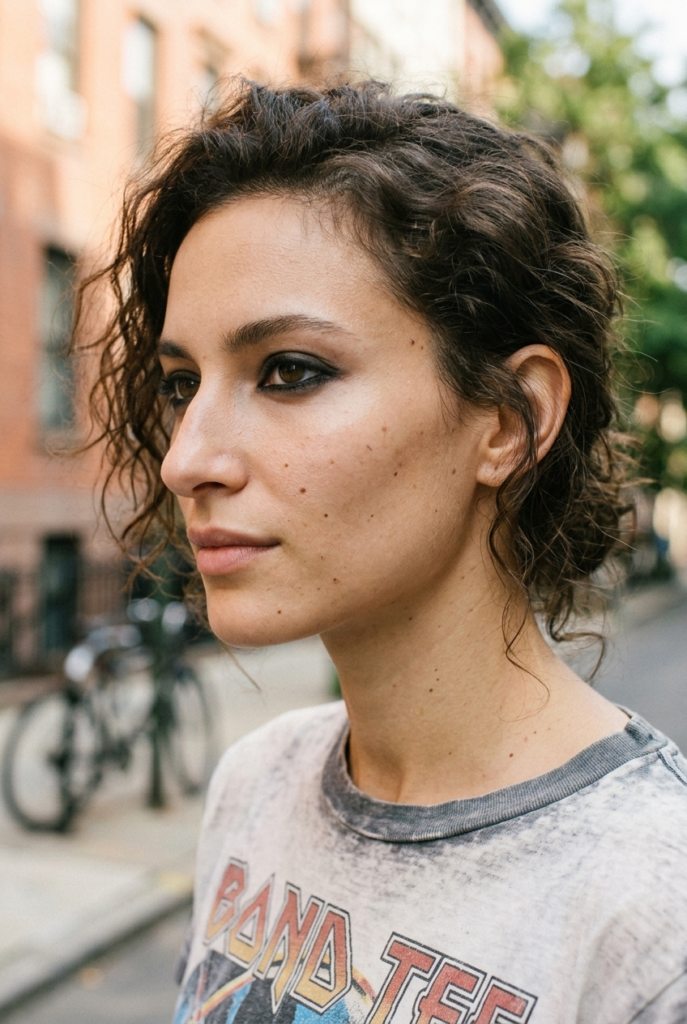
One of the most talked-about eye trends for fall 2025 is what makeup artists are calling the “undone eye” — a smudged, imperfect liner application that looks like you put it on earlier in the day and it settled naturally. Think of it as intentionally lived-in.
This one requires zero blending brushes. Apply a soft black or deep brown kohl pencil along your upper lash line, then use your fingertip to smudge it outward. Add a little on the lower waterline for depth. The whole look takes about two minutes, and it reads as effortlessly cool in a way that a perfect cat eye simply doesn’t.
5. The Jewel-Toned Smoky Eye
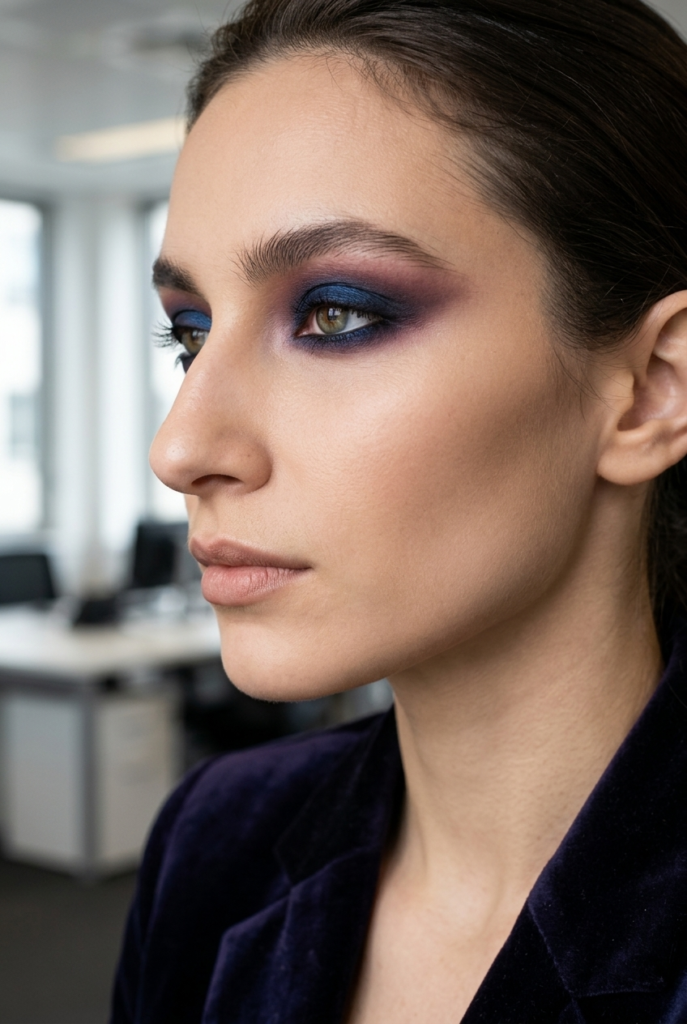
Berry shades — from raspberry to deep plum — are having a proper moment right now. Applied in the same way as a classic smoky eye (blended into the crease, deepened at the outer corner, sheered out toward the inner corner), a jewel-toned shadow creates a romantic, moody look that photographs beautifully and works well for evenings without feeling costume-y.
Sapphire blue is another strong option here. It sounds bold, but when blended properly and kept to the outer corner and crease, a deep navy reads as sophisticated rather than theatrical. Keep the rest of the face simple — brushed-up brows, clean skin, a neutral lip — and the color carries the look on its own.
6. Chrome or Metallic Lids
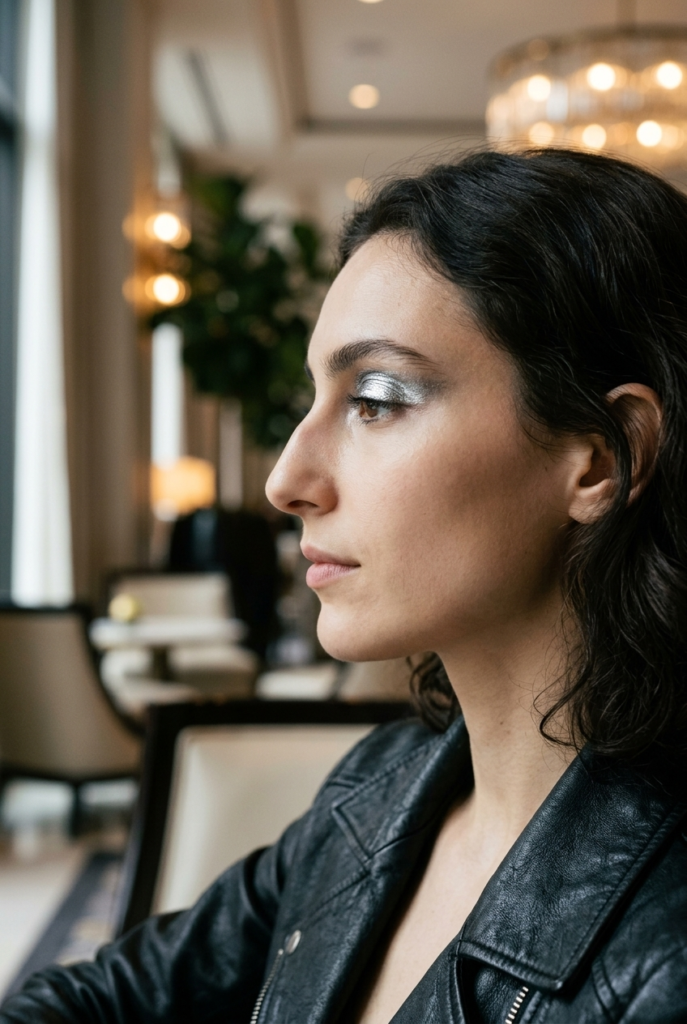
Liquid metals and chrome finishes are everywhere right now, and they’re much easier to apply than they look. A single chrome shadow — silver, gunmetal, or molten gold — pressed onto the center of the lid with a finger, then faded slightly toward the edges, creates a high-impact look in under five minutes.
The key with metallics is to keep everything else pared back. No heavy liner, no dramatic brow, no busy blush. The lid is the focal point. Let it be.
7. The Soft Goth Eye
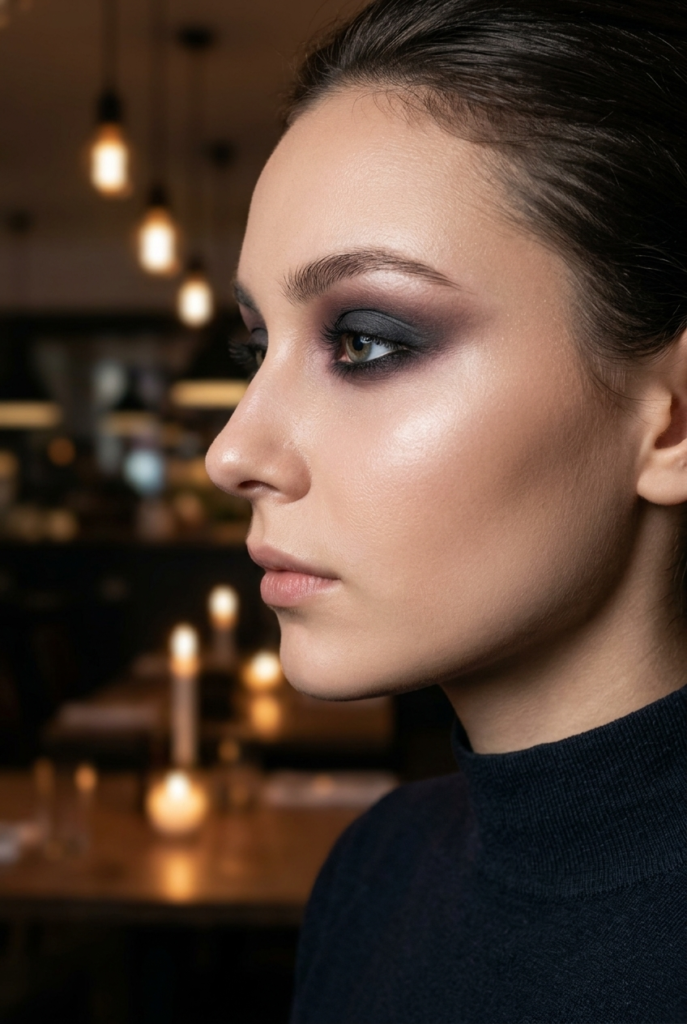
This one sounds more intimidating than it is. Soft goth is essentially a dark, smudgy eye — think deep shadow in the crease and along the lower lash line — that’s been refined enough to wear during the day or at a dinner party without looking like you’re heading to a concert. Beauty editors describe it as “grunge, but polished.”
Deep plum, charcoal gray, or a very deep brown applied in a soft, diffused way around the eye (avoiding any hard lines) is the approach here. Balance it with luminous skin and clean brows, and the look sits comfortably in that interesting space between dramatic and wearable.
8. Glossy Eyelids
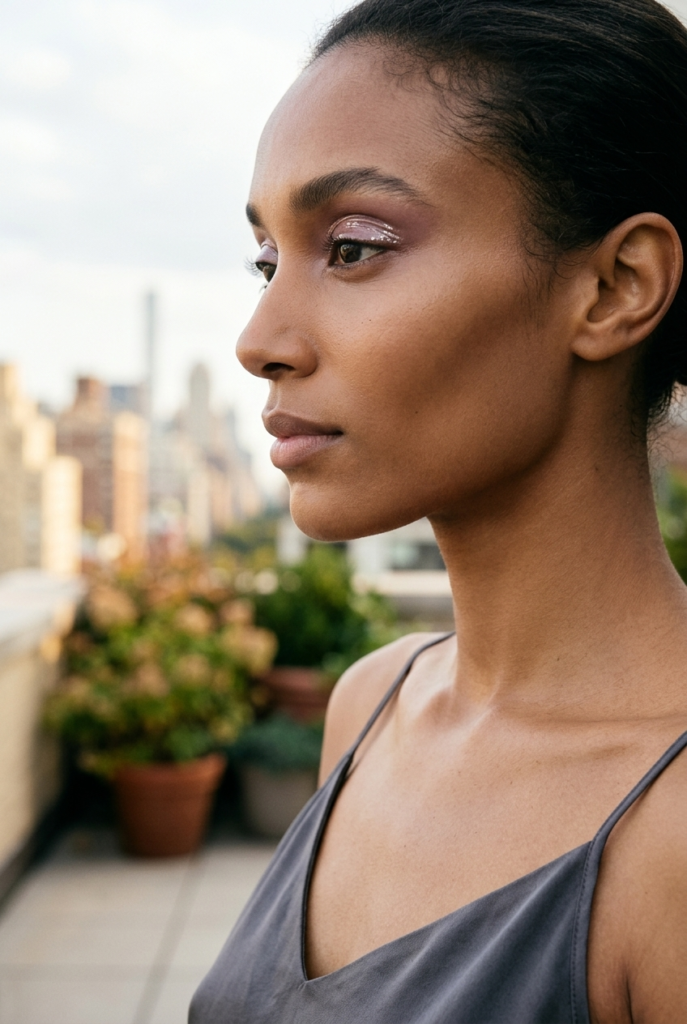
The glass-skin movement eventually made its way to eyelids, and the result is exactly as good as it sounds. A clear gloss or a tinted lid gloss applied over a neutral shadow base creates a wet-look effect that feels very current.
This works best with a simple shadow underneath — a sheer brown or a dusty mauve — to add just enough dimension before the gloss goes on. It catches light beautifully and looks especially striking on women with hooded or deep-set eyes, since it adds immediate brightness to the lid area.
9. The Floating Liner
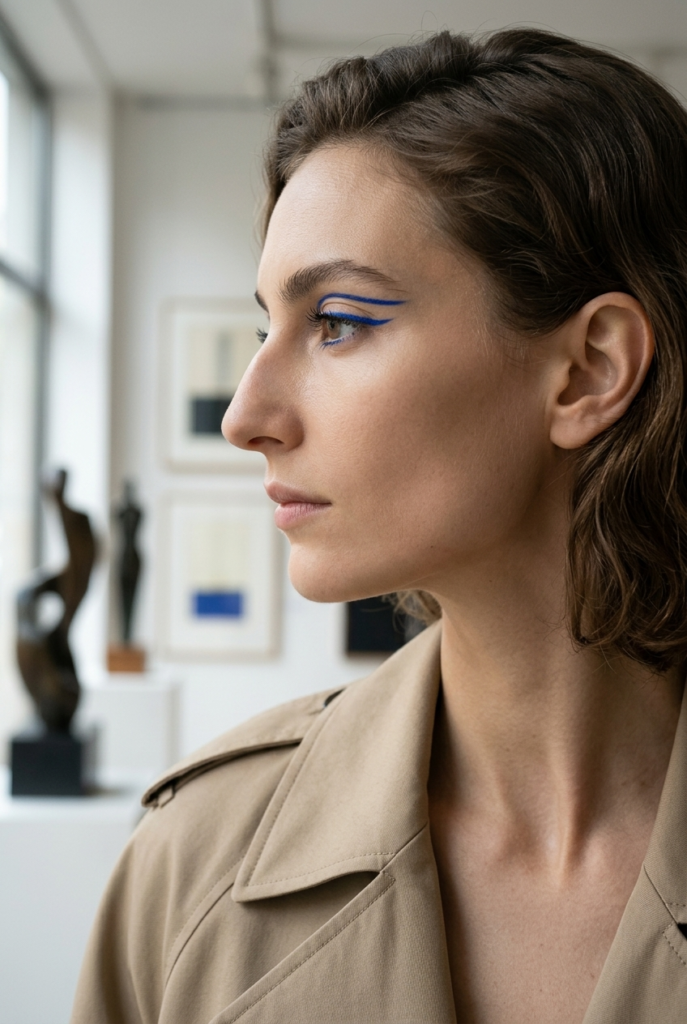
Graphic liner has been popular for a few years now, but the floating liner version is its most minimal form. A slim line of color — drawn just above the crease or a few millimeters above the natural lash line, leaving a clean gap of skin between liner and lash — creates a futuristic, polished effect that works over bare lids.
No eyeshadow required. Just a steady hand and a fine-tipped liner. Nude or flesh-toned floating liner feels modern and editorial; a thin line in chocolate brown or cobalt reads as a clean, intentional color choice. Either way, it’s a strong look that takes less than two minutes.
10. The Monochromatic Eye

The monochromatic approach — picking one color family and using varying depths of it across the lid, crease, and lower lash line — is one of the most effortlessly sophisticated things you can do with eyeshadow. A light dusty rose on the lid, a deeper berry in the crease, and the lightest shade blended up toward the brow bone. Done.
This technique works in any color: all earthy browns, all warm coppers, all soft mauves. Because every shade belongs to the same family, blending is almost impossible to get wrong. The look always comes out cohesive, even if your technique isn’t perfect.
The Eyes Have It — And You Don’t Have to Work That Hard for It
Eyeshadow doesn’t have to mean a multi-step production that takes 40 minutes and three primers. The looks above are proof that most of what reads as “polished” and “put together” comes from a clear direction — choosing one focal point, committing to it, and leaving everything else clean.
Whether a single metallic wash on the lid or a smudgy dark crease is more your speed, the approach is the same: pick one technique, skip the fuss, and trust that less blending often means more impact. A focused look almost always lands better than a complicated one.
Frequently Asked Questions
Q: Do I need a primer before applying eyeshadow? A: A primer helps shadow stay in place longer and makes colors appear more pigmented, but it’s not required for every look. For sheer or satin finishes, you can often skip it. For darker or more saturated shades, a primer or light concealer on the lid makes a noticeable difference.
Q: What’s the easiest eyeshadow look for beginners? A: A single wash of shimmer or satin shadow across the lid is the most forgiving starting point. One shade, applied with a finger or flat brush, requires no blending and still looks polished. Pair it with mascara and you’re done.
Q: How do I make a smoky eye without it looking messy? A: The key is to work with small amounts of product and blend upward rather than outward. Start lighter than you think you need to, build the depth gradually, and use a clean blending brush to soften any edges. Warm browns are much more forgiving than black if you’re still getting the hang of it.
Q: Can metallic eyeshadow work for daytime? A: Yes — the finish matters more than the shade. A champagne or warm gold metallic is very wearable during the day when applied lightly to the center of the lid and left unfussy. Keep the liner minimal and let the shimmer do the work.
Q: What’s the difference between a satin and shimmer eyeshadow finish? A: Shimmer has visible sparkle and reflects light in a glittery way. Satin falls between matte and shimmer — it has a soft sheen that catches light gently without any visible glitter particles. Satin tends to be more wearable across different ages and settings.
Q: How do I apply glossy lids without it looking sticky? A: Use a thin layer of gloss and press it onto the lid rather than swiping it across. Starting with a neutral shadow base underneath keeps the gloss from sliding and adds some depth. A little goes a long way with this look.
Q: Are jewel-toned eyeshadows appropriate for work? A: Deep plum, navy, or forest green applied in a diffused, blended way — rather than as sharp graphic liner — can absolutely work in a professional setting. The application style matters more than the color itself. Keep it blended, keep the rest of the face clean, and the result reads as polished rather than bold.
Q: What eyeshadow shades work on all skin tones? A: Warm browns, burnt oranges, terracottas, and soft golds are universally flattering. Deep plums and berry tones also work well across the full range of skin tones when blended properly.
Q: How do I stop eyeshadow from creasing throughout the day? A: An eyeshadow primer is the most reliable fix. Setting it with a light layer of translucent powder before applying shadow also helps. Avoiding heavy moisturizer directly on the lid before makeup application makes a difference too.

