

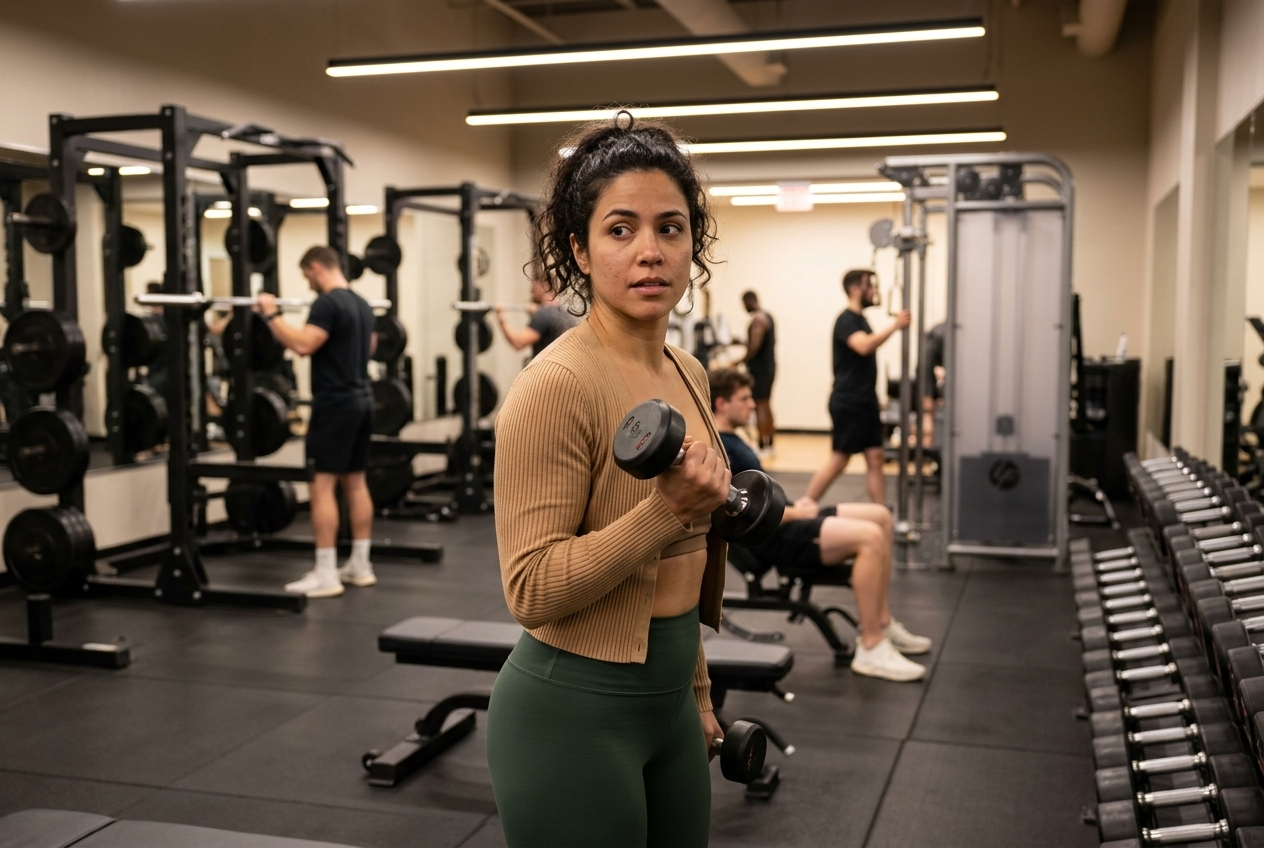
Walking into the gym for the first time — or even the tenth — can feel like showing up to a party where everyone else already knows the rules. The weights section, in particular, tends to feel like someone else’s territory. Most women head straight to the cardio machines not because that’s what they actually want, but because it’s the one place that feels familiar and safe.
Here’s the truth that nobody puts on a poster: building muscle is one of the most effective things a woman can do for her body, long term. It speeds up metabolism, strengthens bones, reshapes your figure, and makes everyday life easier — carrying groceries, climbing stairs, keeping up with your kids. The aesthetic changes people talk about — that toned, defined look — are simply a side effect of getting stronger.
If you’ve been showing up to the gym without a clear plan and leaving frustrated, these tips are for you. Nine of them, to be exact, starting from the very basics and walking you through everything that actually makes a difference.
- 1. Start With 2–3 Full-Body Sessions Per Week
- 2. Build Your Workouts Around Compound Movements
- 3. Understand Progressive Overload (This Is What Actually Builds Muscle)
- 4. Stop Worrying That Lifting Heavy Will Make You Bulky
- 5. Get Your Protein Intake Right
- 6. Don't Skip the Warm-Up
- 7. Learn to Rest — Seriously
- 8. Track Your Lifts — Even If It Feels Tedious
- 9. Give It More Time Than You Think You Need
- What Matters Most Is That You Start
- Frequently Asked Questions
1. Start With 2–3 Full-Body Sessions Per Week
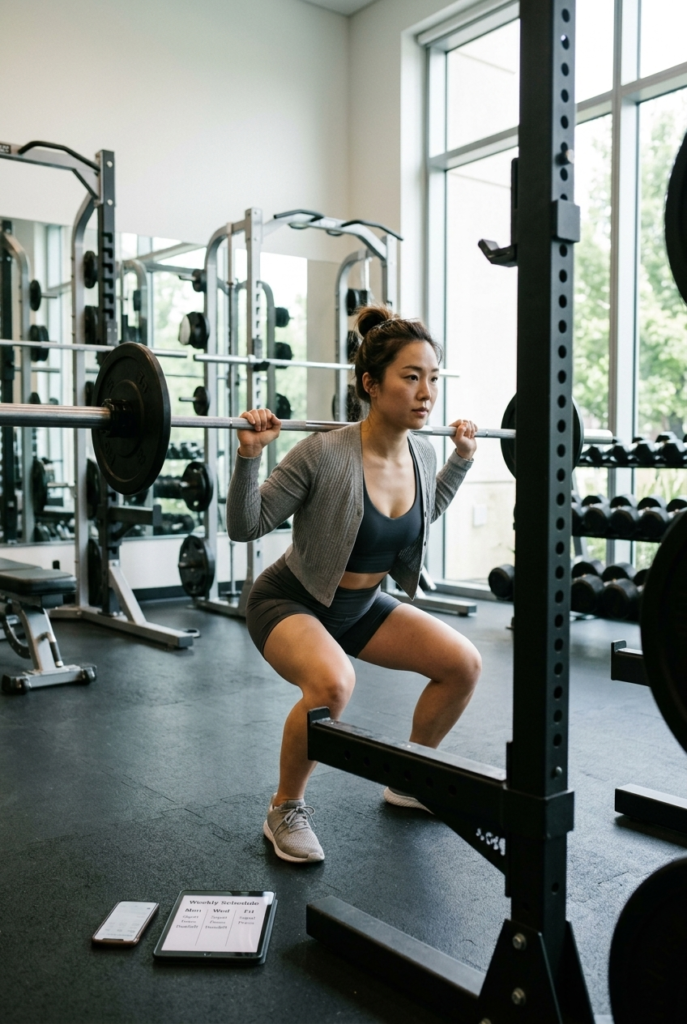
More is not better when you’re starting out. Jumping straight into five-day training splits sounds committed, but it’s the fastest route to burnout or injury. Two to three full-body sessions per week, with at least 48 hours between them, gives your muscles enough stimulus to grow while your body has time to actually repair.
This frequency works because you’re hitting each muscle group more than once a week — which research consistently shows leads to better results than training each muscle only on a single dedicated day. Think Monday, Wednesday, Friday. Or Tuesday, Thursday, Saturday. Pick a schedule you can realistically stick to, because consistency will always beat intensity.
2. Build Your Workouts Around Compound Movements
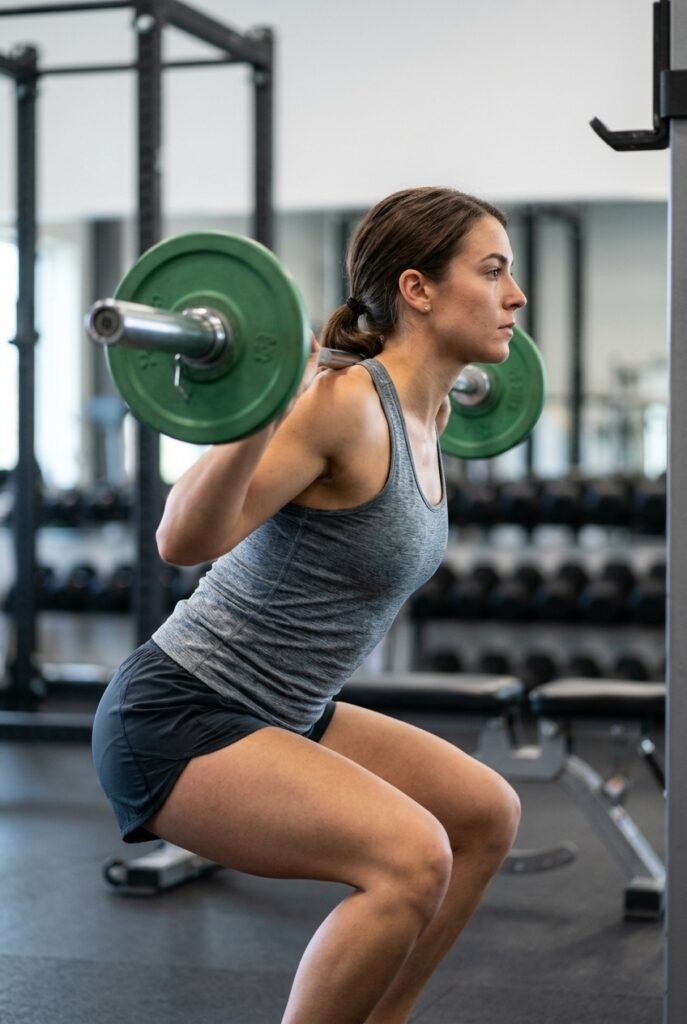
Compound exercises — movements that work multiple joints and muscle groups at once — give you far more return on your time than isolation exercises like bicep curls or leg extensions.
The four you should know and practice from day one:
Squats — trains legs, glutes, and core all at once
Deadlifts — hits hamstrings, glutes, back, and core
Rows — develops your back and biceps
Presses — builds your chest, shoulders, and triceps
These movements are the foundation of almost every effective strength program. Learning them well — with proper form — should be your main focus for the first few weeks. Don’t worry about fancy machines or complicated circuits. Master these four and you’ll be ahead of most people in the gym.
3. Understand Progressive Overload (This Is What Actually Builds Muscle)
Progressive overload is the single most important concept in strength training. It means gradually increasing the challenge of your workouts over time — either by adding a little more weight, doing one more rep, or completing an extra set.
Your muscles grow because they’re forced to adapt to a stress they haven’t experienced before. Once something becomes easy, it stops producing results. That’s why doing the same workout with the same weights every week for months leads nowhere.
You don’t need to add weight every single session. Even adding one rep to a set counts. The goal is slow, consistent upward progress tracked over weeks and months — not massive jumps that compromise your form.
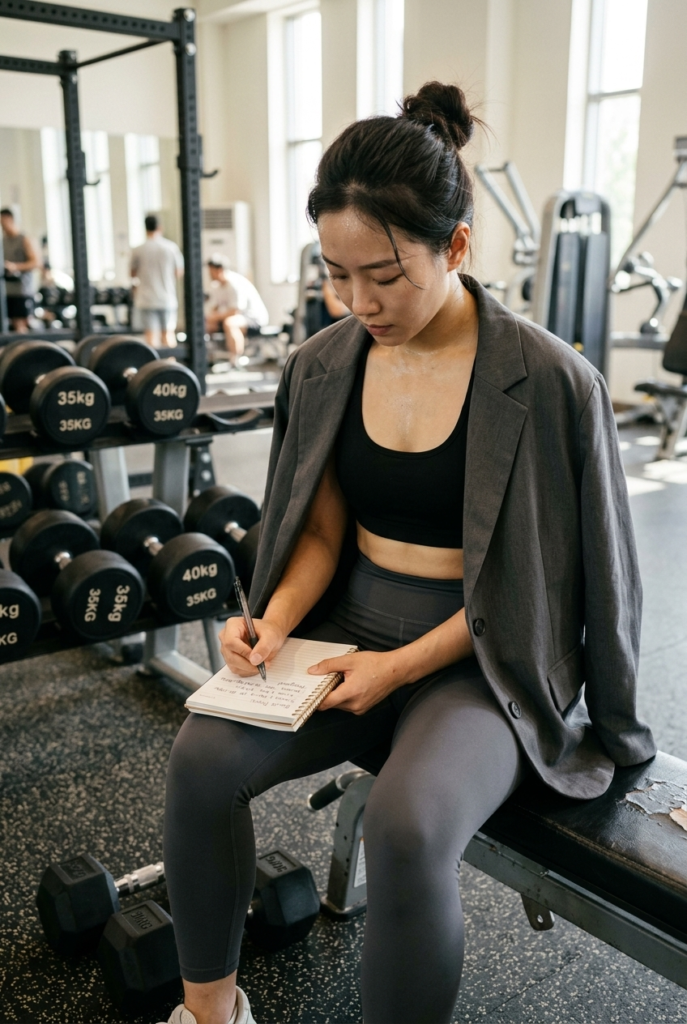
Keep a workout log. Write down what you lift, how many reps you completed, and how it felt. That record becomes your roadmap.
4. Stop Worrying That Lifting Heavy Will Make You Bulky
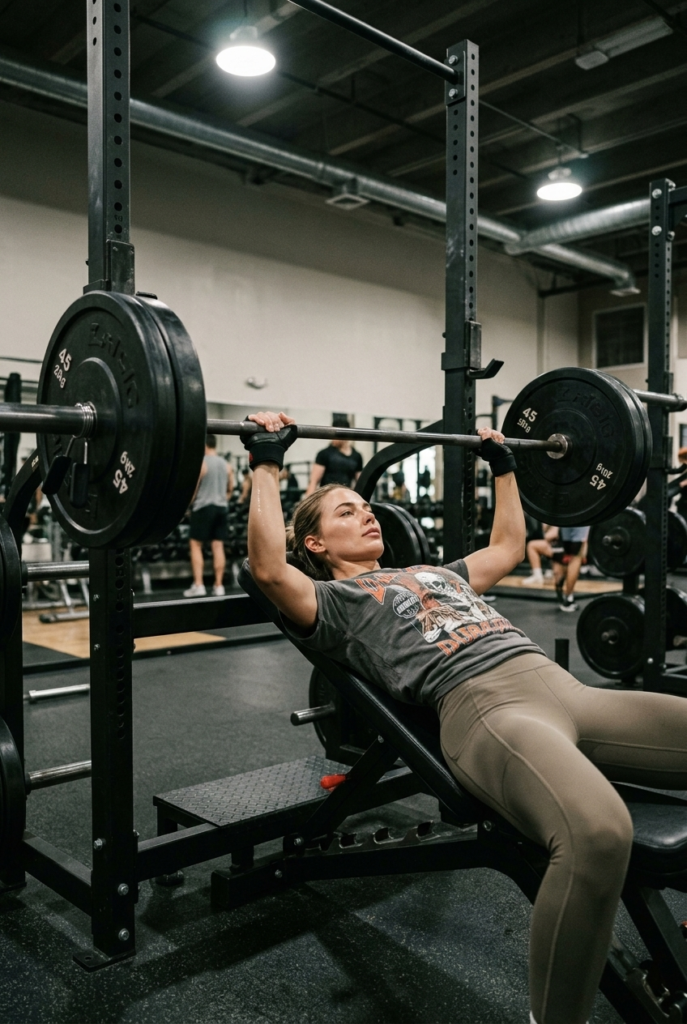
This one deserves to be addressed head-on because it keeps a lot of women stuck on light weights that aren’t actually producing results.
Women do not have the testosterone levels required to build the kind of mass that bodybuilders have — and those women have typically trained for years, follow strict nutrition protocols, and in many cases use supplementation. Lifting heavier weights as a regular woman is not going to lead to that outcome.
What it will do is create a firmer, more defined physique. The “toned” look women describe wanting? That comes from building muscle and reducing body fat — and lifting with challenging weights is how you do it. Staying in the 8–12 rep range with weights that genuinely feel difficult by the last few reps is your sweet spot for muscle growth.
5. Get Your Protein Intake Right

Training is only half the equation. What you eat — especially how much protein you take in — determines a large part of whether your body can actually build and repair muscle tissue.
The general recommendation for women focused on building muscle is between 1.6 and 2.2 grams of protein per kilogram of body weight daily. If you weigh 140 pounds (about 64 kg), that puts you somewhere in the range of 100–140 grams of protein per day.
Good sources include chicken, turkey, eggs, Greek yogurt, cottage cheese, fish, legumes, and protein shakes when you need something quick. Spreading your intake across three to four meals through the day tends to work better than eating most of it in one sitting, since your body can only use so much protein for muscle-building at a time.
6. Don’t Skip the Warm-Up
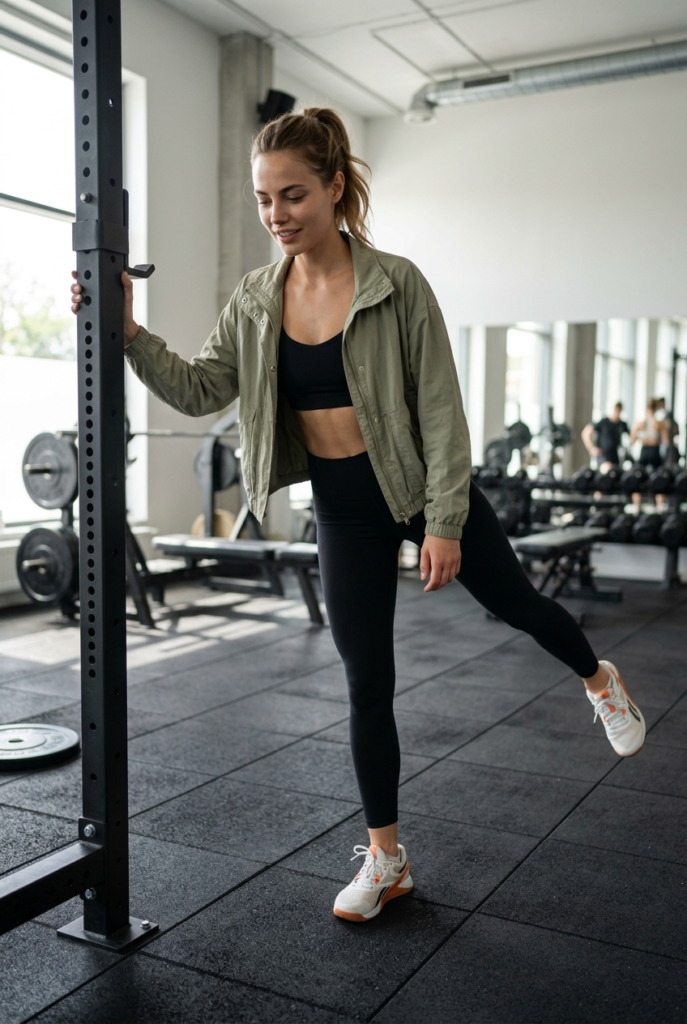
Warm-ups feel like something you do when you have extra time — but they’re actually what prevents injury and makes your training session more effective. Cold muscles don’t perform as well and are more prone to strains.
A solid warm-up doesn’t have to be long. Five to ten minutes of light cardio followed by dynamic movements that prep the muscles you’re about to use is enough. If you’re squatting that day, do some bodyweight squats, hip circles, and leg swings beforehand. If you’re pressing, warm up your shoulders and chest.
Think of it as the difference between starting a car in winter and letting it warm up first versus just flooring it out of the driveway. Your joints and muscles will thank you.
7. Learn to Rest — Seriously

Rest days are not a sign that you’re being lazy. They’re a biological requirement for muscle growth.
Muscles are broken down during training and rebuilt stronger during recovery. That rebuilding happens primarily when you’re sleeping and resting — not in the gym. Skipping rest or training the same muscle group two days in a row doesn’t speed up results; it actually slows them down.
Aim for seven to nine hours of sleep per night. One study found that sleep deprivation can reduce muscle protein synthesis by up to 18% after just a single bad night — which is a significant enough hit that it’s worth taking seriously. If you can’t get a full night of sleep every night, focus on what you can control: consistent bedtime, a cool room, and minimizing screens before bed.
On rest days, light activity like walking or gentle stretching keeps blood moving to recovering muscles without adding extra stress.
8. Track Your Lifts — Even If It Feels Tedious

You don’t need a fancy app for this. A notes app on your phone or a small notebook in your gym bag works perfectly. The point is having a record of what you did so you know what to aim for next time.
Tracking your workouts removes guesswork and replaces it with something concrete. On days when you don’t feel stronger or more motivated than last week, your log can show you that you added five pounds to your deadlift since you started — and that’s real, objective proof that what you’re doing is working.
It also helps you spot when progress has stalled, which is usually a sign that it’s time to add a small amount of weight or bump up your reps.
9. Give It More Time Than You Think You Need
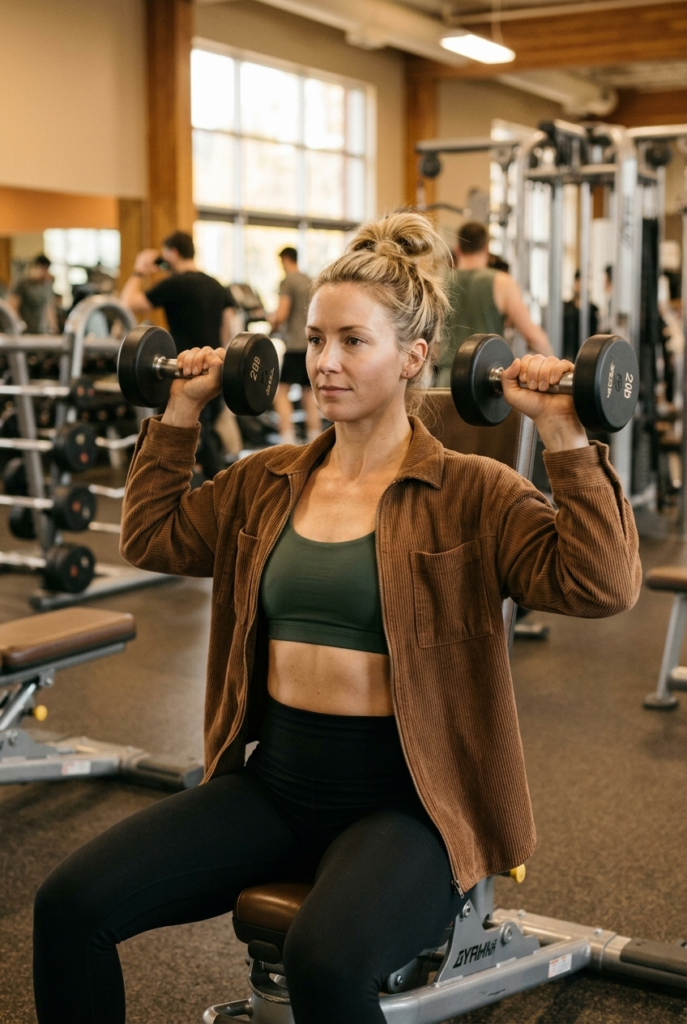
Muscle takes longer to build than most people expect, and social media has made this worse by highlighting before-and-after transformations that either happened over a much longer timeline than shown or involved extreme measures.
For women in their first year of consistent strength training, gaining two to five pounds of muscle is a realistic expectation. That might not sound like a lot, but on the body, that kind of lean tissue change is visually significant — especially when paired with even moderate fat loss.
The women who see the best results aren’t the ones who found the perfect program. They’re the ones who showed up consistently for months, kept adding a little more weight to the bar, ate enough protein, and let the process work.
Progress is happening even when you can’t see it yet. Trust the basics and keep going.
What Matters Most Is That You Start
None of these tips require a perfect gym setup, a personal trainer, or years of experience. You need a program you can follow consistently, a few compound movements you’re learning to do well, enough protein in your diet, and enough sleep to let your body catch up.
The gym doesn’t have to feel foreign forever. Most women who stick with strength training for three months say they can’t imagine going back to anything else — not because the results are dramatic overnight, but because they finally feel strong in a way they didn’t before. That feeling is what keeps people coming back, and it starts with showing up and doing the basics well.
Frequently Asked Questions
Q: How often should a woman lift weights to build muscle? A: Two to three full-body sessions per week is enough to see consistent muscle growth as a beginner. Anything more than that is fine once you’ve built a base, but starting with fewer sessions and more recovery time tends to produce better early results.
Q: Will lifting heavy weights make women look bulky? A: No. Women don’t have the hormone levels to build large amounts of muscle mass without years of very specialized training and, often, supplementation. Lifting challenging weights produces a lean, defined look — not a bulky one.
Q: How much protein does a woman need to build muscle? A: Most recommendations land between 1.6 and 2.2 grams of protein per kilogram of body weight per day. For a 140-pound woman, that’s roughly 100–140 grams of protein daily, spread across meals through the day.
Q: What are the best exercises for women who want to build muscle? A: Squats, deadlifts, rows, and presses are the most effective starting point. These compound movements work multiple muscle groups at once and give you the most return for your time in the gym.
Q: How long does it take to see results from strength training? A: Most women notice changes in how they feel — more energy, better posture, increased strength — within three to four weeks. Visible physical changes typically become more apparent after eight to twelve weeks of consistent training.
Q: What is progressive overload and why does it matter? A: Progressive overload means gradually increasing the difficulty of your workouts over time — by adding weight, reps, or sets. Without it, your muscles have no reason to grow stronger or larger, because they’ve already adapted to the current stress.
Q: Is cardio necessary for building muscle? A: Cardio isn’t required for muscle growth itself, but low-intensity activity like walking or light cycling supports heart health and can actually improve how fast you recover between strength sessions. The main thing to avoid is excessive high-intensity cardio that competes with your recovery.
Q: How important is sleep for muscle building? A: Very important. Muscles grow during recovery, not during the workout. Research shows that even one poor night of sleep can reduce muscle protein synthesis by up to 18%. Consistent seven-to-nine-hour nights make a meaningful difference in how well your training pays off.
Q: Do women need supplements to build muscle? A: No supplement is required. Getting enough protein from food should be the first priority. A protein powder can make it easier to hit your daily target, and creatine has solid research supporting its use for women — but neither is necessary to see results.

