

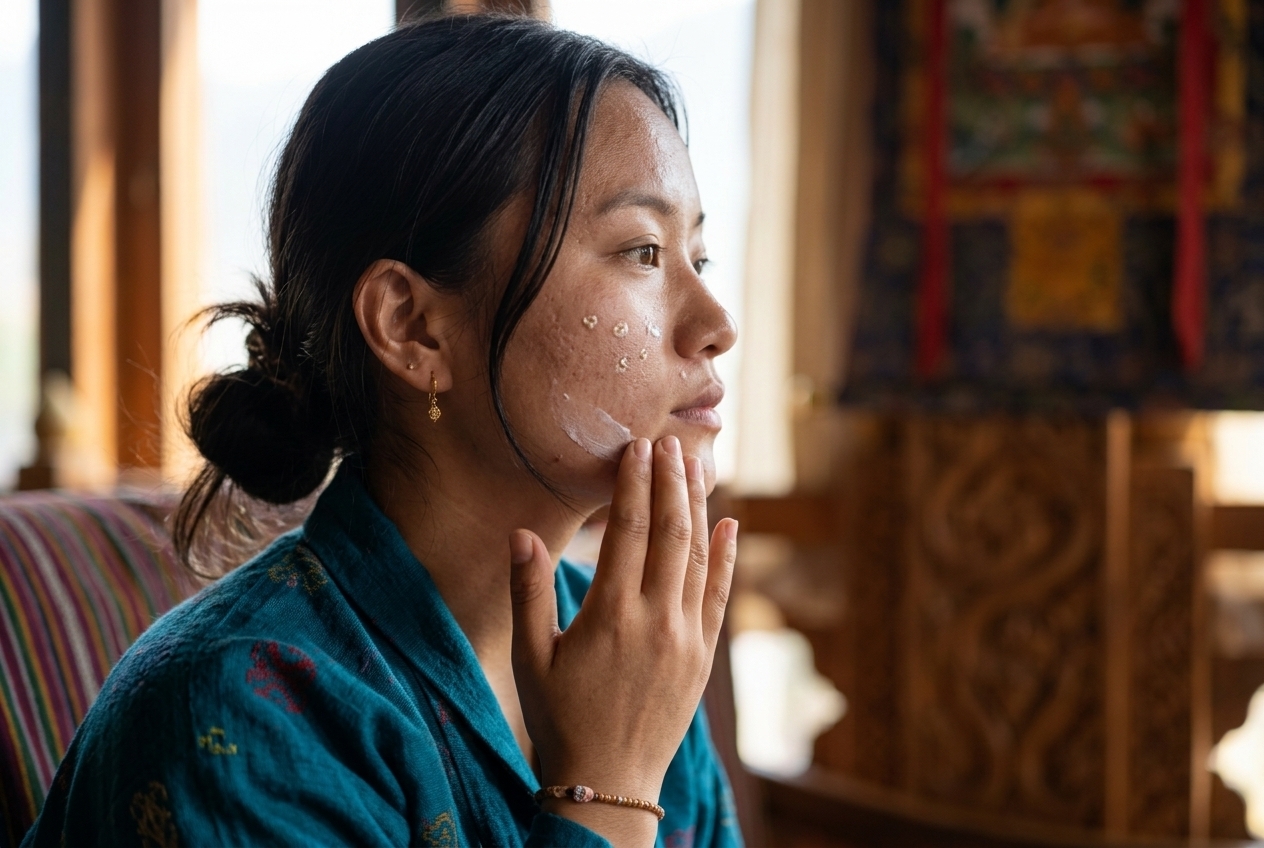
Dry skin is one of those things that can sneak up on you slowly — a little tightness here, some flaking there — and before you know it, your skin feels rough and uncomfortable no matter how much water you drink. It is incredibly common, especially for women, and it tends to get worse with age, season changes, and everyday habits most people don’t think twice about.
The good news is that most cases respond very well to simple changes. You don’t need a 12-step routine or a medicine cabinet full of products. What you need is the right information, applied consistently.
Whether you’re dealing with flaky patches in winter, persistent tightness after washing your face, or cracked hands that never seem to heal, these 10 skin care tips can make a real, lasting difference.
- 1. Switch Your Shower Temperature Down a Notch
- 2. Apply Moisturizer on Damp Skin
- 3. Choose Creams or Ointments Over Lotions
- 4. Use a Fragrance-Free Cleanser
- 5. Run a Humidifier While You Sleep
- 6. Limit Exfoliation (and Do It Gently)
- 7. Protect Your Hands (They Show Dryness First)
- 8. Check Your Laundry Detergent
- 9. Adjust What You Eat and Drink
- 10. Wear Loose, Soft Clothing Against Your Skin
- Your Skin Deserves Consistency, Not Complexity
- Frequently Asked Questions
1. Switch Your Shower Temperature Down a Notch
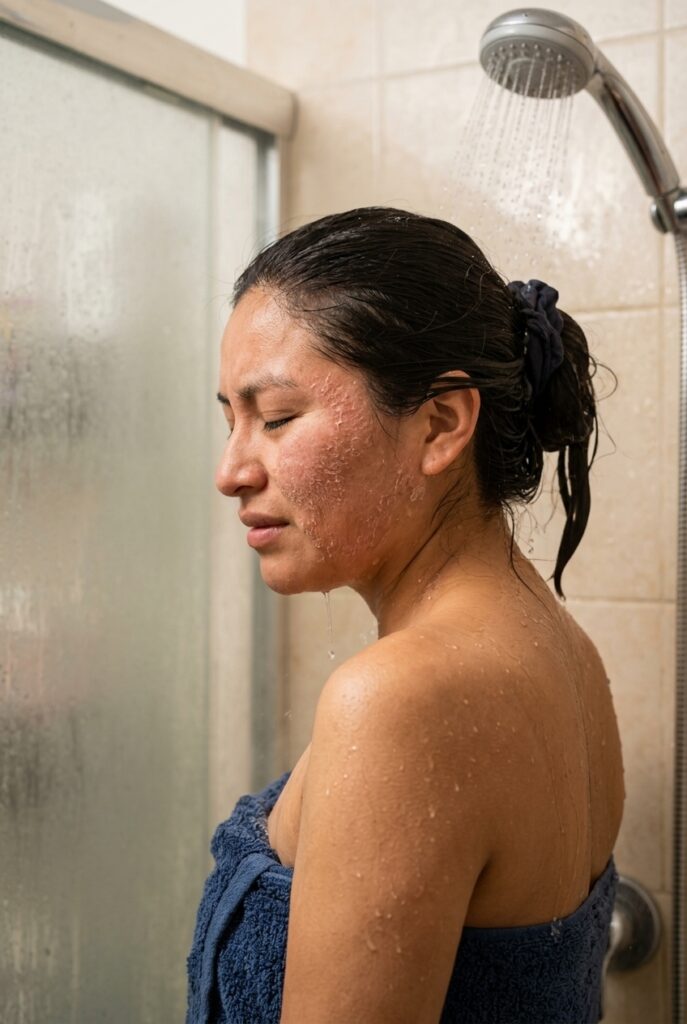
Hot showers feel amazing — but they’re one of the biggest culprits behind chronically parched skin. Hot water strips the skin of its natural oils, which are there specifically to lock moisture in and keep irritants out. Once those oils are gone, water evaporates from the skin’s surface faster than the body can replenish it.
Board-certified dermatologists consistently recommend keeping showers warm, not hot, and limiting them to five to ten minutes. Closing the bathroom door while you shower also helps — it traps steam in the air and gives your skin a little extra humidity exposure during that time.
After you step out, pat your skin dry with a clean towel instead of rubbing. Rubbing — especially on skin that’s already irritated — removes more of that protective layer and can make dryness worse.
2. Apply Moisturizer on Damp Skin
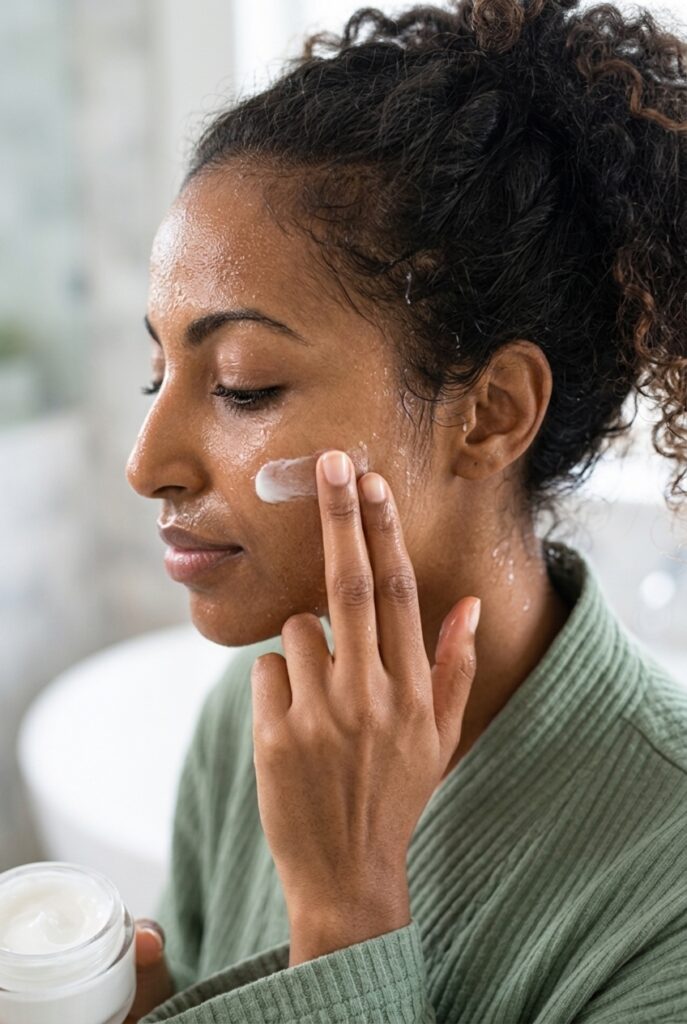
Most women apply moisturizer on completely dry skin, which significantly reduces how well it works. Moisturizer is most effective when applied to skin that is still slightly damp — right after patting dry from a shower or washing your face.
Why? Because the job of a good moisturizer is to trap moisture that’s already there, not create it from scratch. When the skin has a thin layer of water sitting on it, the moisturizer seals that water in before it can evaporate. Waiting until your skin is fully dry means there’s less moisture to lock in.
Board-certified dermatologist Kavita Mariwalla puts it simply: apply moisturizer twice a day, and make sure at least one of those applications is on damp skin.
3. Choose Creams or Ointments Over Lotions

Not all moisturizers are created equal. Lotions are light and spread easily, but they have a higher water content and less oil — which makes them less effective for women dealing with significant dryness. Creams and ointments contain more oils and provide a stronger barrier against moisture loss.
Look for these ingredients on the label:
- Ceramides — fatty molecules that repair and strengthen the skin’s outer barrier
- Hyaluronic acid — a humectant that draws water into the skin
- Squalane — a lightweight oil that mimics the skin’s own natural lipids
- Petrolatum or shea butter — heavier options that work well on very dry patches like heels, elbows, and knuckles
Products like CeraVe Moisturizing Cream, Eucerin Advanced Repair, and Aquaphor Healing Ointment are frequently recommended by dermatologists for a reason — they cover the basics without unnecessary additives.
4. Use a Fragrance-Free Cleanser
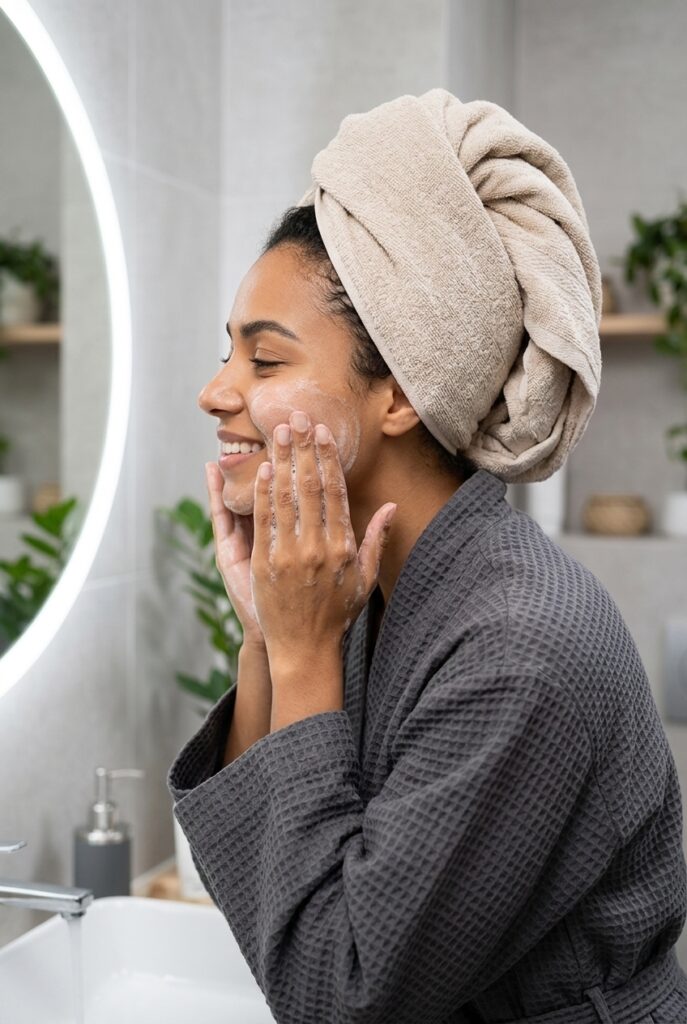
Many women don’t realize their cleanser is part of the problem. Soaps and body washes with fragrance, antibacterial additives, or strong deodorizing properties are too harsh for dry or sensitive skin. They strip away the skin’s protective oils along with whatever dirt and bacteria they’re meant to remove.
The fix is straightforward: swap to a fragrance-free, gentle cleanser. Look for the word “fragrance-free” specifically — “unscented” doesn’t mean the same thing. An unscented product can still contain masking chemicals that neutralize odors but irritate the skin.
Ceramide-based cleansers are worth considering. They clean the skin without compromising its barrier, leaving it softer and less reactive after washing.
5. Run a Humidifier While You Sleep

Indoor air — especially in winter when heating systems run constantly — is drier than most people expect, and that dry air pulls moisture directly out of the skin. A humidifier adds water vapor back into the room, which helps the skin retain hydration passively, overnight, without any extra effort.
Dermatologist Shari Lipner has said that using a humidifier at night “can really help improve the skin barrier,” particularly during colder months. Place a portable humidifier in your bedroom and run it while you sleep. Just make sure to clean it regularly to prevent mold buildup — that part matters.
This one change alone can noticeably reduce morning tightness and flaking, especially for women who wake up feeling like their skin has lost everything overnight.
6. Limit Exfoliation (and Do It Gently)
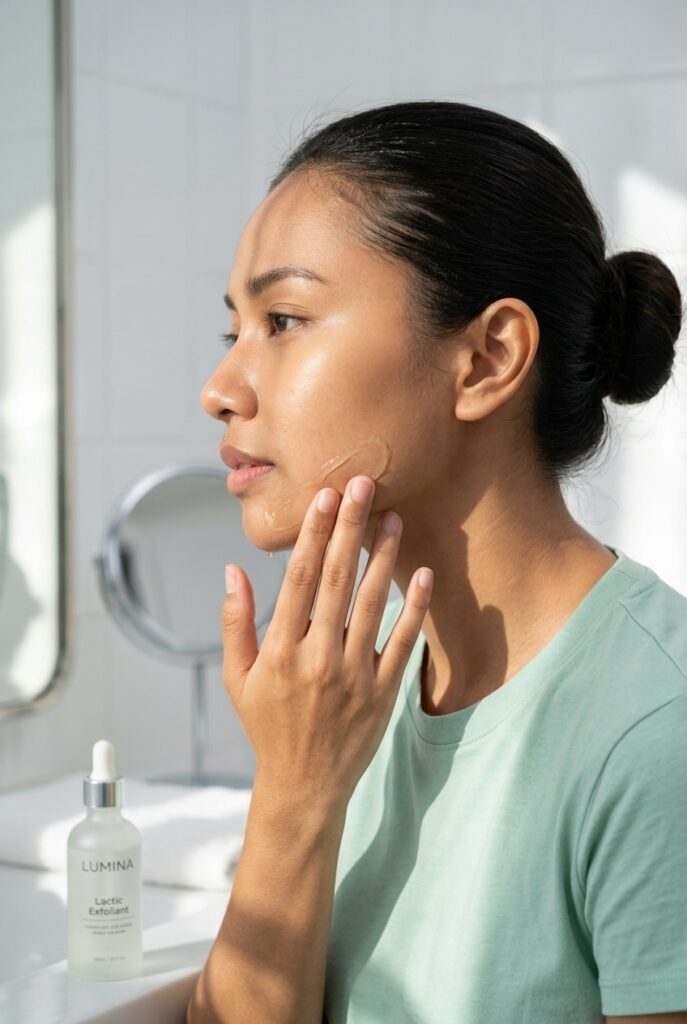
Exfoliation has its place in any skin care routine, but overdoing it is one of the fastest ways to make dryness worse. Physical scrubs — especially gritty ones — can create micro-tears in already-compromised skin and strip away the surface layer faster than it can recover.
If you have dry skin, limit exfoliation to once a week, maximum. When you do exfoliate, choose a mild chemical exfoliant over a physical scrub. Lactic acid is a particularly good option — it exfoliates gently while also hydrating, which makes it one of the few active ingredients that won’t leave dry skin feeling worse.
Avoid alcohol-based toners and astringents entirely. They offer a temporary sensation of “clean” that comes at the cost of stripping the skin barrier.
7. Protect Your Hands (They Show Dryness First)

Hands are often the first place dryness becomes obvious — cracked knuckles, rough patches, cuticles that split. This happens because the hands are almost constantly exposed to water, soap, cold air, and friction throughout the day.
Wearing gloves when washing dishes or cleaning makes a significant difference. Hot water and dish detergent are particularly harsh combinations for the skin. Keeping a hand cream at the sink — so it gets applied every time after washing — helps rebuild the skin’s protective layer throughout the day rather than waiting until nighttime.
In cold weather, wear gloves outdoors. Wind and cold air together accelerate moisture loss from exposed skin faster than either one alone.
8. Check Your Laundry Detergent
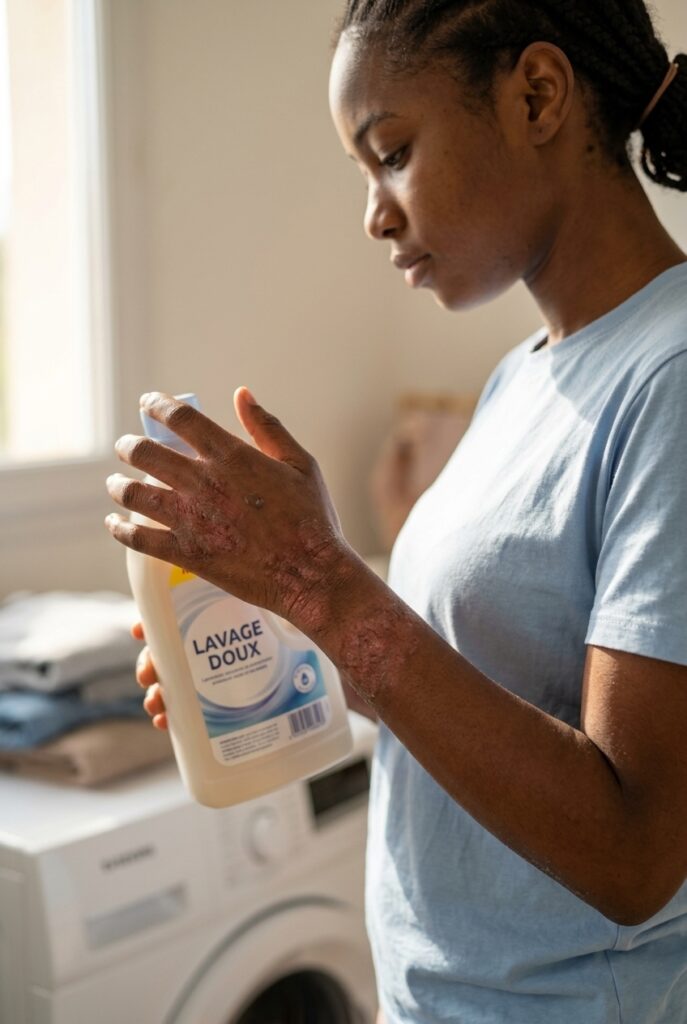
This one tends to fly under the radar. The clothes and bedding that touch your skin all day — and all night — can either help or hurt your skin depending on what’s left in the fabric after washing. Residue from detergents that contain dyes, perfumes, or preservatives can irritate already-dry, sensitive skin and trigger itching or redness that doesn’t have an obvious source.
Switching to a fragrance-free, hypoallergenic laundry detergent is a low-effort change that can make a noticeable difference — especially if you’ve been dealing with body dryness that doesn’t respond well to other treatments. The same applies to fabric softeners. If you’re not sure whether your detergent is contributing to skin irritation, do a simple test: go fragrance-free for a month and see if anything changes.
9. Adjust What You Eat and Drink

Skin reflects what’s happening internally just as much as it reflects your topical routine. A diet low in healthy fats, or a body that’s even mildly dehydrated, shows up on the surface as dullness, tightness, and increased flaking.
Omega-3 fatty acids — found in fatty fish, flaxseeds, walnuts, and chia seeds — support the skin’s lipid barrier and help it hold onto moisture more effectively. Vitamins A, C, and E are also important for skin cell turnover and barrier function.
Hydration is the obvious piece, but it’s often misunderstood. Drinking water doesn’t directly hydrate the skin the way topical products do, but chronic dehydration does make dryness worse and slows the skin’s ability to repair itself. Aim for enough water throughout the day and pair that with moisturizing foods — things like cucumber, avocado, and leafy greens all contribute.
10. Wear Loose, Soft Clothing Against Your Skin

Clothing choice matters more than most women expect. Tight-fitting clothes — leggings, body-hugging jeans, synthetic fabrics — rub against the skin throughout the day, creating friction that irritates an already fragile moisture barrier. Wool worn directly against the skin can do the same thing, triggering itching and redness even without an allergy being present.
Loose-fitting cotton is the safest bet for women with dry or sensitive skin. Cotton breathes, doesn’t trap heat, and doesn’t create the kind of continuous friction that worsens dryness over time. For sleepwear especially, switching to soft, natural fabrics can help the skin recover overnight instead of spending those hours being irritated.
Your Skin Deserves Consistency, Not Complexity
Dry skin rarely has one single cause — it’s usually a combination of environment, habits, product choices, and sometimes genetics working against each other. That’s actually reassuring, because it means there are multiple places to make adjustments.
You don’t need to overhaul everything at once. Start with the easiest changes — switching to a fragrance-free cleanser, applying moisturizer right after a warm shower, adding a humidifier to your bedroom — and build from there. The women who see the biggest improvements are almost always the ones who stay consistent with a few well-chosen habits rather than cycling through trendy products or complicated routines.
The tips above are all backed by dermatologists and designed to work for real women with real lives. Give them a fair shot, and your skin will reflect the difference.
Frequently Asked Questions
Q: What is the best time to apply moisturizer for dry skin? A: Right after a shower or washing your face, while the skin is still slightly damp. That’s when moisturizer is most effective because it seals in the water already sitting on the surface.
Q: Do I need to drink more water to fix dry skin? A: Staying hydrated supports overall skin health, but drinking more water alone won’t resolve dry skin. Topical moisturizers and a healthy skin barrier are the more direct factors. That said, chronic dehydration does make dryness worse, so hydration still plays a supporting role.
Q: Why does my skin feel drier in winter? A: Cold air holds less moisture than warm air, and indoor heating systems reduce humidity even further. Both factors pull water out of the skin’s outer layer faster than it can recover. Using a humidifier and switching to richer moisturizers in winter can offset this significantly.
Q: Are lotions good enough for very dry skin? A: Generally, no. Lotions have a higher water content and less oil, which makes them lighter but less effective for significant dryness. Creams or ointments — especially those with ceramides, petrolatum, or shea butter — provide a much stronger moisture barrier.
Q: Can my soap or cleanser be making my skin worse? A: Yes, very easily. Antibacterial soaps, heavily fragranced body washes, and foaming cleansers strip the skin’s natural oils and damage the moisture barrier. Switching to a fragrance-free, gentle cleanser is one of the fastest improvements you can make.
Q: How often should women with dry skin exfoliate? A: Once a week at most. Over-exfoliating removes the protective surface layer before it can regenerate, making dryness and irritation worse. A mild chemical exfoliant like lactic acid is a better option than a physical scrub.
Q: Does the fabric I wear affect my skin’s dryness? A: It can, especially with daily wear. Tight synthetics and wool worn directly against the skin cause friction and trap heat, both of which irritate a compromised barrier. Loose cotton is the most skin-friendly option for everyday wear.
Q: Is fragrance-free the same as unscented on product labels? A: No, and this distinction matters. “Fragrance-free” means no fragrance compounds were added. “Unscented” can still contain masking chemicals that neutralize odors — those chemicals can irritate dry, sensitive skin. Always choose fragrance-free over unscented.
Q: When should I see a dermatologist about dry skin? A: If your dryness doesn’t improve after a few weeks of consistent care, or if you’re experiencing significant cracking, bleeding, redness, or visible inflammation, it’s worth getting a professional evaluation. Conditions like eczema or psoriasis can look like regular dryness but need different treatment.

