

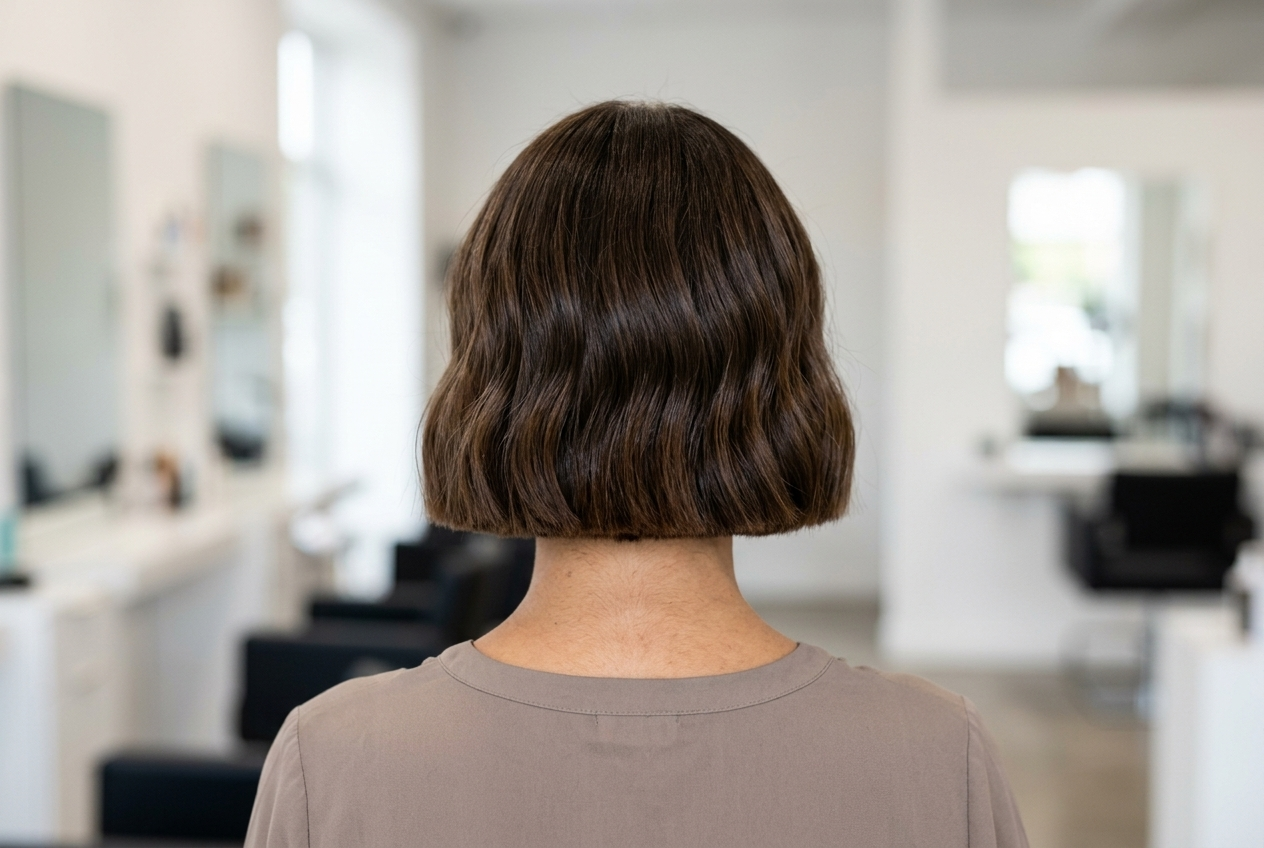
A bob used to mean one thing: chin-length, blunt, done. Not anymore. Right now the cut is splitting into so many different directions that two women can both say they got a bob and walk out of the salon looking nothing alike. One might come out sleek and razor-sharp. Another might come out soft, undone, and barely styled at all.
That range is exactly why the bob keeps showing up on so many women, regardless of age, hair type, or how much time they actually want to spend on their hair each morning. Some versions ask for a flat iron and five minutes of patience. Others practically style themselves the second they air dry.
Below are ten bob variations getting the most attention right now, pulled from what stylists and salons are actually cutting this year. Some are polished. Some are deliberately messy. All ten are worth bringing to your next appointment, whether as a full change or a small adjustment to a cut you already love.
1. The Japanese Bob
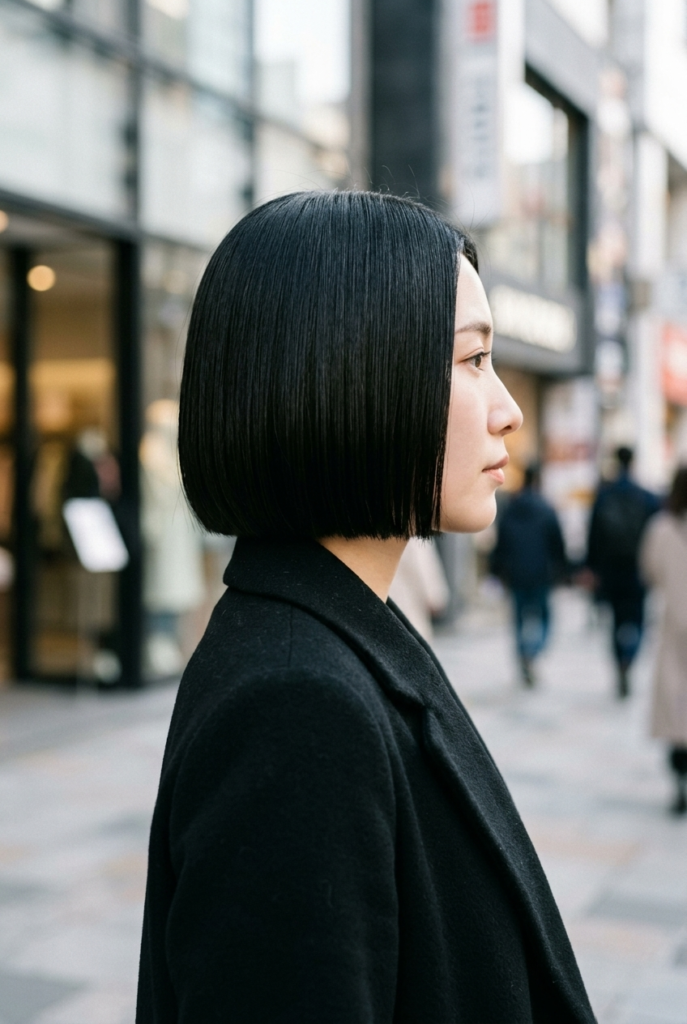
The Japanese bob is built on precision rather than layers. Every section is cut with an exact plan, which is what gives the shape its clean, almost glassy line around the jaw or just below it. There’s very little internal texturizing here, so the hair keeps a smooth, glossy finish instead of the choppy movement you’d see in a shag-inspired cut.
This is a good option for women who want their hair to look put-together without a daily styling routine.
It also tends to hold its shape well between salon visits, since there aren’t a dozen layers that can grow out unevenly.
2. The Butterfly Bob
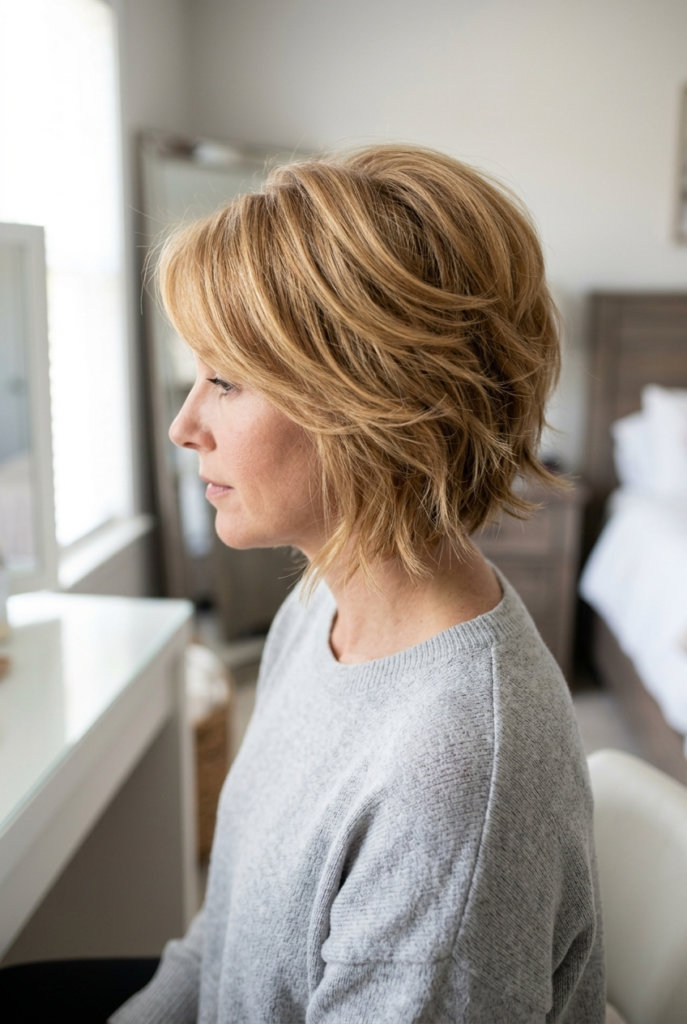
Think of this one as a bob with a little bit of shag mixed in. It keeps the general bob length but adds soft, face-framing layers around the front, which gives it more lift and movement than a completely blunt cut. A round brush and a light mousse are usually enough to bring out the layering and keep the volume from falling flat. Women who liked the idea of a shag but weren’t ready to commit to that much layering tend to gravitate toward this version, since it offers movement without losing the recognizable bob shape.
3. The Pixie Bob

Somewhere between a bob and a pixie sits this shorter, choppier cut. It’s asymmetrical by design, with one side cropped close and the other left slightly longer and swept to the side.
The contrast between the two sides is what makes it interesting. A short, cropped side keeps things bold, while the longer, sculpted side softens the whole look and keeps it wearable for everyday life.
It’s a solid next step for anyone with a longer bob who’s ready to go shorter but isn’t quite ready for a full pixie.
4. The Weekend Bob
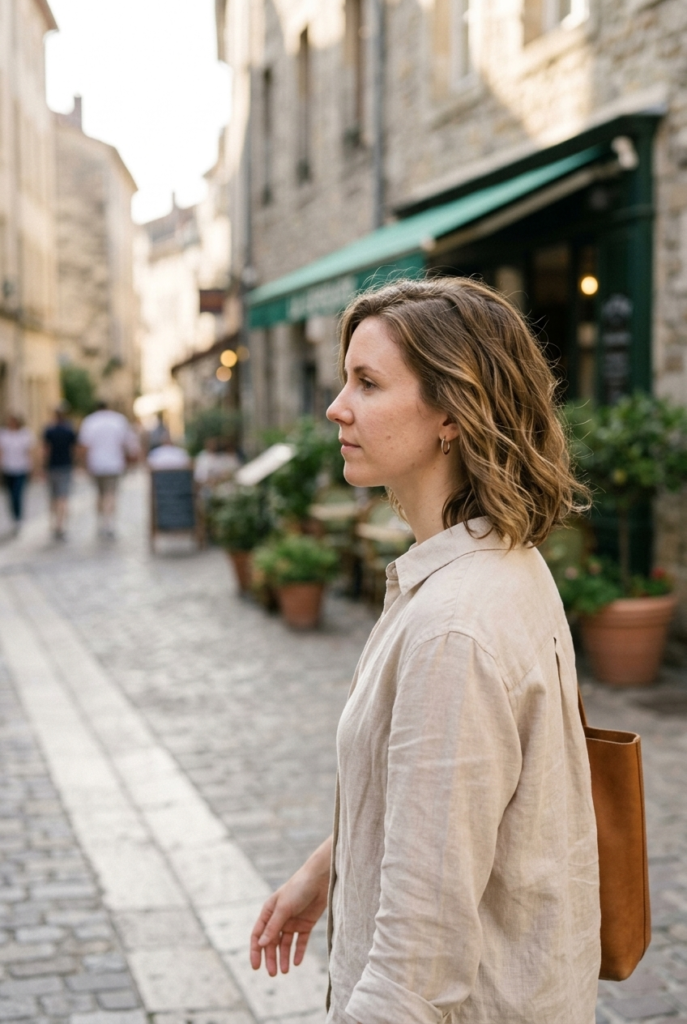
This one is styled to look like you didn’t style it at all. The ends are left soft rather than sharply blunt, the part is a little loose, and the overall shape has a relaxed, lived-in feel rather than a polished salon finish. A texturizing spray on damp hair, followed by a rough air dry, usually gets you most of the way there.
It photographs beautifully without looking overworked, which is part of why it keeps showing up on celebrities who want their hair to look expensive but effortless at the same time.
5. The Shaggy Lob

This is a longer bob, usually landing around the shoulders, cut with the same choppy, jagged layering you’d find in a 70s-inspired shag. Texture does most of the work here, so a light salt spray or texturizing cream matters more than a precise blow-dry, and the slightly undone finish is the whole point rather than something to fix.
6. The Flippy Bob

This cut lines up neatly around the chin and finishes with the ends turned up and out, giving it a playful, slightly retro flip. It first had a moment decades ago, faded, and has now come back with a cleaner, more wearable finish.
The flip usually comes from a round brush and a bit of tension while blow-drying, rather than a curling iron.
Because the shape is fairly simple, it holds up well even on days when there’s no time for a full styling routine.
7. The Capri Bob

Picture the kind of hair you’d want on a coastal vacation, then wear it year-round. This version sits at or just below the jaw with light, barely-there movement through the ends rather than a heavy, sculpted finish.
A little sea-salt spray and a loose, slightly off-center part are usually all it takes to get the look. Women with naturally wavy hair tend to have the easiest time with this one, since their own texture becomes part of the style instead of something they have to fight against every morning.
8. The Stacked Angled Bob
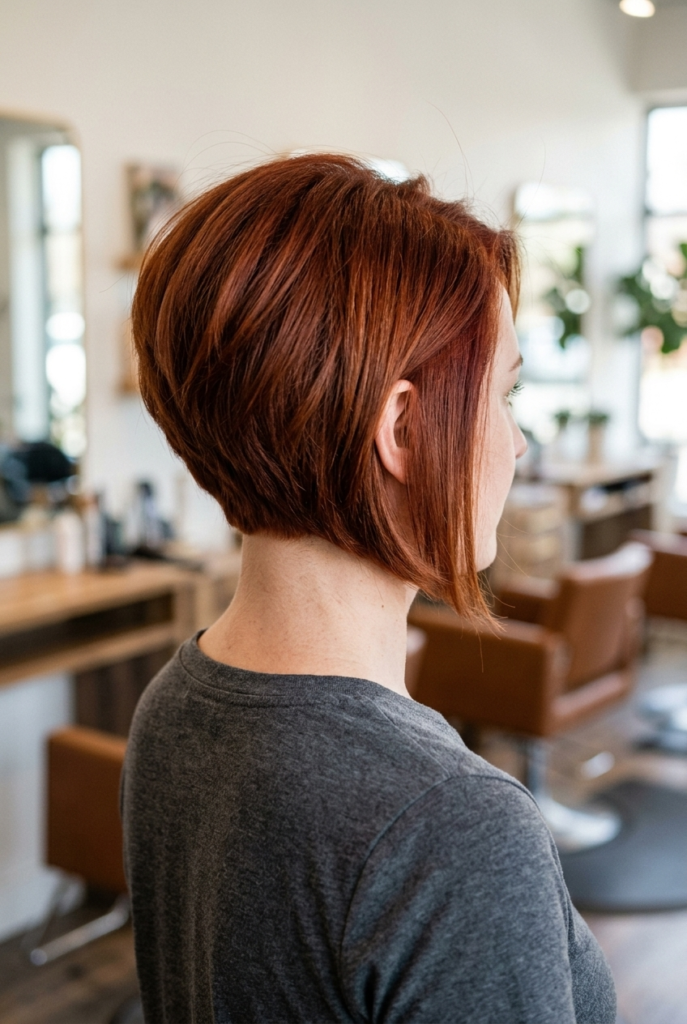
This shape brings back a silhouette from the early 2000s, though the modern version is far softer than the original. The back sits shorter to lift the crown, the front stays subtly longer, and the graduation between the two is blended rather than sharply cut. It’s a good option for thicker hair that needs shape near the nape, and it can also add fullness for finer hair that tends to look thin at the ends.
9. The Midi Bob
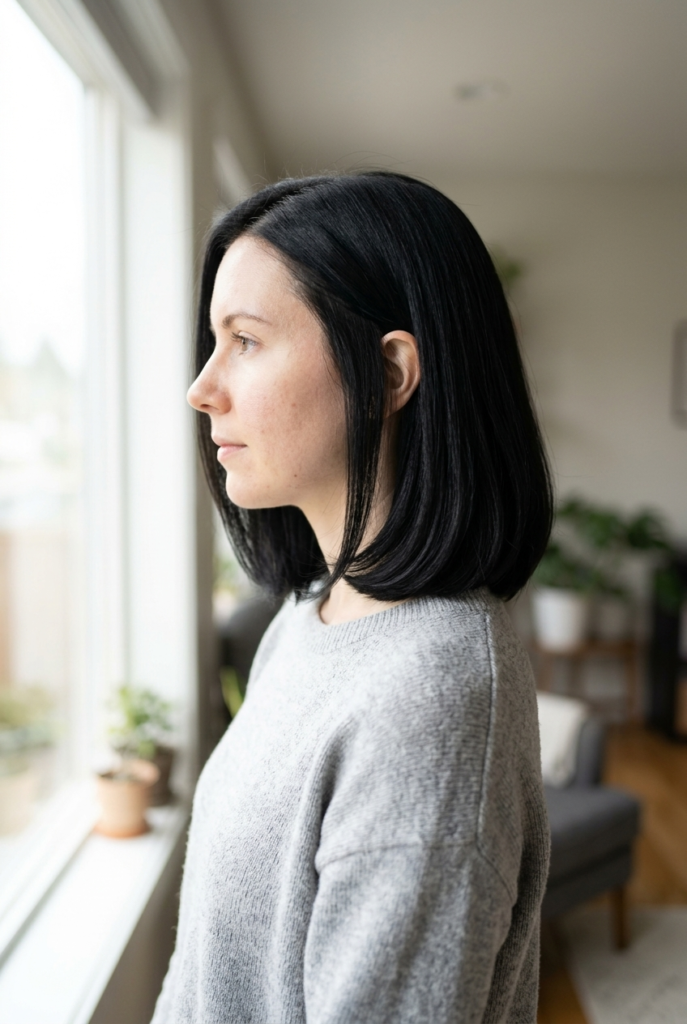
This is a relaxed take on the classic bob, landing at a length that’s a little longer than a traditional chin-grazer but shorter than a lob. It gives you more to work with when styling, without losing the shape that makes a bob a bob in the first place.
A few things make this version easy to live with day to day.
- It works well with a simple blow-dry and round brush, no advanced technique required
- The extra length gives you the option to tuck one side behind your ear for a quick change
- It transitions easily from sleek and straight to soft waves, depending on your mood
- It grows out more gracefully than a shorter bob, so you have more time between cuts
10. The Undone Shag Bob

This one blends the compact length of a bob with the loose, tousled layering of a shag. The texture isn’t random, though it looks that way. Every layer is placed to encourage movement, so the end result looks lived-in rather than sloppy.
A texturizing cream worked through damp hair, followed by an air dry, is usually all it needs.
The Bob You Choose Says More About Your Life Than Your Hair
At the end of the day, picking one of these comes down to how much time you actually want to spend on your hair, not just which photo you saved. A woman with fifteen free minutes each morning and a woman who wants to towel dry and walk out the door need two different cuts, even if they both technically want “a bob.” Be honest with your stylist about your real routine, not your ideal one, and you’ll end up with a cut that still looks good on the mornings when nothing goes as planned.
The shapes above cover a wide range on purpose, from precise and glossy to loose and undone. Bring a couple of these names to your next appointment, along with a photo or two, and let your stylist adjust the details for your face shape and hair texture. That conversation matters more than the trend itself.
Frequently Asked Questions
Q: Which of these bobs works best for fine hair? A: The Butterfly Bob and the Stacked Angled Bob both add the appearance of fullness, since their layering and shorter back sections create lift without weighing the hair down.
Q: Which bob requires the least daily styling? A: The Weekend Bob and the Undone Shag Bob are both built to look good with minimal effort, usually just a texturizing product and an air dry.
Q: Is the Japanese Bob high-maintenance? A: It needs precise cutting from your stylist, but day-to-day styling is simple since the shape itself does most of the work.
Q: Can women with wavy or curly hair wear these cuts? A: Yes. The Capri Bob and the Undone Shag Bob actually work better with natural texture, since the waves become part of the style instead of something to smooth away.
Q: What’s the difference between a bob and a lob? A: A lob is simply a longer bob, usually landing around the shoulders. The Shaggy Lob on this list is a good example.
Q: Is the Pixie Bob a good option if I’m not ready to go super short? A: It’s actually a nice in-between step. One side stays longer and swept to the side, so the change feels less drastic than jumping straight into a full pixie.
Q: Which cut is easiest to grow out? A: The Midi Bob grows out the most gracefully, since its slightly longer length gives you more room before it starts to look uneven.
Q: Do any of these bobs suit round face shapes? A: The Stacked Angled Bob and the Flippy Bob both add length and movement near the jaw, which tends to be flattering for rounder face shapes.
Q: How often do I need a trim to maintain the shape? A: Most of these cuts hold their shape for six to eight weeks, though precision cuts like the Japanese Bob may need slightly more frequent visits to keep the line clean.

