

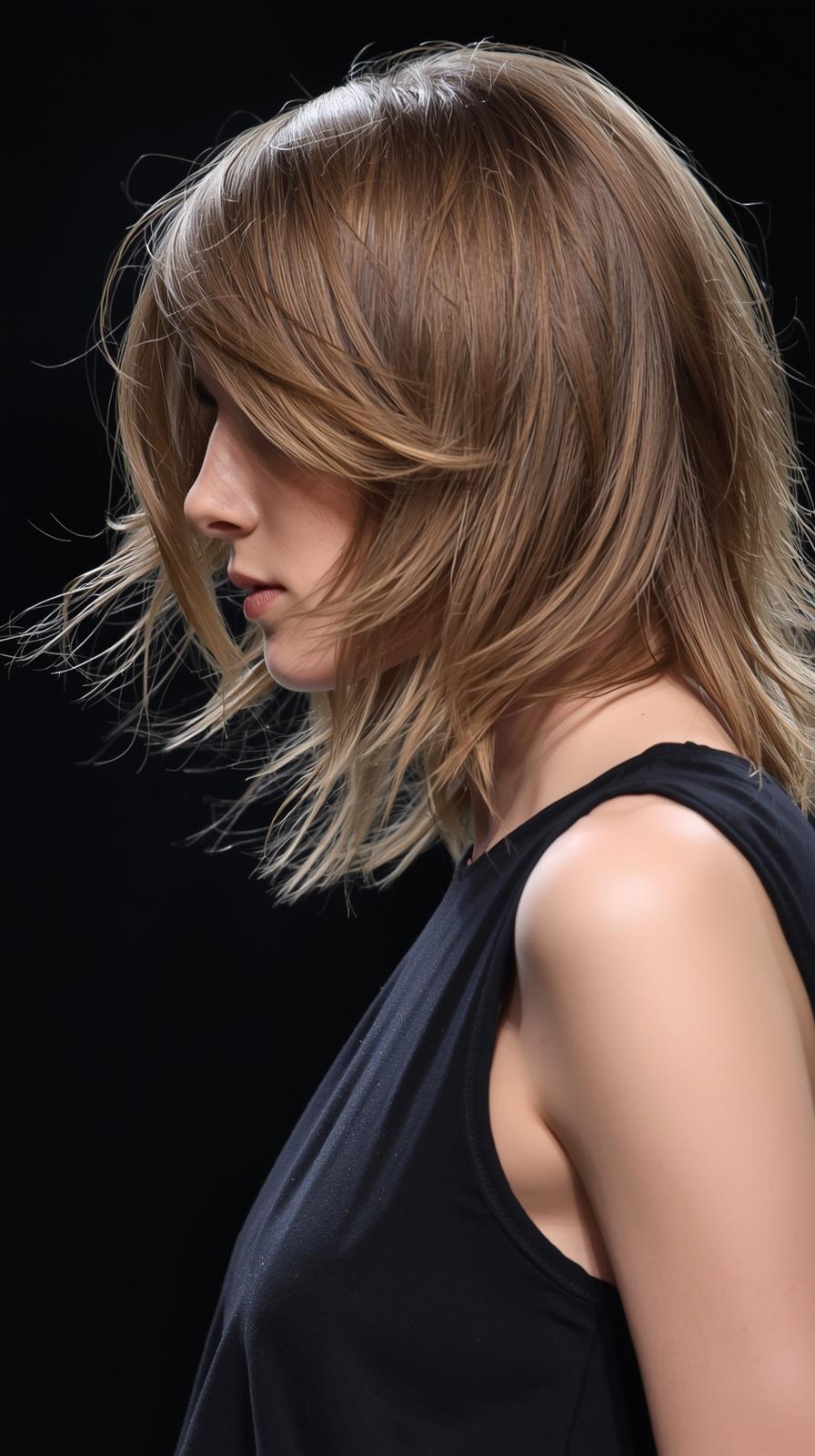
The shag haircut has a way of making medium-length hair feel completely new again. Born in the 1970s and revived by a generation that prizes low-effort cool, it’s the kind of cut that actually looks better when you’re not trying too hard. Choppy layers, face-framing pieces, and a natural tousled finish make it one of those styles that works with your hair texture rather than against it — which is exactly why so many women keep coming back to it.
Medium-length hair sits in a sweet spot for this particular cut. It’s long enough to show off the movement of the layers, but short enough that the style doesn’t feel heavy or overdone. Whether your hair falls right at the collarbone or grazes your shoulders, you’ve got plenty of length to play with.
The good news is that once you’ve got the cut, the styling options are genuinely wide. You’re not locked into one look. From air-dried texture to soft curls to a quick half-up, these seven approaches will help you get the most out of your layers every single day.
- 1. Go for the Tousled, Air-Dried Look
- 2. Blow-Dry Your Bangs for a Polished Finish
- 3. Add Loose Waves with a Curling Wand
- 4. Try a Half-Up Style
- 5. Wear It Straight for an Edgy Contrast
- 6. Enhance Your Color with Highlights or Balayage
- 7. Use Dry Shampoo to Refresh and Restyle
- The Shag Stays Good on You
- Frequently Asked Questions
1. Go for the Tousled, Air-Dried Look
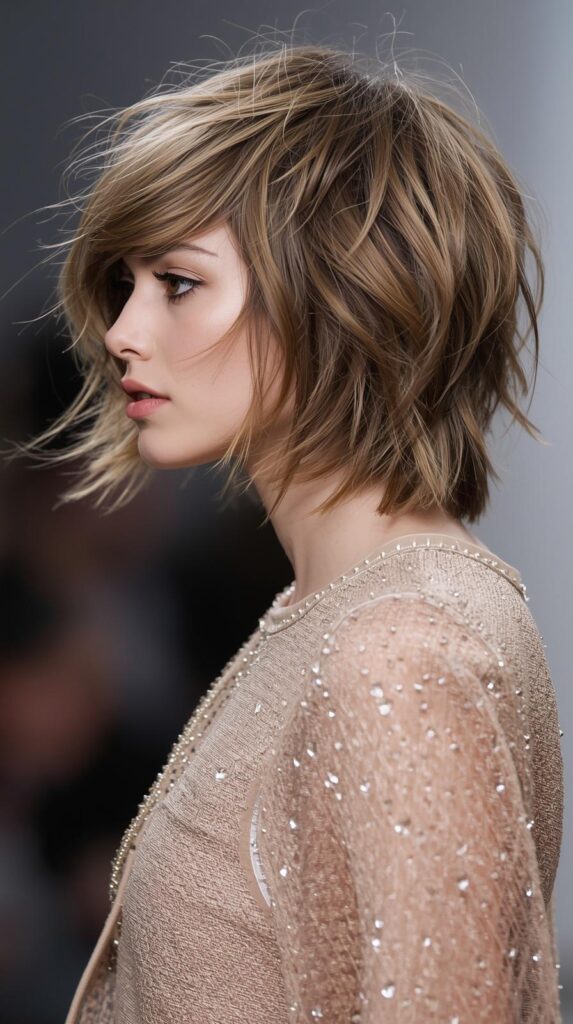
This is the style the shag was practically built for. After washing your hair, apply a sea salt spray or lightweight texturizing mist while it’s still damp, scrunch your ends gently, and just let it dry. That’s it.
The choppy layers in a shag create natural movement on their own, so air-drying often gives you more texture and shape than any blow-dry would. If your hair is on the finer side, a volumizing mousse worked into the roots before you scrunch can give a little extra body. For curly or wavy hair, a curl cream swapped in for the sea salt spray will keep things defined without crunch.
The goal is an undone, lived-in finish — not perfectly styled, but not messy either. Think second-day hair, but intentional.
2. Blow-Dry Your Bangs for a Polished Finish
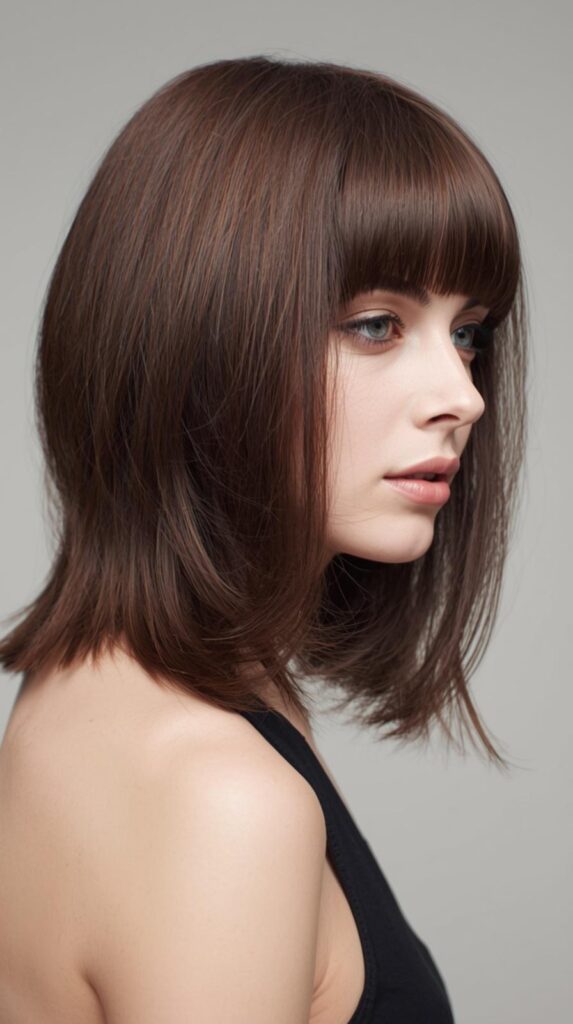
If your shag comes with curtain bangs or a fringe, how you dry them makes a big difference to the overall look.
For straight hair, use a round brush and a blow-dryer to sweep the bangs forward and slightly under, then split them in the middle. This gives you that classic 70s curtain effect — soft, face-framing, and a little retro. For wavy hair, a quick touch-up with a curling iron on the bang section adds a slight bend that blends everything together.
You don’t have to blow-dry the rest of your hair at all. Dry your bangs for two or three minutes, let the lengths air-dry, and you’ve got the best of both — polish where it counts, effortless texture everywhere else.
3. Add Loose Waves with a Curling Wand
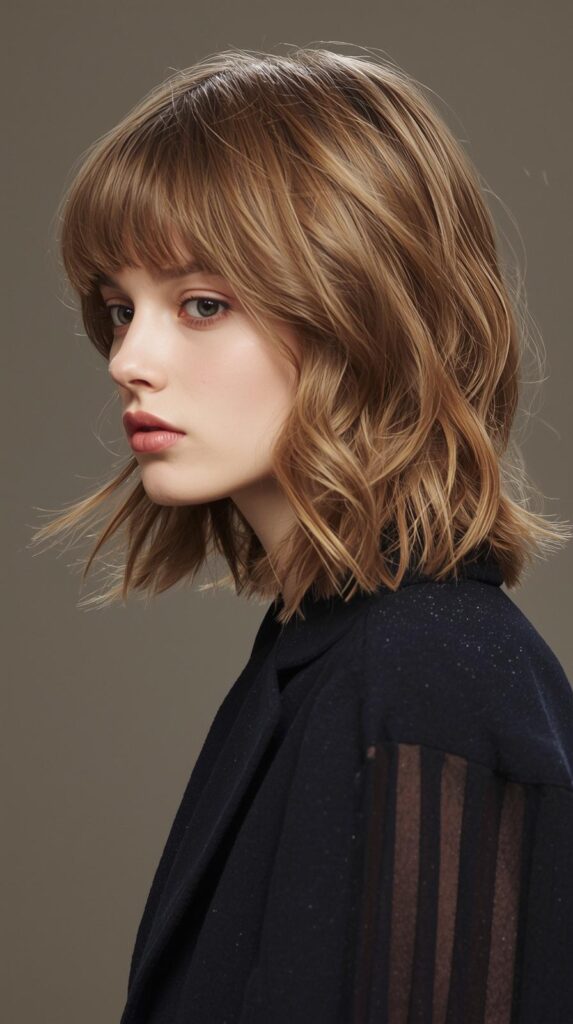
When you want a little more intention in your look without a lot of effort, loose waves are the answer. A medium or large barrel curling wand works well on shoulder-length hair — wrap sections away from your face, hold for a few seconds, and release.
The key with a shag is to keep the waves imperfect. Don’t curl every single section. Leave a few pieces straight, especially around the face, and then run your fingers through everything once you’re done to break it all up. A light spritz of texturizing spray or a small amount of a matte styling cream scrunched into the ends finishes things off.
This look suits round faces particularly well. The waves and layers work together to add height and create the illusion of length, which balances rounder features.
4. Try a Half-Up Style
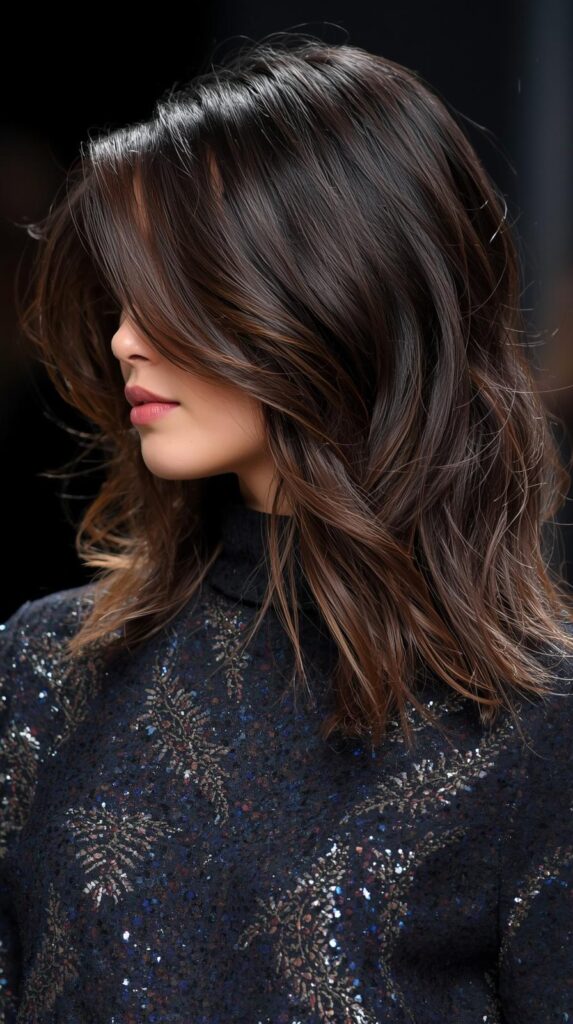
A half-up look on a medium shag is more interesting than it sounds. Because the cut already has so much texture built in, even a simple half-up twist or clip creates a lot of visual contrast between the pinned-up sections and the loose, choppy layers falling below.
Gather the top half of your hair loosely — don’t pull it tight. Leave a few face-framing pieces out at the front, especially if you have curtain bangs or any layers around the face. Secure with a claw clip, a soft scrunchie, or a few bobby pins for something more relaxed.
This works especially well on days two or three, when your hair has a little more natural grip and texture to hold the shape without slipping.
5. Wear It Straight for an Edgy Contrast
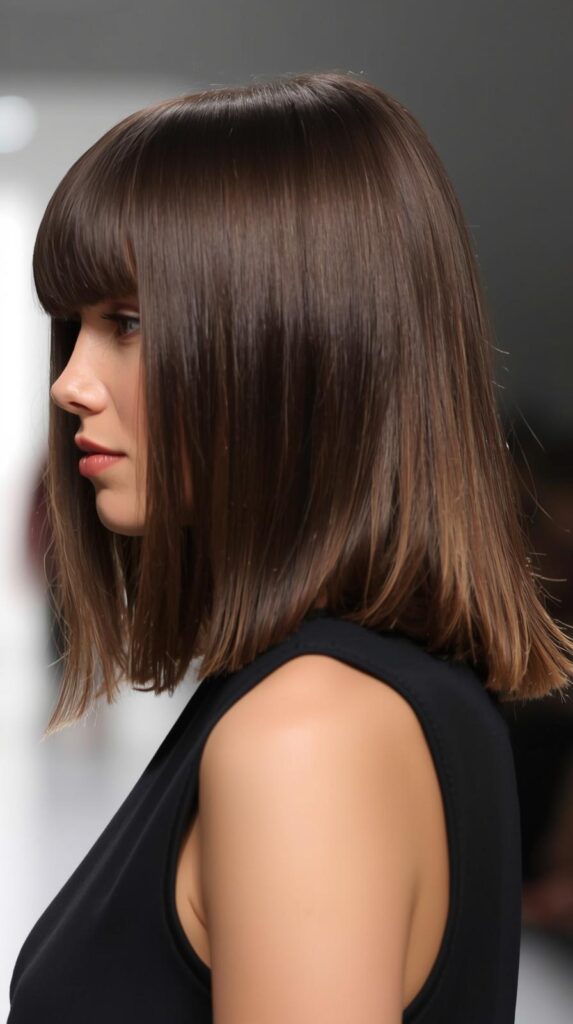
Most people assume a shag has to be wavy or curly, but a sleek, straightened version is actually one of the more modern takes on the cut. The blunt ends and choppy layers read completely differently when they’re smooth — sharper, more structured, a little unexpected.
Apply a heat protectant first, then blow-dry with a round brush to smooth the lengths. Finish with a flat iron if needed, and add a few drops of a lightweight shine serum or oil to the ends to keep things polished rather than flat.
This is a great option for women with naturally straight hair who want the shape of the shag without fighting their texture. The layers still create movement, just in a cleaner, more graphic way.
6. Enhance Your Color with Highlights or Balayage
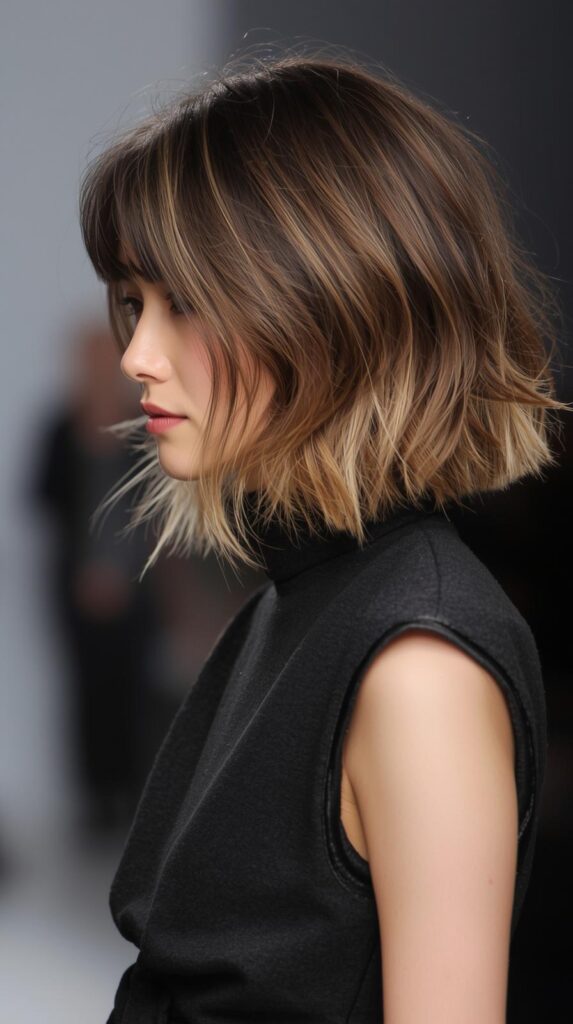
This one isn’t exactly a styling technique, but it changes the way your cut looks every single day, so it counts. Adding highlights or balayage to a medium-length shag gives the layers definition and dimension that’s hard to achieve with product alone.
Highlights add brightness and make each layer pop. Balayage — which is painted on by hand — creates a softer gradient that makes the layers look even more seamless and intentional. Both work well on medium-length hair, and both grow out gracefully, which matters because a shag at this length needs a trim every six to eight weeks anyway.
Sun-kissed tones around the face are especially flattering because they draw attention to the face-framing layers that make this cut so distinctive in the first place.
7. Use Dry Shampoo to Refresh and Restyle
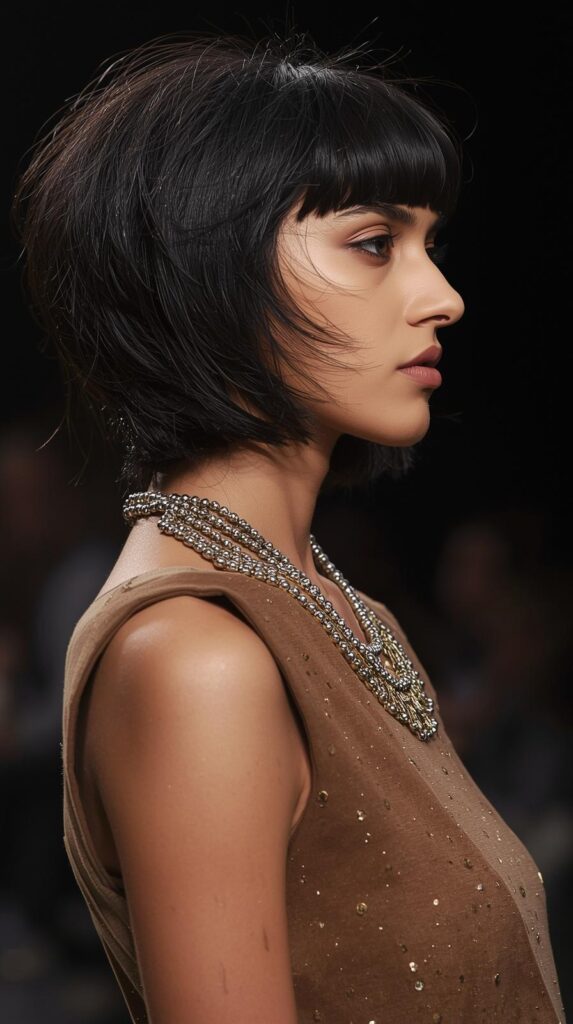
Dry shampoo is one of the most underrated tools for getting more out of a shag between wash days. Sprayed at the roots and massaged in, it absorbs oil, adds grip, and gives you back the volume that tends to flatten overnight.
But it does more than just clean. A light layer worked through the mid-lengths and ends adds texture that makes it much easier to scrunch and reshape the layers without any water or product. On day two or three hair, a quick hit of dry shampoo at the roots, a scrunch through the ends, and you’ve essentially got a whole new look without touching a single styling tool.
For short shags especially, this keeps the cut looking fresh and intentional rather than grown-out and deflated.
The Shag Stays Good on You
A medium-length shag is one of those cuts that genuinely works with your life. It doesn’t demand a long styling routine, it grows out well, and it looks at home whether you’re heading into the office or out on the weekend. The real trick is just learning which approach fits your texture and how much time you actually have on a given morning.
Some days that’s a two-minute scrunch and a walk out the door. Other days it’s loose waves and defined bangs. Both are exactly right.
Frequently Asked Questions
Q: What products work best for styling a medium-length shag?
A: A sea salt spray or texturizing mist is the go-to for adding texture and movement, especially on wavy or straight hair. For curly hair, a curl cream gives better definition. If you want more volume, a lightweight mousse applied to damp roots before drying works well. Keep products light — heavy creams or thick serums can weigh down the layers and kill the texture that makes this cut interesting.
Q: How often does a medium shag need to be trimmed?
A: Every six to eight weeks is the general recommendation. The layers lose their shape as they grow out, and the bangs especially can start to look shapeless if left too long. Regular trims keep the cut looking intentional rather than just overgrown.
Q: Does a shag work on fine hair?
A: Yes, and it can actually be a great choice for fine hair because the layers remove bulk and create the appearance of more volume. A volumizing mousse or root-lifting spray before blow-drying helps a lot. Keeping the cut at a medium length — rather than very long — also prevents fine hair from looking too flat.
Q: What face shapes does a medium shag suit best?
A: This cut works well on most face shapes. Women with round faces do well with side-swept bangs and layers that add height. Oval faces can pull off almost any variation. For square faces, softer layers and curtain bangs balance out a strong jaw. Heart-shaped faces benefit from a little extra volume at the ends.
Q: Can you wear a shag up in a ponytail or bun?
A: You can, though the shorter layers around the crown will likely fall out of a ponytail. A half-up style — where only the top section is gathered — works better and shows off the layered lengths underneath. A loose, messy bun works too, with those shorter face-framing pieces left out intentionally.
Q: How do you style a medium shag if you have naturally curly hair?
A: Work a curl cream through damp hair, scrunch from the ends up, and let it air-dry or use a diffuser on low heat. Avoid brushing or raking through the hair while it dries, which can break up the curl pattern and create frizz. The layers in the cut actually help curly hair spring up more, so you’ll likely need very little product to get a great result.
Q: What’s the difference between a shag and a wolf cut?
A: Both are layered cuts with a lot of texture, but the wolf cut tends to have more volume at the crown and a more dramatic graduation from short layers on top to longer lengths below — almost like a mullet-inspired silhouette. The shag is generally more even in its layer distribution and has a softer, more blended finish. On medium-length hair, the two can look similar, but a wolf cut typically reads as a bit bolder.
Q: Is a shag high-maintenance?
A: Day-to-day, not at all. Most women can air-dry it, add a little product, and be done. The main maintenance requirement is regular trims to keep the layers from losing their shape. Beyond that, it’s actually one of the lower-effort cuts because it thrives on a bit of natural texture and an undone finish.

