


Brassy hair sneaks up on you. One week your blonde looks clean and cool, and a few washes later it’s pulling gold, or worse, orange, and you can’t quite pinpoint when it happened. It’s not your imagination and it’s not bad luck. Color fades unevenly, and warmth is almost always the first thing to show through.
The fix colorists reach for isn’t another round of bleach or a full re-dye. It’s toner — a lightweight step that resets the tone without touching the level of your color. Salons use it after nearly every lightening service for exactly this reason.
You can do the same thing at home, and you don’t need a cosmetology license to get it right. What you do need is a basic understanding of undertones, the right product for your specific situation, and a little patience during application. Here’s how to approach it so your color looks refreshed instead of muddy.
- Understanding What Toner Actually Does
- Reading Your Hair's Undertones Before You Start
- Choosing the Right Toner Shade for Your Color
- Purple Shampoo vs. Toning Gloss vs. Mixed Toner
- Prepping Your Hair for Best Results
- How to Apply Toner Step by Step
- Getting the Timing Right
- Common Mistakes That Turn Toner Purple or Gray
- Natural and Kitchen-Based Toning Options
- Caring for Your Color Between Touch-Ups
- Salon-Level Color, Sunday Afternoon Effort
- Frequently Asked Questions
Understanding What Toner Actually Does
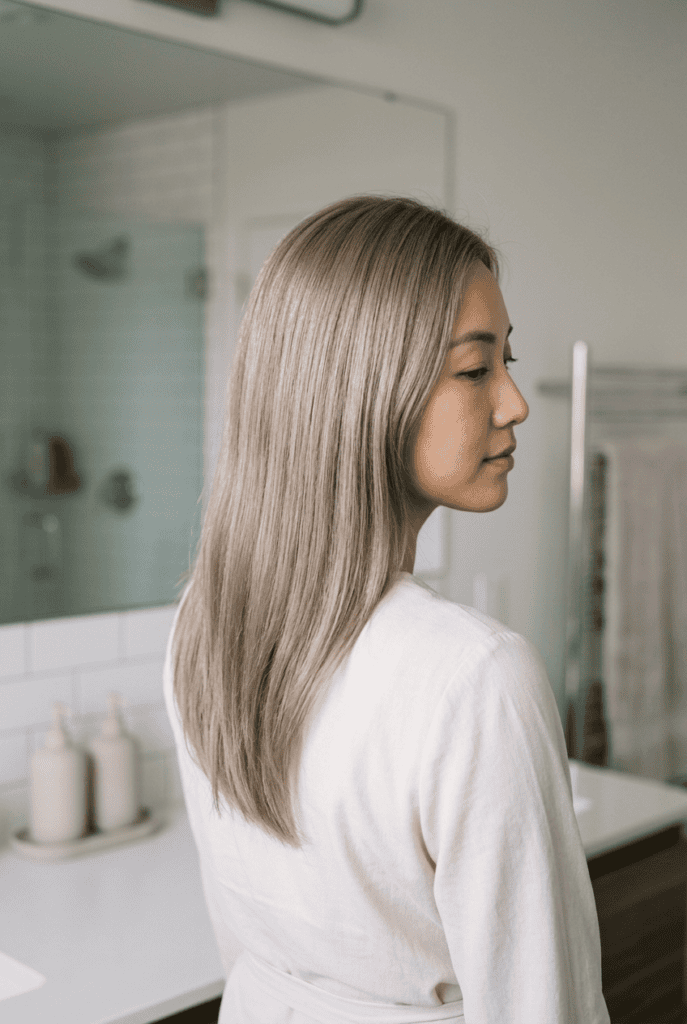
Toner is a thin, semi-transparent color that sits on top of your hair strand rather than lifting or lightening it. Celebrity colorist George Papanikolas has compared it to sheer hosiery — a layer that softens what’s underneath without changing the structure of it. Instead of adding pigment the way permanent dye does, toner works to cancel out specific unwanted tones using basic color theory: purple neutralizes yellow, blue neutralizes orange, and green softens red.
This is why toner alone can’t fix hair that’s still too dark or too warm at the root.
It only adjusts what’s already close to your target shade.
That distinction matters because it explains why toner fades. Since it deposits color rather than altering your hair’s natural pigment, washing gradually strips it away over a period of weeks. That’s a feature, not a flaw — it means you can experiment with different tones without a long-term commitment.
Reading Your Hair’s Undertones Before You Start

Before picking a toner, look at your hair in natural daylight, not under bathroom lighting, which can distort warmth. Blondes typically show up as yellow, gold, or brassy orange depending on how light the base is. Brunettes tend to pull red or copper, especially at the ends where color fades fastest. Grays and whites often develop a yellow tinge from product buildup, hard water, or sun exposure, which is why so many women with silver hair reach for purple shampoo without realizing that’s technically a mild toning step.
Take a photo if you’re not confident reading the tone yourself — pictures tend to expose warmth that’s harder to catch in the mirror.
Choosing the Right Toner Shade for Your Color

Once you’ve identified the undertone you’re fighting, the color wheel does the rest of the work for you.
Violet-based toners cancel yellow, which makes them the standard choice for icy or neutral blondes. Blue-based formulas target orange, so they’re typically used on hair that’s been lightened from a darker base and still shows warmth. Green-based toners are less common but useful for anyone dealing with red or mahogany tones creeping through brunette color. Hairstylist Natasha Speth explains the logic simply: stylists select a complementary shade on the color wheel to cancel whatever warmth is showing, whether that’s violet for gold or blue for orange.
Strength matters as much as color. A toner that’s too light for your hair level won’t show up at all, so pay attention to the number on the box, not just the tint.
Purple Shampoo vs. Toning Gloss vs. Mixed Toner
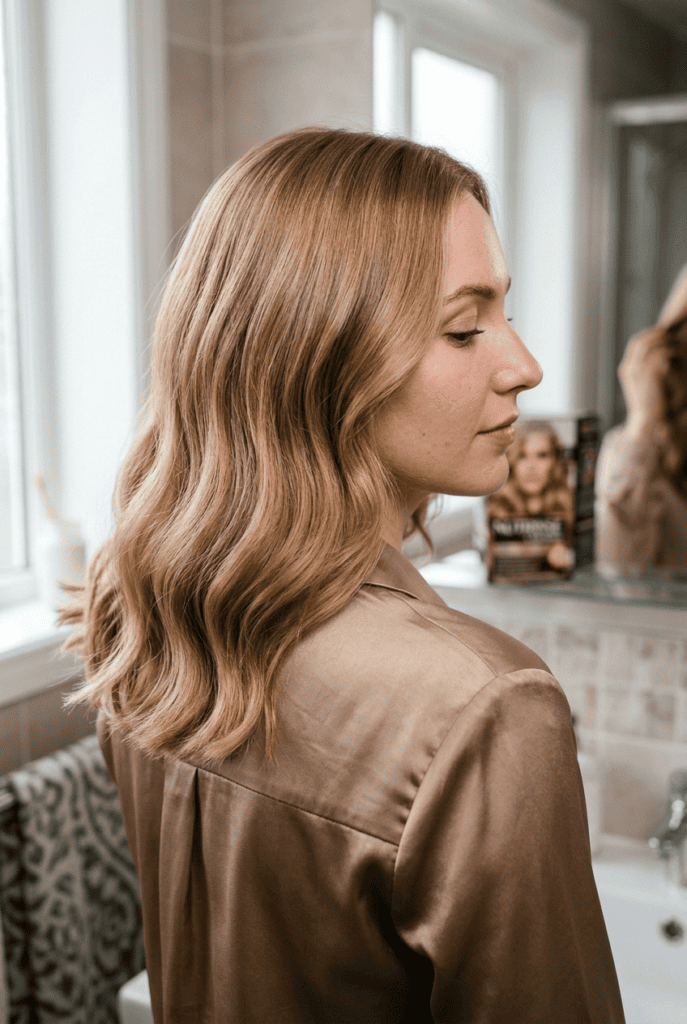
Not every toning product works the same way, and picking the wrong format is one of the more common reasons results fall flat. Purple shampoo is the gentlest option, built for light, gradual maintenance rather than a real color correction, and it’s best for blondes managing mild yellow tones between salon visits. A toning gloss is stronger and typically applied like a mask, left on for several minutes to deposit more noticeable color and add shine at the same time. A mixed toner, combined with a developer, is the most powerful of the three and comes closest to what a colorist uses in the chair, which also means it needs to be handled with more care and a shorter processing window.
Prepping Your Hair for Best Results

Skipping prep is where most at-home toning jobs go sideways. Start with a clarifying shampoo to strip away product buildup, since leftover residue can block even color deposit and cause blotchy results. Rinse thoroughly, then towel-dry your hair until it’s damp but not dripping, because excess water dilutes the toner and weakens how well it grabs onto the strand.
If your hair has been recently bleached or lightened, give it a day or two before toning rather than doing it in the same session unless the product instructions specifically say otherwise. Freshly lightened hair is more porous and can absorb pigment unevenly, which sometimes leads to patchy or overly dark results. A little patience at this stage protects the finished look far more than rushing into the next step ever will.
How to Apply Toner Step by Step
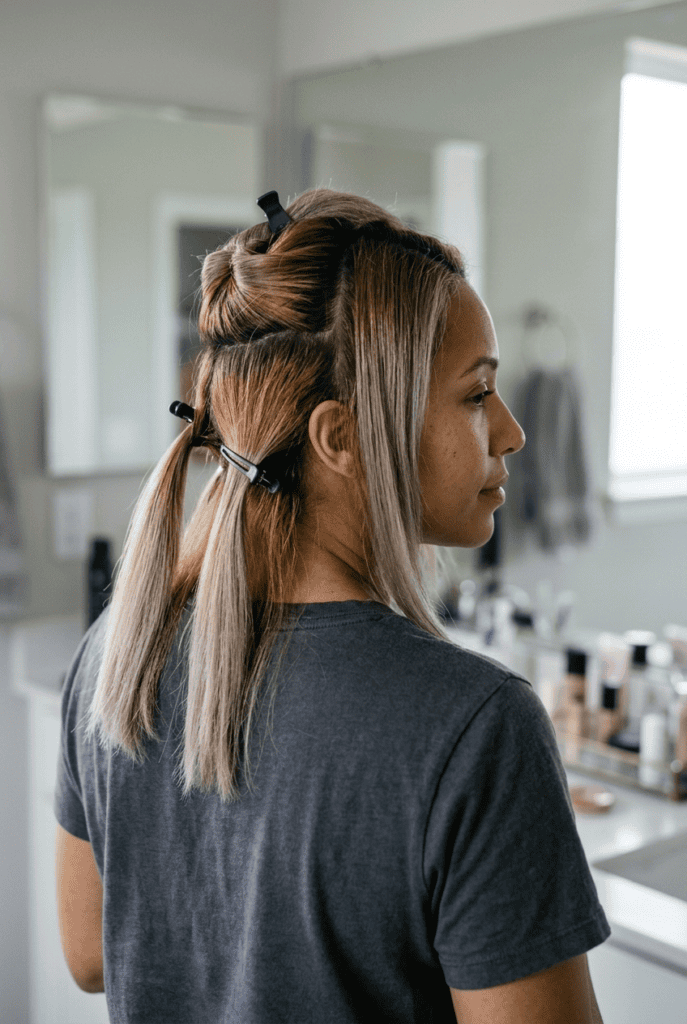
Section your hair the same way you would for a regular color application, working in four to six parts so you can move through evenly and avoid missing spots. Mix the toner according to the package directions if it requires a developer, and apply it quickly since some formulas begin developing the moment they’re combined. Starting at the areas that show the most warmth, usually the ends and face-frame, helps target brassiness where it’s most visible before moving to the rest of your hair.
Once the color is on, keep an eye on the clock and check your hair periodically rather than waiting for the full time to elapse.
- Apply toner in sections, starting where brassiness shows most
- Comb through gently to distribute the product evenly
- Check color every five minutes rather than guessing
- Rinse with cool water once you’ve reached the shade you want
Getting the Timing Right
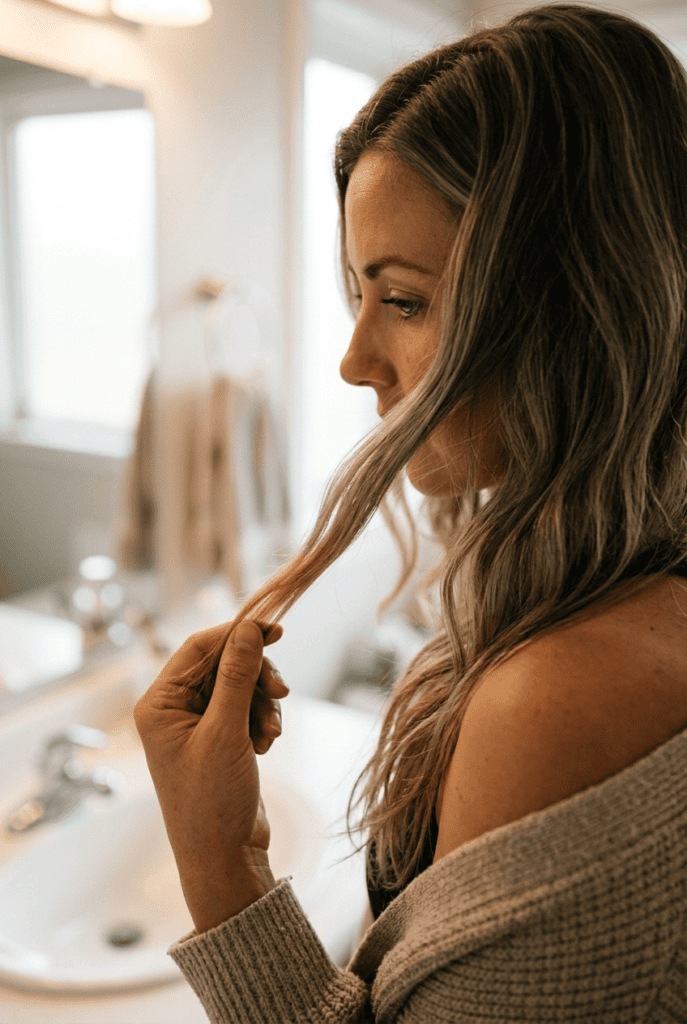
Processing time depends on your hair’s current level and how much warmth you’re trying to neutralize, and it can range anywhere from five minutes for light, subtle correction to closer to an hour for darker, more stubborn brassiness. Checking a small section every few minutes is a far safer approach than trusting a single fixed number, since hair porosity and starting color vary so much from person to person.
Common Mistakes That Turn Toner Purple or Gray

Leaving toner on too long is the single biggest culprit behind hair that turns lavender or ashy gray instead of the clean, balanced shade you were going for.
This usually happens because someone assumes more time automatically means better results, when in reality toner works fast once it starts neutralizing warmth.
A second common error is using a shade that’s too strong for how light your hair actually is, which can overcorrect and leave a dull, flat cast instead of the shine you were hoping for. Skipping a strand test is the quiet reason so many of these mistakes happen in the first place, since it’s the one step that would have caught the issue before it affected your whole head. Testing a small, hidden section first takes only a few extra minutes and can save you from a color mishap that takes weeks to grow out or correct.
Natural and Kitchen-Based Toning Options

Not every fix requires a box from the beauty aisle. Apple cider vinegar rinses are mildly acidic, which can help smooth the hair cuticle and reduce the dull, brassy cast that comes from hard water or product buildup, though the effect is subtle compared to a true pigmented toner.
Chamomile tea rinses work in a similar, gentle way for lighter hair, adding a soft warmth some women prefer over a cooler, salon-style tone. These options won’t dramatically shift your color, but they’re a low-risk way to freshen things up between more targeted toning sessions.
Caring for Your Color Between Touch-Ups
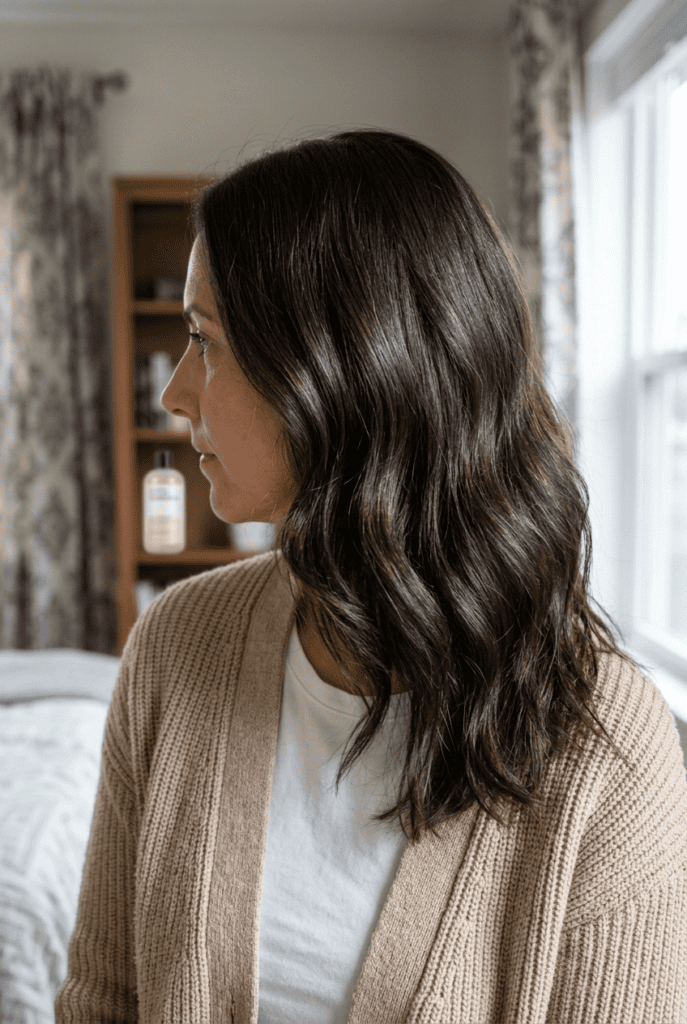
Toned color fades faster than permanent dye, so switching to a sulfate-free shampoo and washing less frequently can stretch the results significantly. Heat styling accelerates fading too, so a heat protectant isn’t optional if you’re blow-drying or using hot tools regularly. Most women find they need to refresh their toner every three to six weeks, though that window shifts depending on wash frequency, water hardness, and sun exposure.
Salon-Level Color, Sunday Afternoon Effort

Toning at home isn’t about replacing your colorist — it’s about giving yourself a way to maintain what they’ve already built between appointments. Once you understand your undertone and pick the right shade to counteract it, the rest of the process is far more predictable than most women expect going in.
Start light, watch the clock instead of guessing, and don’t be afraid to strand-test before committing your whole head to a new formula. Small, careful steps are what separate hair that looks refreshed from hair that looks like a mistake, and that difference has far more to do with technique than luck.
Frequently Asked Questions
Q: How often should I tone my hair at home?
A: Most women need to reapply toner every three to six weeks, depending on how often they wash their hair and how much sun or hard water exposure it gets.
Q: Can toner fix hair that’s too dark?
A: No. Toner only adjusts the tone of hair that’s already close to your target shade — it can’t lift color or lighten hair on its own.
Q: What color toner cancels yellow tones?
A: Purple or violet-based toner neutralizes yellow, which is why it’s the standard choice for blondes dealing with brassiness.
Q: Is purple shampoo the same as toner?
A: Not exactly. Purple shampoo offers a mild, gradual version of toning, while a gloss or mixed toner delivers a stronger, more noticeable correction.
Q: How long should I leave toner on my hair?
A: It varies by hair level, generally ranging from five minutes for light correction to closer to an hour for darker or more stubborn brassiness, so check your hair periodically instead of relying on a fixed time.
Q: Why did my hair turn purple or gray after toning?
A: This usually happens when toner is left on too long or the shade chosen is too strong for how light the hair actually is.
Q: Do I need a developer to use toner?
A: Only if you’re using a mixed, salon-style toner. Toning glosses and purple shampoos are typically ready to use without one.
Q: Can natural ingredients like apple cider vinegar tone hair?
A: They can offer a mild refresh and reduce dullness, but the effect is much subtler than a pigmented toner and won’t dramatically shift your color.
Q: Should I tone my hair right after bleaching it?
A: It’s usually better to wait a day or two, since freshly lightened hair is more porous and can absorb toner unevenly.
Q: How do I know which undertone I’m dealing with?
A: Check your hair in natural daylight rather than indoor lighting, since bathroom lights can hide or distort warmth. A photo can also make brassiness easier to spot

