

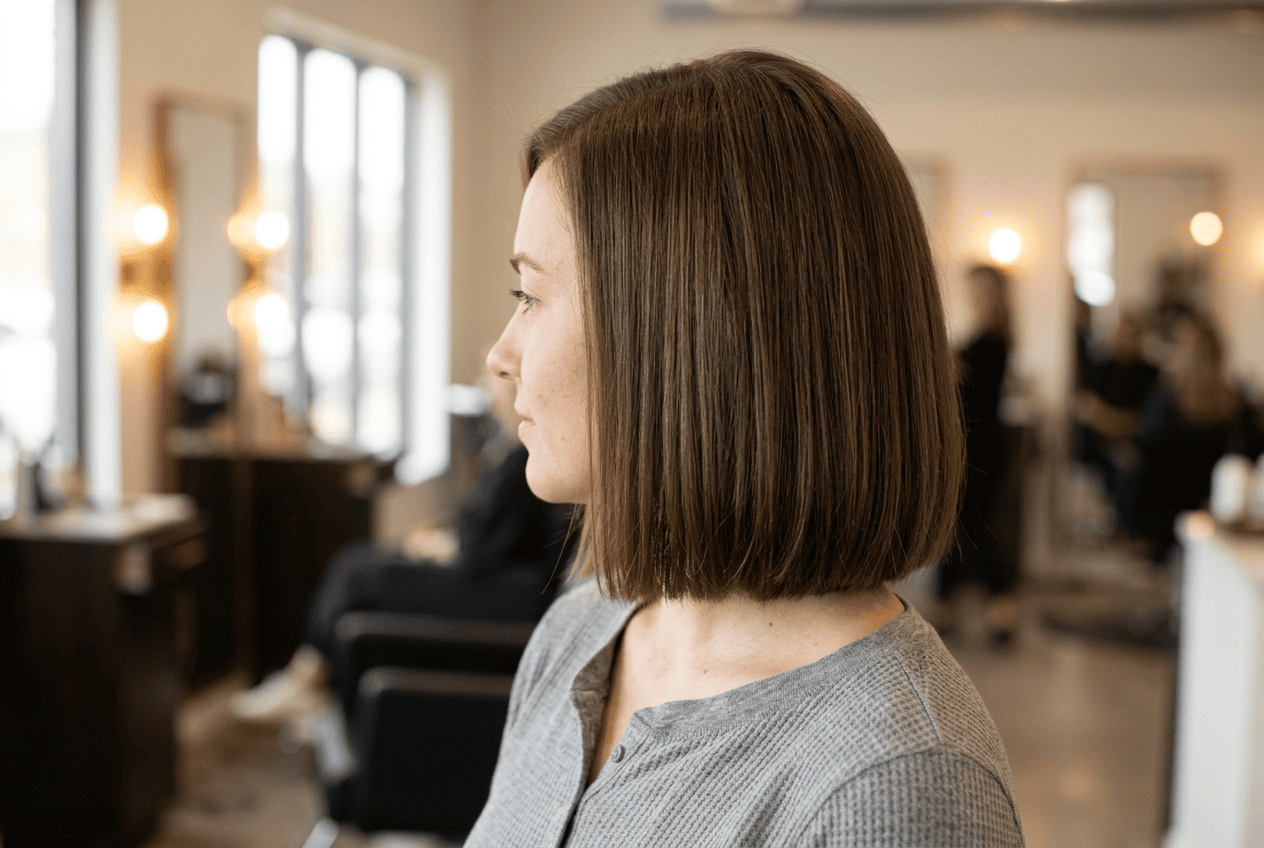
A woman with fine hair knows the drill. You wash it in the morning, it looks decent for about two hours, and then gravity takes over. By afternoon, the roots are flat, the ends look wispy, and no amount of finger-fluffing brings back that fresh-cut shape. It’s not your styling routine failing you — it’s usually the cut itself working against your hair instead of with it.
The good part is that a haircut can do most of the heavy lifting before a single drop of product touches your strands. The right length, the right amount of layering, and the right shape around your face can make thin hair look noticeably fuller without any extra effort on your part.
Below are ten haircuts worth bringing to your next salon appointment, based on what stylists are actually recommending for fine and sparse hair right now.
- 1. The Blunt Bob (Volume Bob)
- 2. The Sculpted French Bob
- 3. The Stacked Bob
- 4. The Long Layered Shag
- 5. The Curtain Bangs Lob
- 6. The Textured Pixie Crop
- 7. The Modern Wolf Cut
- 8. The Cowboy Bob with Fringe
- 9. Face-Framing Layers on Medium Length
- 10. Soft Waves with a Roller Blowout
- The Right Cut Does More Than Any Product Ever Will
- Frequently Asked Questions
1. The Blunt Bob (Volume Bob)
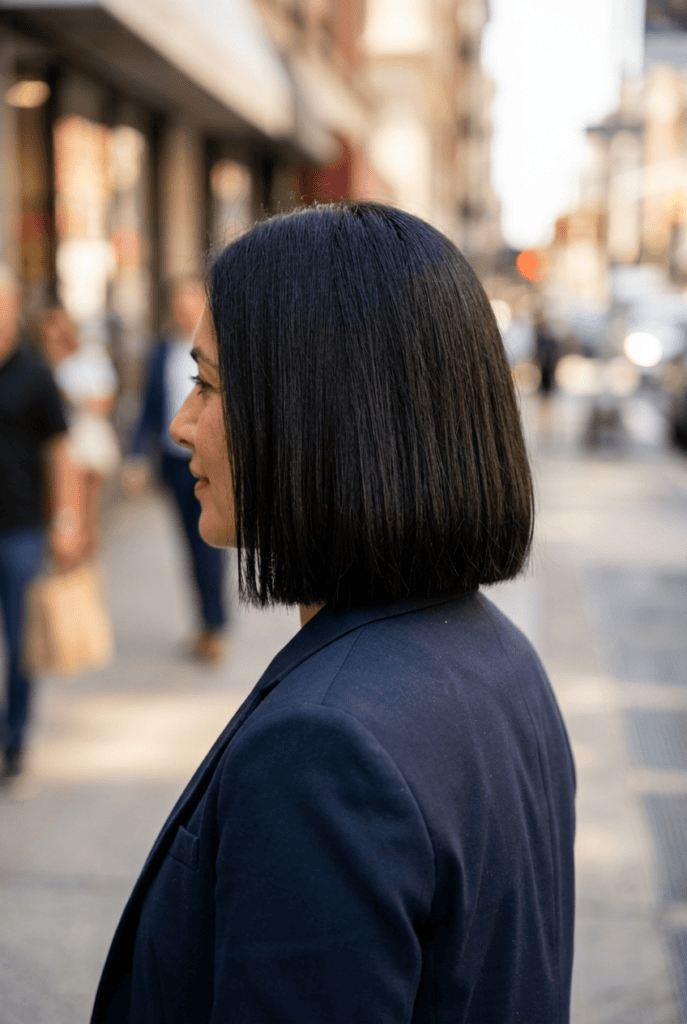
A blunt bob cut at one length, usually hitting somewhere between the chin and the collarbone, is one of the most reliable ways to make fine strands look thicker. Cutting straight across instead of layering creates a solid, weighted line at the ends, and that density tricks the eye into seeing more hair than is actually there. Layers, ironically, can do the opposite — they thin out the ends and make each strand look wispier rather than fuller.
This cut works especially well on straight or slightly wavy hair.
Ask your stylist to keep the perimeter blunt and skip heavy internal layering.
2. The Sculpted French Bob

This is a short, chin-to-lip-length bob with soft internal shaping and rounded ends, and it’s become one of the standout cuts for women who want a polished, put-together look without much daily effort. Because the length is short, there’s less weight pulling the hair down, which naturally lifts the roots and adds body throughout the day. The rounded shape also camouflages sparse spots near the face, since the eye follows the curve of the cut rather than the individual strands underneath it.
3. The Stacked Bob
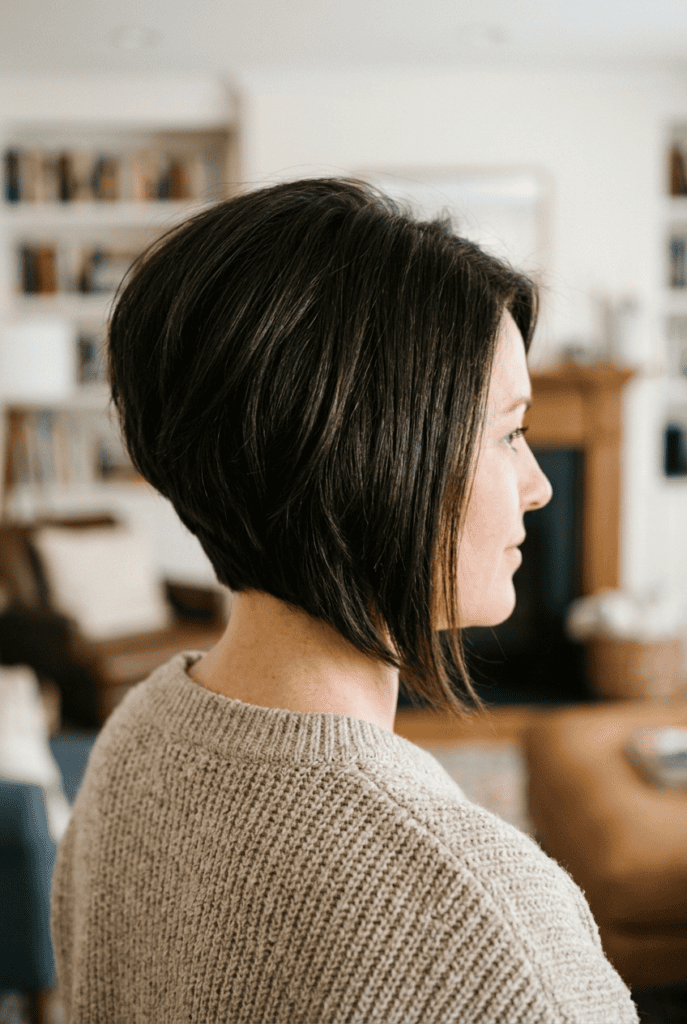
Short strands at the back, longer strands toward the front.
That’s the basic structure of a stacked bob, and it’s one of the most effective options for fine or thinning hair. The graduated layers at the nape build noticeable lift right where hair tends to go flattest first — the crown and the back of the head. Because the stacking is concentrated in the back rather than spread evenly through the whole head, you get fullness without sacrificing length in front, which makes this a good middle-ground option for women who aren’t ready to go dramatically short.
4. The Long Layered Shag
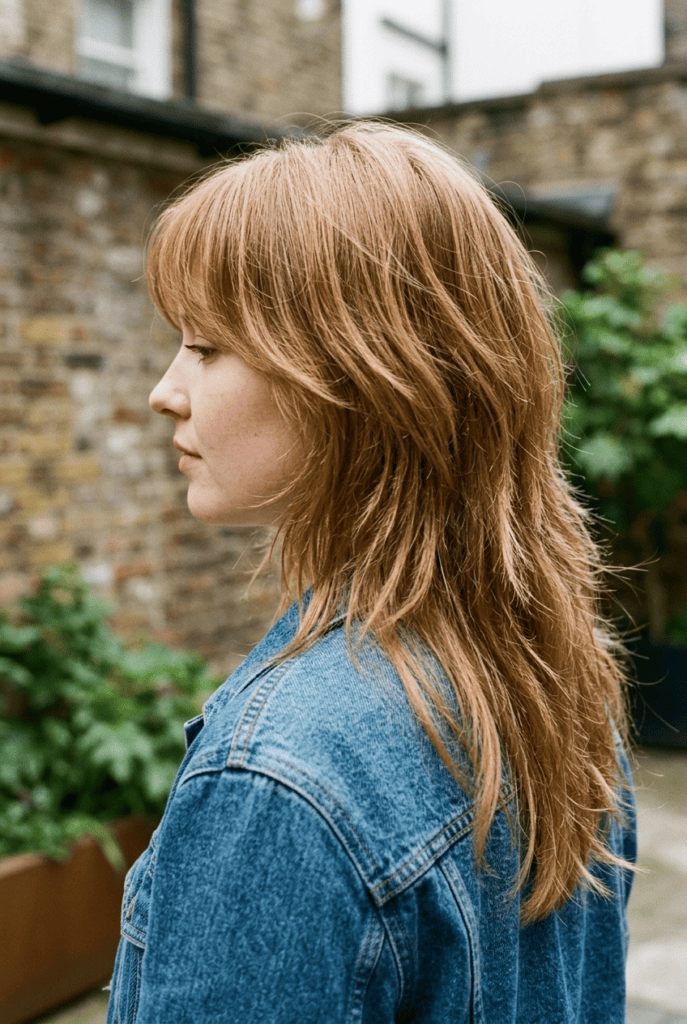
Shags are having a real moment, and for fine hair, that’s good news.
The layering here is different from a typical layered cut. Instead of thinning out the ends evenly, a shag builds movement and texture starting around the cheekbone or jaw, which adds shape without stripping away density at the root. The choppy, piece-y ends also hide thinness better than a smooth, blunt finish would, since the eye reads texture as volume even when the strand count hasn’t changed.
Pair it with a curtain fringe for even more lift around the face.
5. The Curtain Bangs Lob

A long bob paired with soft, face-framing curtain bangs gives fine hair a boost right where it matters most — around the eyes and cheekbones. The bangs part naturally down the middle and sweep to either side, which adds visual width to the face and draws attention away from thin patches at the temples or hairline. Because curtain bangs blend into the rest of the layers rather than sitting as a separate blunt piece, they don’t require much daily styling to look intentional.
6. The Textured Pixie Crop
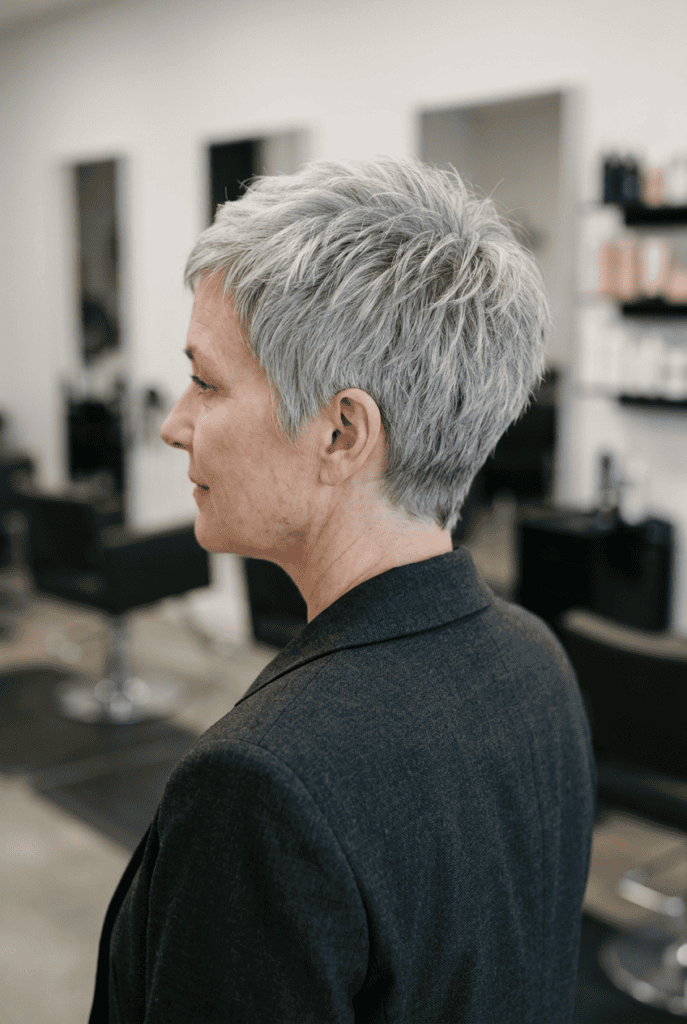
Going short is one of the most effective moves for hair that’s thinning out or losing density overall. A pixie crop, cut close with choppy, textured pieces on top, eliminates the long lengths that pull hair down and expose gaps between strands. What’s left is a shape that sits closer to the head, so every strand contributes to the overall silhouette instead of getting lost in extra length.
This cut also styles fast. A little matte paste worked through dry hair is usually all it takes to add definition, and because there’s no weight dragging the top down, the texture holds through most of the day without touch-ups.
7. The Modern Wolf Cut
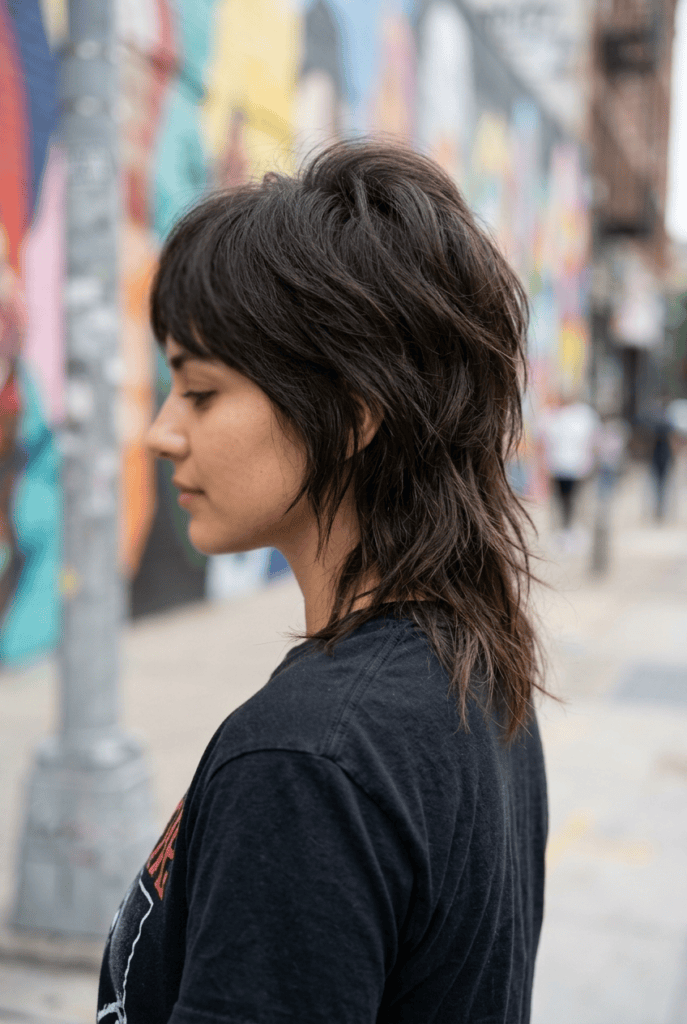
Part shag, part mullet, all texture.
The wolf cut leans into choppy layers and a slightly disconnected shape, which sounds like a lot for fine hair to handle, but it actually works in its favor. The heaviest layering happens at the crown, building lift exactly where flatness tends to start, while the ends stay wispy and light rather than blunt and heavy. Because the whole point of this cut is a lived-in, undone look, small imperfections in density blend right into the style instead of standing out.
8. The Cowboy Bob with Fringe
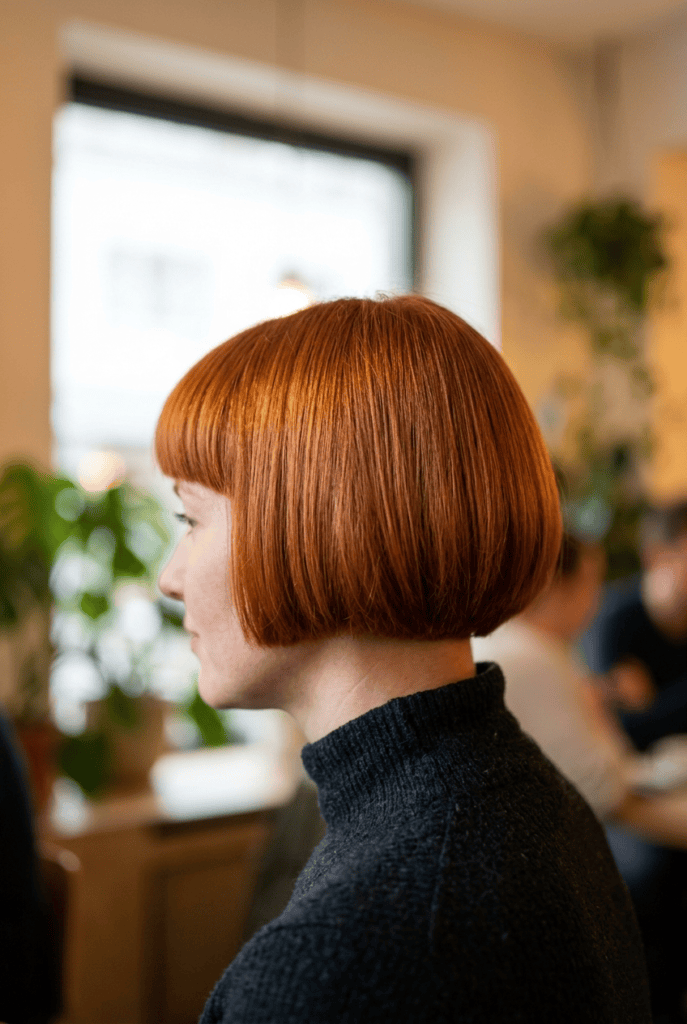
This cut takes the classic bob and adds a full, slightly rounded fringe across the forehead, and the pairing does a lot for hair that’s lost some fullness up top. The fringe covers the hairline, one of the first places thinning tends to show, while the bob length keeps things sleek without excess weight. It’s a strong option for women who want a defined, retro-leaning shape that still photographs well and holds up through a busy week.
9. Face-Framing Layers on Medium Length
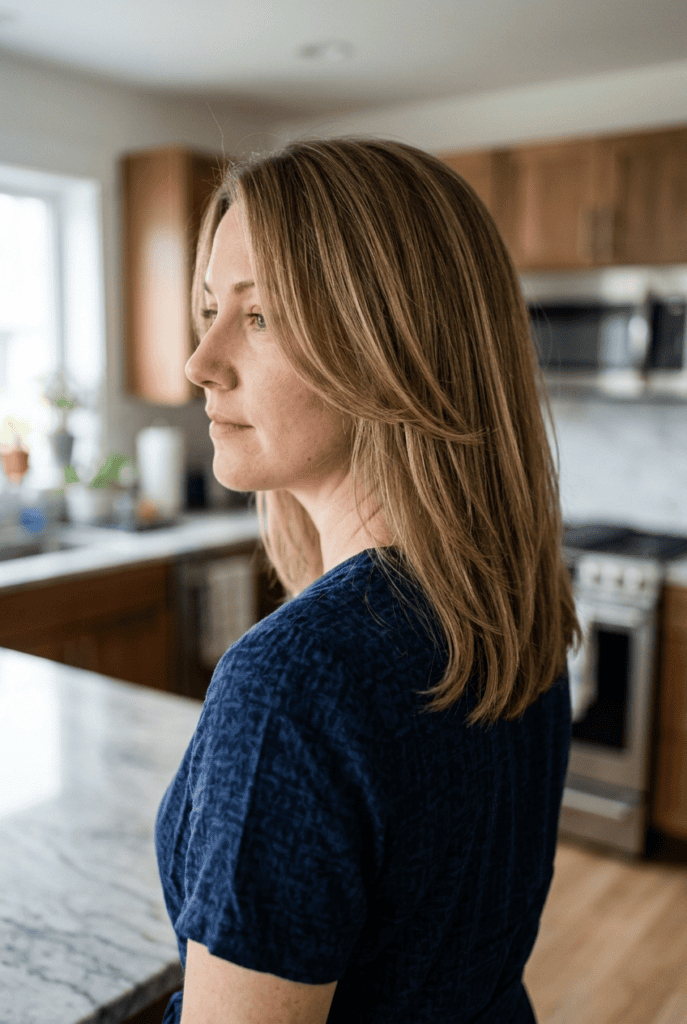
Long layers cut specifically around the face can lift hair right where it usually falls flattest.
This isn’t a full head of layering — it’s targeted shaping near the cheekbones and jaw that adds movement without removing bulk from the rest of the length. For women who don’t want to cut off inches but still want more shape near the face, this is a low-commitment way to get there.
10. Soft Waves with a Roller Blowout
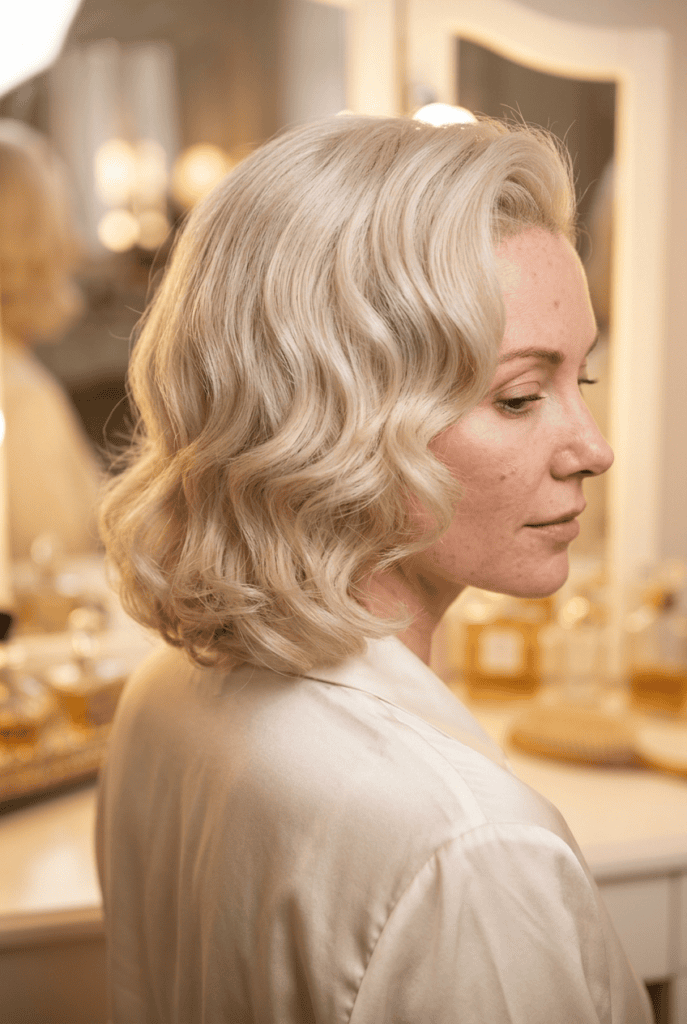
Old Hollywood-style waves are back, and while the finished look depends partly on styling, the cut underneath makes a real difference in how well those waves hold on fine strands. A cut with soft, rounded layers throughout the mid-lengths gives curls and waves something to grip onto, rather than sliding straight out by midday the way blunt, weighty ends tend to.
A few things make this pairing work especially well for delicate hair.
- Rollers set at the root add lift that a curling iron alone can’t match
- Layering below the chin keeps waves from collapsing under their own weight
- A lightweight mousse, applied before rollers, extends how long the wave holds
The Right Cut Does More Than Any Product Ever Will
Fine hair isn’t something to fight against with more layers, more product, or more time in front of the mirror. A cut that works with your natural density — whether that means a blunt line, strategic stacking, or a shorter overall shape — will always outperform a routine built around damage control.
If your current cut has you relying on dry shampoo and a round brush just to get through the day, it might be time to rethink the shape itself, not the styling steps around it. Bring a few of these ideas to your next appointment and talk through which one fits your face shape, your texture, and how much time you’re actually willing to spend on your hair each morning.
Frequently Asked Questions
Q: What’s the biggest mistake people with fine hair make when choosing a haircut? A: Adding too many layers throughout the entire head. Heavy layering removes bulk from the ends, which can make hair look sparser rather than fuller.
Q: Is a blunt cut really better than a layered one for fine hair? A: In most cases, yes. A blunt perimeter keeps the ends dense and weighted, which reads as thicker than choppy, thinned-out layers.
Q: Does going shorter actually help with thinning hair? A: Generally, yes. Shorter lengths eliminate the extra weight that pulls hair flat and exposes gaps between strands.
Q: Are bangs a good option for fine hair? A: Yes, especially curtain bangs or a full fringe. Both add visual fullness around the face and can help cover a thinning hairline.
Q: How often should fine hair be trimmed to keep its shape? A: Every six to eight weeks is typical, since thin ends split and thin out faster than thicker hair types.
Q: Can layers ever work for fine hair, or should they be avoided completely? A: Layers can work when they’re placed strategically, such as around the face or at the crown, rather than spread evenly through the whole length.
Q: What styling tools help fine hair hold volume longer? A: Velcro rollers, a round brush during blowouts, and root-lifting mousse all help build volume that lasts through the day.
Q: Is curly or wavy hair naturally fuller-looking than straight fine hair? A: Often, yes. Curls and waves take up more visual space than straight strands, which is part of why soft waves are recommended for added fullness.
Q: Should thin hair avoid length altogether? A: Not necessarily. Medium lengths with the right layering, like a lob or a shag, can still look full as long as the weight is managed properly.

