

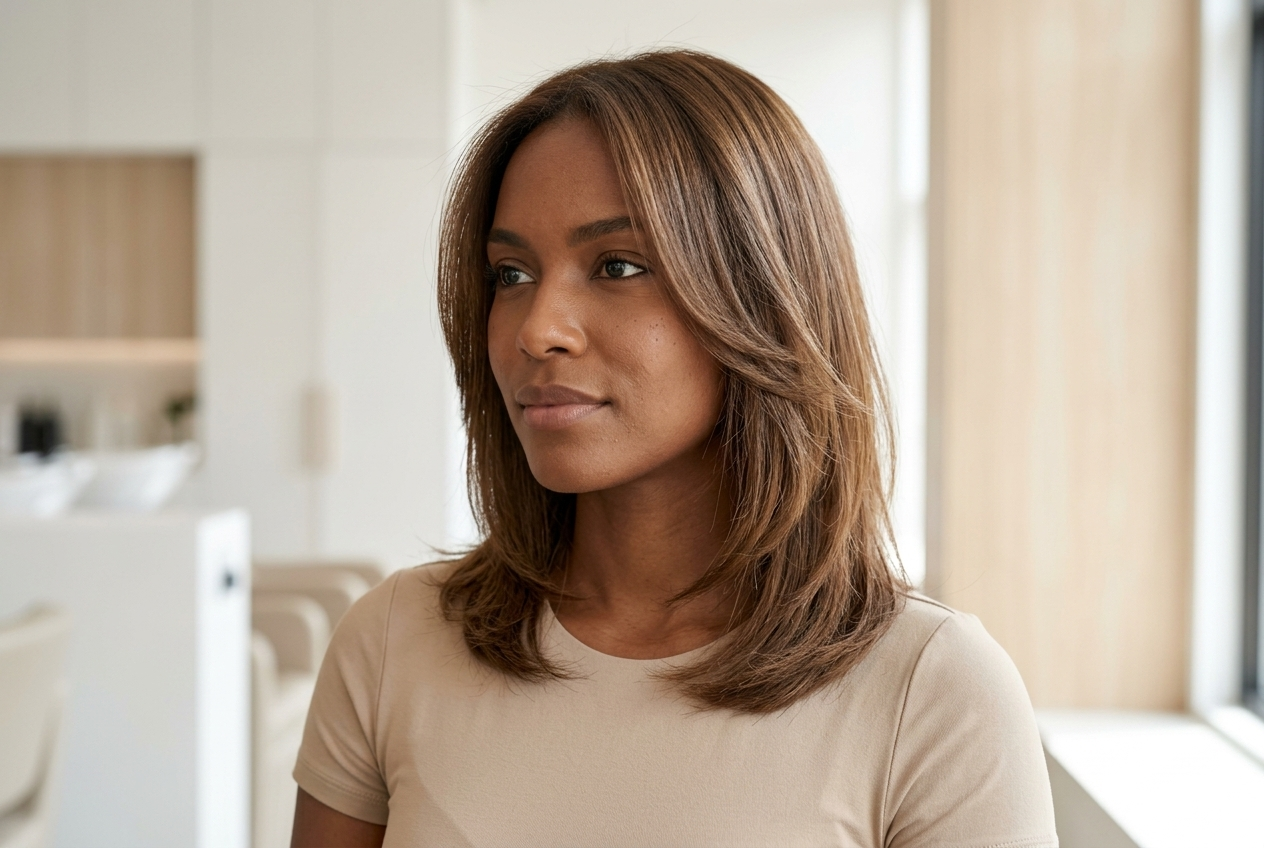
Fine hair has a reputation it doesn’t deserve. Most women with finer strands have been told to keep their hair short — that anything past the chin will look limp, flat, or shapeless. That’s not entirely true. The real problem isn’t the length. It’s the wrong cut.
Shoulder length is actually one of the most flattering ranges for fine hair when the structure is right. It’s short enough to hold shape and long enough to move. The weight isn’t dragging the hair down the way very long lengths do, and there’s enough canvas for a stylist to build in the kind of layering and texture that creates the appearance of fullness. The issue most women run into is getting a cut that ignores their texture — something too blunt, too uniform, or simply too heavy at the ends.
The eight cuts below are the ones showing up most in salons and on style boards right now, and every single one was chosen specifically because it works well on finer hair. Whether you want something polished and low-maintenance or textured and lived-in, there’s a real option here for you.
- 1. The Blunt Collarbone Lob
- 2. The Layered Lob With Face-Framing Pieces
- 3. The Shoulder-Length Wolf Cut
- 4. The Curtain Bang Lob
- 5. The Tousled French Lob
- 6. The Shoulder Shag With Curtain Fringe
- 7. The Asymmetrical Shoulder Cut
- 8. The Butterfly Cut at Shoulder Length
- What to Know Before You Go to the Salon
- The Right Length Can Change Everything
- Frequently Asked Questions
1. The Blunt Collarbone Lob
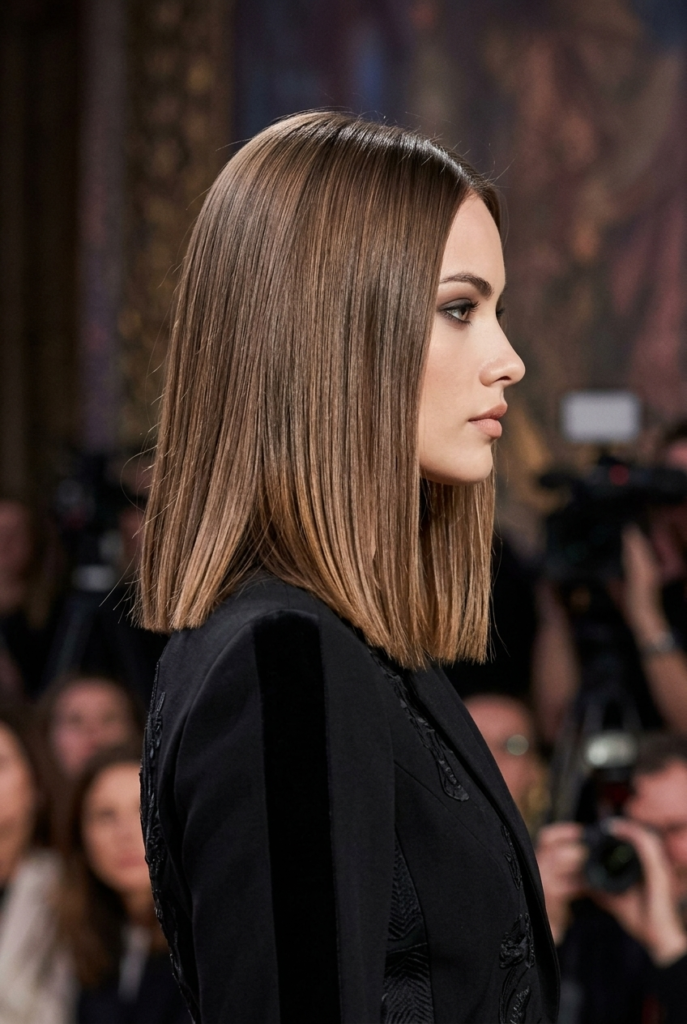
This one surprises people. Blunt cuts are usually flagged as bad for fine hair because they look heavy — but at collarbone length, the math changes. When the cut sits right at or just above the collarbone, the blunt edge creates the illusion of a solid, thick line of hair. It reads as density even when the actual strands are fine.
The key is the length. Too long and it drags. Too short and the bluntness looks choppy. At collarbone level, it hits a sweet spot where the ends hang with just enough weight to look full without feeling flat. Ask your stylist for deep point-cutting along the perimeter — it softens the edge slightly while keeping the density effect intact.
Style it straight with a paddle brush blow-dry and a smoothing balm. This cut photographs beautifully and holds its shape well through the day.
2. The Layered Lob With Face-Framing Pieces
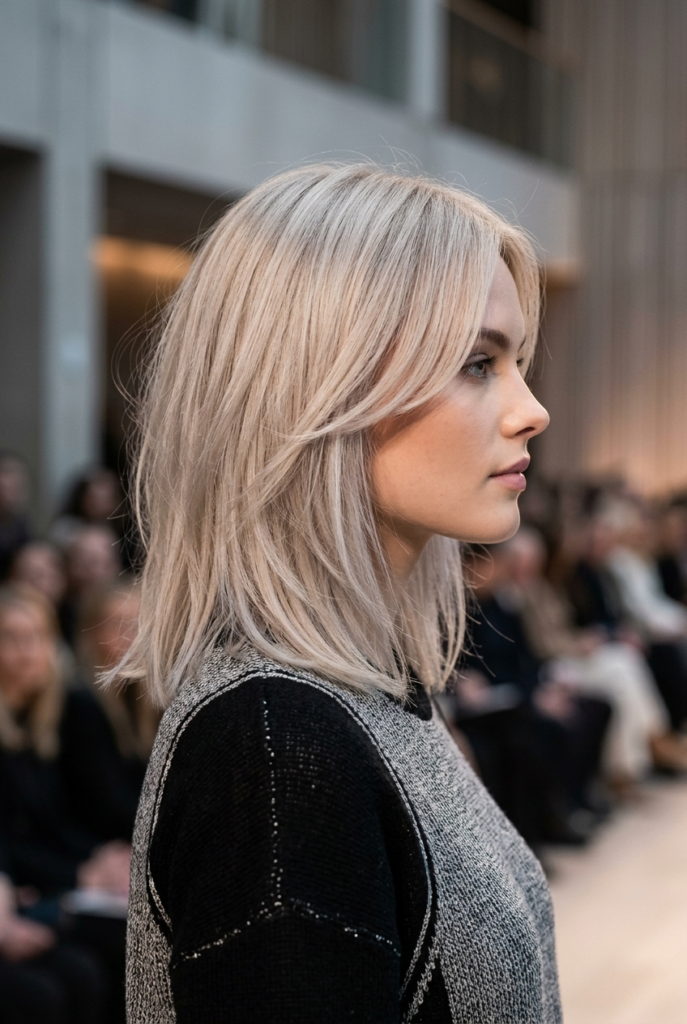
The long bob remains one of the most requested cuts in salons for good reason. It sits at or just past the shoulder, works on nearly every face shape, and offers a lot of flexibility for women who style their hair differently depending on the day.
For fine hair specifically, the version you want has soft, internal layers throughout — not heavy graduation, but the kind of layering that removes weight without thinning the ends. The face-framing pieces are important: they’re slightly shorter sections around the front that draw the eye upward and create movement around the cheekbones. This framing trick visually lifts the whole cut and adds dimension to hair that might otherwise fall flat.
Pair this with a root-lifting spray before your blow-dry and use a round brush to add soft volume at the crown.
3. The Shoulder-Length Wolf Cut
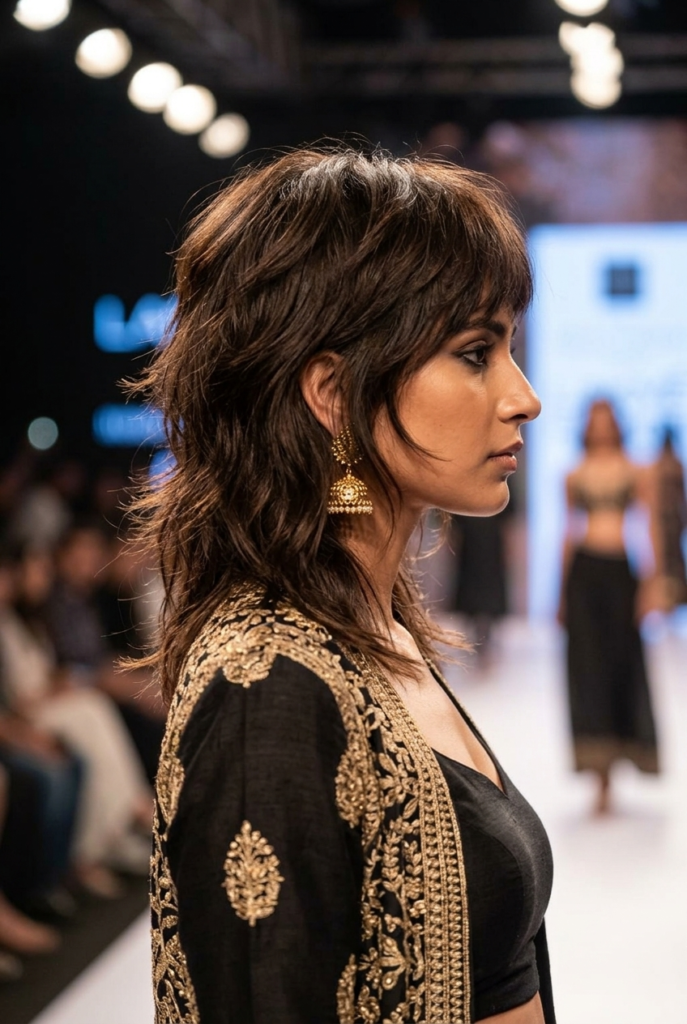
The wolf cut isn’t going anywhere. What started as a nineties-revival trend has become a genuine staple, and its current shoulder-length version is particularly good for fine hair. The cut combines shorter, choppy layers at the crown and through the mid-lengths with longer, wispy ends — creating that lived-in, high-volume look without adding bulk.
What makes it work for finer strands is that the contrast between the shorter top layers and the longer ends creates the appearance of density. Your eye reads all that layering as thickness. The texture does the visual work that actual hair volume can’t.
Ask your stylist for razor-finished edges if you want a softer result, or scissor-point cutting for a slightly sharper version. Both work. Scrunch a lightweight mousse through damp hair and either diffuse or let it air-dry for maximum texture.
4. The Curtain Bang Lob
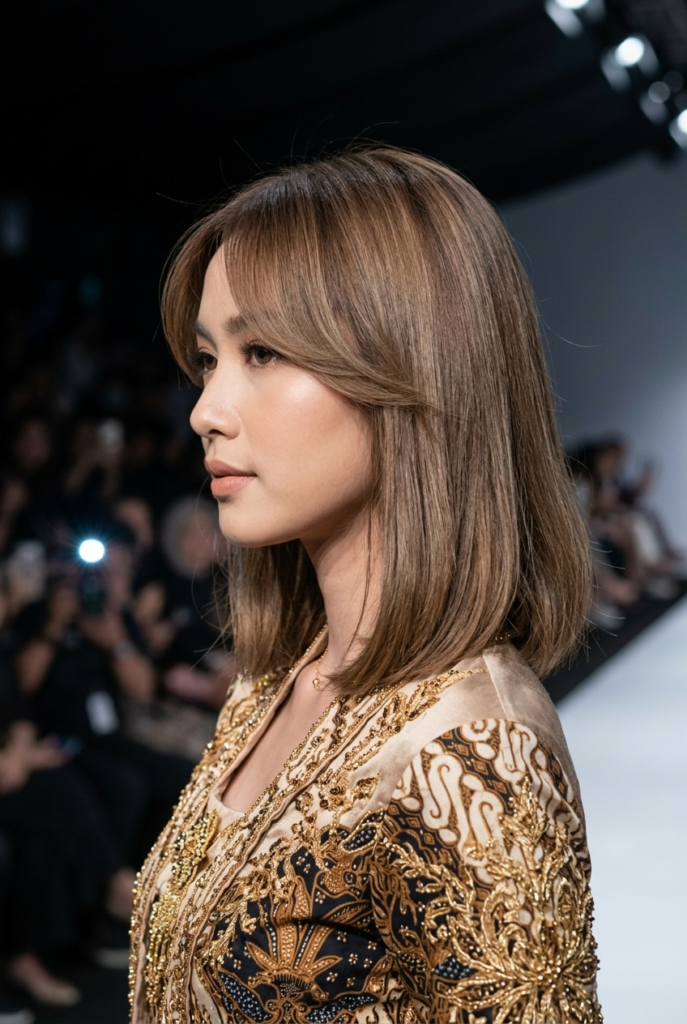
Curtain bangs have been trending for a few years now, and they’re not stepping back. When paired with a shoulder or collarbone-length cut, they add a face-framing effect that makes a real difference for fine hair — specifically because they draw visual interest toward the front of the style rather than the flat mid-lengths.
The bangs part at the center and sweep outward and down, blending seamlessly into the length. They’re one of the more forgiving fringe styles because they grow out gracefully and can be tucked behind the ear on days you don’t feel like styling them. For fine hair, keeping the bangs slightly longer — angled down toward the jaw — gives them enough weight to lie flat without needing constant attention.
This combination reads as modern without being high-maintenance, which matters a lot if you’re not spending forty minutes in front of a mirror every morning.
5. The Tousled French Lob
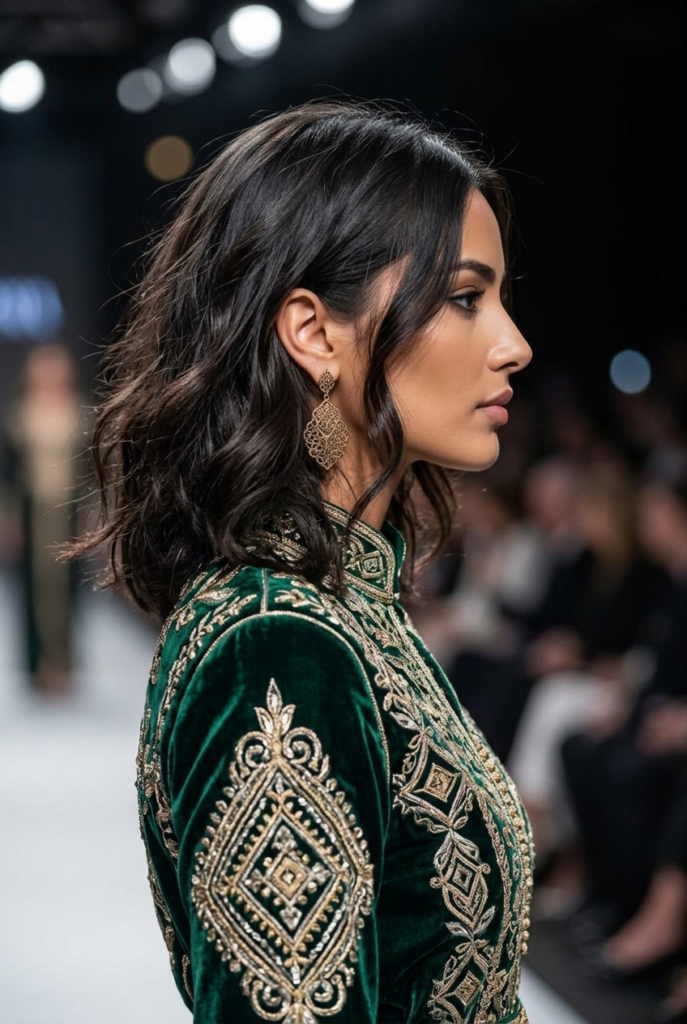
This one is all about the styling approach more than the structure. The cut itself is minimal — shoulder length or just above the collarbone, with light internal layering and no heavy graduation. The “French lob” effect comes from how it’s worn: slightly tousled, with a loose wave or natural texture that makes it look effortless without looking undone.
For fine hair, the key is avoiding heavy products. A light air-dry cream or a small amount of texturizing spray through the mid-lengths is all you need. The goal is movement, not hold. Fine hair gets weighed down easily, so less product almost always produces better results.
This is the cut for women who want to look put-together but not polished — the kind of hair that looks like it just did that on its own.
6. The Shoulder Shag With Curtain Fringe
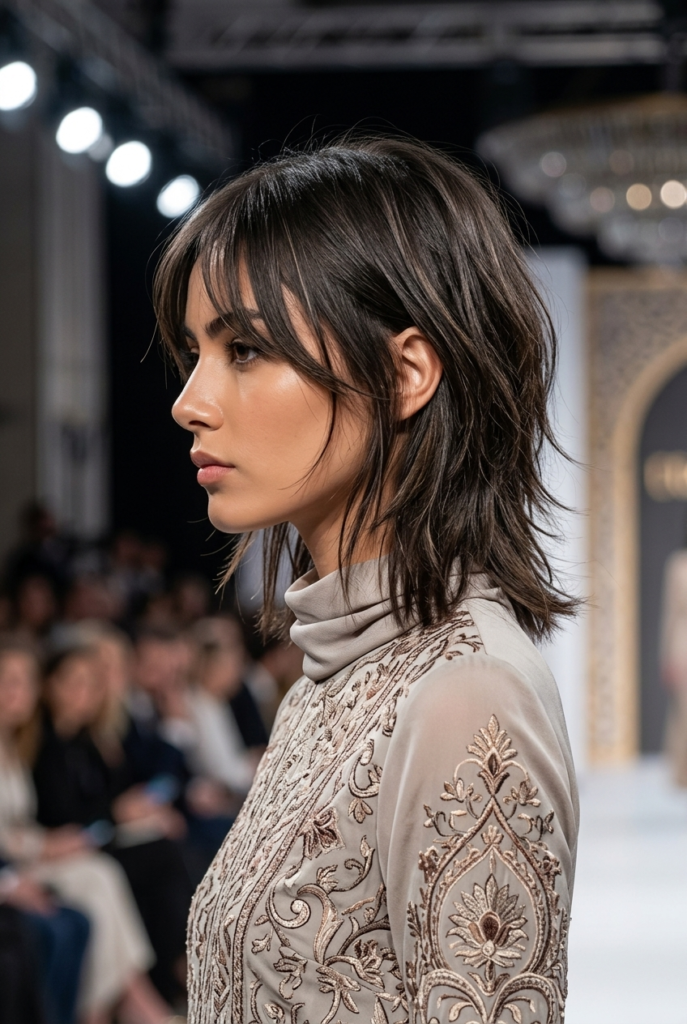
The shag cut at shoulder length is having a full comeback right now, and it’s genuinely one of the best options for thin or fine-textured hair. The structure of a shag — multiple layers of varying lengths, usually with some graduation at the crown — creates volume and body by design. There’s no flat mid-length section because the layers break up the weight.
Add curtain fringe to the front and the whole cut gets even more dimension. The fringe softens the face and works in harmony with the choppy layers to make the hair look fuller and livelier. This is a style with personality, and it works especially well if your hair has any natural wave or texture to it.
Styling is easy: diffuse with a small amount of curl cream for wavy hair, or use a light mousse and blow-dry for straight hair. Either way, scrunch the ends slightly to bring out the texture.
7. The Asymmetrical Shoulder Cut
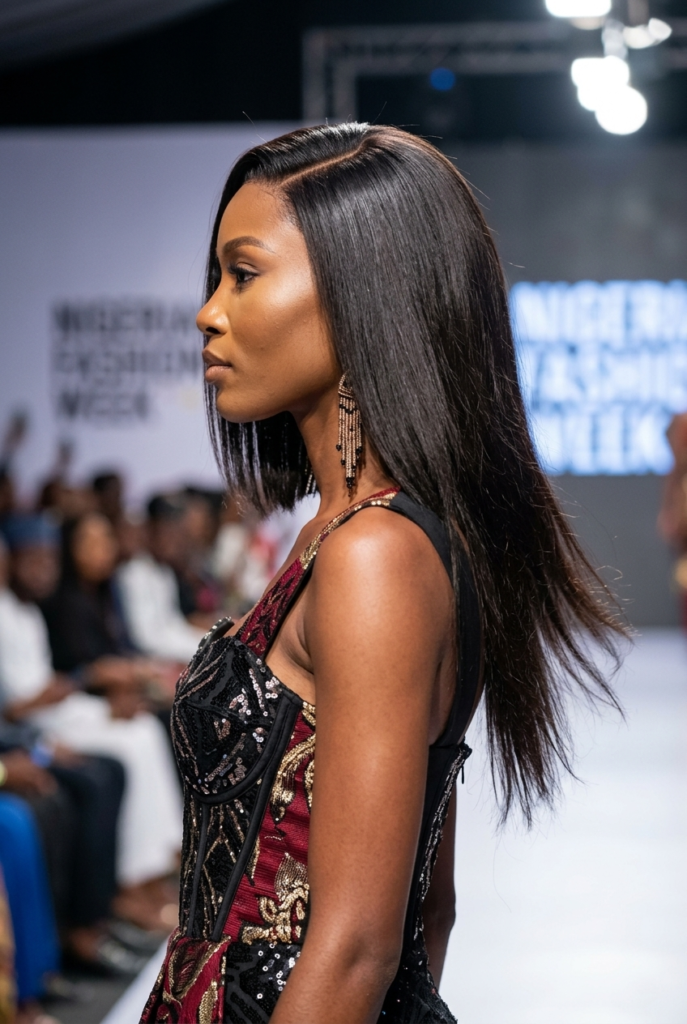
If you want a cut that adds visual volume without any tricks or styling effort, an asymmetrical shoulder-length cut is worth serious consideration. One side sits slightly longer than the other — the difference can be subtle (half an inch) or more pronounced (an inch or two) depending on your preference.
The asymmetry creates movement through the silhouette. Your eye travels across the diagonal line, which reads as dynamic and full even when the actual hair is fine. Searches for asymmetrical cuts have risen significantly in the past year, largely because women are looking for ways to make their style feel more intentional and modern without going dramatically short.
This cut works on straight and wavy hair alike, and it suits round and square face shapes particularly well because the diagonal line draws attention away from width.
8. The Butterfly Cut at Shoulder Length
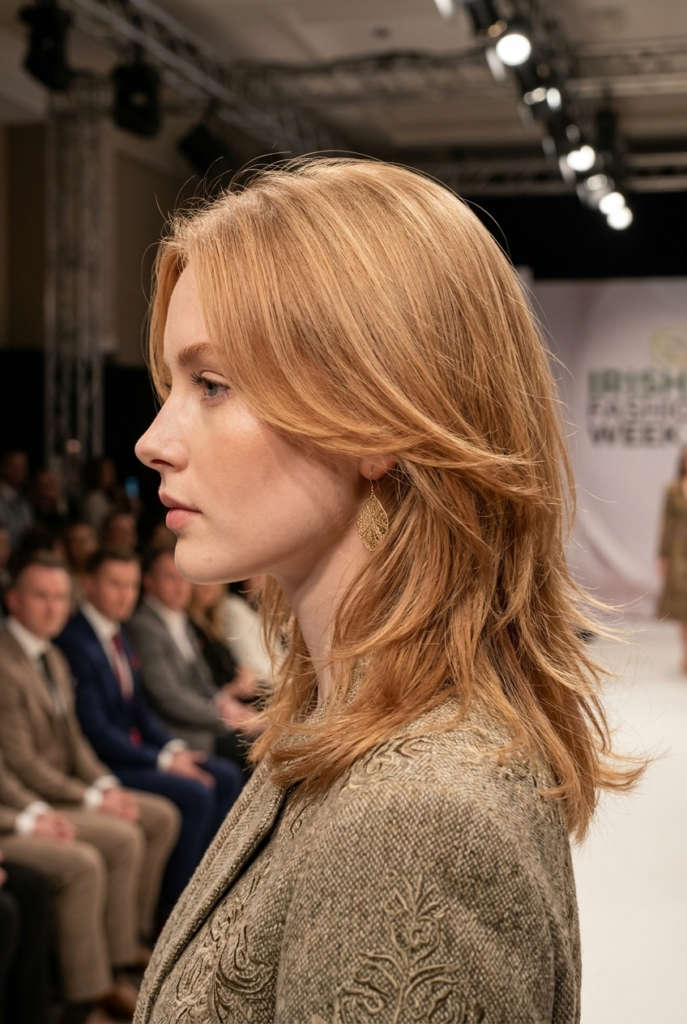
The butterfly cut is a softer, more wearable version of the classic layered style. Named for the wing-like appearance of the layers when the hair is flipped to one side, it features face-framing layers that start at the chin and gradually lengthen toward the shoulder, with longer layers underneath that add weight and movement.
For fine hair, the butterfly cut does something subtle but important: the shorter, face-framing layers create volume at the front and crown, while the longer underlayers give the impression of fullness and body through the mid-lengths. The result is a cut that looks airy and full without any dramatic layering that could thin out the ends.
This is a particularly good choice for women who want a bit of softness and femininity in their cut. A round brush blow-dry at the crown and through the face-framing pieces is all the styling it needs.
What to Know Before You Go to the Salon
A few practical notes before you book your appointment.
The most common mistake with fine hair at shoulder length is going too blunt across a single length without any internal work. Unless you’re doing the blunt collarbone lob specifically, a cut that’s all one length will look flat and heavy. Make sure your stylist understands that you need movement built into the structure.
Lightweight products make a difference. Volumizing mousse, root-lifting spray, and texturizing sprays designed for fine hair will help your cut hold its shape. Avoid heavy oils or thick creams at the roots — they’ll weigh fine strands down immediately.
Regular trims matter more with shorter cuts. Plan on coming in every eight weeks to maintain the shape, especially on cuts that rely on precise layering like the wolf cut or the butterfly cut.
The Right Length Can Change Everything
Shoulder length has a lot going for it, and for women with finer hair, it can be the sweet spot where the right cut actually shows off what your hair can do. The weight is manageable, the options are varied, and the styles above prove that fine hair doesn’t have to look flat or dull.
Getting the cut right matters more than the length itself. Talk to your stylist about your texture, your styling habits, and how much time you realistically want to spend each morning. The best version of any of these cuts is one that works with your actual life — not just on the reference photo.
Frequently Asked Questions
Q: Is shoulder length actually good for fine hair? A: Yes — shoulder length can be one of the most flattering ranges for fine hair. The key is getting the right cut, not just the right length. Styles with internal layers, texture, and face-framing details create volume and movement that make fine strands look fuller.
Q: Which of these cuts is the most low-maintenance? A: The tousled French lob and the blunt collarbone lob both require minimal styling effort. The French lob can be air-dried with a small amount of texturizing product, while the collarbone lob mostly needs a simple paddle-brush blow-dry to look polished.
Q: Can fine hair pull off a wolf cut? A: Absolutely. The shoulder-length wolf cut is actually one of the better options for fine hair. The contrast between the shorter crown layers and the longer ends creates the appearance of density, making the hair look thicker than it is.
Q: Will curtain bangs work for fine hair? A: Yes, curtain bangs tend to work well for fine hair at shoulder length. Keep them slightly longer — angling toward the jaw rather than the cheekbone — so they have enough weight to lie flat without constant restyling.
Q: How often should I trim shoulder-length fine hair? A: Plan on every eight weeks. Fine hair shows split ends and loss of shape faster than thicker hair, and cuts that rely on layering and texture (like the shag or wolf cut) lose their definition quickly without regular maintenance.
Q: What products should I use on fine hair at shoulder length? A: Stick to lightweight options: a root-lifting spray or volumizing mousse before blow-drying, and a light texturizing spray or air-dry cream for days you’re not heat-styling. Avoid heavy oils or thick creams at the roots, as they weigh fine strands down.
Q: Does the asymmetrical cut work on all face shapes? A: It’s especially flattering on round and square face shapes because the diagonal line creates a lengthening effect. It also works well on oval faces. Heart-shaped faces can wear it too, though a stylist may adjust the angle slightly to balance the proportions.
Q: What’s the difference between the butterfly cut and a standard layered lob? A: The butterfly cut features more pronounced face-framing layers that start at the chin and angle back, with longer underlayers that provide weight. A standard layered lob has more consistent layering throughout. The butterfly cut tends to create more drama and movement around the face, while the layered lob gives a softer, more blended result.

