

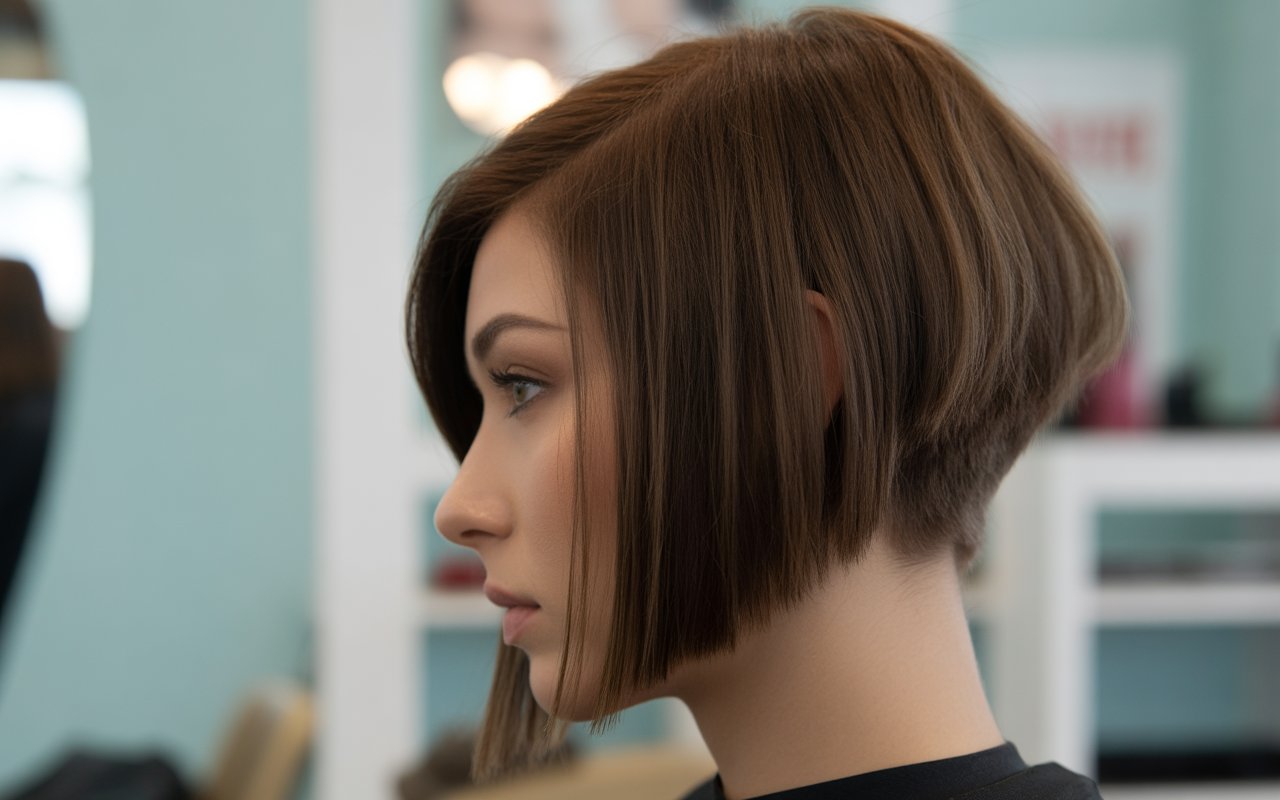
Looking for a fresh way to update your hairstyle? The asymmetrical bob might be exactly what you need. This modern twist on the classic bob features one side cut shorter than the other, creating a dynamic and eye-catching silhouette that instantly refreshes your appearance. Unlike traditional haircuts that follow predictable patterns, this style adds an unexpected element that catches attention without being too dramatic.
The beauty of this particular cut lies in its versatility. Whether you prefer a subtle difference between sides or a more pronounced contrast, the asymmetrical bob adapts to your personal style and comfort level. Women across all age groups find this haircut particularly appealing because it offers sophistication with a contemporary edge. From busy professionals to creative artists, this style works for various lifestyles and can be customized to suit individual preferences.
In the following sections, we’ll walk through everything you need to know about getting and maintaining this trendy haircut. You’ll discover how to select the perfect variation for your face shape, master styling techniques that work with your hair texture, and learn professional maintenance tips that keep your cut looking salon-fresh between appointments. Let’s transform your look with this versatile and stylish option.
- What Makes the Asymmetrical Bob Different from Traditional Bobs
- How to Choose the Right Asymmetrical Bob for Your Face Shape
- Styling Techniques for Your Asymmetrical Bob
- Maintenance Tips to Keep Your Asymmetrical Bob Looking Fresh
- This Year's Trending Asymmetrical Bob Variations
- Finding Your Perfect Asymmetrical Bob
- Frequently Asked Questions
What Makes the Asymmetrical Bob Different from Traditional Bobs
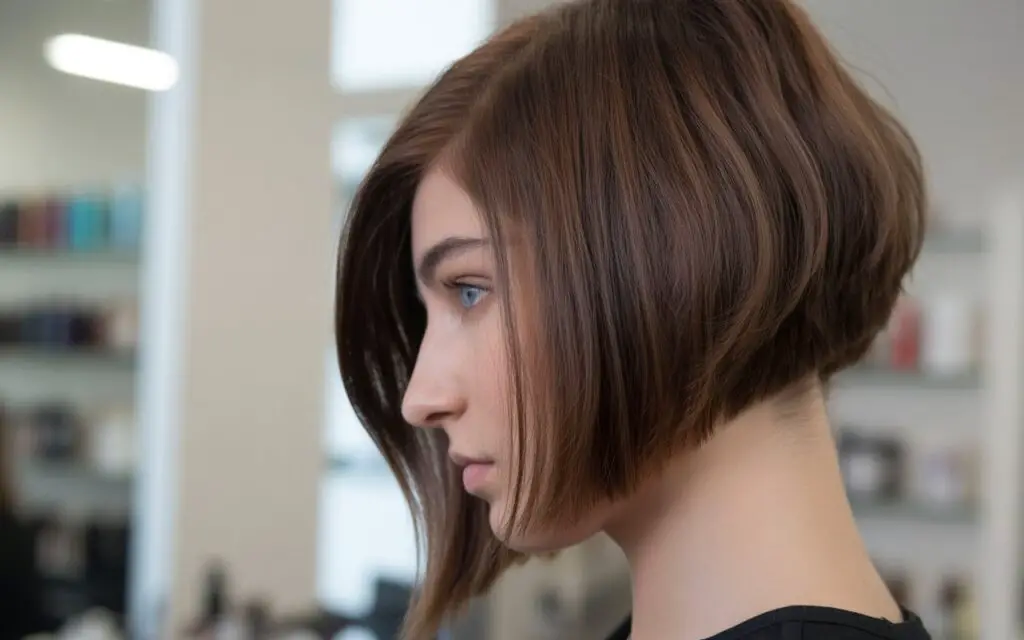
The asymmetrical bob stands apart from its traditional counterpart through several distinctive features that create visual interest and movement. Unlike the uniform length of a classic bob, this style deliberately plays with proportions to achieve a more dynamic appearance.
Length variations between sides
The defining characteristic of this haircut involves one side being noticeably shorter than the other. This difference can range from a subtle half-inch variation to a dramatic several-inch contrast. The shorter side typically sits around ear level or slightly below, while the longer side might graze the collarbone or fall somewhere between the chin and shoulder.
Your stylist will determine the ideal length difference based on your facial features and personal preferences. Some women prefer a gentle graduation that creates soft asymmetry, while others opt for a bold contrast that makes a stronger style statement. The beauty lies in customizing these proportions to complement your individual look.
Angle and graduation differences
Beyond simple length variation, the asymmetrical bob incorporates strategic angles that enhance its visual impact. The back section often features a graduated cut that starts shorter at the nape and gradually increases in length toward the front. This graduation creates a beautiful line that draws the eye and adds dimension to the overall shape.
The angle at which your stylist cuts the hair significantly affects the final appearance. A steep angle creates drama and edge, perfect for women wanting a bold transformation. A gentler slope offers subtlety while still providing that modern twist. Many stylists also incorporate layers within the graduation to add texture and movement, preventing the cut from appearing too heavy or blunt.
Styling versatility compared to classic bobs
Where traditional bobs often limit styling options, the asymmetrical version opens up numerous possibilities. You can wear it sleek and straight to showcase the precise lines, or add waves and texture for a softer, more romantic look. The uneven lengths allow for creative styling that wouldn’t work with a uniform cut.
On busy mornings, you might tuck the shorter side behind your ear while letting the longer side frame your face. For special occasions, you can create dramatic side-swept styles or add accessories that highlight the asymmetry. This adaptability makes it an excellent choice for women who enjoy changing their look without committing to a completely new haircut.
Face-framing benefits
The strategic placement of different lengths creates exceptional face-framing opportunities. The longer side can help soften angular features or add length to round faces, while the shorter side opens up the face and highlights your best features. This customizable framing effect works like contouring for your face shape.
Many women discover that this cut brings attention to their eyes and cheekbones in ways their previous hairstyles didn’t achieve. The diagonal line created by the asymmetry naturally leads the eye upward, creating a lifting effect that can make you appear more youthful and energized. Your stylist can adjust the exact placement of these lengths to highlight your favorite features while minimizing areas you’d prefer to downplay.
How to Choose the Right Asymmetrical Bob for Your Face Shape
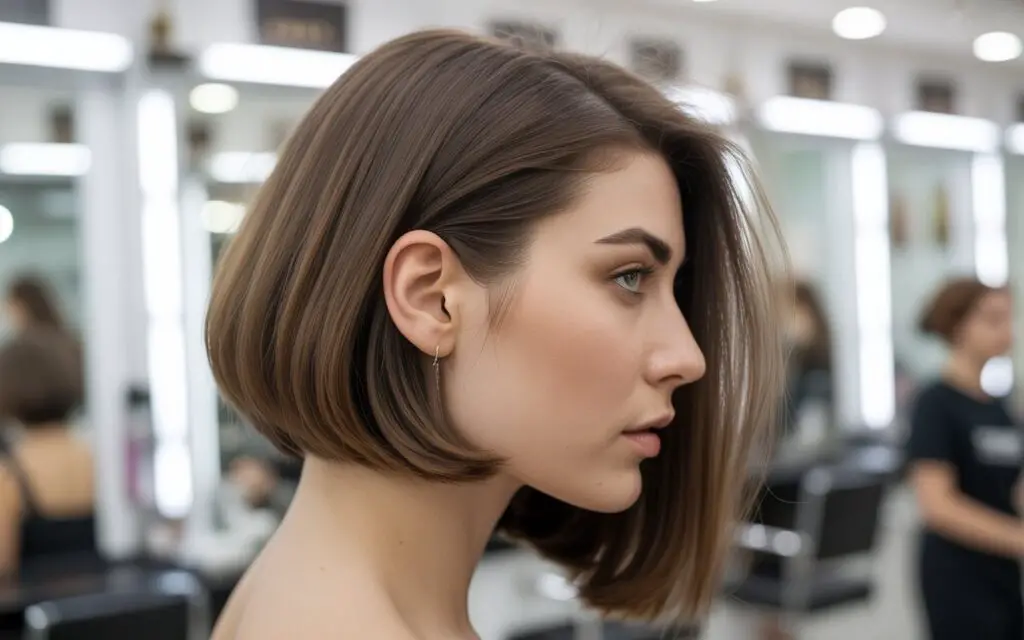
Selecting the perfect asymmetrical bob requires understanding how different variations complement specific face shapes. While this versatile cut suits most women, certain adjustments can maximize its flattering potential for your unique features.
Round face considerations
Women with round faces benefit from asymmetrical bobs that create the illusion of length and angles. The key lies in choosing a variation where the longer side extends past your chin, ideally reaching the collarbone area. This length draws the eye downward and creates a slimming effect that balances rounded features.
Your stylist might suggest incorporating subtle layers that add height at the crown without adding width at the sides. Avoid cuts that end right at the fullest part of your cheeks, as this can emphasize roundness. Instead, opt for styles where the shortest point sits either above or below this area. A side part works particularly well with round faces, as it creates an asymmetrical effect that complements the haircut while adding vertical lines.
Consider asking for a more dramatic angle difference between the two sides. This pronounced asymmetry introduces angular lines that contrast beautifully with soft, rounded features. The shorter side should ideally sit around or just below the ear, creating an open effect that prevents the style from adding bulk to the face width.
Oval face options
Lucky you if you have an oval face shape – nearly every asymmetrical bob variation will flatter your balanced proportions. This face shape offers the most flexibility in terms of length choices and angle severity. You can experiment with subtle or dramatic differences between sides without worrying about throwing off your facial harmony.
For oval faces, the focus shifts from correcting proportions to enhancing your best features. A chin-length asymmetrical bob with soft layers creates a romantic, feminine look. Alternatively, a sharper, more geometric cut with clean lines offers a modern, professional appearance. The choice depends more on your personal style and lifestyle needs than on flattering your face shape.
Square face styling tips
Square faces benefit from asymmetrical bobs that soften strong jawlines while maintaining the face’s natural structure. The longer side of your bob should ideally fall below the jaw, creating diagonal lines that contrast with horizontal jaw angles. This placement helps create a more oval appearance without completely hiding your distinctive bone structure.
Incorporating texture and movement proves especially important for square faces. Soft waves or tousled styling breaks up straight lines and adds femininity to angular features. Your stylist might suggest keeping the shorter side around mid-ear level to maintain balance while avoiding cuts that end exactly at jaw level, which can emphasize squareness.
A slightly rounded shape at the back, rather than a sharp geometric line, complements square faces beautifully. This softer approach maintains the modern appeal of the asymmetrical bob while creating harmony with your facial features. Consider adding face-framing layers that begin below the jawline on the longer side for extra softening effect.
Heart-shaped face variations
Heart-shaped faces look stunning with asymmetrical bobs that add volume and interest around the jaw and chin area. Since your face naturally tapers toward the chin, choosing a length that adds fullness in this region creates better balance with your wider forehead and cheekbones.
The ideal variation features the longer side reaching between the chin and collarbone, with plenty of movement and texture in this area. Avoid styles that add too much volume at the crown, as this can emphasize the width difference between your forehead and chin. Instead, focus on creating width through the lower portion of the cut.
A side-swept fringe or longer layers that blend into the asymmetrical shape work wonderfully for heart-shaped faces. These elements help minimize forehead width while drawing attention to your eyes and cheekbones. The shorter side can be quite dramatic if desired, as the contrast actually helps balance the natural tapering of your face shape.
Diamond face adjustments
Diamond faces require special consideration to balance narrow forehead and chin areas with wider cheekbones. The asymmetrical bob offers an excellent solution by creating width where needed while maintaining overall proportion. Choose variations where both sides offer some coverage around the cheekbone area to prevent emphasizing the widest part of your face.
Your perfect cut might feature a longer side that reaches the collarbone with gentle waves or curls that add fullness around the chin. The shorter side should still provide some coverage at the cheekbone level – perhaps sitting just below the ear rather than above it. This placement ensures the style doesn’t make your face appear too narrow at the top and bottom.
Adding subtle layers throughout creates movement without removing too much weight from areas where you need fullness. A slightly off-center part works better than a dramatic side part for diamond faces, as it maintains balance while still showcasing the asymmetrical nature of the cut. Your stylist can create a beautiful frame that highlights your unique bone structure while maintaining flattering proportions.
Styling Techniques for Your Asymmetrical Bob
Mastering the art of styling your asymmetrical bob transforms a great haircut into a showstopping look. The right techniques and tools make daily styling effortless while allowing you to create various looks for different occasions.
Daily styling routine
Your morning styling routine sets the foundation for how your hair looks throughout the day. Start with freshly washed hair and apply a lightweight styling cream or mousse from mid-length to ends. This product provides hold and protection without weighing down your style. For the asymmetrical bob, product application requires strategy – use slightly more on the longer side to maintain balance and control.
Section your hair according to its natural fall, paying attention to how the asymmetry naturally wants to sit. Using a round brush, blow-dry the shorter side first, directing the hair slightly forward to create that modern, face-framing effect. Move to the longer side, using the brush to create either smooth sleekness or gentle bends, depending on your preferred look.
The key to maintaining the cut’s sharp lines lies in the finishing touches. Run a flat iron through any sections that need extra smoothness, particularly around the perimeter where precision matters most. A light misting of finishing spray helps lock in your style while maintaining movement and touchability throughout the day.
Product recommendations
Choosing the right products can make or break your asymmetrical bob styling experience. The following products work exceptionally well for this particular cut:
Heat Protectant Spray: Essential for preventing damage during blow-drying and flat ironing
Volumizing Mousse: Adds body without stiffness, perfect for fine hair
Smoothing Serum: Controls frizz and adds shine to showcase clean lines
Texturizing Spray: Creates piece-y definition for more casual, undone looks
Light-Hold Hairspray: Maintains style without that crunchy feeling
For women with thicker hair, a smoothing cream applied before blow-drying helps manage bulk while maintaining the cut’s shape. Those with finer hair should focus on volumizing products at the roots and lighter serums through the lengths. Remember that less is more – overloading with product can make your sophisticated cut appear heavy and lifeless.
Heat styling methods
While heat styling isn’t always necessary, it helps achieve the polished look that showcases your cut’s precise lines. When using hot tools, always work in sections for the most professional results. The asymmetrical nature of your cut means you’ll need to adjust your technique for each side.
For the shorter side, use a small round brush or flat iron to create subtle bends that direct the hair toward your face. This technique emphasizes the face-framing quality of the cut. Quick passes with the iron suffice here – you want polish, not poker-straight stiffness.
The longer side offers more styling possibilities. Create gentle waves by wrapping sections around a 1.5-inch curling iron, leaving the ends out for a modern finish. Alternatively, use a flat iron to create subtle bends by turning your wrist slightly as you glide down each section. This method produces that effortless, lived-in texture that looks professionally styled yet approachable.
Air-drying techniques
Not every day calls for heat styling, and your asymmetrical bob can look fantastic with the right air-drying approach. After washing, squeeze out excess water and apply a curl-enhancing cream or lightweight gel throughout your hair. The product helps define your hair’s natural texture while maintaining the cut’s shape as it dries.
Scrunch the longer side gently to encourage any natural wave or movement. For the shorter side, use your fingers to direct the hair forward and slightly across your face as it begins to dry. This positioning helps maintain the intended shape of your cut without heat styling. Every 20 minutes or so during the drying process, shake your roots gently to prevent flat spots and encourage volume.
If your hair tends toward frizziness when air-drying, apply a small amount of anti-humidity serum to the lengths after your hair reaches about 80% dry. This timing prevents the product from weighing down your style while still providing frizz control. The result should be an effortlessly chic look that highlights your cut’s modern lines with natural texture.
Quick styling fixes
Sometimes you need to refresh your asymmetrical bob without starting from scratch. These quick fixes help you maintain a polished appearance throughout your busy day.
For second-day hair, try the twist and pin method: take small sections from the shorter side, twist them back, and secure with bobby pins that match your hair color. This creates an entirely different look while managing any unruliness. On the longer side, a quick pass with a flat iron on just the front sections instantly refreshes your style.
Dry shampoo becomes your best friend for adding volume and extending time between washes. Focus application at the roots, especially around your part line and crown. After letting it sit for a minute, massage thoroughly and brush through to distribute the product evenly. This technique not only refreshes your hair but also adds the texture that makes styling easier.
When faced with unexpected humidity or weather changes, carrying a small bottle of anti-frizz serum saves the day. Warm a tiny amount between your palms and smooth over the surface of your hair, focusing on the ends and any flyaways around your face. This quick touch-up maintains the sleek lines of your cut without requiring access to styling tools.
Maintenance Tips to Keep Your Asymmetrical Bob Looking Fresh
Maintaining the sharp lines and perfect proportions of your asymmetrical bob requires dedication, but the results justify the effort. With proper care between salon visits, your stylish cut continues to turn heads weeks after leaving the stylist’s chair.
Trimming schedule
The precision of an asymmetrical bob demands regular maintenance to preserve its distinctive shape. Most women find that scheduling trims every 4-6 weeks keeps their cut looking intentional rather than overgrown. This frequency might seem frequent compared to other styles, but the asymmetrical nature means even small amounts of growth can throw off the careful balance your stylist created.
Pay attention to how the shorter side grows compared to the longer side. Hair doesn’t always grow evenly, and you might notice one side requiring attention sooner than the other. Some stylists offer quick bang trim services between full appointments – ask if they provide similar services for maintaining just the shorter side of your asymmetrical cut.
Between professional trims, resist the temptation to “fix” any perceived imperfections yourself. The angles and layers in this cut require professional expertise to maintain properly. What might seem like a simple snip could disrupt the entire flow of your hairstyle. Instead, book that maintenance appointment as soon as you notice the shape beginning to soften.
Color considerations
If you color your hair, the asymmetrical bob presents unique opportunities and challenges. The varying lengths create natural dimension that highlights color beautifully, but they also mean color grows out at different visual rates on each side. This effect can actually work in your favor with techniques like balayage or highlights, where the asymmetry enhances the multi-dimensional color effect.
Root touch-ups become more noticeable with this cut, particularly if you have a dramatic color difference from your natural shade. The clean lines of the bob draw attention to the hair’s overall condition and color consistency. Consider scheduling color appointments slightly more frequently, or discuss with your colorist about techniques that create softer grow-out lines.
For those considering a new color with their asymmetrical bob, remember that lighter shades tend to show the cut’s texture and movement more clearly, while darker colors emphasize the strong lines and geometric shape. Your stylist can recommend colors that complement both your skin tone and the specific variation of asymmetrical bob you’ve chosen.
Home care between salon visits
Your daily hair care routine significantly impacts how long your cut maintains its salon-fresh appearance. Invest in quality shampoo and conditioner suited to your hair type, focusing on products that won’t weigh down the shorter sections while still providing enough moisture for the longer portions.
Weekly deep conditioning treatments help maintain hair health, but apply them strategically. The longer side might need more conditioning than the shorter side, especially if you style it frequently. Consider using a hair mask only from mid-length to ends on the longer side while using a lighter leave-in treatment on the shorter sections.
Protecting your hair while sleeping prevents the dreaded bed head that can be particularly challenging with an asymmetrical cut. A silk or satin pillowcase reduces friction and helps maintain your style overnight. For added protection, loosely wrap your hair in a silk scarf, paying attention not to create creases or bends that might be difficult to style out in the morning.
Sleeping positions to maintain shape
The way you position your hair during sleep directly affects how it looks when you wake up. For asymmetrical bobs, finding the right sleeping strategy can mean the difference between a quick morning refresh and a complete restyle.
Try the pineapple method modified for shorter hair: loosely gather just the longer side at the very top of your head with a soft scrunchie. This technique prevents the longer sections from getting flattened or bent while you sleep. The shorter side can usually maintain its shape naturally, but if needed, secure it with a small silk-wrapped bobby pin directed away from your face.
Side sleepers face particular challenges with this cut. If you typically sleep on one side, you might notice that side of your bob loses volume or develops unwanted bends. Combat this by switching sides throughout the night or investing in a special hairstyle-preserving pillow that creates space for your hair. Some women find success with placing a small satin roller at the ends of the longer side to maintain a smooth shape overnight.
Dealing with growth patterns
Understanding your hair’s natural growth patterns helps you work with, rather than against, your asymmetrical bob as it grows. Most people have cowlicks or areas where hair grows in different directions – these become more noticeable with shorter, precise cuts. Your stylist should already have cut with these patterns in mind, but growth can sometimes reveal new challenges.
If you notice certain sections sticking out or refusing to lay properly as your hair grows, avoid constantly flat ironing these areas as this can cause damage. Instead, use styling products designed for control and direction. A small amount of pomade or styling wax warmed between your fingers can help redirect stubborn pieces without heat damage.
Document your growth patterns with photos every two weeks. This visual diary helps you and your stylist understand how your specific hair grows and allows for adjustments in future cuts. You might discover that slightly changing the angle or adjusting the layers in certain areas creates a cut that works better with your natural growth patterns, resulting in easier maintenance and styling between appointments.
This Year’s Trending Asymmetrical Bob Variations
Fashion-forward women everywhere are discovering new ways to personalize their asymmetrical bobs. This year brings fresh interpretations that push creative boundaries while maintaining wearable appeal for everyday life.
Textured asymmetrical bobs
Texture has become the watchword for modern asymmetrical bobs, moving away from super-sleek styles toward more lived-in looks. This trend particularly suits women who prefer a low-maintenance approach to styling. Stylists create this texture through strategic cutting techniques that enhance natural hair movement, incorporating point cutting and slide cutting to remove weight while maintaining the cut’s essential shape.
The textured approach works beautifully with natural waves or curls, allowing them to shine within the asymmetrical framework. Rather than fighting against natural texture with excessive heat styling, this variation celebrates it. Your stylist might use a razor or texturizing shears to create piece-y ends that move freely and catch light beautifully.
For styling textured asymmetrical bobs, sea salt sprays and texture creams become essential tools. These products enhance natural movement without weighing hair down, creating that effortless, beachy look that feels both casual and sophisticated. The key lies in working with your hair’s natural tendencies rather than forcing it into submission.
Women with straight hair can still achieve this textured look through clever cutting and styling techniques. Invisible layers throughout the cut create movement, while styling with a diffuser or scrunching products into damp hair adds the desired texture. The result looks effortlessly undone while maintaining the distinctive asymmetrical shape.
Blunt-cut asymmetrical styles
On the opposite end of the spectrum, ultra-precise blunt cuts continue to make a strong statement. This variation features razor-sharp lines with minimal to no layering, creating a bold, geometric look that commands attention. The contrast between the severely blunt edges and the asymmetrical lengths creates visual tension that feels thoroughly modern.
This style particularly suits women with thick, straight hair that can hold a sharp line without appearing thin or wispy at the ends. The weight of the hair helps maintain the precise shape, creating an almost architectural quality to the cut. Your stylist will use precise cutting techniques to ensure every strand falls exactly where intended.
Styling blunt asymmetrical bobs requires commitment to polish. Regular flat iron sessions keep lines sharp and prevent any flipping or bending at the ends. A high-quality smoothing serum becomes essential for achieving that glass-like finish that makes this style so striking.
Color plays a crucial role in blunt asymmetrical styles. Solid, rich colors emphasize the cut’s strong lines, while subtle highlights can add dimension without disrupting the overall geometric effect. Many women choosing this variation opt for glossing treatments that enhance shine and make the precision of the cut even more apparent.
Layered asymmetrical options
Strategic layering within an asymmetrical bob creates movement and body while maintaining the cut’s distinctive shape. This year’s layered variations focus on invisible layers that add volume and movement without creating obvious steps or disconnection in the hair. The technique works particularly well for women with fine to medium hair density who want fullness without sacrificing the asymmetrical silhouette.
Modern layering techniques for asymmetrical bobs differ from traditional layering. Instead of uniform layers throughout, stylists create graduated layers that follow the asymmetrical line. The shorter side might feature minimal layering to maintain its clean look, while the longer side incorporates more movement through carefully placed layers that enhance natural swing and body.
These layered variations prove especially flattering for women over 40 who want a youthful, energetic style without appearing too trendy. The layers create lift at the crown and movement throughout, combating any flatness or limpness that can occur with one-length cuts. The asymmetrical element adds modern sophistication that feels age-appropriate yet fashion-forward.
Color trends for asymmetrical bobs
This year’s color trends for asymmetrical bobs focus on techniques that enhance the cut’s unique geometry. Stylists use creative color placement to emphasize the contrast between lengths, creating visual interest that goes beyond traditional highlighting methods.
Shadow roots paired with lighter ends create depth and dimension that follows the asymmetrical lines. This technique proves particularly effective because it allows for longer grow-out times while maintaining a polished appearance. The darker roots add depth at the scalp, while lighter pieces through the lengths create movement and emphasize the cut’s shape.
Bold color placement has gained popularity among more adventurous women. Consider peek-a-boo highlights on the shorter underside that reveal themselves with movement, or face-framing ribbons of color that follow the asymmetrical line. These techniques add personality without requiring all-over dramatic color.
Here are trending color techniques that complement asymmetrical bobs:
Money Piece Highlights: Bright face-framing sections that emphasize the asymmetry
Reverse Balayage: Darker pieces painted through lighter hair for depth and contrast
Hidden Rainbow: Vivid colors concealed in lower layers, visible only with movement
Gradient Effect: Color that gradually lightens from the shorter to longer side
Dimensional Brunette: Rich brown shades with subtle caramel ribbons for movement
Length variations gaining popularity
Current trends show movement toward more dramatic length differences in asymmetrical bobs. While subtle variations remain popular, bold contrasts between sides create maximum impact. Some women choose near-pixie length on one side while maintaining shoulder-grazing length on the other, creating a truly transformative look.
Midi-length asymmetrical bobs have emerged as a versatile option. These cuts feature the shorter side at traditional bob length while the longer side extends several inches past the shoulder. This variation offers the drama of asymmetry while providing more styling versatility for women who aren’t ready for a shorter commitment.
The micro-bob asymmetrical variation takes the opposite approach, keeping both sides relatively short but with distinct length differences. This style typically features one side at pixie-length while the other maintains a classic chin-length bob. The result feels fresh and daring while remaining sophisticated enough for professional settings.
Graduated asymmetrical bobs that incorporate dramatic angles from back to front continue evolving. This year’s versions feature more extreme graduations, with the back cut very short – sometimes undercut – while the front sections maintain substantial length. This creates a waterfall effect that looks completely different from every angle, ensuring your style never appears predictable or boring.
Finding Your Perfect Asymmetrical Bob
After exploring all aspects of the asymmetrical bob, you’re equipped with the knowledge to make this transformative cut work for your lifestyle and preferences. This modern hairstyle offers endless possibilities for personalization while maintaining its signature sophisticated edge. Whether you choose a subtle variation or a dramatic contrast between sides, the asymmetrical bob provides a fresh update that keeps you looking current and confident.
The key to success with this distinctive cut lies in working with a skilled stylist who understands your hair type, face shape, and maintenance preferences. Take time to discuss your daily styling routine and be honest about how much effort you’re willing to invest in upkeep. Your perfect asymmetrical bob should enhance your natural beauty while fitting seamlessly into your lifestyle, making you feel fabulous every single day.
Frequently Asked Questions
Q: How often should I wash my asymmetrical bob?
A: Most women find washing every 2-3 days maintains their style best. The precise lines of this cut can appear greasy more quickly than longer styles, but overwashing strips natural oils that keep hair healthy and manageable.
Q: Can I still wear my asymmetrical bob in a ponytail?
A: While traditional ponytails might be challenging, you can create modified versions. Try a low side ponytail incorporating the longer sections, or use decorative clips to pin back portions while leaving some pieces free for an intentionally undone look.
Q: Will an asymmetrical bob work with naturally curly hair?
A: Absolutely! Curly hair creates beautiful texture within an asymmetrical cut. Your stylist will adjust cutting techniques to work with your curl pattern, possibly using different lengths than they would for straight hair to account for shrinkage.
Q: How do I know if the length difference is too dramatic for me?
A: Start conservatively with a 1-2 inch difference between sides. You can always cut more dramatically at your next appointment once you’re comfortable with the asymmetrical concept and understand how it suits your features.
Q: What’s the best way to grow out an asymmetrical bob?
A: Growing out requires patience and strategic trimming. Your stylist will gradually even out lengths while maintaining style throughout the growing process. Regular trims every 6-8 weeks during grow-out prevent awkward phases.
Q: Can I cut an asymmetrical bob if I have very thick hair?
A: Thick hair works wonderfully with this cut when properly texturized. Your stylist will remove bulk through internal layers while maintaining the strong perimeter line that defines the asymmetrical shape.
Q: How do I style the shorter side when it’s at that awkward growing-out length?
A: Use bobby pins that match your hair color to create small twists or pin sections back. Texturizing products help blend growing pieces with the rest of your style. Some women add temporary clip-in pieces during this phase for special occasions.
Q: Is an asymmetrical bob appropriate for professional settings?
A: This sophisticated cut works beautifully in professional environments when styled sleekly. Choose more subtle length variations and maintain polished styling for conservative workplaces. The modern edge actually helps you appear current and put-together.

