

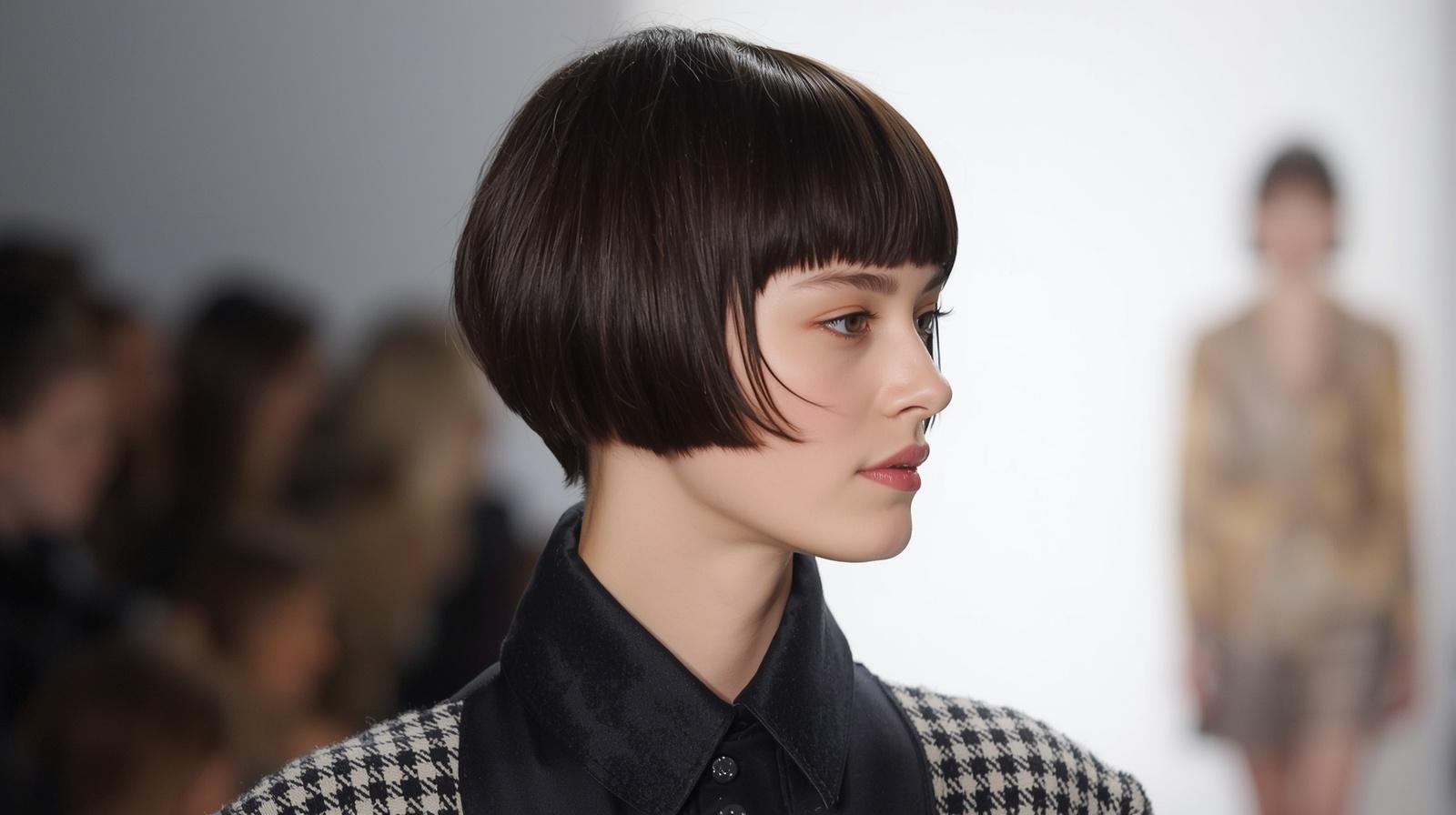
Fine hair is its own kind of challenge. You can have a full head of it and still watch it fall flat by noon, no matter how much product you use or how long you spent blow-drying. The strands are thinner at the individual level, which means less body, less grip, and way less staying power when it comes to style. A lot of haircuts actually make this worse — heavy, one-length cuts just lie there with nothing to hold on to.
That’s where a good short shag changes everything. The cut works by removing weight from the hair strategically, using layers to create movement and texture that fine hair simply cannot generate on its own. The choppy, uneven ends catch light differently and stack on top of each other in a way that makes the whole head of hair look significantly fuller. It’s not a trick — it’s just smart cutting.
There are nine short shag variations worth knowing about, and each one brings something slightly different to the table. Whether you’re considering going shorter than you ever have or you’re already rocking a shorter length and want more out of it, one of these cuts is worth taking to your next salon appointment.
1. The Pixie Shag
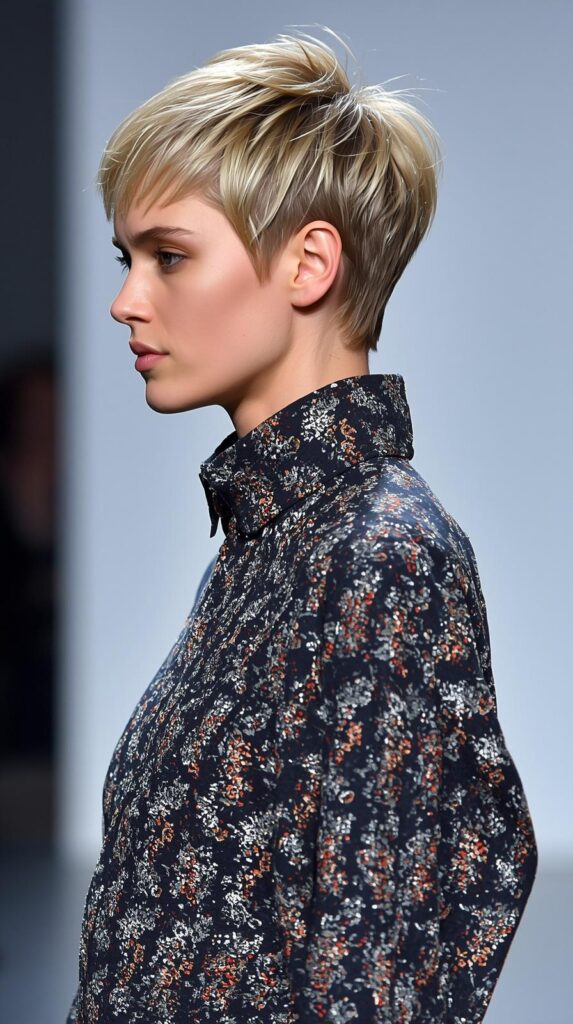
This is the shortest option on the list, and for fine-haired women who want maximum impact with minimum length, it delivers. The pixie shag keeps things cropped close on the sides and back but adds choppy, uneven layers through the top and crown. That contrast between the close-cut sides and the textured top is what creates the illusion of volume — your eye reads all that layered movement up top as fullness.
What separates this from a traditional pixie is the soft, wispy finish. Regular pixies tend to be polished and precise. This version is deliberately undone, with piece-y ends and a casual, lived-in quality that actually looks better as the day goes on. For styling, a small amount of mousse applied at the roots before blow-drying will give fine hair the lift it needs to hold the shape. A light-hold paste worked through the ends adds definition without weighing anything down.
2. The Shaggy Bob (Shab)
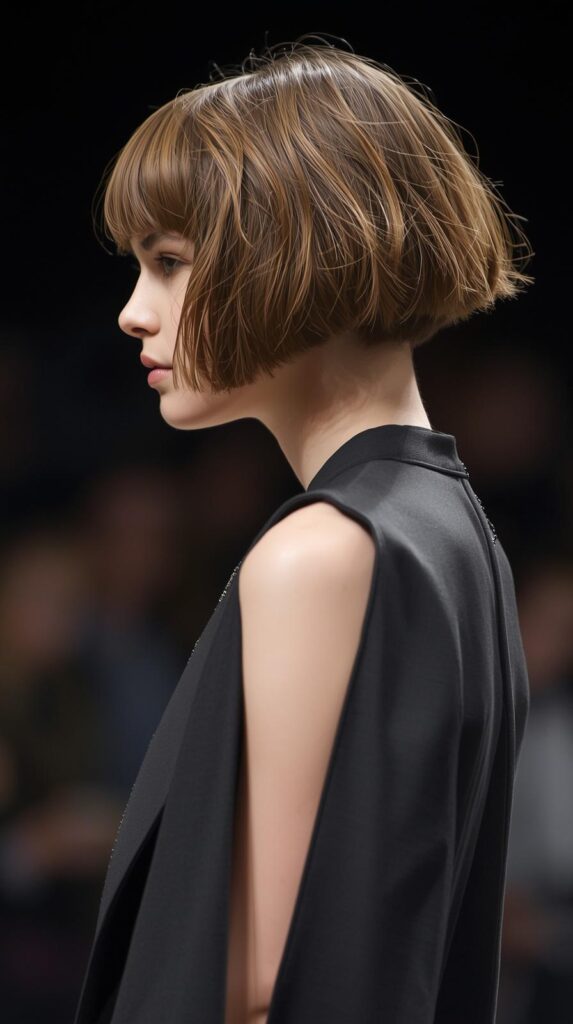
The shaggy bob — or shab, as some stylists call it — lands around the chin or just below it. It takes the clean structure of a classic bob and breaks it up completely with choppy, feathered layers throughout. The result is a cut that looks structured enough for work but relaxed enough for anything else.
For fine hair specifically, this length is ideal because the layers start close to the crown rather than only at the ends. That means lift begins at the root, which is exactly where fine hair needs help the most. Ask your stylist for interior layering — cuts that go into the body of the hair rather than only at the surface. This removes weight from the inside and lets the outer layers fall with more movement and air. Pair it with a texturizing spray and scrunch gently to bring out the natural variation in the layers.
3. The Curtain Bang Shag
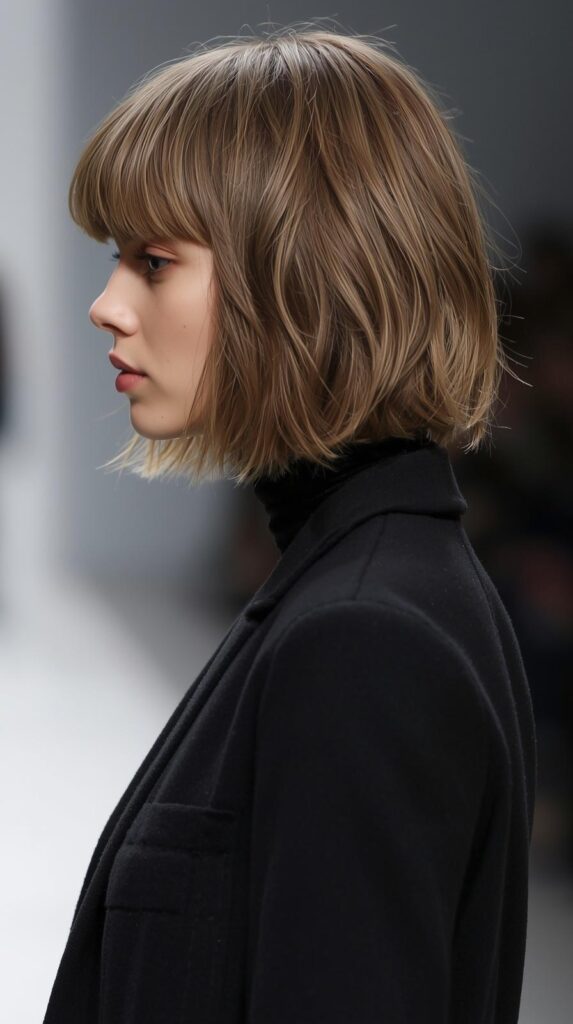
Curtain bangs have had a long moment, and they pair so well with a short shag that it almost feels like the two were designed together. The bangs part softly down the center and sweep to each side, framing the face without covering the forehead completely. When combined with choppy shag layers, the overall effect is soft but defined.
On fine hair, curtain bangs work particularly well because they add density to the front section without adding weight. The bang area tends to be the fullest part of fine hair naturally, so giving it a clear shape draws the eye there first — before attention lands on the thinner sections. This is a cut that works across most face shapes. Round faces benefit from the slight lengthening the center part creates. For square or heart-shaped faces, the soft sweep of the bangs takes the edge off strong jawlines and foreheads.
4. The Tousled Fringe Shag
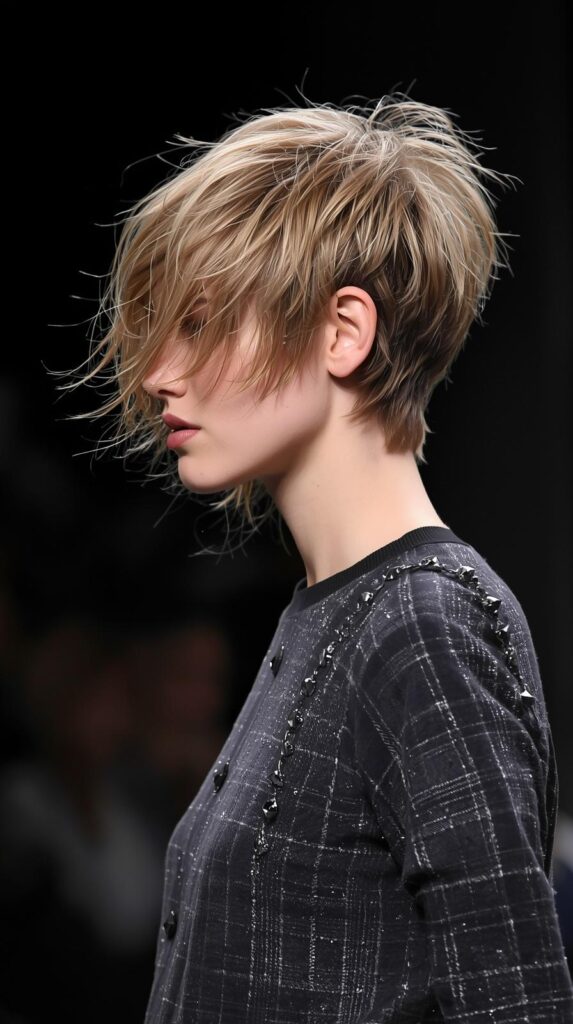
Different from curtain bangs, a tousled fringe is cut straight across but kept soft and wispy — never blunt, never heavy. It sits just above the brows and gets slightly choppy at the ends so it doesn’t lie flat against the forehead. Combined with short shag layers, it creates a very specific kind of cool that reads effortless without looking like no effort was made.
This works beautifully for fine hair because the fringe section adds visual density right at the face. Fringe bangs, by appearing thin in the front, actually make the rest of the hair look fuller by contrast. The key is keeping the fringe layers feathered — heavy, blunt bangs will look too weighty on fine hair and won’t move the way they should. A quick blow-dry with a round brush keeps them shaped; after that, let them do their thing.
5. The Choppy Shag Bob with Side Part
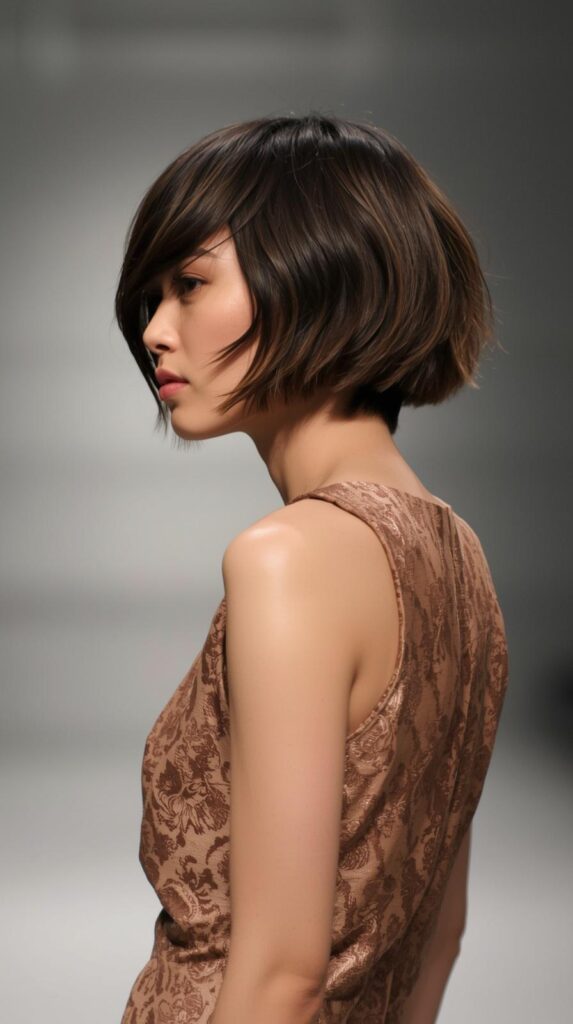
This one is for women who want volume but prefer a more directional style. The cut is similar to the shaggy bob in length, but a deep side part shifts the weight of the hair to one side, creating an asymmetric fall that looks full and intentional. The layers are choppy throughout, and the side that falls heavier gets more movement because of the added length on that side.
A deep side part is one of the simplest tricks for making fine hair look thicker. When all the hair falls to one side, it stacks on itself and reads as much denser than it actually is. Add a root-lifting spray before blow-drying, direct the hair across the part while it’s still warm, and then let it cool in that position. The style holds much longer that way.
6. The Wolf Cut Shag
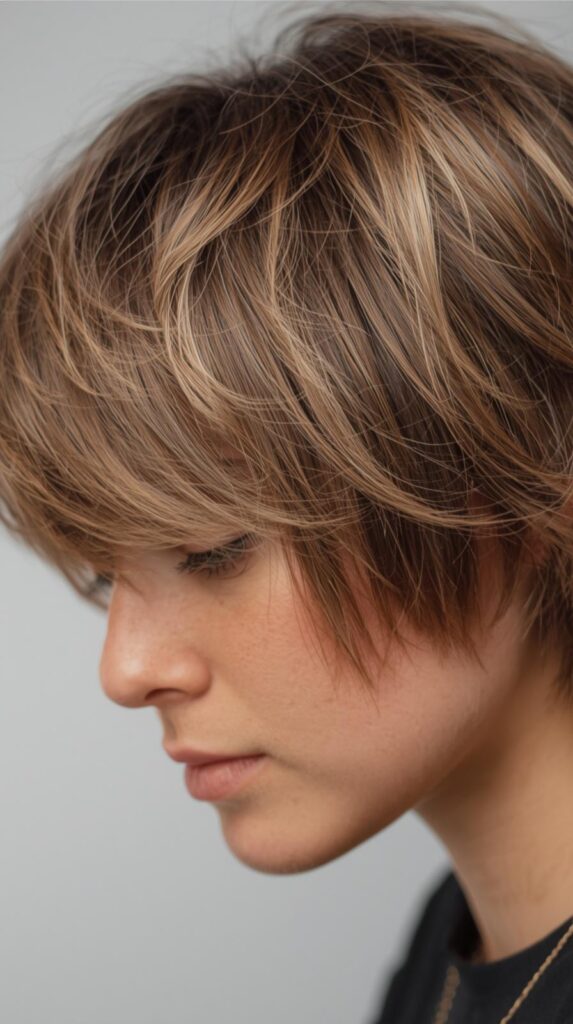
The wolf cut sits somewhere between a shag and a mullet — shorter, heavily layered through the crown and top, with slightly longer, wispy pieces in the back. It sounds like a bold choice, and in some ways it is. But at a short length, it reads more rock-and-roll-cool than anything retro or over the top.
For fine hair, the wolf cut is surprisingly practical. The concentrated layers at the crown create serious root lift, which is the exact problem fine-haired women face most often. The longer back pieces stay light and don’t drag the cut down because they’re kept wispy rather than blunt. Hairstylist Luna Viola described the wavy version as “sexy and chic for all occasions,” and for fine hair specifically, adding a few loose waves with a curling wand makes the layers separate beautifully and show off all that texture.
7. The Shixie (Shag + Pixie Hybrid)
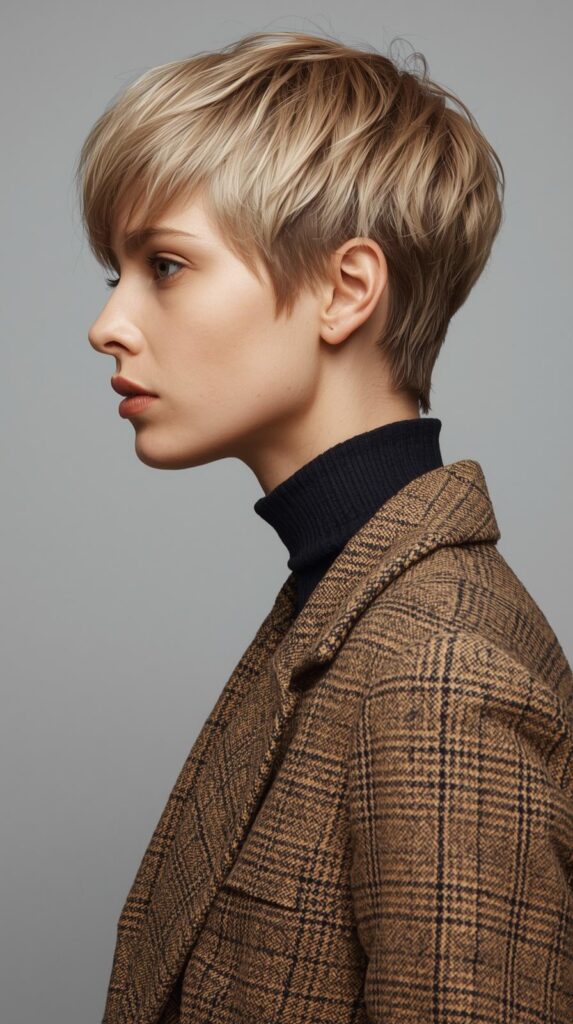
The shixie is exactly what it sounds like: a mix between a shag and a pixie. It’s slightly longer than a traditional pixie — enough to show off some layered movement on top — but shorter than most shaggy bobs. The sides and back stay cropped, and the top section gets all the textured shag treatment: choppy layers, piece-y ends, and a soft, undone finish.
This is an almost ideal cut for fine hair because every element of it works to create the appearance of fullness. Short sides reduce the surface area where flatness can develop. Layered top sections give the hair places to stack and separate. And the shag texture means there’s no need to fight for volume every morning — the cut does the work. It’s wash-and-go in the truest sense. A bit of mousse at the roots, a quick dry, and you’re done.
8. The Razor-Cut Shag
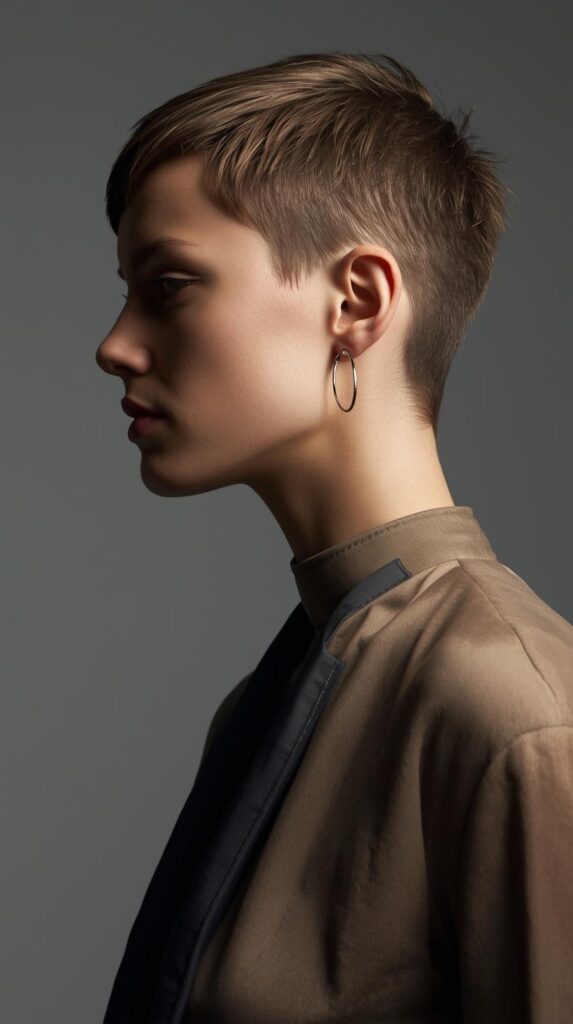
Most shag cuts use scissors, but the razor-cut version takes things further. A razor (or razor comb) creates a much softer, more feathered edge on every layer, which makes the ends look almost wispy. The result is a cut with more movement and airiness than a scissor-cut shag — fine hair in particular benefits from this because the ends are lighter and don’t clump together.
The razor technique also allows for more personalization within the cut. A skilled stylist can add shorter layers only where they’re needed, create face-framing pieces that are longer or shorter depending on your bone structure, and blend the layers so seamlessly that the overall shape looks effortless. If you’re going to try a shag for the first time, this is worth asking about. The feathered finish suits fine hair more naturally than a heavy, blunt layer approach.
9. The Chin-Length Layered Shag with Highlights
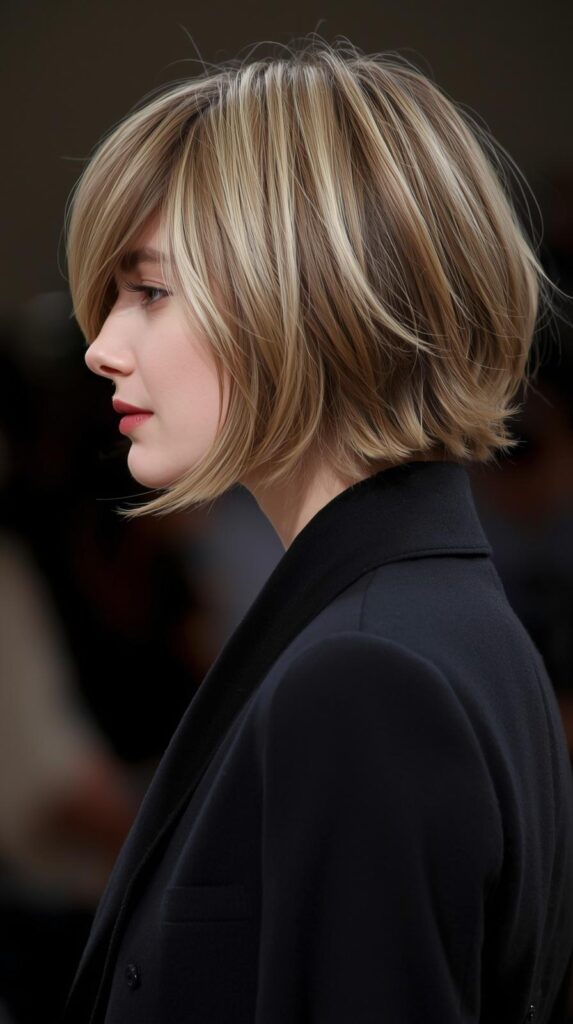
This last option adds one more tool to the mix: color. A chin-length shag with face-framing highlights or a soft balayage creates the appearance of depth and dimension that fine hair often lacks on its own. Color variation between lighter and darker pieces makes the layers more visible, which amplifies the texture the cut is already creating.
You don’t need an extreme color contrast to see the effect. Sandy blonde highlights on a medium brown base, or a subtle warm balayage on dark hair, both add enough visual movement to make the layers pop. Darker roots also help — they create the illusion of density at the scalp, which is where fine hair tends to look thinnest. This is a particularly low-maintenance approach because the color is meant to blend naturally as it grows, so you’re not committing to constant root touch-ups.
Fine Hair Doesn’t Have to Fight for Fullness Anymore
A well-chosen shag cut can genuinely change your relationship with your hair. Fine strands that have spent years falling flat or refusing to hold a style finally have something structural working in their favor — layers that create movement, ends that add texture, and a shape that looks intentional even on the days you do almost nothing to it. The nine cuts above cover a wide range of lengths, personalities, and styling commitments, which means there’s room to find something that feels right without forcing yourself into a look that doesn’t match your life.
Take the option you’re most drawn to and bring a reference photo to your next appointment. Be specific about your hair type — tell your stylist you have fine hair and that you want interior layers, feathered ends, and root lift built into the cut. A stylist who understands fine hair will know exactly what that means. The rest is just deciding how short you’re willing to go.
Frequently Asked Questions
Q: Are shag haircuts actually good for fine hair, or do they just look good on thick hair?
A: Shag cuts are genuinely one of the better options for fine hair. The layers remove weight from the hair so it doesn’t sit flat, and the choppy ends create texture that fine strands can’t produce on their own. On thick hair, a shag primarily reduces bulk — on fine hair, it adds the appearance of it.
Q: What should I specifically ask for when going to a salon for a shag cut on fine hair?
A: Ask for interior layering, feathered or razor-cut ends, and short layers starting at the crown. Tell your stylist you want root lift built into the cut. Avoid asking for one-length cuts or blunt ends, which tend to make fine hair look thinner.
Q: How often do I need to trim a short shag to keep it looking right?
A: Short shags typically need a trim every four to six weeks. The layers and fringe are what define the style, and once they grow out, the cut loses its shape and the volume effect diminishes.
Q: What products work best for styling a shag on fine hair?
A: A volumizing mousse applied at the roots before blow-drying is the most reliable option. A texturizing or sea salt spray adds grip and texture without weight. Avoid heavy creams or thick serums — they’ll flatten fine hair almost immediately.
Q: Can I get a shag cut if my fine hair is also straight with no natural wave?
A: Yes. Straight fine hair can carry a shag well, especially with a razor-cut finish and shorter layers at the crown. You may want to use a lightweight curling wand to add a little movement for the first few weeks while you get used to styling the cut.
Q: Do curtain bangs look good with fine hair or will they just go flat?
A: Curtain bangs can look great on fine hair because the bang section tends to be denser than the rest. Keep them on the thinner, wispier side rather than cutting them thick, and blow-dry them over a round brush to keep them lifted. A small amount of dry shampoo can help them hold their shape throughout the day.
Q: Does adding highlights or color to a shag cut really make a visible difference for fine hair?
A: It does. Color variation — highlights, balayage, or even darker roots with lighter ends — creates visual dimension in the hair. That makes the layers more visible and gives the overall cut more apparent texture and fullness, especially under light.
Q: Is the wolf cut too dramatic for women who want something wearable day-to-day?
A: At a short length, the wolf cut is much more wearable than its reputation suggests. The key is keeping it short enough that the longer back pieces stay wispy rather than heavy. A version that’s kept chin-length or shorter reads as a modern, textured shag rather than anything extreme.
Q: Will a shag cut work if I’m growing out a pixie or a bob?
A: It can actually be a great transitional cut. A stylist can work with the existing length and add shag-style layers to manage the grow-out process. This gives the in-between stage a shape and purpose rather than just looking messy.

