

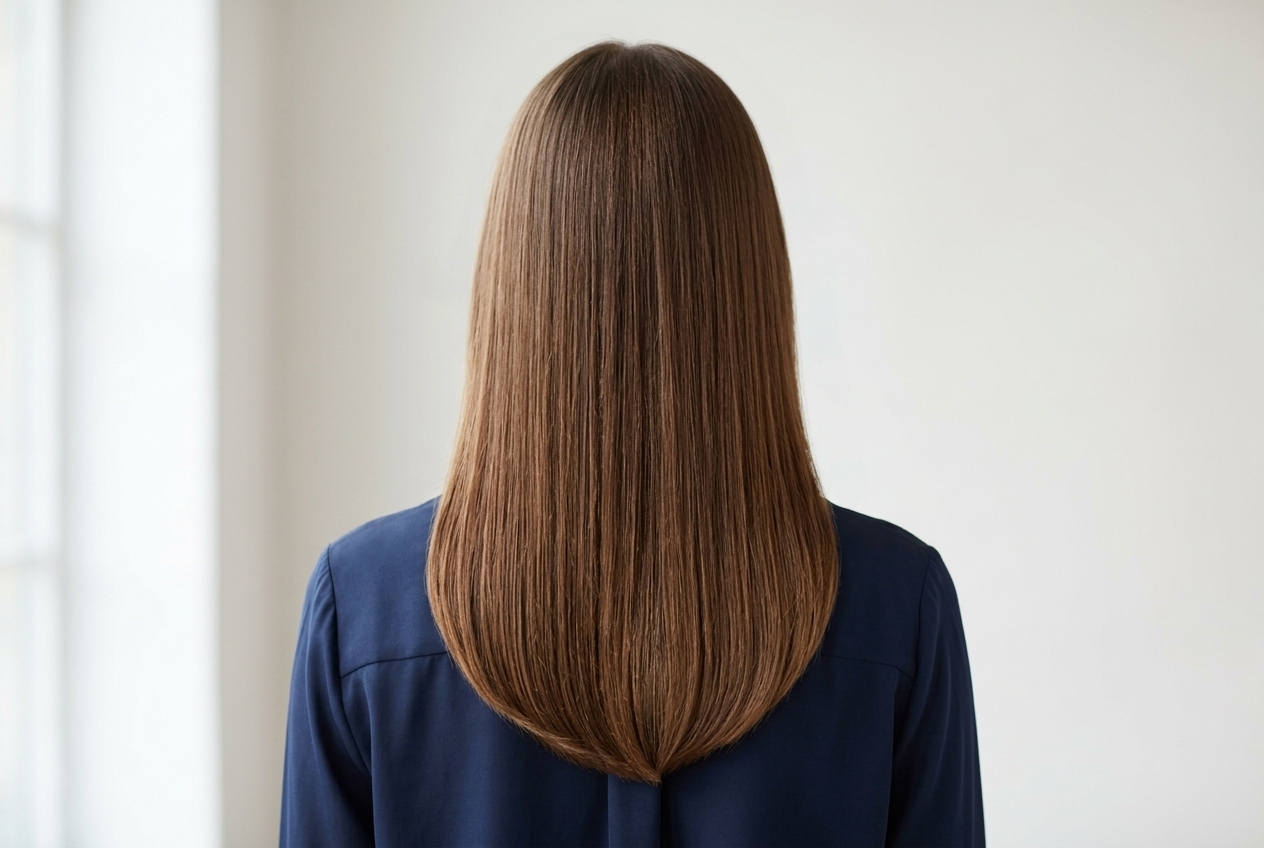
Long hair has a way of looking flat and heavy when it all falls at the same length. That straight, blunt hemline across the bottom might feel safe, but it tends to weigh hair down and erase any natural movement. The result is a dense, curtain-like mass rather than hair that actually flows and breathes.
That’s where the U-shape cut changes things. Instead of a flat horizontal line, the back is trimmed into a soft, rounded curve — longer in the center and gently angling up on either side. It sounds like a subtle difference, but the effect is significant. Hair becomes lighter at the ends, bounces more naturally, and takes on a dimensional quality that a blunt cut rarely achieves.
What makes this shape so appealing is that it works across almost every hair type and texture — fine, thick, wavy, straight, even curly. It preserves length while removing bulk, creates softness without requiring heavy layering, and is one of those cuts that honestly looks better the more it moves. Below are ten variations to consider before your next appointment.
- 1. Classic Long U-Shape With Long Layers
- 2. Deep U-Shape With Face-Framing Pieces
- 3. U-Shape With Curtain Bangs
- 4. U-Shape With Internal Layers for Thick Hair
- 5. Soft U-Shape for Fine Hair
- 6. Wavy U-Shape With Textured Ends
- 7. U-Shape With Butterfly Layers
- 8. Sleek U-Shape on Straight Hair
- 9. U-Shape With Side-Swept Layers
- 10. U-Shape With Soft Shag Layers
- The Right Length Can Change Everything
- Frequently Asked Questions
1. Classic Long U-Shape With Long Layers
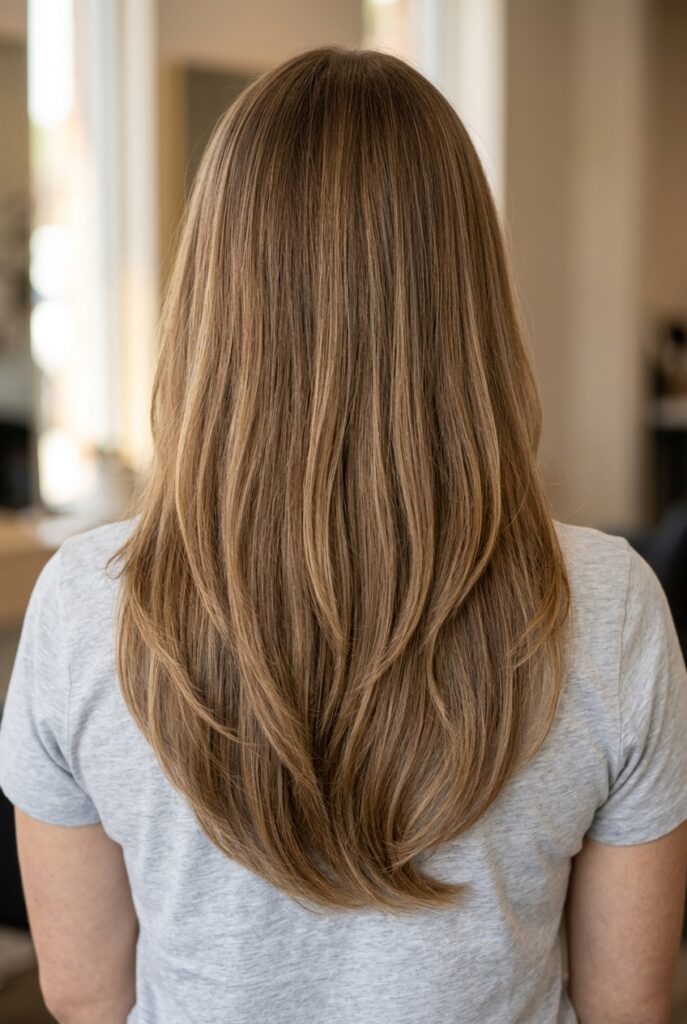
This is the foundation version — a simple U-shaped perimeter with long, sweeping layers cut throughout. The layers start somewhere around the collarbone and cascade to the ends, blending smoothly into the curved hemline at the back.
It’s low-maintenance, flattering on nearly every face shape, and versatile enough to wear straight or wavy. For women with fine hair, the layering alone creates the appearance of more volume. For thicker hair, it removes enough weight that the hair actually moves instead of sitting in a dense block. Ask your stylist for long layers blended into a U-shape, and you have a cut that works well for months between trims.
2. Deep U-Shape With Face-Framing Pieces
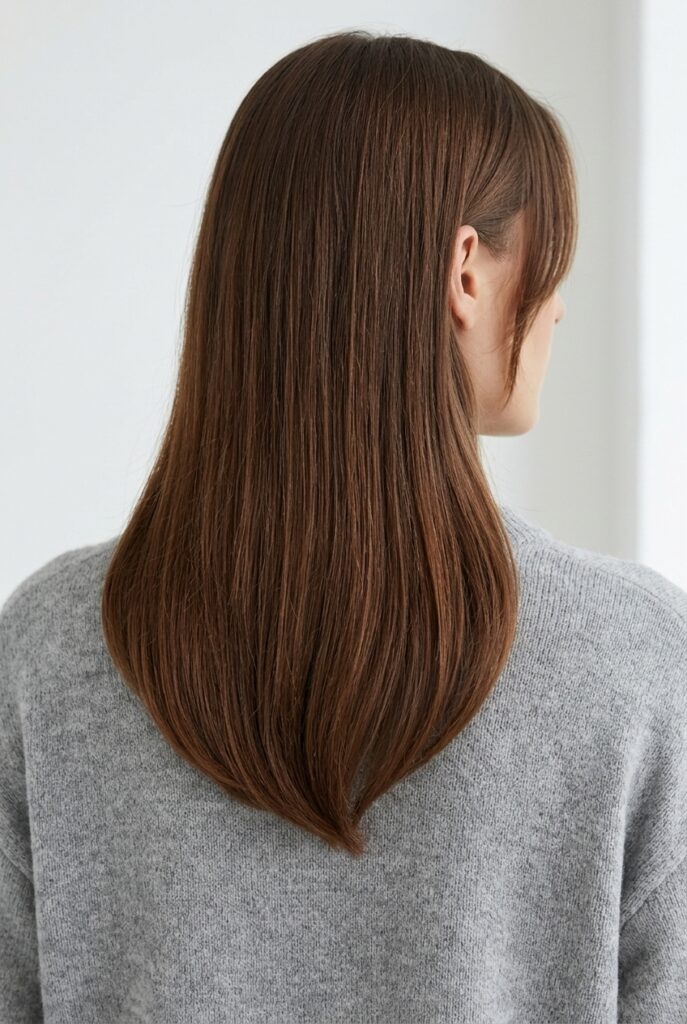
A deeper U means a more pronounced curve — the center of the back drops noticeably lower while the sides angle up toward the jaw or chin level. Combined with shorter face-framing pieces cut around the front, the overall effect is structured and intentional.
The face-framing strands don’t need to be dramatic. A few pieces that fall around the cheekbones or collarbone are enough to draw attention upward and give the cut definition. This version looks polished straight and takes on a completely different, softer energy with loose waves. Best suited for medium to thick hair, since very fine hair may lose volume with such an open curve.
3. U-Shape With Curtain Bangs
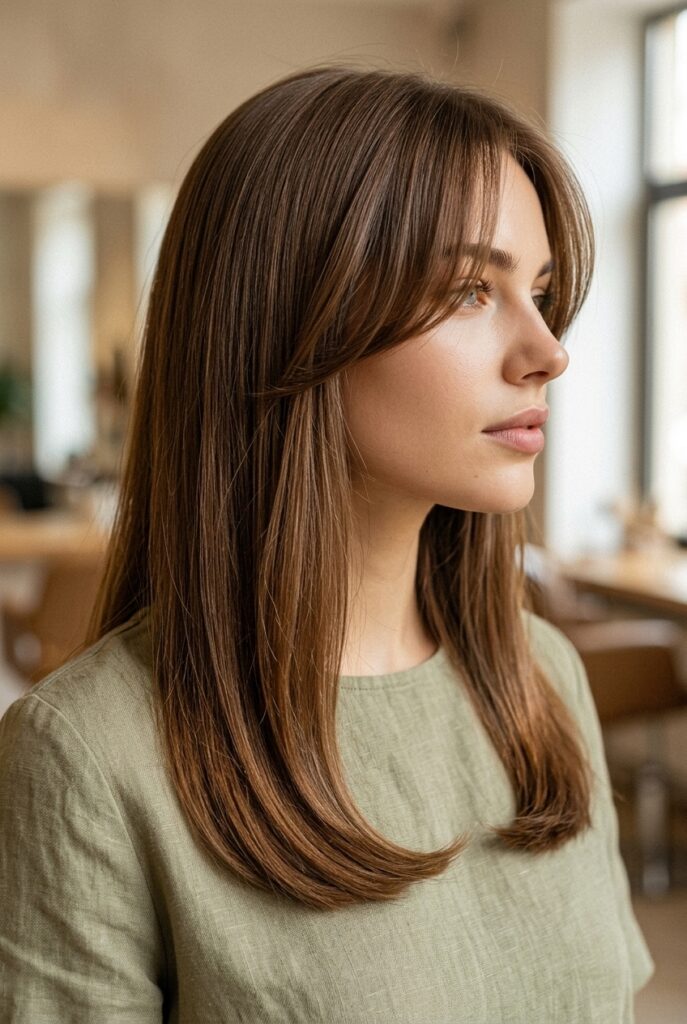
Curtain bangs split at the center and fall on either side of the face, framing the forehead and cheekbones without covering them. Paired with a long U-shaped cut, the combination works beautifully because both elements share the same softness — nothing harsh, nothing blunt.
The bangs bring movement and dimension to the front while the U-shape takes care of the back. Together they frame the face from the top down, which is particularly flattering for oval, round, and heart-shaped faces. The maintenance is reasonable — bangs need a trim every five to six weeks, and the length stays manageable with regular shaping every two to three months.
4. U-Shape With Internal Layers for Thick Hair
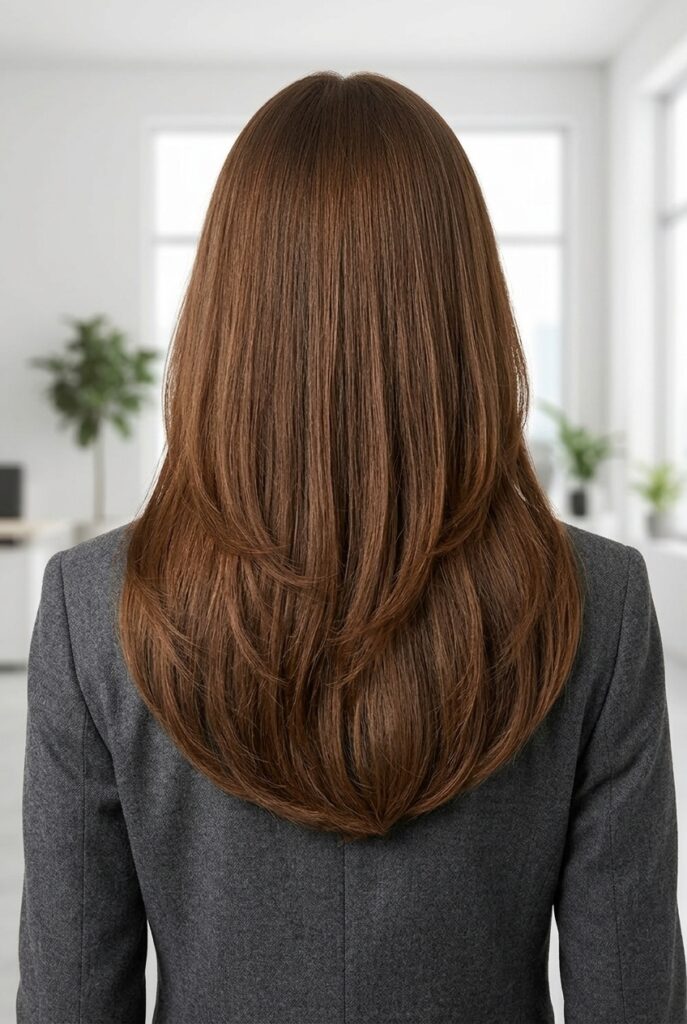
Women with thick hair know the problem well: even a styled, freshly cut mane can feel dense and stiff by midday. A U-shape cut alone helps at the hemline, but adding internal layers through the mid-lengths takes the weight reduction further.
The layers here aren’t visible from the outside — they sit underneath and inside the hair, removing bulk without changing the overall shape. The top layers remain long and smooth, while everything underneath is lightened. The result is hair that bounces when you walk, moves easily in the wind, and doesn’t feel like carrying a helmet around. This approach works especially well for women who want length without heaviness.
5. Soft U-Shape for Fine Hair
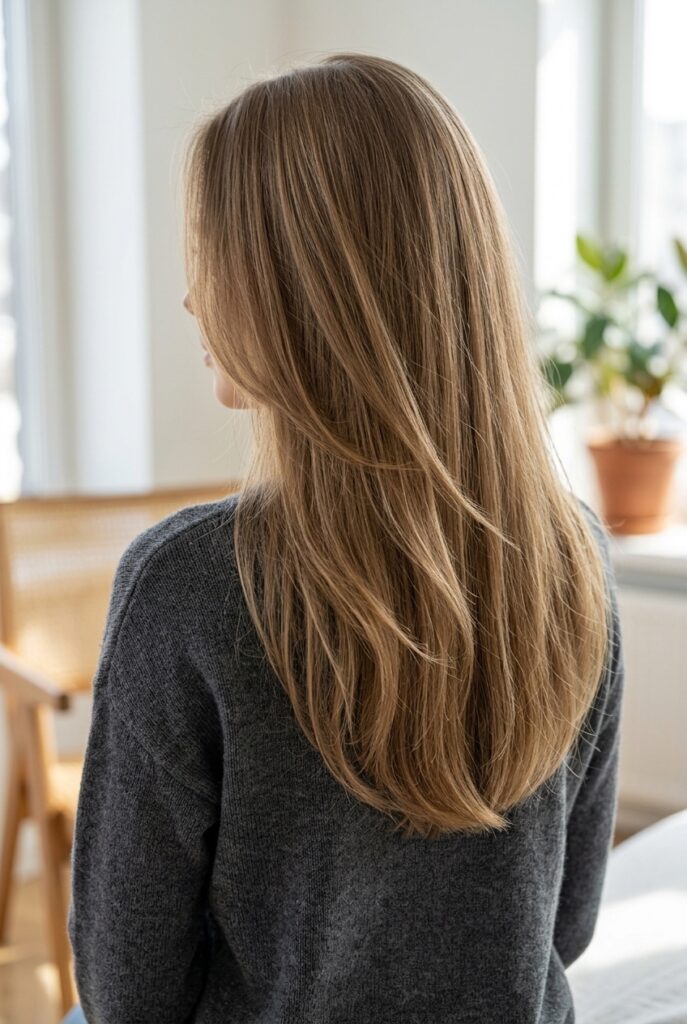
Fine hair benefits from a U-shape more than most types, but the approach needs to be careful. Too many short layers can thin things out even further, so the key is keeping layers long and the curve on the shallow end — just enough of a curve to prevent the blunt-line bulk, without sacrificing the density that fine hair needs.
Longer layers add the illusion of volume by creating movement at different points along the hair. The slight variation in length means light catches the hair at different angles, which makes it look thicker than it actually is. A lightweight volumizing spray and a round brush blow-out can take this cut to another level entirely.
6. Wavy U-Shape With Textured Ends
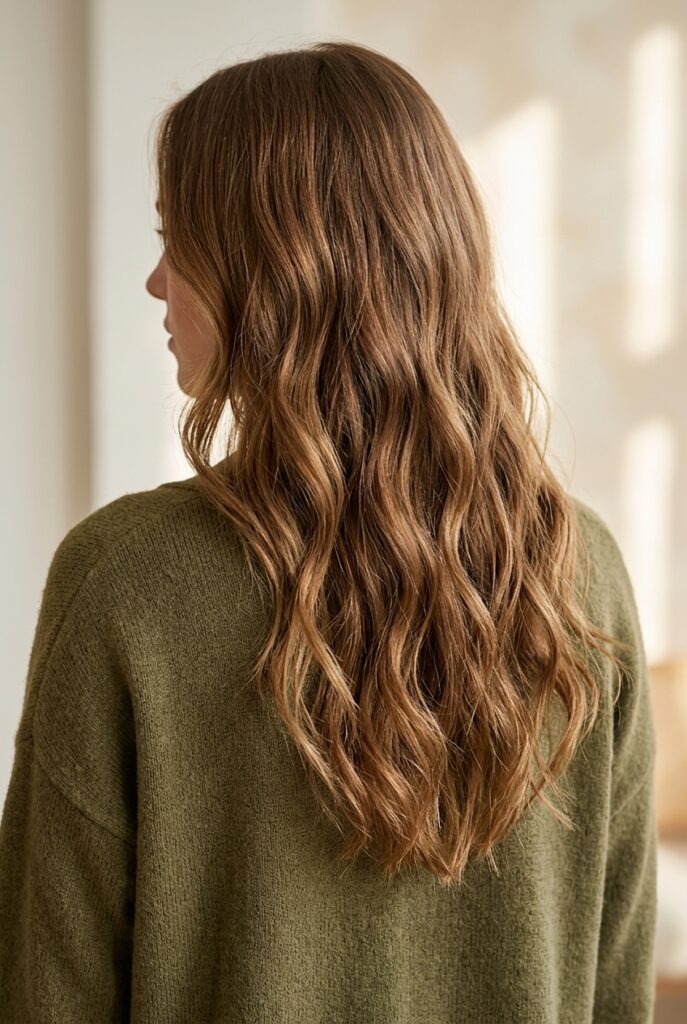
On naturally wavy hair, a U-shape cut does something particularly nice — it lets the waves fall at slightly different lengths, which makes the texture look richer and more layered even without heavy cutting. The curved hemline at the back echoes the natural movement of the wave pattern instead of cutting against it.
Point-cutting the ends rather than blunt-cutting them adds extra texture and prevents the bottom from looking too uniform. Women with 2A to 2C wave types tend to see the most dramatic difference with this version. Air-dried with a curl-enhancing cream or mousse, the hair looks effortlessly full. The slight graduation from the sides to the center back gives each wave room to form without getting weighed down.
7. U-Shape With Butterfly Layers
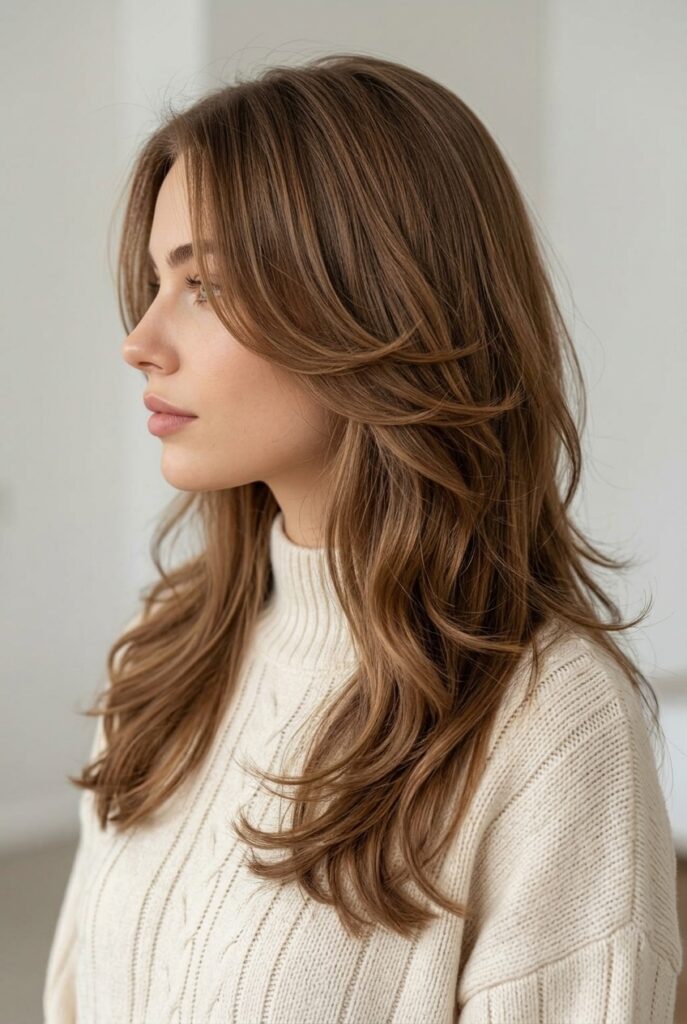
The butterfly cut has been circling hair trends for a couple of years now. It adds shorter, face-framing layers in the front that blend into longer layers toward the back — the silhouette from the sides looks a bit like wings. When that layering structure is applied over a U-shaped base, the result is more controlled and structured than a full shag but with just as much movement.
This works well for women with medium to thick hair on the straighter to wavy end of the texture spectrum. The layers add bounce and visual interest without making the hair look overly chopped. Styled with a large-barrel curling iron for loose waves, it has a very current feel — lived-in but intentional.
8. Sleek U-Shape on Straight Hair
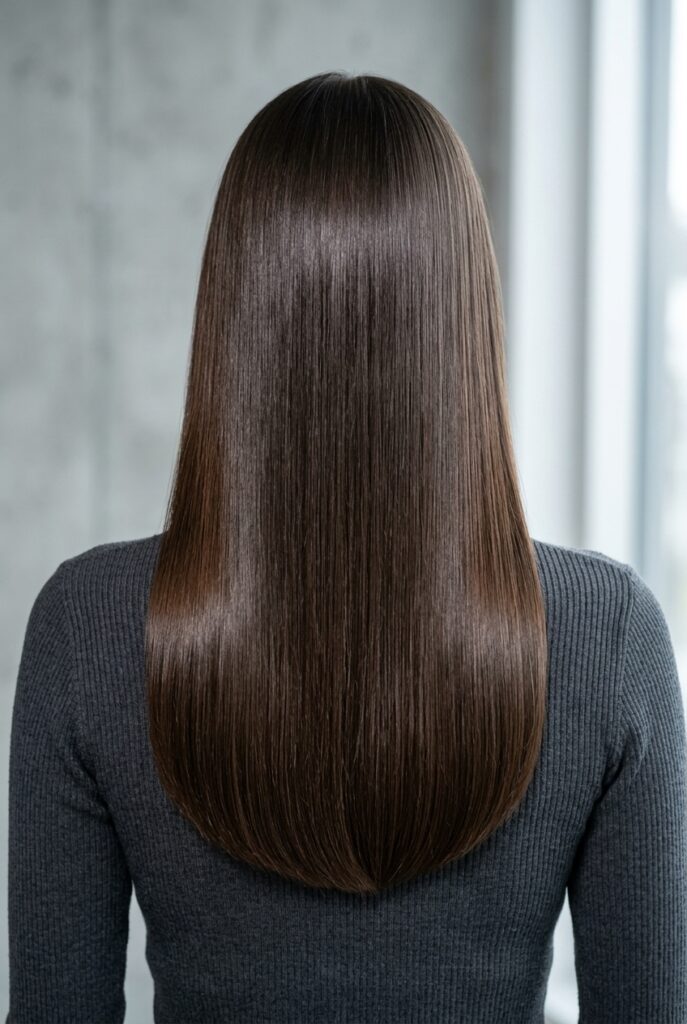
Not every woman wants a lot of texture, and that’s where this version stands out. A clean, smooth U-shape on straight hair looks elegant and polished without relying on waves or layers to create interest. The shape itself provides all the dimension needed.
The slight curve at the back keeps the hemline from looking too flat or plain, while the sides fall cleanly alongside the face. A lightweight shine serum and a flat iron are all it takes to style. This cut photographs beautifully from the back, especially on dark hair where the curved hemline is clearly visible. For women who prefer a minimal, low-fuss routine, this is one of the cleanest options available.
9. U-Shape With Side-Swept Layers
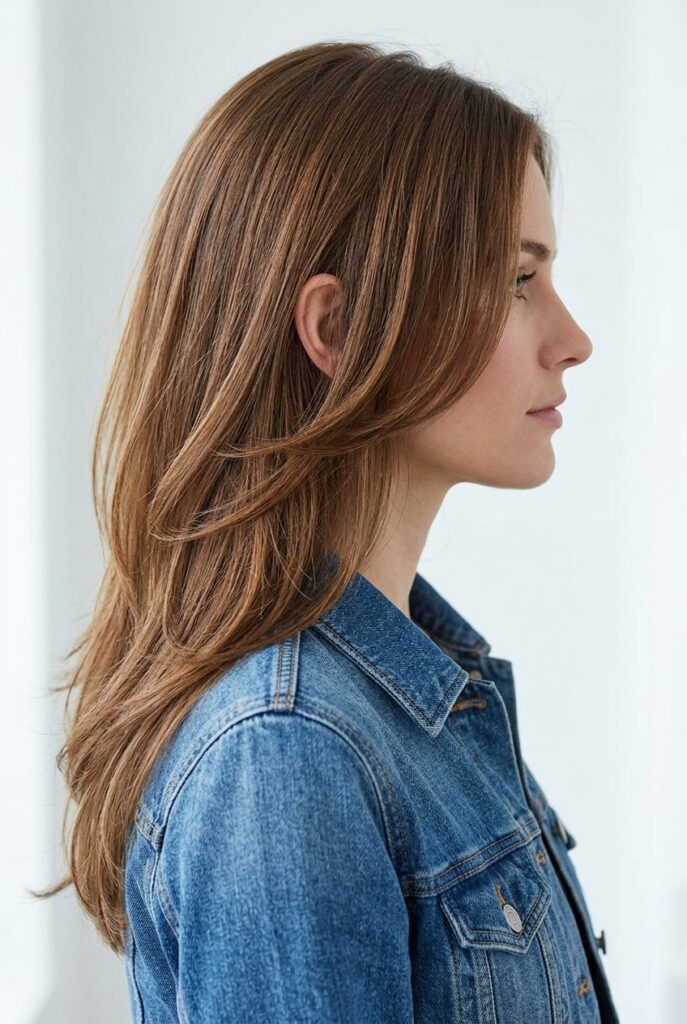
This version incorporates layers that are subtly angled to one side rather than falling evenly on both sides. The U-shaped back remains symmetrical, but the layers are shaped to encourage the hair to move in one direction — typically sweeping softly over one shoulder.
The asymmetry is subtle enough that it doesn’t read as a dramatic style choice, but it does make the hair look like it has somewhere to go. It’s a good pick for women who tend to part their hair on one side anyway, since the cut reinforces that natural direction. The angled layers also add a slight lift to the side where the hair is fuller, which can be very flattering for women with rounder face shapes.
10. U-Shape With Soft Shag Layers
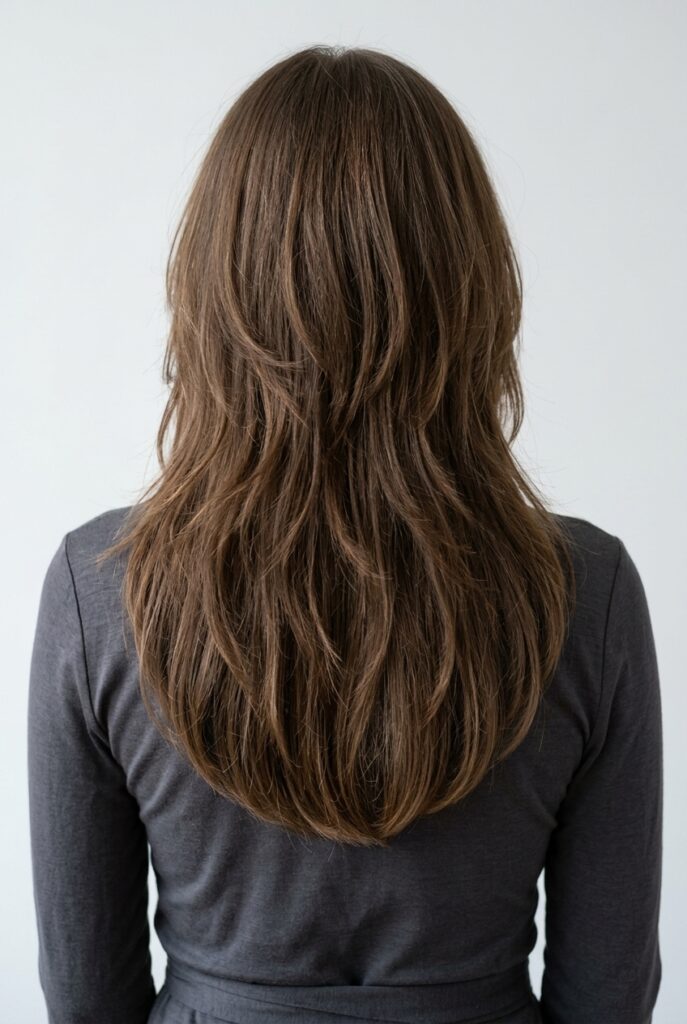
The shag is built on choppy, overlapping layers and a deliberately undone texture. When the perimeter is cut into a U-shape rather than a straight blunt line, the overall silhouette becomes softer — less rock and roll, more relaxed and wearable for everyday life.
The U-shaped foundation gives the shag a cleaner finish at the bottom while all the texture and personality lives in the layers above. Fine to medium hair types tend to get the most out of this combination, since the shag layers add the body that fine hair often lacks, and the U-shape prevents the hemline from looking too jagged. Scrunch some texturizing cream into damp hair and let it air dry for the best result.
The Right Length Can Change Everything
A U-shape cut is one of those adjustments that doesn’t take off much hair but changes the way hair behaves completely. Whether it’s a subtle curve for sleek, straight hair or deep layering for thick waves, the principle stays the same — removing weight from the right places lets the hair move the way it’s supposed to.
The best version depends on hair texture, thickness, and personal preference. But if you’ve been feeling like your long hair looks dull or heavy no matter how you style it, the shape of the cut itself might be the real issue. Talk to your stylist about which of these variations fits your hair type, and go into the appointment with a back-view reference photo — it makes all the difference.
Frequently Asked Questions
Q: What is a U-shape haircut exactly? A: It’s a cut where the back hemline is trimmed into a soft, rounded U curve — longer in the center and gradually shorter on the sides. The result is a softer, more dimensional look compared to a straight blunt cut.
Q: Does a U-shape cut work on fine hair? A: Yes, it’s actually one of the better cuts for fine hair. The layering and curved shape add the appearance of volume and movement without removing too much density. The key is keeping layers long and the curve shallow.
Q: Is the U-shape cut the same as a V-cut? A: No, they’re different. A V-cut creates a sharp, pointed shape at the back and tends to look more dramatic. The U-shape is softer and rounder, giving a more subtle, natural finish. The U-shape is generally considered more low-maintenance.
Q: How often do you need to trim a U-shape cut? A: Every 8 to 12 weeks is a good range for most women. Since the shape is soft and rounded, slight grow-out doesn’t drastically alter the look — but regular trims keep the layering fresh and the ends healthy.
Q: Can you get a U-shape cut on curly hair? A: Yes. A U-shape with minimal, strategic layering works well on curly hair. The curve at the hemline allows curls to spring up at slightly different lengths, which adds shape and volume rather than making the hair look bottom-heavy.
Q: What face shapes does the U-shape cut flatter? A: Most face shapes benefit from it. For oval and heart-shaped faces, the cut is very forgiving. For round faces, adding face-framing layers or a deeper curve helps elongate the appearance. Pairing it with curtain bangs or side-swept layers adds even more dimension.
Q: Can you do a U-shape cut at home? A: It’s not recommended. The cut looks simple but requires technical skill to get the curve symmetrical and the layers blended properly. An uneven curve at the back is difficult to fix at home. It’s worth booking a professional, especially for the first time.
Q: What’s the difference between a U-shape with layers vs. without layers? A: A plain U-shape just changes the hemline shape, which softens the silhouette and adds some bounce. Adding layers throughout the mid-lengths and ends multiplies that effect — more movement, more volume, more texture. For most hair types, some degree of layering within the U-shape gives the best result.

