

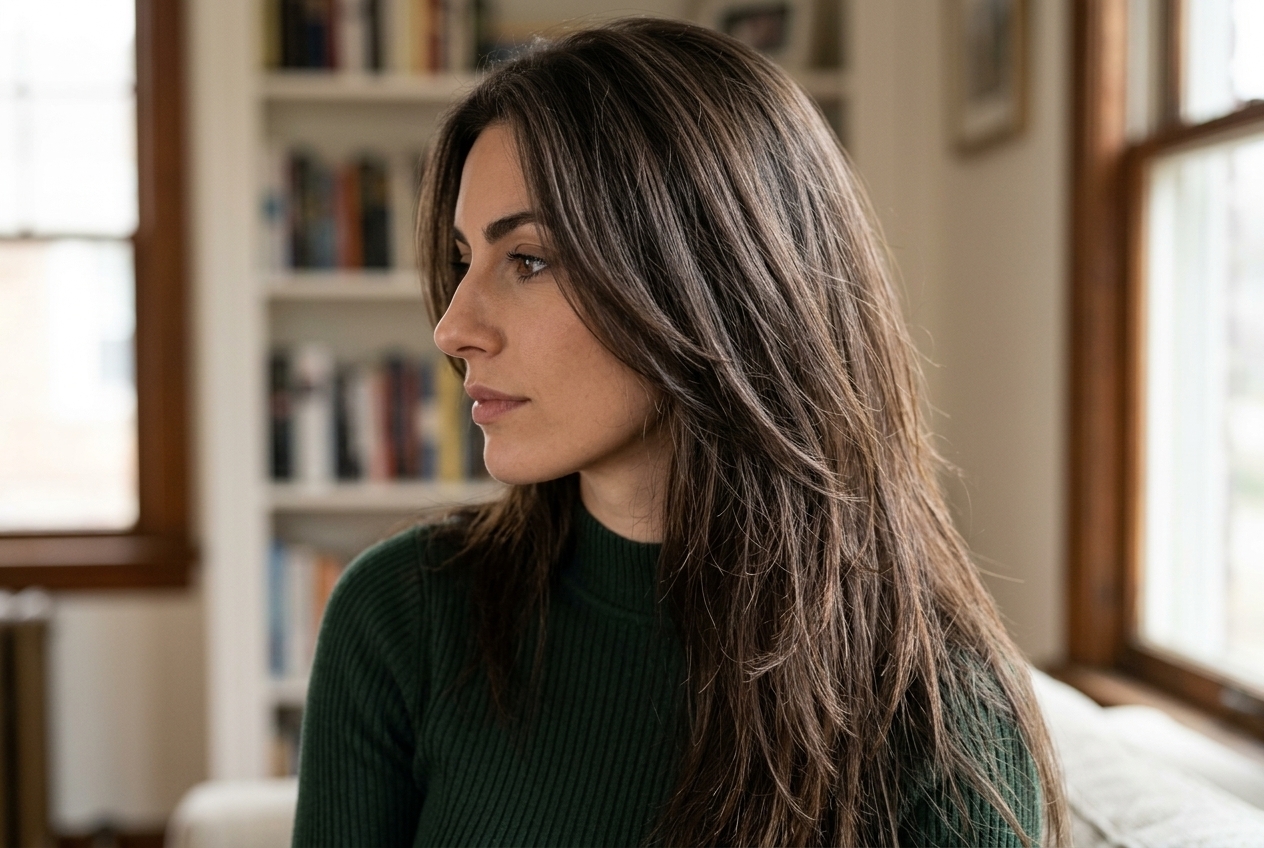
If you have thick hair, you already know the drill. You leave the salon feeling light and bouncy, and within two weeks, your hair has gone back to doing whatever it wants — sitting heavy at the ends, frizzing out at the sides, and taking forever to dry. The real problem is rarely the hair itself. It is the cut. Most women with thick hair end up in the same cycle: trying to manage a style that was never built for their texture in the first place.
The good news is that keeping your length is absolutely possible. You do not need to chop it all off to feel like your hair is actually working with you. What you need is a cut that removes weight from the right places — not just the ends — and gives your hair room to move. The difference between hair that feels like a burden and hair that practically styles itself comes down to structure.
Below are 10 long haircuts that do exactly that. Each one is designed to reduce bulk, encourage natural movement, and make your daily routine feel a whole lot less exhausting.
- 1. The Long Wolf Cut
- 2. The Butterfly Cut
- 3. Long Layers With Internal Texturizing
- 4. The U-Cut
- 5. Long Feathered Layers
- 6. Long Layers With Face-Framing Pieces
- 7. The Long Shag
- 8. The V-Cut With Cascading Layers
- 9. Long Layers With Curtain Bangs
- 10. The Collarbone Cut With Medium Layers
- Your Thick Hair Has More Options Than You Think
- Frequently Asked Questions
1. The Long Wolf Cut
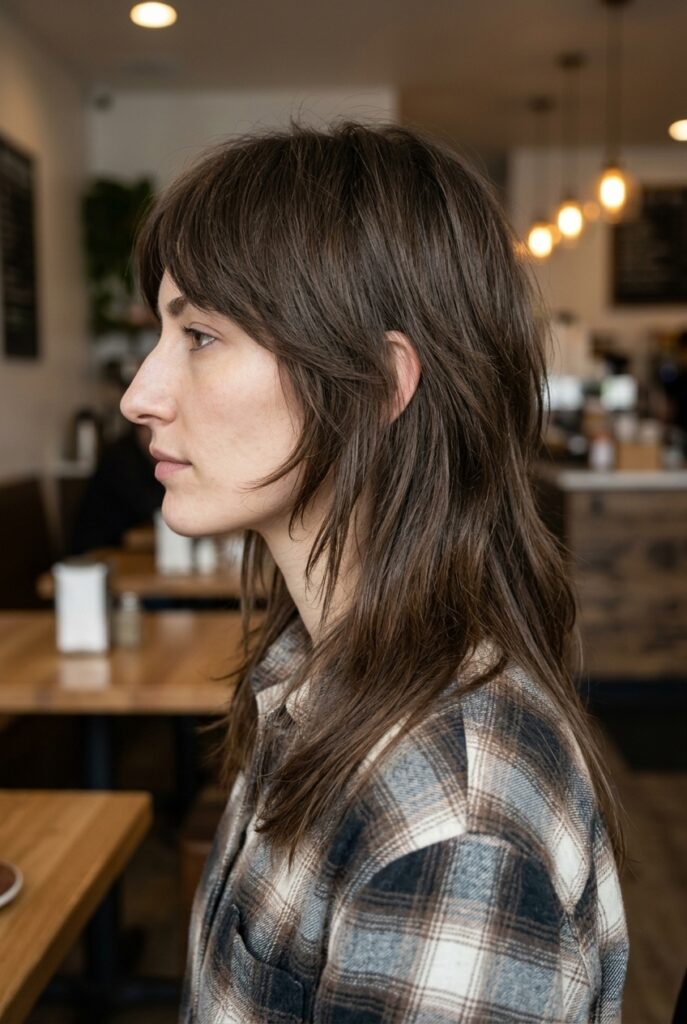
The wolf cut has been one of the most requested styles at salons for the past couple of years, and for good reason. It takes the best parts of a shag and a mullet — heavy layering from the crown down, shorter choppy pieces around the face, and longer lengths in the back — and combines them into something that genuinely tames thick hair without trying too hard.
The aggressive layering is what makes it work so well for dense, heavy hair. Those shorter layers up top create volume, but they also pull weight away from the mid-shaft, which is where thick hair tends to bulk up the most. You can air-dry it, scrunch it with a curl cream, or diffuse it — and it still looks intentional.
Ask your stylist to keep the face-framing pieces around the chin and let the back lengths fall naturally. If your hair is also wavy or curly, this cut will work especially hard for you.
2. The Butterfly Cut
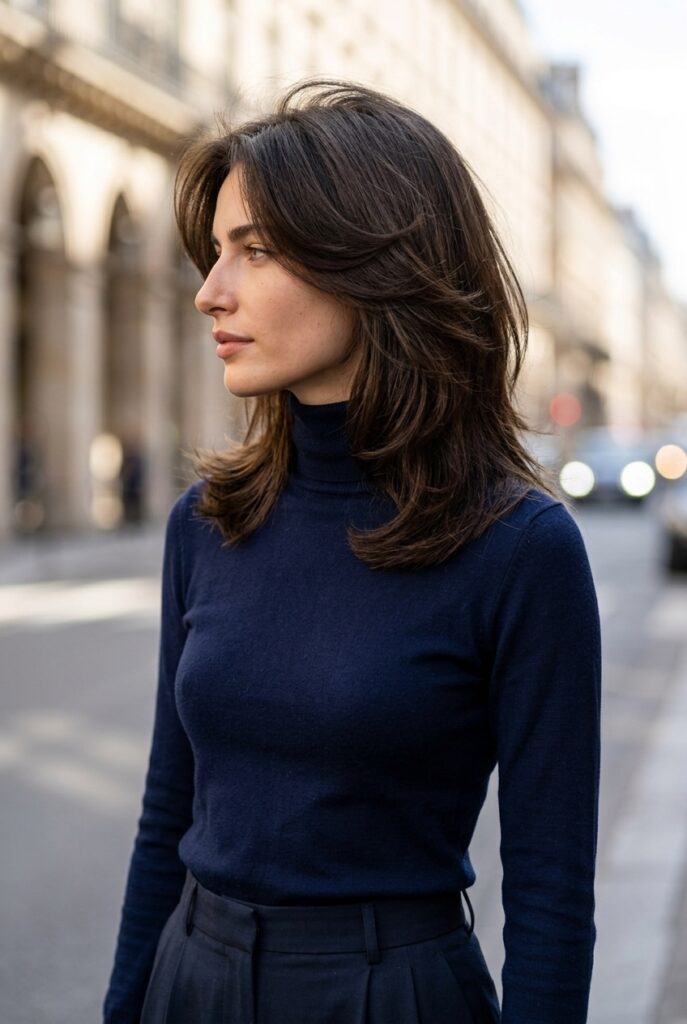
The butterfly cut sits at the softer end of the layered spectrum. Unlike the wolf cut, it is not about texture or attitude — it is about lift and movement. Shorter layers are cut in at the front and gradually lengthen toward the back, creating a silhouette that resembles wings when the hair is worn down.
For thick hair, the real advantage here is what happens at the crown. Those shorter top layers release a significant amount of internal weight, which means the hair sits closer to the head rather than puffing out to the sides. The result is a style that looks full and bouncy without that heavy, weighted-down feeling.
This one pairs beautifully with a blowout. If you have 15 minutes in the morning, a round brush and a dryer will give you a look that holds all day.
3. Long Layers With Internal Texturizing
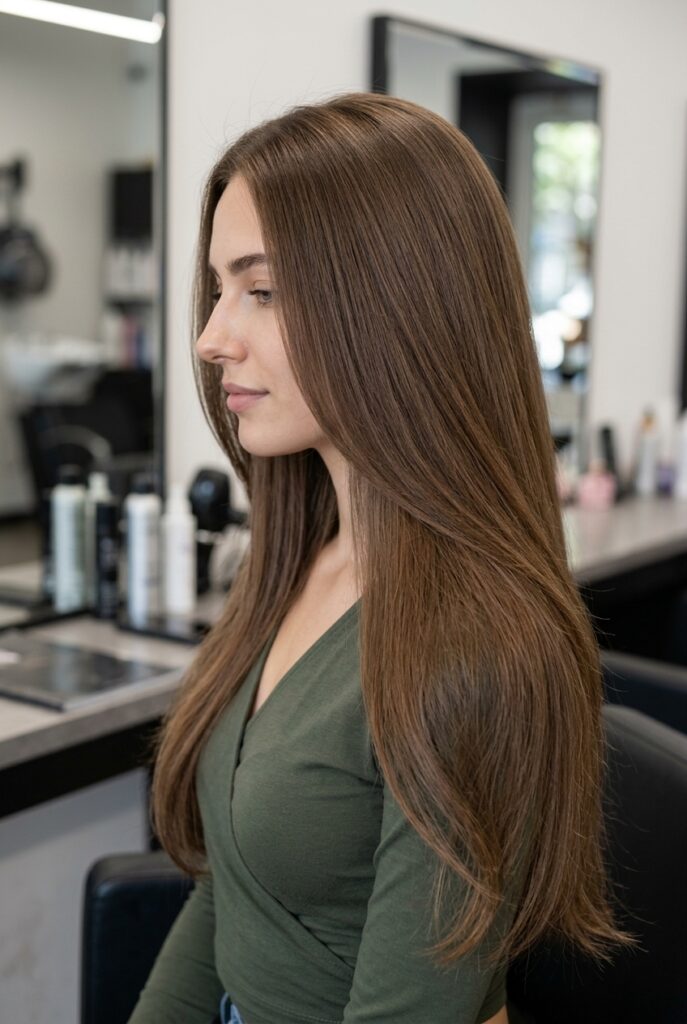
This is the workhorse option for women who want a noticeable improvement in manageability without a dramatic change in shape. The length stays, the perimeter stays — what changes is what happens inside the hair.
Internal texturizing means your stylist removes bulk from underneath and within the mid-lengths, without visibly thinning the outside of your cut. It is not the same as a razor cut or a thinning shears job, which can leave thick hair looking frizzy and uneven. Done correctly, internal texturizing gives your hair a completely different weight and flow, even if no one can tell what was done to it.
If you have been frustrated by cuts that look fine but still feel heavy after a few weeks, this technique is worth asking about specifically.
4. The U-Cut
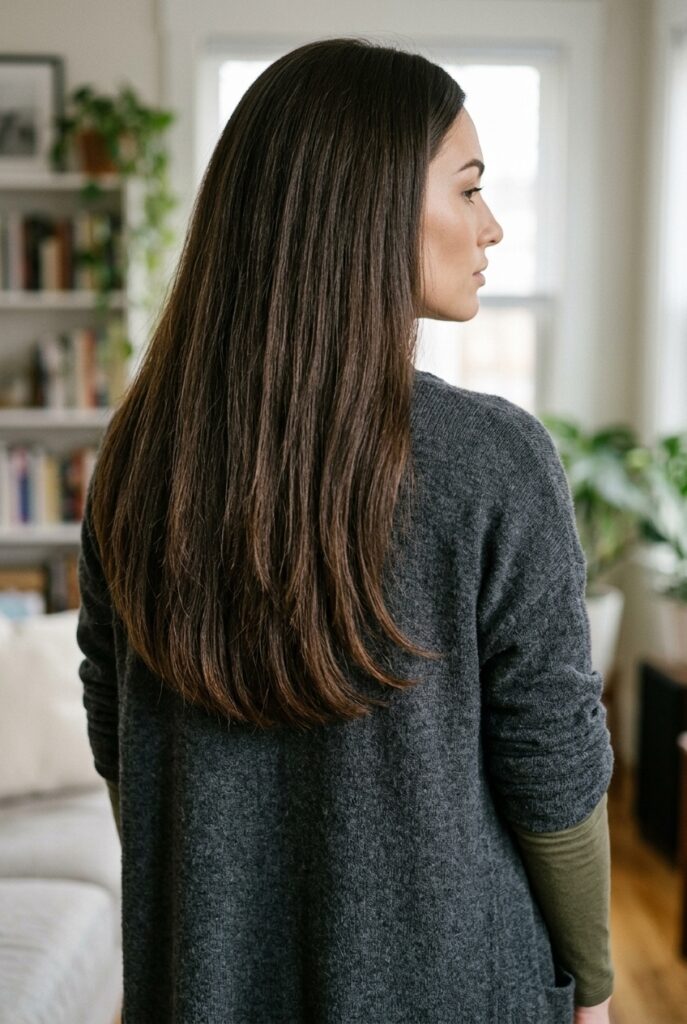
The U-cut is exactly what it sounds like: the ends of your hair are shaped into a soft U rather than a blunt straight line across the bottom. It is one of the most underrated options for thick, heavy hair because the rounded perimeter at the back actually encourages the hair to move inward rather than out.
It is a subtle shift, but it makes a real difference. Blunt cuts on thick hair tend to create that triangular silhouette — wide at the bottom, flat at the roots — which makes styling a constant battle. The U-cut eliminates that shape entirely. It also works well for any length past the shoulders, and the rounded back softens the overall look without giving up any fullness.
Pair it with some light face-framing pieces at the front, and you have a low-maintenance style that looks polished even when you do not do much to it.
5. Long Feathered Layers

Feathered layers fell out of fashion for a while, but they are back and more practical than ever. This technique involves cutting layers throughout the length of the hair so that each section tapers and blends into the next, rather than sitting on top of it. The result is a soft, flowing texture that moves easily and dries faster than a one-length cut.
For thick hair specifically, feathered layers break up density throughout the entire length — not just at the ends. That matters because a lot of the weight in thick hair sits in the mid-shaft, not at the tips. Addressing it only at the bottom does not actually solve the problem.
If your hair is also naturally wavy, feathered layers will enhance that texture significantly. You may find that styles you had to fight for before come naturally once the excess weight is removed.
6. Long Layers With Face-Framing Pieces
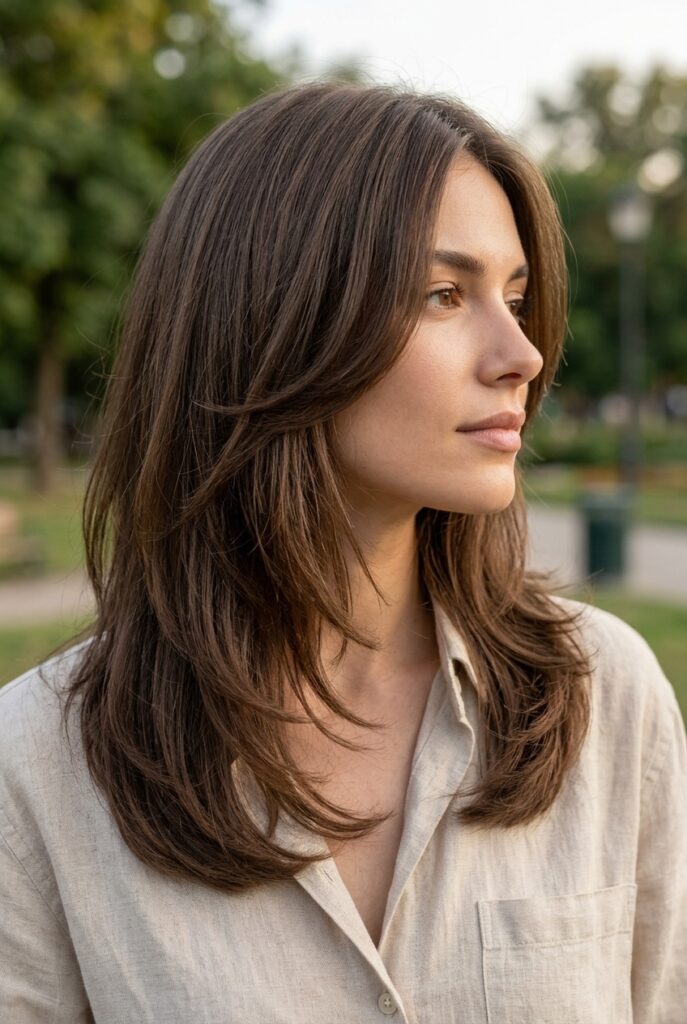
This is a more targeted version of layering, and it works particularly well for women who want to keep most of their length and shape intact but need something around the face. Face-framing pieces — shorter lengths cut around the front that fall somewhere between the chin and the collarbone — shift the visual weight of the hair upward and draw attention to your features rather than your bulk.
The trick is keeping these pieces graduated and blended, not blunt or choppy. When they are too abrupt, they can look disconnected from the rest of the hair. When they are done well, they look like a natural part of the cut, not an addition to it.
This is also a smart choice if you have been curious about bangs but are not ready to commit. Face-framing pieces give you some of the same softness without the daily maintenance of a full fringe.
7. The Long Shag
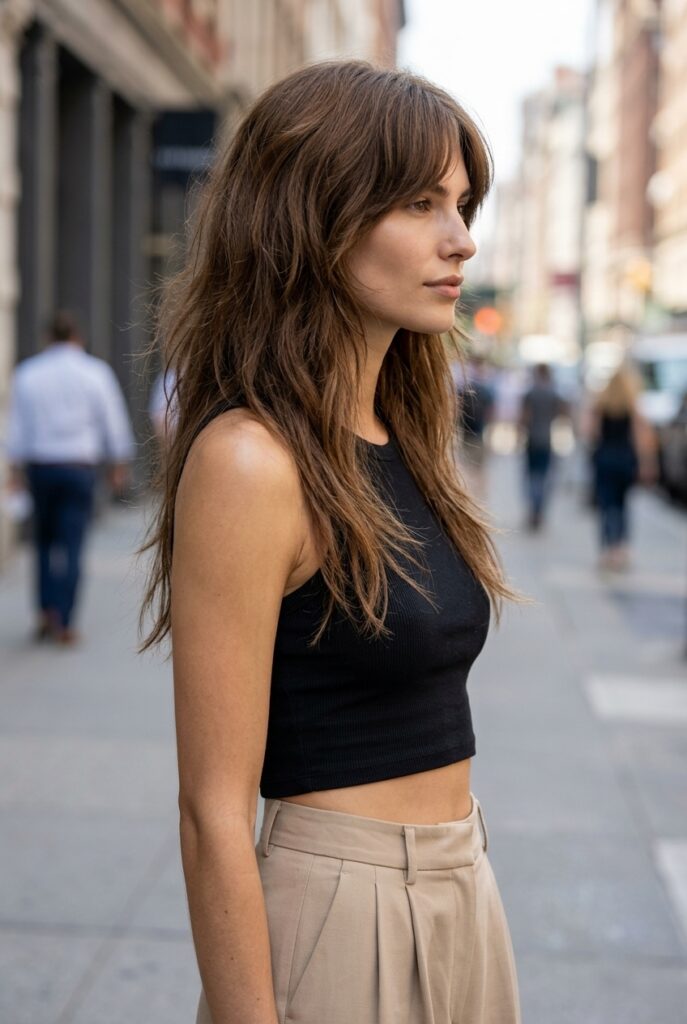
The soft shag is worth separating from the wolf cut, even though they share DNA. Where the wolf cut leans bold and textured, the long shag is more relaxed — lots of internal weight removal, wispy ends, and layers that are blended rather than choppy. This is the style that looks effortless even when you do nothing to it.
Thick hair often comes alive with this kind of cut. The significant internal layering pulls weight from places that most cuts do not address, giving the hair movement and lightness that lasts well past the first week after the salon. It works especially well for women with wavy or curly thick hair, where the layers let the texture breathe and fall naturally rather than sitting in a heavy mass.
Air-drying with a curl cream or mousse gives you the best result. You can also diffuse for more shape on days when you want more definition.
8. The V-Cut With Cascading Layers
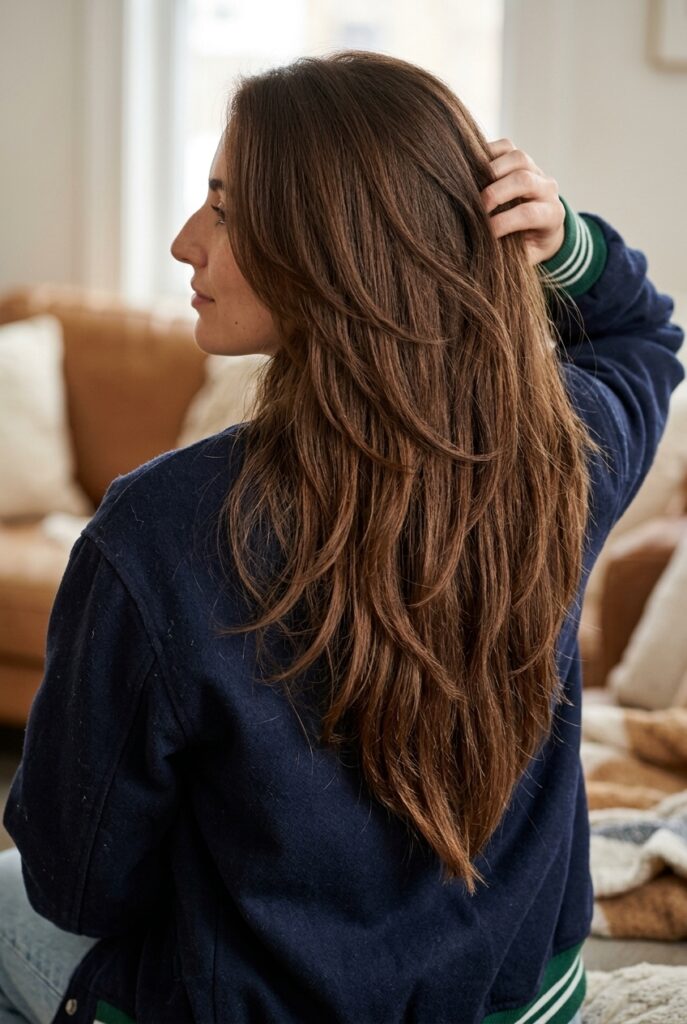
The V-cut is the more dramatic cousin of the U-cut. Instead of a soft rounded back, the hair is shaped into a point at the center, which elongates the silhouette and gives thick hair a sense of direction. When combined with long cascading layers throughout the length, it creates a waterfall effect that is both striking and genuinely easier to manage.
The cascading layers are key here. They remove bulk gradually from top to bottom, rather than all at once at the ends, which is what gives the hair that flowing, lightweight feel. The pointed back also guides the hair downward, which counteracts the tendency for thick hair to push outward and widen the silhouette.
This cut does require a trim every eight to ten weeks to keep the V shape defined, but the styling effort in between is minimal.
9. Long Layers With Curtain Bangs

Curtain bangs have had a real moment over the past few years, and they work particularly well with long, thick hair. The bangs part down the center and sweep to either side of the face, blending into the rest of the layers. Because they are long and wispy — typically hitting somewhere around the cheekbones — they do not require precise daily styling the way a traditional blunt fringe does.
For thick hair, adding curtain bangs to a long layered cut serves two purposes. First, it creates immediate face-framing without a dramatic cut. Second, the layers that extend from the bangs into the length of the hair naturally soften the density around the top of the head, where thick hair can look most overwhelming.
These grow out gracefully, which makes them a low-risk addition to your current length.
10. The Collarbone Cut With Medium Layers
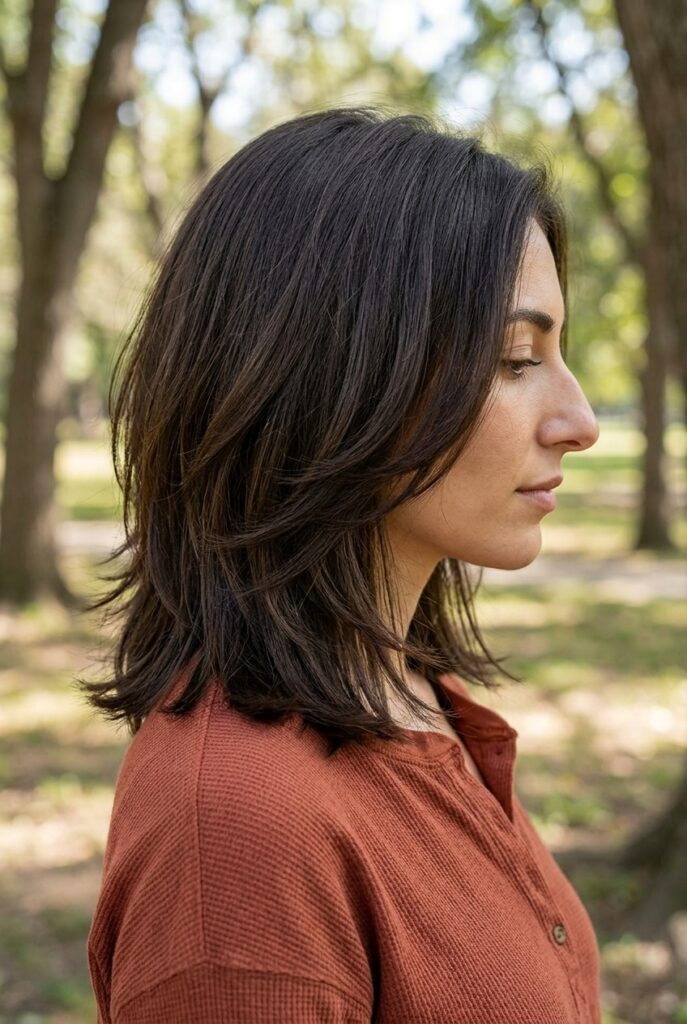
This is the option for women who want to keep the feel of long hair without all the weight. The collarbone cut sits right at — or just below — the collarbone, which keeps the hair in a long-hair category while removing several inches of the dead weight that typically accumulates at the ends of thick hair.
Medium layers throughout give it shape and movement. The cut is full enough to still feel like your hair but light enough to actually behave. It dries faster, tangles less, and holds styles longer than hair that falls to the mid-back. If you have been on the fence about going shorter but cannot quite bring yourself to do it, this is the compromise that genuinely delivers on both sides.
Your Thick Hair Has More Options Than You Think
Managing thick hair is really just a matter of finding a cut that works with your texture instead of against it. The right shape — whether it is a butterfly cut with face-framing lift or a long shag with serious internal weight removal — changes everything about how your hair feels day to day. You can keep your length and still have hair that dries in a reasonable amount of time, sits where you want it to, and looks good even on the days you do not style it.
If you have been settling for the same trim at every appointment, it is worth having a real conversation with your stylist about structure and weight distribution. Show them what you want your hair to do, not just how long you want it to be. That shift in how you talk about your cut is usually where the difference starts.
Frequently Asked Questions
Q: Why does thick hair feel unmanageable even after a fresh cut? A: Most of the time, it comes down to where the weight was removed. A cut that only trims the ends does not address the bulk sitting through the mid-lengths. Cuts that include internal texturizing or layering throughout the length make a much bigger difference for thick hair.
Q: Will getting layers make my thick hair frizzy? A: It depends on the technique. Razor cuts and thinning shears, when used incorrectly, can create frizz on thick hair. Internal texturizing and point-cut layers done by an experienced stylist should not cause frizziness — they should do the opposite.
Q: How often should thick hair be trimmed to stay manageable? A: Every eight to twelve weeks is a good general range. If your cut includes layers or face-framing pieces, you may need to come in closer to the eight-week mark to keep the shape proportional. Waiting too long lets the ends bulk up and work against the cut.
Q: Is the butterfly cut or the wolf cut better for thick hair? A: Both work well, but they serve different goals. The butterfly cut is softer and gives you a polished, floaty finish — great if you like a put-together look. The wolf cut is bolder and more textured — better if you prefer a lived-in, effortless style. The right choice depends on how you like to wear your hair day to day.
Q: Can I keep my long hair and still have it feel lighter? A: Yes. Cuts like the collarbone length with medium layers, the U-cut, and the long feathered layers option all reduce weight significantly without requiring you to go short. The key is asking your stylist to address the mid-length bulk, not just the ends.
Q: What is internal texturizing and how is it different from using thinning shears? A: Internal texturizing removes bulk from within the hair shaft using specific cutting techniques, without changing the outer shape of the cut. Thinning shears cut through all layers of hair at once and can leave thick hair looking wispy or uneven if overused. They are not the same thing.
Q: Do curtain bangs work with all types of thick hair? A: Generally, yes. Because curtain bangs are long and blended rather than blunt, they adapt well to straight, wavy, and even lightly curly thick hair. The key is having them cut dry or at least styled to match your natural texture so they fall correctly from day one.
Q: Which of these cuts is the lowest maintenance? A: The U-cut with minimal layering and the long feathered layers option both require the least daily effort. They hold their shape without needing much product or heat styling, and they grow out gracefully between appointments.

