

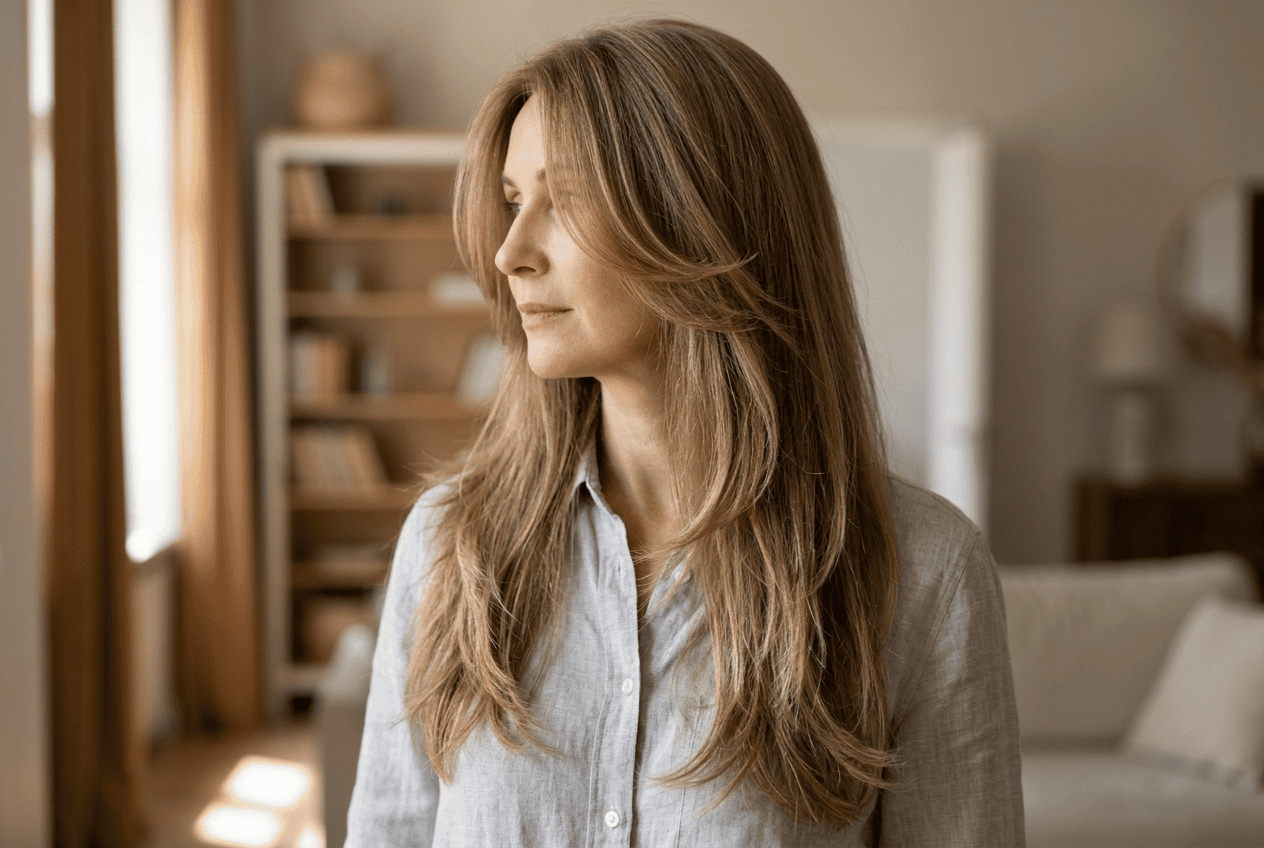
Getting older doesn’t mean your hair has to shrink. There’s a common belief that long hair past a certain age looks like you’re trying to hold onto something, but stylists will tell you the opposite. The right long cut can lift your face, soften your features, and take years off your look without a single inch coming off.
The trick isn’t length. It’s what happens around your face. Layers, movement, and a few strategically placed pieces near your cheekbones do more for a youthful look than any drastic chop ever could. Flat, one-length hair is what actually ages a woman, not length itself.
So if you’ve been told long hair is off-limits after 40 or 50, here are twelve long haircuts that prove otherwise. Each one uses layers, texture, or face-framing pieces to bring lift and softness to your look.
- 1. Long Layered Cut with Curtain Bangs
- 2. Butterfly Cut
- 3. Collarbone-Length Lob
- 4. Long Shag
- 5. Face-Framing Layers with Money Pieces
- 6. Angled Long Layers (U-Shape Cut)
- 7. Wispy Feathered Layers
- 8. Long Layers with Side-Swept Fringe
- 9. Long Layers with Peek-a-Boo Bangs
- 10. 90s Style Face-Framing Layers
- 11. Long Layers with a Deep Side Part
- 12. Textured Long Layers with Babylights
- The Long Hair Rules Worth Remembering
- Frequently Asked Questions
1. Long Layered Cut with Curtain Bangs
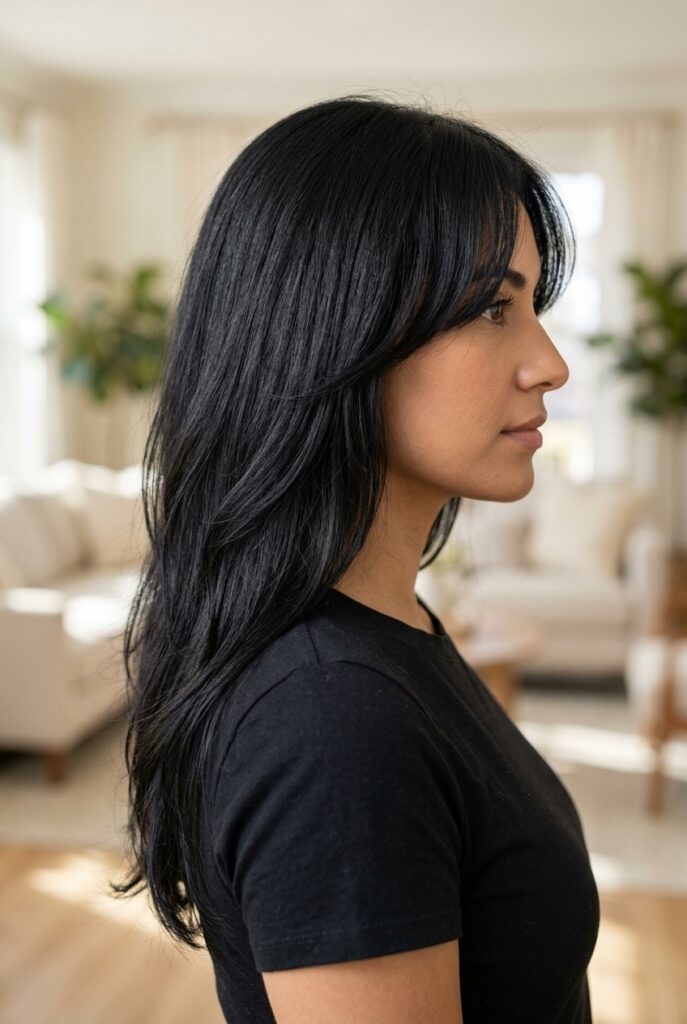
This is the most requested combination for a reason. Curtain bangs part naturally down the middle and sweep back on both sides, softening the forehead and drawing attention to the eyes, while long layers underneath keep the rest of the hair from feeling heavy. Together they frame nearly every face shape and blend easily into daily styling, whether you blow it out or let it air dry.
2. Butterfly Cut
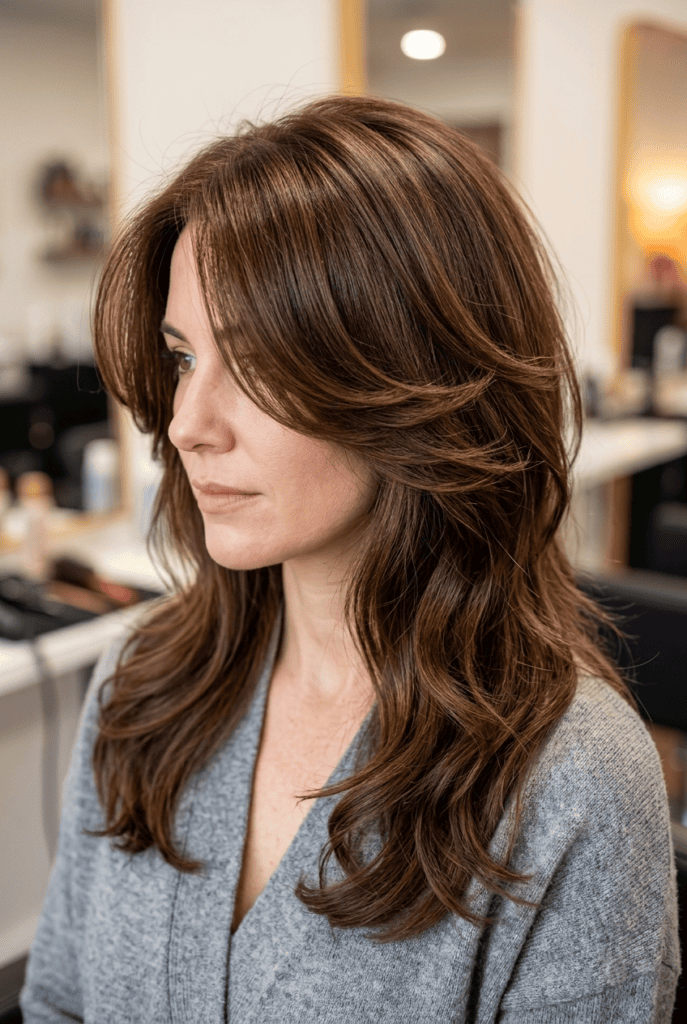
The butterfly cut gets its name from short, face-hugging layers up top that fan out into longer pieces underneath, similar to wings. That structure adds lift right where your face needs it most, especially around the crown and cheekbones. It works particularly well if your hair has started to feel thin or flat, since the shorter top layers create instant volume.
The longer underlayers keep your length intact.
This cut also grows out gracefully, so you’re not stuck getting trims every few weeks.
3. Collarbone-Length Lob
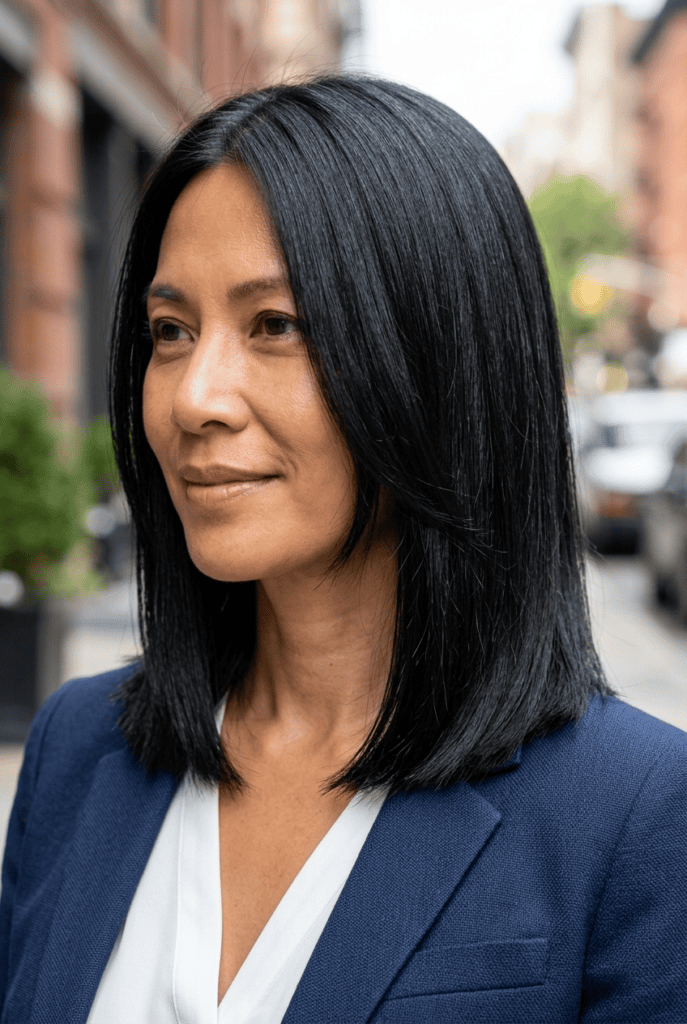
Sometimes called a long bob, this length sits right at the collarbone and splits the difference between short and long. Stylists point to it often because it lifts the face, works with straight or wavy hair, and skips the “growing out” phase that makes hair look unintentional. It’s an easy option if you want a change but aren’t ready to lose real length.
4. Long Shag
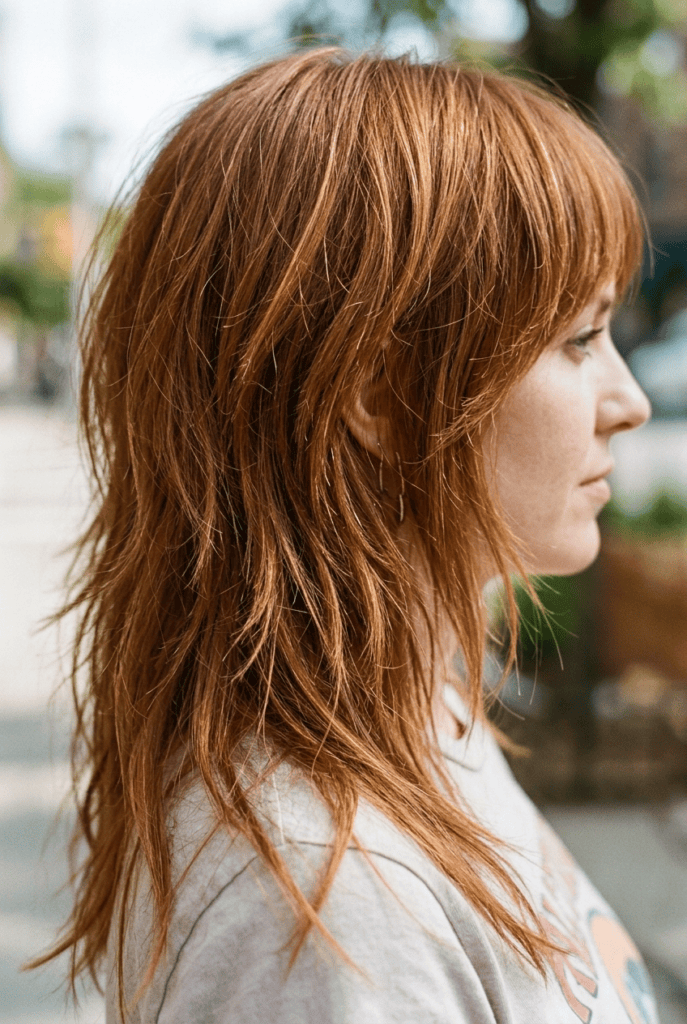
A shag brings texture through choppy, uneven layers cut all over the head, giving hair a lived-in, slightly undone quality. On longer hair, this keeps the overall shape from looking heavy or stiff, which is often what makes a long style feel dated. The layers catch light differently at every angle, so the color looks richer and the hair looks fuller than it actually is.
A texturizing spray brings out the shape even more on wash day.
5. Face-Framing Layers with Money Pieces
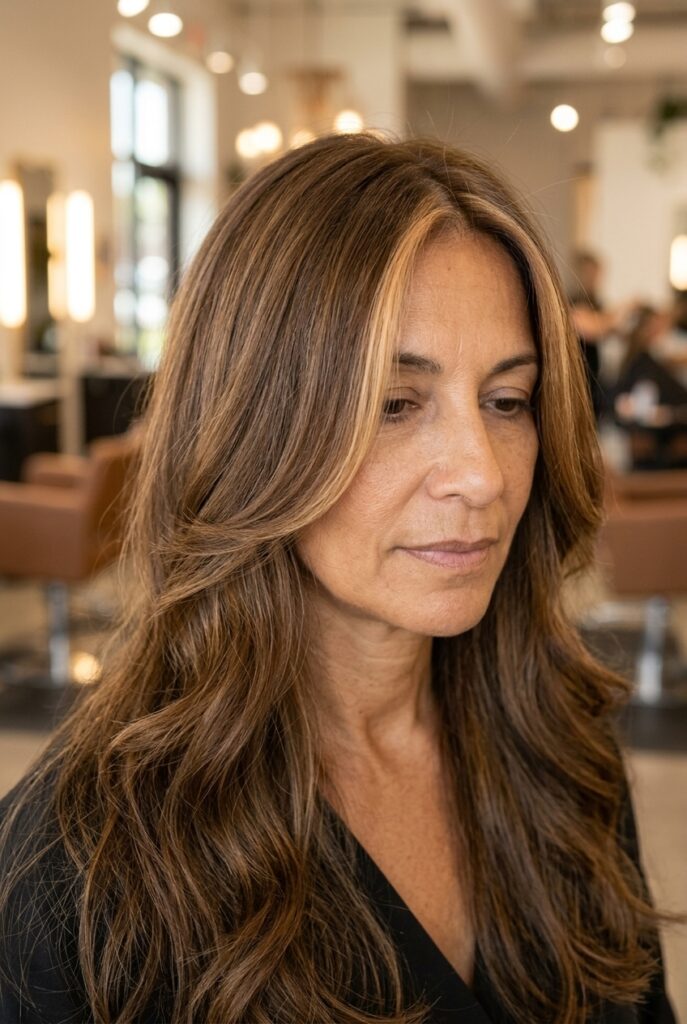
Face-framing layers alone do a lot of work.
Add a money piece, which is a lighter strand of color placed right at the front of the face, and the brightness pulls attention up toward your eyes instead of down toward any shadows or lines. Colorists use this trick specifically because it draws focus where you want it most. Paired with soft layers, it becomes one of the more subtle but effective aging fixes you can request.
It costs less upkeep than a full head of highlights, too.
6. Angled Long Layers (U-Shape Cut)
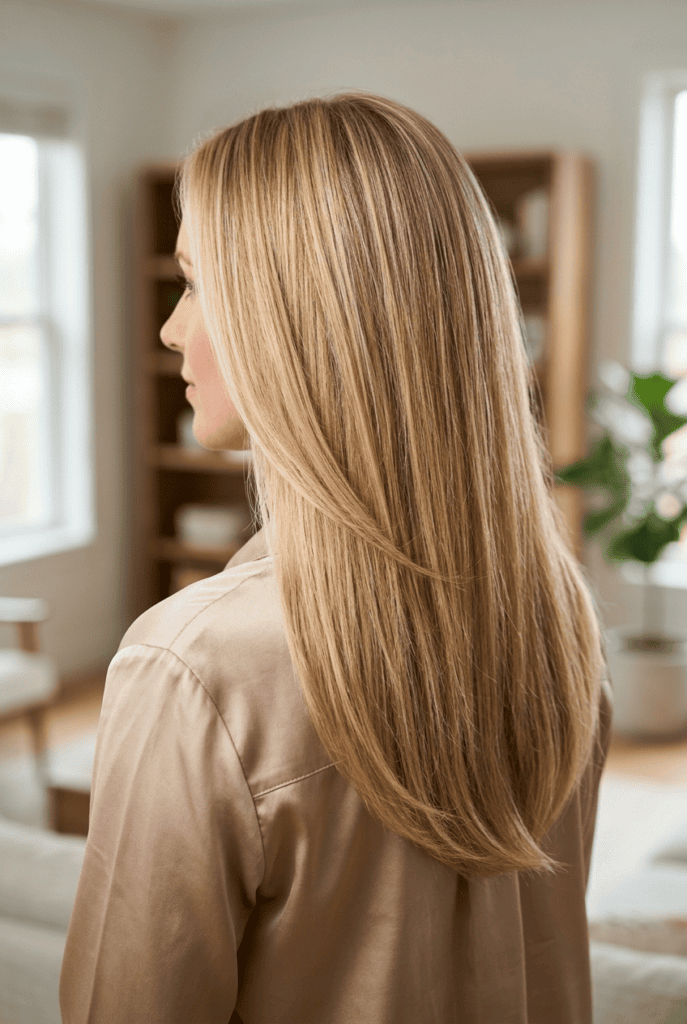
Instead of cutting hair straight across the bottom, a U-shape cut curves the ends into a rounded hem, with the front pieces left slightly longer than the back. That curve softens the overall silhouette and avoids the blunt, heavy line that can make long hair look severe. It’s a subtle change from a traditional long cut, but it makes a noticeable difference in how soft your whole look feels.
7. Wispy Feathered Layers
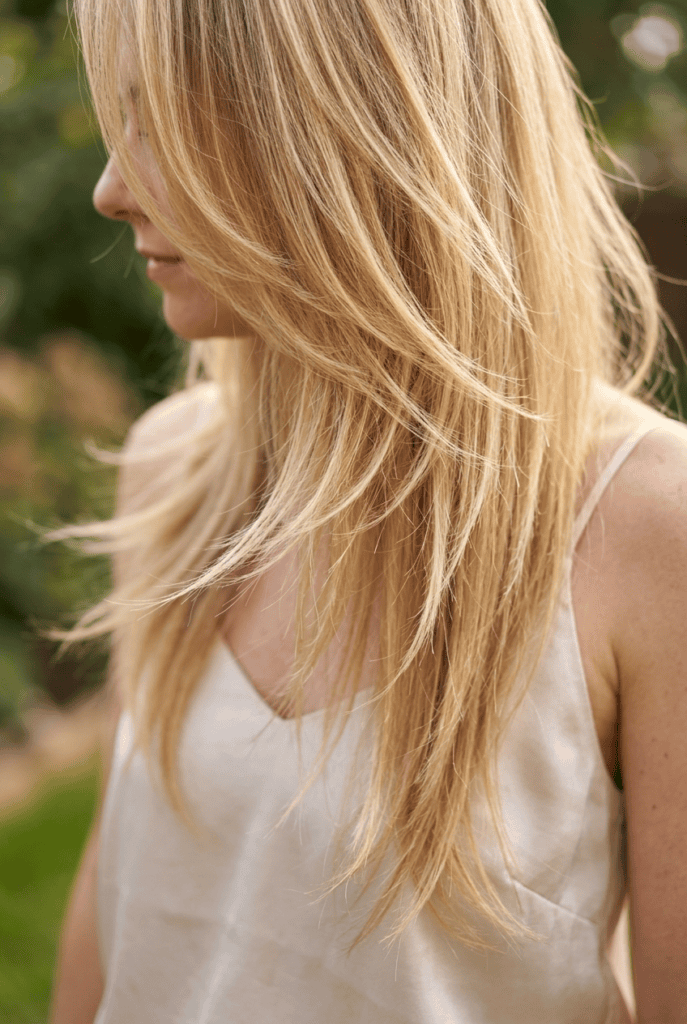
These layers are cut thin and feathered at the tips rather than blunt, so the ends taper instead of stopping abruptly. The effect is airy and light, almost like the hair is moving even when it’s still.
Fine hair benefits the most from this cut, since heavy ends tend to drag fine strands down and flatten them. Feathering removes that weight without removing length, which keeps the hair looking full instead of thin. It also blows out easily with just a round brush, since there’s less bulk to work through.
8. Long Layers with Side-Swept Fringe
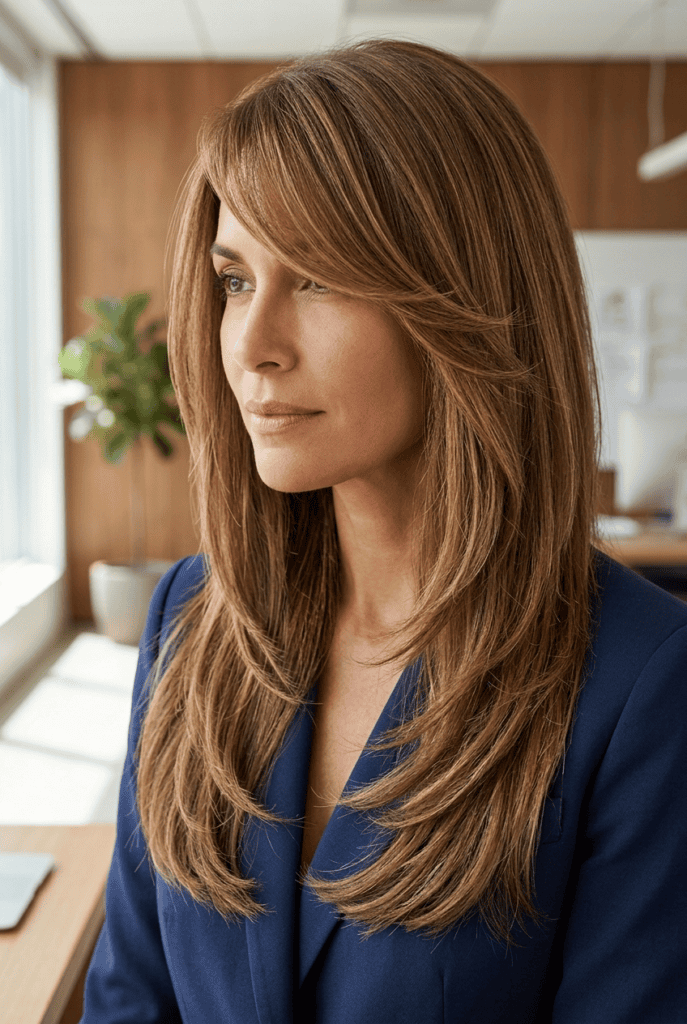
A side-swept fringe starts higher on one side and sweeps diagonally across the forehead.
It’s a gentler alternative to a full fringe for women who want to soften their forehead without committing to bangs that need daily styling.
Combined with long layers, it draws the eye across the face rather than straight down, which naturally makes features look more lifted. The fringe blends into the layers underneath, so there’s no harsh line where it starts or stops.
9. Long Layers with Peek-a-Boo Bangs
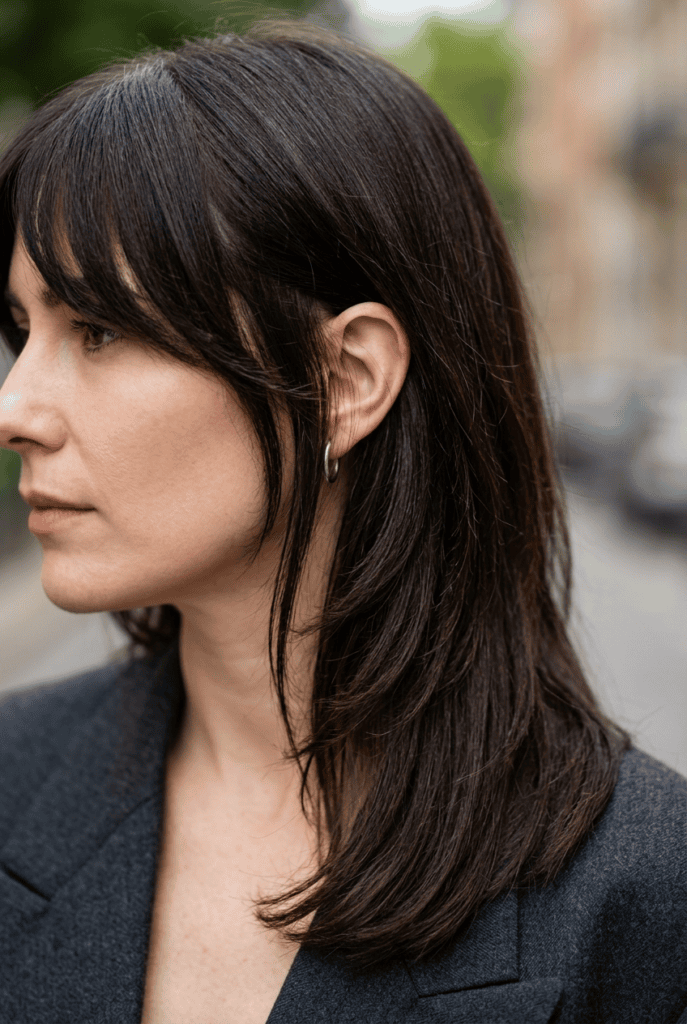
Peek-a-boo bangs are cut longer than typical fringe, usually starting around the cheekbone, and worn tucked behind the ear or swept to the side most days. This means you get the option of full bangs when you want them and a clean, longer look when you don’t. It’s a flexible cut for women who like variety but don’t want to fuss with bangs every morning.
10. 90s Style Face-Framing Layers
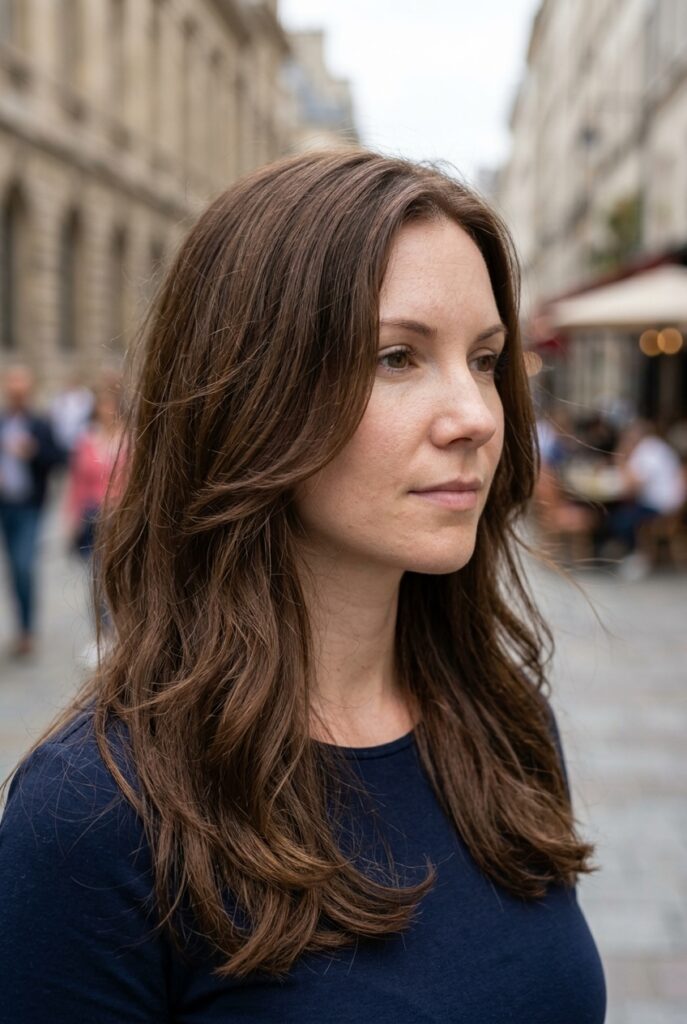
Inspired by the era of Jennifer Aniston and Courteney Cox, this look brings back longer layers cut around the face, but with a softer edge than the original version.
Instead of sharp, defined pieces, today’s take blends the layers more gradually into the rest of the hair.
A few ways to modernize it for a youthful finish:
- Ask for softer, rounded ends instead of blunt points
- Add loose waves with a curling iron for texture
- Keep the face-framing pieces slightly longer than the original style
- Use a lightweight texturizing spray instead of heavy gel
11. Long Layers with a Deep Side Part
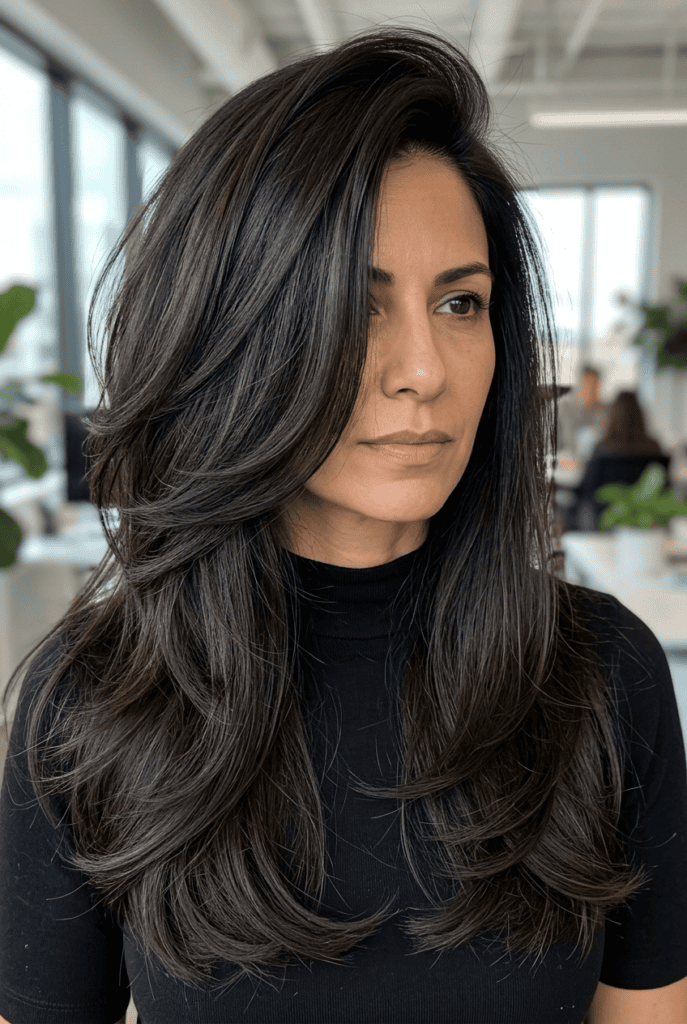
A deep side part shifts more volume to one side of the head.
That imbalance draws the eye diagonally across the face instead of straight down the middle, which tends to look more youthful than a centered part on long hair. It also adds instant fullness at the root on the heavier side.
12. Textured Long Layers with Babylights
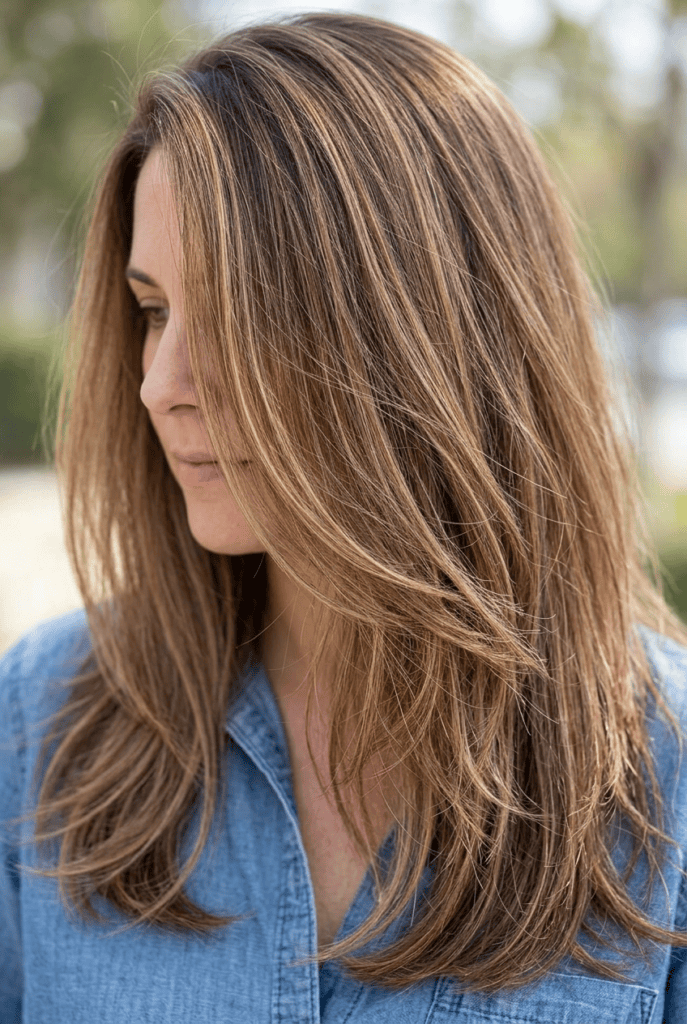
Babylights are extremely fine highlights placed throughout the hair, mimicking the way a child’s hair naturally lightens in the sun. Paired with textured layers, they create soft dimension that catches light in a way flat, single-toned hair never can, which is often what makes long hair look youthful rather than dull.
The Long Hair Rules Worth Remembering
None of these styles require giving up your length to look younger. What actually matters is where the layers sit, how much movement your hair has, and whether the pieces around your face are doing any work for you.
Bring a photo or two to your next salon visit, and don’t be afraid to ask your stylist which of these would suit your face shape and hair texture best. A good cut should feel like less effort, not more, and it should make your morning routine easier rather than harder.
Frequently Asked Questions
Does long hair make you look older?
A: Not on its own. Flat, one-length hair without movement is usually what ages a look, not the length itself.
What is the best long haircut for looking younger over 50?
A: Face-framing layers, especially paired with curtain bangs or a butterfly cut, tend to work best because they add lift around the cheekbones and forehead.
Are curtain bangs high maintenance?
A: They’re fairly low maintenance. They part naturally and can air dry into soft waves, though a quick blow-dry with a round brush gives them more shape.
What’s the difference between a lob and a long haircut?
A: A lob sits at collarbone length, while a long haircut typically falls well past the shoulders. Both can include layers for a youthful effect.
Do layers work on thin hair?
A: Yes, layers are especially helpful for thin hair since they remove bulk at the ends and create the appearance of fuller, bouncier hair.
How often do I need to trim long layered hair to keep it looking good?
A: Most long layered cuts hold their shape well with a trim every eight to ten weeks, though shaggier or feathered styles may need slightly more frequent visits.
Can I add face-framing layers without cutting off length?
A: Yes. A stylist can cut layers around your face while leaving the rest of your length untouched.
What haircut hides fine lines around the face?
A: Soft, side-swept bangs or curtain bangs are often recommended because they cover the forehead and soften the area around the eyes.
Is a money piece the same as a highlight?
A: A money piece is a specific highlight placed at the front of the face, usually brighter than the rest of the color, to draw attention upward.
Does hair texture affect which long cut looks best?
A: Yes. Wavy and curly hair tend to suit shags and feathered layers, while straight hair often looks cleanest with a lob or angled cut.

