

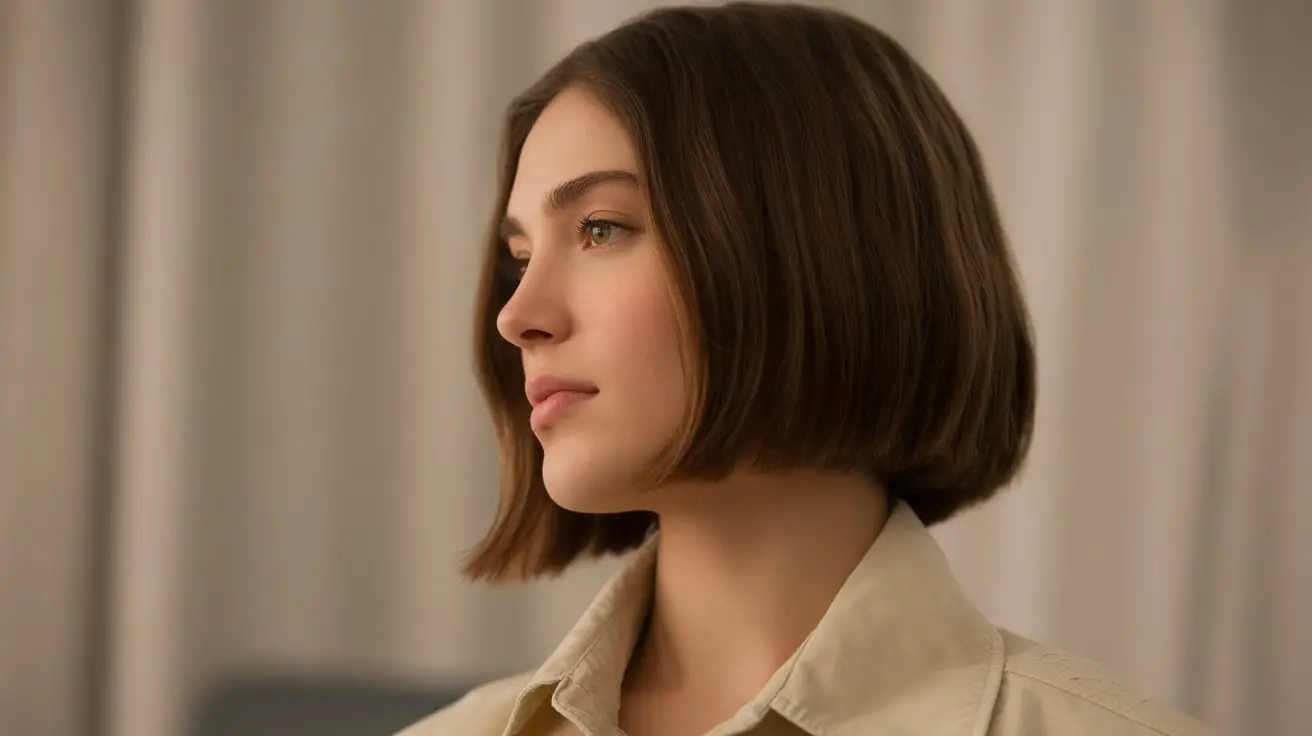
Bob haircuts have become the ultimate expression of modern sophistication, offering women a perfect balance between practicality and style. This timeless cut continues to reinvent itself season after season, proving that great hair doesn’t need to be complicated. Whether you’re considering a dramatic change or simply updating your current look, the versatility of bob haircuts makes them suitable for every woman, regardless of age, lifestyle, or personal style preferences.
The beauty of today’s bob lies in its countless variations and adaptability. Gone are the days when this haircut meant a single, rigid style – now you’ll find options ranging from chin-grazing lengths to shoulder-skimming variations, each offering its own personality and maintenance requirements. Professional stylists have transformed this classic cut into a canvas for creativity, incorporating modern techniques that add movement, texture, and dimension while maintaining the fundamental structure that makes bobs so universally flattering.
This year’s hottest variations showcase everything from ultra-sleek, precision cuts to deliberately undone, textured styles that move beautifully with minimal effort. In the following sections, you’ll discover which styles are capturing attention right now, how to select the perfect variation for your features and lifestyle, plus insider styling techniques that will help you maximize your new cut’s potential. Let’s uncover the bob that will transform your look and simplify your daily routine.
What Defines the Perfect Bob Haircut This Year
The contemporary bob has evolved far beyond its traditional boundaries, with stylists pushing creative limits while respecting the cut’s foundational principles. Today’s most sought-after versions balance sharp lines with soft movement, creating looks that feel both polished and effortless. The key lies in understanding how different elements work together – length, texture, and finishing techniques all play crucial roles in achieving that perfect result.
Length Variations and Face Shapes
Finding your ideal length starts with honest assessment of your facial features and bone structure. Chin-length cuts create strong horizontal lines that can balance longer faces beautifully, while jaw-length versions offer more flexibility for various face shapes. The sweet spot for many women falls somewhere between the chin and collarbone, providing enough length for versatility without sacrificing the bob’s characteristic shape.
Square faces benefit from lengths that hit just below the jawline, softening angular features without adding bulk at the widest point. Round faces often look stunning with slightly longer versions that create vertical lines and elongate the overall appearance. Heart-shaped faces can carry almost any length successfully, though many find that cuts ending at the mid-neck provide the most balanced proportions.
Texture Considerations
Your natural hair texture determines which cutting techniques will deliver the best results. Fine hair responds beautifully to blunt cuts that create the illusion of thickness and density. These precision cuts maintain clean lines that make thin hair appear fuller and more substantial. Adding subtle layers only at the very ends can provide movement without sacrificing precious volume.
Thick hair requires strategic thinning and layering to prevent the dreaded triangle shape. Internal layers remove bulk while maintaining the outer structure, creating movement that prevents the style from looking heavy or helmet-like. Texturizing techniques applied throughout the cut help thick hair fall naturally into place rather than expanding outward.
Modern Twists on Classic Styles
This year’s interpretations incorporate unexpected elements that refresh familiar silhouettes. Disconnected layers create dramatic movement while maintaining overall structure. These strategic breaks in the hair’s flow add visual interest without compromising the cut’s integrity. Stylists might incorporate hidden undercuts for women who want reduced bulk without visible dramatic changes.
Graduated bobs have made a strong comeback, but with softer transitions than their predecessors. Instead of harsh angles, today’s versions feature gentle graduation that creates subtle lift at the crown while maintaining weight through the ends. This technique works particularly well for women seeking volume without excessive layering.
Styling Versatility
The most successful bob cuts offer multiple styling options without requiring professional skills or excessive time. A well-executed cut should look presentable air-dried, yet transform beautifully with minimal heat styling. The foundation lies in the cut itself – proper angles and weight distribution determine how the hair naturally falls and moves.
Consider how you prefer to wear your hair daily. If you love switching between straight and wavy looks, request a cut that accommodates both textures. Cuts with slight internal layering adapt well to different styling methods, while heavily textured versions might limit your options. The goal is finding a structure that supports your preferred styles while looking intentional in its natural state.
Maintenance Requirements
Different bob variations demand varying levels of upkeep. Blunt cuts require frequent trimming to maintain their sharp edges – typically every 4-6 weeks. However, they’re relatively simple to style daily, often needing just a quick blow-dry to look polished. Textured versions can go longer between appointments since slight growth actually enhances their lived-in appeal.
Women with busy schedules should discuss maintenance expectations honestly with their stylists. A cut that requires daily heat styling might not suit someone who prefers wash-and-go convenience. Similarly, high-maintenance colors or highlights might clash with the low-maintenance appeal that draws many to bob haircuts initially. Your stylist can suggest modifications that align with your available time and styling skills while still delivering the look you want.
How to Choose Your Ideal Bob Style
Selecting the right bob involves more than just showing your stylist a photo. Your individual characteristics – from bone structure to daily routine – should guide this decision. The most flattering cut works with your natural attributes rather than fighting against them, creating harmony between your features and your hairstyle.
Face Shape Matching Techniques
Professional stylists use specific visual markers to determine which angles and lengths will complement your features best. Start by pulling your hair completely back and examining your face’s widest point, jawline shape, and forehead proportions. These observations guide decisions about where to place volume, how to frame the face, and which finishing techniques will create the most flattering silhouette.
Oval faces enjoy the most flexibility, as nearly every bob variation complements these balanced proportions. However, even with this versatility, certain styles will highlight your best features more effectively than others. Pay attention to your favorite facial features – perhaps striking cheekbones or beautiful eyes – and choose a cut that draws attention to these assets.
Women with prominent features often discover that asymmetrical cuts provide interesting visual balance. A slightly longer side can soften a strong jawline, while strategic layering around the crown adds height that elongates round faces. The key lies in creating opposition – adding width where the face narrows and reducing volume where it’s naturally fuller.
Hair Texture Compatibility
Your hair’s natural behavior should inform every aspect of your bob choice. Straight hair showcases geometric cuts beautifully, allowing precise lines and angles to shine. These hair types can successfully carry sharp, architectural styles that might disappear in textured hair. Consider glass-like finishes or razor-sharp edges that celebrate your hair’s natural sleekness.
Wavy hair brings built-in movement that enhances certain bob styles while complicating others. Natural waves work wonderfully with cuts that incorporate their pattern rather than requiring constant straightening. Slightly longer bobs with gentle layering allow waves to form attractive shapes without creating unwanted volume. Your stylist might suggest specific cutting angles that encourage your waves to fall in flattering patterns.
Lifestyle Considerations
Your daily activities and professional requirements significantly impact which bob will serve you best. Consider these practical factors that affect your hairstyle choices:
Morning routine: How much time can you realistically dedicate to styling?
Exercise habits: Will you need to pull your hair back for workouts?
Professional requirements: Does your workplace have specific grooming standards?
Climate factors: How does humidity or dry air affect your hair?
Social calendar: Do you frequently attend events requiring formal styling?
Active women might prefer lengths that allow for small ponytails or clips during exercise. Those in conservative professions might choose classic, polished versions over edgier alternatives. Understanding these practical needs prevents frustration and ensures your new cut enhances rather than complicates your life.
Professional vs Casual Looks
The ideal bob adapts seamlessly between different settings. A cut that looks appropriately professional for morning meetings should also transition smoothly to casual weekend activities. This versatility comes from choosing styles with inherent sophistication that don’t rely solely on perfect styling.
For maximum flexibility, consider cuts with clean lines that can be worn sleek for formal occasions or tousled for relaxed settings. Medium-length bobs offer particular versatility, as they’re long enough to style in various ways yet short enough to maintain the cut’s characteristic shape. Adding subtle layers provides options for both smooth blow-outs and textured, piece-y finishes.
Color and Highlights Impact
Hair color dramatically affects how your bob appears and behaves. Solid colors showcase the cut’s lines and structure, making them ideal for geometric or architectural styles. Single-process color creates a cohesive look that emphasizes shape over texture, perfect for women who prefer polished, sophisticated aesthetics.
Dimensional color techniques like balayage or highlights add visual texture that enhances movement within the cut. These coloring methods work particularly well with layered or textured bobs, as the color variations emphasize the cut’s different lengths and angles. Strategic placement of lighter pieces can also create flattering face-framing effects or add the illusion of volume to fine hair.
Consider how color maintenance aligns with your cut’s upkeep schedule. Root touch-ups might coincide with trimming appointments, streamlining your salon visits. Alternatively, choosing techniques that grow out gracefully reduces maintenance pressure and allows you to extend time between appointments.
Which Bob Variations Are Trending Now
Current bob trends reflect a shift toward personalization and individuality. Rather than following rigid style rules, women are choosing variations that express their personality while flattering their features. This year’s most requested styles range from barely-there updates of classic cuts to bold reimaginings that challenge traditional definitions.
The Textured Bob Movement
Lived-in texture has become the defining characteristic of modern bobs. This deliberately imperfect approach creates styles that look effortlessly chic rather than meticulously styled. Stylists achieve this effect through strategic cutting techniques that encourage natural movement and separation within the hair.
The appeal lies in the low-maintenance nature of these cuts. Unlike perfectly smooth styles that require daily heat styling, textured versions actually improve as they settle and move throughout the day. Women appreciate waking up with hair that already looks intentionally styled, needing only minimal adjustment before heading out.
Creating authentic texture starts with the cutting technique. Point cutting, slice cutting, and razor work all contribute to the piece-y separation that defines these styles. Your stylist might combine multiple techniques, using different approaches for different sections to create varied texture throughout. The result should feel organic rather than overly constructed.
Styling textured bobs requires a light touch and the right products. Sea salt sprays enhance natural texture without weighing hair down, while lightweight oils add shine and definition to individual pieces. The goal isn’t perfection but rather controlled chaos that looks deliberately undone.
Asymmetrical Designs
Asymmetry adds instant edge to traditional bob shapes. These uneven cuts range from subtle differences barely noticeable to the casual observer to dramatic variations that make bold statements. The beauty of asymmetrical designs lies in their ability to flatter while adding visual interest.
Subtle asymmetry might involve one side being just slightly longer, creating gentle movement that softens facial features. This approach works well for women wanting something different without dramatic change. The variation might be as minimal as half an inch, yet it creates enough visual intrigue to refresh the entire look.
More dramatic interpretations feature significant length differences that create striking silhouettes. One side might graze the collarbone while the other sits at ear level, producing a dynamic shape that changes depending on viewing angle. These bold versions require confidence but deliver maximum impact with minimal styling effort.
Blunt Cut Revival
Precision has returned to prominence with the resurgence of blunt-cut bobs. These ultra-clean styles celebrate technical excellence and geometric beauty. Unlike their textured counterparts, blunt cuts showcase the hair’s health and shine while creating powerful, graphic silhouettes.
The modern interpretation of blunt cutting incorporates subtle updates that prevent the style from feeling dated or severe. Stylists might add nearly invisible graduation at the nape to prevent the cut from appearing too heavy, or incorporate minimal internal layers that maintain the clean perimeter while adding slight movement.
Fine hair particularly benefits from blunt cutting techniques. The solid weight line creates an optical illusion of thickness and density that layered cuts can’t achieve. Every strand works together to form a cohesive shape, maximizing the hair’s visual impact. Women with thin hair often express amazement at how much fuller their hair appears with this cutting method.
Layered Bob Techniques
Strategic layering transforms basic bob shapes into dynamic, movement-filled styles. Today’s layering approaches focus on enhancing natural texture rather than creating uniform steps. The placement and angle of each layer serves a specific purpose, whether adding volume, reducing bulk, or creating face-framing effects.
Surface layers add movement without sacrificing overall density. These delicate layers sit on top of the hair’s main structure, creating subtle breaks that catch light and create dimension. They work particularly well for women with medium-density hair who want movement without losing their hair’s natural weight.
Graduated layers build volume and lift through the crown while maintaining sleek perimeters. This technique creates the illusion of fuller hair by lifting roots away from the scalp. The graduation might be dramatic or subtle, depending on desired results and natural hair characteristics.
Micro Bob Popularity
The micro bob represents the boldest interpretation of this classic cut. Ending anywhere from mid-ear to just below, these ultra-short versions require confidence and commitment. Yet their striking appearance and minimal maintenance requirements have attracted a growing following.
This length works surprisingly well across different face shapes when properly customized. The key lies in adjusting proportions and angles to complement individual features. A skilled stylist might add length at specific points to balance facial proportions or incorporate strategic layers that soften the overall effect.
Styling micro bobs requires minimal product and time. Their short length means they dry quickly and hold their shape naturally. A small amount of smoothing cream or texture spray usually suffices for daily styling. This simplicity appeals to women seeking dramatic style changes without complicated maintenance routines.
The commitment required for micro bobs actually becomes part of their appeal. Women who choose this length often report feeling liberated from lengthy styling sessions and product dependency. The cut forces you to focus on your features rather than hiding behind your hair, often resulting in increased confidence and self-assurance.
Styling Tips That Transform Your Bob
The right styling techniques can completely change your bob’s personality from day to day. Understanding how different methods and products affect your particular cut empowers you to create multiple looks from a single haircut. Whether you prefer polished perfection or casual texture, mastering a few key techniques expands your styling repertoire significantly.
Heat-Free Styling Methods
Protecting your hair from daily heat damage while maintaining style requires creative approaches. Overnight techniques deliver beautiful results without any thermal tools. Twist damp hair into small sections before bed, securing with soft elastics or clips. Morning reveals natural-looking waves that need only finger-combing to arrange.
Braiding offers another heat-free option that creates different textures depending on technique. A single loose braid produces gentle waves, while multiple smaller braids create more defined texture. The key lies in starting with slightly damp, not soaking, hair to ensure complete drying overnight.
Pin curls provide vintage-inspired waves without heat damage. Section damp hair and wrap each portion around your fingers before securing against your scalp with bobby pins. This method requires practice but delivers sophisticated results that last throughout the day. Modern interpretations use larger sections for looser, more contemporary waves.
Product Selection Guide
Choosing appropriate products makes the difference between a bob that cooperates and one that constantly frustrates. Your hair’s texture, density, and the specific cut all influence which products deliver optimal results. Start with less product than you think you need – you can always add more, but over-application creates heaviness that destroys the cut’s shape.
Fine hair benefits from volumizing mousses applied to damp roots before blow-drying. These lightweight formulas add body without weighing hair down or creating stickiness. Apply product to your palms first, then work through hair from underneath to avoid flatness at the crown.
Thick hair often requires smoothing creams or oils to control frizz and add shine. Focus application on mid-lengths through ends, avoiding roots where product can create greasiness. The amount needed varies with humidity levels and natural texture, so adjust accordingly.
Quick Morning Routines
Streamlined morning styling makes bob haircuts particularly appealing for busy women. Develop a routine that delivers consistent results in minimal time. Here’s an efficient approach that works for most bob styles:
Prep: Apply heat protectant to damp hair, focusing on ends
Rough dry: Use fingers to lift roots while blow-drying until 80% dry
Smooth: Switch to a round brush for final shaping and smoothing
Finish: Apply a drop of oil or serum for shine and frizz control
Set: Optional cool shot from the dryer to lock in style
This basic routine takes approximately 10 minutes for most bob lengths. Speed comes from understanding your hair’s drying patterns and working with them rather than against them. Practice reveals which sections need more attention and which practically style themselves.
Special Occasion Styling
Bobs can absolutely deliver formal elegance for special events. The key lies in creating texture and detail that elevates the basic shape. Start with completely dry hair for better product adherence and longer-lasting results. Setting spray applied before heat styling helps curls and waves maintain their shape throughout events.
Hollywood waves create timeless glamour on bob-length hair. Use a large barrel curling iron to create uniform waves, all flowing in the same direction. Once cooled, gently brush through waves to blend them into a cohesive pattern. Finish with flexible hold hairspray that maintains movement.
For modern elegance, try a deep side part with sleek styling on one side and soft waves on the other. This asymmetrical approach adds drama while remaining sophisticated. Tuck the smaller side behind your ear and secure with a decorative clip or bobby pins for extra polish.
Seasonal Adjustments
Your bob requires different approaches as weather conditions change. Summer humidity demands anti-frizz strategies and lighter product formulations. Consider switching to cream-based stylers that provide control without heaviness. Protective sprays with UV filters prevent color fading and environmental damage during increased sun exposure.
Winter’s dry air often causes static and flyaways that disrupt your bob’s shape. Combat these issues with hydrating leave-in treatments and anti-static sprays. Slightly heavier styling creams that might feel excessive in summer provide necessary moisture and control during colder months. Indoor heating creates additional challenges, so keep a small bottle of smoothing serum for midday touch-ups.
Adjusting your washing frequency according to seasonal needs helps maintain your style between salon visits. Summer’s increased sweating might require more frequent cleansing, while winter’s drier conditions often allow extending time between washes. Dry shampoo becomes particularly valuable for refreshing your bob without over-washing.
Why Professional Cutting Matters for Bobs
The precision required for exceptional bob haircuts cannot be overstated. Unlike longer styles where minor imperfections hide within the hair’s movement, bobs reveal every cutting decision. The difference between an adequate bob and an extraordinary one lies in the technical skill and artistic vision of your stylist.
Precision Cutting Techniques
Professional stylists employ specific techniques that determine how your bob will grow, move, and style. The angle at which hair is held during cutting affects how it falls naturally. Elevation creates layers and movement, while cutting at zero elevation produces weight and density. These technical decisions happen with every snip, building toward the final shape.
The tools chosen for your cut significantly impact the result. Scissors create clean lines ideal for blunt styles, while razors produce softer, more textured edges. Many stylists combine techniques, using scissors for the perimeter and razors for interior texture. Understanding these differences helps you communicate preferences during consultations.
Sectioning patterns influence the cut’s architecture. Horizontal sections create weight lines and solid shapes, while diagonal sections produce graduation and movement. Your stylist’s sectioning strategy depends on your hair’s natural growth patterns, desired style, and facial features. This technical foundation determines whether your bob will require constant styling or fall naturally into place.
Growth Pattern Considerations
Every person’s hair grows in unique patterns that affect how cuts develop over time. Cowlicks, whorls, and directional growth at the nape all influence cutting decisions. Experienced stylists identify these patterns during consultation and adjust their technique accordingly. Ignoring growth patterns results in cuts that fight against the hair’s natural tendencies.
The way hair grows at your neckline particularly affects bob shapes. Some people have hair that grows straight down, while others deal with hair that grows upward or sideways at the nape. Your stylist might need to adjust the perimeter angle or incorporate specific texturizing techniques to accommodate these growth patterns.
Customization Possibilities
No two bobs should look identical because no two women have identical features, hair texture, or lifestyle needs. Professional stylists customize every aspect of your cut to create something uniquely yours. This personalization extends beyond basic length and includes considerations like:
Weight distribution throughout the cut affects overall shape and volume. Your stylist might concentrate weight in specific areas to balance facial features or create desired silhouettes. Removing weight from certain sections while maintaining it in others creates custom shapes impossible to achieve with uniform cutting.
The perimeter shape offers numerous customization options. While some women suit perfectly horizontal lines, others benefit from slight angles or soft curves. Even millimeter adjustments to the perimeter angle can dramatically affect the overall appearance. These subtle modifications require experienced eyes and steady hands to execute properly.
Interior architecture refers to how the hair is structured beneath the visible surface. This hidden framework determines how your bob moves and responds to styling. Your stylist might incorporate invisible layers, undercuts, or weight removal techniques that aren’t immediately apparent but significantly impact the cut’s behavior.
Maintenance Schedule Planning
A well-executed bob includes built-in longevity that extends time between appointments. Your stylist should explain how your specific cut will grow and when you’ll need maintenance. Some styles require religious 4-week appointments, while others can stretch to 8 weeks without losing their shape.
During your initial consultation, discuss your realistic maintenance availability. If you can only visit the salon every two months, your stylist should create a cut that maintains its integrity for that duration. This might mean choosing a slightly longer length or incorporating growth-friendly layers that evolve attractively.
The relationship between your cut and color services also factors into scheduling. Coordinating these appointments saves time and ensures your overall look remains cohesive. Your stylist can suggest cut modifications that align with your coloring schedule, creating a sustainable beauty routine.
Communication with Your Stylist
Successful bob haircuts require clear communication between client and stylist. Bring multiple reference photos showing different angles of styles you like. However, understand that your inspiration images might need modification to suit your individual characteristics. A skilled stylist explains why certain elements will or won’t work for you.
Describe your daily routine honestly. If you never blow-dry your hair, say so. If you’re willing to spend 30 minutes styling each morning, share that too. This information helps your stylist create a cut that aligns with your actual lifestyle rather than an idealized version.
Don’t hesitate to express concerns during the cutting process. If something seems too short or you’re worried about a particular section, speak up immediately. Adjustments are easier to make during cutting than after. Your stylist wants you to love your haircut and appreciates feedback that helps achieve that goal.
Regular clients often develop shorthand communication with their stylists. Over time, your stylist learns your preferences, growth patterns, and styling habits. This relationship produces increasingly successful cuts as both parties better understand expectations and possibilities. Investing in this professional relationship pays dividends through consistently excellent results.
The Perfect Bob for You
Every woman who chooses a bob haircut joins a tradition of confident style choices that prioritize both aesthetics and practicality. The perfect bob for you exists at the intersection of your facial features, hair characteristics, lifestyle needs, and personal style preferences. Armed with understanding about current trends, styling techniques, and the importance of professional expertise, you’re ready to make an informed decision about your next haircut.
The journey toward your ideal bob begins with honest self-assessment and clear communication with a skilled stylist. Whether you gravitate toward sleek precision, lived-in texture, or bold asymmetry, the key lies in choosing a variation that genuinely reflects who you are while simplifying your daily routine. Your new bob should feel like an extension of your personality rather than a departure from it – a style that boosts confidence every time you catch your reflection.
Frequently Asked Questions
Q: How often should I trim my bob to maintain its shape?
A: Most bob haircuts require trimming every 4-6 weeks to maintain their precise shape, though textured or longer versions can sometimes stretch to 8 weeks between appointments.
Q: Can women with very curly hair successfully wear a bob?
A: Absolutely! Curly bobs look stunning when cut by stylists experienced with textured hair, though the dry cutting technique often works better than wet cutting for curly hair.
Q: What’s the minimum length needed to pull a bob into a ponytail?
A: Generally, bobs need to reach at least the bottom of your earlobes to gather into even a small ponytail, though chin-length or longer provides more styling flexibility.
Q: Will a bob haircut make my round face appear rounder?
A: Not if cut correctly – a bob that hits below the chin with subtle angles or asymmetry can actually elongate and slim a round face shape.
Q: How do I prevent my bob from flipping out at the ends?
A: Using a round brush to direct ends under while blow-drying, combined with a smoothing serum, typically prevents unwanted flipping. Your stylist can also adjust the cut’s angle to discourage outward flipping.
Q: What’s the difference between a bob and a lob?
A: A traditional bob typically falls between the ears and chin, while a lob (long bob) extends from the chin to just above the shoulders.
Q: Can I still wear a bob if I have a double chin?
A: Yes, but opt for lengths that fall below the chin area, and consider adding layers or angles that draw the eye upward rather than emphasizing the lower face.
Q: Is it possible to add extensions to a bob for special occasions?
A: Temporary clip-in extensions can add length for events, though they work best with bobs that are at least jaw-length to provide adequate hair for securing the extensions.

