

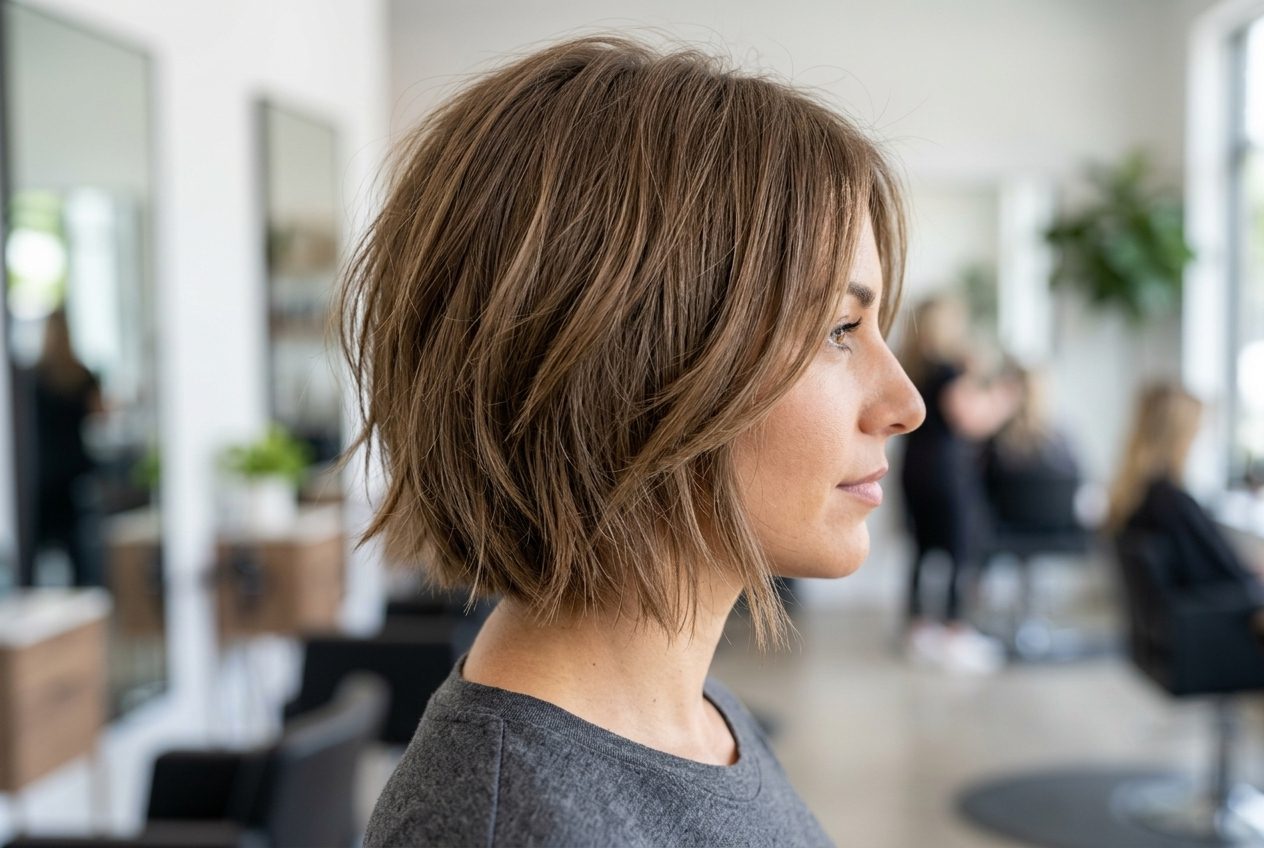
Fine hair has a mind of its own. It falls flat by noon, shows every strand of oil by day two, and can make even a fresh blowout look tired within hours. If you’ve spent years fighting with round brushes and volumizing mousse just to get a few hours of body, you’re not alone, and you’re not out of options either.
A shaggy bob solves a lot of these problems at the root, literally. The layers cut into this style break up the weight of your hair, so instead of one heavy sheet of strands pulling everything down, you get pieces that lift, separate, and move on their own. That built-in texture does a lot of the work that products and hot tools used to have to do.
Below are nine shaggy bob variations worth bringing to your stylist, based on what’s actually working for women with fine hair right now. Each one handles volume a little differently, so you can pick the version that matches your face shape, your hair length goals, and how much time you actually want to spend styling in the morning.
Classic Textured Shaggy Bob
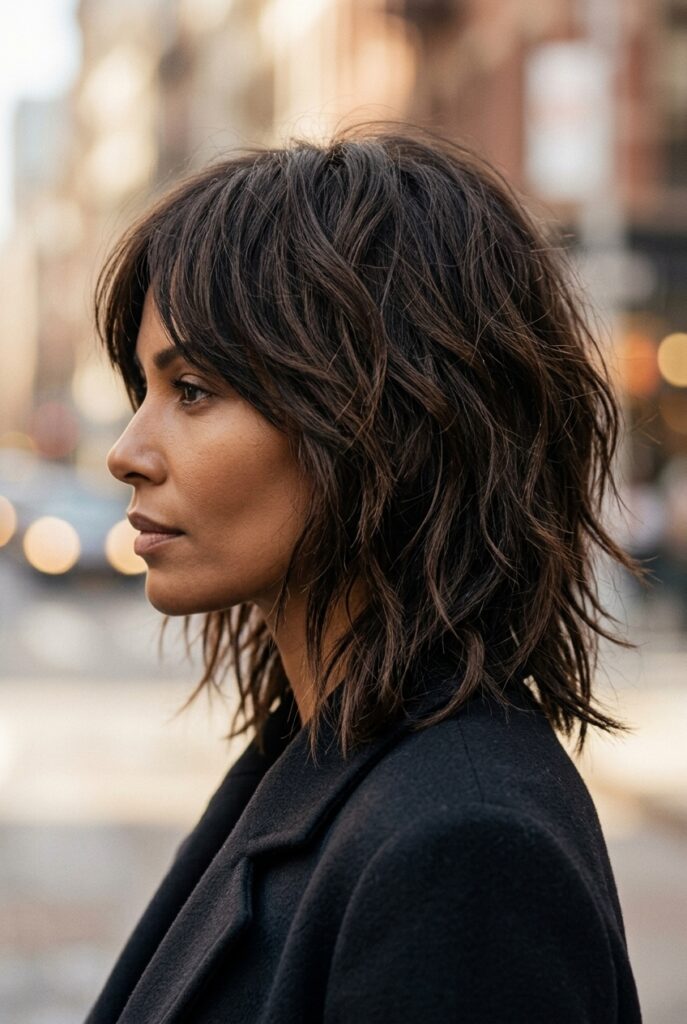
This cut has stayed a go-to for one simple reason: it works.
The classic textured shaggy bob uses choppy, uneven layers cut throughout the length of the hair, usually landing somewhere between the chin and the shoulders. Instead of one blunt line at the bottom, the ends are cut at slightly different lengths, which keeps the hair from looking like a single flat curtain. For fine hair, this matters because a blunt bob tends to emphasize thinness at the ends, while broken-up layers make the same amount of hair look like more. Stylists often point out that the layering should be concentrated in the mid-lengths and ends rather than close to the scalp, since too much layering up top can actually make roots look sparse. A texturizing spray or sea salt spray applied to damp hair before blow-drying helps the layers separate even further.
Shaggy Lob with Curtain Bangs

Before you commit to any face-framing bangs, it helps to know exactly what this pairing offers women with fine hair.
- Curtain bangs part naturally down the middle and sweep to either side of the face.
- The longer lob length keeps enough weight at the bottom to prevent flyaways.
- Soft layers throughout the crown lift the roots without thinning out the ends.
- The bangs blend into the rest of the shag, so there’s no harsh line to grow out.
- This combination works on oval, heart, and round face shapes alike.
The shaggy lob with curtain bangs has become one of the most requested cuts in salons this year, and it’s easy to see why. It softens the face instantly, adds the appearance of fullness right at the hairline where fine hair often looks thinnest, and it grows out gracefully since the bangs are already layered into the surrounding pieces.
Chin-Length Feathered Shag Bob
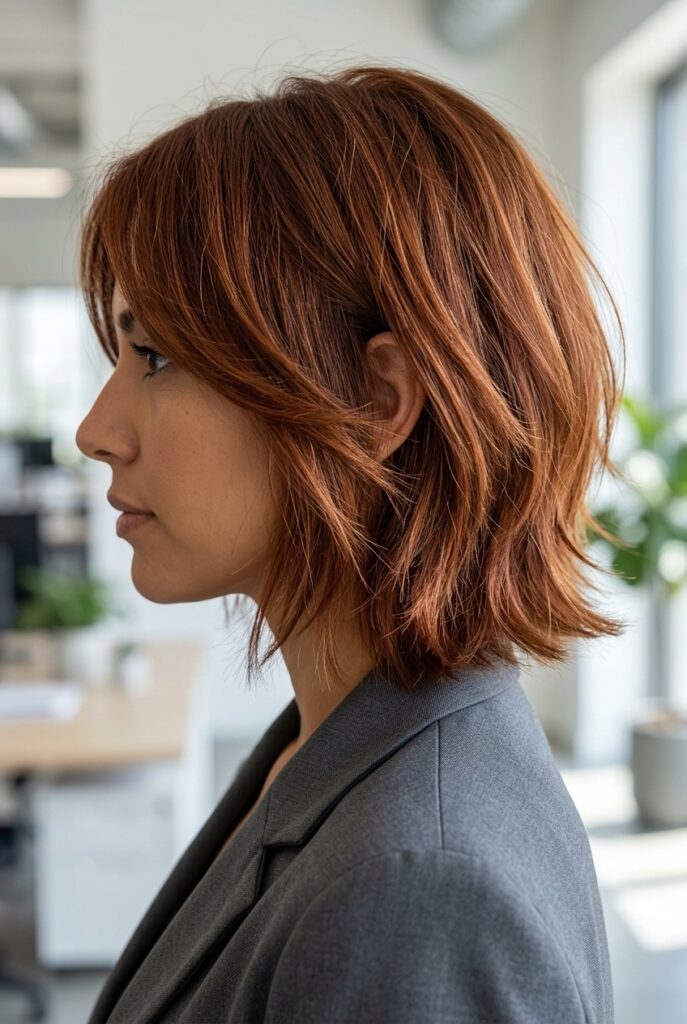
A chin-length shag needs roughly six to eight weeks between trims to hold its shape.
This particular length hits right at the jaw, and stylists feather the ends with a razor or point-cutting technique so the hair tapers rather than ending in a hard line. Feathering removes just enough weight to let each layer curl or flip outward slightly, which reads as movement even on hair that has no natural wave. For women with fine hair, this shorter length is often a smart trade-off: less length means less weight pulling the hair down, so the layers underneath can actually do their job of adding lift. It also tends to sit just above the shoulders, which keeps it from grazing and flattening against clothing throughout the day the way longer bobs sometimes do.
Soft Wolf Bob
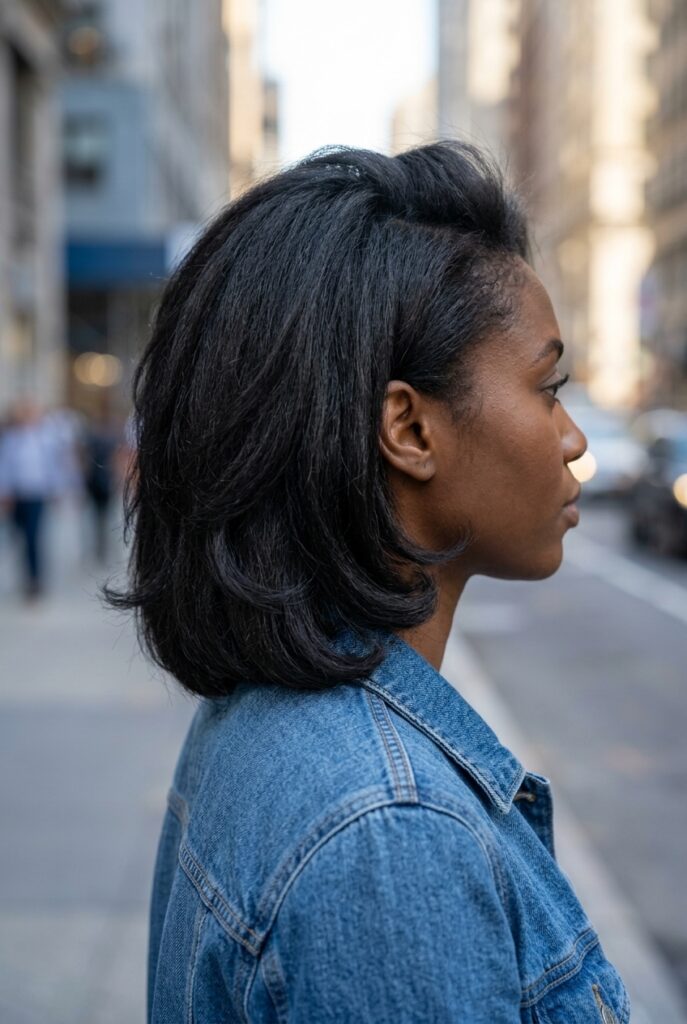
A lot of women assume a wolf cut means heavy, spiky layers that only work on already-thick hair. That assumption keeps plenty of women with fine strands away from a cut that would actually flatter them, since they picture something closer to a punk rock shag than a wearable everyday style.
The soft wolf bob is a gentler version of that original look, with blended layers instead of choppy chunks and volume placed strategically at the crown rather than stacked all over. It reads as modern and a little edgy without stripping away density, which is exactly what fine hair needs. Several stylists now describe this as the easiest entry point into shag territory for anyone nervous about going too dramatic.
Micro Shag Bob
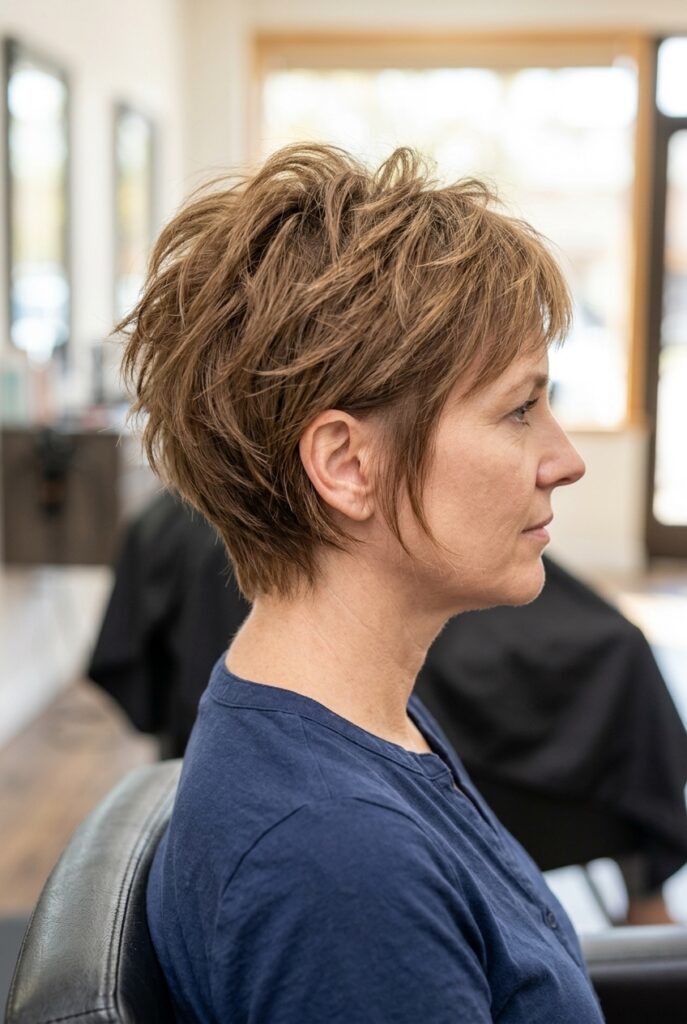
Does a shorter shag actually add more volume than a longer one?
In most cases, yes. A micro shag bob keeps the length short, often just below the ear or at the jaw, with heavy internal layering throughout. Because there’s less hair length to weigh everything down, the layers have room to stand up and create the fullness that fine hair typically struggles to hold. Some stylists estimate this kind of short, heavily layered shag can add a noticeable boost in apparent volume compared to a one-length cut of the same density. The trade-off is that it requires more frequent trims to keep the layering crisp, since shorter cuts show growth faster than longer ones.
French Bob with Flipped Ends

The French bob has picked up a shaggy update this year, moving away from its usually precise, blunt reputation. Rather than one clean line at the bottom, this version adds soft layering and a slight outward flip at the ends, giving it a lived-in quality instead of a severe one.
For fine hair, that flip is doing real work. It creates the illusion of thickness right where a traditional French bob would otherwise look flat and thin, without losing the polished, face-framing shape the cut is known for.
Collarbone-Length Shaggy Bob
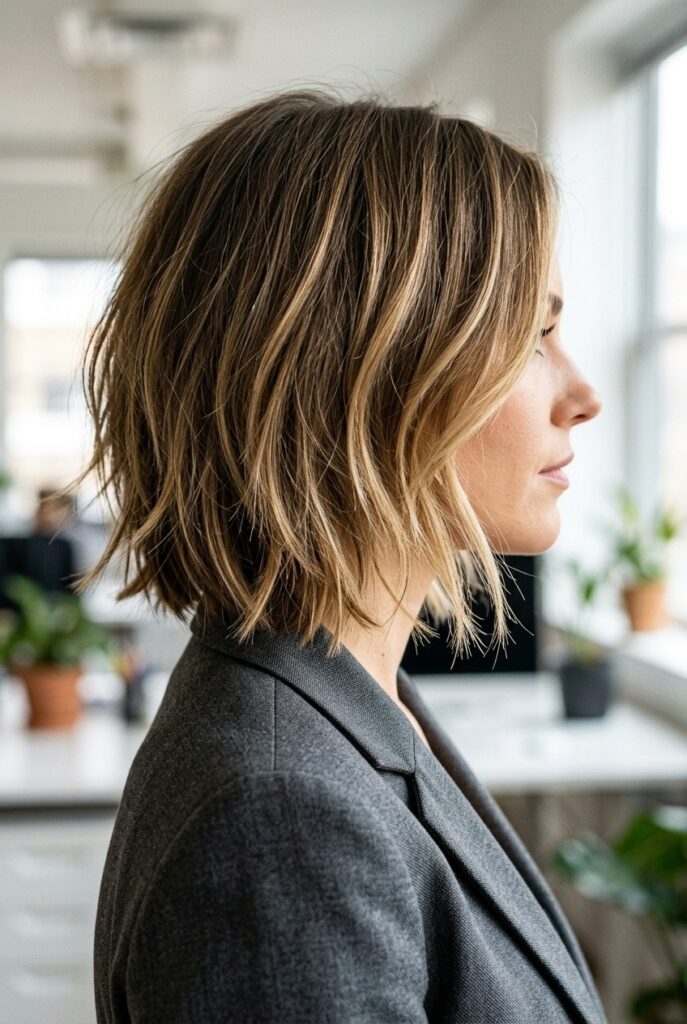
Choosing this length comes down to a few practical considerations that make it especially workable for fine hair.
- It sits long enough to be pulled into a small ponytail on days you want it out of your face.
- It’s short enough that the ends still show visible layering and movement.
- The extra length at collarbone level adds a bit of weight, which can actually help fine, flyaway-prone hair stay put.
- It pairs well with subtle highlights, since the layers catch and show off dimension at different lengths.
This length has become a favorite among women transitioning out of longer hair who aren’t ready to go as short as a chin-length bob. It offers a middle ground: enough layering to look shaggy and full, but enough length to still feel like a meaningful change of style rather than a drastic cut.
Disconnected Layered Shag Bob with Bangs
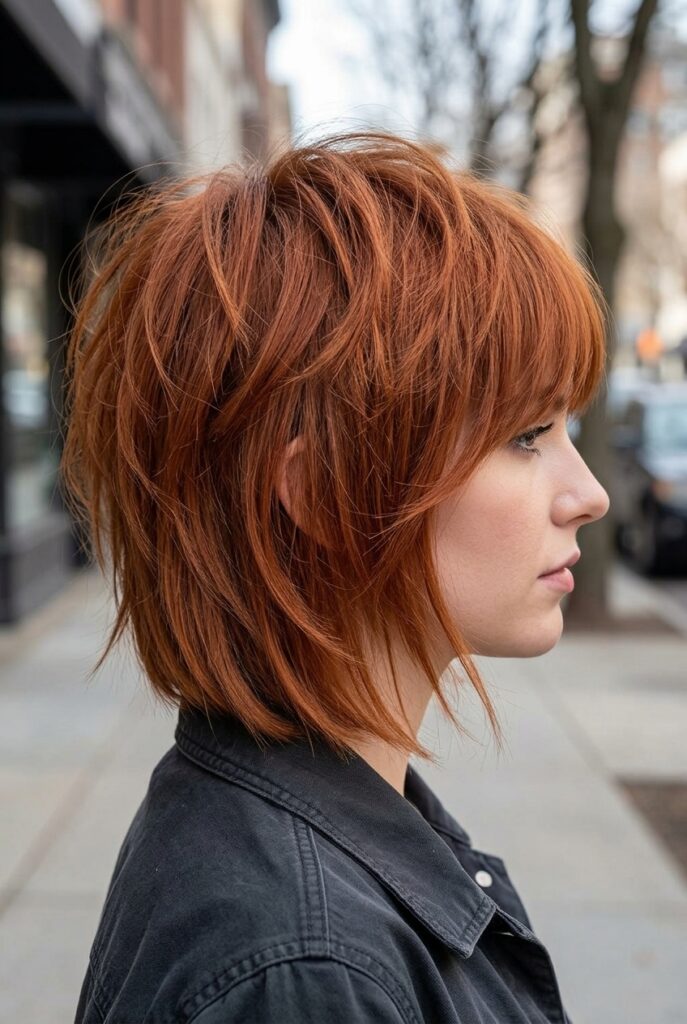
This version separates the top layers from the bottom length on purpose, creating two distinct textures in one haircut.
The crown gets shorter, choppier pieces while the perimeter stays a bit longer and softer, and bangs are cut separately from both.
For fine hair, that disconnection creates visual layers of depth even when the actual hair density hasn’t changed at all.
Choppy Piecey Shag Bob

The choppy piecey shag bob leans into visible texture more than any other version on this list, with razor-cut ends that look almost sun-bleached and undone, and it tends to work best on hair that already has a bit of natural wave or bend to it. Stylists usually finish this cut with a texturizing cream or paste rather than a smoothing product, since the goal is separation and grit rather than shine and polish. It’s a lower-maintenance option in one sense, since a slightly messy finish is part of the design rather than a flaw to fix, but it does mean more frequent trims are needed to keep the choppy ends from growing into a shapeless mess.
Finding Your Fit With Fine Hair
Fine hair isn’t a limitation you have to work around forever, it’s just a texture that responds better to certain cuts than others, and a shaggy bob happens to be one of the most forgiving shapes out there. Whether you go shorter with a micro shag or keep a bit more length with a collarbone cut, the layering is what does the heavy lifting, so lean on your stylist’s advice about where those layers should sit for your particular hair.
Bring a few photos to your next appointment, be honest about how much styling time you’re willing to put in each morning, and trust that a good cut will do more for your volume than another bottle of mousse ever could.
Frequently Asked Questions
Q: Will a shaggy bob make fine hair look thicker without extensions? A: Yes. The layering itself creates the appearance of thickness by breaking up one heavy sheet of hair into pieces that lift and separate, which reads as fuller than a blunt cut of the same density.
Q: How short should I go if my hair is very fine? A: Shorter cuts, like a chin-length or micro shag, tend to work best since there’s less length pulling the hair down and flattening the layers underneath.
Q: How often do I need trims to keep the shag shape? A: Most shaggy bobs need a trim every six to eight weeks, though shorter versions like the micro shag may need to be trimmed closer to every five or six weeks to keep the layering sharp.
Q: Can I get curtain bangs if I already wear my hair parted down the middle? A: Yes, curtain bangs are designed to grow out of a middle part naturally, which makes them one of the easier bang styles to transition into without an awkward growing-out phase.
Q: Does a shag bob work with straight hair, or do I need waves first? A: It works with both. Straight fine hair actually shows off the layering clearly, while a bit of natural wave adds extra texture to choppier versions like the piecey shag.
Q: What styling products help fine hair hold volume longer? A: A lightweight texturizing spray or sea salt spray applied to damp hair before blow-drying tends to help layers separate and hold their shape better than heavier creams or oils.
Q: Is a wolf bob too dramatic for an everyday work environment? A: Not necessarily. A soft wolf bob uses blended layers rather than the choppier, spikier version of the cut, which makes it wearable in most professional settings.
Q: Should the layers be cut close to my scalp for more volume? A: Generally no. Stylists tend to concentrate layering in the mid-lengths and ends, since heavy layering too close to the roots can make fine hair look sparse instead of full.
Q: Which face shapes suit a shaggy lob with curtain bangs best? A: Oval, heart, and round face shapes tend to suit this combination well, since the bangs soften the hairline and the layers add width where it’s needed.

