

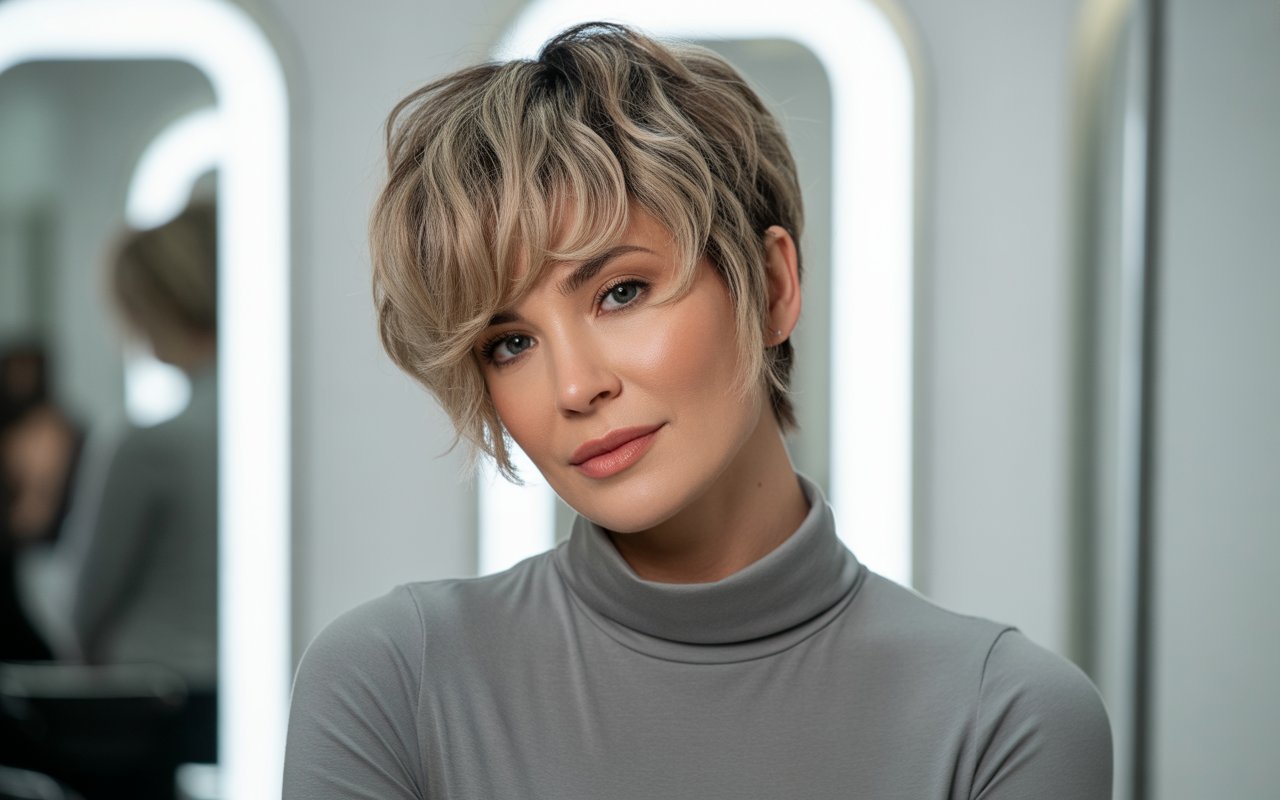
Short butterfly haircuts have become one of the most requested styles at salons across the country. This distinctive cut creates beautiful movement through strategic layering that resembles butterfly wings when styled. The technique involves shorter layers at the crown that gradually lengthen toward the bottom, creating a soft, feathery effect that flatters virtually every face shape.
The popularity of this particular style stems from its incredible versatility and low-maintenance appeal. Unlike other layered cuts that require constant styling to look polished, the butterfly cut works with your hair’s natural texture to create effortless volume and movement. Women who struggle with flat, lifeless hair find this cut particularly transformative, as the layering technique automatically adds body and dimension without requiring hours of styling time each morning.
Ready to discover if this trendy cut could be your next signature style? In the following sections, we’ll walk through everything from understanding what makes the butterfly cut special to finding the perfect variation for your hair type and lifestyle. Whether you’re considering a dramatic change or simply want to refresh your current look, this comprehensive guide will help you make an informed decision about joining the butterfly haircut movement.
What Makes the Short Butterfly Cut Special
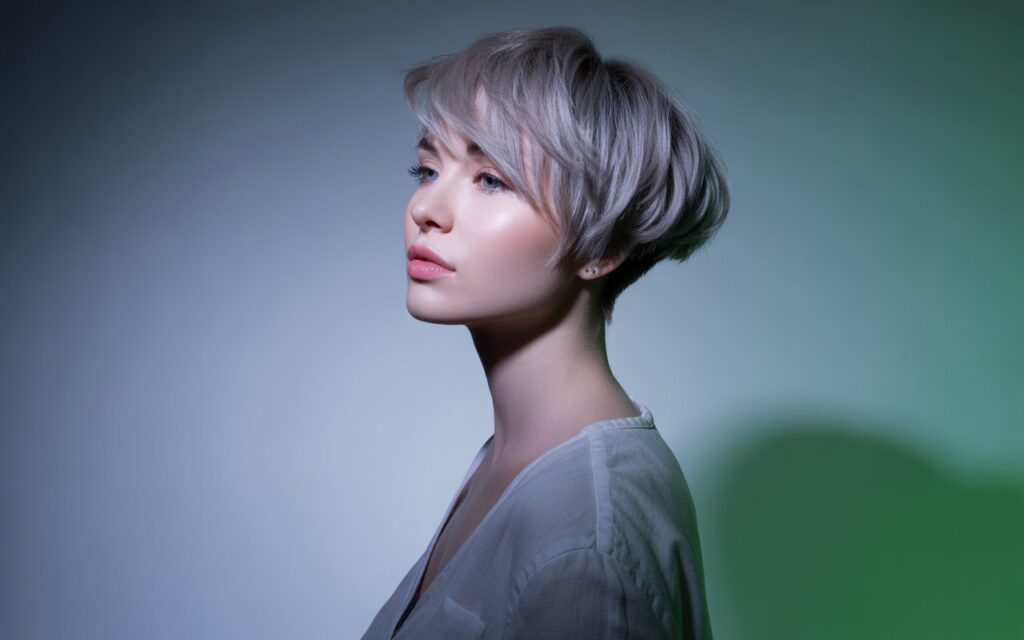
The short butterfly cut stands apart from traditional layered styles through its unique cutting technique that creates maximum movement with minimal effort. Hairstylists achieve this effect by cutting shorter layers throughout the crown area while maintaining longer pieces underneath, resulting in a shape that literally lifts away from the head like wings in motion.
The Signature Layering Technique
Professional stylists use a specific approach when creating this cut that differs significantly from standard layering methods. Rather than creating uniform layers throughout, they focus on building volume at the crown while maintaining weight at the perimeter. This technique involves point-cutting and texturizing to create pieces that move independently, giving the hair natural body without the need for excessive product or heat styling.
The cutting process requires precision and understanding of how different hair textures respond to layering. Fine hair benefits from fewer, more strategic layers to avoid creating too much separation, while thick hair can handle more aggressive layering to reduce bulk and increase movement. Your stylist will assess your hair’s density and texture before determining the exact placement and depth of each layer.
How It Differs from Other Layered Cuts
Unlike a traditional shag or standard layered cut, the butterfly style maintains a softer, more rounded silhouette. Where shag cuts often feature choppy, disconnected layers throughout, this particular style blends layers seamlessly to create a cohesive shape. The result looks polished yet relaxed, professional yet playful.
The key difference lies in the layer distribution. Traditional layered cuts typically follow a more uniform pattern from top to bottom. In contrast, the butterfly technique concentrates shorter layers at the crown and gradually transitions to longer lengths, creating that distinctive winged effect when the hair moves. This approach also means the cut grows out more gracefully than heavily layered alternatives.
Movement and Texture Benefits
One of the most appealing aspects of this cut is how it enhances natural movement in the hair. The strategic layer placement creates space between sections, allowing air to flow through and pieces to move independently. This built-in movement means you can achieve a styled look with minimal effort – often just a quick tousle with your fingers is enough to activate the cut’s natural shape.
For women with naturally straight hair, this cut introduces texture and body that would otherwise require hot tools and volumizing products to achieve. Those with wavy or curly hair find their natural texture enhanced rather than fighting against it, as the layers work with curl patterns to create beautiful, defined movement. The short length also reduces weight, allowing curls and waves to spring up more readily.
Face-Framing Qualities
Perhaps the most flattering aspect of the short butterfly cut is its exceptional face-framing ability. The layers naturally fall around the face in a way that softens angular features while adding structure to rounder face shapes. This adaptability makes it one of the most universally flattering cuts available.
The shorter layers at the crown create height that elongates round faces, while the graduated lengths around the sides can be customized to highlight your best features. Whether you want to accentuate cheekbones, soften a strong jawline, or create the illusion of a more oval face shape, your stylist can adjust the layer placement accordingly. The result is a cut that looks custom-designed for your unique features.
Finding Your Perfect Short Butterfly Style
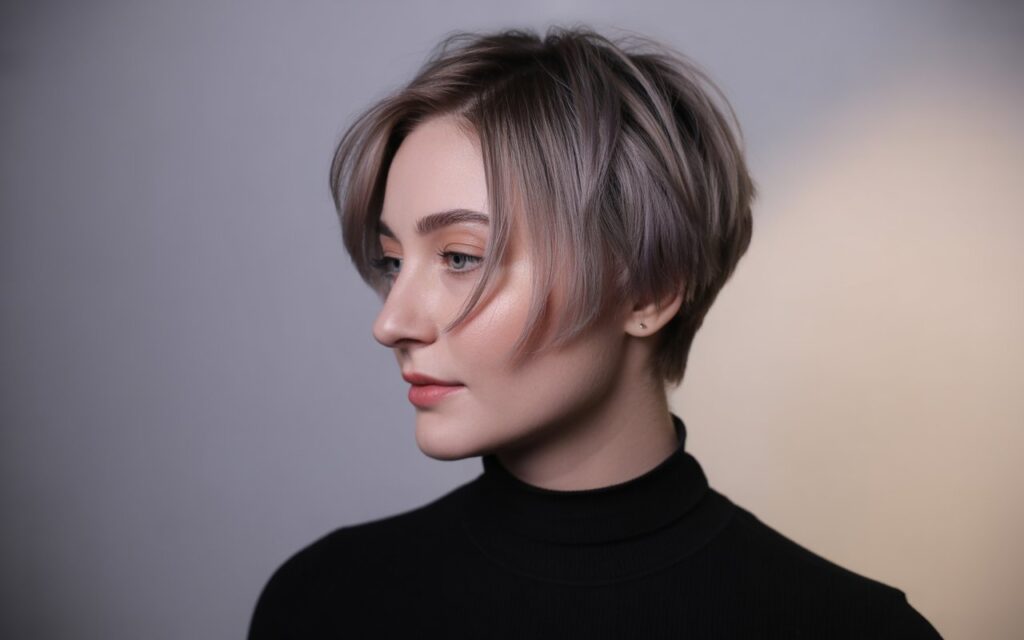
Discovering the ideal butterfly cut variation for your specific needs involves considering multiple factors beyond just face shape. Your hair’s natural texture, density, and growth patterns all play crucial roles in determining which version of this versatile cut will work best for you.
Variations for Different Face Shapes
Round faces benefit from butterfly cuts with extra height at the crown and longer face-framing pieces that create vertical lines. The layers should start slightly below the cheekbones to avoid adding width at the widest part of the face. Keeping some length through the sides while maximizing volume on top creates an elongating effect that balances proportions beautifully.
Square and rectangular face shapes look stunning with softer, more rounded butterfly cuts that include gentle waves or curves around the jawline. The layers should be cut to create movement that softens angular features without completely hiding bone structure. Adding slight asymmetry through the styling can further enhance this softening effect.
For oval faces, almost any butterfly cut variation works well, but focusing on creating balanced volume throughout prevents the style from appearing top-heavy. Heart-shaped faces benefit from versions that add width through the lower portions while keeping the crown area less voluminous to balance a wider forehead.
Texture Considerations
Fine hair requires careful layer placement to maintain fullness without creating stringy ends. Your stylist might recommend fewer layers overall but position them strategically to create maximum lift at the roots. The key is maintaining enough weight to prevent the hair from appearing thin while still achieving that characteristic butterfly movement.
Women with thick hair can handle more aggressive layering throughout the cut. The abundance of hair allows for extensive texturizing and layer work without compromising the overall shape. In fact, removing excess weight through thoughtful layering often reveals natural movement that was previously hidden by the hair’s density. Consider incorporating these texture-specific approaches:
Fine Hair: Focus layers at the crown for lift without sacrificing density
Medium Hair: Balance layers throughout for optimal movement and body
Thick Hair: Use extensive layering to reduce bulk and reveal natural texture
Curly Hair: Work with curl patterns to enhance natural spring and definition
Length Options Within the Short Category
The beauty of this cut lies in its adaptability to various short lengths. A pixie-length butterfly cut creates an edgy, modern look with maximum texture and movement concentrated at the crown. This ultra-short variation works particularly well for women with strong facial features who want a bold, confident style.
Chin-length butterfly cuts offer more versatility in styling while maintaining the ease of short hair. This length allows for both sleek, polished looks and textured, casual styles. The layers can be tucked behind the ears or left to frame the face, providing multiple styling options from a single cut.
Bob-length butterfly cuts bridge the gap between short and medium styles. Hitting anywhere from the jawline to just above the shoulders, this variation provides enough length for various styling techniques while maintaining the low-maintenance appeal of shorter hair. The added length also allows for more dramatic layer graduation, creating that signature winged effect.
Customization Possibilities
Every butterfly cut can be tailored to suit individual preferences and lifestyle needs. Adding face-framing highlights can enhance the layer definition and create additional dimension. Incorporating subtle undercuts or shorter sections at the nape can reduce bulk for those with extremely thick hair while maintaining the overall shape.
Bangs offer another customization option that pairs beautifully with butterfly cuts. Wispy, textured bangs complement the cut’s natural movement, while side-swept versions add sophistication. Even curtain bangs work wonderfully, blending seamlessly with the face-framing layers to create a cohesive, flowing style.
Styling Your Short Butterfly Cut
The true beauty of a well-executed butterfly cut reveals itself in the styling versatility it offers. From wash-and-go casual looks to polished professional styles, this cut adapts to various occasions with minimal effort and time investment.
Daily Styling Techniques
Morning routines become significantly simpler with this cut, as the built-in shape does much of the work for you. Start with damp hair and apply a lightweight volumizing mousse or texture spray from roots to ends. The key is using products that enhance rather than weigh down the natural movement of the layers.
For a quick everyday style, simply scrunch the hair while blow-drying with a diffuser attachment or let it air dry for a more natural texture. The layers will naturally separate and create movement as they dry. Once completely dry, use your fingers to gently separate pieces and shake the roots for added volume. This technique takes less than five minutes but delivers professional-looking results.
Creating a more polished look requires only slightly more effort. Use a round brush while blow-drying, lifting sections at the crown to maximize volume. Focus on smoothing the longer layers while maintaining texture through the shorter pieces. A small amount of smoothing serum applied to the ends prevents frizz without sacrificing movement.
Product Recommendations
Product selection plays a crucial role in achieving optimal results with your butterfly cut. Lightweight formulations work best, as heavy products can weigh down the carefully crafted layers and eliminate the natural lift. Start with a volumizing mousse or root lift spray applied to damp hair, concentrating on the crown area where you want maximum height.
Texturizing products help define and separate the layers, creating that piece-y, lived-in look that makes this cut so appealing. Sea salt sprays work wonderfully for adding grit and enhancing natural texture, while texture powders provide grip and volume at the roots. For those who prefer cream-based products, lightweight styling creams offer control without stiffness.
Finishing products should enhance shine and movement without creating a helmet-like effect. Light-hold hairsprays allow the layers to move naturally while providing enough control to maintain your style throughout the day. For added definition, a small amount of pomade or wax worked through individual pieces creates separation and detail.
Heat Styling Methods
While this cut looks fantastic air-dried, heat styling opens up additional possibilities for variety. A flat iron can create sleek, sophisticated looks by smoothing just the top layer while maintaining texture underneath. This technique works particularly well for professional settings where a more refined appearance is desired.
Curling wands or irons add romantic waves that complement the layered structure beautifully. Focus on curling random sections rather than every piece to maintain a natural, effortless appearance. The varying lengths of the layers create different sized curls that blend together for gorgeous, dimensional texture. Remember to always use heat protectant products before using any hot tools.
Air-Dry Options
Many women choose butterfly cuts specifically for their excellent air-dry potential. The strategic layering creates natural texture and movement without any heat styling required. To maximize your air-dry results, apply products to damp hair and use these techniques to encourage the best possible outcome.
Scrunching remains the most effective method for enhancing natural texture while air-drying. Gently squeeze sections of hair upward toward the scalp, holding for a few seconds before releasing. This encourages wave formation and helps activate any natural curl pattern. For added volume, flip your head upside down periodically during the drying process.
Braiding or twisting sections while damp creates beautiful waves once the hair dries completely. Try different patterns – a single loose braid creates gentle waves, while multiple smaller twists produce more defined texture. The varying lengths in your butterfly cut mean some pieces will fall out of braids naturally, creating an effortlessly undone finish that looks intentionally styled.
Maintenance and Upkeep
Keeping your butterfly cut looking fresh and maintaining its signature shape requires regular attention, but the effort is minimal compared to many other styled cuts. Understanding the maintenance requirements helps you enjoy your new style for months between major appointments.
Trimming Schedule
The frequency of professional trims depends largely on how quickly your hair grows and your tolerance for length change. Most women find that scheduling appointments every 6-8 weeks maintains the ideal shape and prevents the layers from growing out unevenly. This timeline allows you to preserve the cut’s movement and prevent the shorter layers from becoming too long and losing their lift-creating ability.
Fast-growing hair might require visits every 4-5 weeks to maintain the precise shape, particularly if you prefer keeping the length quite short. Slower growth rates might allow you to stretch appointments to 10-12 weeks, though waiting too long can result in a shapeless, overgrown appearance that lacks the characteristic butterfly movement.
Between professional appointments, resist the temptation to trim any pieces yourself. The layered nature of this cut means that even small adjustments can throw off the entire balance. If you notice any particularly bothersome pieces, make note to mention them at your next appointment rather than attempting corrections at home.
At-Home Care Tips
Proper home care extends the life of your cut and keeps it looking salon-fresh between appointments. Invest in quality shampoo and conditioner formulated for your specific hair type – volumizing formulas work well for fine hair, while moisturizing options benefit dry or damaged hair. Avoid heavy, oil-based products that can weigh down the layers.
Weekly deep conditioning treatments maintain hair health without compromising the cut’s texture. Apply treatments primarily to the mid-lengths and ends, avoiding the root area where you want to maintain volume. This targeted approach ensures your hair stays healthy and manageable without becoming flat or greasy at the crown.
Regular scalp massage stimulates circulation and promotes healthy hair growth, which is particularly important when maintaining shorter styles. Use your fingertips to gently massage in circular motions while shampooing, paying special attention to the crown area. This simple addition to your routine can improve hair health and enhance the natural volume your butterfly cut provides.
Color Considerations
Hair color can dramatically enhance or detract from your butterfly cut’s impact. Solid colors showcase the movement and texture created by the layers, while strategic highlighting adds dimension and emphasizes the cut’s shape. Many stylists recommend subtle highlights through the top layers to accentuate the lift and movement.
If you color your hair regularly, factor this into your maintenance schedule. Root touch-ups might be needed more frequently with shorter styles, as growth is more noticeable near the scalp. Consider these color maintenance tips:
Root Touch-Ups: Schedule every 4-6 weeks to maintain seamless color
Highlighting: Refresh every 8-12 weeks to maintain dimension
Toning: Use purple shampoo weekly for blonde tones
Color Protection: Always use heat protectant to prevent fading
Balayage or babylights work exceptionally well with butterfly cuts, as the hand-painted color placement can be customized to enhance specific layers. This creates beautiful dimension that moves with the hair, making the cut appear even more dynamic and multifaceted.
Preserving the Shape
Daily habits significantly impact how well your cut maintains its shape between appointments. Sleeping on a silk or satin pillowcase reduces friction that can cause frizz and disturb the layer placement. If you prefer cotton pillowcases, consider wrapping your hair in a silk scarf before bed to achieve similar protective benefits.
Avoid constantly tucking hair behind your ears or pulling it back tightly, as this can train the layers to fall unnaturally and compromise the cut’s intended shape. When you do need to secure your hair, use soft fabric hair ties and avoid pulling too tightly. The goal is maintaining the natural fall of the layers while still having styling flexibility.
Regular brushing with the appropriate tools helps maintain the cut’s shape while preventing tangles. Use a wide-tooth comb on wet hair to prevent breakage, then switch to a paddle brush or round brush for styling. Avoid over-brushing, which can separate the layers too much and create a frizzy appearance rather than the desired piece-y texture.
Is the Short Butterfly Cut Right for You?
Making the decision to commit to a short butterfly cut involves considering various aspects of your lifestyle, hair type, and personal preferences. This comprehensive assessment helps ensure you’ll love your new style for months to come.
Lifestyle Considerations
Your daily routine plays a significant role in determining whether this cut suits your needs. Women with busy schedules often find this style ideal because of its minimal styling requirements. The cut’s inherent shape means you can literally wash, apply product, and go – perfect for those rushed mornings or gym-to-office transitions.
Consider your typical week and how much time you realistically have for hair styling. If you currently spend 30-45 minutes on elaborate styling routines, this cut could give you back valuable morning time. However, if you enjoy the ritual of detailed styling and frequently change your look, you might find the butterfly cut’s wash-and-wear nature limiting.
Professional requirements also factor into the decision. While this cut can appear polished and professional with minimal styling, some conservative work environments might prefer longer, more traditional styles. The good news is that the butterfly cut’s versatility allows for both edgy and elegant styling, making it adaptable to various professional settings.
Hair Texture Assessment
Understanding your hair’s natural characteristics helps predict how successfully this cut will work for you. Straight hair benefits enormously from the added texture and movement, transforming flat, lifeless strands into a dynamic, volumized style. The layers create the illusion of thickness and body that straight hair often lacks naturally.
Wavy hair finds its perfect match in the butterfly cut, as the layers enhance natural wave patterns without creating frizz or requiring extensive styling. The weight removal allows waves to form more readily, while the strategic layer placement prevents the triangle-shaped silhouette that sometimes plagues wavy-haired women with poorly executed cuts.
Those with curly or coily hair should work with stylists experienced in cutting textured hair. When properly executed, the butterfly cut can beautifully showcase natural curl patterns while reducing bulk and encouraging definition. The key lies in customizing the layer placement to work with, rather than against, your specific curl pattern.
Professional Requirements
Before committing to any dramatic hair change, consider how it aligns with your career demands. Creative fields often celebrate bold, fashion-forward choices, making the butterfly cut an excellent option for expressing personal style. More traditional industries might require a conservative approach to the cut’s styling.
If you frequently attend formal events or professional presentations, practice creating polished looks with styling tools before fully committing to the cut. Many women discover they can achieve elegant updos and sophisticated styles despite the shorter length, but it’s worth experimenting first. Your stylist can demonstrate various professional styling options during your consultation.
Travel frequency also impacts maintenance feasibility. If you’re constantly on the road, the low-maintenance nature of this cut becomes a significant advantage. The ability to look polished with minimal products and tools makes it ideal for frequent travelers who can’t pack extensive styling equipment.
Commitment Level
Transitioning to a short butterfly cut from longer hair requires emotional readiness for a significant change. While hair grows back, the immediate transformation can feel shocking if you’re unprepared. Consider starting with a longer butterfly cut and gradually going shorter if you’re unsure about committing to a dramatic length change.
The grow-out process for butterfly cuts is generally more forgiving than other short styles because the layered structure continues to look intentional as it lengthens. Unlike blunt cuts that develop an awkward in-between phase, this style transitions relatively smoothly into longer lengths. Planning for this evolution helps you feel confident in your decision.
Remember that maintaining this cut requires regular salon visits to preserve its shape and movement. If you typically go months between haircuts, adjusting to a more frequent trimming schedule might feel demanding initially. However, many women find that the reduced daily styling time more than compensates for increased salon visits. Factor both time and financial commitments into your decision-making process.
Mastering Your Butterfly Transformation
The short butterfly cut represents more than just a hairstyle – it’s a lifestyle choice that prioritizes both beauty and practicality. This revolutionary cutting technique has transformed how women approach short hair, proving that dramatic style and easy maintenance can coexist beautifully. The strategic layering creates natural volume and movement that would typically require extensive styling effort, giving you salon-worthy hair every day with minimal time investment.
Finding the perfect butterfly cut starts with honest assessment of your hair texture, lifestyle needs, and maintenance preferences. Working with an experienced stylist who understands the nuances of this technique ensures you’ll receive a customized version that enhances your best features while working with your natural hair characteristics. Whether you choose a pixie-length variation or a longer bob-style interpretation, the key lies in trusting the process and communicating clearly with your stylist about your expectations and daily routine.
Frequently Asked Questions
Q: How much does a short butterfly haircut typically cost?
A: Professional butterfly cuts generally range from $75-$200 depending on your location, salon reputation, and stylist experience. This specialized technique often costs more than basic cuts due to the precision required in creating the layered shape.
Q: Can I achieve a butterfly cut look with naturally thin hair?
A: Yes, thin hair actually benefits greatly from butterfly cuts. The strategic layering creates an illusion of fullness and volume. Your stylist will adjust the technique to preserve density while maximizing lift and movement.
Q: How do I explain what I want to my hairstylist?
A: Bring multiple reference photos showing different angles of butterfly cuts you like. Explain that you want shorter layers at the crown that gradually lengthen, creating a feathered, wing-like effect with lots of movement and texture.
Q: Will a butterfly cut work with my natural gray hair?
A: Absolutely! Gray hair often has fantastic texture that’s perfectly suited to butterfly cuts. The layers showcase the natural shine and movement of gray hair beautifully, creating a modern, sophisticated look.
Q: How long does it take to style a butterfly cut in the morning?
A: Most women spend 5-10 minutes on daily styling. The cut’s built-in shape means you can often just apply product to damp hair and either air dry or quickly blow dry with a diffuser for instant style.
Q: Can I still wear hair accessories with a short butterfly cut?
A: Yes, headbands, decorative clips, and small barrettes work wonderfully with butterfly cuts. The layers create interesting texture that makes simple accessories look more dynamic and stylish.
Q: What’s the biggest mistake people make with butterfly cut maintenance?
A: Waiting too long between trims is the most common error. The cut loses its characteristic shape and movement when layers grow out too much. Regular 6-8 week appointments maintain the style’s integrity.
Q: Is the butterfly cut suitable for women over 50?
A: The butterfly cut is age-inclusive and particularly flattering for mature women. The volume at the crown and face-framing layers create a youthful, lifted appearance that many women over 50 find rejuvenating.

