

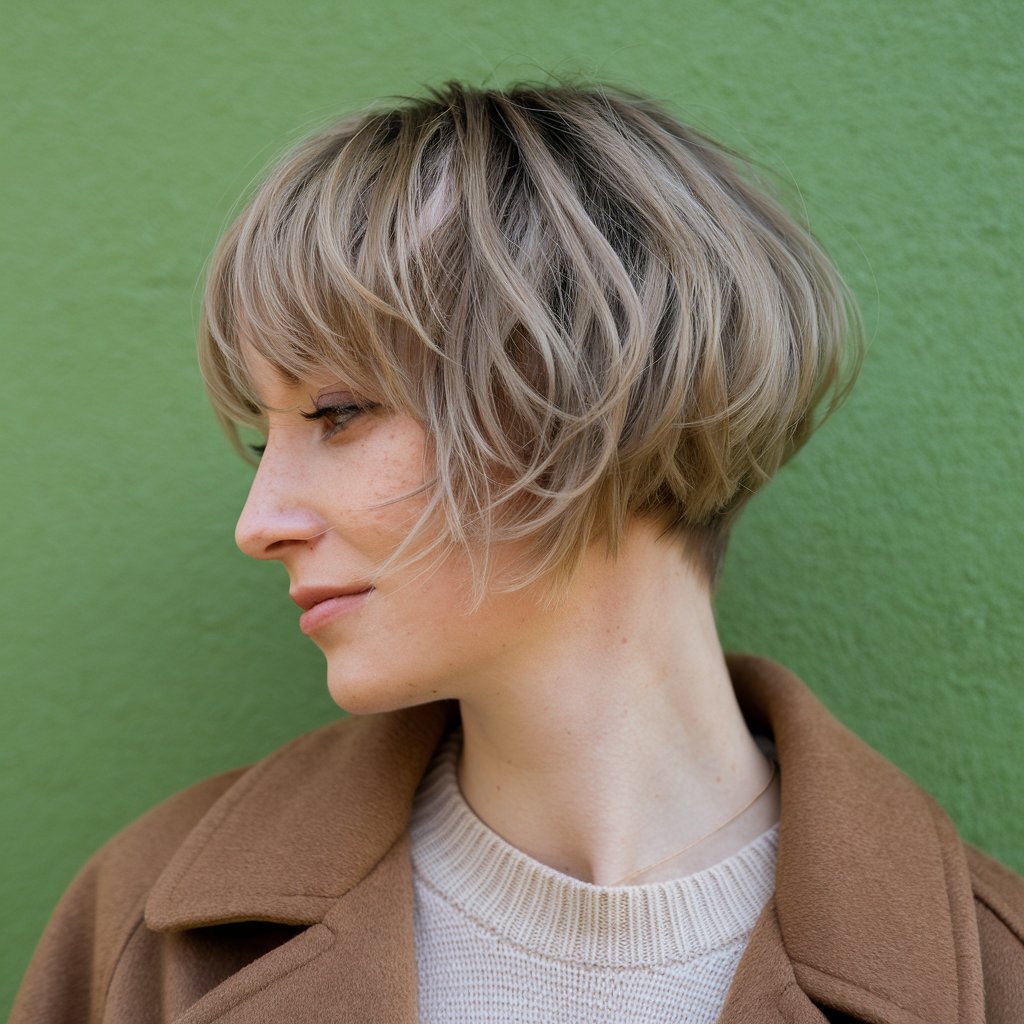
The shaggy bob has become one of the most requested haircuts in salons across the country, and for good reason. This versatile style combines the classic sophistication of a bob with modern texture and movement, creating a look that feels both polished and effortlessly cool. Women everywhere are discovering how this cut can transform their daily styling routine while giving them a fresh, contemporary appearance that works for virtually any lifestyle.
Unlike traditional bobs that often require precise styling and maintenance, the shaggy variation offers freedom and flexibility. The intentionally imperfect layers create natural volume and texture, making it an ideal choice for those who prefer a more relaxed approach to their hair. Whether you have fine hair that needs body or thick hair that requires some weight removal, this adaptable cut can be customized to suit your specific needs and preferences.
The following sections will guide you through everything you need to know about this popular haircut. From understanding what defines a shaggy bob to finding the perfect variation for your face shape, styling techniques, maintenance tips, and the latest trends, you’ll discover why this modern take on a classic has captured the attention of women seeking a stylish yet manageable look. Let’s explore how this versatile cut might just be the hair transformation you’ve been looking for.
What Makes a Bob Haircut “Shaggy”
A shaggy bob stands apart from its more polished cousins through its distinctive layering technique and purposefully tousled finish. Rather than the sharp, precise lines of a traditional bob, this style features multiple layers cut at various lengths throughout the hair, creating movement and dimension that gives the cut its characteristic lived-in appearance.
Textured layers and movement
The foundation of any great shaggy bob lies in its layering system. Stylists use specialized cutting techniques to create varying lengths throughout the hair, with shorter pieces mixed among longer sections. This approach produces natural movement that allows the hair to fall in different directions, creating that coveted undone texture. The layers typically start from the crown and work their way down, with each section carefully planned to enhance the hair’s natural movement patterns.
Point cutting and razor techniques play crucial roles in achieving the right texture. These methods remove weight from the hair while creating soft, feathered ends that move freely. The result is hair that looks naturally piece-y without requiring extensive styling efforts. This texturizing approach works particularly well for creating volume in fine hair and reducing bulk in thicker textures.
The difference from classic bobs
Traditional bobs focus on clean lines and uniform length, often featuring blunt cuts that create a sleek, geometric shape. The classic version typically sits at one length, with minimal layering if any, and requires regular styling to maintain its polished appearance. Women with traditional bobs often spend time with flat irons or round brushes to achieve that smooth, finished look.
In contrast, the shaggy version celebrates imperfection and natural texture. Where a classic bob might have a defined perimeter line, the shaggy style features uneven, textured ends that create a softer silhouette. This relaxed approach means less time spent perfecting your style each morning, as the cut is designed to look great even when slightly messy or air-dried.
Key characteristics to look for
Several defining features distinguish a true shaggy bob from other textured cuts. First, the length typically falls somewhere between the chin and shoulders, though variations exist. The layers should appear random rather than uniform, creating an organic flow throughout the hair. You’ll notice shorter pieces around the crown that gradually blend into longer sections near the perimeter.
The overall shape maintains some of the bob’s classic structure while incorporating elements of movement and texture. Look for:
Choppy ends: Rather than a straight line across the bottom, ends should appear slightly uneven and textured
Internal layers: Multiple lengths throughout create dimension and prevent the flat appearance
Face-framing pieces: Shorter sections around the face add softness and highlight features
Natural volume: The cut should create body without requiring teasing or excessive product use
How stylists create the shaggy effect
Professional stylists employ various techniques to achieve the perfect shaggy texture. The process typically begins with establishing the base length, then working through sections to add layers and remove weight. Many stylists prefer cutting the hair dry or partially dry, as this allows them to see exactly how each piece will fall naturally.
Texturizing shears become essential tools in creating the shaggy effect. These specialized scissors remove bulk while adding movement, helping to achieve that piece-y texture without creating harsh lines. Some stylists also incorporate razor cutting for softer edges, though this technique requires skill to avoid creating frizz or damage.
The cutting angle plays a significant role in the final result. By holding sections at various angles while cutting, stylists can create layers that blend seamlessly while maintaining the overall shape. Vertical cutting techniques help create separation between pieces, while horizontal cuts establish the basic length and structure.
Customization remains key throughout the process. A skilled stylist will consider your hair’s natural texture, density, and growth patterns when creating your shaggy bob. Fine hair might require more strategic layering to create volume, while thick hair benefits from increased texturizing to reduce bulk and enhance movement. The goal is always to work with your hair’s natural tendencies rather than against them, creating a style that looks effortless because it truly is easy to maintain.
Finding the Right Shaggy Bob for Your Face Shape
Selecting the perfect shaggy bob variation involves more than choosing a photo from a magazine. Your face shape plays a crucial role in determining which version will flatter you most. Understanding how different cuts interact with various facial structures helps ensure your new style enhances your best features while creating the balanced look you desire.
Round face considerations
Women with round faces often worry about shorter haircuts making their faces appear fuller. However, the right shaggy bob can actually create the illusion of length and definition. The key lies in strategic layering and length placement that draws the eye vertically rather than horizontally.
For round faces, stylists typically recommend keeping the length slightly longer, ideally hitting just below the jawline or at the collarbone. This elongates the face while the textured layers add vertical movement. Avoiding excessive volume at the widest part of your face prevents emphasizing roundness. Instead, focus on creating height at the crown through shorter layers that lift away from the scalp.
Asymmetrical elements work particularly well for round faces. Consider asking for one side slightly longer than the other, or incorporate side-swept layers that create diagonal lines across the face. These angular elements counterbalance natural curves. The shaggy texture itself helps by creating shadows and dimension that define facial features rather than allowing them to blend together.
Oval face options
Lucky oval-faced women have the most flexibility with their shaggy bob choices. This balanced face shape works well with virtually any variation, from ultra-short to shoulder-grazing lengths. The natural proportions mean you can experiment freely without worrying about creating imbalance.
Since oval faces don’t require correction, focus on choosing a style that suits your personality and lifestyle. A chin-length shaggy bob with heavy texture creates an edgy, modern look. Alternatively, a longer version with subtle layers offers versatility for both casual and professional settings. The key advantage is that you can prioritize texture and movement over strategic shaping.
Consider your hair texture when selecting your ideal length. Fine hair often benefits from shorter variations that maximize the appearance of fullness, while thicker textures can handle longer lengths without appearing too heavy. Oval faces also suit bold choices like micro bangs or dramatic side parts that might overwhelm other face shapes.
Square face styling tips
Square faces feature strong jawlines and balanced proportions that benefit from softening elements. The shaggy bob’s inherent texture and movement provide natural softness, but certain variations work better than others for complementing angular features.
Length becomes particularly important for square faces. Aim for a cut that hits anywhere from mid-neck to just past the shoulders. This placement helps elongate the face while the layers soften the jawline. Avoid lengths that end exactly at the jaw, as this can emphasize width. Instead, create graduation that flows past this point.
Incorporate plenty of movement around the face through varied layer lengths. Wispy, textured pieces that fall onto the cheeks help soften angular features. Consider adding subtle waves or curls to enhance this effect – the irregular texture of a shaggy cut makes this easier to achieve and maintain than with a traditional bob.
Heart-shaped face approaches
Heart-shaped faces, characterized by wider foreheads and narrower chins, benefit from shaggy bobs that add width at the bottom while minimizing volume at the top. This creates balance and prevents the face from appearing too triangular.
The ideal length for heart-shaped faces typically falls between the chin and shoulders. This placement adds visual weight to the lower portion of the face. Layers should concentrate on the bottom half of the cut, creating fullness that balances a narrower chin. Avoid excessive layering at the crown, which could emphasize forehead width.
Side parts work exceptionally well for heart-shaped faces, especially when combined with side-swept layers that partially cover the forehead. This reduces the appearance of width at the top while maintaining the flattering lower fullness. The naturally tousled texture of a shaggy bob helps create this balanced silhouette without requiring precise daily styling.
Long face solutions
Long faces require strategic horizontal elements to create the illusion of width. The shaggy bob offers several solutions through its versatile layering options and ability to create volume in specific areas.
Shorter lengths generally work best for long faces, with the sweet spot falling between the chin and mid-neck. This prevents further elongation while the textured layers add width. Focus on creating volume at the sides rather than the top – your stylist can achieve this through strategic layer placement and cutting techniques.
Consider incorporating bangs into your shaggy bob if you have a long face. Whether you choose wispy, textured bangs or a fuller fringe, this element breaks up facial length while adding a stylish focal point. Side-swept bangs that blend into face-framing layers work particularly well with the shaggy aesthetic.
The key for all face shapes lies in customization. A skilled stylist will adjust the basic shaggy bob template to enhance your unique features. Don’t hesitate to discuss your concerns and preferences during the consultation. Bringing photos helps, but remember that the same cut can look different on various face shapes. Trust your stylist’s expertise in adapting the style to flatter your individual bone structure while maintaining the effortless appeal that makes the shaggy bob so desirable.
Styling Techniques for Your Shaggy Bob
The beauty of a shaggy bob lies in its versatility and low-maintenance nature. While the cut itself does much of the work, knowing the right styling techniques can help you achieve different looks and make the most of your textured layers. From everyday routines to special occasion styling, mastering a few key methods will keep your hair looking fresh and modern.
Daily styling routine basics
Your morning routine with a shaggy bob should feel effortless, not like a chore. Start with damp hair – not soaking wet, but towel-dried to remove excess moisture. This provides the perfect foundation for styling products to work effectively without weighing down your layers.
Apply a lightweight texturizing product from mid-length to ends, avoiding the roots unless you have particularly fine hair that needs extra lift. Work the product through with your fingers, scrunching gently to encourage natural texture. The scrunching motion activates the layers and helps create that piece-y separation that defines a great shaggy style.
For daily wear, many women find that simply allowing their shaggy bob to air dry produces the best results. The cut’s built-in texture means you don’t need perfect smoothness or precise placement. If you’re short on time, use a diffuser on low heat to speed up drying while maintaining texture. Cup sections of hair in the diffuser and lift toward your scalp, holding for a few seconds before moving to the next section.
Finishing touches make all the difference in your daily look. Once hair is completely dry, use your fingers to separate and define individual pieces. A tiny amount of pomade or wax warmed between your palms can help create definition without stiffness. Focus on the ends and any pieces around your face that need extra attention.
Products that enhance texture
The right products can transform a good shaggy bob into a great one. Your product arsenal should focus on enhancing texture while maintaining movement and avoiding heaviness. Understanding which formulations work best for your hair type helps streamline your routine.
Sea salt sprays have become staples for shaggy bob styling. These products create natural-looking texture and slight hold without stiffness. Spray onto damp hair before styling, concentrating on mid-lengths and ends. The salt helps create grip between hair strands, enhancing the piece-y texture that makes this cut special.
Texturizing creams offer more control than sprays while still maintaining softness. Look for lightweight formulas that won’t weigh down your layers. These products work particularly well for adding definition to specific sections or controlling frizz in humid weather. Apply sparingly – a little goes a long way with textured cuts.
For second-day styling or quick refreshes, dry texture sprays provide instant volume and grip. These products absorb oil at the roots while adding grit to lengths, making them perfect for extending your style between washes. Spray at the roots for lift, then work through lengths with your fingers to revive texture.
Heat styling methods
While shaggy bobs look great air-dried, sometimes you want a more polished finish. Heat styling can enhance your cut’s shape while maintaining its characteristic texture. The key is using heat tools strategically rather than trying to create perfection.
A diffuser attachment on your blow dryer preserves natural texture while speeding up drying time. Set your dryer to medium heat and low speed to prevent frizz. Work in sections, cupping hair in the diffuser and holding near your scalp. This technique encourages natural wave patterns while maintaining volume at the roots.
For a more refined look, try the twist-and-dry method. Divide damp hair into small sections, twist each section loosely, then blow dry with a concentrator nozzle. This creates soft bends and enhances texture without the uniformity of curling iron waves. Once dry, gently separate the twists with your fingers for a naturally tousled finish.
Flat irons can add polish when needed. Here’s how to use them effectively:
Temperature settings: Keep heat moderate (300-350°F) to prevent damage
Technique: Don’t clamp too tightly – gentle pressure maintains texture
Direction: Alternate directions when straightening sections for movement
Finishing: Bend ends slightly under or flip out for variety
Air-dry techniques for natural texture
Many women choose shaggy bobs specifically because they air-dry beautifully. Maximizing this natural drying method saves time while showcasing your cut’s inherent texture. The right approach depends on your hair’s natural patterns and desired final look.
Start by applying products to damp hair as described earlier. Then, use the scrunch method throughout the drying process. Every 15-20 minutes, gently scrunch sections of hair upward to encourage wave formation and prevent flatness. This periodic attention helps maintain volume and enhances natural movement.
The twist method works well for creating more defined texture. Take small sections of damp hair and twist them loosely, securing with small clips if needed. Allow hair to dry completely before releasing the twists. This creates soft waves and bends that complement the shaggy layers.
For maximum volume while air-drying, flip your head upside down periodically. This prevents roots from drying flat against your scalp. You can also use root-lifting clips at the crown while drying for extra height. Remove clips once hair is about 80% dry to avoid creating dents.
Quick refresh tips between washes
Shaggy bobs often look better on day two or three, when natural oils add texture and grip. However, sometimes you need a quick refresh to revive your style. These techniques help maintain your look between washes without starting from scratch.
Dry shampoo becomes your best friend with textured cuts. Apply it before bed on wash day to prevent oil buildup, or use it in the morning to refresh roots. Focus application on the scalp, then massage thoroughly to distribute product and create volume. The powder adds grip that enhances texture throughout your lengths.
For refreshing texture in lengths and ends, try the water bottle method. Lightly mist sections that have lost their shape, then scrunch to reactivate products and reform texture. This works particularly well for reviving waves or curls that have fallen flat overnight.
Sometimes all you need is strategic restyling of certain sections. Use a small flat iron or curling wand to touch up pieces around your face or any sections that look lifeless. Working with just a few pieces rather than restyling entirely maintains the effortless appearance while improving the overall look.
Creating variety in your shaggy bob doesn’t require complicated techniques or numerous products. Focus on working with your hair’s natural tendencies while using simple methods to enhance what your cut already provides. Whether you prefer a perfectly imperfect air-dried look or occasionally want more polish, these styling approaches help you make the most of your textured layers while maintaining the effortless appeal that makes this haircut so appealing to modern women.
Maintenance Tips to Keep Your Cut Looking Fresh
A well-maintained shaggy bob continues looking effortless for weeks after leaving the salon. Understanding proper care techniques helps preserve the cut’s shape while keeping the texture looking intentional rather than overgrown. Regular maintenance goes beyond simply booking appointments – it involves daily care choices that support your style’s longevity.
How often to trim
The trimming schedule for a shaggy bob differs from traditional cuts because the style’s inherent texture disguises growth more effectively. Most women find that scheduling appointments every 8-10 weeks maintains the ideal shape without losing the relaxed appearance that makes this cut special.
Your hair’s growth rate and texture influence optimal timing between cuts. Fine hair tends to lose shape faster, potentially requiring trims every 6-8 weeks to maintain structure. Thicker textures can often stretch appointments to 10-12 weeks since the weight helps maintain the overall silhouette longer.
Pay attention to specific signs that indicate trim time has arrived. When shorter layers near the crown start blending completely with longer sections, you’ve lost the crucial dimension that defines this cut. Similarly, if the ends begin looking stringy rather than piece-y, or if styling takes significantly longer than usual, book that appointment.
Between professional trims, resist the temptation to “fix” things yourself. The layered nature of a shaggy bob means DIY trimming usually creates more problems than it solves. Even seemingly simple bang trims can throw off the entire balance if not done correctly.
At-home care between salon visits
Daily maintenance habits significantly impact how long your shaggy bob looks fresh. Proper washing techniques preserve the cut’s texture while preventing damage that leads to premature shape loss. Start by choosing the right shampoo frequency – many women with textured cuts find washing every 2-3 days maintains the perfect balance of cleanliness and natural texture.
When washing, focus shampoo application on the scalp rather than lengths. The shorter layers of a shaggy bob mean products distribute more easily, so you need less than with longer styles. Gentle massaging at the roots lifts dirt and oil without roughing up the cuticle, which could create unwanted frizz in your carefully crafted layers.
Conditioning requires strategic application to avoid weighing down layers. Apply conditioner from mid-length to ends, completely avoiding the root area. This maintains volume at the crown while keeping ends healthy and defined. For weekly deep conditioning, use a lightweight mask that won’t leave residue in your textured layers.
Sleeping positions affect how your shaggy bob looks each morning. Using a silk or satin pillowcase reduces friction that can create tangles and frizz. Some women find that loosely securing the top section with a soft scrunchie prevents the crown from flattening overnight while maintaining the natural texture below.
Color considerations for shaggy styles
Color treatment adds another dimension to your maintenance routine. The textured nature of shaggy bobs actually makes them ideal for various coloring techniques, as the layers create natural movement that enhances dimensional color. However, maintaining colored hair requires adjusted care routines.
If you color your hair, extend time between appointments by choosing techniques that grow out gracefully. Balayage and highlights work particularly well with shaggy cuts since the hand-painted placement follows the natural movement of layers. Root shadows or smudging techniques help disguise growth, potentially adding 2-3 weeks between color appointments.
Color-treated shaggy bobs benefit from specialized care products. Purple shampoos help blonde tones stay bright, while color-depositing conditioners refresh tones between salon visits. Apply these products strategically – the varied lengths in your cut mean some sections may need more attention than others.
Heat protection becomes even more crucial with colored hair. Since textured styles often require some heat styling, always apply thermal protection before using any hot tools. Look for products that offer both heat protection and color preservation benefits.
Dealing with grow-out phases
Every haircut experiences awkward growth stages, but shaggy bobs handle these transitions better than most styles. The built-in texture and varied lengths mean growth appears more intentional than with precise cuts. Still, knowing how to navigate these phases helps maintain your confidence.
Around week 4-5, you might notice the shape beginning to change. This is normal and doesn’t necessarily require immediate trimming. Instead, adjust your styling techniques to work with the new length. Adding more texture product or changing your drying method can refresh the look without cutting.
When layers start growing out, create temporary fixes through styling:
Root lift: Use volumizing products more liberally to compensate for lost shape at the crown
Texture enhancement: Increase use of salt sprays or texturizing products to maintain piece-y definition
Strategic accessories: Headbands or clips can control sections that feel too long while adding style
Partial styling: Focus heat styling on face-framing pieces while leaving the rest natural
Some women discover they prefer their shaggy bob at certain growth stages. Track how your cut looks at different weeks post-trim to identify your favorite length. Share this information with your stylist to customize future appointments.
The transition between different lengths offers opportunities to experiment. As your shaggy bob grows, you might discover you prefer a longer variation. Conversely, you might decide to go shorter. The versatile nature of this cut means gradual transitions feel natural rather than jarring.
Regular communication with your stylist ensures successful maintenance. During each appointment, discuss what worked and what challenged you since the last visit. This feedback helps them adjust the cut to better suit your lifestyle and maintenance preferences. Maybe certain layers need different placement, or perhaps the overall length needs tweaking.
Professional treatments can extend the life of your cut between trims. Glossing services add shine and smooth the cuticle, making textured layers appear more defined. Keratin express treatments (the shorter versions) can reduce frizz without eliminating the texture you want to maintain.
Remember that maintenance is about preserving what you love about your cut while adapting to natural changes. The forgiving nature of a shaggy bob means you have flexibility in your maintenance routine. Find the balance between professional care and at-home maintenance that keeps you feeling confident and stylish throughout your cut’s lifecycle.
Modern Variations and Trending Styles This Year

The shaggy bob continues evolving with fresh interpretations that reflect current fashion and lifestyle trends. This year’s variations range from ultra-short statement cuts to longer, more versatile options, each offering its own take on textured, effortless style. Understanding these trending variations helps you choose a version that feels both current and personally suited to your aesthetic.
The micro shaggy bob
The boldest trend this year takes the shaggy bob to new shortened heights. This daring variation typically sits above the jawline, sometimes grazing just below the ears. Despite its minimal length, the micro version maintains all the textured, piece-y characteristics that define a shaggy cut.
This ultra-short interpretation works exceptionally well for women ready to make a statement. The reduced length actually emphasizes the textured layers, creating maximum impact with minimal hair. Stylists achieve this look through aggressive texturizing and careful layer placement that prevents the cut from appearing too severe or helmet-like.
The micro variation particularly suits women with fine to medium hair density. The shorter length creates an illusion of fullness while the textured layers add crucial movement. Strong facial features also pair beautifully with this bold cut, as the minimal hair draws attention directly to the face.
Styling the micro shaggy bob requires minimal effort but the right products. A small amount of texture paste or pomade defines pieces without overwhelming the limited length. Many women discover this length air-dries perfectly with just a scrunch of product, making it ideal for busy lifestyles.
Long shaggy bob options
On the opposite spectrum, the long shaggy bob (often called a “shaggy lob”) extends past the shoulders while maintaining characteristic texture. This variation offers maximum versatility, allowing for updos, braids, and various styling options while keeping that effortlessly undone aesthetic.
The extended length provides room for more dramatic layering. Stylists can create significant movement throughout, with some layers starting as high as the cheekbones while others extend several inches past the shoulders. This creates a waterfall effect of texture that moves beautifully.
Longer variations suit nearly every hair type but excel with naturally wavy or curly textures. The weight of additional length helps control very curly hair while the layers prevent straight hair from looking flat or lifeless. Women transitioning from very long hair find this an ideal compromise between maintaining length and gaining style.
Maintenance for longer shaggy bobs focuses on preventing stringy ends while maintaining shape. Regular treatments keep the extended lengths healthy, while strategic trimming preserves the layered structure. Many women appreciate how this length can be worn curly one day and straightened the next, offering variety within a single cut.
Asymmetrical shaggy cuts
Asymmetry adds an edgy element to the classic shaggy bob, creating visual interest through intentionally uneven lengths. This year’s asymmetrical variations range from subtle differences between sides to dramatic angular cuts that make bold statements.
The beauty of asymmetrical shaggy cuts lies in their customization potential. Your stylist can create slight variations where one side extends perhaps an inch longer, barely noticeable but adding movement. Alternatively, dramatic differences with one side significantly shorter create an avant-garde appearance while maintaining wearable appeal through texture.
These cuts particularly flatter round and square face shapes by creating angles and lines that enhance bone structure. The combination of asymmetry with shaggy texture prevents the severe appearance that sometimes accompanies traditional asymmetrical cuts. Instead, you get an artistic yet approachable style.
Shaggy bob with bangs
Incorporating bangs into a shaggy bob creates a complete frame for the face while adding another dimension of style. This year’s trending bang styles range from wispy and barely-there to full and textured, each complementing the overall shaggy aesthetic differently.
Curtain bangs remain particularly popular, blending seamlessly with face-framing layers. These center-parted, swept bangs enhance the effortless vibe while providing versatility – they can be worn separated, pushed to one side, or even pinned back. The gradual length transition from bangs to layers creates cohesion throughout the cut.
Textured, choppy bangs offer a more dramatic option that emphasizes the shaggy nature of the cut. These piece-y bangs require minimal styling, often looking best when simply pushed around with fingers after drying. They work especially well with the shorter shaggy bob variations, creating a complete textured look from front to back.
For those wanting bangs without full commitment, longer side-swept versions integrate beautifully with shaggy layers. These can be styled as bangs or blended into the rest of the cut, offering day-to-day variety. Here are popular bang variations trending this year:
Wispy micro bangs: Ultra-short and textured for maximum impact
Curved curtain bangs: Following the face shape for flattering frame
Choppy straight-across: Bold and piece-y for editorial appeal
Extended side bangs: Blending into layers for versatility
Baby bangs: Short and sweet for retro-modern fusion
Color trends that complement the cut
While the cut itself makes a statement, color trends this year enhance the textured nature of shaggy bobs. Dimensional techniques that follow the natural movement of layers create stunning visual effects that change with styling.
Lived-in color remains the top choice for shaggy cuts. This technique places highlights and lowlights strategically throughout layers, creating depth that emphasizes texture. The grow-out appears intentional, extending time between color appointments while maintaining style.
Bold color placement gains popularity with shaggy cuts. Hidden rainbows – where bright colors peek through neutral top layers – work beautifully with the piece-y texture. Similarly, money piece highlights (bold face-framing streaks) add drama while following the cut’s natural movement patterns.
Natural-looking dimensional brunettes see renewed interest this year. Subtle caramel or honey ribbons woven through chocolate bases create warmth and movement without high maintenance. These colors enhance the shaggy texture by creating visual separation between pieces.
Metallic tones offer modern appeal for those seeking something unique. Silver, pewter, and rose gold shades applied with balayage techniques create an ethereal effect that complements the undone nature of shaggy cuts. These colors require commitment to maintenance but deliver stunning results.
The key to this year’s color trends lies in enhancing rather than competing with the cut’s texture. Whether choosing natural dimensions or bold statements, the color should work with the layers to create a cohesive, modern look that feels both trendy and personally authentic.
Making Your Shaggy Bob Journey Successful
The shaggy bob represents more than just a haircut – it’s a lifestyle choice that celebrates natural beauty, effortless style, and modern femininity. This versatile cut adapts to various hair types, face shapes, and personal aesthetics while maintaining its characteristic easy-going appeal. Whether you choose a micro length for bold impact or a longer variation for versatility, the key lies in finding the version that makes you feel confident and authentically yourself.
Success with a shaggy bob comes from understanding its low-maintenance nature while committing to regular professional care. The 8-10 week trim schedule, strategic product use, and simple styling techniques all work together to maintain that perfectly imperfect look. Remember that this cut thrives on texture and movement rather than precision, freeing you from time-consuming daily styling routines while keeping you looking polished and current. With the right cut customized for your features and lifestyle, a shaggy bob becomes not just a hairstyle but an expression of modern, confident womanhood.
Frequently Asked Questions
Q: Will a shaggy bob work with my naturally curly hair?
A: Absolutely! Shaggy bobs actually excel with naturally curly textures. The layering technique helps remove bulk while enhancing your natural curl pattern. Your stylist will adjust the cutting method to work with your curls, possibly using dry cutting techniques to see exactly how each curl will fall.
Q: How do I know if my face is too round for a shaggy bob?
A: No face is “too round” for a shaggy bob – it’s all about choosing the right variation. Longer lengths that hit below the jawline, asymmetrical elements, and strategic layering that adds height at the crown all help create flattering proportions for round faces.
Q: Can I still put my hair in a ponytail with a shaggy bob?
A: It depends on the length you choose. Longer shaggy bobs (shoulder-length or longer) allow for low ponytails or messy buns. Shorter variations might only accommodate half-up styles or small clips. Many women find that the textured nature actually creates more interesting updo options than traditional smooth cuts.
Q: What’s the difference between a shag haircut and a shaggy bob?
A: While both feature heavy texture and layers, a shag typically includes layers throughout the entire head with no defined perimeter. A shaggy bob maintains the bob’s basic structure and length while incorporating shag-like texture and movement, creating a hybrid style.
Q: How much should I expect to pay for a quality shaggy bob cut?
A: Prices vary significantly by location and salon level, but expect to invest in a skilled stylist who understands texturizing techniques. The initial cut might cost more than a basic bob due to the detailed layering work, but the longer time between trims often balances the overall cost.
Q: Will I need to use heat tools every day with a shaggy bob?
A: One of the biggest advantages of this cut is that it looks great air-dried. Most women find they use heat tools less frequently than with other styles. The textured layers create natural movement and volume without daily heat styling.
Q: How do I find a stylist who can cut a good shaggy bob?
A: Look for stylists who specialize in textured cuts or have training in razor cutting and point cutting techniques. Check their portfolio for examples of lived-in, textured styles rather than just precise, geometric cuts. Don’t hesitate to schedule a consultation before committing to the cut.
Q: Can I transition from a pixie cut to a shaggy bob easily?
A: Yes! The shaggy bob makes an excellent transition style from shorter cuts. The textured layers help disguise awkward growing phases while maintaining style. Your stylist can gradually shape your pixie into a shaggy bob over several appointments.

