

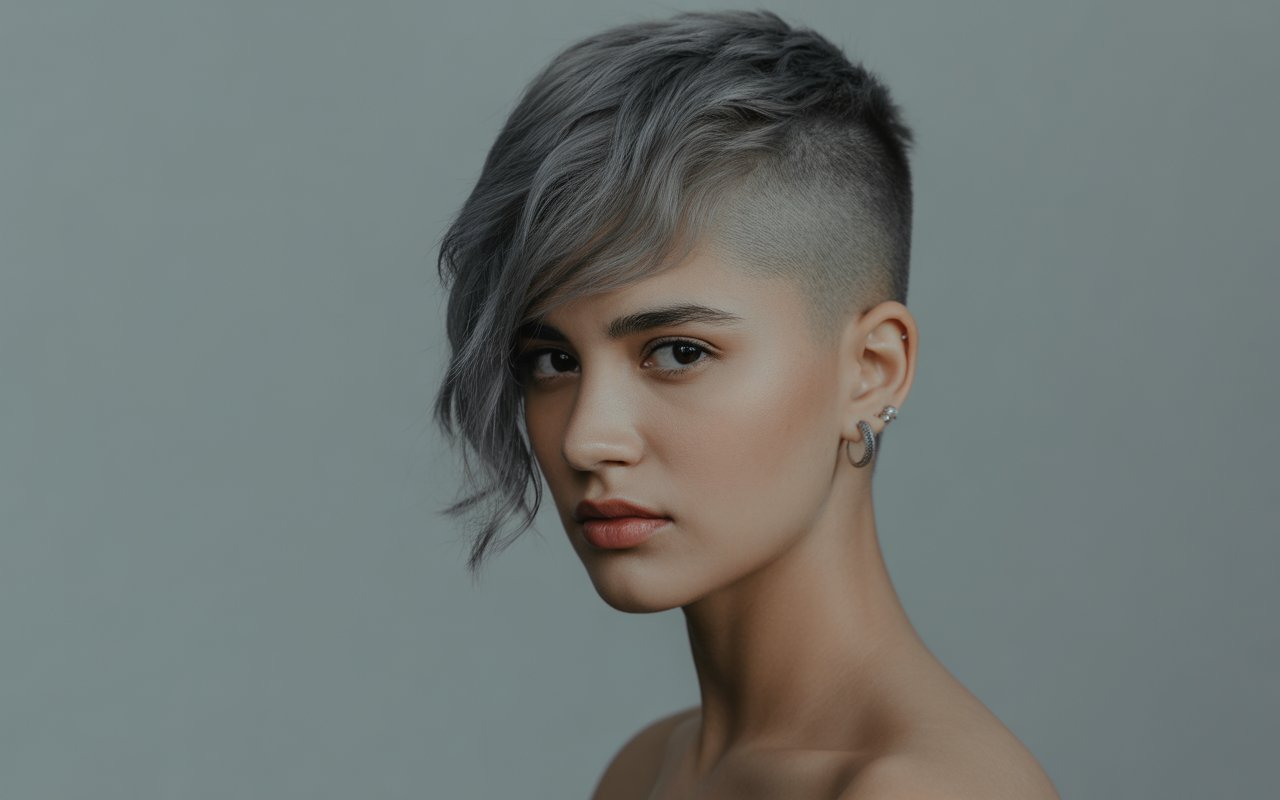
Very short haircuts with shaved sides have become a powerful way for women to express their personal style and challenge conventional beauty standards. This bold choice represents more than just a haircut – it’s a statement about confidence, individuality, and the freedom to define beauty on your own terms. The combination of ultra-short lengths on top with precisely shaved sides creates a striking contrast that turns heads and sparks conversations.
The beauty of this style lies in its ability to highlight facial features while offering surprisingly versatile styling options. Women who choose this look often discover a newfound sense of liberation, both from time-consuming hair routines and from societal expectations about femininity. The clean lines and geometric shapes created by shaved sides paired with short tops can soften angular features, emphasize cheekbones, or create the illusion of length in round faces.
In the following sections, we’ll uncover everything you need to know about rocking this transformative style. From understanding the technical aspects to mastering daily styling, from maintenance tips to building unshakeable confidence, this comprehensive guide will equip you with the knowledge to make this bold choice work beautifully for you. Ready to redefine your own beauty standards? Let’s begin this exciting journey together.
What Defines Very Short Haircuts with Shaved Sides?
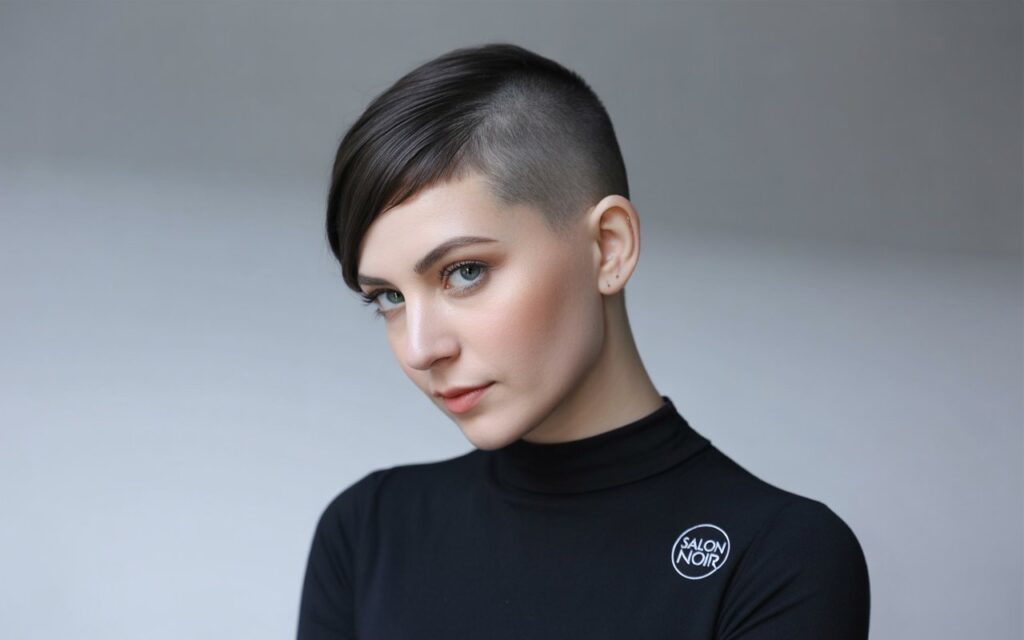
The architecture of very short haircuts with shaved sides involves precise technical execution that creates dramatic visual impact. At its core, this style features hair on top measuring anywhere from half an inch to three inches, while the sides and often the back are clipper-cut to lengths ranging from a skin fade to a quarter inch. The contrast between these lengths creates the signature look that makes this style so striking.
The anatomy of this bold style
Understanding the components helps you communicate effectively with your stylist. The top section, often called the “panel,” can be cut in various ways – textured, blunt, or layered. The transition line where short meets shaved determines much of the style’s character. A sharp, defined line creates an edgier look, while a gradual blend offers subtle sophistication.
The shaved portions themselves offer multiple options. Some women prefer a uniform length all around, while others opt for graduated fades that start shorter at the bottom and gradually increase in length. The placement of the shaved area also varies – it might extend high up the sides for maximum drama or stay lower for a more conservative approach.
Different variations and lengths
Within this category exists tremendous variety. The pixie undercut maintains slightly longer lengths on top with subtly shaved sides. The buzz cut with shaved designs adds artistic elements through patterns carved into the shorter sections. The textured crop keeps the top piece-y and tousled while maintaining clean-shaved sides.
Each variation suits different lifestyles and personal aesthetics. Active women often prefer shorter tops that require minimal styling, while those who enjoy experimenting might choose longer tops that allow for multiple looks. The key lies in selecting a variation that aligns with both your aesthetic preferences and daily routine.
How shaved sides complement various face shapes
Contrary to popular belief, this style flatters multiple face shapes when executed properly. For oval faces, almost any variation works beautifully. Round faces benefit from added height on top with closely shaved sides that create vertical lines. Square faces soften with textured tops and graduated fades rather than harsh lines.
Heart-shaped faces look stunning with volume concentrated at the crown, while the shaved sides balance wider foreheads. Oblong faces need careful consideration – keeping some width through the sides or opting for a less severe undercut prevents elongating the face further. Your stylist can customize the exact placement and graduation to optimize your unique features.
The versatility of styling options
Despite assumptions about limited styling possibilities, these cuts offer surprising versatility. The top section can be slicked back for formal events, tousled for casual outings, or spiked for edgy occasions. Side parts create asymmetrical interest, while pushing hair forward produces a completely different silhouette.
Color also plays a significant role in personalizing this style. Bold hues on top contrast dramatically with natural-colored shaved sides. Subtle highlights add dimension to textured tops. Some women incorporate shaved designs or patterns for additional visual interest. The combination of cut, color, and styling creates endless possibilities for self-expression.
Finding Your Perfect Very Short Style This Year
Selecting the ideal very short haircut with shaved sides requires thoughtful consideration of multiple factors beyond simple preference. Your lifestyle, maintenance commitment, and personal style all influence which variation will work best. Taking time to assess these elements before your salon visit ensures satisfaction with your dramatic transformation.
Assessing your face shape and features
Start by honestly evaluating your facial structure. Stand in front of a mirror with your hair pulled completely back. Trace your face shape on the mirror with lipstick or a washable marker. This exercise reveals your true proportions without hair creating illusions.
Beyond basic shape, consider your individual features. Strong jawlines can handle more severe undercuts, while softer features might benefit from graduated transitions. Prominent cheekbones become even more striking with closely shaved sides. Small features may get overwhelmed by too much contrast, suggesting subtler variations would work better.
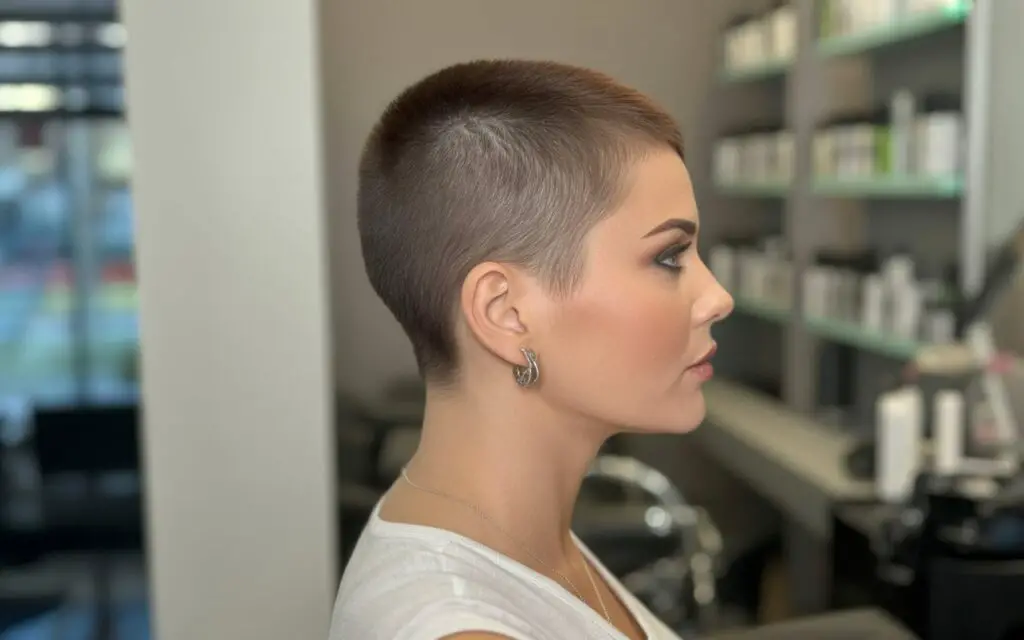
Your profile matters too. The way this style looks from the side often differs dramatically from the front view. If you have a pronounced occipital bone, your stylist might suggest specific clipper techniques to create a smooth silhouette. Understanding these nuances helps you make informed decisions about your cut.
Choosing the right clipper length for sides
Clipper lengths, measured in guards, range from 0 (closest to skin) to 8 (about an inch). Most shaved sides fall between guards 1 and 4, with each number representing an eighth of an inch. Your skin tone, hair color, and desired contrast all influence the optimal length.
Darker hair against lighter skin creates more dramatic contrast even with longer guards. Blonde or gray hair might need shorter lengths to achieve similar visual impact. Consider your comfort level with visibility of your scalp – some women love the barely-there look of a 0 or 1 guard, while others prefer the softer appearance of a 3 or 4.
The technical aspects matter too. Certain guards work better with specific hair textures:
- Guard 1-2: Creates sharp contrast, shows scalp clearly, requires frequent maintenance
- Guard 3-4: Offers subtle contrast, provides some coverage, grows out more gracefully
- Skin fade: Ultimate contrast, requires professional maintenance every 2-3 weeks
- Tapered fade: Gradual transition, sophisticated look, more forgiving growth pattern
Balancing proportions with top length
The relationship between your shaved sides and top length determines the overall harmony of your style. Generally, the shorter your sides, the more flexibility you have with top length. However, personal proportions always take precedence over general rules.
Petite women might find that too much length on top overwhelms their frame, while taller women can often carry more dramatic proportions. The width of your shoulders also factors in – broader shoulders balance nicely with slightly longer tops, while narrow shoulders might benefit from keeping things more compact.
Consider your neck length too. Longer necks showcase shaved napes beautifully and can handle shorter tops without appearing unbalanced. Shorter necks might benefit from leaving slightly more length at the crown to create vertical lines. These subtle adjustments make significant differences in the final result.
Working with your natural hair texture
Your hair’s natural characteristics significantly impact how this style performs daily. Straight hair shows precise lines clearly but might require products for texture and movement. Wavy hair adds automatic interest to the top section while potentially softening the contrast with shaved sides.
Curly and coily textures create unique opportunities and challenges. The natural volume of textured hair can create stunning silhouettes when combined with shaved sides. However, the grow-out process might appear more uneven, requiring more frequent maintenance appointments. Discuss these realities with your stylist during consultation.
Thick hair benefits from the weight removal that shaved sides provide, often resulting in easier styling of the remaining hair. Fine hair might need strategic cutting techniques on top to maintain adequate fullness and avoid a sparse appearance. Your stylist can recommend specific cutting methods to optimize your texture.
Consultation tips with your stylist
Arriving prepared for your consultation maximizes your chances of leaving thrilled with your new style. Collect multiple reference photos showing different angles of styles you like. Note what specifically appeals to you – the overall shape, the contrast level, or particular details.
Be honest about your styling abilities and time commitment. If you struggle with basic styling, communicate this clearly. A skilled stylist will suggest variations that work with your skill level. Discuss your profession and any workplace appearance requirements that might influence your choices.
Ask specific questions about maintenance, including how often you’ll need touchups and what the grow-out process looks like. Request styling demonstrations before leaving the salon. Many women feel overwhelmed initially, but watching your stylist work through different looks builds confidence for recreating them at home.
Styling Techniques for Maximum Impact
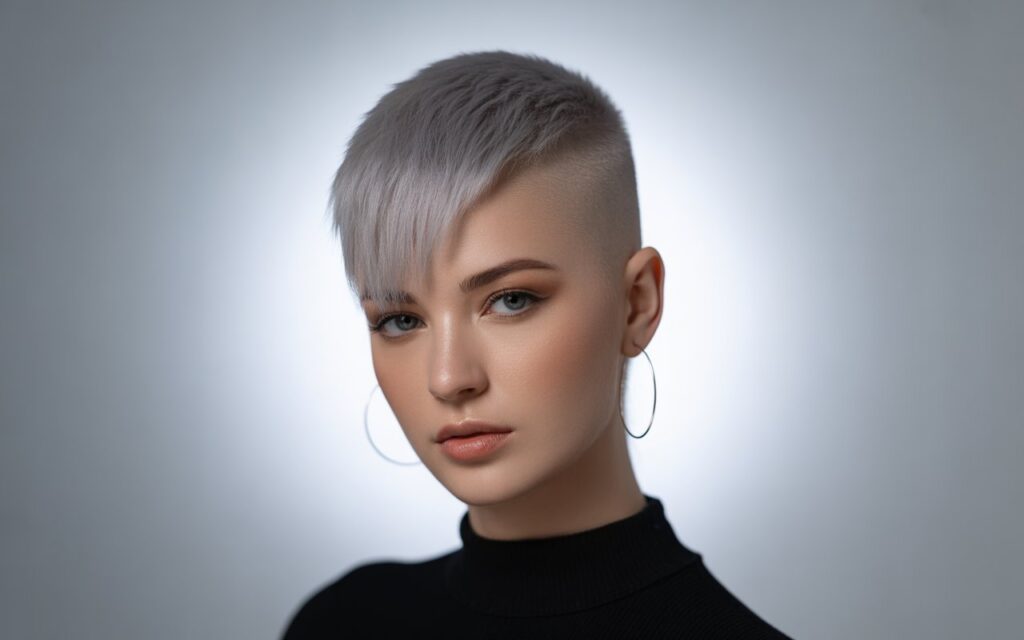
Mastering the art of styling very short haircuts with shaved sides transforms a great cut into a spectacular daily look. The techniques you employ can completely change your appearance, taking you from professional to edgy to elegantly understated within minutes.
Daily styling routines that work
Your morning routine sets the tone for how your style performs throughout the day. Beginning with damp (not soaking) hair provides the best foundation for most styling approaches. The moisture level matters significantly – too wet and products won’t hold; too dry and you’ll struggle to manipulate the hair effectively.
The direction you dry your hair creates the basic structure for your style. Blow-drying straight up adds height and drama. Directing hair forward creates a softer, face-framing effect. Side-directed drying produces asymmetrical interest. Even air-drying with strategic finger placement can yield excellent results for those preferring minimal heat styling.
Developing muscle memory for your preferred styles saves precious morning minutes. Practice the motions when you have extra time, noting which techniques produce your favorite results. Soon, you’ll execute complex styles almost automatically.
Product recommendations for different looks
Product selection can make or break your styling success. The key lies in matching product properties to your desired outcome and hair characteristics.
For textured, piece-y styles, matte products work beautifully. Clay-based formulas provide strong hold without shine, perfect for creating separation and definition. Work small amounts through dry or barely damp hair, focusing on the ends first, then working toward the roots as needed.
Sleek, polished looks require different products entirely. Pomades offer medium to strong hold with varying shine levels. Water-based versions wash out easily but might not withstand humidity. Oil-based options provide superior staying power but require clarifying shampoo for removal.
Creating volume demands lightweight products that won’t weigh down your short lengths. Texture powders applied at the roots provide instant lift. Sea salt sprays add grit and enhance natural movement. For maximum volume, combine root-lifting products with blow-drying techniques.
Creating texture and movement
Short hair showcases texture beautifully, and various techniques can enhance or create it. Finger styling remains the most versatile method – twisting small sections while blow-drying creates natural-looking piece-y texture. Scrunching products into damp hair enhances existing waves or creates tousled effects in straight hair.
For more defined texture, try the “pinch and lift” method. Apply product to dry hair, then pinch small sections between your fingers while lifting away from your head. This technique creates separation and adds visual interest without appearing overworked. The randomness of the sections you choose prevents an overly uniform appearance.
Tools expand your texture options significantly. Small flat irons can create subtle bends and flicks. Texture shears, available at beauty supply stores, let you add grip and movement between salon visits. Even something as simple as rough-drying with your fingers instead of a brush changes the final texture dramatically.
Transitioning from day to night looks
The beauty of this versatile style shines when transforming your look for evening occasions. Your polished daytime style can evolve into something entirely different with minimal effort. Start by assessing what aspects need adjustment – perhaps adding drama, incorporating shine, or creating a completely different silhouette.
Adding product provides the simplest transformation. A touch of shine serum instantly elevates a matte day look. Texturizing spray roughens up a sleek style for edgier evening vibes. Sometimes simply changing your part from side to center creates enough difference for a fresh evening appearance.
For more dramatic changes, consider these quick transformations:
- Slick to Textured: Rough up a smooth style with dry shampoo and fingers
- Neat to Tousled: Spritz texture spray and scrunch for instant bedhead
- Subtle to Bold: Add temporary color chalk or spray for impact
- Soft to Structured: Apply stronger-hold product and reshape entirely
Accessories offer another transformation avenue. Statement earrings become more prominent with shaved sides. Decorative bobby pins or temporary hair tattoos add special-occasion flair. Even a bold lip color changes the entire vibe of your look without touching your hair.
Quick fixes for busy mornings
Some mornings don’t allow for extensive styling sessions. Developing a repertoire of two-minute styles ensures you always look polished, regardless of time constraints. The “wake and shake” approach works well for textured cuts – simply apply dry shampoo at the roots, rough up with your fingers, and go.
For second-day hair that needs refreshing, a damp washcloth can work wonders. Lightly dampen the top section, apply a small amount of product, and reshape. This technique revives your style without complete rewashing. Keep travel-sized products in your bag for emergency touch-ups throughout the day.
When all else fails, accessories save the day. A stylish headband or bandana can disguise imperfect styling while adding fashionable flair. Baseball caps work surprisingly well with shaved sides, creating an sporty-chic aesthetic. Having these backup options prevents bad hair days from derailing your confidence.
Maintenance and Growing Out Gracefully
The stunning impact of very short haircuts with shaved sides depends heavily on proper maintenance. Unlike longer styles that can hide imperfect growth patterns, these cuts require regular attention to maintain their sharp, intentional appearance. Understanding the maintenance commitment before taking the plunge helps you prepare for the reality of this striking style.
How often to trim for the perfect shape
Maintenance frequency varies based on several factors, primarily how quickly your hair grows and your tolerance for fuzzy sides. Most women find that scheduling appointments every two to three weeks keeps their style looking fresh. Fast growers might need weekly touch-ups, while others can stretch to monthly visits.
The contrast level you prefer also influences maintenance needs. Dramatic differences between top and side lengths show growth more obviously than subtle variations. Skin fades demand the most frequent attention, often requiring touch-ups every 10-14 days. Longer clipper lengths offer more flexibility, potentially extending time between appointments.
Your lifestyle and budget factor into maintenance planning too. Some women invest in quality clippers for between-appointment touch-ups. Others build regular salon visits into their monthly budget. Consider your long-term commitment to this maintenance schedule before committing to the most high-maintenance variations.
At-home maintenance between salon visits
Learning basic maintenance techniques extends the life of your professional cut. Investing in quality clippers pays dividends if you’re comfortable with DIY touch-ups. Start with simple tasks like cleaning up the neckline or tidying around the ears. As confidence grows, you might tackle more complex maintenance.
For clipper work, always work in good lighting with multiple mirrors available. Going against the grain ensures even cutting, while following the grain helps with blending. Start with a longer guard than you think you need – you can always go shorter, but you can’t add hair back. Practice on less visible areas first.
Beyond clipper work, other maintenance tasks keep your style sharp. Regular washing prevents product buildup that can weigh down short hair. Deep conditioning treatments maintain healthy texture despite frequent cutting. Keeping styling tools clean ensures consistent results. These small efforts make significant differences in your day-to-day styling success.
Certain tools make home maintenance easier and safer. Invest in:
- Professional clippers: Better motors and sharper blades create cleaner lines
- Multiple guards: Having options prevents mistakes
- Hand mirror: Essential for checking blind spots
- Neck duster: Removes loose hairs professionally
- Spray bottle: Dampening hair ensures even cutting
Dealing with awkward growth phases
Even the most committed fans of short hair occasionally experience growing-out phases. Maybe you’re ready for change, or perhaps life circumstances demand a different look. Whatever the reason, navigating the transition requires patience and strategy.
The first awkward phase hits around week four when the shaved sides start looking fuzzy rather than crisp. Instead of fighting this phase, work with it. Texturizing products can make fuzzy sides look intentionally tousled. Headbands or scarves disguise uneven growth while adding style elements.
As sides grow longer, consider transitioning through progressively longer clipper lengths rather than growing everything simultaneously. This approach maintains some structure while moving toward your goal length. Regular shaping appointments every three weeks keep the overall silhouette flattering throughout the process.
Creative styling solutions help during transition months. Side parts disguise uneven lengths. Strategic use of bobby pins controls rebellious sections. Temporary colors or highlights can distract from awkward shapes. Remember that this phase is temporary – focus on the end goal while finding ways to feel confident during the journey.
Transitioning to longer styles if desired
Planning your exit strategy from very short styles helps ensure a smooth transition. Communicate your growth goals with your stylist early in the process. They can adjust cutting techniques to facilitate easier growing out. Sometimes this means leaving slightly more length in strategic areas or avoiding certain texturizing techniques.
The path from shaved sides to longer styles typically takes 6-9 months for significant change. During this time, regular appointments remain crucial. Your stylist will gradually blend the growing sides with the top, creating intermediate styles that look intentional rather than neglected. Embrace these in-between phases as opportunities to try new looks.
Some women find that growing out reveals new style preferences. The bob-with-undercut phase might become a favorite. The asymmetrical growth pattern could inspire a dramatic side-swept style. Staying open to these discoveries makes the growing-out process feel less like endurance and more like exploration.
Keeping the style fresh and modern
Even if you plan to maintain your short style long-term, preventing staleness keeps you excited about your look. Small changes create significant impact – adjusting the fade pattern, experimenting with the transition line, or trying new lengths on top all refresh your style without major commitment.
Seasonal adjustments keep your look current. Summer might call for shorter lengths and cleaner lines. Winter could inspire slightly longer tops for warmth and different styling options. These subtle shifts prevent monotony while maintaining your signature style.
Color provides another avenue for freshness. Temporary colors let you experiment without permanent commitment. Subtle highlights add dimension. Bold fashion colors make statements. Even changing your natural color’s tone can completely transform your look while maintaining the cut you love.
Building Confidence with Your Bold New Look
Stepping out with a dramatically different hairstyle requires inner confidence that matches your bold exterior choice. The journey from decision to complete comfort with very short hair involves both practical adjustments and mindset shifts.
Adjusting to dramatic change
The first glimpse of your reflection after such a dramatic cut can feel shocking, even when you love the result. Your brain needs time to reconcile this new image with your self-perception. Give yourself grace during this adjustment period – feeling simultaneously thrilled and uncertain is completely normal.
Physical sensations also require adjustment. The absence of hair weight changes how your head feels. Breezes hit your scalp differently. Your pillow feels unusual at night. These sensory changes fade into normalcy within days, but initially they serve as constant reminders of your transformation.
Accessorizing to complement your style
Accessories take on new importance with shaved sides, as your neck, ears, and face receive more focus. Statement earrings that previously hid beneath hair now shine as focal points. Experiment with different sizes and styles – what looked overwhelming before might now perfectly balance your streamlined silhouette.
Scarves and headbands offer both practical and aesthetic benefits. They provide warmth when you’re adjusting to less hair coverage while adding color and pattern to your look. Silk scarves tied various ways create entirely different aesthetics. Wide headbands channel retro vibes, while thin metal bands add modern minimalism.
Glasses wearers discover new frame options with this cut. Bold frames that competed with longer hair now complement your features beautifully. The clean lines of shaved sides balance statement eyewear perfectly. Consider updating your frames to maximize this new harmony between hair and accessories.
Wardrobe adjustments that enhance the look
Your new hairstyle might inspire wardrobe evolution. Clothing necklines gain new importance when your neck and shoulders are more exposed. High necklines create sleek, modern silhouettes. Off-shoulder styles showcase the clean lines of your cut. Experiment with necklines you previously avoided.
Some women find their style aesthetic shifts with their hair. The edginess of shaved sides might inspire bolder fashion choices. Alternatively, you might discover that feminine clothing creates appealing contrast with your strong haircut. There’s no right approach – only what makes you feel authentically yourself.
Consider how your professional wardrobe interacts with your new style. Blazers frame your face differently now. Scarves and jewelry require adjustment. You might discover that simpler clothing showcases your striking hairstyle best, or that bold patterns complement your minimalist hair perfectly.
Handling reactions and comments
People will notice and comment on such a dramatic change. Prepare responses for common reactions to avoid feeling caught off-guard. Simple phrases like “Thanks, I love how freeing it feels” or “I decided to try something bold” acknowledge comments without inviting debate.
Not everyone will understand or appreciate your choice, and that’s perfectly fine. Your hairstyle exists for your satisfaction, not others’ approval. Develop confidence in deflecting negative comments with grace. A simple “It might not be for everyone, but I love it” sets appropriate boundaries.
Positive reactions often outnumber negative ones. Many women express admiration and even envy for your courage. These interactions can boost confidence and create connections with others who appreciate bold self-expression. Embrace these moments of mutual appreciation for stepping outside conventional beauty standards.
Making the style uniquely yours
True ownership of this style comes from personalization. Maybe you develop a signature styling technique that becomes your trademark. Perhaps you always wear specific earrings that complement your cut perfectly. These personal touches transform a hairstyle into an integral part of your identity.
Experimentation continues beyond the initial cut. Try different product combinations. Test new styling tools. Push boundaries with temporary changes. Each experiment teaches you more about what works for your specific hair and lifestyle. This ongoing discovery process keeps your relationship with your style dynamic and engaging.
As comfort grows, you might explore additions like shaved designs or color experiments previously felt too daring. Confidence builds incrementally – what seems impossible today might feel perfectly natural in a few months. Allow your comfort zone to expand organically as you settle into your new aesthetic.
Document your journey through photos. Seeing your growing confidence reflected in images reinforces positive feelings about your choice. These visual records also help during moments of doubt, reminding you why you made this bold choice and how far you’ve come in owning it.
Revolutionizing Your Personal Style
Your decision to explore very short haircuts with shaved sides represents more than a simple style change – it’s a declaration of independence from conventional beauty standards and an embrace of authentic self-expression. This transformative journey offers freedom from time-consuming styling routines while providing a canvas for creative expression that evolves with your confidence and preferences.
The path forward with this bold choice becomes clearer when you recognize that perfection isn’t the goal – personal satisfaction is. Your unique interpretation of this style, whether through subtle undercuts or dramatic contrasts, reflects your individual aesthetic and lifestyle needs. As you continue exploring the possibilities within this versatile cut, remember that each styling choice, maintenance decision, and creative experiment adds to your personal style story, making this powerful look distinctly and beautifully yours.
Frequently Asked Questions
Q: Will a very short haircut with shaved sides make my face look rounder or fuller?
A: Actually, the opposite often occurs. The contrast created by shaved sides can create slimming vertical lines that elongate the face. The key lies in keeping appropriate height and texture on top while ensuring the sides are cut at the right height for your face shape.
Q: How do I know if I can pull off such a dramatic haircut?
A: Confidence matters more than any specific feature. If you’re drawn to this style and willing to maintain it, you can make it work. Consult with an experienced stylist who can customize the cut to flatter your unique features and lifestyle.
Q: What happens if I hate my new short haircut?
A: Hair grows approximately half an inch per month, so even dramatic cuts aren’t permanent. Most women experience an adjustment period of a few days to a week. If you still feel uncomfortable after that, accessories and styling products can help during the grow-out phase.
Q: Can I still look feminine with such a short, edgy cut?
A: Absolutely. Femininity isn’t determined by hair length. Many women find that shorter cuts actually enhance their feminine features by showcasing their eyes, cheekbones, and neck. Styling choices, accessories, and personal expression define femininity far more than hair length.
Q: How much does maintaining this style typically cost per month?
A: Maintenance costs vary by location and salon, but expect to budget for appointments every 2-3 weeks. Many women offset costs by learning basic maintenance techniques at home or finding salons offering discounted touch-up services between full appointments.
Q: Will this haircut work with my professional job?
A: Many professional women successfully wear these styles. The key lies in choosing appropriate variations and maintaining a polished appearance. Discuss workplace considerations with your stylist to find options that satisfy both your personal style and professional requirements.
Q: What’s the minimum length I should keep on top for styling versatility?
A: Most stylists recommend keeping at least 1.5 to 2 inches on top for maximum styling flexibility. This length allows for various looks while still maintaining the dramatic contrast with shaved sides. Shorter lengths work too but limit styling options.
Q: How do I prevent my shaved sides from looking patchy as they grow?
A: Regular maintenance prevents patchiness. Between appointments, avoid attempting to trim random spots yourself. If you notice uneven growth patterns, discuss them with your stylist who can adjust cutting techniques to minimize their appearance.

