

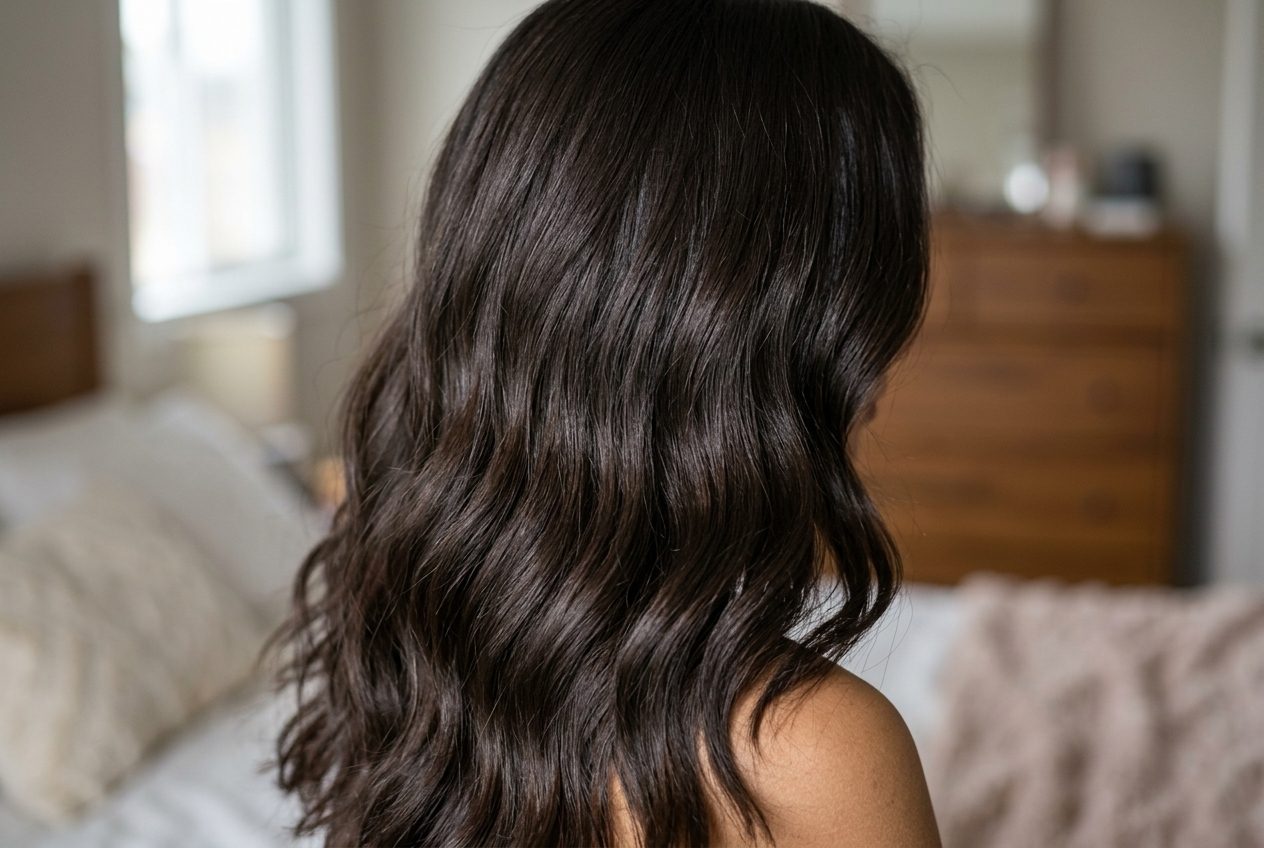
Rich brunette hair can turn on you fast. One month your color looks deep and glossy, and a few washes later there’s an orange or red cast creeping in that wasn’t there before. It’s frustrating, especially when you just paid for a salon visit or spent a Sunday coloring at home.
That warm, dull shift is called brassiness, and it happens to brown hair more often than most women realize. It’s not just a blonde problem. Any time hair is lightened, lifted, or color-treated, the natural pigments underneath start to show through as the artificial color fades.
The fix doesn’t have to mean another trip to the salon every few weeks. Here are nine ways to calm those warm tones and get your color back to the deep, cool brunette you actually want.
- 1. Reach for a Blue Shampoo, Not Purple
- 2. Book a Gloss or Glaze Treatment
- 3. Try a Color-Depositing Mask at Home
- 4. Rinse With Cool Water
- 5. Stretch Out Your Wash Days
- 6. Protect Your Color From the Sun
- 7. Use a Heat Protectant Every Time
- 8. Clarify Before You Tone
- 9. Switch to Color-Safe Shampoo and Conditioner
- Keep Your Brunette Looking Deep, Not Dull
- Frequently Asked Questions
1. Reach for a Blue Shampoo, Not Purple
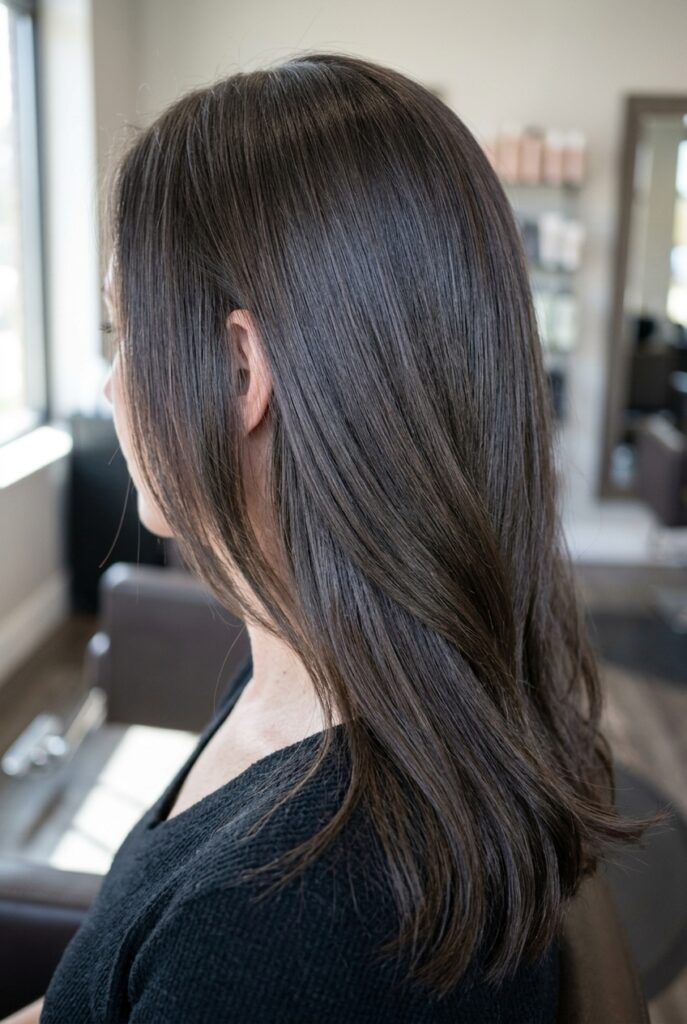
Most women grab purple shampoo out of habit because that’s what gets talked about the most. But purple is built to cancel out yellow, which is a blonde problem. Brown hair usually shows up orange or red instead, and blue sits directly across from orange on the color wheel, which makes it the better match for a brunette.
Use it once or twice a week in place of your regular shampoo. Leave it on for a few minutes before rinsing, similar to how you’d treat a deep conditioner.
Using it daily can push your color too cool or even slightly ashy, so stick to a light rotation instead.
2. Book a Gloss or Glaze Treatment
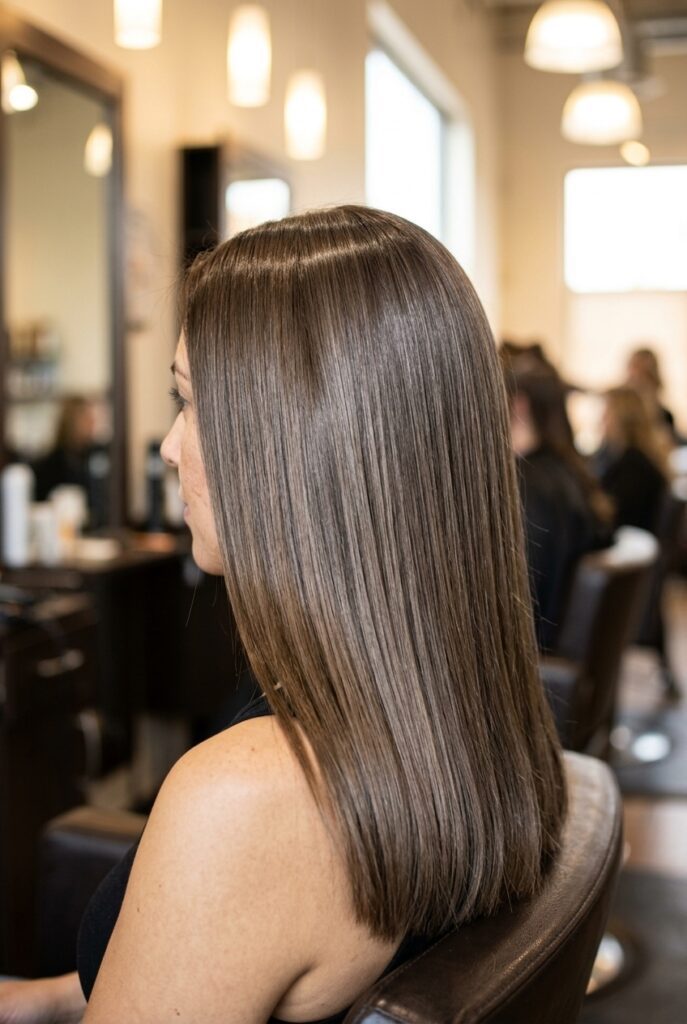
A gloss treatment at the salon adds a thin layer of cool pigment over your existing color, which cancels out warmth and adds shine at the same time. It typically lasts four to six weeks and costs less than a full color service, making it a solid option between appointments. Ask your colorist for something with a cool or ash base if orange tones are your main issue.
3. Try a Color-Depositing Mask at Home
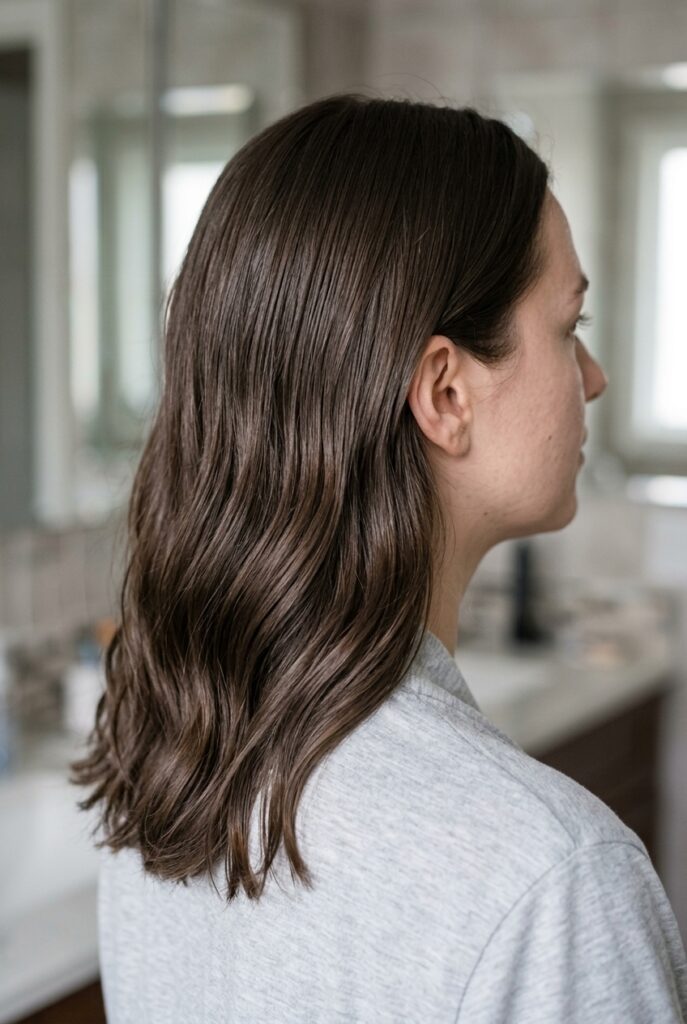
If a salon visit isn’t in the budget right now, a color-depositing mask can hold you over. These masks work like a deep conditioner but include pigment, so they tone down warmth while also softening your strands. Apply it to clean, damp hair, let it sit for about ten minutes, then rinse thoroughly.
Look for a shade labeled cool brown, ash brown, or chocolate to specifically target red and orange tones rather than adding more warmth.
4. Rinse With Cool Water
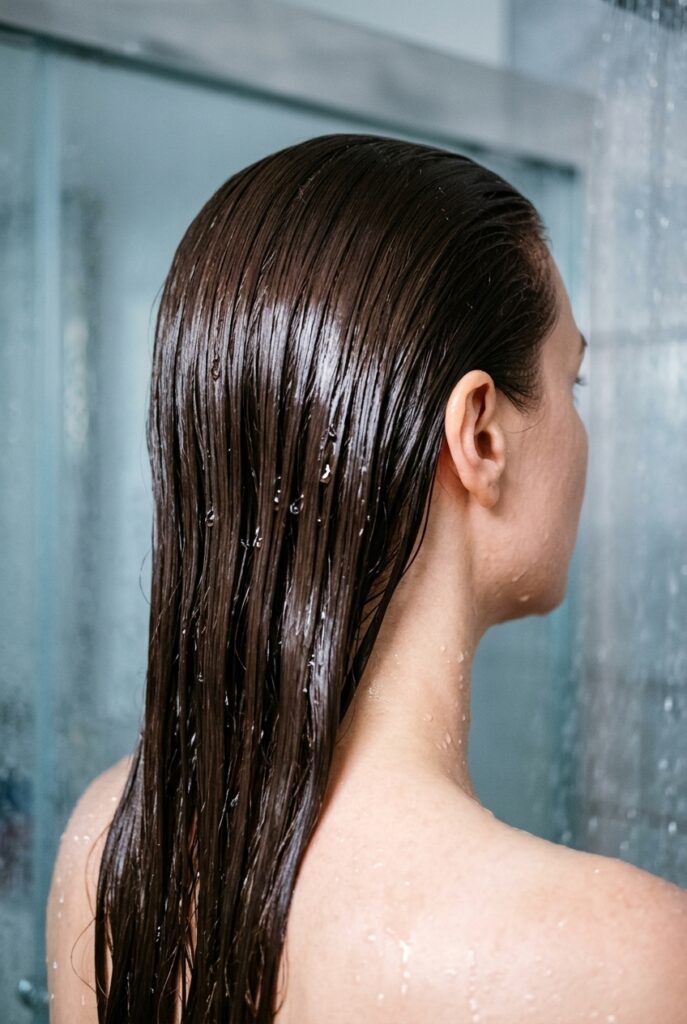
Hot water opens the hair cuticle, which lets color molecules slip out faster than they should. Finishing your shower with a cool rinse helps seal that cuticle back down, locking in more of your color and slowing the fade that leads to brassiness in the first place.
5. Stretch Out Your Wash Days
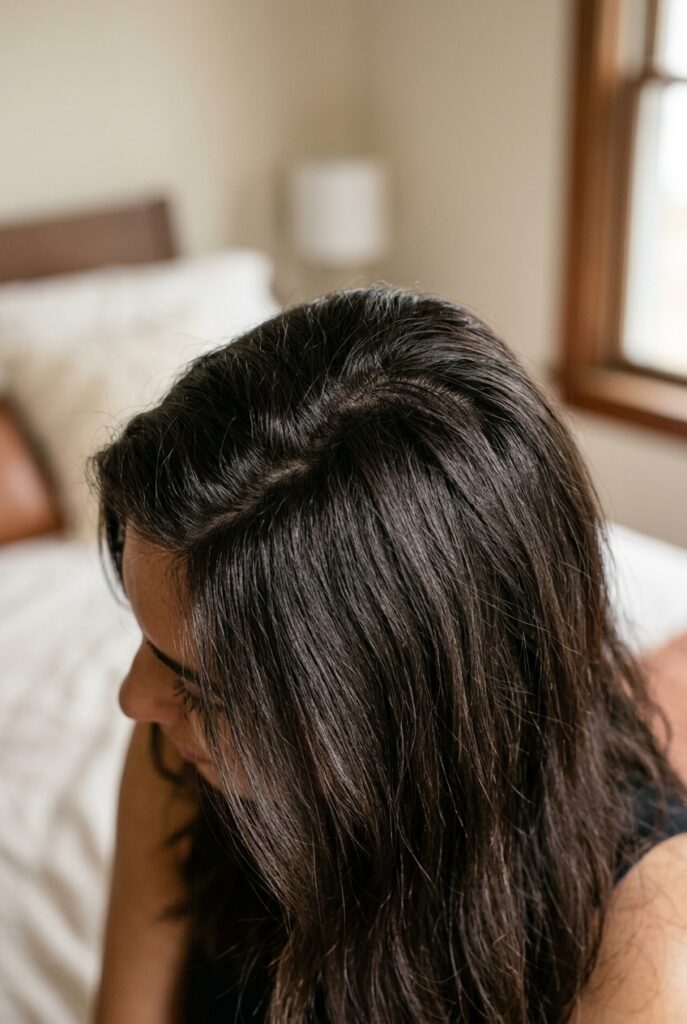
Every wash strips away a little color, whether you notice it or not.
Cutting back from daily washing to every other day, or even every third day, can make a real difference in how long your brunette shade stays true. Dry shampoo is your friend here, especially at the roots where oil shows first. If you’re used to washing daily, this adjustment takes some getting used to, but most women find their scalp adapts within a couple of weeks.
Fewer washes also means fewer chances for hot water and scrubbing to speed up fading.
6. Protect Your Color From the Sun

UV rays break down hair pigment the same way they fade fabric left in a window.
A hat or a UV-protecting hair spray can shield your strands during long days outside, whether you’re at the pool, the beach, or just running errands in the summer sun. Salt water and chlorine make things worse by stripping color even faster, so rinsing your hair with clean water right after swimming helps limit the damage. Leave-in sprays with UV filters are worth adding to your routine if you spend a lot of time outdoors.
7. Use a Heat Protectant Every Time
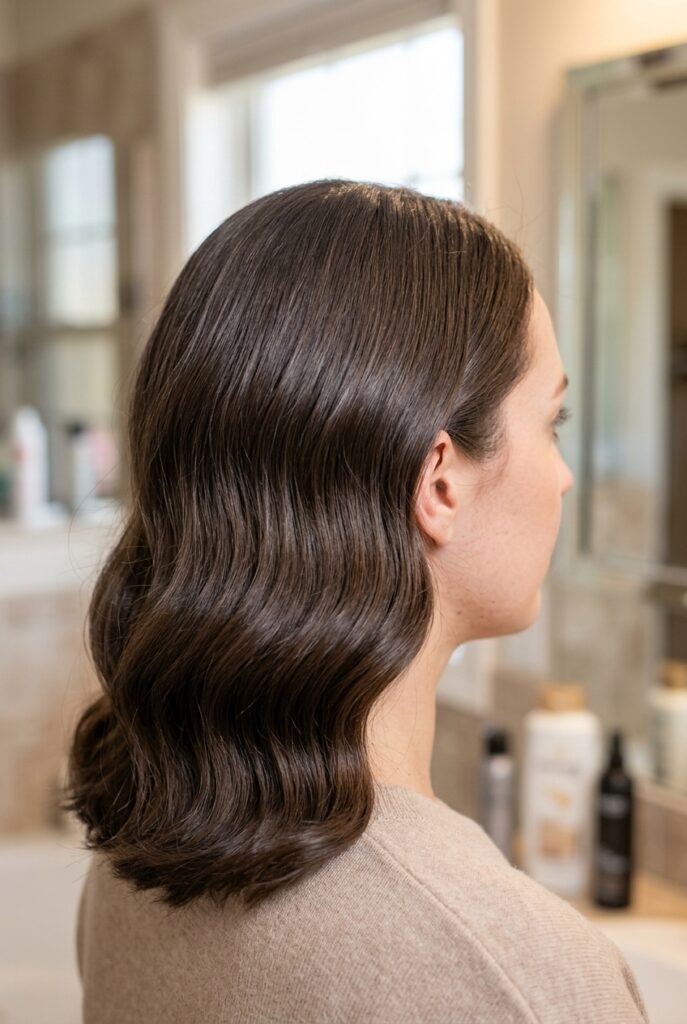
Flat irons, curling wands, and blow dryers all speed up color fade by damaging the outer layer of the hair shaft. A heat protectant spray creates a barrier that reduces this damage, which in turn slows down how quickly warm tones start to show. Apply it to damp hair before any hot tool, every single time, not just on days you remember.
8. Clarify Before You Tone
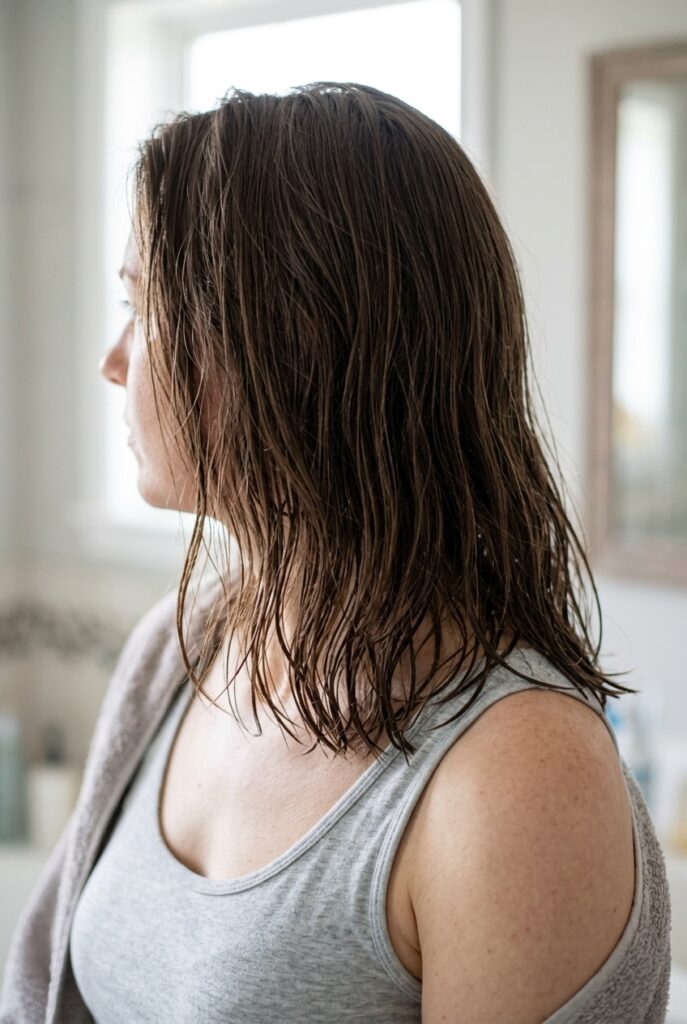
Product buildup from dry shampoo, styling creams, and hard water minerals can sit on the hair shaft and throw off how a toning product performs.
Skipping this step is one of the most common reasons toning shampoos and glosses don’t work as well as expected.
Use a clarifying shampoo once every week or two before applying any color-depositing product. This clears away buildup so the toning pigment can actually reach your strands and do its job, rather than sitting on top of residue that’s already there. Follow it right away with a deep conditioner since clarifying formulas tend to be drying.
9. Switch to Color-Safe Shampoo and Conditioner
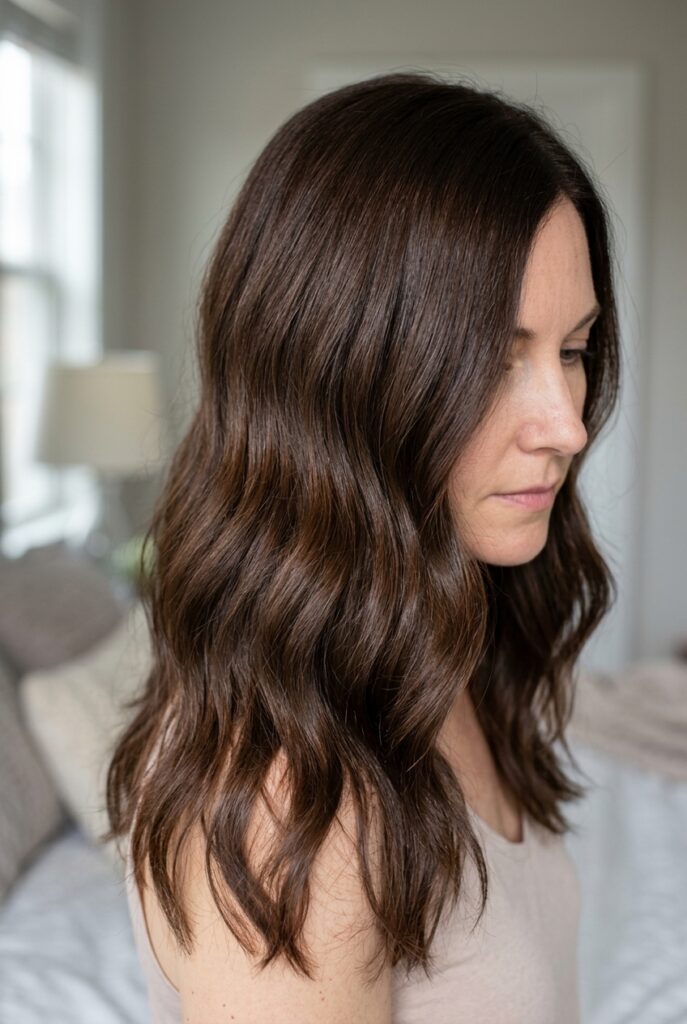
Regular shampoo often contains sulfates that strip color much faster than a formula made for treated hair.
Swapping to a sulfate-free, color-safe line keeps your shade intact longer and cuts down on how often brassiness shows up between toning treatments.
Keep Your Brunette Looking Deep, Not Dull
Brassiness isn’t a sign that something went wrong with your color. It’s just what happens as hair fades, and it’s manageable once you know which tools actually target orange and red tones instead of the yellow ones made for blondes.
Start with one or two changes, like swapping your shampoo or adding a weekly mask, before overhauling your whole routine. Small, consistent habits do more for keeping your color rich and cool than any single product ever will.
Frequently Asked Questions
Why does brown hair turn brassy in the first place?
A: It happens when color fades and the natural warm pigments underneath, like orange and red, start to show through. This is more common after lightening, highlighting, or balayage.
Is blue shampoo better than purple shampoo for brunettes?
A: Yes. Purple cancels out yellow tones, which is mainly a blonde issue. Blue cancels out orange, which is the tone that most often shows up in brown hair.
How often should I use blue shampoo?
A: Once or twice a week is enough for most women. Using it daily can shift your color too cool or slightly ashy.
Can apple cider vinegar fix brassy hair?
A: Not really. Vinegar can add shine and smooth the cuticle, but it doesn’t contain pigment, so it won’t cancel out warm tones the way a toning shampoo or gloss will.
Does washing my hair less actually help with brassiness?
A: Yes. Every wash removes a small amount of color, so spacing out your washes slows down fading and keeps your shade truer for longer.
What’s the difference between a gloss and a toning shampoo?
A: A gloss is typically done at the salon and adds a longer-lasting layer of pigment and shine. Toning shampoo is a quicker at-home option that works gradually with regular use.
Do I need to clarify my hair before using a toning product?
A: It helps. Buildup from styling products and hard water can block toning pigments from working properly, so clarifying first lets them absorb better.
Can sun exposure really make my hair color fade faster?
A: Yes. UV rays break down hair pigment over time, similar to how sunlight fades fabric. Wearing a hat or using a UV-protecting spray can slow this down.
Should I switch to sulfate-free shampoo for color-treated hair?
A: It’s worth it. Sulfates strip color faster, so a sulfate-free, color-safe formula helps your shade last longer between salon visits.
Is a heat protectant really necessary if I only use hot tools occasionally?
A: Yes, even occasional heat styling damages the hair shaft and speeds up fading, so a heat protectant is worth using any time you reach for a hot tool.

