

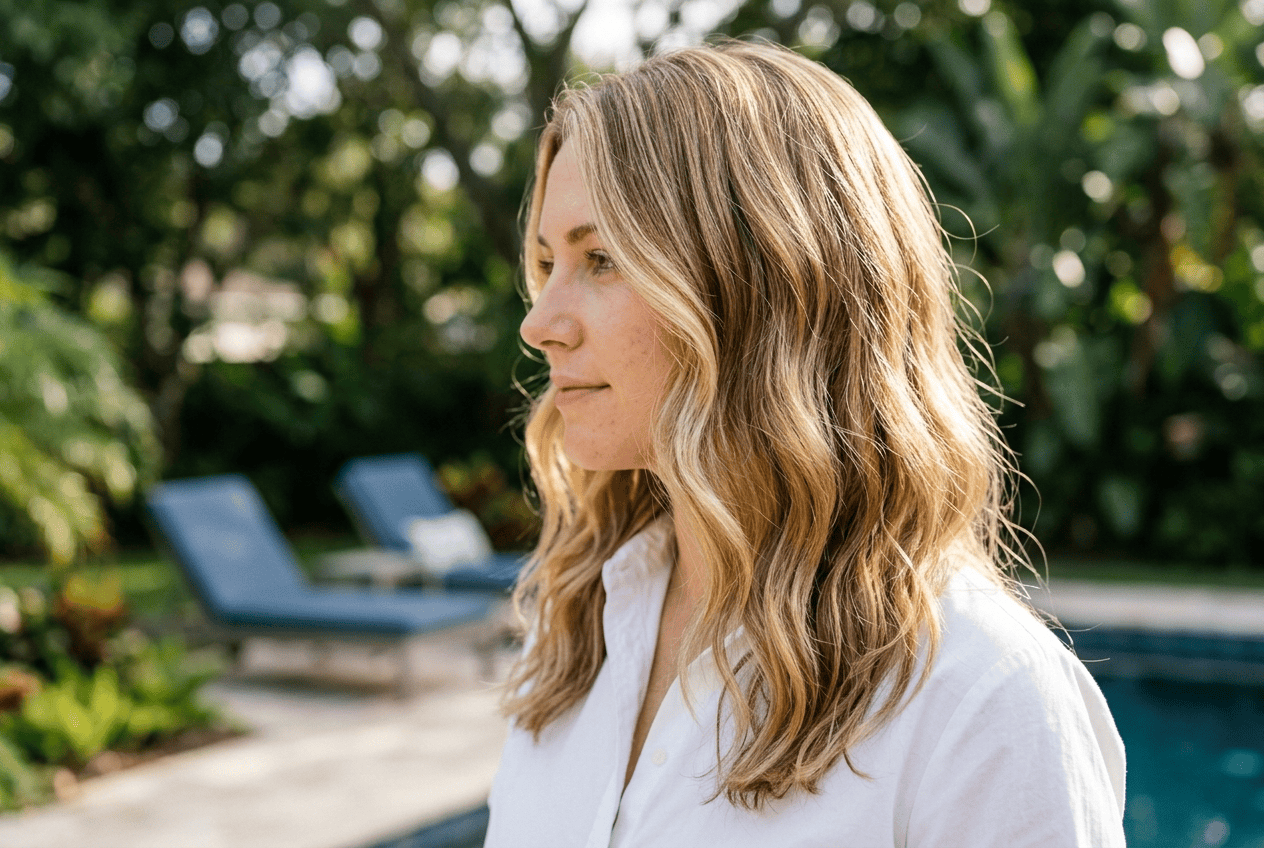
Blonde hair has a strange relationship with the sun. Sit outside for a few hours and you’ll notice new streaks by the pool by August, without ever touching a bottle of bleach. That’s because blonde strands already carry less pigment than brown or black hair, so it takes far less to shift the tone a shade or two.
That’s good news if you’re trying to lighten your hair naturally instead of walking into a salon. A handful of kitchen staples and a little patience can lift blonde hair by a shade or two, soften brassy tones, and bring back some of the golden warmth that fades between color appointments. None of it happens overnight, but it happens.
Below are the methods worth trying, plus a few notes on how to do them without drying out your hair in the process.
- 1. Why Blonde Hair Lightens Differently Than Other Colors
- 2. Chamomile Tea Rinses for Golden Warmth
- 3. Lemon Juice and Sunlight
- 4. Honey Masks for Subtle Brightness
- 5. Apple Cider Vinegar for Clarity and Shine
- 6. Vitamin C Treatments
- 7. How Much Sun Exposure Actually Helps
- 8. Purple and Brightening Shampoo as a Maintenance Step
- 9. Protecting Your Hair While You Lighten It
- 10. What Results to Expect and When to Call a Stylist
- Simple Ways to Keep Your Blonde Looking Fresh Between Salon Visits
- Frequently Asked Questions
1. Why Blonde Hair Lightens Differently Than Other Colors
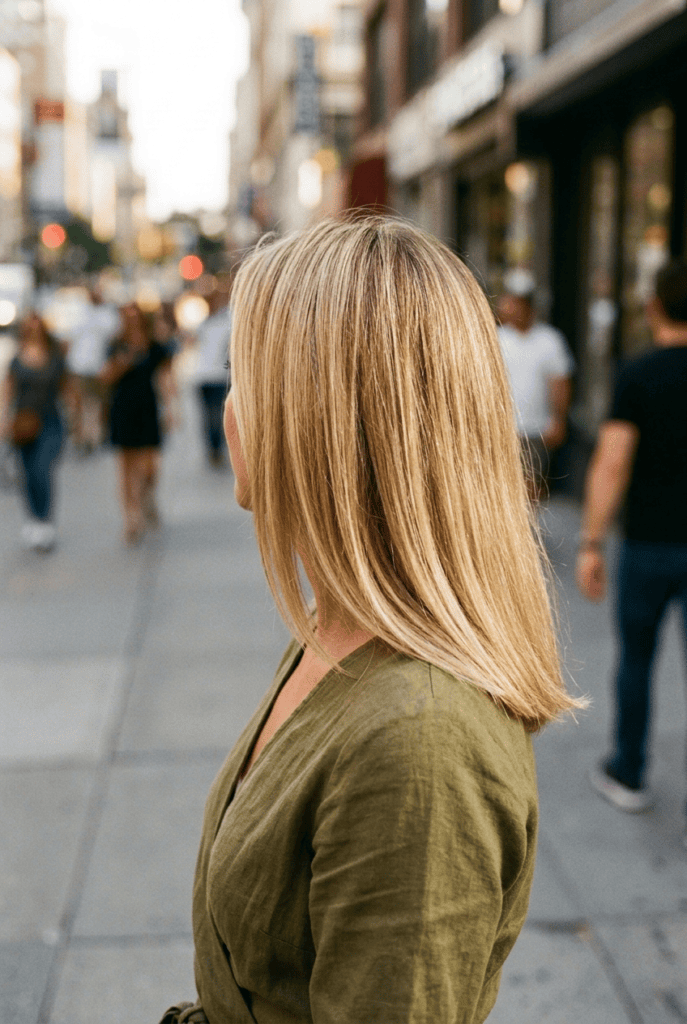
Because blonde hair starts with less melanin, natural lightening agents don’t have to work as hard. A method that barely touches dark brown hair can visibly shift blonde hair within a single afternoon in the sun. That’s part of why so many of the tricks below were originally developed for people who were already light-haired to begin with.
2. Chamomile Tea Rinses for Golden Warmth
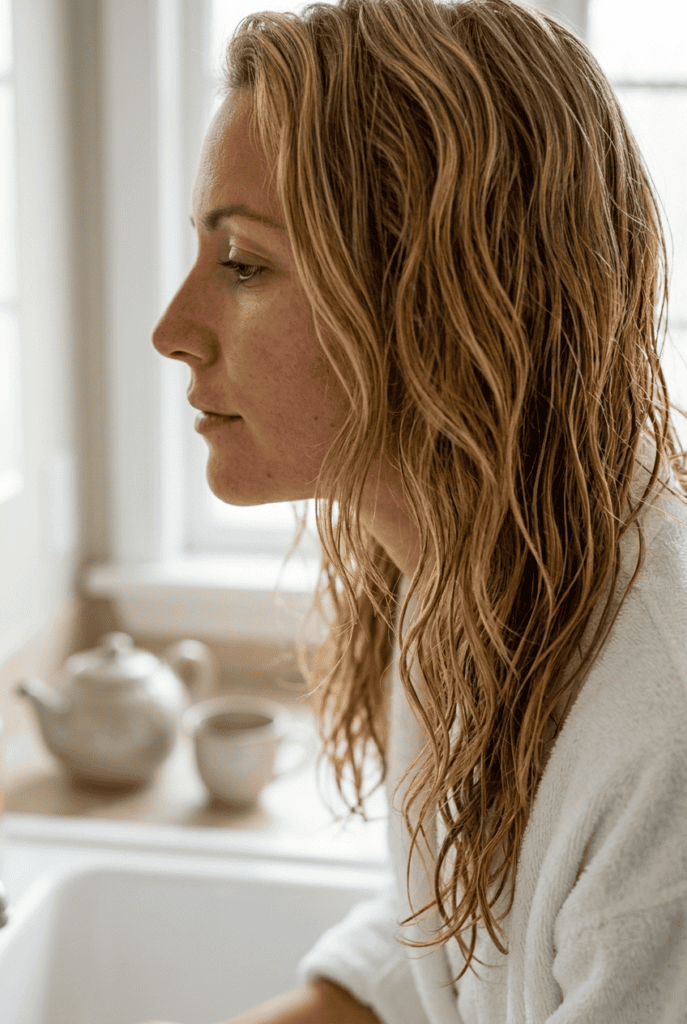
Chamomile has been used as a hair rinse for generations, and it still holds up. Brew a strong pot using four or five tea bags, let it cool completely, then pour it over clean, damp hair and let it sit for twenty to thirty minutes before rinsing. The flavonoids in chamomile gently lift pigment and add a warm, golden cast rather than a harsh, brassy one. Used once or twice a week, it builds gradually instead of shocking your color all at once.
It’s one of the gentlest options on this list, which makes it a smart starting point if your hair is already a little dry or damaged.
3. Lemon Juice and Sunlight
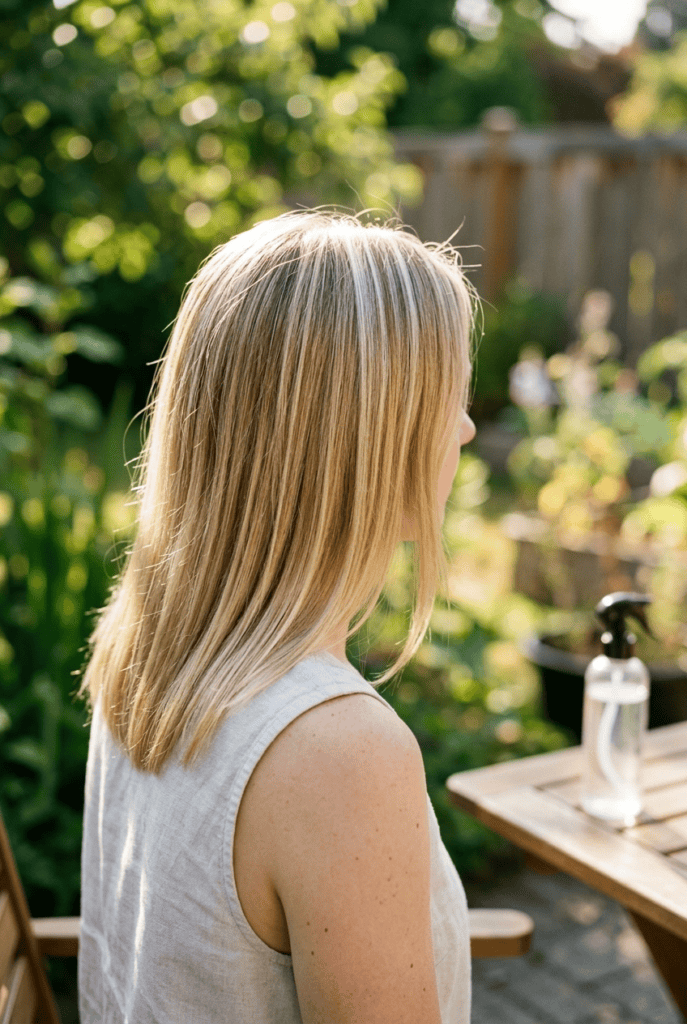
Lemon juice is probably the most talked-about natural lightener, and for good reason: it works. Mix equal parts lemon juice and water in a spray bottle, mist it through damp hair, and head outside. The citric acid opens the hair cuticle, and UV light activates the lightening effect, so the two need each other to do anything at all.
The catch is that lemon juice can be drying, especially with repeated use. Follow it with a deep conditioner every time to keep your strands from feeling like straw.
Limit this method to once a week and always rinse thoroughly afterward.
4. Honey Masks for Subtle Brightness
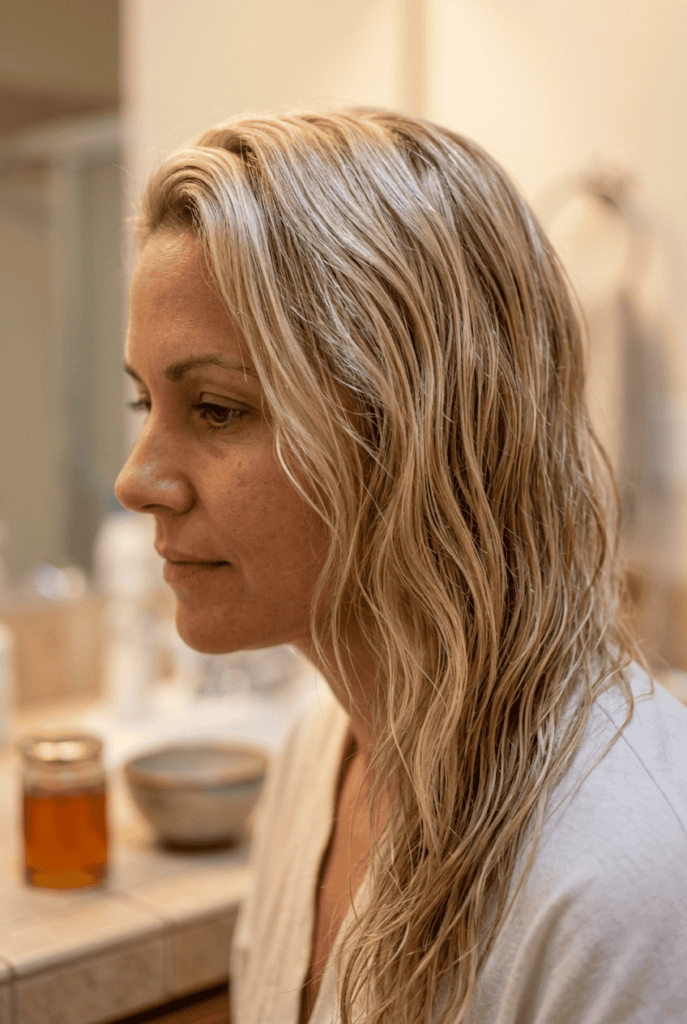
Raw honey contains a small amount of natural hydrogen peroxide, which is why it’s been used as a mild lightener for centuries. Mix honey with a few tablespoons of water and a splash of conditioner to make it easier to spread, then work it through damp hair and leave it on for at least an hour, ideally longer, under a shower cap. It won’t dramatically change your color in one sitting, but repeated use over several weeks brings a soft, natural-looking brightness without the dryness that lemon or vinegar can cause.
5. Apple Cider Vinegar for Clarity and Shine
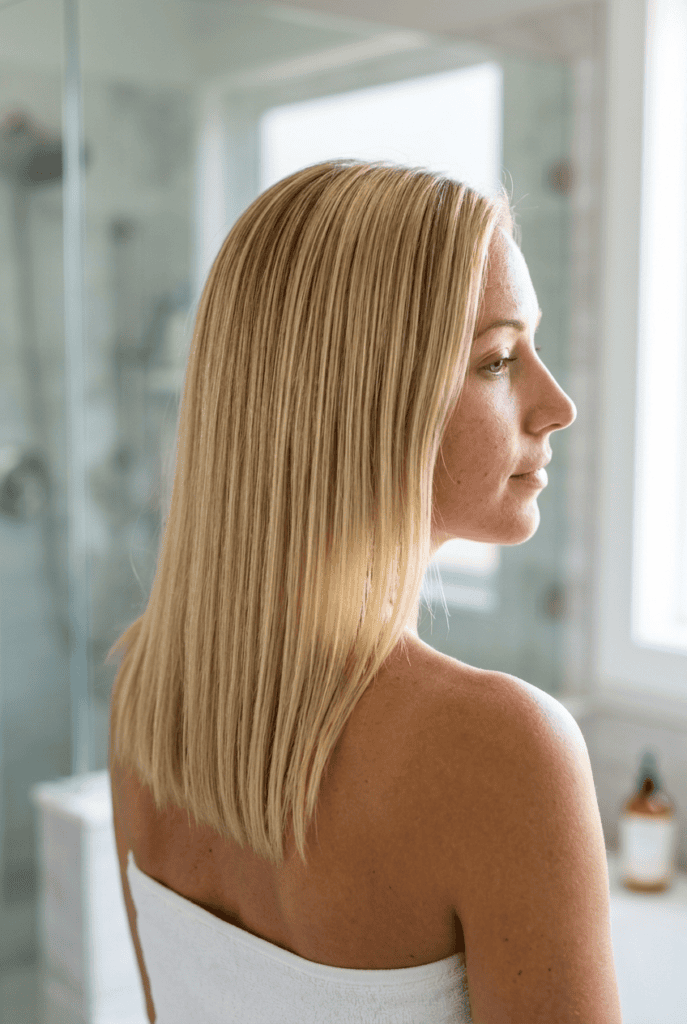
Apple cider vinegar isn’t a strong lightener on its own, but it plays a useful supporting role.
It balances the pH of your hair and strips away product buildup that can make blonde hair look dull or flat. Mix one part apple cider vinegar with three parts water, pour it over your hair after shampooing, and let it sit for a few minutes before rinsing. Combined with a little time in the sun, it helps whatever lightening method you’re using show up more clearly, since clean hair absorbs and reflects light better than hair coated in residue. The vinegar smell fades once your hair dries, so don’t let that stop you from trying it.
6. Vitamin C Treatments
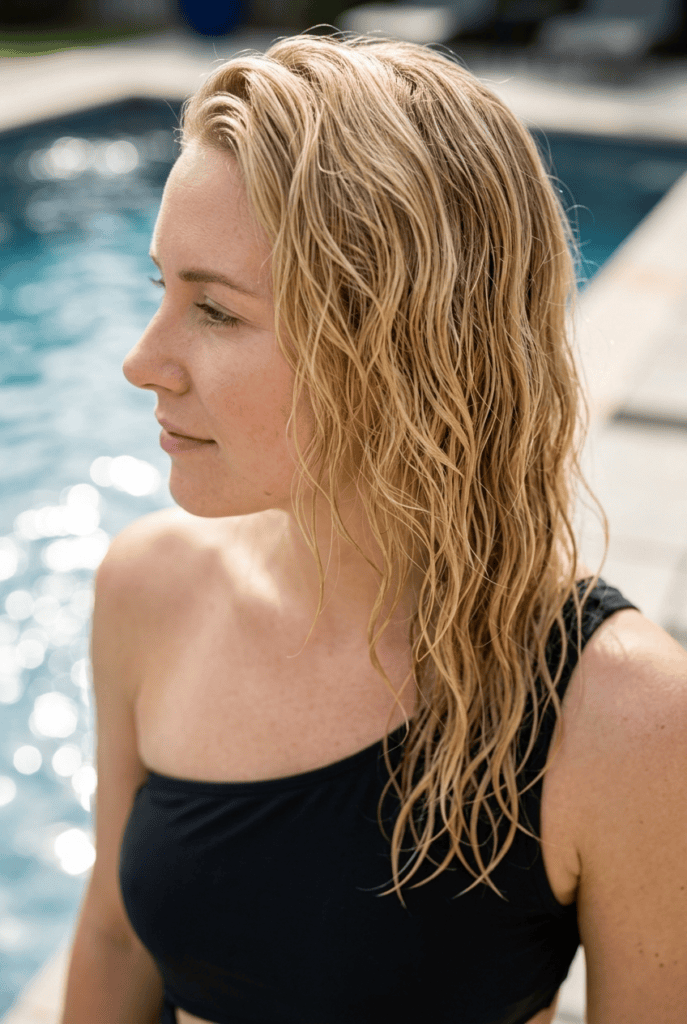
Crushed vitamin C tablets mixed with your regular shampoo create a clarifying treatment that can subtly lighten hair while also removing chlorine buildup, which tends to give blonde hair a greenish tint. Crush eight to ten tablets into a fine powder, mix with enough shampoo to form a paste, and work it through wet hair before rinsing well. It’s especially useful for women who swim often, since it targets the exact kind of discoloration a pool leaves behind.
7. How Much Sun Exposure Actually Helps
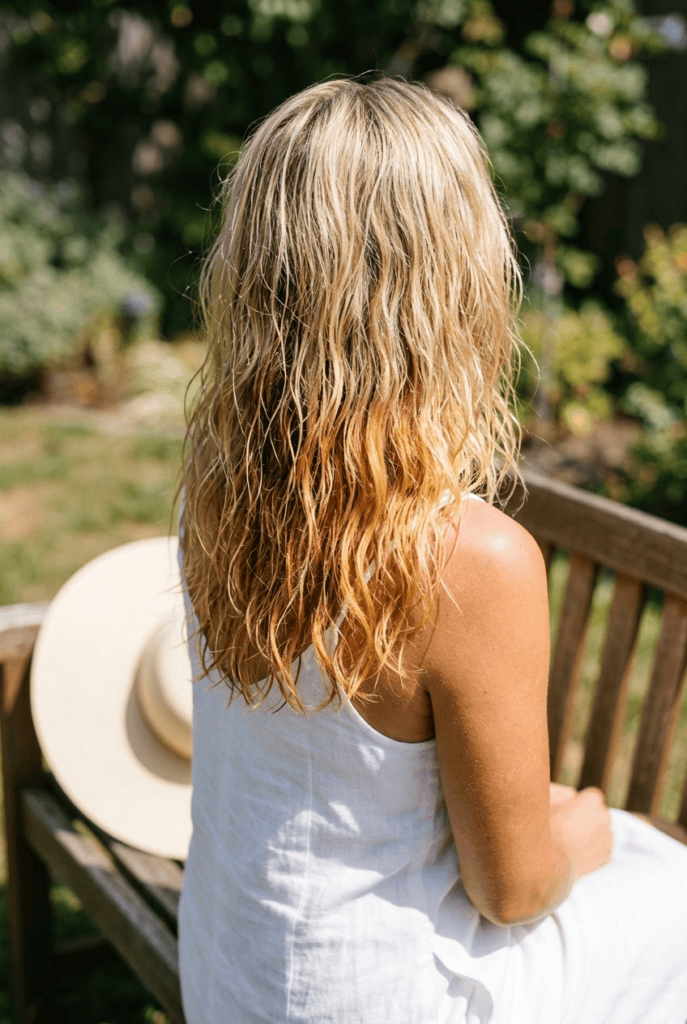
Every method above depends on sunlight to some degree.
Without UV exposure, lemon juice, chamomile, and honey mostly just sit on the hair without doing much. Fifteen to thirty minutes outdoors while the treatment is still damp is usually enough to trigger a noticeable shift, especially in summer when the sun is stronger. Longer than that, particularly with lemon juice, starts to trade lightening for dryness and brittleness.
A hat with UV protection for your scalp and a leave-in conditioner for your ends can help you get the benefit without the damage.
8. Purple and Brightening Shampoo as a Maintenance Step
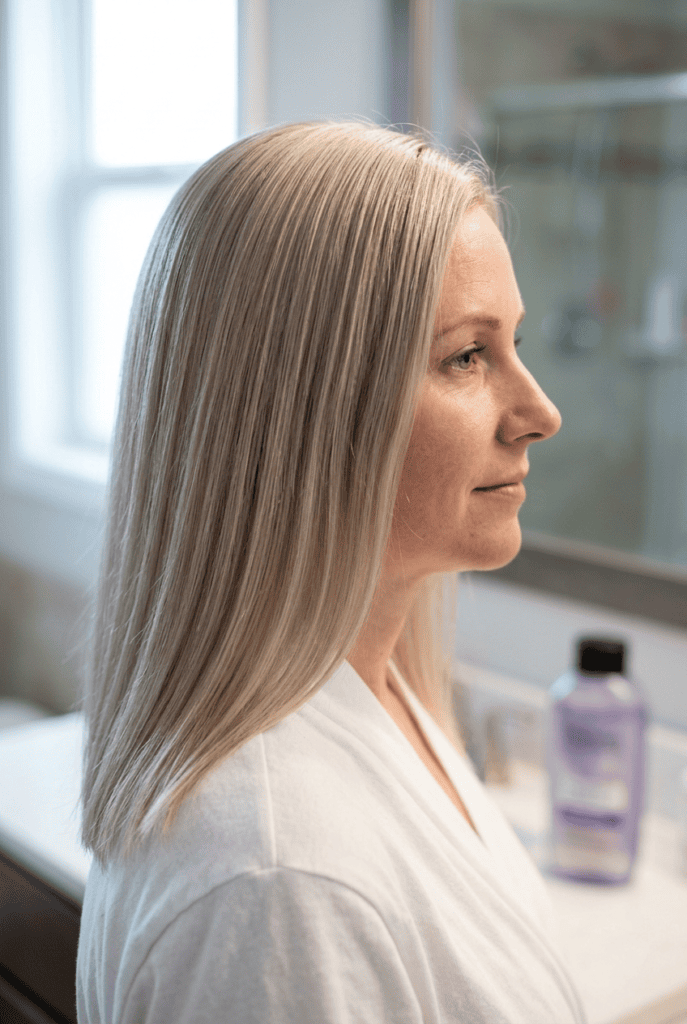
Once you’ve lifted your color a shade or two, keeping it looking fresh matters just as much as the lightening itself. A purple shampoo used once or twice a week cancels out the yellow and orange tones that naturally creep into lightened hair between treatments, while a brightening conditioner adds shine that plain moisture alone won’t give you. Neither product lightens hair on its own, but together they protect the work you’ve already put in.
9. Protecting Your Hair While You Lighten It
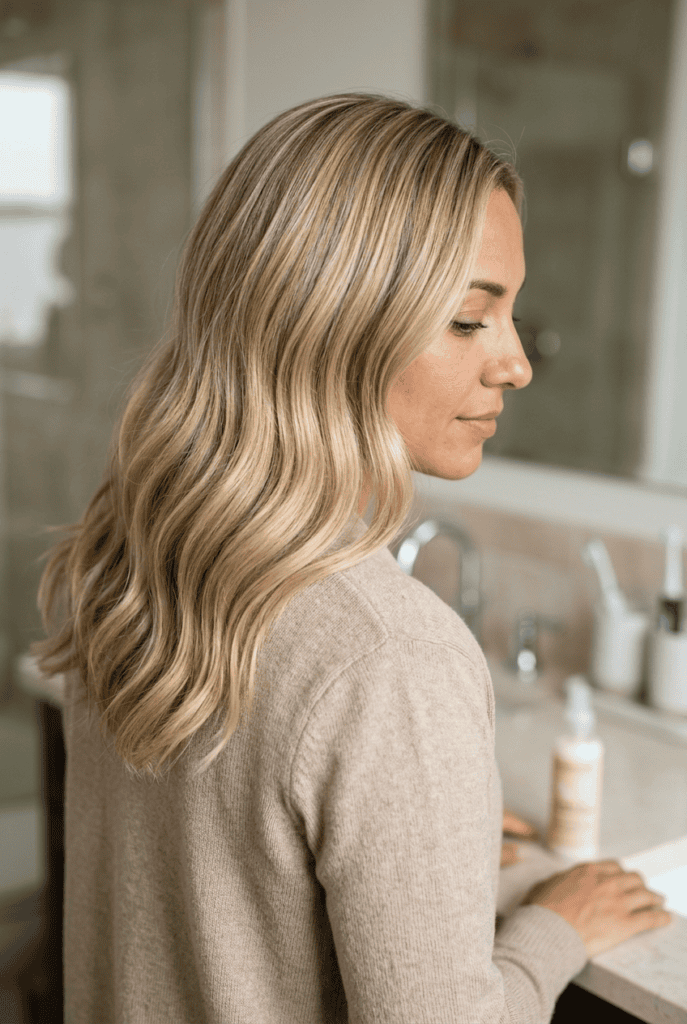
Natural lightening methods are gentler than bleach, but “gentler” doesn’t mean risk-free. Lemon juice, vinegar, and sun exposure all raise the hair cuticle to some degree, and repeated use without proper care leaves strands feeling rough, dry, or prone to breakage. The goal is to lighten your color without sacrificing the health of your hair in the process.
A few habits make a real difference here.
- Deep condition weekly while using any of these methods
- Skip heat styling on days you’ve done a lightening treatment
- Trim ends every six to eight weeks to remove damage before it spreads
- Apply a leave-in treatment with UV protection before sun exposure
10. What Results to Expect and When to Call a Stylist
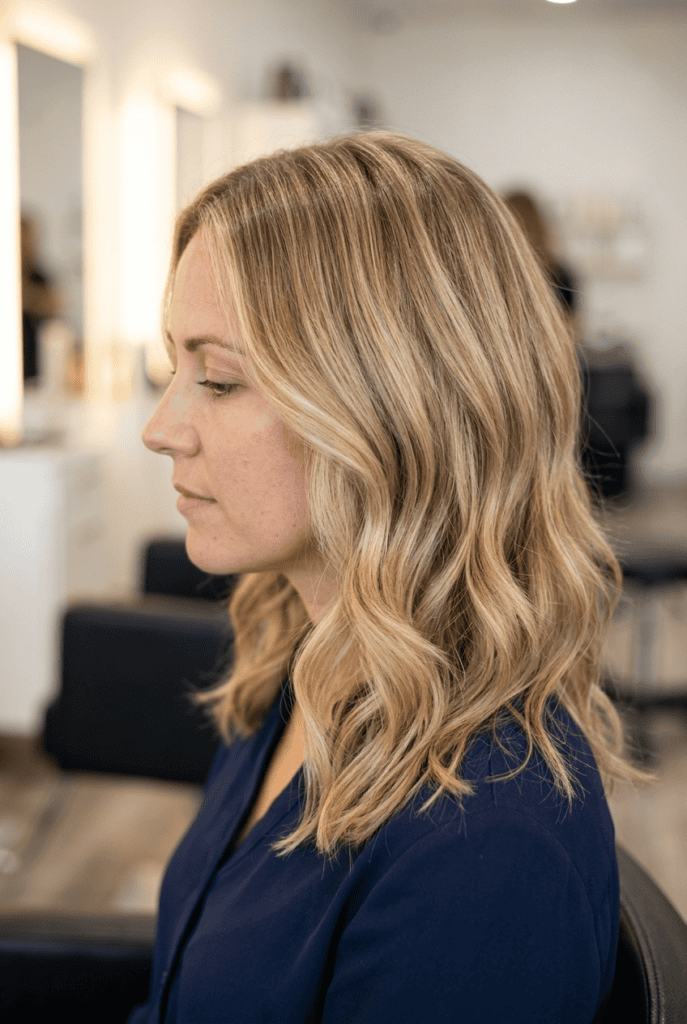
Natural methods work in small, gradual shifts, not dramatic transformations. Expect a shade or two of lift over several weeks, along with warmer, brighter tones rather than a completely new color.
If you’re hoping to go platinum, correct uneven color, or lighten dark roots against already-bleached ends, that’s a job for a professional. Natural methods are best used for maintenance and subtle brightening, not a full color change.
Simple Ways to Keep Your Blonde Looking Fresh Between Salon Visits
Lightening your hair naturally is really about working with what you already have instead of fighting it. A little lemon juice, a strong cup of chamomile tea, or an afternoon in the sun can bring warmth and brightness back to blonde hair that’s started to look dull, all without a trip to the salon or the cost of a color treatment.
The key is consistency and patience. Pick one or two methods that suit your hair type, pair them with good conditioning habits, and give your color a few weeks to shift. Small, steady changes tend to look more natural anyway — and your hair will thank you for skipping the harsher route.
Frequently Asked Questions
Q: How much can I realistically lighten my blonde hair naturally?
A: Most natural methods lift hair by one to two shades over several weeks. They work best for brightening and adding warmth rather than achieving a dramatic color change.
Q: Is lemon juice bad for my hair?
A: Used occasionally and followed by deep conditioning, lemon juice is generally safe. Overuse or skipping the sun activation step can leave hair dry and brittle.
Q: Do I need direct sunlight for these methods to work?
A: Yes, for the most part. Lemon juice, chamomile, and honey all rely on UV exposure to activate the lightening process, so applying them and staying indoors won’t do much.
Q: Can chamomile tea lighten dark blonde hair?
A: Yes, chamomile works well on light to medium blonde shades and adds a warm, golden tone rather than a stark lightening effect.
Q: How often should I do these treatments?
A: Once or twice a week is enough for most methods. More frequent use raises the risk of dryness without speeding up the results.
Q: Will apple cider vinegar change my hair color?
A: Not on its own. It clarifies your hair and balances pH, which helps other lightening methods work more effectively and makes your color look brighter overall.
Q: Why does my blonde hair turn green in the summer?
A: Chlorine from pools builds up on the hair shaft and reacts with copper in the water, creating a greenish tint. A vitamin C clarifying treatment helps remove it.
Q: Should I use purple shampoo while lightening my hair naturally?
A: Yes, it’s a good maintenance step. It won’t lighten your hair, but it keeps brassy tones under control once you’ve achieved the brightness you want.
Q: Can these methods work on hair that’s already color-treated?
A: Yes, though color-treated hair is more porous and can lighten faster or become drier more quickly, so stick to shorter treatment times and condition often.
Q: When should I see a professional instead of trying this at home?
A: If you want a major color change, need to correct uneven tone, or you’re working with previously bleached hair, a stylist can get safer, more predictable results.

