

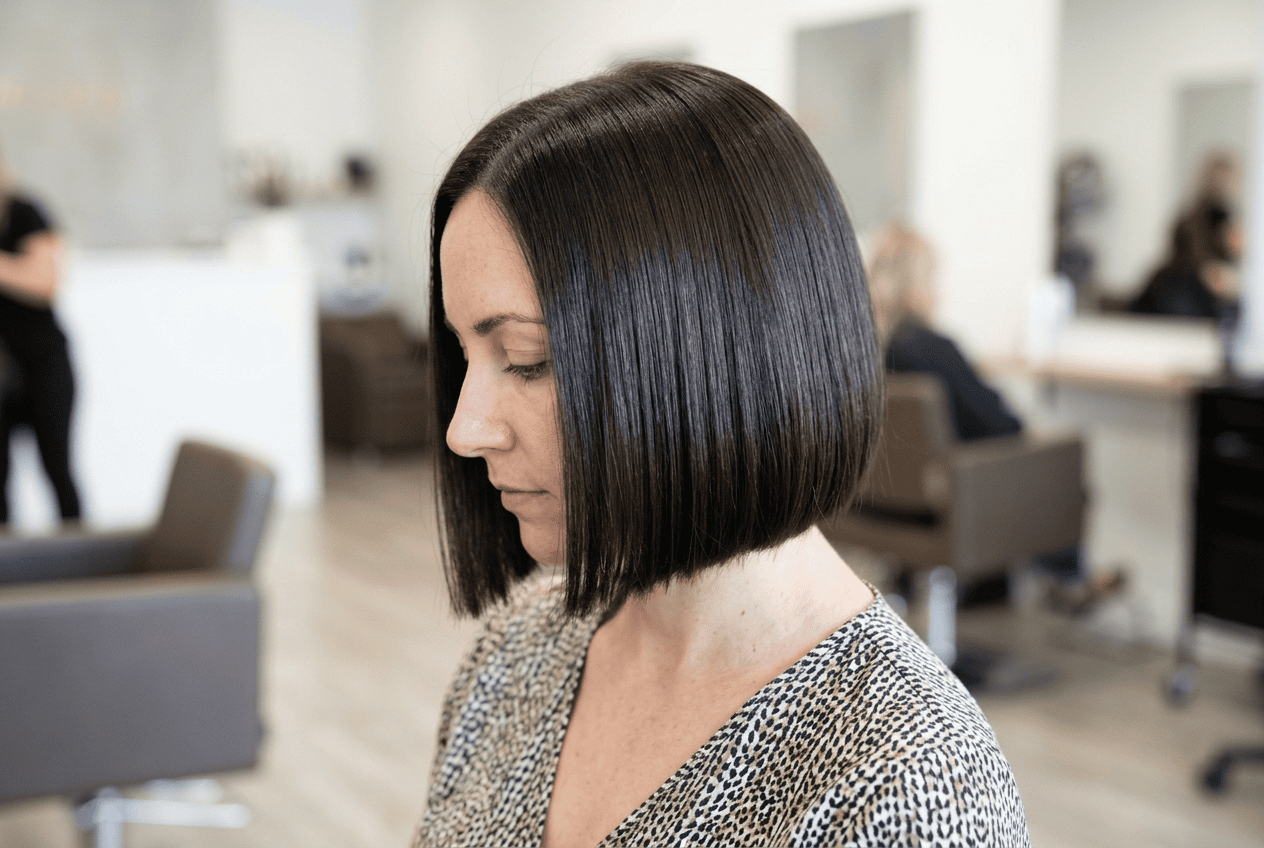
A bob is one of those cuts that sounds simple until you’re standing in front of the bathroom mirror with scissors in hand. The good news is that most bob variations are far more forgiving than people assume, especially if you understand a few basic principles before you start snipping. Length, angle, and where the hair falls on your jaw or collarbone all change the outcome more than any fancy technique ever could.
What makes this cut so popular right now is how differently it can be worn. Some women want something sharp and graphic. Others want soft, undone layers that barely require a comb. A few want bangs, a few want waves, and plenty just want something short enough to feel like a real change without committing to a pixie.
Below are nine bob styles you can realistically create at home, along with what makes each one distinct, who it tends to flatter, and how to approach cutting or maintaining it yourself.
1. Classic Blunt Bob
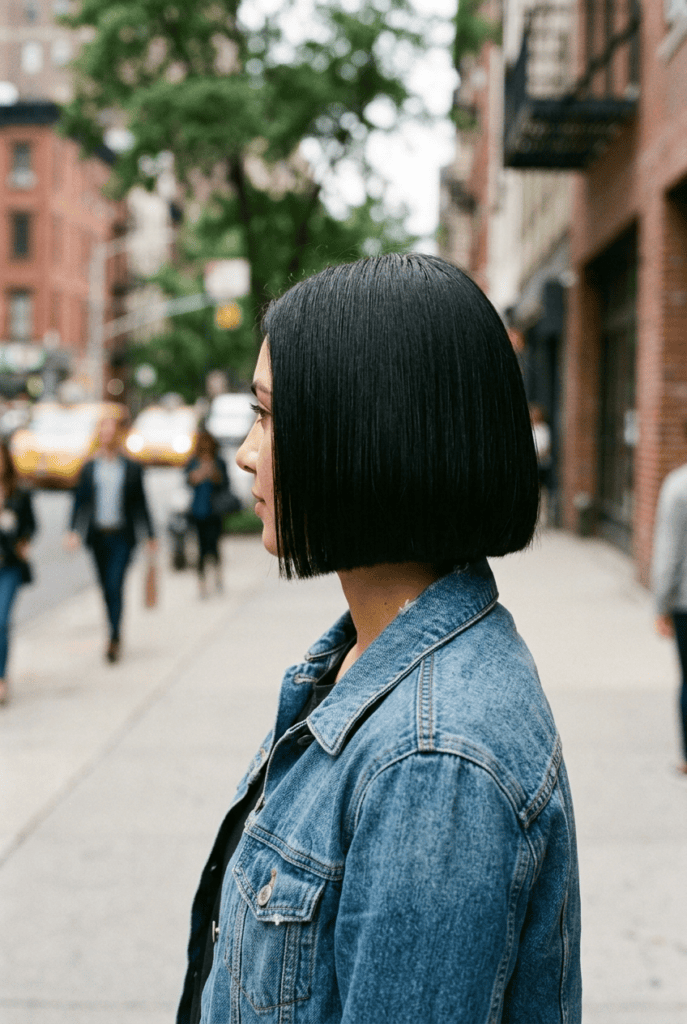
The blunt bob is the most straightforward version of this cut, and that’s exactly why it’s a smart place to start if you’ve never trimmed your own hair before. Every strand ends at the same length, creating one clean, solid line that sits anywhere from chin to collarbone depending on your preference. This style works best on hair that’s naturally straight or lightly wavy, since blunt ends show texture more than layered ones do.
To cut it yourself, section your hair down the middle and work in small horizontal panels, always cutting straight across rather than at an angle.
Comb each section flat before trimming so you can see exactly where the ends fall.
2. Soft A-Line Bob

An A-line bob is slightly longer in the front and shorter in the back, creating a gentle slope instead of one flat line. This shape naturally draws the eye toward the jaw and chin, which is part of why so many women find it flattering regardless of face shape. It’s also easier to cut at home than people expect, since the angle gives you a little more room for error than a perfectly blunt line would. Start by trimming the back section first, then work forward on each side, letting the length gradually increase as you move toward your face.
3. Textured Long Bob (Lob)

The lob sits somewhere between a bob and shoulder-length hair, which makes it one of the lowest-risk options for anyone nervous about going too short. Because there’s more length to work with, mistakes are much easier to fix or blend out. This version relies on soft layers rather than one solid line, so the ends look feathered instead of heavy. Twisting small sections and cutting into the twisted ends is a simple home technique that removes bulk without creating obvious layers.
That texture is what keeps the style from looking flat once it grows out a bit.
4. Curtain Bangs Bob

Adding curtain bangs to a bob changes the whole front of the style without touching the length in back. The bangs part naturally down the middle and sweep to either side, framing the face instead of covering it. This combination has become especially popular because it works on nearly every face shape, softening angular features and adding balance to rounder ones.
To cut curtain bangs yourself, section a triangle of hair starting from the highest point of each eyebrow, then cut at a slight angle so the pieces are longer near your cheekbones and shorter near the center part. Always cut bangs slightly longer than you think you want, since hair tends to spring up once it dries.
A few small trims later, once you’re used to the length, are far safer than one aggressive cut.
5. Shaggy Bob
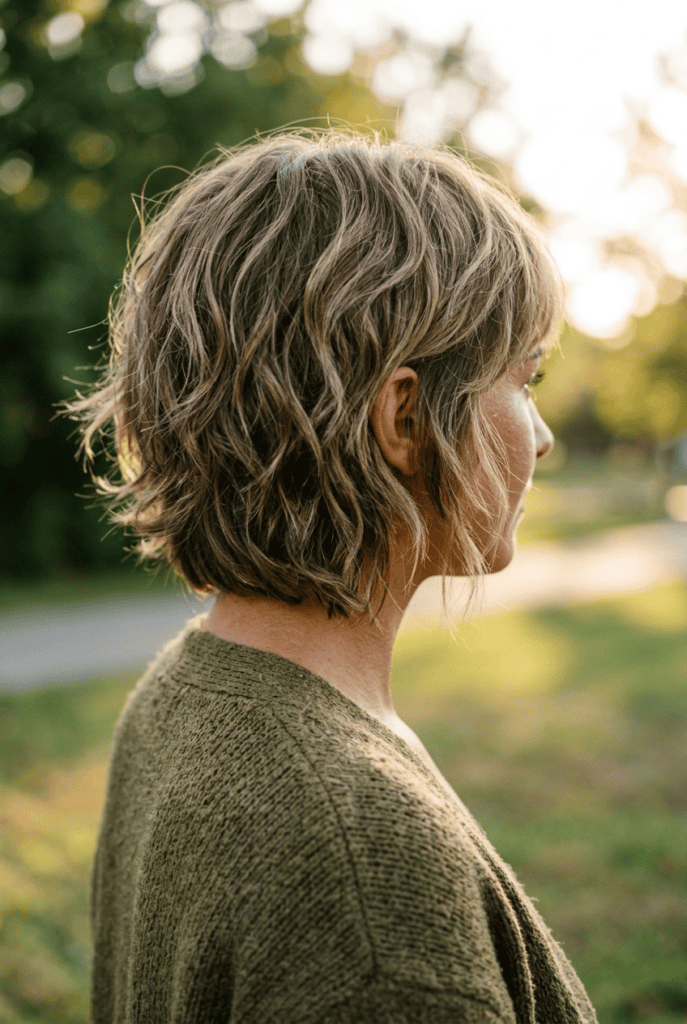
A shaggy bob leans into movement and imperfection rather than precision, which honestly makes it one of the more forgiving cuts on this list. Layers are cut throughout the top and sides at varying lengths, giving the style built-in volume and texture without much styling effort. Point-cutting into the ends, rather than cutting straight across, is what creates that soft, piece-y finish this style is known for. It looks especially good on wavy or curly hair, since the natural texture does most of the styling work on its own.
6. French Bob
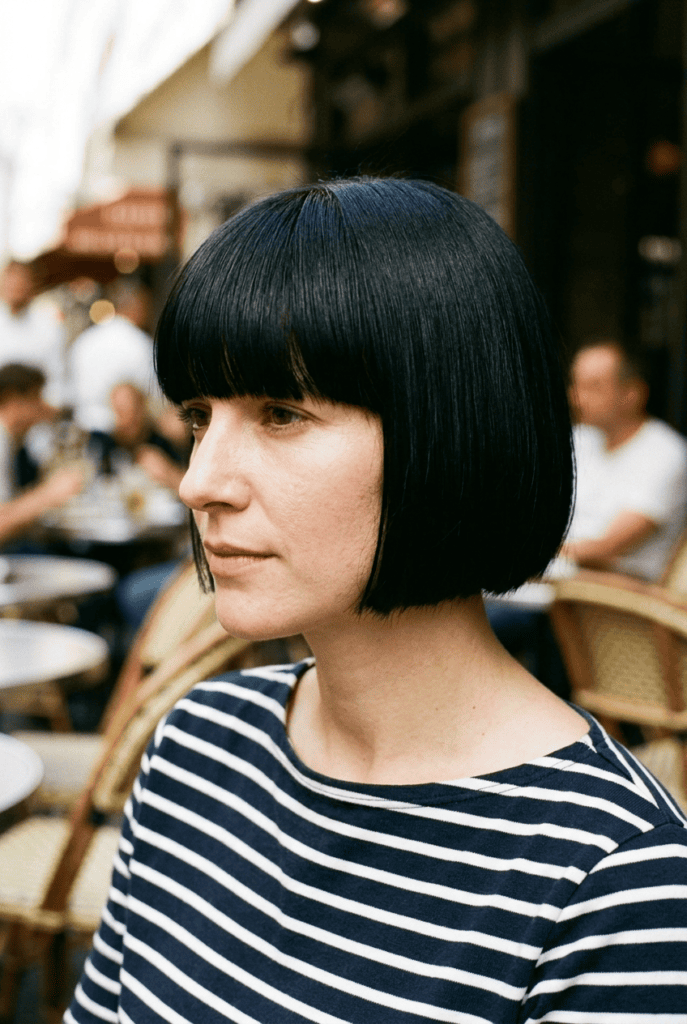
The French bob is short, sits right around the chin, and almost always comes paired with a blunt fringe. It’s a bolder choice than most of the other styles here, since there’s very little length to hide behind if something goes slightly off. That said, it remains one of the most requested looks because of how polished and put-together it looks with almost no daily effort.
A few things make this version different from a standard blunt bob:
- The overall length runs shorter, usually just below the ear
- The fringe is cut full and straight rather than soft or wispy
- The ends are kept sharp instead of textured or layered
7. Stacked Graduated Bob
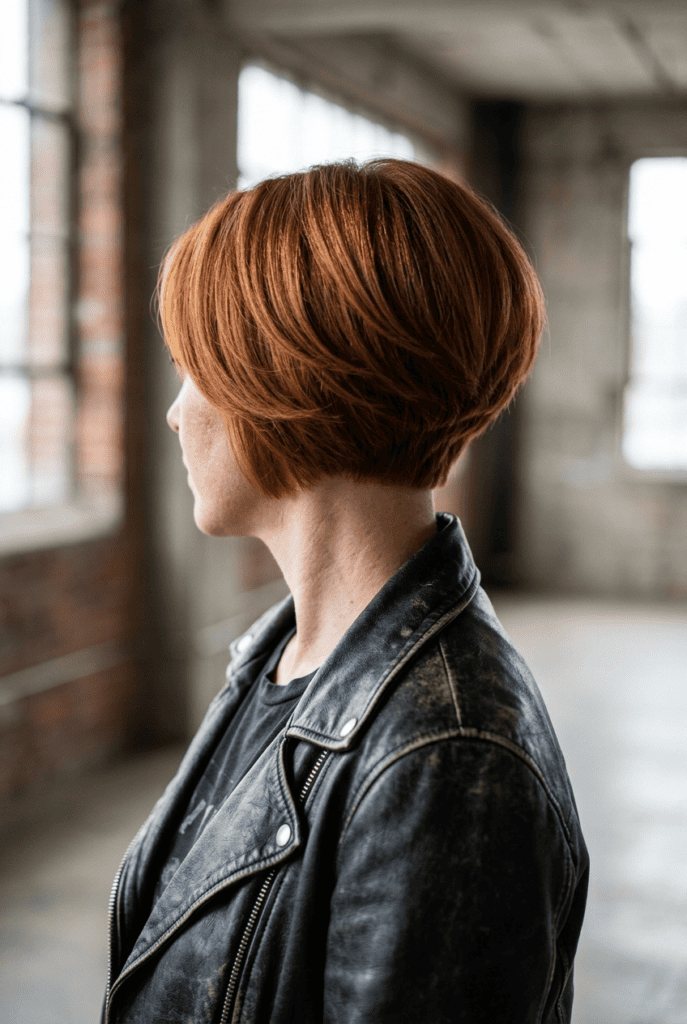
This version is built with more layers in the back than in the front, creating volume and lift right where most women want it. The stacking effect is subtle from the front but very noticeable in profile, giving the whole cut a rounder, fuller shape at the base of the head. Cutting graduated layers at home takes a bit more patience than a blunt cut, since each section in the back needs to be slightly shorter than the one above it. Working slowly, in thin horizontal sections, makes the transition between layers much smoother.
8. Beachy Wavy Bob

This style isn’t really about the cut itself so much as how it’s finished, though the length still matters. A slightly longer bob, cut with soft layers around the face, gives waves more room to move once they’re styled. Sea salt spray or a light texturizing product on damp hair, followed by air drying, is usually all it takes to get that relaxed, undone look. Fine-tuning the ends every six to eight weeks keeps the shape from getting stringy as it grows.
9. Face-Framing Layered Bob
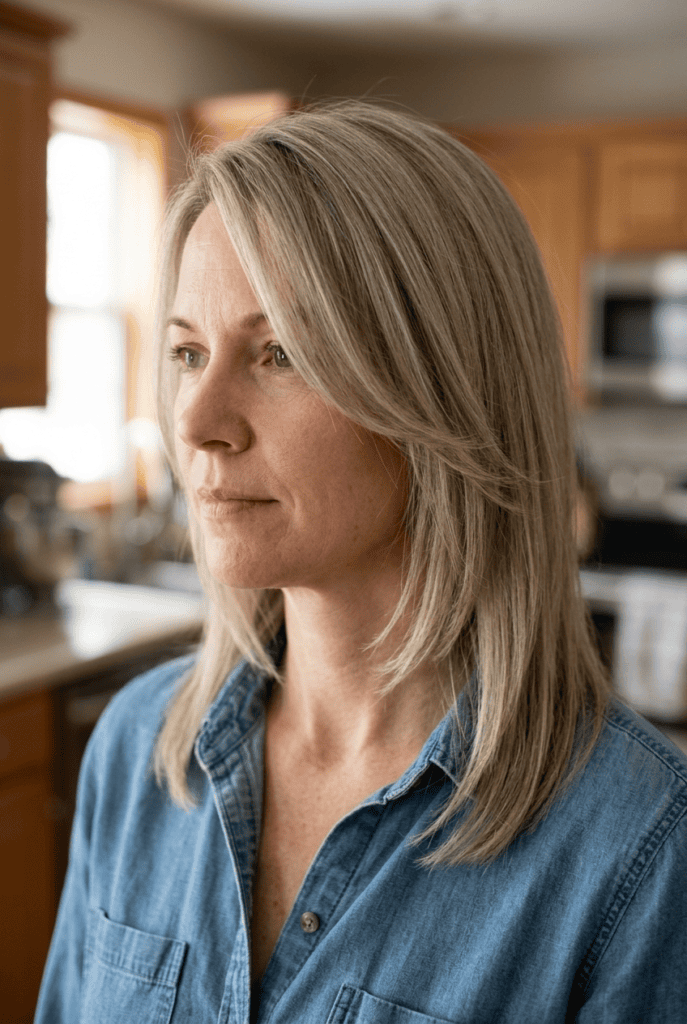
This version keeps most of the length intact while adding shorter layers just around the face. The result is a bob that still reads as one cohesive shape but has extra movement near the chin and cheekbones. It’s one of the gentlest ways to experiment with layers for the first time, since the rest of the cut stays untouched.
The Importance of Bob Variations
A bob doesn’t have to mean one specific look anymore, and that’s really the point of trying one of these nine versions. Whether you want something sharp and structured or soft and undone, there’s a version here that fits your hair type, your face shape, and how much time you actually want to spend on it each morning.
Start with whichever style feels closest to your current length and texture, since that’s always the easiest transition. Once you get comfortable with basic sectioning and cutting technique, adjusting the angle, length, or layering to try a different version becomes much less intimidating the second time around.
Frequently Asked Questions
Q: Can I really cut a bob on myself, or should I always see a stylist first? A: Simple, blunt versions are realistic to try at home, especially with hair that’s already close to the length you want. More detailed styles, like graduated or heavily layered bobs, are safer left to a professional the first time.
Q: What’s the easiest bob variation for a beginner to cut? A: The classic blunt bob is the most forgiving since it only involves one straight line, without layering or angles to manage.
Q: How short should I go if I’ve never had a bob before? A: A longer bob or lob is a safer starting point, since there’s more length to fix or adjust if the first attempt isn’t perfect.
Q: Do bobs work on curly or wavy hair? A: Yes, though curly hair tends to shrink up once it dries, so it’s best to cut it slightly longer than your target length while it’s damp.
Q: How often does a bob need to be trimmed? A: Most versions need a trim every six to eight weeks to keep the shape from growing out unevenly, especially blunt or angled styles.
Q: What tools do I actually need to cut a bob at home? A: Sharp hair-cutting shears, sectioning clips, and a fine-tooth comb are the basics. Regular scissors tend to leave uneven, split ends.
Q: Will curtain bangs work with any bob length? A: Yes, curtain bangs can be added to a short French bob, a chin-length blunt cut, or a longer lob without changing the rest of the style.
Q: How do I know which bob shape fits my face? A: A-line and layered styles tend to soften angular features, while blunt and stacked versions add structure to softer, rounder face shapes.

