

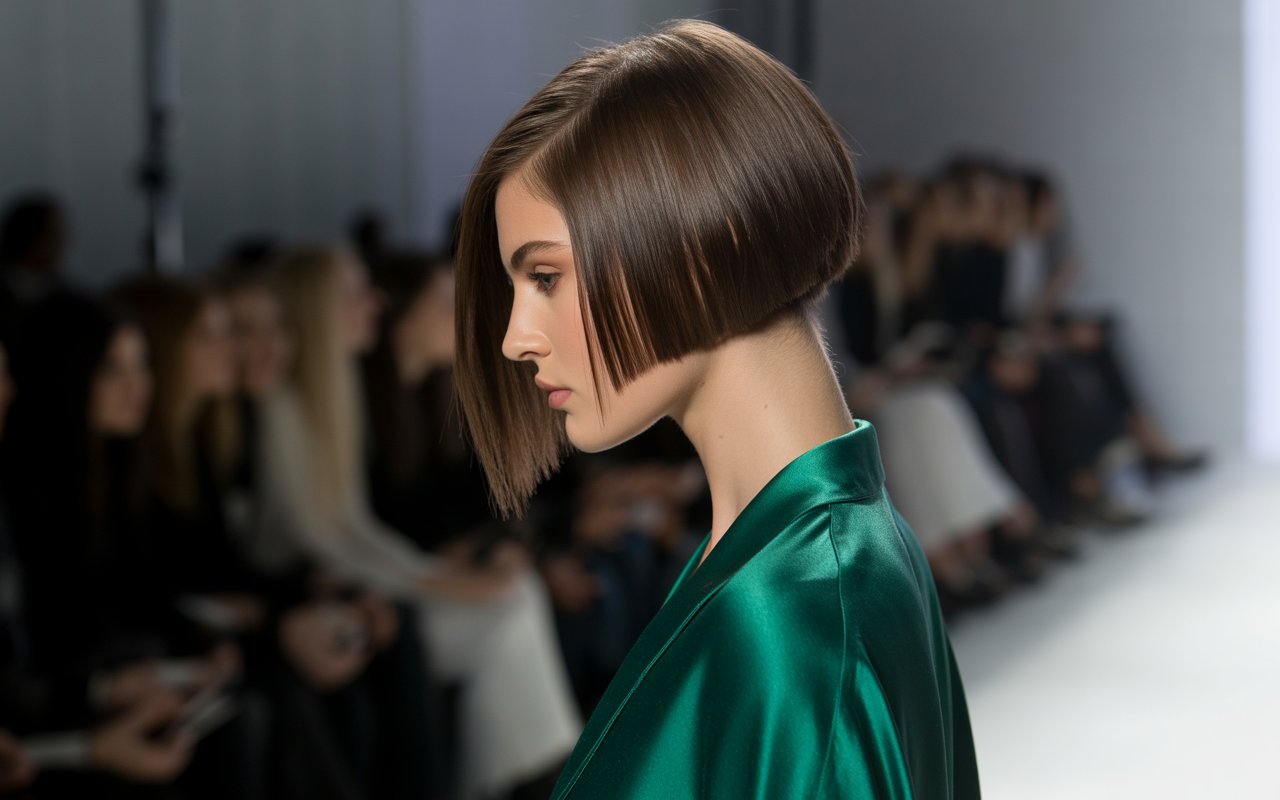
The A-line bob continues to dominate salon chairs across the country, and for good reason. This sophisticated cut combines the chicness of a classic bob with a modern angle that creates movement and dimension. Unlike traditional bobs that maintain one length around your head, this style gradually lengthens from back to front, creating a flattering silhouette that works with virtually any lifestyle.
Women everywhere are discovering that this particular cut offers something unique – a perfect balance between polished professionalism and effortless style. The angled shape naturally frames your face while adding volume where you need it most. Whether you’re rushing to morning meetings or enjoying weekend brunch with friends, this haircut adapts to your schedule without demanding hours of maintenance.
You’ll find that the following sections reveal exactly why this timeless yet contemporary style deserves serious consideration for your next salon visit. From its incredible versatility to its surprising ability to flatter every face shape, we’ll share the compelling reasons that make this cut a game-changer for women seeking both style and practicality.
What Exactly Is an A-Line Bob?
The A-line bob gets its name from the distinctive triangular shape it creates when viewed from the side. This geometric precision sets it apart from other short hairstyles, with hair cut shorter at the nape of your neck and gradually increasing in length toward your chin. The result? A sleek line that follows your jawline and creates natural movement with every turn of your head.
The signature shape and structure
Understanding the mechanics of this cut helps explain its enduring popularity. Your stylist creates layers that graduate from short to long, building volume at the crown while maintaining sleekness through the sides. This architectural approach to haircutting produces a shape that holds its form between salon visits, making it ideal for busy schedules.
The back section typically sits anywhere from mid-neck to just below your hairline, depending on your preference for drama. As the cut moves forward, each section grows slightly longer, creating that signature angle. Some women prefer a subtle graduation of just an inch or two, while others opt for a more dramatic difference that can span several inches from back to front.
How it differs from traditional bobs
Traditional bobs maintain uniform length all around your head, creating a blunt, horizontal line. The A-line version introduces dynamic movement through its graduated lengths. This distinction matters because it affects how your hair moves, how it frames your face, and how much styling effort you’ll need to invest daily.
Length variations and styling options
Modern interpretations of this classic cut offer countless customization options. You might choose a chin-length version for maximum impact, or extend the front pieces to graze your collarbone for a softer look. Some women add subtle layers throughout for extra texture, while others prefer the sleekness of a more precise cut.
The styling possibilities multiply with each variation. Straight and glossy showcases the cut’s clean lines perfectly. Adding waves or curls creates romantic volume that still maintains the overall shape. You can tuck one side behind your ear for asymmetrical interest or add a deep side part for Hollywood glamour.
Who can wear this cut
The beauty of this particular style lies in its universal appeal. Age becomes irrelevant when the cut is properly customized to your features and lifestyle. Young professionals appreciate its polished appearance, while women in their 50s and beyond love how it adds youthful energy to their look.
Hair texture rarely presents obstacles either. Fine hair gains the illusion of thickness through the graduated layers. Thick hair becomes more manageable with the weight removed from the back. Even women with natural waves or curls find that the structure of this cut helps define their texture beautifully.
Why This Cut Flatters Every Face Shape
Face shape often dictates haircut choices, but the A-line bob breaks these traditional rules through its incredible adaptability. The graduated length creates optical illusions that enhance your best features while minimizing areas of concern. This versatility explains why stylists consistently recommend this cut to clients with vastly different facial structures.
How it works for round faces
Round faces benefit tremendously from the elongating effect of angled cuts. The longer front pieces draw the eye downward, creating the illusion of length that balances fuller cheeks. By keeping the back shorter, you avoid adding width at the sides of your face where you least want it.
Strategic styling amplifies these benefits further. A deep side part adds asymmetry that breaks up roundness. Keeping the hair sleek and straight through the sides prevents additional width, while the angle naturally slims your appearance. Many women with round faces report feeling more confident with this cut than any previous style they’ve tried.
The key lies in ensuring your stylist creates enough of an angle to make a visual impact. A difference of at least two inches from back to front typically provides the most flattering results for round face shapes. This creates strong diagonal lines that counteract the circular shape of your face.
Benefits for square and angular features
Square faces often struggle with hairstyles that emphasize their strong jawlines. The A-line bob softens these angles through its curved lines and graduated lengths. The front pieces gently frame your jaw rather than ending abruptly at its widest point, creating a more feminine silhouette overall.
Adding soft waves or curls to this cut works particularly well for square faces. The movement breaks up strong lines while the overall shape maintains its flattering properties. You might also consider adding face-framing layers that start at your cheekbones, further softening your features.
Elongating effects for heart-shaped faces
Heart-shaped faces typically feature wider foreheads and narrower chins, making balance the primary goal. This cut achieves that balance by adding visual weight around the jawline where heart-shaped faces need it most. The longer front sections create fullness that equalizes proportions beautifully.
Styling options for heart-shaped faces include:
Side-swept bangs: These minimize forehead width while working harmoniously with the angled cut
Textured ends: Adding texture to the longer front pieces creates volume around your chin
Subtle waves: Gentle bends starting at ear level add width to the lower portion of your face
Deep parts: Positioning your part off-center creates asymmetry that flatters your natural proportions
Adaptability for oval face shapes
Oval faces enjoy the luxury of suiting almost any hairstyle, but the A-line bob offers particular advantages. The graduated length adds interest without overwhelming balanced proportions. You can experiment with different angles and lengths to create various looks while maintaining harmony with your features.
This face shape allows for the most creative freedom with styling. Sleek and straight emphasizes your natural symmetry. Tousled waves add playful volume. You might even try a more dramatic angle for evening events, knowing your proportions can handle the bold look. The cut’s inherent structure means it flatters regardless of how you choose to style it.
How Low-Maintenance Is This Haircut Really?
The promise of low-maintenance hair often falls short of reality, but the A-line bob delivers on this claim through its ingenious structure. The graduated shape works with your hair’s natural tendencies rather than against them, significantly reducing daily styling time. Women report cutting their morning routines in half after making the switch to this practical yet polished cut.
Daily styling requirements
Your morning routine becomes refreshingly simple with this cut. After washing, a quick rough-dry with your fingers often suffices to activate the built-in shape. The graduation naturally encourages hair to fall into place, eliminating the need for extensive round-brushing or flat-ironing that other styles demand.
For those who prefer a more polished look, a paddle brush and five minutes with a blow dryer typically achieves salon-worthy results. The key is working with the cut’s natural direction – drying the back sections under and forward, while the front pieces can be styled away from your face or tucked behind your ears as desired.
On second or third-day hair, a quick refresh with dry shampoo at the roots and a smoothing serum on the ends brings back that fresh-styled appearance. The structural integrity of the cut means bedhead becomes less problematic, as the overall shape remains intact even after sleeping.
Time-saving morning routines
Busy mornings become manageable when your hair cooperates. The A-line bob’s foolproof shape means you can literally wake up and go on many days. The graduated layers naturally create volume at the crown without teasing or special products, while the weight distribution prevents the poufy triangle shape that plagues many short cuts.
Product recommendations for easy care
Minimal product usage keeps both your hair and budget happy. A lightweight smoothing cream applied to damp hair provides enough control for most textures without weighing down the style. For added shine and protection, a few drops of hair oil concentrated on the ends maintains healthy-looking hair between trims.
Those with stubborn cowlicks or particularly unruly sections might benefit from a light-hold styling cream applied before blow-drying. The goal is enhancing the cut’s natural shape rather than forcing your hair into submission. This approach not only saves time but also maintains healthier hair over the long term.
How often you need salon visits
The graduated nature of this cut means it grows out more gracefully than blunt styles. While traditional bobs require trimming every 4-6 weeks to maintain their shape, the A-line version typically looks good for 6-8 weeks between visits. Some women stretch appointments to 10-12 weeks by having their stylist cut a slightly more dramatic angle initially.
The back section determines your maintenance schedule more than the front. As it grows, you might notice the angle becoming less defined. However, the overall style remains wearable far longer than precision cuts that show every millimeter of growth. This extended timeline between salon visits saves both time and money while keeping you looking polished.
Regular maintenance appointments usually take less time too. Your stylist simply needs to reestablish the existing shape rather than creating complex new layers or dramatically changing lengths. Quick 30-minute appointments every two months keep the cut looking fresh without major time commitments.
What Makes A-Line Bobs So Versatile?
Versatility in a haircut means more than just having styling options – it’s about seamlessly transitioning between different aspects of your life without major hair adjustments. The A-line bob excels in this area, morphing from boardroom-appropriate to beach-ready with minimal effort. This adaptability makes it an ideal choice for women juggling multiple roles and environments daily.
Professional workplace styling
The corporate world often demands polished presentation, and this cut delivers professional appeal without sacrificing personality. Its clean lines and structured shape convey competence and attention to detail. A sleek blow-dry creates an executive-ready look that commands respect in any meeting room.
For important presentations or client meetings, a deep side part adds sophistication while maintaining the cut’s inherent professionalism. Tucking one side behind your ear creates an asymmetrical look that appears both approachable and authoritative. The graduated length ensures your hair stays put throughout long days without constant touch-ups.
Conservative workplaces appreciate the timeless quality of this style. Unlike trendy cuts that might raise eyebrows in traditional settings, the A-line bob reads as classic and appropriate across industries. You can express individuality through subtle styling variations without compromising professional standards.
Casual weekend looks
Weekends call for relaxed styling that still looks intentional. The beauty of this cut shines through its ability to look effortlessly chic with minimal styling. Air-drying with a texturizing spray creates perfectly imperfect waves that suit coffee runs and Saturday errands.
Beach waves achieved with a curling wand or overnight braids transform the structured cut into something softer and more playful. The graduated length means waves hold their shape better than in one-length cuts, maintaining definition throughout the day. A messy bun becomes impossibly chic when shorter back pieces escape to frame your neck.
For active weekends, the shorter back section stays off your neck during workouts while the longer front pieces can be secured with bobby pins. This practical aspect means you can transition from yoga class to brunch without a complete restyle. Quick touch-ups in the car restore your polished appearance instantly.
Special occasion transformations
Special events showcase this cut’s surprising glamour potential. Smooth, glass-like styling with a flat iron creates red-carpet worthy shine that photographs beautifully. The angle provides natural movement that prevents the helmet-like appearance common with heavily styled short hair.
Adding Hollywood waves transforms the cut into vintage glamour reminiscent of 1940s movie stars. The graduated length creates beautiful wave patterns that hold throughout long events. Strategic placement of decorative pins or a sparkly headband elevates the look further without overwhelming the sophisticated silhouette.
Seasonal adaptations
Each season brings different hair challenges, but this adaptable cut handles them all with grace. Summer humidity that typically causes frizz and volume problems becomes manageable thanks to the weight distribution of the graduated cut. The shorter back keeps you cooler while maintaining style.
Winter static and hat hair pose fewer problems when your cut has built-in structure. A quick shake after removing winter hats restores the shape, while the angle naturally guides hair back into place. You might add rich, warming tones through color during colder months, knowing the cut’s shape will showcase dimensional color beautifully.
Spring and fall transitions become opportunities for subtle changes:
Lighter texturizing: Spring’s fresh energy suits adding movement through texturizing techniques
Deeper conditioning: Fall’s drier air calls for glossy treatments that enhance the cut’s sleek potential
Temporary color: The structured shape provides an excellent canvas for trying new shades
Accessory updates: Seasonal hair accessories complement rather than compete with the strong silhouette
The cut’s inherent adaptability means you can refresh your look each season without committing to major changes. This flexibility keeps your style current while maintaining the low-maintenance benefits that drew you to the cut initially.
Which Hair Textures Work Best?
Hair texture often determines haircut success more than any other factor, but the A-line bob proves remarkably democratic in its appeal across texture types. Understanding how this cut interacts with different hair textures helps you and your stylist customize the perfect version for your specific needs. The graduated structure adapts beautifully to fine, thick, wavy, and even curly hair with appropriate modifications.
Fine hair benefits
Fine hair finally finds its perfect match in this graduated cut. The shorter back section removes weight that typically drags down fine hair, while the angle creates an optical illusion of density and movement. Women with fine hair often struggle to achieve volume, but this cut’s architecture builds it in naturally.
The layering technique used in creating the graduation adds dimension that fine hair desperately needs. Each section appears fuller because it’s not competing with longer lengths weighing it down. Strategic texturizing at the ends prevents the thin, stringy appearance that plagues many fine-haired attempts at longer styles.
Styling becomes remarkably simple for fine hair with this cut. A volumizing mousse at the roots and quick blow-dry with a round brush creates all-day fullness. The structured shape means you need less product overall, preventing the weighing down that fine hair experiences with product overload.
Managing thick hair
Thick hair presents its own challenges, but the A-line bob tames even the most abundant locks through strategic weight removal. The graduated back eliminates bulk where thick hair tends to create unflattering width, while maintaining enough length in front to avoid the dreaded triangle shape.
Your stylist will likely employ thinning techniques concentrated in the back sections while preserving density through the front for balance. This approach maintains the cut’s signature angle while preventing overwhelming volume. Internal layers hidden within the cut further reduce bulk without sacrificing the clean exterior lines.
Thick hair actually enhances this cut’s longevity between salon visits. The extra density means the shape holds longer as hair grows, and minor inconsistencies in length become less noticeable. You might find you can extend time between trims compared to those with finer hair, making maintenance even easier.
Working with wavy textures
Wavy hair and angled bobs create a particularly attractive combination. The graduation works with your natural wave pattern, encouraging uniform bends that enhance rather than fight the cut’s shape. Unlike one-length styles that can emphasize uneven wave patterns, the varied lengths create harmonious movement throughout.
The key to success lies in cutting the hair according to its wave pattern rather than fighting against it. Experienced stylists will adjust the angle to accommodate how your specific waves fall, ensuring the shape remains flattering whether you wear it natural or straightened. This customization prevents the awkward flipping or strange bends that occur when cuts ignore natural texture.
Styling wavy hair in this cut offers multiple options:
Natural air-dry: Scrunch with curl-enhancing cream for effortless beachy waves
Smoothed straight: The angle provides built-in movement even when straightened
Enhanced waves: Diffusing with a curl cream amplifies natural texture beautifully
Half and half: Smooth the shorter back while letting front pieces wave naturally
Curly hair considerations
Curly hair might seem incompatible with such a structured cut, but skilled stylists create stunning curly A-line bobs through careful customization. The technique involves cutting the hair while dry and in its natural curl pattern, ensuring the angle appears correct when curls spring up.
The graduated back prevents the pyramid shape that curly hair often creates in shorter cuts. By removing weight from the widest part of the head, curls can form properly without creating unflattering volume. The longer front pieces provide weight that elongates curls attractively around your face.
Maintenance for curly versions requires understanding that the angle might appear less defined than in straight hair, but the overall effect remains equally flattering. Regular trims every 8-10 weeks maintain the shape while preventing the back from becoming too full. Deep conditioning treatments keep curls defined and frizz-free, showcasing the cut’s sophisticated silhouette.
Product selection becomes crucial for curly hair in this cut. Lightweight curl creams that define without weighing down work best, applied using the “praying hands” method to maintain curl clumping. Avoiding heavy oils or butters in the back section prevents losing the graduated effect that makes this cut special.
Final Thoughts on Your Next Hair Transformation
The evidence speaks clearly – an A-line bob offers far more than just another short haircut option. This sophisticated style solves multiple hair dilemmas simultaneously, from adding volume to fine hair to taming thick textures, all while requiring minimal daily maintenance. The graduated angle creates a universally flattering shape that adapts to your lifestyle rather than demanding you adapt to it.
Making the decision to try this transformative cut becomes easier when you consider its incredible versatility and longevity. You’re not just investing in a haircut that looks good immediately after leaving the salon – you’re choosing a style that maintains its appeal through busy mornings, humid weather, and the inevitable growing-out phase. The freedom that comes from having reliably good hair days changes how you approach your entire routine, giving you confidence that extends far beyond your appearance.
Frequently Asked Questions
Q: How much does an A-line bob typically cost?
A: Pricing varies significantly by location and salon level, ranging from $45-150. The cut’s complexity and your stylist’s expertise factor into cost, but the extended time between trims often makes it more economical than high-maintenance styles requiring frequent salon visits.
Q: Will an A-line bob make my face look wider?
A: Actually, the opposite occurs. The angled cut creates vertical lines that elongate your face rather than widening it. The graduated length draws the eye downward, creating a slimming effect that particularly benefits round or square face shapes.
Q: Can I still put my hair in a ponytail with this cut?
A: The longer front pieces usually allow for a low ponytail or half-up styles. While high ponytails become challenging due to the shorter back, creative styling with bobby pins and hair accessories provides numerous updo options for active days or formal events.
Q: How do I know if the angle is too dramatic for me?
A: Start conservative with a subtle graduation of 1-2 inches difference from back to front. You can always request a more dramatic angle at subsequent appointments once you’re comfortable with the style. Your stylist should consider your face shape and lifestyle when recommending the ideal angle.
Q: What’s the biggest mistake people make with this haircut?
A: Not communicating clearly with their stylist about desired length and angle. Bring multiple reference photos showing both front and back views. Discuss your styling routine honestly so your stylist can customize the cut to match your maintenance preferences.
Q: Does this cut work with bangs?
A: Absolutely! Side-swept bangs complement the angle beautifully, while blunt bangs create an edgy contrast. Curtain bangs offer a softer option that grows out gracefully. Your stylist can recommend bang styles that enhance your specific face shape and features.
Q: How long does it take to grow out an A-line bob?
A: The graduated shape actually grows out more attractively than blunt cuts. Expect 4-6 months to reach shoulder length from a chin-length starting point. Regular trims every 8-10 weeks during the growing phase maintain shape while allowing length to accumulate.
Q: What if I have a cowlick at my crown or neckline?
A: Skilled stylists work with cowlicks rather than against them when creating this cut. Strategic layering and length adjustments accommodate natural growth patterns. The graduated back often helps tame neckline cowlicks better than one-length cuts.
Q: Is this cut appropriate for women over 50?
A: Age has nothing to do with suitability for this classic cut. Women of all ages find it refreshingly modern yet timeless. The structure adds youthful movement while maintaining sophistication, making it particularly popular among women seeking age-appropriate style without sacrificing fashion-forward appeal.

