

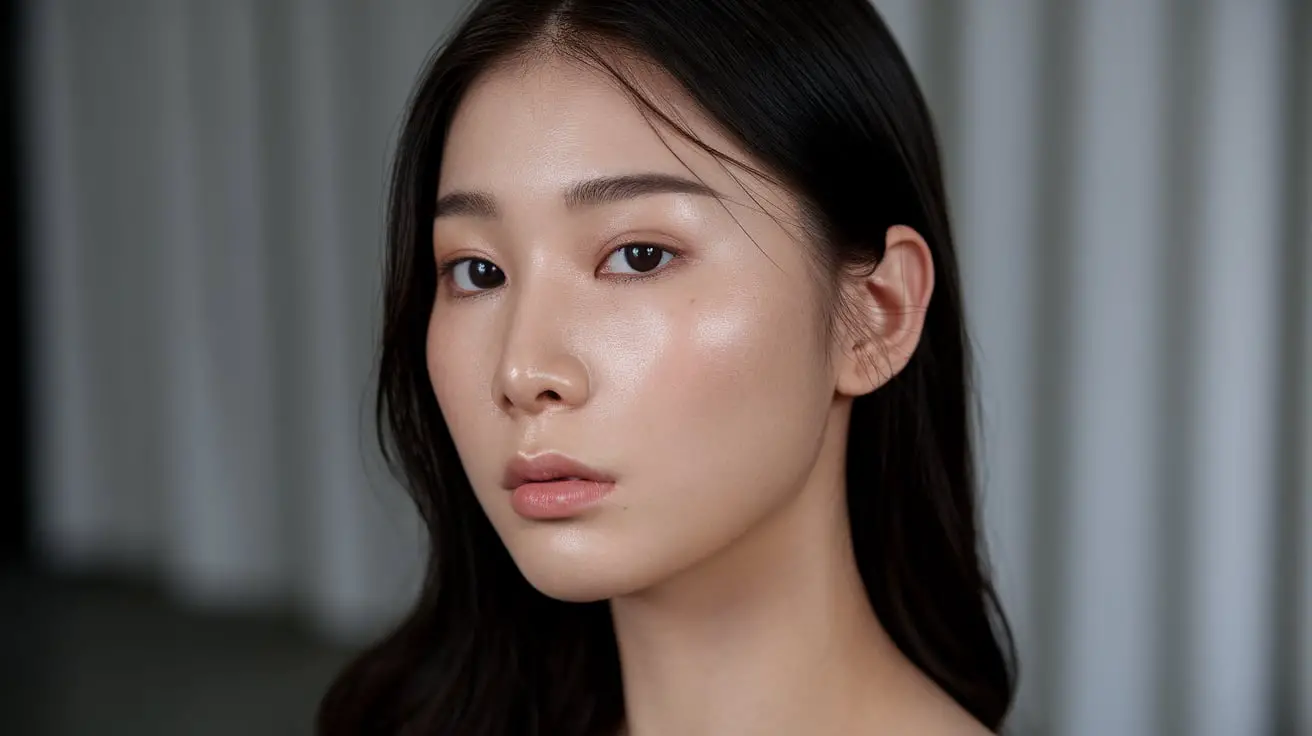
Korean skincare has revolutionized how we think about caring for oily skin. While Western products often focus on stripping away excess oil with harsh ingredients, Korean formulations take a completely different approach that actually addresses the root causes of excessive sebum production. This philosophy centers on maintaining skin balance rather than fighting against your skin’s natural processes.
Many people with oily skin assume they need to avoid moisturizers and hydrating products altogether. This misconception leads to a vicious cycle where dehydrated skin produces even more oil to compensate for the lack of moisture. Korean skincare breaks this pattern by introducing lightweight, water-based hydration that penetrates deeply without clogging pores or adding unwanted shine to your complexion.
In the following sections, we’ll explore five specific reasons why Korean skincare products deliver real results for oily skin types. From the scientific formulations to the unique ingredients and application methods, you’ll discover how this approach transforms greasy, problematic skin into a balanced, healthy complexion. Let’s uncover what makes these products so effective for managing excess oil while maintaining skin health.
- The Science Behind Korean Formulations for Oily Skin
- Why Double Cleansing Actually Reduces Oil Production
- How Korean Hydration Methods Balance Oil Control
- What Makes Korean Ingredients Perfect for Shine Control
- The Korean Skincare Routine Timing That Regulates Sebum
- Your Path to Balanced, Healthy Skin
- Frequently Asked Questions
The Science Behind Korean Formulations for Oily Skin
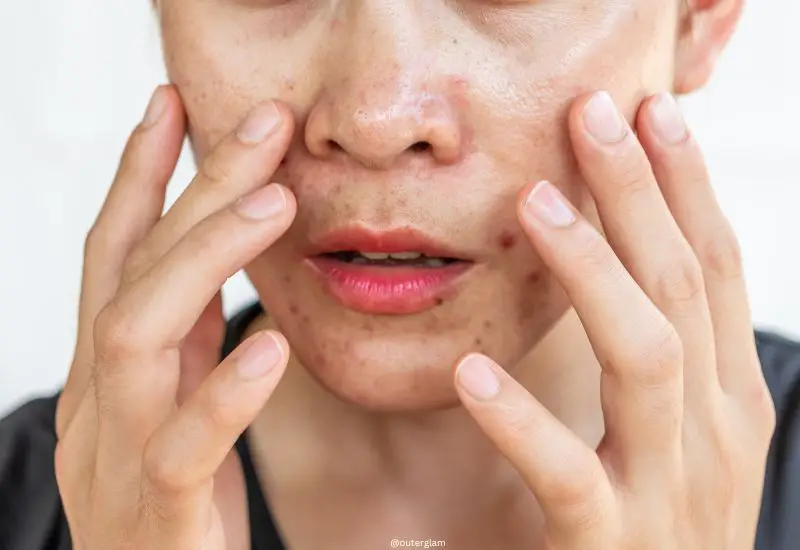
Korean skincare products succeed where others fail because they’re built on advanced cosmetic science that specifically targets oily skin concerns. The formulations prioritize molecular size and structure, creating products that penetrate skin layers effectively without sitting heavily on the surface. This scientific approach means your skin absorbs beneficial ingredients rather than having them mix with excess sebum and slide off your face.
Lightweight Molecular Structures
The molecular weight of ingredients determines how well they penetrate your skin barrier. Korean labs develop formulas with smaller molecular structures that sink into pores rather than forming a film on top. This technology allows active ingredients to reach deeper skin layers where they can regulate oil production from within.
Traditional Western moisturizers often use larger molecules that create an occlusive barrier. While this works for dry skin, it spells disaster for oily complexions by trapping sebum underneath. Korean products avoid this problem entirely through their molecular engineering.
pH-Balanced Formulas
Your skin naturally maintains a slightly acidic pH around 5.5, which helps control bacterial growth and oil production. Korean skincare respects this delicate balance by formulating products within this optimal pH range. When you use pH-balanced products, your skin doesn’t need to work overtime producing oil to restore its natural state.
Most conventional cleansers have alkaline pH levels that disrupt your skin’s acid mantle. This disruption triggers increased sebum production as your skin tries to rebalance itself. Korean formulations prevent this reaction by maintaining the correct pH from the start.
Sebum-Regulating Ingredients
Korean scientists have identified specific ingredients that communicate with sebaceous glands to normalize oil production. These components work at the cellular level to signal when enough sebum has been produced, essentially teaching your skin to self-regulate.
What sets these formulations apart? They combine multiple oil-controlling ingredients that work synergistically rather than relying on a single active component. This multi-pronged approach addresses various causes of excess oil simultaneously. The result is comprehensive sebum management that doesn’t rely on harsh drying agents.
Water-Based Hydration Technology
The cornerstone of Korean skincare for oily skin lies in water-based hydration systems. These formulas deliver moisture through aqueous solutions that penetrate quickly without leaving residue. Your skin receives the hydration it needs to function properly without any greasy afterfeel.
Scientists have developed innovative delivery systems that encapsulate hydrating ingredients in water-soluble shells. These microscopic capsules burst upon contact with skin, releasing their contents directly into cells. This technology ensures maximum absorption with minimal surface residue.
Water-based products also allow for higher concentrations of active ingredients without the heavy texture associated with oil-based formulas. You get more potent results without the pore-clogging effects that typically accompany concentrated treatments.
Why Double Cleansing Actually Reduces Oil Production
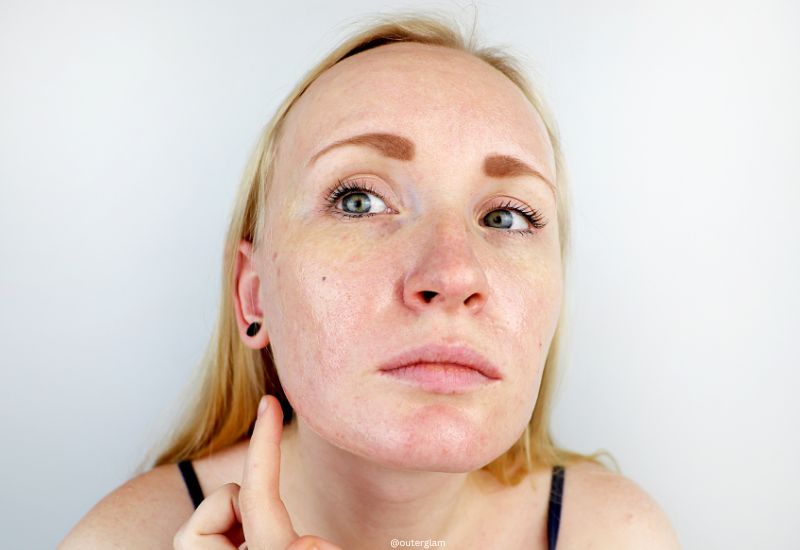
Double cleansing might sound counterintuitive for oily skin – why cleanse twice when you’re already dealing with excess oil? The Korean double cleansing method actually helps normalize sebum production by properly removing impurities without stripping your skin. This two-step process addresses different types of buildup on your face, ensuring thorough cleansing that maintains skin health.
Oil Cleansers Dissolve Sebum Properly
The first step uses an oil-based cleanser that follows the principle of “like dissolves like.” Oil cleansers effectively break down sebum, makeup, and sunscreen that water-based cleansers can’t fully remove. When you massage an oil cleanser into your skin, it binds with the oils on your face and lifts them away gently.
Does using oil on oily skin make it worse? Actually, the opposite happens. When you remove excess sebum properly with an oil cleanser, your skin recognizes that surface oils have been adequately managed. This feedback loop tells sebaceous glands to slow down production.
Many people skip this step, thinking oil cleansers will make their skin greasier. However, these products emulsify with water and rinse completely clean, taking dissolved impurities with them. You’re left with thoroughly cleansed skin that doesn’t feel tight or dry.
Second Cleanser Removes Residue Completely
The water-based second cleanser tackles what the oil cleanser leaves behind – sweat, dirt, and any remaining traces of the first cleanser. Korean gel or foam cleansers designed for this step are formulated to be gentle yet effective, removing impurities without disrupting your skin barrier.
This second cleansing step ensures your pores are completely clear, preventing the buildup that leads to blackheads and increased oiliness. Clean pores function better and produce less compensatory oil throughout the day.
Prevents Overproduction from Stripping
Single-step cleansing with harsh products often strips away too much natural oil, triggering a rebound effect where your skin produces even more sebum to compensate. The gentle double cleansing method avoids this problem by removing just the right amount of oil while preserving your skin’s protective barrier.
Your skin has moisture sensors that detect when it’s too dry. Harsh cleansing activates these sensors, sending signals to increase oil production. Double cleansing with gentle products keeps these sensors calm, maintaining steady sebum levels instead of triggering overproduction.
The key lies in using the right products for each step:
- First Cleanser: Choose lightweight cleansing oils or balms that emulsify easily
- Second Cleanser: Select low-pH gel or foam cleansers without sulfates
- Water Temperature: Use lukewarm water to avoid stimulating oil glands
- Cleansing Duration: Spend 30-60 seconds on each step for thorough removal
Maintains Skin Barrier Health
A healthy skin barrier is crucial for controlling oil production. The double cleansing method preserves beneficial lipids and proteins that form this barrier while removing unwanted substances. This preservation keeps your skin functioning optimally without the need for excess oil production.
When your barrier is compromised, moisture escapes more easily, leading to dehydration. Dehydrated oily skin produces more sebum in an attempt to compensate for water loss. By maintaining barrier integrity through gentle double cleansing, you prevent this dehydration-oiliness cycle.
Korean cleansers often include barrier-supporting ingredients like ceramides and cholesterol. These components replenish what minimal barrier lipids are removed during cleansing, ensuring your skin stays balanced and protected.
How Korean Hydration Methods Balance Oil Control
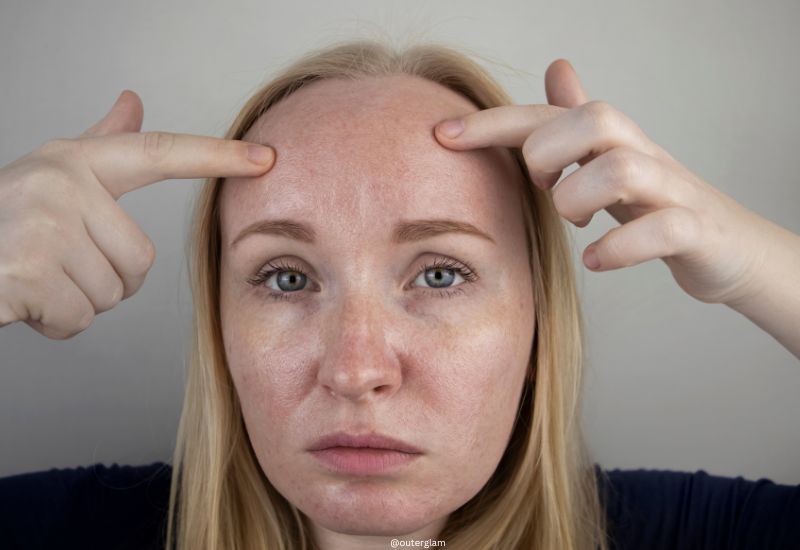
Hydration plays a crucial role in managing oily skin, though it seems contradictory at first glance. Korean skincare has perfected the art of delivering moisture to oily complexions without adding grease or triggering breakouts. These methods focus on water-based hydration that penetrates deeply while keeping surfaces matte and comfortable.
The 7-Skin Method for Oily Skin
The 7-skin method involves applying multiple thin layers of hydrating toner or essence rather than one thick layer of moisturizer. This technique allows oily skin to absorb exactly the amount of hydration it needs without overwhelming it with heavy products. Each layer adds moisture incrementally, building hydration levels gradually.
How does layering work for oily complexions? You apply a small amount of toner, pat it in until absorbed, then repeat up to seven times. Your skin drinks in what it needs from each layer, stopping when it reaches optimal hydration. This customizable approach prevents both under-hydration and over-moisturizing.
The beauty of this method lies in its flexibility. On days when your skin feels particularly oily, you might only need three or four layers. During drier periods, you can increase to six or seven layers without changing your core routine.
Essence Versus Heavy Creams
Korean essences revolutionized skincare by providing concentrated ingredients in lightweight, watery formulas. These products deliver powerful actives and hydration without the occlusive properties of traditional creams. For oily skin, essences offer the perfect balance of treatment benefits and comfortable texture.
Essences contain smaller molecules than serums or creams, allowing deeper penetration into skin layers. This deep hydration addresses dehydration at the cellular level, reducing the surface oiliness that occurs when skin tries to compensate for internal dryness.
While heavy creams sit on the skin’s surface and can trap oil underneath, essences absorb completely within seconds. You get all the benefits of active ingredients without any residual film or greasiness that might clog pores or increase shine throughout the day.
Hyaluronic Acid and Ceramides
These two ingredients form the foundation of Korean hydration strategies for oily skin. Hyaluronic acid holds up to 1000 times its weight in water, drawing moisture from the environment into your skin without adding any oil. This humectant property makes it ideal for delivering hydration to oily complexions.
Ceramides strengthen your skin barrier without adding heaviness. They fill in gaps between skin cells, preventing moisture loss and reducing the need for excess sebum production. Korean formulas often combine different types of ceramides to mimic your skin’s natural lipid composition.
What makes Korean formulations special is their delivery systems for these ingredients. They use multiple molecular weights of hyaluronic acid – larger molecules hydrate the surface while smaller ones penetrate deeply. This multi-level hydration keeps all skin layers properly moisturized.
The combination of hyaluronic acid and ceramides creates a moisture-locking system that doesn’t rely on heavy occlusives. Your skin stays hydrated from within, eliminating the dehydration that triggers excess oil production.
Gel-Based Moisturizers
Korean gel moisturizers have transformed how people with oily skin think about moisturizing. These formulas provide essential hydration and nutrients in lightweight, fast-absorbing textures that leave no greasy residue. The gel format allows for high water content with minimal oils or waxes.
Advanced gel formulations incorporate innovative ingredients that control oil while moisturizing. Some gels contain microscopic powder particles that absorb excess sebum throughout the day. Others include ingredients that create an invisible matte finish without drying out your skin.
The cooling sensation of gel moisturizers also helps minimize the appearance of pores and reduce inflammation that can trigger increased oil production. This soothing effect makes them particularly beneficial for oily skin that’s also sensitive or acne-prone.
Temperature-responsive gels represent the latest innovation in Korean moisturizer technology. These products remain gel-like at room temperature but melt into a watery consistency upon skin contact, ensuring maximum absorption with zero heaviness.
What Makes Korean Ingredients Perfect for Shine Control
Korean skincare ingredients stand apart from conventional options through their unique combinations and concentrations. These carefully selected components work together to control shine while improving overall skin health. The focus isn’t just on mattifying the surface but on addressing the underlying causes of excess oil production.
Niacinamide Concentration Levels
Niacinamide has become a star ingredient in Korean formulations for good reason. This form of vitamin B3 regulates sebum production at the cellular level while simultaneously strengthening the skin barrier. Korean products typically use niacinamide at optimal concentrations between 2-5%, which provides benefits without irritation.
Research shows that niacinamide reduces sebum production by up to 30% when used consistently. It works by affecting the sebaceous glands directly, decreasing both the amount and the flow rate of oil production. This ingredient also minimizes pore appearance by preventing them from stretching due to excess sebum.
Beyond oil control, niacinamide offers additional benefits that make it perfect for oily skin. It reduces inflammation, fades dark spots from acne scarring, and improves skin texture. Korean formulas often pair it with other complementary ingredients to enhance these effects.
Centella Asiatica Benefits
Known as “cica” in Korean beauty, centella asiatica provides powerful healing and balancing properties without adding any heaviness. This herb contains active compounds called triterpenoids that regulate oil production while calming irritated skin. Its anti-inflammatory properties make it ideal for oily skin that’s also acne-prone.
Centella asiatica strengthens the skin barrier, which is often compromised in people with oily skin due to over-cleansing or harsh treatments. A stronger barrier means better moisture retention and less compensatory oil production. The plant also stimulates collagen synthesis, helping to minimize the appearance of enlarged pores.
Korean brands have mastered extracting and stabilizing centella’s active components. They use various parts of the plant – leaves, roots, and stems – to create different types of extracts with specific benefits. Some formulas contain up to 85% centella extract, delivering concentrated benefits in lightweight textures.
Tea Tree and Green Tea Extracts
These botanical extracts offer natural antimicrobial and oil-controlling properties that make them staples in Korean formulations for oily skin. Tea tree oil contains compounds that penetrate pores to dissolve excess sebum while fighting acne-causing bacteria. Korean products use it at safe, effective concentrations that avoid irritation.
Green tea extract provides different but complementary benefits. Its polyphenols and catechins work as powerful antioxidants while regulating sebum production. The extract also contains natural tannins that create a mild astringent effect, tightening pores and reducing shine.
Here’s what makes these extracts particularly effective in Korean formulations:
- Stabilized Forms: Advanced processing maintains potency without oxidation
- Synergistic Blends: Combined with soothing ingredients to prevent irritation
- Targeted Delivery: Encapsulation technology ensures deep pore penetration
- Balanced Concentrations: Strong enough to work but gentle enough for daily use
Snail Mucin for Healing Without Heaviness
Snail mucin might sound unusual, but this ingredient has proven incredibly effective for oily, acne-prone skin. The secretion contains glycoproteins, hyaluronic acid, and glycolic acid in a naturally balanced formula that hydrates without clogging pores. Its unique composition helps repair damaged skin while controlling oil production.
The glycolic acid in snail mucin provides gentle exfoliation that keeps pores clear and prevents sebum buildup. Meanwhile, the healing properties help repair acne damage and reduce scarring. This dual action makes it particularly valuable for oily skin dealing with breakouts.
What surprises many people is how lightweight snail mucin feels on the skin. Despite its viscous appearance in the bottle, it absorbs quickly and completely, leaving no sticky or greasy residue. Korean processing methods preserve the beneficial components while creating elegant textures suitable for oily skin.
BHA and Gentle Acids
Beta hydroxy acid (BHA), particularly salicylic acid, forms the backbone of many Korean oil-control treatments. Unlike alpha hydroxy acids that work on the skin’s surface, BHA is oil-soluble, allowing it to penetrate into pores and dissolve sebum from within. Korean products use BHA at gentle concentrations that provide benefits without over-drying.
Korean formulations often combine BHA with soothing ingredients to minimize irritation. This approach allows for daily use of chemical exfoliants, maintaining clear pores and controlled oil production consistently. The gentle nature of these products prevents the irritation-oil production cycle that stronger acids can trigger.
Polyhydroxy acids (PHAs) represent a newer category of gentle acids gaining popularity in Korean skincare. These larger molecules exfoliate more slowly and gently than traditional acids, making them perfect for sensitive oily skin. They provide oil control and skin renewal without the potential irritation of stronger exfoliants.
The Korean Skincare Routine Timing That Regulates Sebum
Timing plays a critical role in managing oily skin, and Korean skincare routines have perfected the when and how of product application. The strategic spacing of products and treatments throughout the day and week creates a rhythm that works with your skin’s natural cycles rather than against them.
Morning Versus Evening Product Application
Your skin behaves differently throughout the day, and Korean routines account for these variations. Morning routines focus on protection and oil control for the day ahead, while evening routines emphasize treatment and restoration. This targeted approach ensures your skin gets what it needs when it needs it most.
In the morning, sebum production is typically at its lowest after a night of cellular repair. Korean morning routines capitalize on this by using lightweight, mattifying products that set the tone for the day. A gentle cleanse removes overnight oil buildup, followed by layers of hydrating toner, essence, and a light moisturizer with SPF.
Evening routines take advantage of your skin’s increased permeability at night. This is when Korean skincare introduces more potent treatments and richer textures that might feel too heavy during the day. The absence of sun exposure also allows for ingredients like retinoids and acids that increase photosensitivity.
Waiting Periods Between Layers
The Korean approach emphasizes patience between product applications, allowing each layer to fully absorb before adding the next. This waiting period, typically 30 seconds to a minute, ensures maximum penetration and prevents products from mixing on the skin’s surface. For oily skin, this spacing is particularly important to avoid overwhelming the complexion.
Why does waiting matter so much? When products properly absorb, they work more effectively and don’t contribute to surface greasiness. Rushing through layers causes products to sit on top of each other, creating a film that traps oil and feels uncomfortable. The waiting period also lets you assess whether your skin needs additional layers or has reached its saturation point.
The order of application follows a specific logic based on molecular size and oil content. Thinnest, most watery products go first, gradually building to thicker consistencies. This sequence ensures each product can penetrate properly without being blocked by heavier formulas applied earlier.
Weekly Treatment Schedules
Korean skincare incorporates specific weekly treatments that maintain oil balance without daily harsh interventions. Clay masks, chemical exfoliants, and sheet masks are scheduled strategically throughout the week to address different aspects of oil control. This rhythmic approach prevents both under-treatment and over-treatment.
A typical weekly schedule might include BHA treatment twice weekly, a clay mask once, and hydrating sheet masks on alternate days. This rotation addresses pore congestion, excess oil, and hydration needs without overwhelming the skin with too many actives at once. The spacing allows skin to recover between treatments while maintaining consistent results.
Skin cycling, a concept embraced in Korean routines, involves rotating active ingredients to prevent sensitization and maintain effectiveness. One night might focus on exfoliation, the next on treatment serums, followed by recovery nights with just hydration. This cycle keeps oily skin balanced while avoiding the irritation that can trigger increased sebum production.
Seasonal Adjustments for Oily Skin
Korean skincare acknowledges that oily skin needs change with the seasons. Summer humidity and winter dryness require different approaches to maintain balance. Rather than using the same products year-round, Korean routines adapt to environmental conditions that affect sebum production.
During humid months, routines become more minimal with fewer layers and lighter textures. Products with mattifying ingredients and oil-absorbing properties take priority. The focus shifts to maintaining freshness throughout the day without adding unnecessary layers that might feel heavy in heat and humidity.
Winter brings its own challenges for oily skin. Indoor heating and cold air can dehydrate the skin, triggering increased oil production. Korean winter routines for oily skin add more hydrating layers while maintaining lightweight textures. Products with humectants become more important, drawing moisture from the air to keep skin hydrated.
Transitional seasons require gradual adjustments rather than sudden changes. Korean skincare philosophy suggests slowly introducing seasonal products over several weeks, allowing skin to adapt. This measured approach prevents the shock that can disrupt oil balance and cause breakouts.
Your Path to Balanced, Healthy Skin
Korean skincare offers a comprehensive solution for oily skin that goes far beyond simple mattifying products. By understanding the science behind formulations, adopting proper cleansing techniques, mastering hydration methods, utilizing targeted ingredients, and following strategic timing, you can transform your oily complexion into balanced, healthy skin. The philosophy of working with your skin rather than against it creates lasting results that improve both appearance and skin health.
The journey to controlling excess oil doesn’t require harsh treatments or complicated routines. Korean skincare proves that gentle, consistent care with the right products and techniques delivers better results than aggressive approaches. Your oily skin isn’t a problem to be fixed but a skin type to be understood and properly managed. With these five key principles guiding your skincare choices, you can achieve the clear, balanced complexion you’ve been seeking while maintaining your skin’s natural protective functions.
Frequently Asked Questions
Q: Can I use Korean skincare products if I have very oily skin with large pores?
A: Yes, Korean skincare products are particularly effective for very oily skin with large pores. The lightweight formulations, pore-refining ingredients like niacinamide and BHA, and focus on proper hydration help minimize pore appearance while controlling excess oil without harsh stripping.
Q: Will using multiple Korean skincare layers make my oily skin worse?
A: No, when using the right products in thin layers, multiple steps actually help control oil better than using one heavy product. The key is choosing water-based, lightweight formulas and allowing each layer to absorb completely before applying the next.
Q: How long before I see results from switching to Korean skincare for my oily skin?
A: Most people notice improved skin texture and reduced oiliness within 2-4 weeks of consistent use. However, significant changes in sebum production and pore appearance typically take 6-8 weeks as your skin adjusts to the new routine and ingredients begin working at deeper levels.
Q: Do I need to follow all 10 steps of the Korean skincare routine if I have oily skin?
A: No, you don’t need all 10 steps. Many people with oily skin find success with a simplified 5-7 step routine focusing on cleansing, toning, essence, targeted treatments, and light moisturizer. The key is consistency with the right products rather than following every possible step.
Q: Are Korean skincare products safe to use with prescription acne medications?
A: Generally yes, but introduce Korean products gradually when using prescription acne medications. Start with gentle, hydrating products like essences and avoid additional acids or exfoliants initially. Always consult your dermatologist about combining products with prescription treatments.
Q: What’s the difference between Japanese and Korean skincare for oily skin?
A: While both Asian beauty philosophies focus on gentle care and hydration, Korean skincare typically offers more steps and innovative ingredients specifically targeting oil control. Japanese skincare tends toward more minimalist routines with fewer products, though both can work well for oily skin.
Q: Can men use Korean skincare products for oily skin?
A: Absolutely. Korean skincare products work regardless of gender, and many Korean brands offer specific lines for men that address typically oilier, thicker male skin. The principles of oil control and hydration balance apply equally to all skin types.
Q: Should I avoid Korean skincare with fermented ingredients if I have oily, acne-prone skin?
A: Not necessarily. Fermented ingredients in Korean skincare are processed to be non-comedogenic and can actually benefit oily skin by balancing the skin’s microbiome. However, if you have fungal acne, consult a dermatologist before using fermented products.

