

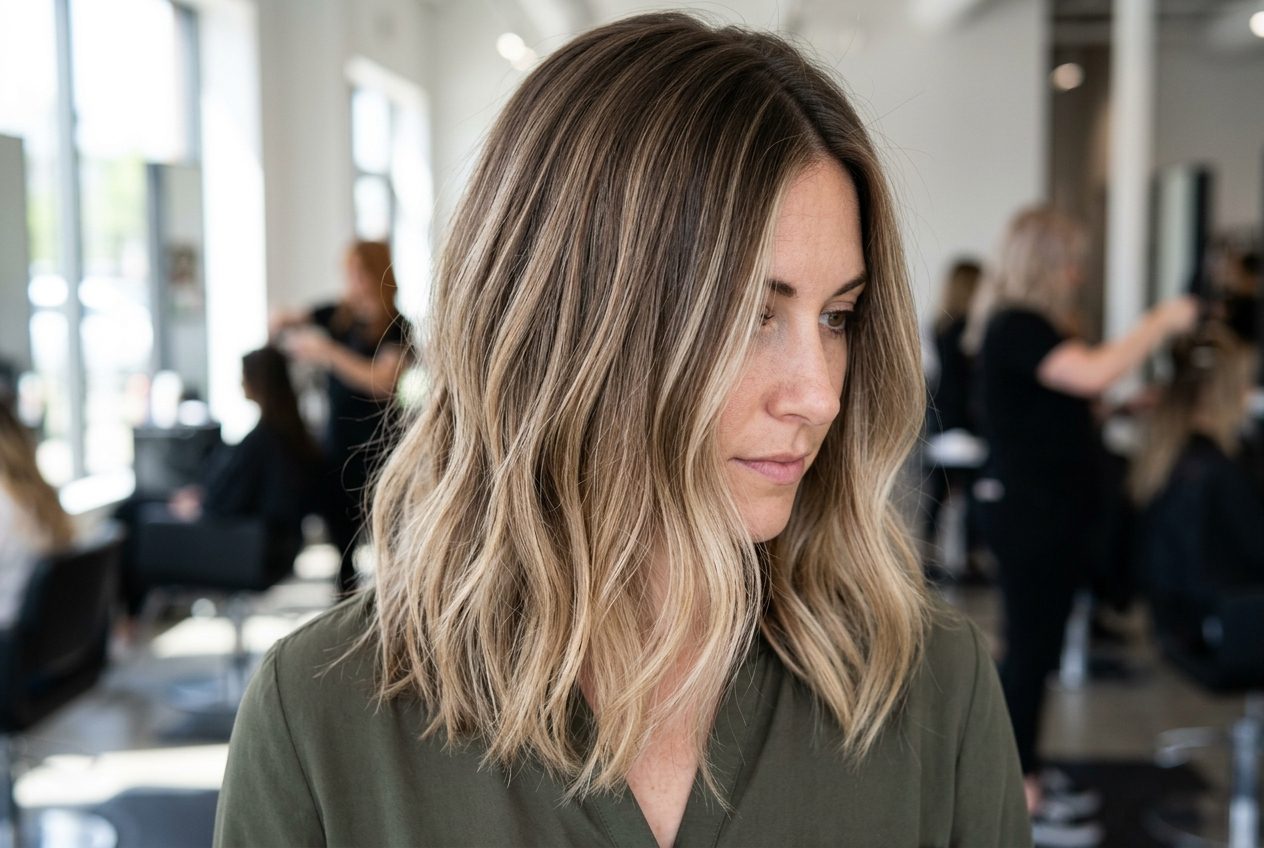
A great set of highlights can do more for your look than almost anything else in your hair routine. The right placement catches light, adds movement, and makes even a simple style look put together. The wrong placement just sits there, flat and forgettable.
What’s changed lately is how highlights are being done. Chunky, uniform streaks are mostly gone. In their place, colorists are working in soft, layered dimension that mimics how hair actually lightens in the sun — pieces that look earned rather than applied.
Below are ten highlight styles worth bringing to your next salon appointment, from soft and barely-there to bold and eye-catching. Each one works differently depending on your base color, so use these as a starting point for the conversation with your colorist.
- 1. Babylights
- 2. Money Piece
- 3. Face-Framing Highlights
- 4. Balayage Highlights
- 5. Sun-Kissed Sombré
- 6. Color Melt
- 7. Chunky 90s-Inspired Highlights
- 8. Copper and Caramel Highlights
- 9. Peekaboo Highlights
- 10. Icy Blue Accents
- The Highlight Style That Fits Your Life, Not Just Your Photos
- Frequently Asked Questions
1. Babylights
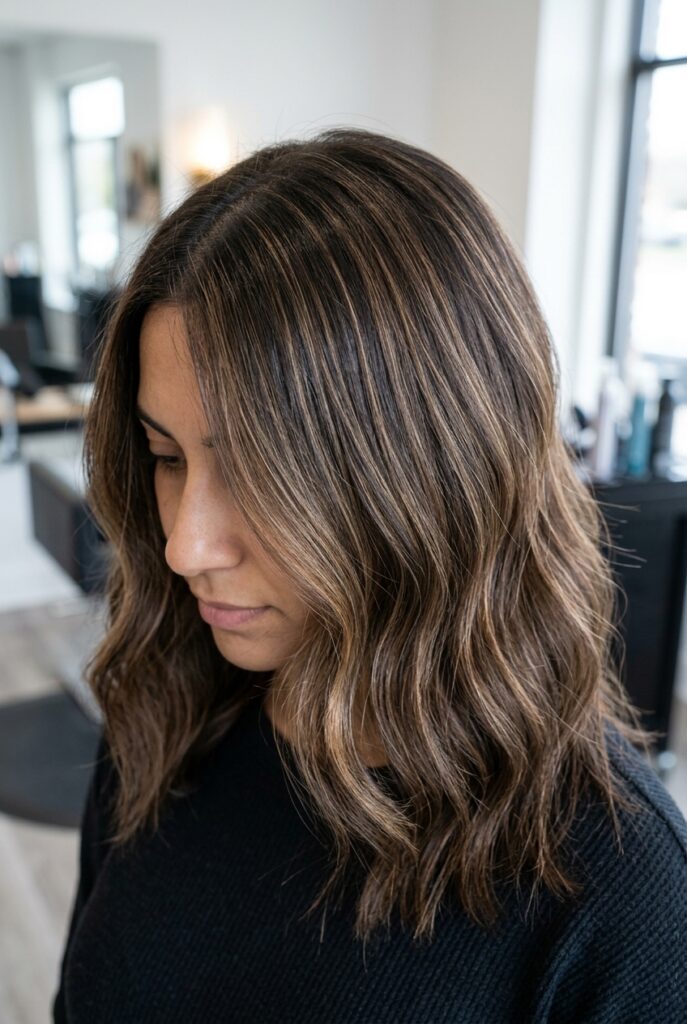
Babylights are extremely fine, delicate strands of color woven throughout the hair, close to the scalp. The technique gets its name because the strands are about the width of a baby’s hair — thin enough that the color looks like it grew in naturally rather than being painted on. A colorist typically uses foils to isolate these tiny sections, working in a mix of two or three tones instead of one flat shade.
The payoff is a soft, sun-touched effect that works on nearly every hair color, from deep brunette to strawberry blonde.
Because the strands are so fine, babylights also grow out with almost no visible line, which means fewer trips back to the salon.
2. Money Piece
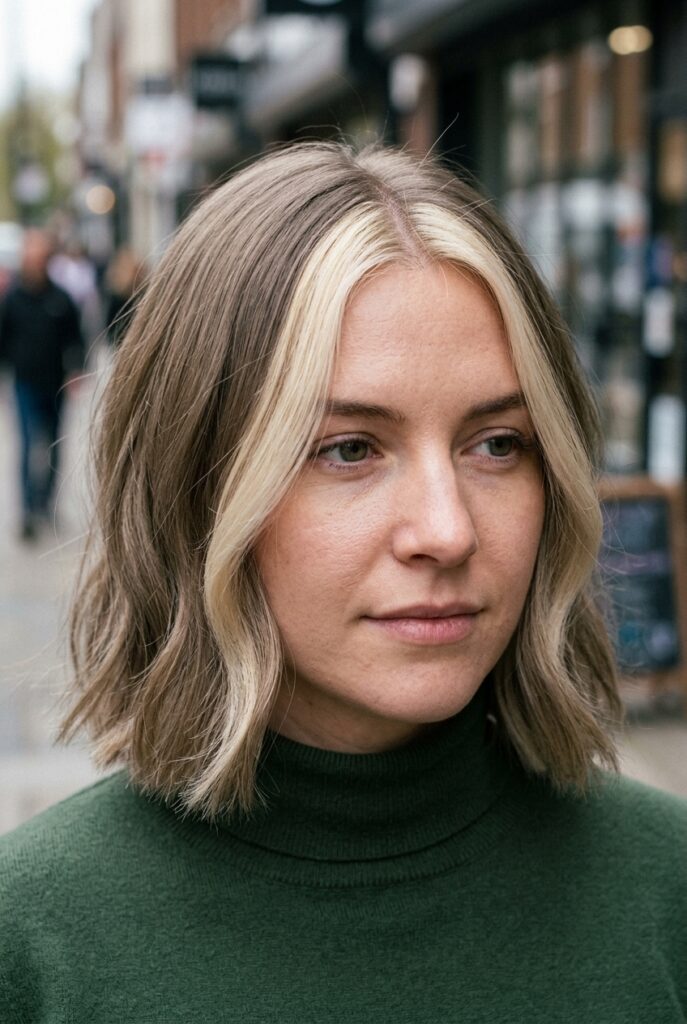
The money piece is a bold, face-framing section of lighter color placed right at the hairline, usually near the part. It got its nickname because it’s the kind of highlight that photographs well and shows up first in every selfie. Unlike an all-over highlight job, this technique targets just one or two chunky pieces near the face, leaving the rest of the hair in its natural or base color. It’s a low-commitment way to brighten your whole look without touching the hair underneath, and it works especially well for women who want a change but aren’t ready for a full color appointment.
3. Face-Framing Highlights
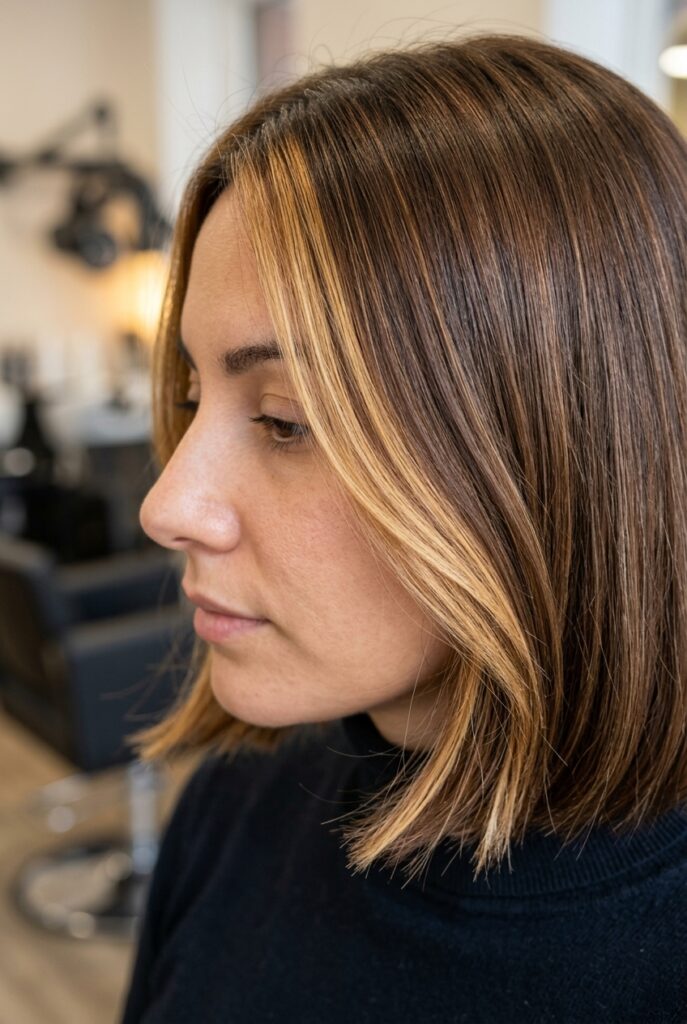
Face-framing highlights focus on the pieces that fall closest to your cheeks and jawline — the sections that get the most attention when someone looks at you. A colorist will place brighter, wider strands right where your face is, then blend the rest of the hair more subtly. The effect draws the eye upward and can soften angular features or add brightness to a tired complexion.
This style pairs well with almost any haircut length, and it tends to look best when the placement is slightly asymmetrical rather than perfectly matched on both sides.
4. Balayage Highlights
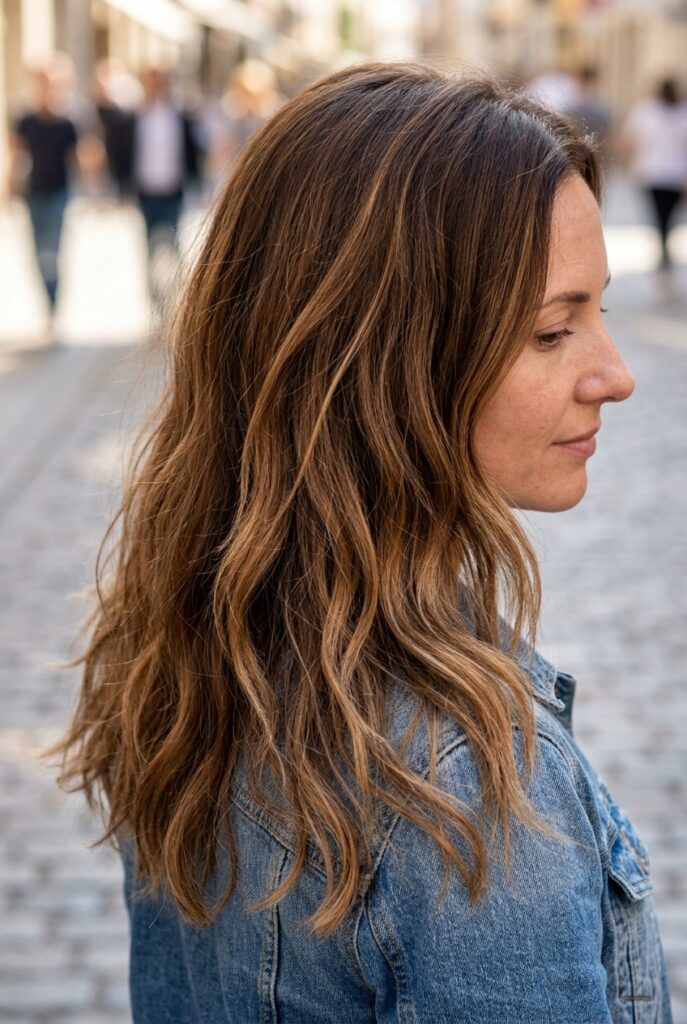
Balayage is a hand-painted technique, which sets it apart from foil highlights right away. Instead of sectioning hair into uniform strands, a colorist sweeps color onto the surface of the hair freehand, concentrating more product toward the mid-lengths and ends.
The result is a soft, graduated look with no harsh lines, closer to what your hair might actually do if you spent a summer outside. Warm caramel and honey tones are especially popular for balayage this year, blended so the color melts from a slightly deeper root into brighter ends.
Because there’s less product near the scalp, grow-out is gentle and touch-ups can often stretch to every couple of months.
5. Sun-Kissed Sombré
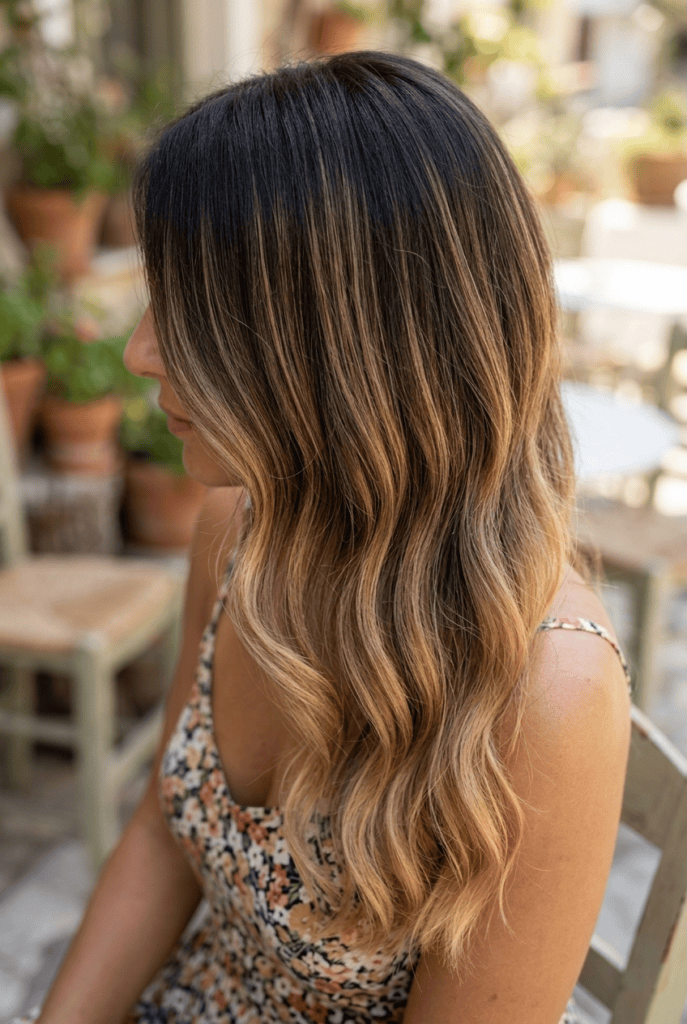
A sombré — short for “soft ombré” — is a gentler cousin of the classic ombré, where the transition from dark roots to light ends happens gradually instead of in one visible band. Highlights are added throughout the mid-lengths to smooth that transition even further, so the whole effect looks like hair that’s simply been outside a lot rather than chemically treated.
6. Color Melt
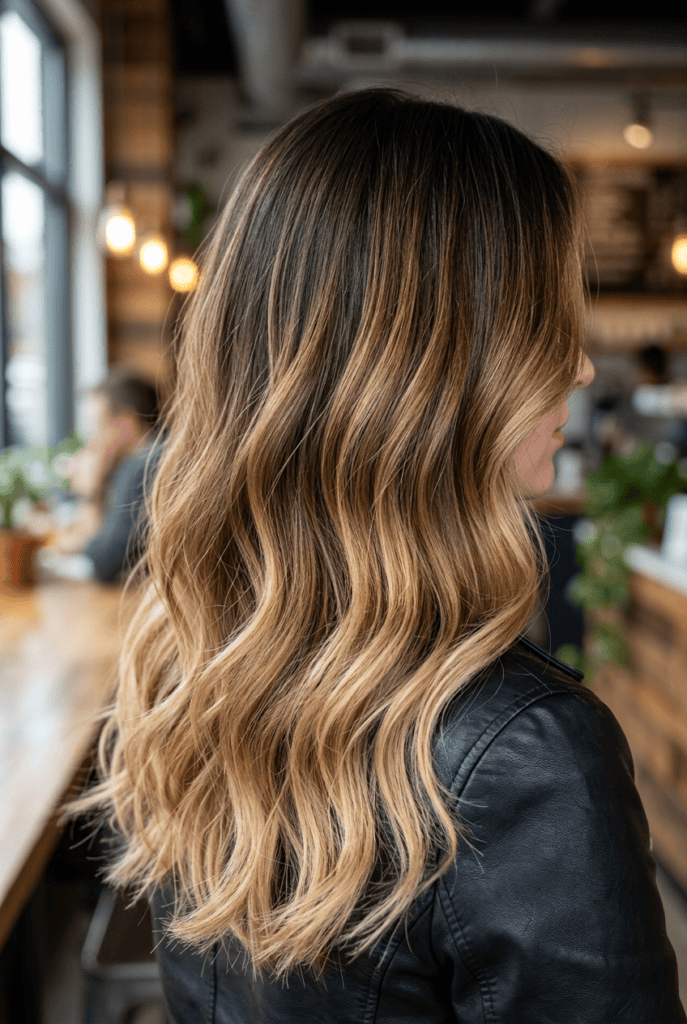
A color melt blends two or more shades together so seamlessly that you can’t point to where one ends and the next begins. Rather than distinct highlighted sections, the colorist layers tones on top of each other and works them into one another with a brush or comb while the color is still processing.
This technique works particularly well for women who want depth and dimension but don’t want anything that looks like a stripe. A few combinations trending right now include:
- Espresso brown melting into caramel
- Rich brunette fading into golden blonde
- Chestnut blending toward a warm copper
7. Chunky 90s-Inspired Highlights
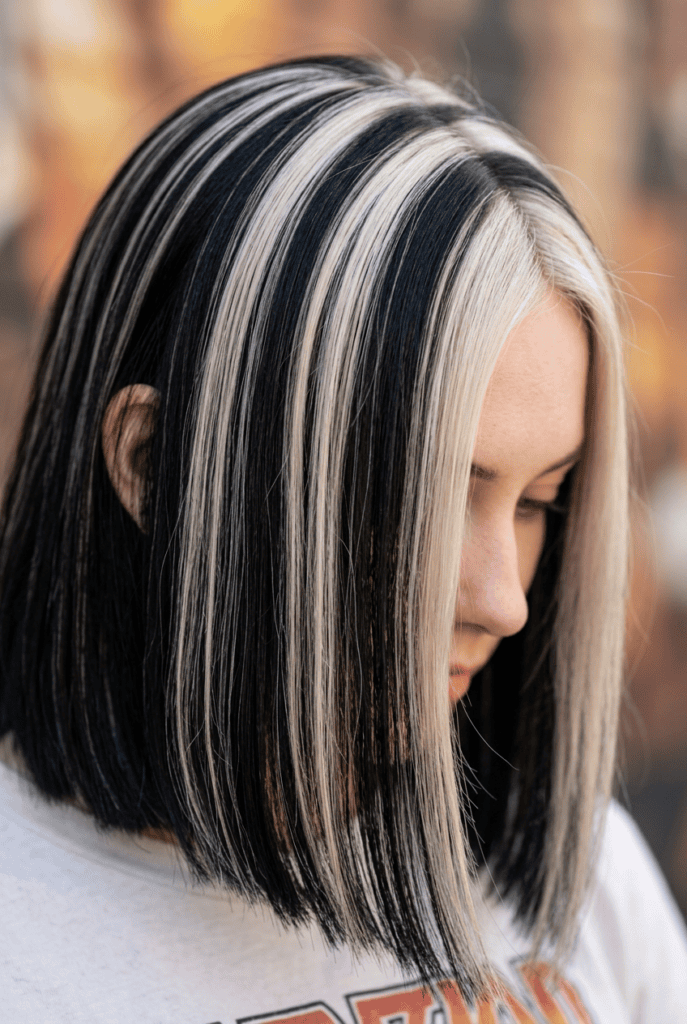
Bold, thick highlights are having a real comeback, especially for women who want something more noticeable than a soft blend. These strands are wider and more defined than babylights or balayage, often placed in noticeable sections around the crown and face rather than distributed evenly.
It’s a style that leans playful rather than polished, and it looks especially sharp against a darker base color where the contrast really shows.
8. Copper and Caramel Highlights
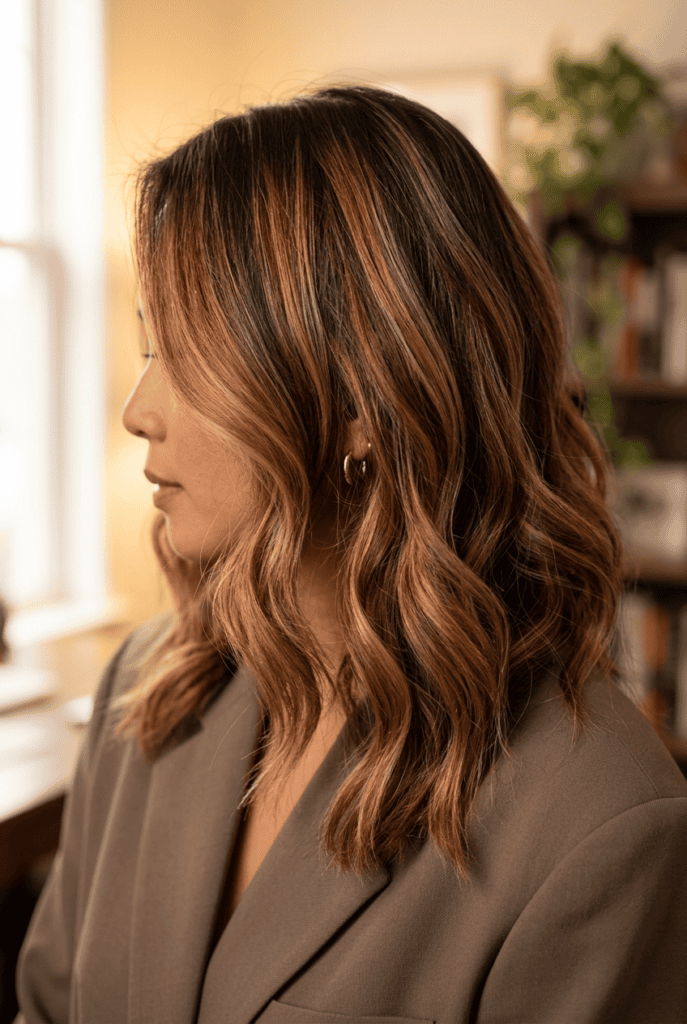
Warm-toned highlights in copper, caramel, and honey shades have become one of the most requested combinations at salons this year, largely because they flatter such a wide range of skin tones. Mixed together, espresso brown and golden blonde create a dimensional brunette that looks rich in person and bright in photos, and the warmth tends to look most natural on hair with some existing red or gold undertone.
9. Peekaboo Highlights

Peekaboo highlights are placed underneath the top layer of hair, hidden until you tuck a section behind your ear, tie your hair back, or catch a breeze.
They give you the option to go bolder with color without wearing it across your entire head.
This makes peekaboo highlights a favorite for women who want to experiment with something unexpected, like a bright copper or a cool ash tone, but still need to keep things office-appropriate most of the time. A stylist typically works the color into a horizontal section a few inches below the crown, so it stays tucked away until you want it seen.
10. Icy Blue Accents
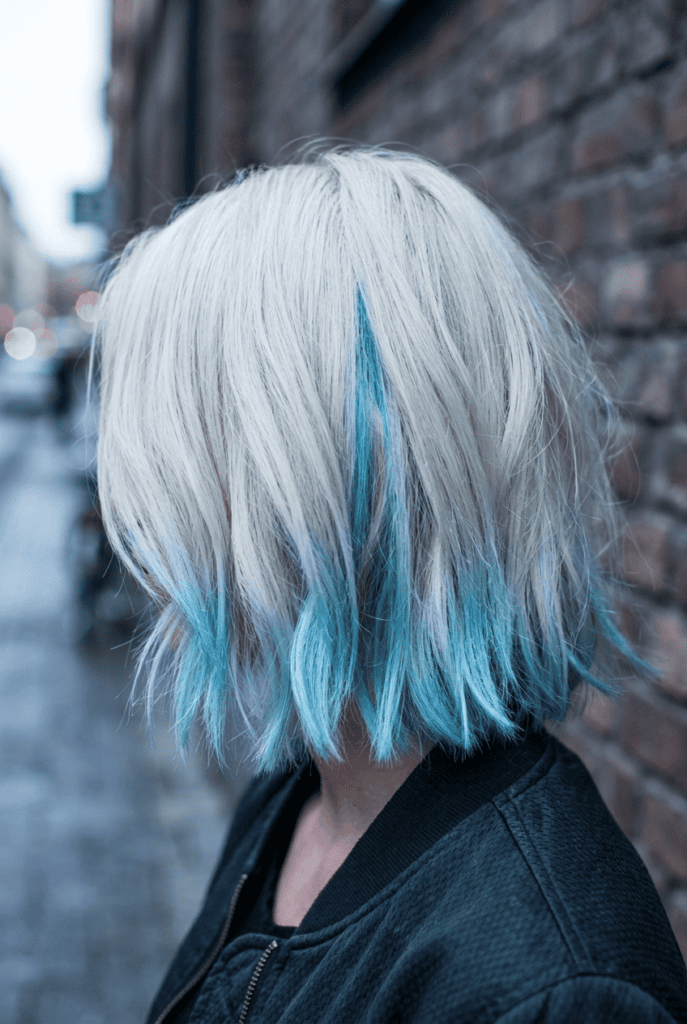
For women who want to push further than warm, natural tones, icy blue highlights are one of the boldest options showing up this year. The color is worked in as either peekaboo pieces or frost-tipped ends, giving hair a cool, almost futuristic edge without committing to an all-over color change.
It reads best on hair that already has some lightness to work with, since blue tones show up most clearly against a pale blonde or silver base. Because it’s such a statement shade, most women choose to place it in just a few strategic sections rather than throughout the whole head.
The Highlight Style That Fits Your Life, Not Just Your Photos
The best highlights aren’t necessarily the boldest ones — they’re the ones that match how much upkeep you’re actually willing to do and how much change you’re ready for. A money piece or a few peekaboo strands can refresh your whole look with almost no commitment, while balayage or a full color melt is worth the extra salon time if you want real depth.
Bring a few reference photos to your next appointment, but stay open to what your colorist suggests once they see your hair in person. Base color, texture, and how fast your hair grows all affect which technique will actually look good on you, and a good colorist will steer you toward the option that lasts.
Frequently Asked Questions
What’s the difference between highlights and balayage?
Highlights are typically applied with foils in more uniform sections, while balayage is hand-painted freehand directly onto the surface of the hair. Balayage tends to look softer and more graduated, while foil highlights can be more precise and even.
How long do highlights typically last before I need a touch-up?
It depends on the technique. Foil highlights near the roots usually need touch-ups every 6 to 8 weeks, while balayage and babylights can often stretch to 3 or 4 months since the color is placed away from the scalp.
Are babylights good for fine hair?
Yes. Because the strands are so thin, babylights add dimension without weighing hair down, which makes them a popular choice for fine or thin hair.
What’s a money piece highlight?
It’s a bold, brighter section of color placed right at the hairline near your part. It brightens your face without requiring color throughout the rest of your hair.
Can I get highlights if my hair is already color-treated?
Yes, though your colorist will need to assess how your hair has been treated previously. Over-processed hair may need a strengthening treatment before adding more color.
Do peekaboo highlights work on short hair?
Yes. They tend to show more often on shorter cuts since there’s less hair to cover them, so many women choose a softer tone for short styles.
Which highlight technique requires the least maintenance?
Balayage and babylights are generally the lowest maintenance since the color is placed away from the roots, allowing for a more natural grow-out.
Are chunky highlights only for dark hair?
No, but the contrast shows up most dramatically against darker bases. They can also work on medium brown hair for a noticeably bold effect.
Is a color melt more expensive than regular highlights?
It can be, since it typically requires more time and blending in the chair. Ask your salon for pricing specific to the technique before booking.
Can I combine two highlight techniques in one appointment?
Yes, many colorists mix techniques, such as babylights near the crown with a bolder money piece at the front, to create more dimension.

