

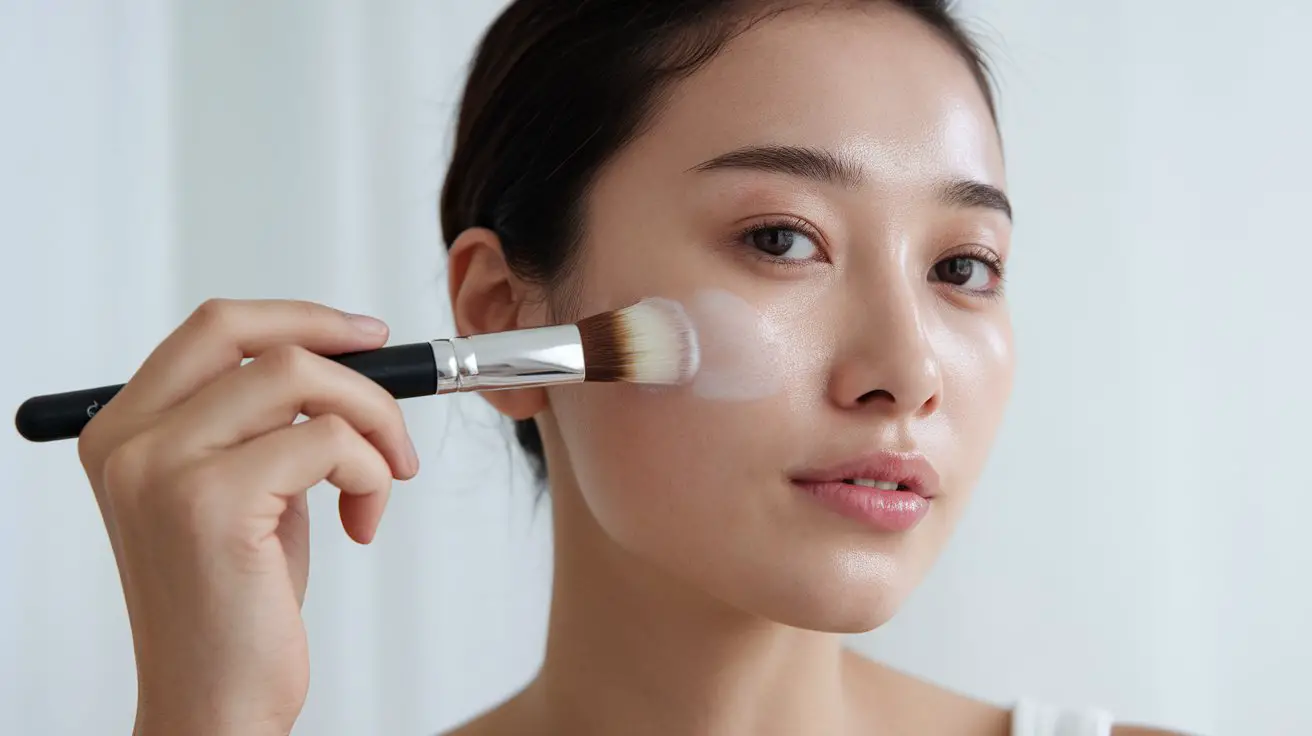
Korean skincare has captured global attention for its innovative approaches and remarkable results, particularly in the area of skin whitening products. Unlike traditional Western formulations that often focus on quick fixes, Korean beauty brands have developed a completely different philosophy toward achieving brighter, more luminous skin. Their products work through gentle, cumulative effects rather than harsh treatments, prioritizing skin health alongside visible improvements.
The distinction between Korean whitening products and those from other markets goes beyond simple ingredient lists. Korean formulations integrate centuries of traditional knowledge with cutting-edge technology, creating products that treat the skin as a living ecosystem rather than just a surface to be altered. This approach has revolutionized how women worldwide think about achieving their desired skin tone while maintaining healthy, resilient skin.
In the following sections, we’ll uncover the specific factors that make Korean whitening products stand out in the crowded beauty market. From their unique formulation philosophies to their innovative application methods, you’ll discover why these products have become the gold standard for women seeking safe, effective brightening solutions. Let’s explore what truly sets these products apart and how they can transform your skincare routine.
- The Science Behind Korean Whitening Formulations
- Why Korean Products Focus on Brightening Rather Than Bleaching
- The Role of Natural Ingredients in Korean Whitening Products
- How Korean Whitening Products Address Multiple Skin Concerns
- What Sets Korean Application Methods Apart
- Final Thoughts on Korean Whitening Excellence
- Frequently Asked Questions
The Science Behind Korean Whitening Formulations
Korean whitening products operate on fundamentally different scientific principles than their Western counterparts. Rather than relying on single powerful ingredients at high concentrations, Korean formulations typically combine multiple gentle actives that work synergistically. This approach reduces irritation while maximizing effectiveness, allowing for daily use without compromising skin barrier function.
Advanced Ingredient Technology
The technological advancement in Korean labs has produced ingredients you won’t find elsewhere. Brands invest heavily in research to develop proprietary complexes that target melanin production at multiple stages. These formulations often include stabilized vitamin C derivatives that remain potent longer than traditional ascorbic acid, alongside newer discoveries like tranexamic acid and alpha arbutin.
Korean chemists have mastered the art of encapsulation technology, where active ingredients are wrapped in microscopic carriers that penetrate deeper into skin layers. This method ensures ingredients reach their target areas rather than sitting on the surface where they offer minimal benefit. The carriers themselves often provide additional moisturizing or soothing properties.
Gentle Concentration Levels
Western products frequently use ingredients at their maximum allowable concentrations, believing stronger equals better. Korean formulators take the opposite approach, using moderate concentrations of multiple ingredients that complement each other. A typical Korean whitening serum might contain 2% niacinamide combined with 0.5% kojic acid and various plant extracts, rather than a single ingredient at 10% concentration.
This gentler approach means fewer side effects like peeling, redness, or photosensitivity that often accompany aggressive whitening treatments. Women can use these products year-round without needing recovery periods or experiencing the dreaded “purging” phase common with stronger formulations.
Multi-layer Absorption Techniques
Korean scientists have pioneered absorption enhancement methods that don’t rely on harsh penetration enhancers. They formulate products with varying molecular weights, allowing different components to penetrate different skin depths. Smaller molecules reach deeper layers where melanin production occurs, while larger molecules work on the surface for immediate brightening effects.
The pH levels of Korean whitening products receive careful attention too. Most are formulated at slightly acidic pH levels between 5.5 and 6.5, matching skin’s natural acid mantle. This optimal pH ensures maximum ingredient stability and absorption while supporting the skin’s protective barrier.
Fermentation Processes
Fermentation represents one of Korea’s most significant contributions to skincare science. Through controlled fermentation, ingredients become more bioavailable and develop additional beneficial compounds. Fermented rice water, galactomyces, and bifida ferment lysate appear frequently in Korean whitening products, offering brightening effects alongside improved skin texture and immunity.
The fermentation process breaks down ingredients into smaller particles that skin recognizes and absorbs more readily. It also produces amino acids, peptides, and antioxidants that weren’t present in the original ingredients. These bonus compounds provide anti-aging benefits beyond simple whitening.
pH Balance Considerations
Every step in a Korean whitening routine considers pH progression. Products are designed to work in sequence, with each step preparing the skin for the next. A slightly acidic toner might follow cleansing to restore pH balance, then a essence at pH 6 prepares skin for a serum at pH 5.5.
This careful pH management maximizes each product’s effectiveness while preventing the irritation that occurs when skin’s pH swings dramatically. The result is steady, visible improvement without the sensitivity issues that plague users of more aggressive whitening systems.
Korean brands also recognize that skin pH varies throughout the day and adjusts their formulations accordingly. Morning products might have slightly different pH levels than night treatments, working with skin’s natural rhythms rather than against them.
Why Korean Products Focus on Brightening Rather Than Bleaching
The terminology difference between “brightening” and “bleaching” reveals a fundamental philosophical divide in skincare approaches. Korean beauty culture emphasizes achieving healthy, glowing skin rather than dramatically altering natural skin tone. This distinction shapes everything from ingredient selection to marketing strategies.
Understanding the Terminology Difference
Brightening refers to evening out skin tone, reducing dark spots, and enhancing natural radiance. These products work by addressing hyperpigmentation, sun damage, and dullness without attempting to lighten skin beyond its natural baseline. The goal is clarity and luminosity rather than dramatic color change.
Bleaching, conversely, involves using harsh chemicals to strip melanin from skin, often resulting in an unnatural appearance and potential long-term damage. Korean beauty philosophy rejects this aggressive approach, viewing it as harmful to overall skin health. Instead, their products support skin’s natural functions while gradually improving its appearance.
Korean terminology reflects this gentler approach. Products use words like “tone-up,” “radiance,” and “clarity” rather than “whitening” or “lightening” in their Korean names. Even when translated for international markets, the focus remains on achieving healthy, glowing skin rather than changing fundamental skin color.
Skin Barrier Protection Approach
Korean whitening products prioritize maintaining a healthy skin barrier above all else. A compromised barrier leads to sensitivity, dehydration, and ironically, increased pigmentation issues. By contrast, a strong barrier helps skin regulate melanin production naturally and resist environmental damage that causes dark spots.
Nearly every Korean brightening product contains barrier-supporting ingredients like ceramides, cholesterol, and fatty acids. These components work alongside active brightening ingredients to ensure skin remains healthy throughout the treatment process. Some formulations even include ingredients specifically chosen to strengthen barrier function before introducing more active compounds.
Long-term Skin Health Priorities
The Korean approach views skin health as a marathon, not a sprint. Rather than promising dramatic results in days or weeks, these products focus on sustainable improvement over months and years. This patience-centered philosophy produces lasting results without the rebound hyperpigmentation common with aggressive treatments.
Korean brands educate consumers about the importance of consistency over intensity. They recommend using products regularly at moderate strengths rather than sporadically at high concentrations. This steady approach trains skin to maintain improvements rather than shocking it into temporary change.
Product development considers how ingredients will affect skin five or ten years from now, not just next month. Formulations include antioxidants and anti-inflammatory compounds that prevent future damage while addressing current concerns.
Prevention-focused Philosophy
Prevention sits at the heart of Korean skincare philosophy. Rather than waiting for dark spots to appear then treating them aggressively, Korean products work to prevent hyperpigmentation from forming initially. This proactive approach requires different ingredients and formulations than reactive treatments.
Sun protection features prominently in Korean brightening lines. Many day creams and essences include SPF alongside brightening ingredients, recognizing that preventing sun damage is easier than reversing it. Even products without SPF often contain antioxidants that boost skin’s natural defense against UV radiation.
The prevention mindset extends to addressing the root causes of pigmentation:
Inflammation Control: Anti-inflammatory ingredients like centella asiatica and green tea prevent post-inflammatory hyperpigmentation
Antioxidant Protection: Vitamins E and C neutralize free radicals before they trigger melanin production
Moisture Maintenance: Hydrating ingredients prevent the dryness that can trigger excess melanin
Gentle Exfoliation: Mild acids prevent dead cell buildup that makes skin appear dull
This comprehensive prevention strategy means Korean whitening products often contain 20 or more ingredients, each addressing a different aspect of skin health and pigmentation prevention.
The Role of Natural Ingredients in Korean Whitening Products
Korean beauty draws heavily from traditional medicine and natural ingredients passed down through generations. This botanical heritage combines with modern extraction techniques to create potent yet gentle whitening formulations that respect skin’s natural processes.
Traditional Botanical Extracts
Ginseng, perhaps Korea’s most famous botanical export, appears frequently in whitening formulations. Beyond its anti-aging properties, ginseng contains compounds that inhibit tyrosinase, the enzyme responsible for melanin production. Korean brands use various ginseng preparations – fermented, aged, or fresh – each offering different benefits.
Rice-derived ingredients hold special significance in Korean beauty. Rice bran, rice water, and rice ferment filtrate all provide brightening effects through different mechanisms. Rice bran oil contains oryzanol and ferulic acid, powerful antioxidants that prevent and reverse sun damage. Fermented rice water offers additional amino acids and vitamins that nourish skin while evening tone.
Licorice root extract, particularly its component glabridin, ranks among the most effective natural brightening ingredients. Korean formulators often combine multiple licorice derivatives to target different aspects of pigmentation. Some inhibit melanin production, while others prevent melanin transfer to skin cells.
Marine-based Compounds
Korea’s extensive coastline provides access to unique marine ingredients rarely found in Western products. Seaweed extracts, particularly from brown algae, contain fucoxanthin and phlorotannins that brighten skin while providing anti-inflammatory benefits. These marine compounds also improve skin elasticity and hydration, addressing multiple aging concerns simultaneously.
Pearl powder, long prized in Asian beauty traditions, undergoes special processing in Korean labs to maximize its brightening potential. Modern techniques create nano-sized pearl particles that penetrate skin more effectively than traditional preparations. Pearl provides immediate luminosity while its amino acids and minerals support long-term skin health.
Sea cucumber extract represents a newer addition to Korean brightening products. Rich in collagen and glycosaminoglycans, it helps skin retain moisture while its unique proteins have been shown to reduce melanin synthesis. The texture-improving properties of sea cucumber make it particularly valuable in multi-benefit formulations.
Vitamin Complexes
Korean formulators excel at combining vitamins for maximum brightening effect. Rather than relying solely on vitamin C, they create complexes that include vitamins B3 (niacinamide), B5 (panthenol), and E (tocopherol). Each vitamin addresses different aspects of pigmentation while supporting the others’ effectiveness.
Stabilization techniques allow Korean products to maintain vitamin potency longer than traditional formulations. Encapsulation, esterification, and combination with stabilizing agents mean these products remain effective throughout their shelf life. Some brands use multiple forms of the same vitamin, ensuring continuous release and prolonged activity.
The specific combinations matter significantly. Niacinamide and N-acetyl glucosamine together show greater brightening effects than either alone. Vitamin C combined with vitamin E and ferulic acid creates a potent antioxidant system that both prevents and reverses pigmentation. Korean chemists have mapped these synergies extensively, creating optimized combinations for different skin types and concerns.
Hydration-first Methodology
Korean brightening products recognize that dehydrated skin appears dull and shows pigmentation more prominently. Therefore, hydration ingredients feature as prominently as active brighteners. Hyaluronic acid in multiple molecular weights ensures hydration at every skin level, instantly plumping skin for a brighter appearance.
Beta-glucan, derived from oats or yeast, provides superior moisture retention while calming inflammation that can trigger pigmentation. Bamboo sap and birch juice offer minerals and sugars that maintain skin’s moisture levels throughout the day. These hydrating ingredients don’t just support brightening actives; they actively contribute to skin’s luminous appearance.
Korean brands layer different types of hydrators – humectants, emollients, and occlusives – within single products. This comprehensive approach ensures skin stays hydrated in various environmental conditions. Well-hydrated skin reflects light better, appearing naturally brighter without any actual change in melanin content.
The emphasis on hydration extends to the texture of brightening products themselves. Korean formulations often feel more moisturizing than their Western counterparts, even in categories like toners and essences traditionally considered purely functional. This textural difference reflects the belief that comfortable, well-hydrated skin responds better to active ingredients.
How Korean Whitening Products Address Multiple Skin Concerns
Korean product development recognizes that women rarely have just one skin concern. A woman seeking brighter skin likely also wants to address fine lines, uneven texture, or enlarged pores. Korean whitening products are formulated to tackle multiple issues simultaneously, offering comprehensive skin improvement rather than single-benefit solutions.
Anti-aging Benefits
The ingredients that brighten skin often provide powerful anti-aging effects. Niacinamide, for instance, stimulates collagen production while reducing pigmentation. Peptides that inhibit melanin production can simultaneously boost skin firmness. This dual action means women don’t need separate products for brightening and anti-aging.
Korean formulations frequently include adenosine, a ingredient required by Korean FDA standards for anti-wrinkle claims. Adenosine works at the cellular level to increase collagen synthesis while having mild brightening properties. Its inclusion in whitening products ensures users see improvement in fine lines alongside tone evening.
Retinol alternatives like bakuchiol appear in gentler Korean brightening formulas. These plant-based compounds increase cell turnover to reveal brighter skin while stimulating collagen production. Unlike traditional retinoids, they don’t cause photosensitivity, making them suitable for daytime brightening products.
The antioxidants that prevent pigmentation also combat other signs of aging. Green tea catechins, resveratrol, and coenzyme Q10 neutralize free radicals that break down collagen and elastin. By preventing this degradation, brightening products help maintain skin’s youthful structure and bounce.
Texture Improvement
Uneven texture makes skin appear dull regardless of its actual tone. Korean brightening products address this through gentle exfoliation and skin-smoothing ingredients. Low concentrations of AHAs and BHAs remove dead cells without irritation, revealing the brighter skin beneath.
Enzyme exfoliants from papaya, pineapple, or pumpkin offer even gentler options for sensitive skin. These biological exfoliants target only dead cells, leaving healthy cells untouched. Regular use improves skin texture gradually, creating a smooth canvas that reflects light evenly.
Beyond exfoliation, Korean products include ingredients that actually improve skin’s structural organization. Copper peptides help organize collagen fibers for smoother texture. Galactomyces ferment improves cell cohesion, reducing the appearance of rough patches. These structural improvements create lasting textural benefits rather than temporary smoothing.
Tone Evening Capabilities
Korean products excel at addressing multiple types of discoloration simultaneously. While targeting dark spots, they also address redness, sallowness, and other tone irregularities. This comprehensive approach creates overall skin uniformity rather than just spot treatment.
Centella asiatica and its derivatives (madecassoside, asiaticoside) reduce redness while preventing post-inflammatory hyperpigmentation. Artemisia extract calms reactive skin that’s prone to redness and sensitivity. These soothing ingredients ensure the skin maintains an even tone throughout the brightening process.
Color-correcting ingredients provide immediate tone evening while long-term actives work gradually. Some Korean products contain subtle optical brighteners or mineral pigments that instantly improve skin appearance. These immediate effects encourage continued use while slower-acting ingredients create permanent improvement.
Sun Damage Reversal
Years of sun exposure create various types of damage beyond simple dark spots. Korean brightening products address photodamage comprehensively, targeting everything from dilated capillaries to loss of elasticity. This multi-pronged approach reverses existing damage while preventing future problems.
DNA repair enzymes appearing in premium Korean formulas actually help cells fix UV-induced damage. Photolyase and endonuclease enzymes, derived from marine plankton, recognize and repair damaged DNA sequences. While not reversing visible damage overnight, these ingredients prevent damaged cells from producing excess melanin.
Antioxidant complexes in Korean formulas specifically target UV-induced free radicals:
Superoxide Dismutase: Neutralizes the most damaging free radicals from sun exposure
Glutathione: Master antioxidant that directly inhibits melanin production
Astaxanthin: Powerful marine antioxidant that prevents and reverses photodamage
Ergothioneine: Amino acid that protects cellular DNA from UV damage
The comprehensive approach to sun damage means improvements extend beyond pigmentation to include firmness, texture, and overall skin quality.
What Sets Korean Application Methods Apart
The way Korean women apply their whitening products matters as much as the products themselves. Korean beauty routines involve specific techniques and timing that maximize product effectiveness. These methods, refined over generations and validated by modern science, transform good products into exceptional results.
The Layering Technique
Korean skincare’s famous multi-step routine isn’t just about using more products – it’s about strategic layering for maximum absorption and effectiveness. Each layer prepares skin for the next, creating a cascade of benefits that amplify the final result.
The process starts with double cleansing to remove every trace of sunscreen, makeup, and pollution that could interfere with product absorption. Clean skin absorbs brightening ingredients more effectively than skin with residual debris. Oil cleansing followed by water-based cleansing ensures thoroughly clean skin without stripping natural oils.
Toning comes next, but Korean toners differ from Western astringents. These hydrating toners, often called “skins,” balance pH while adding a first layer of moisture. This hydration plumps skin cells, creating channels for subsequent products to penetrate deeper.
Essences, unique to Korean routines, bridge toners and serums. These lightweight fluids contain active ingredients in lower concentrations, preparing skin for stronger treatments. By gradually introducing actives, skin experiences less irritation while achieving better results. The essence step might seem redundant to Western thinking, but it significantly improves the performance of following products.
Timing and Absorption Strategies
Korean application involves specific timing between steps. Rather than rushing through multiple products, women wait 30-60 seconds between layers. This pause allows each product to partially absorb before the next application, preventing dilution and ensuring each layer works effectively.
The order of application follows the thinnest-to-thickest rule, ensuring lighter molecules penetrate before heavier ones seal them in. Watery toners go first, followed by essences, serums, emulsions, and finally creams. This progression maximizes penetration of active ingredients while building protective layers.
Morning and evening routines differ strategically. Morning routines focus on protection and immediate brightening, using lighter formulations that work well under makeup. Evening routines emphasize treatment and repair, with richer textures and stronger actives that work during sleep’s natural repair cycle.
Korean women also adjust their routines seasonally. Summer routines might emphasize oil control and sun protection within brightening products. Winter routines focus on barrier repair and deep hydration alongside brightening actives. This flexibility ensures skin receives what it needs while maintaining consistent brightening treatment.
Combination Product Approaches
Korean beauty pioneered the concept of mixing products for customized effects. Women combine essences with serums, mix oils into creams, or layer multiple masks. This customization allows for precise targeting of individual concerns while maintaining a brightening focus.
The “cocktailing” approach involves mixing products in the palm before application. A brightening serum might be combined with a few drops of facial oil for dry skin, or mixed with a pore-refining essence for combination skin. This real-time customization means one product collection can address changing skin needs.
Multi-masking represents another Korean innovation. Different masks target different facial zones simultaneously – a brightening mask on cheeks, a purifying mask on the T-zone, and a hydrating mask around eyes. This targeted approach recognizes that facial skin isn’t uniform and benefits from customized treatment.
Daily versus Intensive Treatments
Korean routines distinguish between daily maintenance and weekly intensive treatments. Daily products maintain steady improvement with gentle, consistent application. Weekly treatments provide periodic boosts that accelerate results without overwhelming skin.
Sheet masks exemplify this dual approach. Daily sheet masks contain mild brightening ingredients for gradual improvement. Weekly treatment masks feature higher concentrations or special ingredients for intensive brightening. Some women use daily masks for two weeks when preparing for special events, creating a sustained intensive treatment.
Sleeping masks or overnight treatments represent another intensive option. These occlusive treatments seal in active ingredients while you sleep, maximizing absorption and effectiveness. Unlike daily moisturizers, sleeping masks create a protective barrier that prevents trans-epidermal water loss while delivering concentrated actives.
Physical techniques enhance product effectiveness too. Facial massage improves circulation, helping skin cells receive nutrients and eliminate waste. Gentle tapping motions, called “patting” in Korean beauty, encourages absorption without stretching delicate skin. Some women use jade rollers or gua sha tools to enhance product penetration while providing lymphatic drainage.
The Korean approach recognizes that consistency beats intensity for lasting results. Daily gentle application creates cumulative benefits that surpass sporadic aggressive treatments. This patient, methodical approach requires commitment but delivers superior long-term outcomes.
Final Thoughts on Korean Whitening Excellence
Korean skin whitening products have revolutionized the global beauty industry through their innovative combination of gentle effectiveness, scientific advancement, and holistic skin health philosophy. Rather than pursuing aggressive alteration, these formulations work harmoniously with skin’s natural processes to create lasting luminosity and clarity. The marriage of traditional botanical wisdom with cutting-edge technology has produced products that deliver results without compromising skin integrity.
The Korean approach teaches us that achieving beautiful, bright skin isn’t about dramatic interventions but rather consistent, thoughtful care. By addressing multiple skin concerns simultaneously, respecting the skin barrier, and emphasizing prevention alongside treatment, these products offer a sustainable path to the clear, radiant complexion women desire. Whether you’re new to Korean beauty or looking to refine your routine, understanding these fundamental differences will help you make informed choices and achieve the healthy, glowing skin that Korean beauty promises.
Frequently Asked Questions
Q: How long does it typically take to see results from Korean whitening products?
A: Most women notice initial improvements in skin radiance and hydration within 2-3 weeks of consistent use. Visible reduction in dark spots and overall tone evening typically becomes apparent after 6-8 weeks, with optimal results showing after 3-4 months of regular application.
Q: Can Korean whitening products be used on sensitive skin?
A: Yes, Korean whitening products are generally formulated with sensitive skin in mind. Their philosophy of using multiple gentle ingredients at lower concentrations, combined with soothing and barrier-supporting components, makes them suitable for most sensitive skin types. Always patch test first and introduce products gradually.
Q: What’s the difference between Korean whitening products and vitamin C serums?
A: While vitamin C serums focus on one primary active ingredient at high concentration, Korean whitening products combine multiple brightening agents with supporting ingredients. They typically include stabilized vitamin C alongside niacinamide, arbutin, licorice extract, and various botanical compounds for comprehensive brightening with less irritation.
Q: Do I need to use all the steps in a Korean whitening routine?
A: No, you don’t need every step to see benefits. Start with core products like a brightening essence or serum, then add steps based on your skin’s needs and your comfort level. The key is consistency with whatever routine you choose rather than using every possible product.
Q: Are Korean whitening products safe for long-term use?
A: Yes, Korean whitening products are designed for continuous, long-term use. Unlike harsh bleaching agents, they work through gentle mechanisms that support overall skin health. Their formulations prioritize maintaining skin barrier function and preventing future damage while gradually improving tone.
Q: Will Korean whitening products make my skin lighter than my natural tone?
A: No, Korean brightening products won’t lighten skin beyond its natural baseline tone. They work by reducing hyperpigmentation, evening out discoloration, and enhancing radiance to reveal your skin’s healthiest, clearest version rather than artificially bleaching it.
Q: Can I use Korean whitening products with Western skincare?
A: Yes, Korean whitening products can be integrated with Western skincare products. Start by incorporating one or two Korean products into your existing routine, such as adding a brightening essence after your regular toner or replacing your current serum with a Korean brightening serum.
Q: Do Korean whitening products work on all skin tones?
A: Korean whitening products work effectively across all skin tones because they target hyperpigmentation and uneven tone rather than trying to change natural skin color. Darker skin tones may need slightly longer to see visible results, but the gentle approach reduces the risk of post-inflammatory hyperpigmentation.

