

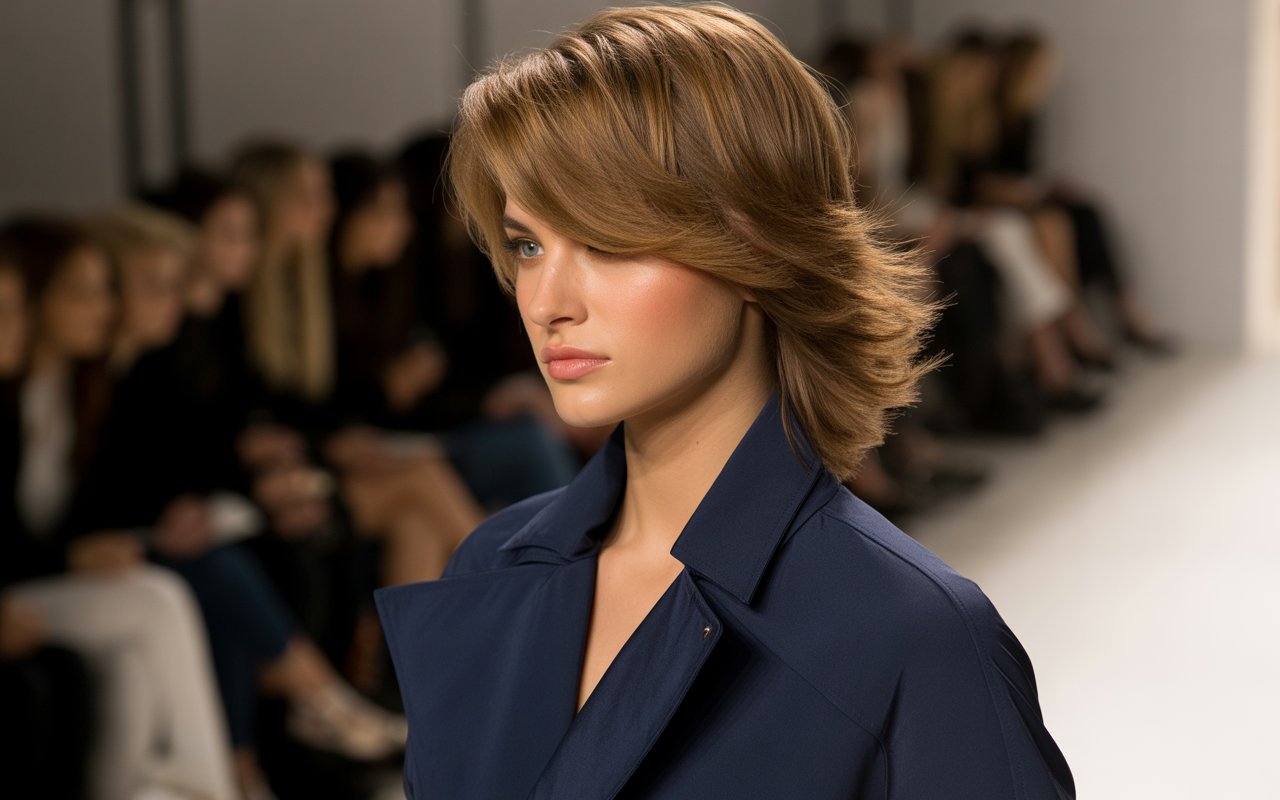
Looking your age is fine. Looking older than you actually are? Not so much. Your hairstyle plays a bigger role than you might think in how youthful you appear. The right cut can brighten your face, soften your features, and take years off your appearance without any dramatic measures. But here’s the thing—not all haircuts work the same magic for everyone.
The science behind age-defying hairstyles is actually pretty straightforward. Certain cuts create volume where it matters, draw attention to your best features, and add movement that makes you look vibrant and energized. Hair that falls flat or hangs too heavy can drag down your face and make you appear tired. Strategic layers, the right length, and well-placed texture can do the opposite—lifting your features and creating that fresh, youthful glow everyone wants.
So what makes a haircut truly youth-boosting? It comes down to a few key elements: face-framing pieces that soften your look, layers that add dimension and movement, and lengths that complement your face shape. Below, you’ll find ten popular haircuts that women are choosing right now to look younger. Each one works differently, but they all share one thing in common—they’re designed to make you look refreshed, confident, and several years younger than the calendar suggests.
Pixie Cut
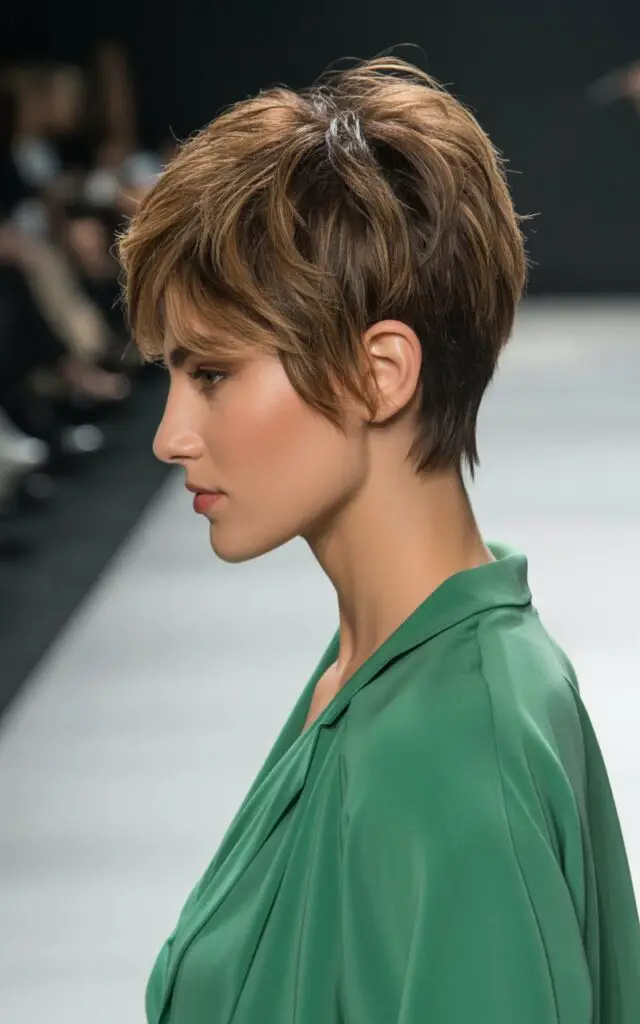
Short hair packs a powerful punch against aging. A well-executed pixie directs all attention upward to your eyes and cheekbones—the parts of your face that tend to age the slowest. This creates an instant lifting effect that longer, heavier styles simply can’t match.
Why This Cut Works
The pixie’s magic lies in its structure. By removing weight around your jawline and neck, this style highlights your bone structure. The crown area gets added height and volume, which creates that coveted lift. Your eyes become the focal point, drawing attention away from any fine lines or wrinkles elsewhere on your face.
Getting the Right Pixie
Not all pixies are created equal. You’ll want choppy, textured layers throughout rather than a smooth, sleek finish. The texture makes styling easier and adds that casual, youthful vibe. Ask your stylist for more volume at the crown and keep the sides slightly shorter. If you have naturally wavy or curly hair, this cut can work beautifully with your texture.
Styling Tips
Here’s what makes pixies so appealing for busy women:
Quick Morning Routine: You’ll be out the door in five minutes instead of thirty.
Low Product Needs: A small amount of texturizing paste or mousse is usually enough.
Minimal Heat Damage: Less styling time means healthier hair overall.
The pixie works best for women with oval or heart-shaped faces. If you have a rounder face, make sure your stylist adds extra height at the crown to create length. This cut requires regular trims every 4-6 weeks to maintain its shape, so factor that into your decision.
Color Considerations
Adding some lighter pieces around your face can amplify the youth-boosting effects. Subtle highlights or a slightly lighter overall tone can brighten your complexion. Avoid going too dark, as this can create harsh contrasts that age you.
Layered Bob (Lob)
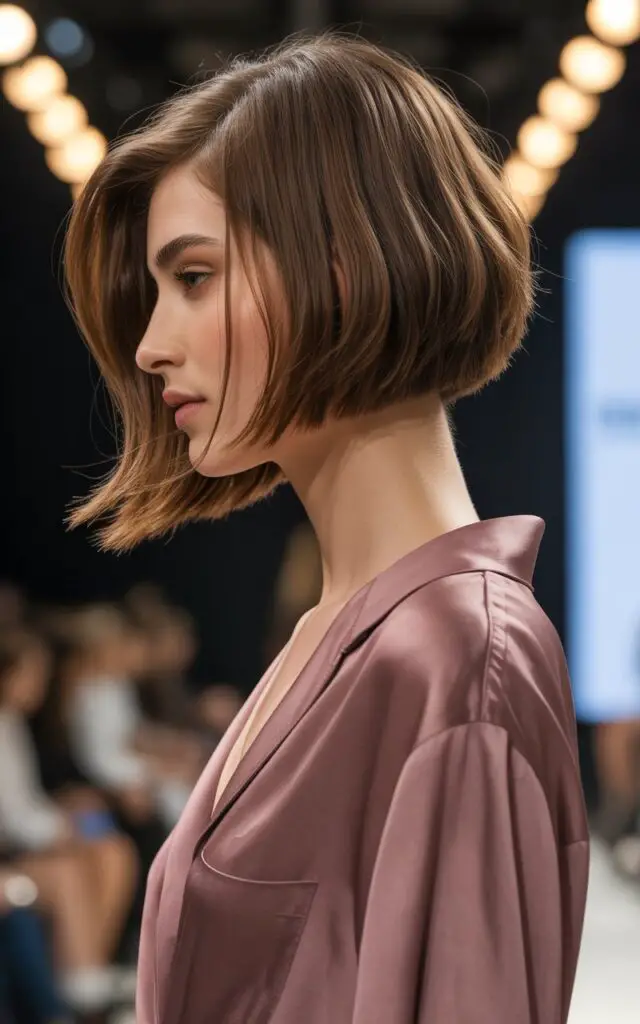
The lob hits that sweet spot at collarbone length. This cut gives you enough length to feel feminine and versatile while still maintaining the structure and volume that shorter styles provide.
The Perfect Length
Collarbone length isn’t random—it’s strategic. Hair at this length has enough weight to look healthy and full without pulling your face downward. You can wear it down for a polished look or pull it back when needed. The versatility alone makes you seem more dynamic and youthful.
Layers are what separate a regular bob from one that actually makes you look younger. Hidden layers inside create movement and prevent that heavy, blunt look. The outside perimeter can stay relatively even, giving you fullness at the ends while the interior layers provide body and bounce.
Face-Framing Magic
The best lobs include shorter pieces around your face. These frame your features and create softness. They also help disguise any sagging along your jawline—a common concern as we age. The key is keeping these front pieces long enough to tuck behind your ears when you want a different look.
Maintenance and Styling
This cut is remarkably low-maintenance for the impact it delivers. A simple blow-dry with a round brush gives you polish. Air-drying works too if you have natural wave or texture. You can add beach waves with a curling wand for special occasions, or keep it sleek and straight for a more professional appearance.
Color Techniques
Consider these color approaches:
Balayage: Hand-painted highlights add dimension without harsh lines.
Root Shadow: Keeps your natural root color while lightening ends.
Subtle Ombre: Gradually lighter toward the tips creates movement.
Women with fine hair particularly benefit from this style. The length creates the illusion of thickness while layers prevent it from falling flat. Thick-haired women enjoy how layers remove bulk without sacrificing length.
Butterfly Cut
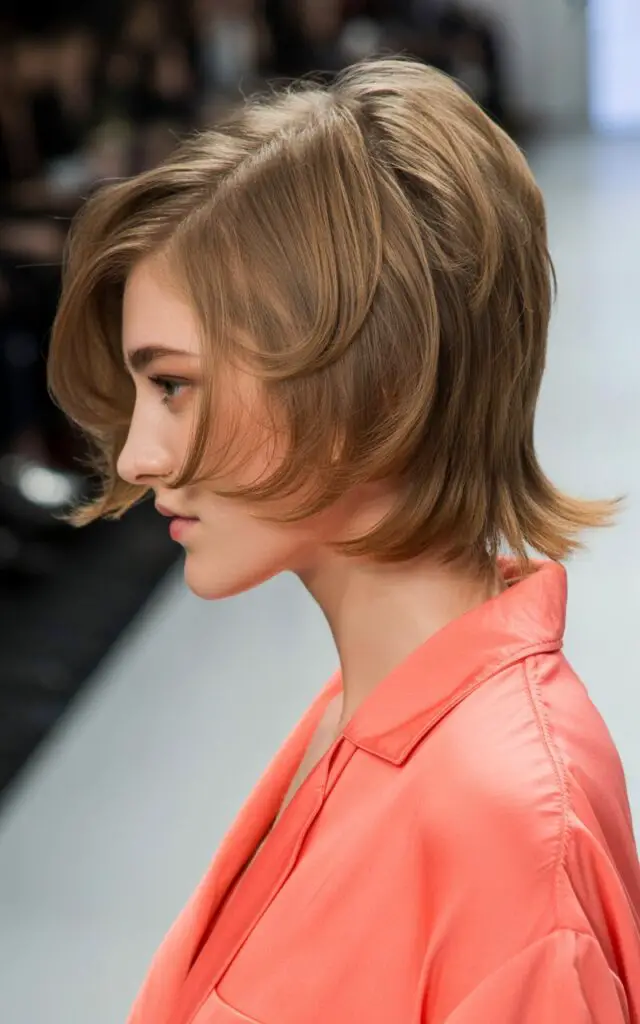
This newer style has quickly become popular for good reason. The butterfly cut features short, face-hugging layers that gradually lengthen as they move toward the back. Think of it as wings framing your face—hence the name.
What Makes It Different
Unlike traditional layered cuts, this style is built around your face shape specifically. The shortest layers sit around your chin or cheekbones, depending on what flatters you most. From there, layers cascade longer and longer, creating beautiful movement throughout.
The transition between lengths is seamless. You won’t see obvious steps or chunks in your hair. Instead, everything flows together naturally, which prevents that dated, over-layered look that can actually age you.
Best Candidates
This cut shines on medium to long hair. You need enough length to create those graduated layers. Women with straight or slightly wavy hair see the most dramatic results because the layers are clearly visible. However, curly-haired women can rock this too—it just requires a stylist who understands how to cut curls properly.
How does it make you look younger? The face-framing layers create softness around your features. They add width at your cheekbones while tapering down, which creates a flattering proportion. The movement keeps your hair from looking flat or lifeless.
Styling Approach
You’ll find several ways to style this cut effectively:
Air-Dry Method: Your natural texture works beautifully with this structure.
Blow-Dry with Round Brush: Adds extra volume at the crown and bends in the layers.
Loose Curls: A large-barrel curling iron enhances the fluttery, dimensional effect.
The butterfly cut typically needs refreshing every 8-10 weeks. The layers grow out gracefully, so you won’t experience that awkward growing-out phase that many layered cuts go through.
Textured Bob with Bangs
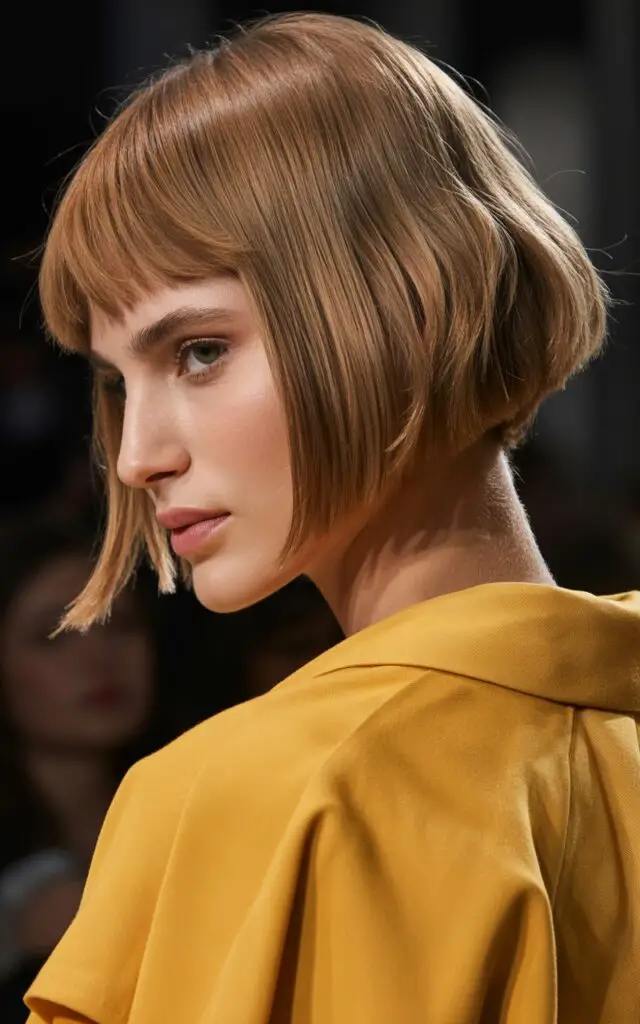
Bangs deserve their own discussion because they’re one of the fastest ways to knock years off your appearance. Combined with a bob, they create a complete package that addresses multiple aging concerns at once.
The Power of Bangs
Forehead lines are often one of the first places we show age. Bangs solve this instantly by covering them completely. But they do more than just hide things—they draw attention to your eyes and create a fresh, youthful frame for your entire face.
Choosing Your Bang Style
Not all bangs work for every face. Curtain bangs—parted in the middle and swept to the sides—suit most women. They’re softer and more forgiving than straight-across bangs. Side-swept bangs create an asymmetrical look that adds interest. Blunt bangs make a bold statement but require more maintenance and work best on specific face shapes.
The bob portion of this cut should hit somewhere between your jaw and shoulders. Too short can look severe, while too long loses the structure you want. Texturizing the ends prevents a heavy, blocky appearance.
Daily Management
Bangs require daily styling, but the routine becomes quick with practice. A round brush and blow dryer get them lying the way you want. Some women need just their fingers and a bit of product. Your natural hair texture determines how much effort this takes.
Your stylist should create these features:
Choppy Texture: Prevents a helmet-like appearance.
Face-Framing Angles: Shorter in front, slightly longer in back.
Soft Edges: No harsh lines anywhere in the cut.
This style suits women who want a polished look without hours of styling time. The bangs need trimming every 3-4 weeks to stay out of your eyes, while the rest of the cut can go 6-8 weeks between appointments.
Color Pairings
Subtle dimension through color makes this cut even more effective. Try warm tones around your face to brighten your complexion. Avoid all-over dark color, which can create harsh contrasts and make you look older.
Bixie Cut
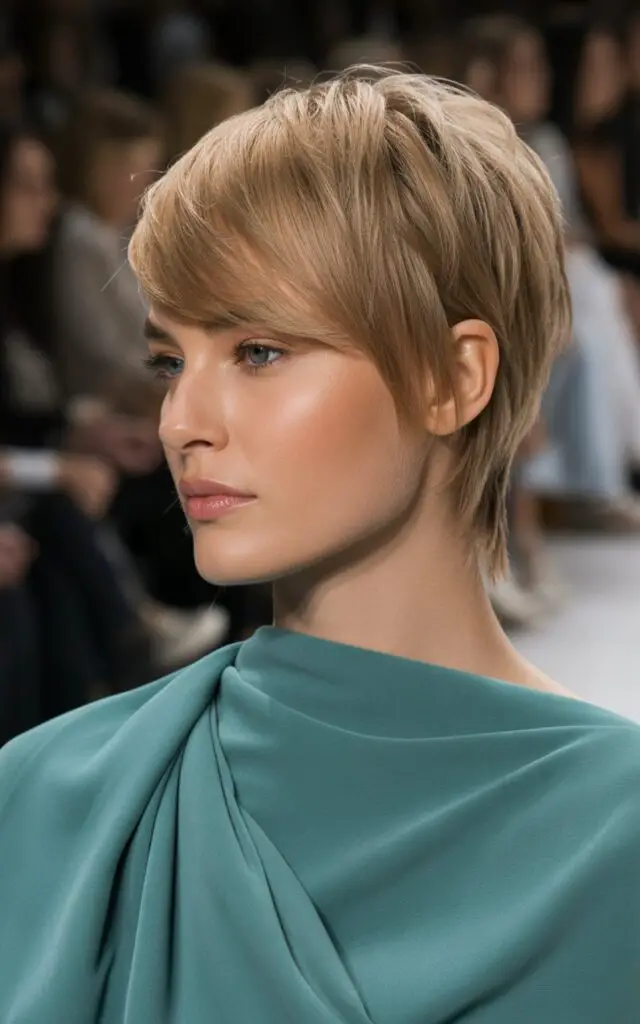
This hybrid style combines the best parts of a bob and pixie. You get the structure and face-framing of a bob with the ease and edge of a pixie. The result? A contemporary cut that looks fresh and youthful.
How It’s Structured
The bixie sits somewhere between chin and ear length. The back and sides are cut shorter like a pixie, while the front maintains longer pieces similar to a bob. This creates interesting angles and dimension that flat, one-length cuts lack.
Layers throughout add texture and movement. The cut should never look too perfect or polished—that actually ages you. Instead, you want pieces that move independently and create that casual, effortless vibe.
Who Should Try It
Women transitioning from a pixie to longer hair often accidentally create a bixie. But this cut also works as an intentional choice. If you love short hair but want something slightly less dramatic than a pixie, this is your answer. It’s also perfect for women who find bobs too long but pixies too short.
Your face shape matters less with this cut because it can be customized easily. Round faces benefit from more volume at the crown. Oval faces can wear it almost any way. Square faces look great with some softening around the jawline.
Styling Versatility
Here’s what you can do with a bixie:
Messy Texture: Run your fingers through with some paste for an undone look.
Sleek and Polished: Flat iron for a more formal appearance.
Piece-y Definition: Use a small amount of pomade to define individual sections.
Maintenance sits between a bob and pixie. You’ll need trims every 5-6 weeks to keep the shape sharp. The good news? Styling takes minimal time once you learn what works for your hair.
Face-Framing Layers
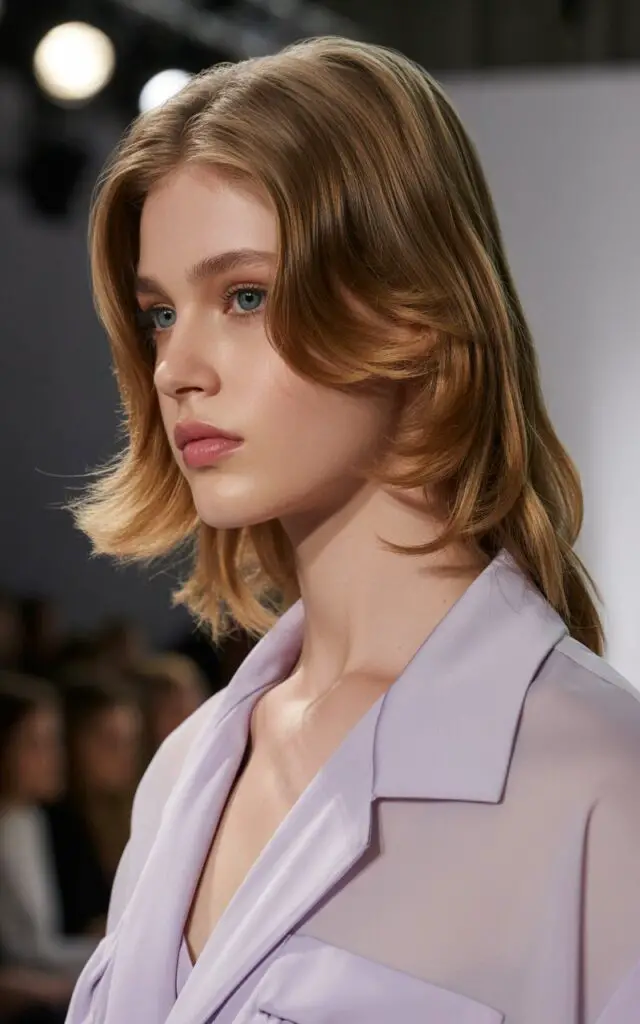
Sometimes you don’t want to change your length—you just want to look younger with the hair you already have. Face-framing layers accomplish this beautifully without requiring a major chop.
How Layers Create Youth
Strategic layers around your face do several things at once. They soften your features, create movement, and add dimension that flat, one-length hair lacks. The layers should start somewhere around your cheekbones or chin, depending on your face shape.
These front pieces create an optical illusion. They draw the eye inward and upward toward your eyes and cheekbones—your most youthful features. This subtle redirection makes a bigger difference than you might expect.
Keeping Length While Adding Life
The beauty of face-framing layers is that your overall length stays intact. The back of your hair can remain as long as you want. Only the front sections get layered, which means you’re not sacrificing the length you’ve worked hard to grow.
Your stylist should create these layers gradually. Harsh, choppy layers can look outdated. Instead, you want a soft, blended transition from the shorter front pieces to your longer hair. The result should look natural, not forced.
What makes this approach work? Consider these benefits:
Minimal Change: You keep your length while updating your look.
Easy Adaptation: Your regular styling routine doesn’t need to change much.
Low Commitment: If you don’t love it, the layers grow out relatively quickly.
Styling Considerations
Face-framing layers work with straight, wavy, or curly hair. Straight hair shows off the clean lines of the layers. Wavy hair gains more movement and bounce. Curly hair gets better shape and definition around your face.
You can style these layers several ways. Blow them out straight for a sleek look. Add curls or waves for more volume. Even air-drying works if you have natural texture. The layers make your hair more interesting regardless of how you style it.
Shag Haircut
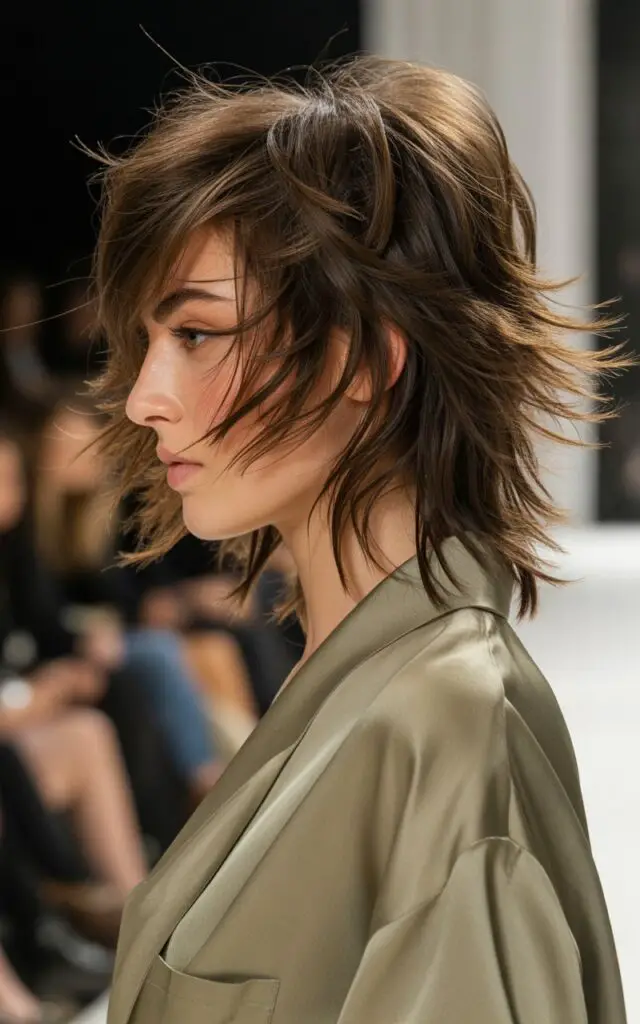
The shag brings back that ’70s cool factor, but modern versions are updated and sophisticated. This heavily layered cut creates tons of movement and dimension that fights aging effectively.
Modern Shag Characteristics
Today’s shags aren’t the wild, unkempt styles from decades past. Current versions feature controlled texture and intentional shaping. You get lots of layers throughout, but they’re blended smoothly to create flow rather than choppiness.
The cut typically includes some shorter layers on top for volume, with longer pieces throughout the rest of your hair. This creates that signature shaggy texture while maintaining enough length to avoid looking too edgy or punk.
Why It Works Against Aging
Movement is key to looking youthful. Static, unmoving hair appears flat and lifeless—characteristics we associate with aging. The shag creates constant motion and interest, which translates to a vibrant, energetic appearance.
The layers also prevent your hair from pulling your face downward. Instead of heavy, weighty hair dragging everything down, you get lightness and lift. This affects how your entire face appears.
Texture throughout the cut means your hair naturally has more body. You won’t need as much styling product or heat to create volume. This is particularly helpful as hair tends to thin with age—the shag makes whatever hair you have look fuller.
Ideal Length and Texture
Shags work at various lengths, but medium to long works best for most women. Too short can look too punk-rock, while too long loses the structural definition that makes the cut effective. Somewhere between shoulders and mid-back hits the sweet spot.
Your hair’s natural texture affects how this cut looks:
Straight Hair: Shows off the layers clearly and needs some styling to add texture.
Wavy Hair: Works perfectly with the shag’s structure, often requiring minimal styling.
Curly Hair: Can look amazing but requires a stylist experienced with cutting curls.
Maintenance is moderate. You’ll need trims every 6-8 weeks to keep the layers fresh and prevent them from growing out too much. Daily styling is quick—often just some texturizing spray and finger-tousling.
Soft Waves with Layers
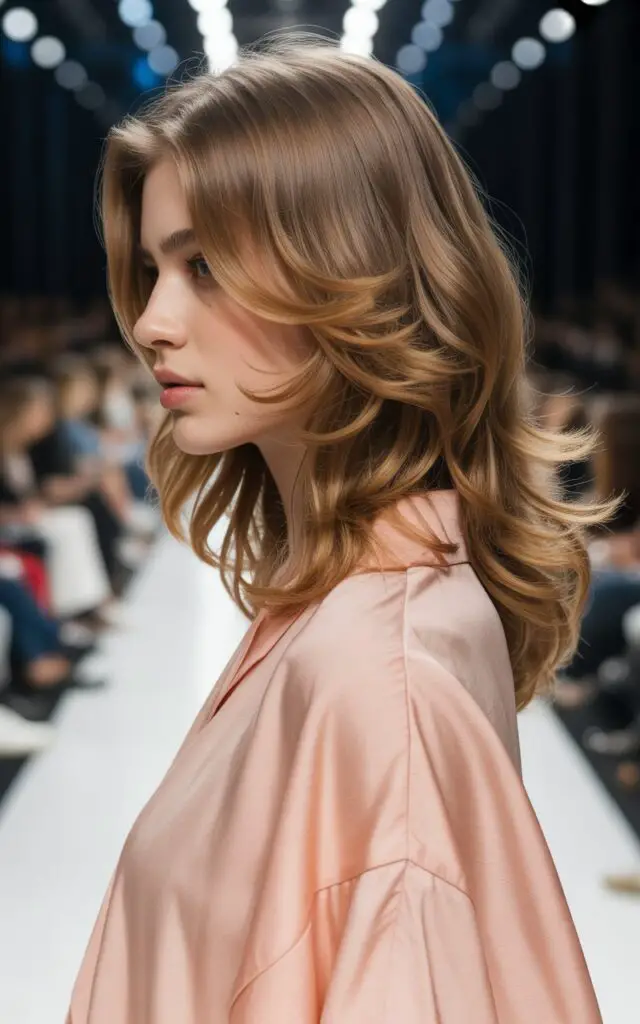
Smooth, flat hair can make you look older. Soft waves and curls, on the other hand, create volume and movement that takes years off your appearance instantly.
You don’t need naturally wavy hair to achieve this look. The cut itself—featuring layers throughout—creates the foundation. The waves come from styling, but the layers make those waves look intentional and polished rather than forced.
Layer Placement
The layers should start below your chin to avoid looking too choppy. They should be subtle enough that you can still wear your hair straight when you want, but present enough to give your waves definition and shape.
Long hair with zero layers can work against you as you age. It tends to look heavy and can pull your features downward. Adding layers removes some of that weight and creates lift, especially around your face.
Creating the Waves
Several methods work for adding waves. A curling wand gives you control over the size and tightness of each wave. A flat iron can create soft bends with practice. Even braiding damp hair overnight produces natural-looking waves.
The key is keeping the waves loose and soft, not tight or springy. Tighter curls can look dated or too formal. Loose, relaxed waves have that effortless, youthful quality that works for everyday wear.
Benefits Beyond Youth
This style offers practical advantages:
Hides Thinning: Waves make fine or thinning hair appear fuller.
Adds Dimension: The movement creates interest and depth.
Requires Less Washing: Waves often look better on second or third-day hair.
Women with straight hair need more styling time to create and maintain the waves. Those with natural wave or curl can work with their texture, making this a low-maintenance option. Either way, the layers are what make the style work—they prevent the waves from looking bottom-heavy or triangular.
Curtain Bangs with Shoulder-Length Cut
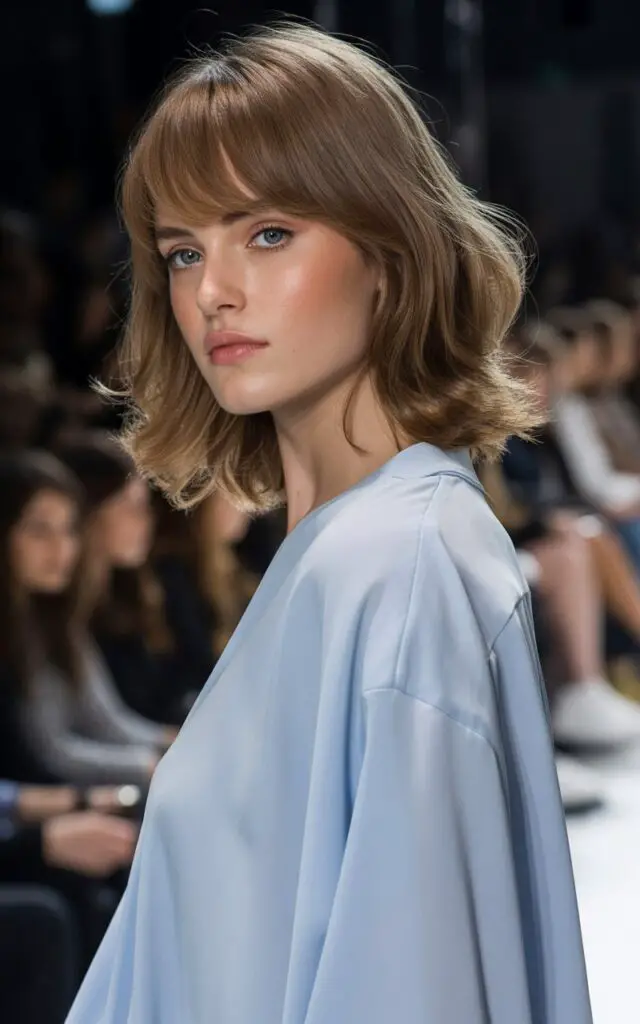
Curtain bangs have exploded in popularity, and for good reason. This style of bangs parts in the middle and sweeps to both sides, framing your face in the most flattering way possible.
Why Curtain Bangs Win
Traditional straight-across bangs can be too harsh for some faces and high-maintenance for many women. Curtain bangs solve both problems. They’re softer, more forgiving, and easier to style. They grow out more gracefully too.
The parted style draws attention to your eyes and cheekbones. The sweeping motion creates movement around your face. This combination makes you look more youthful and awake.
Pairing with Shoulder Length
Shoulder-length hair complements curtain bangs perfectly. The length is substantial enough to look healthy and full, but not so long that it weighs down your face. Combined with the bangs, you get complete face-framing that creates a cohesive, polished look.
This length also offers versatility. You can wear it down, pull it into a ponytail, or create an updo when needed. The bangs work with all these styles, which is a huge practical advantage.
How should your stylist cut the bangs? They should be longest at the outer edges (around your cheekbones) and slightly shorter at the center part. This creates that sweeping curtain effect. The transition from bangs to the rest of your hair should be gradual and blended.
Styling Requirements
Curtain bangs need daily attention, but the routine is simple. Here’s what works:
Round Brush Blow-Dry: Curls the bangs away from your face.
Flat Iron Method: Creates a gentler bend if you prefer less curve.
Natural Air-Dry: Works for some hair types with minimal product.
The bangs need trimming every 3-4 weeks to stay at the right length. The rest of your hair can go 6-8 weeks between cuts. This is less maintenance than full straight-across bangs, which need trimming every 2-3 weeks.
Add some subtle highlights around your face, and this cut becomes even more youth-boosting. Lighter pieces near your face brighten your complexion and create dimension.
Long Layers with Side Part
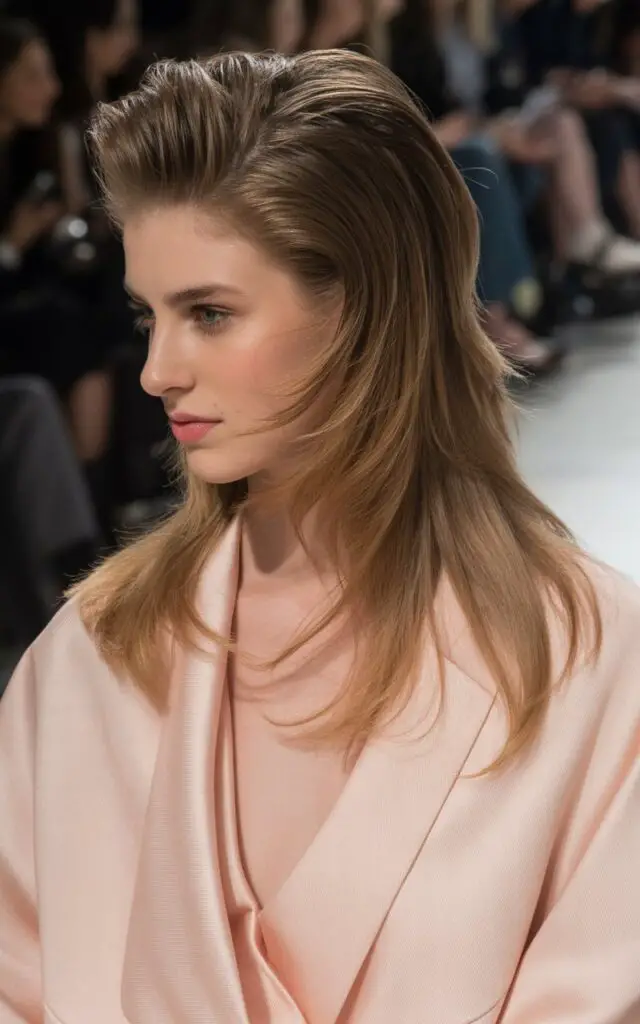
Long hair doesn’t have to age you—it’s all about how you cut and style it. Long layers with a side part create a sophisticated look that can actually make you appear younger than shorter styles.
Breaking the Rules
There’s a common myth that women should cut their hair shorter as they age. This isn’t true. What matters is the cut’s structure, not its length. Long layers add movement and dimension that flat, one-length long hair lacks.
The side part is crucial. Center parts can sometimes look too severe or dated. A side part creates asymmetry that’s more visually interesting and flattering. It also gives you natural volume at the crown, which lifts your entire face.
Layer Strategy
Your layers should start around your collarbone or slightly below. Starting too high can create a dated ’80s look. Starting too low defeats the purpose—you won’t get enough movement and dimension throughout.
The layers should be subtle and blended, not chunky or obvious. You want to see them when your hair moves, but not as clear-cut sections when your hair is still. This creates a natural, expensive-looking finish.
Long hair with layers works beautifully for women with thick hair. The layers remove bulk and weight, making your hair more manageable. For women with fine hair, long layers create the illusion of thickness through movement and dimension.
Styling Flexibility
Long layered hair gives you countless styling options:
Sleek and Straight: Shows off the layers’ clean lines.
Beach Waves: Enhances the movement the layers create.
Half-Up Styles: The layers prevent a heavy, pulled look.
Maintenance is relatively low. You can go 8-10 weeks between trims since the layers grow out gradually. Daily styling time depends on your hair type, but most women can air-dry and go with minimal product.
Tying It All Together
Finding the right haircut isn’t about following trends blindly—it’s about understanding what works for your face, hair type, and lifestyle. These ten styles all share common elements that fight aging: movement, dimension, face-framing, and strategic volume. The specific cut you choose should reflect your personal style and how much maintenance you’re willing to handle.
Your haircut is one of the most powerful tools you have for looking younger. It’s non-invasive, relatively inexpensive, and the results are immediate. Unlike skincare products that take weeks or months to show effects, a great haircut transforms your appearance the moment you walk out of the salon. The right style can take five or even ten years off your look while boosting your confidence in the process.
Frequently Asked Questions
Q: How often should I trim my hair to maintain a youthful appearance?
A: This depends on your specific cut. Short styles like pixies need trimming every 4-6 weeks to maintain their shape. Medium-length cuts like bobs and lobs can go 6-8 weeks. Longer styles with layers can stretch to 8-10 weeks between trims. Bangs need more frequent attention—every 3-4 weeks regardless of your overall cut.
Q: Can I still have long hair as I get older?
A: Absolutely. The myth that you must cut your hair short as you age is outdated. What matters is the cut’s structure, not the length. Long hair with layers, movement, and proper styling can look just as youthful as short hair. The key is avoiding flat, one-length long hair that can pull your features down.
Q: What hair color makes you look younger?
A: Lighter shades typically brighten your complexion and create a more youthful appearance. Warm tones like honey blonde, caramel, or soft auburn work well. Adding subtle highlights around your face catches light and draws attention to your best features. Avoid all-over dark colors, which can create harsh contrasts and age you.
Q: Do bangs really make you look younger?
A: Bangs can be very effective at creating a youthful look. They cover forehead lines, draw attention to your eyes, and frame your face. However, the style of bangs matters—curtain bangs and side-swept bangs are typically more flattering than blunt, straight-across bangs. The key is choosing a bang style that suits your face shape and lifestyle.
Q: What’s the best haircut for thinning hair?
A: Short to medium-length cuts with layers work best for thinning hair. Pixies, bobs, and lobs create the illusion of fullness through structure and volume. Long layers can also work by removing weight and adding movement. Avoid one-length blunt cuts, which can make thinning more obvious.
Q: Should I choose a haircut based on my face shape?
A: Your face shape is definitely a factor, but it’s not the only consideration. Hair texture, density, and your personal style all matter too. That said, certain cuts do flatter specific face shapes better. Round faces benefit from height and volume at the crown. Oval faces can wear almost any style. Square faces look great with soft, layered cuts.
Q: How can I style my hair to look younger without heat tools?
A: Air-drying with the right products can create beautiful results. Use a lightweight mousse or texturizing spray on damp hair. Scrunch wavy or curly hair to enhance your natural texture. For straight hair, try braiding damp hair overnight for natural waves. A side part and some volumizing product at the roots creates lift without heat.
Q: What’s the difference between a lob and a regular bob?
A: A lob (long bob) hits at or slightly below your collarbone, while a traditional bob sits anywhere from chin to shoulder length. Lobs offer more versatility since the length allows for ponytails and updos. Both styles can include layers, but lobs typically feature subtler, more blended layers than shorter bobs.

