

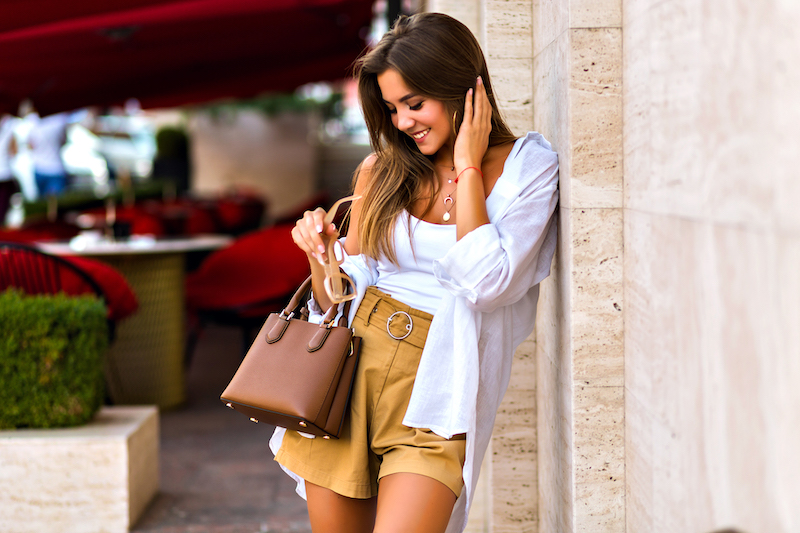
Looking expensive has nothing to do with spending thousands on designer labels or maxing out credit cards. The most sophisticated women understand that true luxury lies in thoughtful choices, careful attention to detail, and understanding the subtle signals that communicate quality. These signals go far beyond price tags, touching on everything from the way fabric falls to how you carry yourself in a room.
The difference between looking polished and looking ordinary often comes down to small decisions most people overlook. A perfectly steamed shirt, the right shade of beige, knowing when to remove one accessory before leaving the house – these minor adjustments create major impact. Women who consistently look expensive have mastered these details, turning everyday dressing into an art form that speaks volumes without saying a word.
Throughout the following sections, we’ll uncover the specific strategies that create an expensive appearance regardless of budget. From psychological principles that shape perception to grooming habits that signal sophistication, you’ll discover practical approaches that transform your overall presentation. Let’s begin with understanding the foundation of what makes certain people appear effortlessly luxurious.
The Psychology Behind Looking Expensive
The concept of looking expensive starts in the mind, both yours and others’. People form impressions within seconds of meeting someone, and these judgments rely heavily on visual cues that suggest status, competence, and attention to detail. Understanding these psychological triggers gives you the power to control the narrative your appearance creates.
How perception shapes value
Your brain automatically associates certain visual elements with wealth and sophistication. Clean lines, muted colors, and minimal patterns register as expensive because luxury brands have trained consumers to recognize these characteristics. This conditioning runs so deep that a simple white t-shirt in the right cut can look more expensive than a heavily embellished piece. The key lies in understanding which visual elements trigger these associations and incorporating them strategically into your wardrobe.
Quality shows itself through subtle details rather than obvious displays. A well-fitted blazer with properly aligned seams communicates more about your standards than any logo could. People unconsciously notice when buttons align perfectly with buttonholes, when hems hang at the exact right length, and when shoulders sit precisely where they should. These small perfections accumulate into an overall impression of refinement.
The confidence factor
Posture and movement play crucial roles in projecting an expensive image. Standing tall with shoulders back and walking with purpose immediately elevates your presence. Watch how models move on runways – there’s a deliberate quality to their movements that suggests they belong in those clothes. You can adopt this same purposeful energy in your daily life.
The way you interact with your clothing also sends messages. Constantly adjusting straps, pulling at hems, or checking your appearance suggests discomfort or insecurity. Women who look expensive wear their clothes as if they were born in them, moving through space with ease and grace. This comfort comes from choosing pieces that fit properly and practicing good posture until it becomes second nature.
Reading social cues
Different environments call for different interpretations of expensive dressing. What reads as sophisticated in a corporate boardroom might seem stuffy at a creative agency. The truly well-dressed woman understands these nuances and adjusts accordingly while maintaining her polished foundation.
Pay attention to the subtle dress codes in your various social circles. Notice what the most respected women in each environment wear and how they present themselves. You’re not copying them exactly but rather understanding the visual language they speak and translating it through your own style lens.
Silent luxury principles
The quiet luxury trend has highlighted what many sophisticated women have always known: true elegance whispers rather than shouts. This approach favors exceptional quality in simple designs over flashy displays of wealth. A cashmere sweater in perfect condition speaks louder than sequins ever could.
This principle extends beyond clothing to every aspect of your presentation. Your handbag doesn’t need visible branding if the leather is buttery soft and the hardware substantial. Your shoes don’t require red soles if they’re beautifully crafted and impeccably maintained. Focus on acquiring fewer, better items rather than filling your closet with mediocre pieces.
Building this refined aesthetic requires patience and discipline. You might own fewer items than your peers, but each piece serves multiple purposes and elevates everything worn with it. A single excellent coat transforms every outfit underneath it. One perfect pair of trousers becomes the foundation for countless polished looks.
Body language secrets
Your physical presence communicates wealth or its absence before you speak a single word. Wealthy individuals tend to take up more space, not through aggressive posturing but through relaxed confidence. They sit fully in chairs rather than perching on edges, gesture smoothly rather than frantically, and maintain steady eye contact during conversations.
Practice moving slowly and deliberately. Rushing suggests you’re at someone else’s beck and call, while measured movements imply you control your own time. This doesn’t mean moving at a snail’s pace but rather eliminating unnecessary fidgeting and hurried gestures. Think of yourself as moving through honey – smooth, controlled, intentional.
Hand gestures deserve special attention. Keep them controlled and purposeful rather than wild or excessive. When you do gesture, move from your wrists rather than flailing entire arms. Hold objects – coffee cups, phones, handbags – with relaxed confidence rather than death grips. These subtle adjustments in how you physically interact with the world profoundly impact how others perceive your status.
Strategic Color Choices That Signal Luxury
Color serves as one of the most immediate indicators of expensive taste. While anyone can wear any color, certain palettes and combinations consistently read as more luxurious than others. Understanding these associations and how to use them effectively transforms your wardrobe without requiring a single new purchase – just smarter combinations of what you already own.
The power of neutral palettes
Neutrals form the backbone of an expensive-looking wardrobe for good reason. Beige, camel, cream, taupe, grey, navy, and black create a sophisticated canvas that never looks dated or desperate for attention. These shades work harder than any others in your closet, mixing seamlessly while always appearing intentional.
The secret to making neutrals look expensive rather than boring lies in mixing different tones and textures within the same color family. A cream silk blouse paired with ivory trousers and a beige cashmere cardigan creates visual interest through texture variation while maintaining color harmony. This tonal approach appears effortless yet clearly required thought – the hallmark of expensive dressing.
When to use bold colors strategically
Bold colors have their place in a luxury-looking wardrobe, but timing and execution matter tremendously. A single pop of rich color – emerald green, sapphire blue, or deep burgundy – against a neutral backdrop creates focus and intention. The color should appear deliberate rather than random, chosen for its ability to enhance your natural coloring rather than compete with it.
Consider where you place bold colors on your body. A vibrant scarf at your neckline draws attention to your face, while colorful shoes anchor an outfit and demonstrate attention to detail. The key is choosing one focal point rather than competing elements. Multiple bright colors rarely look expensive unless you possess advanced color theory knowledge and exceptional confidence.
Quality becomes even more critical with bold colors. A cheap red looks harsh and plastic, while a quality red appears rich and dimensional. If you’re investing in colorful pieces, choose ones in superior fabrics that will maintain their color integrity through multiple wears and cleanings.
Tonal dressing techniques
Wearing various shades of the same color creates one of the most expensive looks possible. This technique, called tonal dressing, suggests you own enough clothing to create these sophisticated combinations. The effect looks editorial and purposeful, as if you stepped out of a high-fashion magazine.
Start with accessible combinations like different shades of blue or grey. A light blue shirt under a medium blue sweater with dark blue trousers creates dimension while maintaining harmony. The slight variations in tone prevent the outfit from looking like a failed matching attempt while clearly showing intentional coordination:
- Light to Dark Gradients: Create visual flow by arranging colors from lightest nearest your face to darkest at your feet
- Texture Variations: Mix matte and shiny fabrics in the same color for added sophistication
- Warm vs Cool Tones: Understand whether you’re working with warm greys versus cool greys and don’t mix them
- Seasonal Adjustments: Lighter tones of your chosen color for spring/summer, deeper ones for fall/winter
Color combinations that look costly
Certain color pairings consistently signal expensive taste. Navy and camel together look infinitely more sophisticated than navy and brown. Burgundy and grey suggest thoughtful coordination, while burgundy and black can look harsh. Understanding these nuances helps you make smarter choices with existing pieces.
White and cream together, once considered a fashion faux pas, now signal sophisticated understanding of color subtleties. The key lies in ensuring the white is pure white (not yellowed or grayed) and the cream is intentionally cream (not failed white). This combination requires confidence and quality fabrics to execute properly.
Black and navy, another formerly forbidden combination, looks incredibly expensive when done right. The trick is ensuring both colors are saturated and true – faded black or washed-out navy ruins the effect. This pairing works particularly well in professional settings where it suggests you own enough clothing to move beyond basic black.
Avoiding color mistakes
Several color-related mistakes immediately cheapen your appearance. Wearing colors that clash with your skin tone makes everything look off, regardless of garment quality. If olive green makes you look ill, no amount of expensive tailoring will save that outfit. Know your personal color season and work within those guidelines.
Faded colors rarely look intentional unless they’re specifically designed that way. A shirt that was once black but now looks charcoal grey suggests age and wear rather than deliberate choice. Regular wardrobe audits help identify pieces that have passed their prime. Better to own fewer items in perfect condition than many in various stages of decline.
Overly trendy color combinations date quickly and suggest you’re following rather than leading. While awareness of current trends shows engagement with fashion, slavish devotion to every color trend that emerges makes you look like you’re trying too hard. Choose classic combinations and add trendy colors through small, replaceable accessories if you want to participate without commitment.
Fabric Selection and Care Secrets
The difference between looking expensive and looking ordinary often comes down to fabric quality and condition. A simple cotton t-shirt in premium cotton with proper care looks infinitely more luxurious than a silk blouse that’s poorly maintained. Understanding fabrics and their care transforms your existing wardrobe while guiding future purchases.
Identifying quality materials
Natural fibers generally photograph and wear better than synthetics, though high-quality synthetic blends have their place. Cotton should feel substantial, not see-through or rough. Wool should be soft against skin without excessive pilling. Silk should have weight and fluidity, not feel static-prone or papery.
Learn to read fabric content labels and understand what those percentages mean for garment performance. A sweater that’s 100% cashmere sounds luxurious, but if it’s single-ply and loosely knit, it won’t maintain its shape. Meanwhile, a well-constructed merino wool blend might serve you better. Quality isn’t just about fiber content but also construction, weight, and finishing.
Touch fabrics whenever possible before purchasing. Quality materials have distinct hand-feels that become recognizable with practice. Expensive fabrics drape differently, move differently, and age differently than their cheaper counterparts. Train your hands to recognize these differences and you’ll make smarter purchasing decisions.
Pay attention to how fabrics behave throughout the day. Quality materials maintain their shape from morning to evening, resisting wrinkles and sagging. If a garment looks exhausted by noon, it doesn’t matter how much you paid – it won’t contribute to an expensive appearance. Test new purchases by wearing them for full days at home before committing to public wear.
Mixing high and low pieces
You don’t need an entirely expensive wardrobe to look expensive overall. Strategic mixing of investment pieces with affordable basics creates a sophisticated whole that appears more expensive than its parts. The key lies in knowing where to invest and where to save.
Invest in pieces that touch your skin directly and show construction quality: coats, blazers, trousers, and shoes. These items benefit from superior materials and construction in ways that are immediately visible. A beautiful coat elevates every outfit worn beneath it, while quality shoes ground even simple outfits in luxury.
Save on trendy pieces, basic layering items, and anything you’ll replace frequently. Simple t-shirts, basic tanks, and trendy accessories don’t require significant investment if you choose them carefully and maintain them well. Focus on fit and color rather than designer labels for these foundation pieces.
Proper garment maintenance
How you care for clothing matters more than what you paid for it. Proper maintenance keeps affordable pieces looking fresh while neglecting care ruins even expensive items. Develop routines that preserve your clothing’s original appearance.
Steam or iron everything before wearing it. Wrinkles immediately signal carelessness, regardless of garment quality. Invest in a good steamer and use it religiously. Even casual pieces like t-shirts and jeans look more expensive when properly pressed. This single habit transforms your entire appearance.
Store clothing properly between wears. Hang structured pieces on appropriate hangers – wooden or padded for jackets, clip hangers for trousers, padded for delicate items. Fold knits to prevent stretching. Use garment bags for special pieces. These storage practices prevent damage and maintain shape, extending garment life significantly.
Address stains and damage immediately. A small pull in a sweater becomes a hole if ignored. A minor stain sets permanently if left untreated. Keep a basic repair kit and stain removal supplies readily available. Quick action saves garments and maintains that pristine appearance essential to looking expensive.
The importance of fit
Nothing makes clothing look more expensive than perfect fit. Conversely, poor fit ruins even designer pieces. Understanding your body and how clothing should properly fit transforms everything you wear.
Shoulders should sit exactly at your shoulder point, not extending beyond or pulling inward. Sleeves should end at your wrist bone, allowing about a quarter-inch of shirt cuff to show when wearing jackets. Trouser hems should barely touch shoe tops, creating a slight break without pooling fabric. These precise measurements separate expensive-looking outfits from sloppy ones.
Develop relationships with skilled tailors who understand your style preferences. Regular alterations might seem expensive initially, but they’re far more economical than constantly buying new clothes searching for perfect fit. A tailor can transform affordable pieces into custom-looking garments that appear far more expensive than their price tags suggest.
Know when fit is beyond saving. Sometimes letting go of pieces that don’t fit properly, even if you love them, serves your overall image better. That blazer that’s slightly too small will always look strained. Those trousers that are a bit too long will always look sloppy unless hemmed. Be honest about what works and what doesn’t.
Steaming and pressing techniques
The difference between a garment that looks expensive and one that doesn’t often comes down to pressing. Master different techniques for different fabrics to maintain that crisp, fresh-from-the-store appearance.
Invest in quality tools: a reliable iron with multiple heat settings, a sturdy ironing board, and a powerful steamer. These tools pay for themselves quickly through extended garment life and improved appearance. Don’t forget pressing cloths to protect delicate fabrics and achieve professional results.
Learn specific techniques for different materials. Wool requires steam and gentle pressure. Cotton can handle higher heat and firmer pressing. Silk needs low heat and often benefits from pressing on the reverse side. Understanding these nuances prevents damage while achieving optimal results.
Accessory Placement and Selection
Accessories make or break an expensive look. The right pieces, worn correctly, elevate simple outfits to sophisticated status. Wrong choices or poor placement immediately cheapen even designer clothing. Mastering accessory selection and placement provides maximum impact with minimal investment.
Less is more philosophy
The most expensive-looking women understand restraint. They choose one or two beautiful accessories rather than piling on everything they own. This edited approach suggests confidence and intentionality – you chose these specific pieces for specific reasons.
Before leaving home, examine your full outfit and remove one accessory. This classic styling trick prevents overdoing it while ensuring what remains has breathing room to make an impact. A single beautiful watch gets lost among stacked bracelets, but alone it commands attention and appreciation.
Consider the visual weight of accessories against your outfit. Heavy statement pieces require simple clothing as backdrop. Conversely, intricate clothing patterns call for minimal accessories. Balance creates harmony, and harmony looks expensive. When in doubt, choose less rather than more.
Quality over quantity approach
One exceptional handbag serves you better than five mediocre ones. This principle applies to all accessories: shoes, jewelry, scarves, belts. Focus on acquiring fewer, better pieces that work with multiple outfits rather than accumulating options that never quite satisfy.
Quality reveals itself in small details: substantial hardware that doesn’t tarnish, leather that develops beautiful patina rather than cracking, stitching that remains intact through years of use. These details might seem minor individually, but collectively they communicate your standards and attention to quality.
When building an accessory collection, start with versatile basics in excellent quality. A leather handbag in black or brown, simple gold or silver jewelry, classic leather shoes in neutral colors. These foundations work with everything while always looking polished. Add statement pieces only after establishing this quality base.
Strategic jewelry choices
Jewelry offers the most immediate way to look expensive or cheap. Simple, quality pieces in genuine materials always outperform elaborate costume jewelry. If your budget limits you to costume pieces, choose ones that convincingly mimic real materials rather than obviously fake designs.
Focus on metals that complement your skin tone. Gold enhances warm undertones while silver flatters cool ones. Once you identify your optimal metal, build your collection within that family for cohesive looks. Mixing metals can work but requires advanced styling skills to avoid looking haphazard.
Scale matters tremendously with jewelry. Delicate chains get lost on larger frames while chunky pieces overwhelm petite women. Find your optimal scale through experimentation, then stick with what works:
- Watch Selection: Choose classic styles with leather or metal bands over trendy or sporty options
- Earring Choices: Simple studs or small hoops for day, saving statement pieces for evening
- Necklace Layering: When layering, vary lengths by at least two inches to prevent tangling
- Ring Placement: Wear rings with intention rather than randomly distributed across fingers
Bag and shoe coordination
Your handbag and shoes don’t need to match exactly, but they should relate harmoniously. This connection might be through color family, material, or style genre. A structured leather bag pairs naturally with polished leather pumps, while a soft hobo bag complements relaxed ankle boots.
Handbag quality shows immediately through hardware, stitching, and leather quality. If you can afford only one excellent bag, choose a medium-sized style in black or brown leather with minimal hardware. This single piece will elevate countless outfits while always looking appropriate.
Shoes anchor entire outfits and signal your attention to detail. Scuffed shoes or worn heels destroy otherwise polished looks. Maintain your footwear meticulously: regular polishing, heel tip replacement, and proper storage. Well-maintained affordable shoes look better than neglected expensive ones.
The power of subtle details
Small accessories often make the biggest impact. A silk scarf knotted at your neck, a leather belt that fits perfectly, sunglasses that flatter your face shape – these finishing touches complete outfits while demonstrating sophisticated attention to detail.
Belts deserve particular attention as they’re often overlooked. A quality leather belt in the right width transforms basic trousers or cinches dresses elegantly. Match belt leather to shoe leather when possible, and ensure buckles coordinate with other hardware you’re wearing.
Consider seasonal accessories that add polish: leather gloves in winter, silk scarves in spring, quality sunglasses in summer, structured hats in fall. These pieces show you’ve thought through every aspect of your presentation, not just thrown on clothes and rushed out the door.
Grooming Details That Make the Difference
Impeccable grooming forms the foundation upon which expensive-looking style rests. The most beautifully cut designer dress can’t compensate for unkempt hair or neglected nails. These personal care details require consistency rather than money, making them accessible regardless of budget.
Hair that looks professionally maintained
Your hair frames your face and impacts every outfit you wear. While you might not visit salons weekly, your hair should always appear as if you could have. This illusion comes from regular maintenance and smart styling choices rather than expensive treatments.
Choose a haircut that works with your natural texture rather than against it. Fighting your hair’s natural tendencies requires constant styling that rarely looks effortless. A good cut that complements your hair’s natural behavior appears expensive because it always looks intentional and polished. Update your cut every 6-8 weeks to maintain its shape.
Color maintenance separates expensive-looking hair from obviously home-colored or neglected styles. If you color your hair, commit to root touch-ups before regrowth becomes obvious. Choose colors within a few shades of your natural color to minimize obvious grow-out. If maintaining color becomes burdensome, consider returning to your natural shade – well-maintained natural hair always looks expensive.
Between salon visits, maintain your style with quality tools and products. A good hair dryer and brush make enormous difference in your ability to achieve polished results at home. Learn one or two reliable styling techniques that work for your hair type and perfect them rather than attempting complex styles you can’t execute well.
Healthy hair always looks more expensive than damaged hair, regardless of styling. Regular deep conditioning treatments, heat protection when styling, and gentle handling preserve hair integrity. Split ends immediately cheapen your appearance, so regular trims are non-negotiable. If choosing between color and condition, always prioritize condition.
Skin care priorities
Glowing, healthy skin provides the ultimate expensive-looking foundation. While genetics play a role, consistent care routines make the most significant difference in skin appearance. You don’t need expensive products, just regular application of basics that work.
Cleansing, moisturizing, and sun protection form the trinity of good skin care. Find products that suit your skin type and use them religiously. Skipping steps or inconsistent application shows in dull, uneven skin that no amount of makeup can fully disguise.
Hydration impacts skin appearance more than most people realize. Well-hydrated skin appears plump and luminous, while dehydrated skin looks tired and emphasizes fine lines. Drink adequate water and use hydrating products appropriate for your skin type. This simple practice creates that expensive-looking glow without expensive procedures.
Professional treatments aren’t necessary, but professional advice can be valuable. A single consultation with a dermatologist or qualified aesthetician can identify your skin’s specific needs and guide product selection. This targeted approach proves more economical than buying random products hoping something works.
Nail maintenance standards
Hands receive constant visual attention during conversations and daily interactions. Well-maintained nails suggest attention to detail and personal standards. You don’t need professional manicures, just consistent basic care.
Keep nails clean, filed to uniform length, and pushed back cuticles. If you wear polish, maintain it perfectly or remove it entirely – chipped polish never looks expensive. Clear polish or well-moisturized bare nails look better than damaged color.
Choose classic nail shapes and lengths that complement your lifestyle. Very long or extremely shaped nails rarely look expensive unless maintained perfectly. Short to medium length in oval or squoval shapes work for most women and maintain their appearance between appointments.
Makeup techniques for polish
Expensive-looking makeup enhances rather than masks your features. The goal is appearing naturally polished, as if you woke up looking this refined. This effect requires practice and the right techniques more than expensive products.
Focus on perfecting base makeup first. Well-matched foundation applied sparingly creates an even canvas without looking heavy. Concealer should target specific areas rather than being applied broadly. Set with minimal powder to maintain skin’s natural luminosity. This refined base makes everything else look more expensive.
Define features subtly rather than obviously. Groomed, filled brows frame your face. Mascara that separates and defines rather than clumps. Lip color that enhances your natural shade rather than drastically changing it. Each element should look like an improved version of your natural features:
- Blush Placement: Apply to apples of cheeks and blend upward for natural flush
- Highlighter Restraint: Use sparingly on high points that would naturally catch light
- Eye Definition: Tight-lining creates definition without obvious liner
- Lip Perfection: Line lips with color-matched pencil for lasting, defined color
- Setting Strategy: Use setting spray rather than powder for lasting wear without dryness
Fragrance as a finishing touch
Scent creates an invisible aura of sophistication when applied correctly. The key lies in subtlety – your fragrance should be discovered rather than announced. This restraint suggests expensive taste regardless of what you’re actually wearing.
Apply fragrance to pulse points where body heat activates it naturally: wrists, behind ears, at the throat. Never apply so much that you can smell yourself constantly – if you can, others are overwhelmed. One or two spritzes maximum for daily wear.
Choose quality over quantity in your fragrance wardrobe. One signature scent worn consistently becomes part of your identity, suggesting sophistication and self-knowledge. Random fragrance rotation suggests indecision or trend-following rather than established taste.
Consider layering products in the same scent family: body wash, lotion, then fragrance. This creates depth and longevity without overwhelming application of perfume alone. The subtle complexity reads as expensive attention to detail.
Store fragrances properly to maintain their integrity. Heat, light, and air degrade scent quality, making even expensive fragrances smell cheap. Keep bottles in cool, dark places and use them within reasonable timeframes rather than hoarding ancient bottles that have turned.
Final Thoughts on Elevated Style
Looking expensive ultimately reflects a mindset of quality over quantity, attention to detail over obvious displays, and consistency over sporadic efforts. The women who achieve this refined appearance understand that small, deliberate choices compound into an overall impression of sophistication. They’ve learned that one perfectly maintained white shirt makes a stronger statement than a closet full of mediocre options.
The journey toward looking expensive doesn’t happen overnight, nor does it require a massive budget. Start with one area – perhaps perfecting your grooming routine or building a capsule wardrobe of well-fitted basics. As these foundations become second nature, layer in additional refinements. Over time, these accumulated improvements transform not just your appearance but your confidence in any room you enter. The most expensive thing you can wear is self-assurance that comes from knowing you’ve attended to every detail.
Frequently Asked Questions
Q: Can I look expensive while shopping at budget retailers?
A: Absolutely. Focus on fit, fabric quality, and classic styles rather than trendy pieces. Look for natural fibers or high-quality blends, ensure proper fit (with tailoring if needed), and maintain pieces meticulously. Many budget retailers offer sophisticated basics that, when styled correctly, appear far more expensive than their price tags.
Q: What’s the biggest mistake women make when trying to look expensive?
A: Wearing too many statement pieces at once or choosing obviously fake designer items. True sophistication comes from restraint and authenticity. Better to wear simple, genuine pieces than counterfeit luxury goods that fool no one.
Q: How important is having a signature style versus following trends?
A: Signature style trumps trend-following every time. Women who look consistently expensive have identified what works for their body, lifestyle, and personality. They might incorporate subtle trend elements through accessories, but their core aesthetic remains constant and refined.
Q: Do I need to stick to neutrals to look expensive?
A: Not exclusively. While neutrals form an excellent foundation, rich jewel tones and carefully chosen prints can look equally sophisticated. The key is quality fabrics, proper fit, and thoughtful coordination rather than color restriction.
Q: What should I prioritize if I can only afford to upgrade a few items?
A: Start with items that get the most visibility and use: a well-fitted coat, quality leather shoes, a structured handbag, and perfect-fitting trousers or jeans. These pieces elevate everything worn with them and provide maximum return on investment.
Q: How do I maintain an expensive appearance in casual situations?
A: Choose elevated versions of casual pieces. Replace worn sneakers with clean leather ones, swap hoodies for cashmere sweaters, choose well-fitted jeans over baggy ones. Casual doesn’t mean sloppy – maintain the same attention to fit, condition, and coordination.
Q: Is it better to have designer pieces or quality basics?
A: Quality basics win every time. A wardrobe of well-made, perfectly fitting basics in excellent condition looks far more expensive than a few designer pieces mixed with obviously cheap fillers.
Q: How can I tell if something looks cheap on me?
A: Check for these signs: fabric that wrinkles excessively, poor fit that requires constant adjustment, colors that wash you out, visible wear or pilling, and construction flaws like uneven seams or loose threads. If you’re constantly aware of a garment while wearing it, it probably doesn’t look expensive.
Q: What role does body shape play in looking expensive?
A: Body shape matters less than wearing clothes that fit your specific body properly. Every body type can look expensive when dressed in well-fitted clothing. Know your proportions and choose styles that flatter them rather than following every trend regardless of how it looks on you.

