

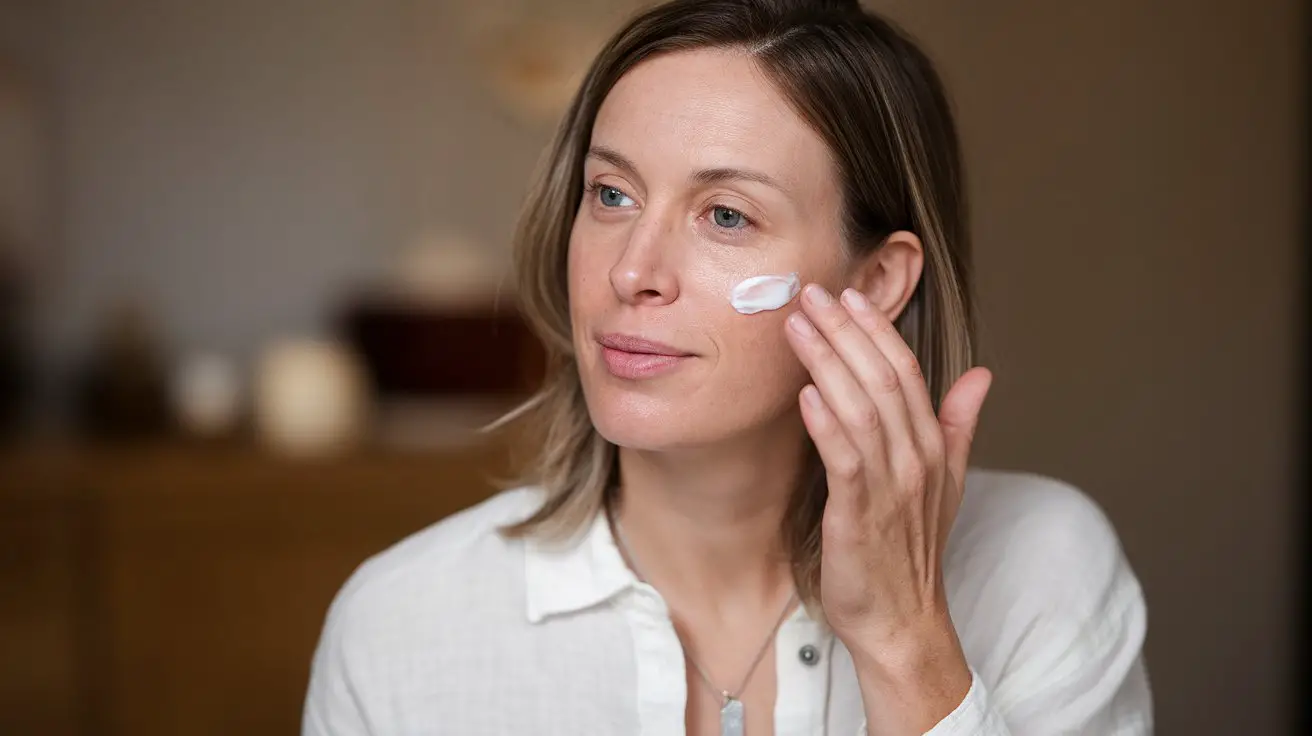
Korean skincare has transformed how women around the world think about moisturizing. The glass-like glow that Korean women seem to effortlessly maintain isn’t just about good genes or fancy treatments. The real magic lies in the carefully selected ingredients tucked inside those minimalist jars and tubes sitting on Korean beauty shelves. These formulations go beyond basic hydration, incorporating components that Western skincare brands are only beginning to discover.
The difference becomes obvious when you compare ingredient lists. While traditional moisturizers often rely on heavy oils and basic humectants, Korean formulas read like a chemistry experiment mixed with nature’s pharmacy. You’ll find fermented extracts sitting next to snail secretions, bee propolis mingling with plant stem cells, and mushroom derivatives partnering with deep-sea water. Each ingredient serves a specific purpose, working together to create that coveted dewy finish Korean beauty is famous for.
Understanding these special ingredients can revolutionize your skincare routine. In the following sections, we’ll uncover the science behind these unusual additions and explain why they work so effectively. Whether you’re dealing with dryness, oiliness, or anything in between, Korean moisturizer technology offers solutions you probably haven’t tried yet. Keep reading to discover which ingredients could transform your skin.
- What Makes Korean Moisturizers So Different?
- The Revolutionary Hydrating Ingredients You've Never Heard Of
- Why Fermented Ingredients Transform Your Skin
- How Korean Moisturizers Target Different Skin Concerns
- The Science Behind Glass Skin Results
- Your Skin's Korean Makeover Starts Now
- Frequently Asked Questions
What Makes Korean Moisturizers So Different?
Korean moisturizers approach hydration from an entirely different angle than their Western counterparts. The philosophy centers on building moisture from within rather than simply coating the skin’s surface with heavy creams.
Lightweight Formulas vs Heavy Creams
The texture difference hits you immediately when you first try a Korean moisturizer. These products feel more like silk than the thick, paste-like consistency many women expect from moisturizers. Korean formulas use water-based gels and emulsions that sink into skin within seconds, leaving no sticky residue or greasy film. This lightweight approach allows for layering multiple products without clogging pores or creating that uncomfortable heavy feeling on your face.
Traditional Western moisturizers often depend on occlusive ingredients like petrolatum or mineral oil to trap moisture. Korean formulations prefer humectants that draw water into the skin, combined with lightweight oils that mimic your skin’s natural sebum. The result? Your skin feels hydrated but never weighed down, making these products perfect for humid climates or anyone who hates that slick feeling many moisturizers leave behind.
Multiple Hydration Layers
Korean skincare introduced the world to the concept of moisture layering, and their moisturizers reflect this philosophy perfectly. Rather than relying on one thick cream to do all the work, Korean formulas are designed to work with toners, essences, and serums in a complete hydration system.
Each product adds a different type of moisture molecule. Small molecules penetrate deep into skin layers, while larger ones sit on the surface creating a protective barrier. This multi-molecular approach means hydration reaches every level of your skin, from the deepest layers to the outermost surface. Think of it like watering a plant – you need both deep root hydration and surface moisture for healthy growth.
Focus on Skin Barrier Repair
Korean moisturizers prioritize strengthening your skin’s natural protective barrier rather than just adding moisture. A healthy barrier keeps good things in (like water and nutrients) and bad things out (like pollution and bacteria). When this barrier weakens, skin becomes sensitive, dry, and prone to breakouts.
These formulas include specific lipids that match those naturally found in your skin barrier. Cholesterol, fatty acids, and ceramides appear in precise ratios that help rebuild damaged barriers. Instead of just temporarily plumping skin with moisture, these ingredients actually repair the structure that keeps skin healthy long-term. Many Korean moisturizers also include ingredients that boost your skin’s own ceramide production, teaching it to better protect itself over time.
pH-Balanced Formulations
Skin naturally maintains a slightly acidic pH around 5.5, which helps protect against bacteria and maintain optimal enzyme function. Many Western moisturizers ignore pH levels entirely, but Korean formulas carefully balance their pH to match healthy skin.
When you apply a pH-balanced moisturizer, your skin doesn’t have to work to readjust its acid mantle. This means less irritation, better ingredient absorption, and improved overall skin health. Products with the wrong pH can disrupt your skin’s microbiome, leading to breakouts, sensitivity, and premature aging. Korean moisturizers often list their pH levels right on the packaging, showing their commitment to this often-overlooked aspect of skincare. Some brands even include pH-adjusting ingredients that help normalize skin that’s become too alkaline from harsh cleansers or environmental factors.
The Revolutionary Hydrating Ingredients You’ve Never Heard Of
Korean beauty labs constantly experiment with ingredients that sound strange but deliver remarkable results. These components might make you raise an eyebrow at first, but the science behind them explains why Korean women swear by these unusual additions.
Snail Mucin Benefits
Yes, you read that correctly – snail secretion filtrate appears in countless Korean moisturizers, and for good reason. This ingredient contains a complex mix of proteins, glycolic acid, elastin, and antimicrobial peptides that work together to repair and hydrate skin. The mucin helps snails heal their own shells and bodies, and it turns out those same properties benefit human skin remarkably well. When applied topically, snail mucin speeds up wound healing, fades acne scars, and provides intense hydration without any heaviness.
Research shows that snail secretion contains natural hyaluronic acid, glycoproteins, and proteoglycans – all substances your skin uses to maintain moisture and elasticity. The filtrate also includes copper peptides that stimulate collagen production and zinc that calms inflammation. Women with sensitive skin particularly love this ingredient because it rarely causes reactions while delivering powerful anti-aging and hydrating benefits.
Centella Asiatica Properties
This herb, also called tiger grass or gotu kola, has been used in traditional Asian medicine for centuries. Korean skincare scientists have isolated specific compounds from this plant that offer impressive skin benefits.
Centella contains four main active compounds: asiaticoside, madecassoside, asiatic acid, and madecassic acid. Together, these molecules strengthen skin structure, boost collagen synthesis, and provide powerful antioxidant protection. The plant earned its “tiger grass” nickname from legends about tigers rolling in it to heal their wounds – and modern science confirms its healing properties. Studies demonstrate that centella speeds up skin regeneration, reduces inflammation, and improves circulation to skin cells. Korean moisturizers often list “Centella Asiatica extract” high on their ingredient lists, indicating significant concentrations of this healing plant.
Propolis and Honey Extracts
Bees produce more than just honey – they also create propolis, a resinous mixture they use to seal their hives. Korean skincare harnesses both substances for their antibacterial, anti-inflammatory, and moisturizing properties. Propolis contains over 300 beneficial compounds, including flavonoids, amino acids, and vitamins that nourish skin while fighting bacteria.
Beta Glucan Powers
Derived from mushrooms, oats, or yeast, beta glucan represents one of the most effective humectants available – some studies suggest it hydrates better than hyaluronic acid. This polysaccharide forms an invisible film on skin that locks in moisture while allowing skin to breathe.
What makes beta glucan special? Its molecular structure allows it to penetrate deep into skin layers while also providing surface hydration. The ingredient also stimulates macrophages (immune cells in your skin), helping accelerate healing and reduce signs of aging. Korean moisturizers often combine different sources of beta glucan to maximize benefits. Mushroom-derived versions offer additional antioxidants, while oat-derived beta glucan provides soothing properties perfect for sensitive skin. When you see “beta glucan” or “sodium hyaluronate crosspolymer” on Korean skincare labels, you’re looking at advanced hydration technology that goes far beyond basic moisturizing.
Madecassoside Healing
This specific compound extracted from Centella Asiatica deserves its own mention because Korean brands often isolate and concentrate it for maximum effect. Madecassoside acts as a powerful anti-inflammatory agent while stimulating collagen synthesis.
Korean moisturizers featuring high concentrations of madecassoside help fade post-inflammatory hyperpigmentation, calm rosacea flare-ups, and strengthen weakened skin barriers. The compound also protects against environmental damage by neutralizing free radicals before they can harm skin cells.
Why Fermented Ingredients Transform Your Skin
Fermentation might seem like something that belongs in your kitchen, not your skincare routine. Yet Korean beauty brands have perfected the art of fermenting botanical ingredients to create supercharged skincare compounds that penetrate deeper and work more effectively than their non-fermented counterparts. The fermentation process breaks down molecular structures into smaller pieces, making them easier for skin to absorb while creating beneficial byproducts like amino acids and organic acids.
Galactomyces Ferment Filtrate
This yeast-derived ingredient sits at the heart of many cult-favorite Korean moisturizers. Galactomyces fermentation produces a filtrate rich in vitamins, minerals, amino acids, and organic acids that brighten, hydrate, and strengthen skin simultaneously. The fermentation process creates compounds that don’t exist in the original yeast, including specific peptides that improve skin texture and reduce pore appearance.
Women who use galactomyces-based moisturizers often report a noticeable glow within weeks. The ingredient helps regulate oil production, making it ideal for combination skin that struggles with both dry patches and oily zones.
Bifida Ferment Lysate
Bifida bacteria fermentation creates a lysate packed with proteins, vitamins, and minerals that strengthen skin’s defense systems. This ingredient works particularly well for women living in cities, as it helps protect against pollution and environmental stressors that accelerate aging. The lysate contains fragments of bacterial cell walls that actually train your skin’s immune system to better defend itself. Think of it as a workout for your skin’s natural protection mechanisms.
Clinical studies show bifida ferment lysate reduces sensitivity to UV damage, though it doesn’t replace sunscreen. The ingredient also helps repair existing sun damage by supporting DNA repair mechanisms in skin cells. Many Korean moisturizers combine bifida with other ferments for a multi-pronged approach to skin protection and repair.
Rice Ferment Benefits
Korean women have used fermented rice water for centuries, and modern science validates this traditional practice. Rice fermentation produces kojic acid, a natural brightening agent that fades dark spots without the irritation associated with hydroquinone. The process also creates:
Amino Acids: Building blocks for collagen and elastin production
B Vitamins: Essential for cellular energy and skin renewal
Minerals: Support enzyme functions throughout skin layers
Organic Acids: Gently exfoliate while maintaining moisture
Fermented rice extract in moisturizers provides gentle brightening effects while deeply hydrating. Unlike harsh lightening agents, fermented rice works gradually to even skin tone without causing sensitivity or rebound hyperpigmentation.
Saccharomyces Compounds
Multiple types of saccharomyces (yeast) ferments appear in Korean moisturizers, each offering different benefits. Saccharomyces ferment filtrate contains beta glucan for hydration, while specialized ferments like copper tripeptide-1 combine yeast fermentation with targeted ingredients for enhanced results.
The fermentation process makes these compounds bioavailable, meaning your skin recognizes and uses them more efficiently than synthetic alternatives. This natural compatibility reduces the risk of irritation while maximizing benefits. Some Korean brands ferment their saccharomyces with specific botanicals, creating custom ferments that combine yeast benefits with plant-based nutrients. These proprietary blends often become signature ingredients that distinguish one brand from another.
Enhanced Absorption Rates
Fermentation fundamentally changes how ingredients interact with your skin. The process breaks down large molecules into fragments small enough to penetrate between skin cells, delivering active ingredients exactly where they’re needed.
Regular hyaluronic acid molecules, for instance, often sit on skin’s surface because they’re too large to penetrate. Fermented hyaluronic acid breaks into various molecular weights, allowing some portions to sink deep while others form a protective surface layer. This multi-level hydration creates plumpness that lasts longer than traditional moisturizers provide.
Korean moisturizers often combine multiple fermented ingredients, creating synergistic effects. When fermented green tea meets fermented honey, for example, the antioxidants from tea work alongside the antibacterial properties of honey more effectively than either ingredient alone. This sophisticated formulation approach explains why Korean moisturizers often produce results that seem disproportionate to their lightweight textures.
How Korean Moisturizers Target Different Skin Concerns
Korean skincare takes a remarkably personalized approach to moisturizing, with formulas designed for specific skin types and concerns rather than one-size-fits-all solutions.
Ingredients for Dry Skin
Dry skin requires more than just heavy creams – it needs ingredients that repair moisture barriers while providing immediate relief. Korean moisturizers for dry skin combine multiple hydrating technologies to address both symptoms and root causes of dryness. Squalane, derived from olives or sugarcane, mimics skin’s natural oils without feeling greasy. This ingredient penetrates quickly while strengthening the lipid barrier that keeps moisture locked in.
Tremella fuciformis, also known as snow mushroom, holds up to 500 times its weight in water – even more than hyaluronic acid. Korean brands often combine both ingredients for maximum hydration. The snow mushroom provides immediate plumping while hyaluronic acid creates longer-lasting moisture retention.
For severely dry skin, look for moisturizers containing ectoin, an amino acid derivative that protects skin cells from moisture loss even in harsh conditions. This ingredient, discovered in bacteria living in salt lakes, helps skin maintain hydration levels regardless of environmental humidity.
Solutions for Oily Complexions
Oily skin still needs moisture – skipping it actually triggers more oil production as skin tries to compensate for dryness. Korean moisturizers for oily skin use ingredients that hydrate without adding oil, while actively controlling sebum production throughout the day.
Niacinamide appears in nearly every Korean moisturizer designed for oily skin. This vitamin B3 derivative regulates sebum production, minimizes pore appearance, and provides anti-inflammatory benefits that prevent acne. Most Korean formulas use 2-5% concentrations, enough to be effective without causing irritation.
Green tea extract offers another solution, providing antioxidants that protect against environmental damage while its natural astringent properties help control oil. The polyphenols in green tea also have antimicrobial effects that prevent acne-causing bacteria from thriving on skin’s surface.
Anti-Aging Compounds
Korean anti-aging moisturizers focus on prevention as much as correction, incorporating ingredients that protect against future damage while addressing existing concerns. Adenosine, a yeast-derived compound, appears in many Korean anti-aging formulas. This ingredient smooths fine lines by helping skin cells produce more collagen and elastin. Unlike retinol, adenosine doesn’t cause sensitivity or require gradual introduction to your routine.
Peptide complexes in Korean moisturizers often combine multiple types for comprehensive anti-aging effects. Copper peptides stimulate collagen production, palmitoyl peptides reduce wrinkle depth, and acetyl hexapeptide-8 (sometimes called “Botox in a jar”) relaxes facial muscles to prevent expression lines. Korean formulas typically use peptide cocktails rather than single peptides, maximizing anti-aging benefits.
Sensitive Skin Soothers
Sensitive skin requires gentle ingredients that calm inflammation while strengthening skin’s natural defenses. Korean moisturizers for sensitive skin avoid common irritants while incorporating proven soothing ingredients.
Artemisia, or mugwort, has become a star ingredient in Korean sensitive skin formulas. This plant contains powerful anti-inflammatory compounds that calm redness and irritation while providing antioxidant protection.
Heartleaf (Houttuynia Cordata) extract offers similar benefits with additional antibacterial properties that help prevent breakouts without harsh acne treatments. Korean brands often ferment these botanical extracts to increase their potency while reducing any potential for irritation. Panthenol (vitamin B5) appears in most Korean sensitive skin moisturizers, providing hydration while accelerating healing of compromised skin barriers.
Acne-Fighting Additions
Korean moisturizers for acne-prone skin take a gentle approach, using ingredients that treat breakouts without destroying skin’s moisture barrier. Tea tree oil alternatives like Truecica (a proprietary blend of Centella Asiatica compounds) provide antibacterial benefits without tea tree’s potential for irritation.
Zinc PCA combines zinc’s anti-inflammatory properties with PCA (pyrrolidone carboxylic acid), a natural moisturizing factor in skin. This combination controls oil, fights bacteria, and hydrates simultaneously – addressing multiple acne triggers without harsh drying effects.
BHA (beta hydroxy acid) in low concentrations appears in many Korean acne moisturizers. Unlike Western acne treatments that use high BHA percentages, Korean formulas use 0.5-1% concentrations that gently unclog pores without causing peeling or sensitivity. These moisturizers often include calming ingredients like allantoin or madecassoside to counteract any potential irritation from active ingredients.
The Science Behind Glass Skin Results
Glass skin – that impossibly smooth, luminous complexion Korean beauty is famous for – isn’t achieved through filters or makeup alone. The secret lies in sophisticated moisturizer formulations that combine multiple technologies to create almost ethereal skin clarity and glow.
Hyaluronic Acid Variations
Not all hyaluronic acid works the same way. Korean moisturizers use multiple molecular weights of this powerful humectant to provide comprehensive hydration at every skin level.
High molecular weight hyaluronic acid (over 1,000 kDa) forms an invisible film on skin’s surface, providing immediate plumping and creating that dewy finish associated with glass skin. Medium weight molecules (100-1,000 kDa) penetrate slightly deeper, filling in fine lines and creating sustained hydration. Low molecular weight versions (under 100 kDa) sink into deeper skin layers, stimulating your skin’s own hyaluronic acid production.
Korean brands often list “sodium hyaluronate” alongside “hydrolyzed hyaluronic acid” and “sodium acetylated hyaluronate” – these aren’t marketing tricks but genuinely different forms that work together. Sodium acetylated hyaluronate, for instance, adheres to skin better than regular hyaluronic acid, providing longer-lasting surface hydration. Some advanced formulas include cross-linked hyaluronic acid that forms a mesh-like structure on skin, slowly releasing moisture over hours rather than evaporating quickly like traditional forms.
Niacinamide Concentrations
While Western skincare often uses high niacinamide percentages (10% or more), Korean formulas typically stick to 2-5% concentrations. Research shows these lower percentages provide benefits without irritation risks associated with higher concentrations. Korean moisturizers combine niacinamide with complementary ingredients that boost its effectiveness. Arbutin enhances niacinamide’s brightening effects, while N-acetyl glucosamine improves its ability to fade hyperpigmentation.
This ingredient does more than just brighten. Niacinamide strengthens skin’s barrier function, increases ceramide production, and improves skin elasticity. The vitamin also has sebum-regulating properties that help achieve that poreless appearance essential to glass skin. At optimal concentrations, niacinamide helps skin reflect light more evenly, creating the luminous glow that makes glass skin so distinctive.
Ceramide Complexes
Human skin contains at least nine different ceramides, each serving specific barrier functions. Korean moisturizers often include ceramide NP, AP, and EOP – the three most important for barrier repair and moisture retention. These lipids fill in gaps between skin cells, creating a smooth surface that reflects light uniformly.
Advanced Korean formulas use ceramide complexes that include cholesterol and fatty acids in specific ratios (typically 3:1:1) that match skin’s natural lipid composition. This biomimetic approach helps skin recognize and utilize these ingredients more effectively than random ceramide combinations. Some brands encapsulate their ceramides in liposomes, ensuring they reach exactly where skin needs them most rather than sitting on the surface.
Peptide Combinations
Glass skin requires more than just surface hydration – it needs structural support from healthy collagen and elastin. Korean moisturizers use sophisticated peptide combinations that signal skin to produce more of these supportive proteins while protecting existing ones from breakdown. Matrixyl 3000, a combination of palmitoyl tetrapeptide-7 and palmitoyl oligopeptide, reduces wrinkle depth and improves skin tone uniformity.
Argireline (acetyl hexapeptide-8) relaxes facial muscles to prevent expression lines, while copper tripeptide-1 accelerates wound healing and reduces inflammation. Korean formulas rarely rely on single peptides. Instead, they create peptide cocktails that address multiple aspects of skin aging simultaneously. Some moisturizers include up to seven different peptides, each targeting specific concerns from firmness to brightness.
Botanical Extracts
The final layer of glass skin science involves carefully selected botanical extracts that provide both immediate and long-term benefits. Licorice root extract contains glabridin, which inhibits tyrosinase (the enzyme responsible for melanin production) while providing anti-inflammatory benefits. This creates more even skin tone – essential for that glass-like clarity.
Ginseng, a cornerstone of Korean skincare, increases blood circulation to skin cells while providing powerful antioxidants. The improved circulation brings nutrients to skin cells and removes waste products more efficiently, contributing to that healthy glow from within. Korean moisturizers often use fermented ginseng for enhanced bioavailability.
White mulberry extract provides another brightening mechanism through its high concentration of resveratrol and oxyresveratrol. These compounds not only fade existing dark spots but prevent new ones from forming. Combined with other brightening ingredients, mulberry helps create the uniform skin tone that makes glass skin possible.
Pearl extract, ground into ultra-fine particles, provides trace minerals and amino acids while creating subtle light reflection that enhances glow. Some Korean moisturizers include actual crushed pearls or pearl powder, which contains conchiolin protein that helps skin retain moisture and maintain elasticity.
Your Skin’s Korean Makeover Starts Now
The ingredients hiding in Korean moisturizers represent decades of research combined with centuries of traditional wisdom. From snail mucin to fermented yeast, from multiple molecular weight hyaluronic acids to sophisticated peptide complexes, these formulas approach skincare from angles Western brands are only beginning to understand. The real beauty of Korean moisturizer technology lies not in any single miracle ingredient but in how these components work together, creating results greater than the sum of their parts.
Starting your journey with Korean moisturizers doesn’t require completely overhauling your routine. Begin by identifying your primary skin concern and choosing a moisturizer that targets that specific issue with the ingredients discussed here. Pay attention to how your skin responds to these new components – the lightweight textures might surprise you at first, but most women find they prefer the comfortable, breathable feeling to heavy traditional creams. Give these formulas at least four weeks to show their full potential, as many ingredients like peptides and ferments work gradually to improve skin structure and function. Your path to achieving that coveted Korean glow might be just one moisturizer away.
Frequently Asked Questions
Q: Can I use Korean moisturizers if I have very dry, flaky skin?
A: Yes, Korean moisturizers work excellently for dry skin despite their lightweight feel. Look for formulas containing ceramides, squalane, and snow mushroom extract. Layer a hydrating toner or essence underneath for extra moisture, following the Korean skincare philosophy of building hydration gradually.
Q: Do snail mucin products really come from actual snails?
A: Yes, snail mucin is harvested from live snails in a cruelty-free process where snails crawl over mesh surfaces in dark, comfortable environments. The secretion is then filtered and purified for cosmetic use. No snails are harmed during collection.
Q: How do I know if a Korean moisturizer’s pH level is right for my skin?
A: Look for products listing pH 5.0-6.0 on packaging, which matches skin’s natural acidity. If pH isn’t listed, check brand websites or reviews. Your skin shouldn’t feel tight or tingly after application – these sensations indicate the pH might be too high or too low.
Q: Can I use fermented ingredients if I have fungal acne?
A: Some fermented ingredients can feed fungal acne, particularly galactomyces and saccharomyces ferments. If you have fungal acne, choose moisturizers with non-fermented ingredients like centella asiatica, green tea extract, or niacinamide instead.
Q: Why do Korean moisturizers sometimes feel sticky at first?
A: The initial tackiness comes from humectants like hyaluronic acid drawing moisture from the air. This feeling disappears within minutes as products fully absorb. If stickiness persists, you might be using too much product – Korean moisturizers require smaller amounts than traditional creams.
Q: Should I still use Korean moisturizers in humid weather?
A: Absolutely. Korean moisturizers excel in humid climates because their lightweight, water-based formulas won’t feel heavy or cause breakouts. Choose gel-cream textures with oil-controlling ingredients like niacinamide or green tea for humid weather.
Q: How long before I see results from peptides and other anti-aging ingredients?
A: Peptides typically show initial results in 4-6 weeks, with optimal benefits appearing after 3 months of consistent use. Immediate plumping comes from hyaluronic acid and other humectants, while structural improvements from peptides and adenosine take longer to manifest.
Q: Can I mix different Korean moisturizers for better results?
A: Yes, many Korean skincare users mix moisturizers or use different ones for different face zones. Apply lighter formulas to oily areas and richer ones to dry patches. You can also alternate moisturizers between morning and night routines for targeted benefits.

