

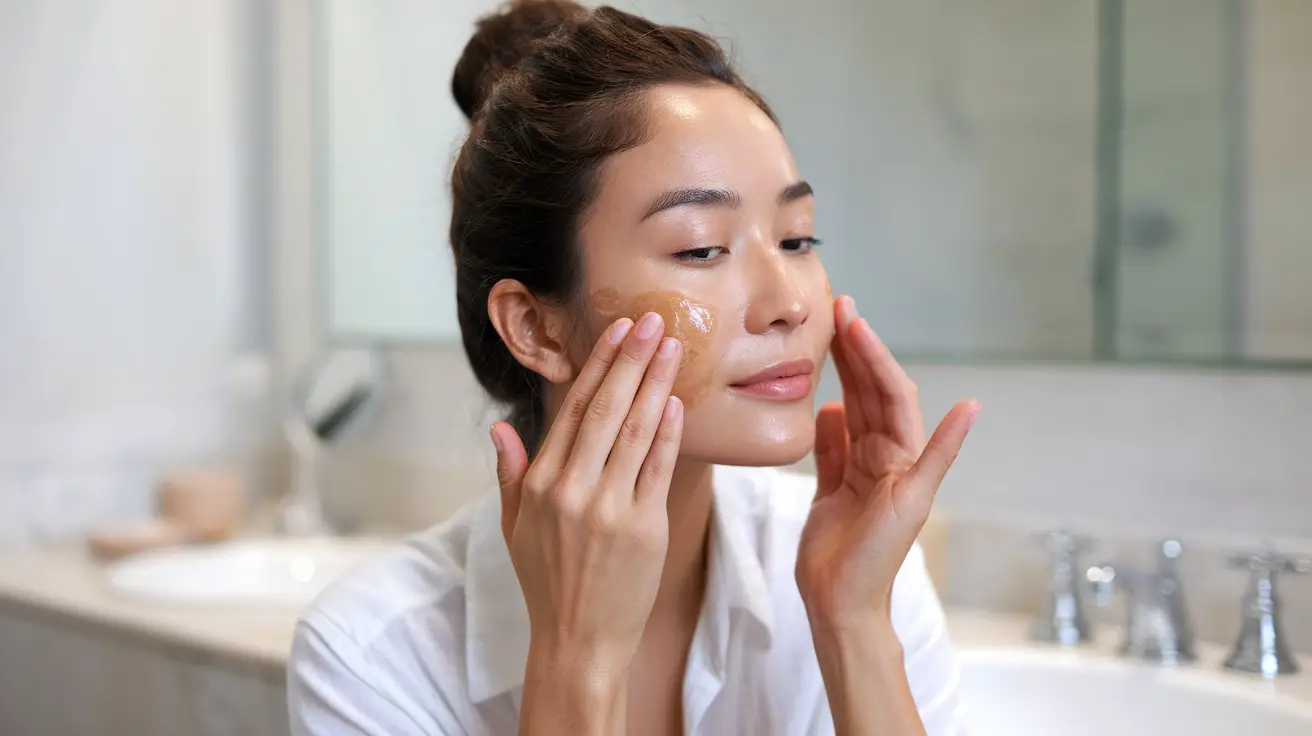
Korean skincare has transformed beauty routines worldwide, and oil cleansers sit at the heart of this revolution. These gentle yet powerful formulas have captured attention for their ability to remove stubborn makeup, sunscreen, and daily grime without stripping skin of its natural moisture. Unlike traditional cleansers that can leave skin feeling tight and dry, Korean oil cleansers maintain a delicate balance that keeps skin soft and supple.
The popularity of these products stems from their unique approach to cleansing. Rather than harsh surfactants that can disrupt your skin barrier, oil cleansers work with your skin’s natural chemistry. They dissolve impurities gently while actually nourishing your complexion. This method has proven particularly effective for women dealing with everything from stubborn waterproof mascara to daily environmental pollutants that accumulate on skin throughout the day.
In the following sections, we’ll uncover what makes Korean oil cleansers so special, from their innovative formulations to the science that powers their effectiveness. You’ll discover the key ingredients that set them apart, learn how to select the perfect one for your skin type, and master the proper application techniques that maximize their benefits. Keep reading to understand why millions of women have made this cleansing method an essential part of their daily skincare ritual.
- What Makes Korean Oil Cleansers Different from Regular Cleansers
- The Science Behind Oil Cleansing
- Key Ingredients That Make Korean Oil Cleansers So Effective
- How to Choose the Right Korean Oil Cleanser for Your Skin Type
- The Proper Way to Use Korean Oil Cleansers
- Your Path to Radiant Skin Starts Here
- Frequently Asked Questions
What Makes Korean Oil Cleansers Different from Regular Cleansers
Korean oil cleansers represent a fundamental shift in how we think about facial cleansing. These products form the foundation of the famous double cleansing method, a cornerstone of K-beauty routines that has gained global recognition for its thoroughness and gentleness.
The double cleansing method explained
The double cleansing concept originated in Korea and Japan, where removing heavy stage makeup and sunscreen became essential. This two-step process starts with an oil-based cleanser to dissolve oil-based impurities, followed by a water-based cleanser to remove water-based debris. The first step targets makeup, sebum, and sunscreen, while the second addresses sweat, dirt, and remaining residue. This systematic approach provides a deeper clean than single cleansing alone.
Your skin produces oil naturally throughout the day, mixing with makeup, sunscreen, and environmental pollutants. Traditional single cleansing often leaves these substances partially removed, potentially leading to clogged pores and dullness. The oil cleanser in the double cleansing method specifically targets these oil-soluble impurities that water-based cleansers struggle to remove completely.
Oil-based vs water-based formulations
The fundamental difference between oil and water-based cleansers lies in their molecular structure and what they can dissolve. Oil-based formulas contain lipids that attract and break down similar substances – this includes sebum, makeup, and sunscreen ingredients. Water-based cleansers, conversely, excel at removing sweat, dirt, and water-soluble impurities.
Think of it like cleaning a greasy pan – water alone won’t cut through the oil, but adding dish soap (which contains surfactants that bind to both oil and water) helps lift the grease away. Korean oil cleansers work similarly, using specific emulsifiers that allow the oil to rinse clean with water, taking dissolved impurities along.
Unique ingredients in Korean formulas
Korean beauty brands have perfected the art of formulating oil cleansers with lightweight, non-comedogenic oils that won’t leave a heavy residue. Common base oils include jojoba, which closely mimics skin’s natural sebum, and rice bran oil, rich in antioxidants and vitamin E. These carefully selected oils provide cleansing power without the heaviness associated with traditional cleansing oils.
Many formulations incorporate innovative ingredients like green tea extract for its antioxidant properties, centella asiatica for soothing benefits, and fermented ingredients that enhance absorption and effectiveness. Some brands add fruit extracts or botanical essences that provide additional skin benefits beyond simple cleansing. This holistic approach transforms a basic cleansing step into a treatment that actively improves skin health.
How they work on different skin types
Contrary to common belief, oil cleansers work wonderfully for all skin types, including oily and acne-prone complexions. For dry skin, these products prevent the stripping effect of harsh cleansers while adding moisture. Oily skin benefits because the cleansing oils help regulate sebum production – when skin isn’t stripped of natural oils, it doesn’t overcompensate by producing excess sebum.
Sensitive skin particularly benefits from the gentle nature of oil cleansing. Without harsh surfactants or aggressive rubbing needed to remove makeup, there’s less irritation and inflammation. The massage action required for oil cleansing also promotes circulation and lymphatic drainage, contributing to a healthier complexion overall. Many women with rosacea or eczema find oil cleansers less triggering than traditional foaming options.
The transformation happens at the molecular level – when you massage the product onto dry skin, it breaks down even the most stubborn waterproof formulas and mingles with your skin’s natural oils. Adding water creates an emulsion that turns milky white, signaling that the oil and impurities are ready to rinse away completely. This process respects your skin’s natural barrier while providing thorough cleansing that leaves skin balanced and prepared for the next steps in your routine.
The Science Behind Oil Cleansing
The effectiveness of Korean oil cleansers rests on solid scientific principles that have been understood by chemists for decades but only recently applied to skincare in such an innovative way. Understanding the science helps explain why this method works so remarkably well for removing impurities while maintaining skin health.
How oil dissolves oil principle
The foundational concept behind oil cleansing follows a basic chemistry principle: like dissolves like. Oil-based impurities on your face – including sebum, makeup, and sunscreen – share similar molecular structures with cleansing oils. When you apply an oil cleanser, these similar molecules attract each other and combine, effectively breaking down and lifting away the unwanted substances from your skin’s surface.
This process occurs because oil molecules are lipophilic, meaning they’re attracted to other fats and oils. When you massage a cleansing oil onto your face, it mingles with the oils already present, whether from your skin’s natural production or from cosmetic products. The cleansing oil essentially dilutes and suspends these substances, making them easy to remove when you rinse.
Water alone cannot achieve this level of cleansing because water and oil naturally repel each other. Traditional soap-based cleansers use harsh surfactants to bridge this gap, but these can strip away too much of your skin’s protective oils. Korean oil cleansers work more harmoniously with your skin’s chemistry, preserving the beneficial oils while removing only what needs to go.
Removing makeup and sunscreen effectively
Modern makeup and sunscreen formulations often contain silicones, waxes, and polymers designed to be long-wearing and water-resistant. These ingredients create a film on your skin that regular cleansers struggle to penetrate. Oil cleansers excel at breaking down these complex formulations because they can dissolve the binding agents that make these products adhere to skin.
The massage action required during oil cleansing also plays a crucial role. As you work the product into your skin, you’re physically helping to loosen particles trapped in pores and lift away dead skin cells. This mechanical action, combined with the oil’s dissolving power, provides a level of cleansing that goes beyond surface-level removal.
Maintaining skin barrier function
Your skin barrier consists of lipids that form a protective layer, keeping moisture in and irritants out. Harsh cleansers can damage this barrier, leading to dryness, sensitivity, and increased signs of aging. Korean oil cleansers support barrier function by working with your skin’s natural lipid structure rather than against it.
Research shows that proper oil cleansing can actually strengthen the skin barrier over time. By avoiding the disruption caused by aggressive surfactants, your skin maintains its optimal pH level and moisture balance. This preservation of barrier integrity means less transepidermal water loss, resulting in plumper, more hydrated skin.
The specific oils used in Korean formulations often contain fatty acids that mirror those found naturally in healthy skin. These components can help repair minor barrier damage while cleansing, turning a potentially damaging routine step into a beneficial treatment.
Why they don’t clog pores
Many women worry that adding oil to their skin will cause breakouts, but properly formulated oil cleansers actually help prevent clogged pores. Here’s what makes the difference:
Non-comedogenic oils: Korean brands carefully select oils with low comedogenic ratings, meaning they’re unlikely to clog pores.
Complete emulsification: Quality formulas contain emulsifiers that ensure all oil rinses away cleanly, leaving no pore-clogging residue.
Sebum regulation: Regular oil cleansing can help normalize oil production, reducing the likelihood of excess sebum that leads to blackheads.
Deep pore cleansing: The oil penetrates into pores, dissolving hardened sebum plugs that water-based cleansers can’t reach.
The key lies in the formulation – Korean oil cleansers contain carefully balanced emulsifiers that activate when water is added. These ingredients ensure that every trace of oil, along with the dissolved impurities, washes away completely.
Emulsification process explained
Emulsification is the magical moment when your oil cleanser transforms into a milky liquid that rinses clean. This process happens thanks to special ingredients called emulsifiers or surfactants that have both oil-loving and water-loving properties. These molecules position themselves between oil and water, allowing them to mix temporarily.
When you first apply the cleanser to dry skin, it remains in its oil phase, working to dissolve makeup and impurities. As you add water and continue massaging, the emulsifiers activate, creating tiny droplets of oil suspended in water – this is the milky appearance you see. These suspended droplets can now be easily rinsed away, taking all the dissolved impurities with them.
The quality of emulsification determines how well an oil cleanser performs. Superior Korean formulations create stable, fine emulsions that rinse completely clean without leaving any film or residue. This careful balance of ingredients distinguishes high-quality oil cleansers from basic cleansing oils that might leave skin feeling greasy or require multiple rinses to remove completely.
Temperature also affects emulsification – lukewarm water works best for activating the emulsifiers without shocking your skin. Too hot, and you risk irritation; too cold, and the emulsification might be incomplete. This attention to detail in both formulation and application technique contributes to the superior results that have made Korean oil cleansers so beloved worldwide.
Key Ingredients That Make Korean Oil Cleansers So Effective
Korean oil cleansers stand apart from their Western counterparts through their innovative use of ingredients that go beyond basic cleansing. These formulations combine traditional Asian botanicals with cutting-edge cosmetic science to create products that treat skin while removing impurities.
Natural plant oils used
The foundation of any oil cleanser lies in its base oils, and Korean formulators have mastered the art of selecting oils that provide maximum benefit with minimal heaviness. Jojoba oil appears frequently because its molecular structure closely resembles human sebum, allowing it to cleanse without disrupting skin’s natural balance. This similarity means it can actually help regulate oil production in both dry and oily skin types.
Rice bran oil, extracted from the nutrient-rich outer layer of rice, brings antioxidants and vitamin E to the cleansing process. Its lightweight texture makes it suitable for all skin types, while its high concentration of fatty acids helps maintain skin elasticity. Camellia oil, treasured in Asian beauty traditions for centuries, provides deep cleansing while delivering omega-9 fatty acids that strengthen the skin barrier.
Grapeseed oil offers another popular choice due to its high linoleic acid content, which can help reduce inflammation and improve acne-prone skin. Unlike heavier oils that might leave residue, grapeseed oil has an exceptionally light texture that rinses clean easily. Some formulations incorporate argan oil for its vitamin E content and ability to soften skin while cleansing.
Fermented ingredients
Fermentation technology represents one of Korean skincare’s most significant innovations, and oil cleansers have incorporated this advancement brilliantly. The fermentation process breaks down ingredients into smaller molecules that penetrate skin more effectively, delivering nutrients deeper than traditional formulations allow.
Fermented rice water, a staple in Korean beauty, appears in many oil cleansers for its brightening and softening properties. The fermentation process increases the concentration of vitamins and minerals while creating new beneficial compounds like peptides and amino acids. These enhanced nutrients work during the cleansing process to improve skin texture and tone.
Some brands use fermented soybean oil, which contains higher levels of isoflavones and antioxidants than regular soybean oil. This ingredient helps protect skin from environmental damage while cleansing, providing anti-aging benefits with every use. The fermentation process also reduces the molecular size of these oils, allowing them to cleanse more thoroughly within pores without causing congestion.
Botanical extracts
Korean oil cleansers often feature an impressive array of botanical extracts that transform basic cleansing into a treatment experience. Green tea extract appears frequently for its powerful antioxidant properties and ability to soothe inflammation. During the cleansing process, these antioxidants help neutralize free radicals from pollution and UV exposure.
Centella asiatica, also known as cica, has become a cornerstone ingredient in Korean skincare. In oil cleansers, it provides calming benefits that reduce redness and irritation often associated with makeup removal. This makes the products particularly suitable for sensitive or reactive skin types.
Ginseng extract brings anti-aging benefits to the cleansing step, improving circulation and promoting cellular renewal. Some formulations include licorice root extract for its brightening properties, helping to fade dark spots over time. Chamomile and calendula extracts offer additional soothing benefits, making the cleansing experience gentle enough for even the most delicate skin.
Traditional Korean herbs like mugwort and heartleaf provide antibacterial and anti-inflammatory properties that help prevent breakouts while cleansing. These ingredients work synergistically with the base oils to create formulations that address multiple skin concerns simultaneously.
Lightweight oil formulations
The texture and weight of an oil cleanser determine its user experience and effectiveness. Korean brands have perfected the art of creating formulations that feel luxurious yet rinse away completely. They achieve this through careful selection of oil combinations and innovative emulsifier systems.
Dry oils like squalane have revolutionized oil cleansing by providing all the dissolving power of traditional oils without any greasy feel. These oils absorb quickly and leave no residue, making them perfect for those hesitant about oil cleansing. Some formulations combine multiple lightweight oils to create the perfect balance of cleansing power and easy removal.
The ratio of oil to emulsifier plays a crucial role in creating that perfect texture. Korean formulators use advanced emulsifier systems that activate efficiently with minimal water, ensuring complete removal of both the cleansing oil and dissolved impurities. This technological advancement means you get thorough cleansing without the need for harsh rubbing or multiple rinses.
Added skin-benefiting components
Beyond cleansing, Korean oil cleansers incorporate ingredients that actively improve skin health. Ceramides appear in many formulations to strengthen the skin barrier during cleansing, replacing lipids that might be removed along with impurities. This addition helps prevent the dryness and tightness often associated with cleansing.
Vitamins C and E work as antioxidants while you cleanse, providing protection against environmental stressors. Some innovative formulas include niacinamide to help minimize pores and even skin tone during the cleansing process. These additions mean every cleansing session contributes to long-term skin improvement.
Hyaluronic acid in various molecular weights appears in some oil cleansers, providing hydration that counters any potential drying effects. Beta-glucan offers additional moisture retention and skin-soothing benefits. Some brands incorporate peptides that support collagen production, turning the simple act of cleansing into an anti-aging treatment.
The pH-balancing ingredients in many Korean oil cleansers help maintain skin’s optimal acidic environment, supporting beneficial bacteria while discouraging harmful microorganisms. This attention to skin’s microbiome represents the cutting edge of skincare science, demonstrating how Korean brands continually innovate to create superior products.
How to Choose the Right Korean Oil Cleanser for Your Skin Type
Selecting the perfect Korean oil cleanser requires understanding your skin’s specific needs and how different formulations address various concerns. The vast array of options might seem overwhelming, but knowing what to look for based on your skin type simplifies the selection process considerably.
For dry and sensitive skin
Women with dry or sensitive skin need oil cleansers that provide extra nourishment while avoiding potential irritants. Look for formulations featuring ceramides, which help repair and maintain the skin barrier that’s often compromised in dry skin conditions. These lipids work during cleansing to replenish what harsh weather or aging might have depleted.
Ingredients like chamomile, centella asiatica, and calendula should top your ingredient search list. These botanicals calm inflammation and reduce redness that sensitive skin often experiences during cleansing. Avoid products with added fragrances, even natural essential oils, as these can trigger reactions in reactive skin types.
The base oil matters significantly for dry skin. Seek out richer oils like marula, rosehip seed, or evening primrose oil that provide intensive moisture while cleansing. These oils contain higher concentrations of fatty acids that help restore suppleness to parched skin. Some formulations designed for dry skin include squalane, which mimics skin’s natural oils while providing deep hydration without heaviness.
Temperature sensitivity often accompanies dry and sensitive skin, so choose cleansers that emulsify easily with lukewarm water. Products that require hot water or excessive rubbing to remove can exacerbate sensitivity and dryness. The best formulations for your skin type will turn milky with minimal water and gentle massaging.
For oily and acne-prone skin
Oily and acne-prone skin benefits tremendously from oil cleansing, though selecting the right formula is crucial. Look for lightweight, non-comedogenic oils with low ratings on the comedogenic scale. Grapeseed, hemp seed, and safflower oils excel at cleansing without contributing to pore congestion.
Tea tree oil, though potent, appears in some formulations specifically for acne-prone skin due to its antibacterial properties. However, it should be present in low concentrations to avoid irritation. Salicylic acid in oil cleansers can help unclog pores during the cleansing process, providing gentle exfoliation that prevents breakout formation.
Your skin type responds well to oils high in linoleic acid, which can help balance sebum production. Research suggests that acne-prone skin often lacks linoleic acid, leading to harder sebum that clogs pores more easily. Oils rich in this fatty acid help restore balance while cleansing thoroughly. Look for these specific ingredients tailored to oily, acne-prone skin:
Jojoba oil: Regulates sebum production by mimicking skin’s natural oils
Niacinamide: Minimizes pore appearance and controls oil production
Green tea extract: Provides antioxidants and reduces inflammation
Zinc: Offers antibacterial properties and helps heal existing breakouts
Clay components: Some oil cleansers include clay derivatives that absorb excess oil
The key lies in finding formulations that cleanse thoroughly without triggering increased oil production. Products that leave any residue can contribute to breakouts, so ensure your chosen cleanser emulsifies completely and rinses clean with ease.
For combination skin
Combination skin presents unique challenges, requiring products that address both oily and dry areas without exacerbating either condition. The ideal oil cleanser for your skin type uses moderately weighted oils that provide adequate cleansing for oily zones while not over-drying drier areas.
Rice bran oil and camellia oil work particularly well for combination skin, offering balanced cleansing that adapts to different areas of your face. These oils provide enough dissolving power for the oilier T-zone while maintaining moisture in typically drier cheek areas. Many Korean brands specifically formulate for combination skin, which is common among Asian women.
Look for oil cleansers that include both hydrating and oil-controlling ingredients. Hyaluronic acid provides moisture to dry areas, while ingredients like white willow bark help control sebum in oilier zones. This dual-action approach addresses your skin’s varying needs in a single product.
pH-balanced formulations prove especially important for combination skin. Products that maintain skin’s natural acidic pH help normalize both dry and oily areas, promoting overall balance. Some cleansers include fermented ingredients that help establish equilibrium across different facial zones.
For mature skin
Mature skin requires oil cleansers that address multiple age-related concerns while providing gentle yet effective cleansing. Formulations rich in antioxidants help combat free radical damage that accelerates aging. Look for products containing vitamin E, coenzyme Q10, and resveratrol that protect skin during the cleansing process.
Retinol or bakuchiol (a natural retinol alternative) in oil cleansers can provide anti-aging benefits while removing makeup and impurities. These ingredients promote cellular turnover, helping to reduce the appearance of fine lines and age spots over time. However, they should be present in gentle concentrations to avoid irritation.
Oils high in omega fatty acids, such as rosehip seed oil and sea buckthorn oil, support skin elasticity and firmness. These nutrients help maintain the skin structure that naturally decreases with age. Peptides in some formulations support collagen production, providing anti-aging benefits with every cleanse.
The cleansing process itself benefits mature skin through the required massage action, which promotes circulation and lymphatic drainage. This helps reduce puffiness and promotes a healthy glow that mature skin sometimes lacks. Choose formulations that glide smoothly to avoid tugging delicate skin during massage.
Reading ingredient labels correctly
Understanding ingredient labels empowers you to make informed choices about which oil cleanser suits your needs. Korean products often list ingredients in both Korean and English, but the order remains consistent – ingredients appear in descending order of concentration.
The first five ingredients make up the bulk of the product, so these should align with your skin’s needs. If you see water listed first, you’re looking at a cleansing water or micellar product rather than a true oil cleanser. The primary oils should appear within the first few ingredients for maximum effectiveness.
Watch for potential irritants hidden in the middle or end of the ingredient list. Common culprits include artificial fragrances (listed as “fragrance” or “parfum”), denatured alcohol, and certain essential oils. Even natural ingredients can cause reactions, so knowing your specific sensitivities helps narrow options.
Emulsifiers typically appear after the main oils – look for ingredients like polysorbate, PEG compounds, or sorbitan olivate. These ensure proper rinsing, and their quality affects the overall performance. Premium formulations use gentle, effective emulsifiers that won’t strip skin.
Marketing terms on packaging don’t always reflect the actual formulation. “Natural” or “gentle” claims require investigation through the ingredient list. Similarly, “oil-free” cleansers might contain oil-like ingredients that function similarly. Understanding INCI (International Nomenclature of Cosmetic Ingredients) names helps you identify ingredients regardless of marketing language.
The Proper Way to Use Korean Oil Cleansers
Mastering the application technique for Korean oil cleansers maximizes their effectiveness and ensures you receive all the skincare benefits these products offer. The method differs significantly from traditional cleansing, requiring specific steps and timing for optimal results.
Application technique on dry skin
Starting with completely dry skin is essential for oil cleansers to work properly. Water creates a barrier that prevents the oil from making direct contact with makeup, sunscreen, and sebum on your skin’s surface. Your hands should also be dry when dispensing and applying the product.
Pump or pour the recommended amount into your palms – typically about a nickel-sized amount for the entire face. Using too little product means you’ll need excessive rubbing to spread it around, potentially irritating skin. Too much creates waste and might leave residue even after rinsing. Most Korean oil cleansers indicate the appropriate amount on their packaging.
Warm the product between your palms for a few seconds before applying. This step helps the oil spread more easily and begins activating some of the beneficial ingredients. The warmth also makes the application more pleasant, especially during colder months when oils can thicken slightly.
Apply the warmed oil to your face using gentle upward motions, starting from the center and working outward. Begin with areas where makeup or sunscreen is heaviest – usually the cheeks and forehead. Don’t forget often-missed areas like the hairline, jaw line, and sides of the nose where makeup and sebum tend to accumulate.
Your neck deserves attention too, especially if you apply makeup or sunscreen there. Many women neglect this area during cleansing, leading to premature aging signs on the neck that don’t match their well-maintained facial skin.
Massage methods and duration
The massage phase distinguishes Korean oil cleansing from simple makeup removal. This step not only ensures thorough cleansing but also promotes circulation and provides relaxation benefits. Use your fingertips, not your palms, to work the oil into your skin with small circular motions.
Focus extra attention on areas prone to congestion – the nose, chin, and forehead. These zones benefit from slightly firmer pressure (though never harsh) to help dislodge blackheads and trapped sebum. For the delicate eye area, use your ring fingers with extremely gentle pressure to dissolve eye makeup without tugging the thin skin.
The optimal massage duration falls between 30 seconds and 2 minutes. Less time might not fully dissolve all impurities, while excessive massaging can irritate skin or cause broken capillaries in those prone to them. Find your sweet spot based on how much makeup you wear and your skin’s sensitivity level.
Some Korean beauty enthusiasts practice facial massage techniques during this step, incorporating lymphatic drainage movements. Start at the center of your forehead, massage outward to the temples, then down along the sides of your face to encourage drainage. This addition transforms routine cleansing into a spa-like treatment that reduces puffiness.
Adding water for emulsification
The emulsification step transforms your oil cleanser from an oil into a milky liquid that rinses away easily. This transformation happens when you add water to the oil massage on your face. The timing and technique of this step significantly impact the cleanser’s effectiveness.
Wet your hands with lukewarm water – not your face directly. The temperature matters because water that’s too hot can irritate skin, while cold water won’t properly activate the emulsifiers. Gently pat your wet hands over your face, adding small amounts of water to the oil.
Continue massaging as the oil begins turning white and milky. This color change indicates that the emulsifiers are working, creating an emulsion that will carry away the dissolved impurities. You might need to add water several times to achieve complete emulsification across your entire face.
The texture should feel light and slippery, not sticky or draggy. If the product feels difficult to move around your face after adding water, you need more water or longer massage time. Quality Korean oil cleansers emulsify smoothly and quickly, requiring minimal effort to achieve that milky consistency.
Following with second cleanser
The second cleansing step completes the Korean double cleansing method, removing any remaining oil residue along with water-based impurities. This follow-up ensures your skin is perfectly clean and prepared for the skincare products that follow.
Choose a gentle, low-pH water-based cleanser for your second step. Options include:
Gel cleansers: Perfect for oily or combination skin, providing thorough cleansing without stripping
Foam cleansers: Create a rich lather that many find satisfying, suitable for most skin types
Cream cleansers: Ideal for dry or sensitive skin, offering gentle cleansing with added moisture
Enzyme cleansers: Provide mild exfoliation along with cleansing, good for dull or congested skin
Apply your second cleanser to damp skin after rinsing off the oil cleanser. A 30-second massage suffices for this step since the heavy lifting was done by the oil cleanser. Rinse thoroughly with lukewarm water, ensuring no cleanser remains along the hairline or jawline.
Pat your face dry with a clean, soft towel rather than rubbing. Your skin should feel clean but not tight or squeaky – that’s a sign of over-cleansing. The properly double-cleansed skin feels soft, balanced, and ready to absorb serums and moisturizers more effectively.
Common mistakes to avoid
Even with the best oil cleanser, incorrect technique can diminish results or cause skin issues. Not allowing enough time for the oil to work ranks among the most frequent errors. Rushing through the massage phase means makeup and impurities remain partially dissolved, defeating the purpose of oil cleansing.
Using water that’s too hot damages the skin barrier and can cause redness or broken capillaries over time. Similarly, aggressive rubbing or tugging, especially around the eyes, leads to premature wrinkles and irritation. The oil should do the work of dissolving makeup – you’re simply helping it spread and penetrate.
Skipping the second cleanse leaves oil residue that can clog pores, particularly problematic for those with acne-prone skin. While some claim oil cleansing alone suffices, the Korean double cleansing method exists for good reason. That second step ensures complete removal of both oil and water-based impurities.
Not properly emulsifying before rinsing represents another common mistake. Without adequate emulsification, the oil doesn’t rinse clean, leaving a film on skin. This residue can prevent other skincare products from absorbing properly and might contribute to breakouts or dullness.
Some women apply oil cleanser to wet skin, drastically reducing its effectiveness. Others use cotton pads to remove the oil instead of rinsing, which wastes product and can irritate skin through unnecessary friction. Following the proper technique ensures you maximize benefits while minimizing potential problems.
Your Path to Radiant Skin Starts Here
The remarkable effectiveness of Korean oil cleansers stems from their sophisticated formulations that combine centuries-old Asian beauty wisdom with modern cosmetic science. These products have revolutionized facial cleansing by working harmoniously with your skin’s natural processes rather than against them, providing thorough cleansing while actually improving skin health with each use.
Whether you struggle with stubborn makeup removal, persistent blackheads, or maintaining skin moisture balance, incorporating a Korean oil cleanser into your routine addresses these concerns while preparing your skin to better absorb subsequent skincare products. The key lies in selecting the right formulation for your specific skin type and mastering the proper application technique – from the initial dry skin application through the satisfying emulsification process that signals a complete cleanse. With consistent use, you’ll discover why this K-beauty essential has earned its place in skincare routines worldwide.
Frequently Asked Questions
Q: Will oil cleansers make my oily skin worse?
A: No, quality Korean oil cleansers actually help regulate sebum production in oily skin. They remove excess oil without stripping your skin, which prevents the overproduction of sebum that occurs when skin feels too dry.
Q: Can I use an oil cleanser if I have acne?
A: Yes, oil cleansers can benefit acne-prone skin by dissolving pore-clogging sebum and removing impurities thoroughly. Choose formulations with non-comedogenic oils and ingredients like tea tree or salicylic acid.
Q: Do I need to double cleanse every day?
A: Double cleansing is recommended for evening routines when removing makeup, sunscreen, and daily buildup. In the morning, a single gentle cleanse usually suffices unless you have very oily skin or use heavy night treatments.
Q: How much oil cleanser should I use?
A: Typically, a nickel-sized amount works for the entire face. Using too little requires excessive rubbing, while too much creates waste. Adjust based on your face size and makeup coverage.
Q: Can oil cleansers remove waterproof mascara?
A: Yes, Korean oil cleansers excel at removing waterproof makeup, including stubborn mascara. Gently massage the eye area for 30 seconds to fully dissolve waterproof formulas before emulsifying.
Q: What temperature water should I use?
A: Lukewarm water works best for emulsifying and rinsing oil cleansers. Hot water can irritate skin and damage capillaries, while cold water won’t properly activate the emulsifiers.
Q: How long should I massage the oil cleanser?
A: Massage for 30 seconds to 2 minutes, depending on makeup coverage and skin sensitivity. Focus extra time on congested areas like the nose and chin.
Q: Can I use oil cleanser around my eyes?
A: Yes, most Korean oil cleansers are formulated to be gentle enough for the eye area. Use your ring fingers with light pressure to avoid tugging the delicate skin.
Q: Will oil cleansers clog my pores?
A: Properly formulated Korean oil cleansers with good emulsifiers rinse completely clean, leaving no pore-clogging residue. Always follow with a water-based cleanser to ensure complete removal.

