

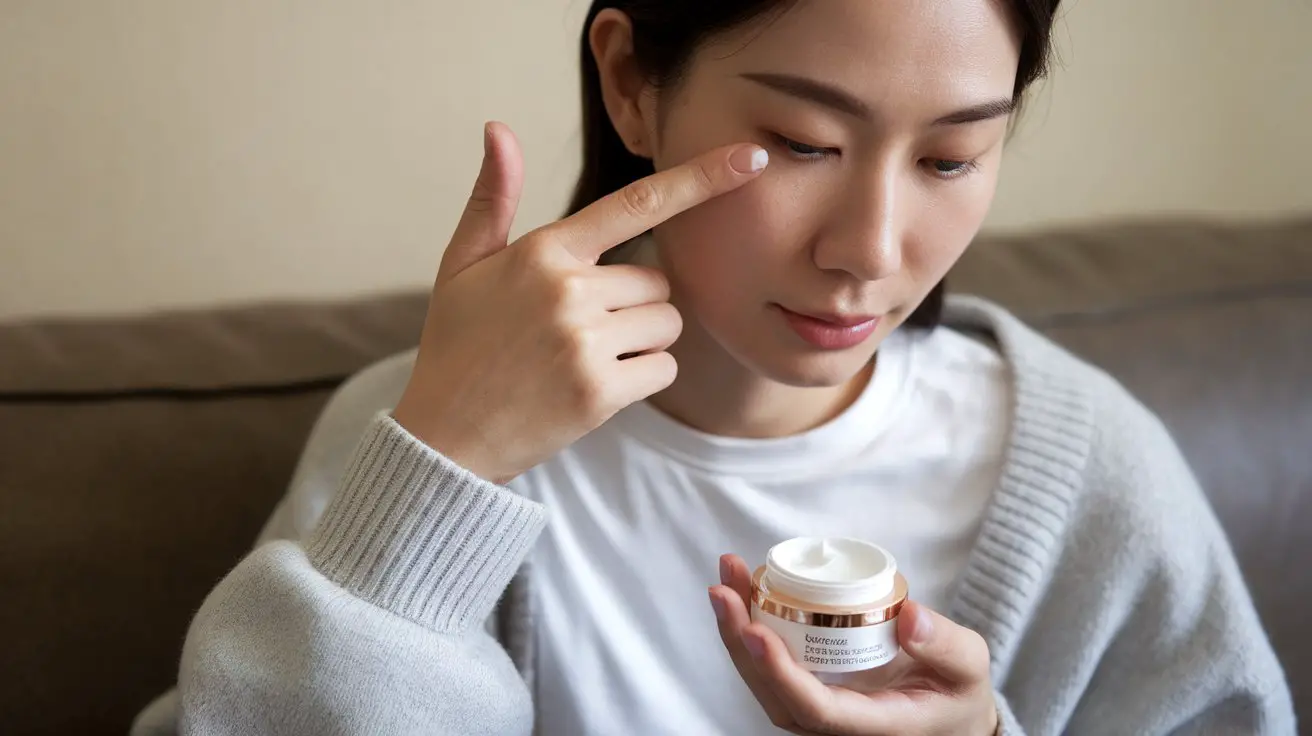
Korean skincare has earned its reputation through decades of innovation and a fundamentally different approach to skin health. While Western beauty routines often focus on quick fixes and heavy coverage, Korean beauty philosophy centers on prevention, gentle care, and building healthy skin from within. This distinction becomes particularly evident in their approach to eye care, where delicate skin requires specialized attention and formulations that go beyond basic moisturizing.
The skin around your eyes is about 40% thinner than the rest of your face, making it more susceptible to damage, dehydration, and visible aging signs. This area lacks oil glands, which means it can’t naturally maintain moisture the way other facial zones can. Korean eye creams address these unique challenges with lightweight yet deeply nourishing formulas that penetrate effectively without causing milia or irritation that heavier Western creams sometimes trigger.
You might have noticed Korean eye creams gaining shelf space in beauty stores worldwide, and there’s solid reasoning behind this trend. These products combine centuries-old ingredients like ginseng and green tea with cutting-edge technology such as microencapsulation and fermentation processes. In the following sections, we’ll uncover what sets these formulations apart, how to select the right one for your specific concerns, and the application methods that maximize their effectiveness. Keep reading to discover whether Korean eye creams deserve a spot in your skincare routine.
- What Makes Korean Eye Creams Different from Western Formulas
- The Science Behind Korean Eye Cream Ingredients
- How to Choose the Right Korean Eye Cream for Your Concerns
- Proper Application Techniques for Maximum Results
- When You'll Start Seeing Results (And What to Expect)
- Your Journey with Korean Eye Care
- Frequently Asked Questions
What Makes Korean Eye Creams Different from Western Formulas
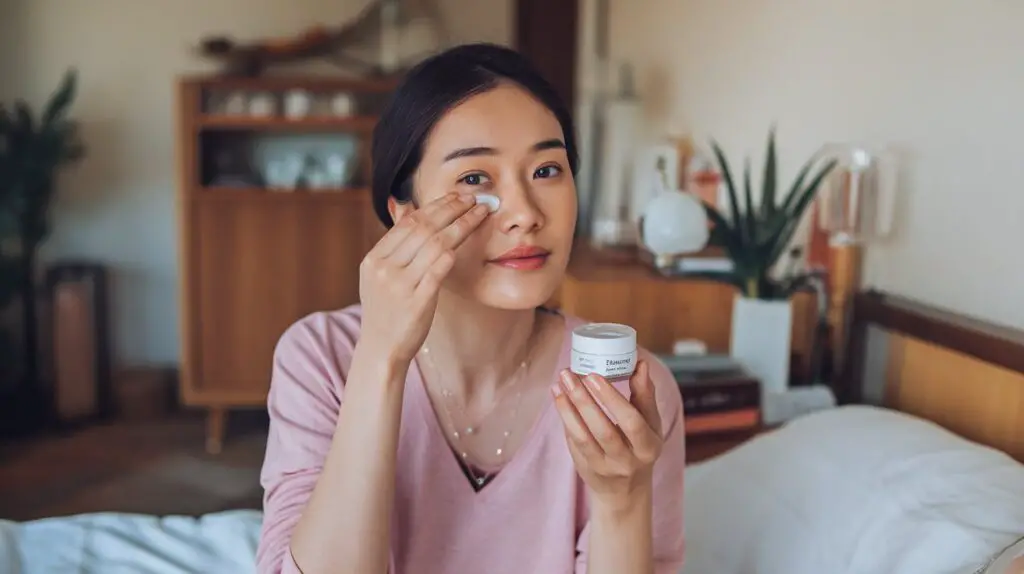
Korean eye creams approach the delicate eye area with a philosophy that prioritizes gentle, consistent care over aggressive treatment. This fundamental difference shapes everything from ingredient selection to packaging design, creating products that feel and perform differently than their Western counterparts.
Texture and Absorption Differences
The first thing you’ll notice about Korean eye creams is their texture. Unlike the thick, heavy creams common in Western brands, Korean formulations typically feature gel-cream hybrids or essence-like consistencies. These lighter textures absorb quickly without leaving residue, making them ideal for layering with other products. The lightweight nature doesn’t mean less effectiveness – Korean chemists use advanced delivery systems that help ingredients penetrate deeper into skin layers.
Western eye creams often rely on occlusive ingredients that sit on the skin’s surface to lock in moisture. Korean versions take a different route, using humectants and water-binding ingredients that draw moisture into the skin rather than simply sealing it in. This approach reduces the risk of milia, those tiny white bumps that sometimes form around eyes when pores become clogged with heavy products.
Ingredient Philosophy Variations
Korean beauty brands prioritize ingredient lists that read like botanical gardens rather than chemistry labs. While Western products might feature one or two star ingredients at high concentrations, Korean formulations typically combine multiple beneficial components at gentler levels. This creates a synergistic effect where ingredients work together rather than relying on a single powerhouse component.
Fermentation plays a huge role in Korean skincare that you rarely see in Western products. Fermented ingredients have smaller molecular structures, allowing them to penetrate skin more effectively. Common fermented ingredients in Korean eye creams include rice water, soybean extract, and various mushroom extracts. These ingredients undergo processes that increase their bioavailability and create additional beneficial compounds during fermentation.
Application Methods and Rituals
The way Korean beauty culture approaches application differs significantly from Western quick-application methods. Korean skincare emphasizes gentle patting and tapping motions rather than rubbing or pulling at the delicate eye area. This technique, often called “piano fingers,” stimulates circulation while ensuring product absorption without stretching the skin.
Temperature also matters in Korean application methods. Many Korean beauty enthusiasts store their eye creams in skincare fridges or use cooling applicators. The cold temperature helps reduce puffiness while the gentle massage from specialized applicators improves lymphatic drainage. Some Korean eye creams come with metal tip applicators specifically designed for this cooling effect.
Price Point Comparisons
One surprising aspect of Korean eye creams is their accessibility. While Western luxury eye creams can cost hundreds of dollars, Korean brands offer sophisticated formulations at various price points. You’ll find effective options ranging from drugstore prices to mid-range luxury, with many excellent products falling in the $20-50 range.
This pricing strategy reflects Korean beauty’s democratic approach – good skincare should be accessible to everyone, not just those with luxury budgets. Competition in the Korean beauty market is fierce, driving innovation while keeping prices reasonable. Brands invest heavily in research and development but maintain competitive pricing through efficient manufacturing and distribution systems.
Value extends beyond just the price tag. Korean eye creams often come in larger sizes than Western counterparts, and many include innovative packaging that preserves ingredient integrity. Airless pumps, UV-protective containers, and single-use capsules are common, ensuring that active ingredients remain potent throughout the product’s lifespan. These packaging innovations mean you’re getting more product that stays effective longer, increasing the overall value of your purchase.
Packaging Innovations
Korean beauty brands understand that packaging serves purposes beyond aesthetics. Many Korean eye creams feature packaging designed to enhance the user experience and product efficacy. Here are some notable innovations you’ll encounter:
Airless Pumps: Prevent oxidation and contamination while dispensing precise amounts
Cooling Tips: Metal or ceramic applicators that naturally stay cool for depuffing benefits
UV-Protected Glass: Dark or opaque containers that protect light-sensitive ingredients
Hygiene Considerations: Single-use capsules or spatulas that minimize bacterial contamination
Western brands are beginning to adopt some of these innovations, but Korean companies pioneered many of these practical packaging solutions. The attention to detail extends to travel-friendly sizes and refillable options, showing consideration for both convenience and environmental impact.
The Science Behind Korean Eye Cream Ingredients
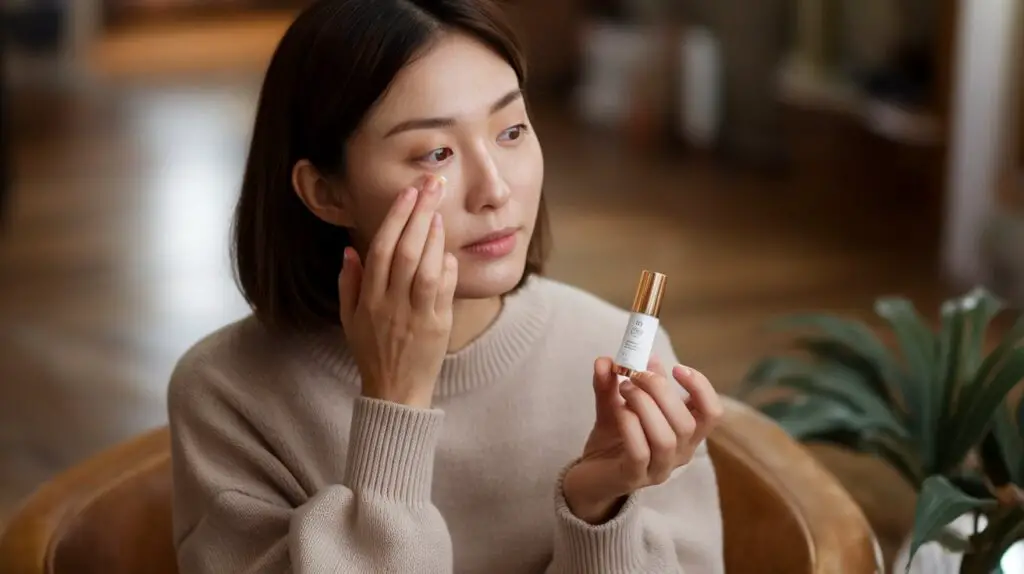
Korean skincare laboratories combine traditional Asian botanicals with modern biotechnology to create eye cream formulations that address multiple concerns simultaneously. Understanding the science behind these ingredients helps you appreciate why these products often deliver impressive results.
Fermented Ingredients and Their Benefits
Fermentation transforms ordinary skincare ingredients into supercharged versions of themselves. During fermentation, microorganisms break down complex molecules into smaller, more bioavailable compounds that skin can absorb more readily. This process also creates new beneficial substances like amino acids, peptides, and antioxidants that weren’t present in the original ingredient.
Galactomyces ferment filtrate, derived from sake brewing, appears frequently in Korean eye creams. This ingredient contains vitamins, amino acids, and minerals that brighten dark circles while strengthening the skin barrier. Research shows that fermented ingredients can be up to 20 times more effective than their non-fermented counterparts in penetrating skin layers.
Peptide Complexes in Korean Formulations
Korean cosmetic scientists have pioneered the use of multiple peptide combinations that work synergistically. Rather than relying on a single peptide, these formulations might include five or six different types, each targeting specific concerns. Copper peptides stimulate collagen production, while acetyl hexapeptide-8 (often called “Botox in a jar”) helps relax facial muscles that contribute to expression lines.
The way Korean brands formulate peptides differs from Western approaches. They often encapsulate peptides in liposomes or use penetration enhancers derived from natural sources. This ensures that these large molecules actually reach the deeper skin layers where they can stimulate cellular renewal and repair processes. Some Korean eye creams also include plant-derived peptides from sources like rice or quinoa, offering similar benefits with less potential for irritation.
These peptide complexes work on multiple levels. They signal skin cells to produce more collagen and elastin, help repair damaged tissue, and improve skin texture over time. The concentration matters less than the combination and delivery system – Korean formulations typically use moderate concentrations of multiple peptides rather than high concentrations of single peptides.
Natural Botanical Extracts Commonly Used
Korean eye creams feature an impressive array of botanical extracts, many sourced from ingredients used in traditional Asian medicine for centuries. Ginseng, particularly red ginseng, appears frequently due to its proven ability to improve circulation and provide antioxidant protection. Studies show ginseng can increase collagen synthesis and protect against UV damage.
Green tea extract, rich in polyphenols and EGCG, provides powerful antioxidant benefits while soothing inflammation. Centella asiatica, also known as “tiger grass,” accelerates wound healing and strengthens the skin barrier. These aren’t just traditional remedies – modern research confirms their effectiveness in addressing various skin concerns.
Other botanical stars include:
- Bamboo extract for hydration and minerals
- Licorice root for brightening dark circles
- Camellia oil for nourishment without heaviness
- Snow mushroom for intense hydration
- Sea buckthorn for vitamin C and omega fatty acids
Hydration Technology Advances
Korean skincare leads the industry in hydration technology, particularly important for the moisture-poor eye area. Hyaluronic acid appears in various molecular weights in Korean formulations – larger molecules hydrate the surface while smaller ones penetrate deeper. This multi-molecular approach ensures hydration at every level of the skin.
Beyond traditional hyaluronic acid, Korean labs have developed innovative hydrating ingredients. Beta-glucan, derived from oats or mushrooms, holds even more water than hyaluronic acid while also providing soothing benefits. Polyglutamic acid, originally discovered in fermented soybeans, can hold 5,000 times its weight in water – compared to hyaluronic acid’s 1,000 times.
Korean brands also pioneered the use of “water-burst” technology, where creams transform into water droplets upon application. This technology ensures maximum hydration delivery while maintaining a lightweight feel. Some formulations include aquaporin stimulators – ingredients that help skin cells transport water more efficiently, improving overall hydration from within.
Active Ingredient Concentration Levels
Korean formulations typically favor moderate concentrations of multiple active ingredients rather than high concentrations of single actives. This approach minimizes irritation while maximizing benefits through ingredient synergy. For example, instead of using 2% retinol (which might irritate the delicate eye area), a Korean eye cream might combine 0.3% retinol with bakuchiol, peptides, and niacinamide for similar anti-aging benefits with less irritation risk.
This philosophy extends to other actives as well. Vitamin C might appear in stable, gentle forms like sodium ascorbyl phosphate rather than pure L-ascorbic acid. Niacinamide concentrations typically range from 2-5% rather than the 10% found in some Western products. The goal is consistent, gentle improvement rather than dramatic but potentially irritating results.
Korean cosmetic regulations also influence formulation strategies. The Korean FDA has strict guidelines about ingredient safety and claims, leading to well-researched, carefully balanced formulations. This regulatory environment encourages innovation while prioritizing consumer safety, resulting in products that deliver results without compromising skin health.
How to Choose the Right Korean Eye Cream for Your Concerns
Selecting the ideal Korean eye cream requires understanding both your specific concerns and how different formulations address them. The variety available might seem overwhelming initially, but a systematic approach helps you find products that target your particular needs effectively.
Understanding Your Specific Eye Area Issues
Before browsing products, spend time observing your eye area throughout the day. Dark circles might appear purple-toned (indicating visible blood vessels) or brown (suggesting hyperpigmentation). Fine lines could be dehydration lines that plump up when moisturized, or deeper expression lines that require targeted treatment. Puffiness might occur only in the morning or persist throughout the day, indicating different underlying causes.
Age plays a role but isn’t the only factor. Someone in their twenties might need intensive hydration and dark circle treatment, while someone in their fifties might focus on firming and brightening. Lifestyle factors matter too – screen time, sleep quality, and sun exposure all influence which ingredients will benefit you most. Korean beauty philosophy encourages addressing current concerns while preventing future issues, so consider both immediate needs and long-term goals.
Reading Korean Product Labels Effectively
Korean product labels can seem intimidating with their unfamiliar terminology and ingredient names. However, most Korean beauty products exported internationally include English translations or romanized versions of key information. Look for terms like “brightening” for dark circles, “lifting” or “firming” for sagging, and “moisture” or “hydrating” for dryness.
Pay attention to the ingredient list order – Korean regulations require ingredients to be listed by concentration, with the highest amounts first. The first five ingredients make up the bulk of the formula. If beneficial ingredients appear only at the bottom of the list, their concentration might be too low to provide significant benefits. Many Korean brands also highlight key ingredients with percentages on packaging, making it easier to compare formulations.
Korean products often feature cute names or poetic descriptions that don’t directly describe their function. Don’t let names like “Bounce Cheese Cream” or “Water Sleeping Mask” confuse you – focus on the actual ingredients and intended benefits listed on the packaging. Many Korean beauty retailers provide detailed English descriptions online, offering more information than what fits on product packaging.
Matching Textures to Skin Types
Your skin type around the eye area might differ from your overall facial skin type. Someone with oily skin might have a dry under-eye area, while those with dry skin might experience milia from overly rich eye creams. Korean beauty offers diverse textures to match these varying needs.
For oily or milia-prone skin, gel or serum textures work best. These formulations hydrate without clogging pores or leaving residue. Look for water-based formulas with hyaluronic acid, green tea, or bamboo extract. If you have dry or mature skin, cream or balm textures provide richer nourishment. These might contain ceramides, oils, or shea butter for intensive moisture.
Combination needs require strategic selection. You might use a lighter gel cream in the morning under makeup and a richer formula at night for repair. Some Korean brands offer dual-textured products with different formulas for upper and lower eye areas, recognizing that these zones have different needs.
Consider seasonal adjustments too. Korean beauty enthusiasts often switch products seasonally – lighter formulas in humid summer months and richer ones during dry winter weather. This flexibility ensures your eye area receives appropriate care year-round without overwhelming or under-nourishing the skin.
Day Versus Night Formulations
Korean brands often create separate day and night eye products, each optimized for different purposes. Day formulas focus on protection, depuffing, and creating a smooth base for makeup. These typically include:
Antioxidants: Protect against environmental damage throughout the day
Caffeine: Reduces puffiness and improves circulation for a more awake appearance
Light-reflecting Particles: Provide immediate brightening effects
Primers: Smooth fine lines and help concealer adhere better
SPF: Some include sun protection, though this remains less common in eye creams
Night formulas emphasize repair and regeneration while you sleep. These formulations work with your skin’s natural overnight renewal process. Night eye creams often contain retinol alternatives like bakuchiol, intensive peptide complexes, and richer moisturizing ingredients. The texture might be heavier since you won’t be applying makeup over it, and there’s more time for absorption.
Some Korean brands offer “24-hour” formulas designed for both day and night use. These balanced formulations work well if you prefer simplicity or travel frequently. However, using specialized day and night products often yields better results since each can focus on specific functions without compromise.
Testing and Patch Testing Guidelines
Even the gentlest Korean eye cream can cause reactions in sensitive individuals. Proper testing prevents wasted money and potential irritation. Start by patch testing on your inner wrist or behind your ear – areas with thinner skin that might react similarly to your eye area. Wait 24-48 hours to ensure no irritation develops.
When introducing a new eye cream, start slowly. Use it every other night for the first week, monitoring for any redness, itching, or bumps. If your skin tolerates it well, gradually increase to nightly use, then add morning application if desired. This gradual introduction helps your skin adjust and makes it easier to identify if a product causes problems.
Korean beauty stores and online retailers often offer sample sizes or travel versions of popular eye creams. These smaller sizes let you test products for several weeks before committing to full-size purchases. Many Korean brands also produce variety sets with multiple eye care products, allowing you to experiment with different formulas to find your perfect match.
Proper Application Techniques for Maximum Results
The way you apply Korean eye creams matters almost as much as the products themselves. Korean beauty culture has developed specific techniques that maximize product effectiveness while protecting the delicate eye area from damage that can accelerate aging.
Your ring finger naturally applies the gentlest pressure, making it ideal for eye cream application. This finger’s limited strength prevents you from pressing too hard or pulling at delicate skin. Korean beauty experts recommend warming the product between your ring fingers before application – this helps it spread more easily and absorb better.
The Korean Tapping Method
The signature Korean tapping technique, sometimes called “piano playing,” involves gentle rhythmic taps around the entire eye area. Start from the inner corner beneath your eye, tap outward along the orbital bone, continue up and across the brow bone, then complete the circle back to where you started. This circular motion follows natural lymphatic drainage patterns, helping reduce puffiness while ensuring even product distribution.
Each tap should be light and quick, like playing staccato notes on a piano. This method stimulates blood circulation without stretching skin, and the repetitive motion helps products penetrate more effectively than simply smoothing them on. Aim for about 30 taps per eye, though you can adjust based on how quickly your skin absorbs the product.
The tapping technique also works wonderfully for addressing specific concerns. For dark circles, concentrate extra taps on the inner corner where discoloration often appears darkest. For crow’s feet, use slightly firmer (but still gentle) taps on the outer corner, as this area has thicker skin that can handle marginally more pressure.
Layering with Other Skincare Products
Korean skincare’s famous multi-step routines require careful attention to product order around the eyes. The general rule follows thinnest to thickest consistency, but eye products have their own considerations. After cleansing and toning, some prefer applying eye cream before serums to create a protective barrier, while others apply it after serums but before moisturizer.
If you use multiple eye products, layer them strategically. A brightening serum goes first, followed by an anti-aging treatment, then seal everything with a hydrating eye cream. Wait about 30 seconds between each layer, allowing time for absorption. This prevents pilling and ensures each product can work effectively.
Consider how eye products interact with your facial skincare. Some ingredients like retinoids or acids in face products might migrate to the eye area, causing irritation. In these cases, apply eye cream first as a buffer zone. Alternatively, use your eye cream to “seal off” the eye area after applying potentially irritating facial products.
Temperature Tricks for Better Absorption
Temperature manipulation enhances eye cream benefits significantly. Cold application helps constrict blood vessels, reducing puffiness and dark circles. You can refrigerate your eye cream, use a jade roller kept in the fridge, or apply with a cool metal spoon. The cooling sensation also feels refreshing, particularly in the morning when you need help looking awake.
Warm application works better for rich, thick creams that need help spreading and penetrating. Warm the product between your fingers, or use gentle pressing motions to create mild friction heat. This technique works especially well for night treatments when you want maximum absorption of active ingredients.
Some Korean eye creams come with specialized applicators designed for temperature benefits. Metal-tip applicators stay naturally cool, while ceramic or stone tips can be warmed or cooled as needed. These tools also provide gentle massage benefits, improving circulation and lymphatic drainage. If your eye cream doesn’t include an applicator, consider investing in a separate eye massage tool – many Korean beauty brands offer affordable options designed specifically for eye care.
Common Mistakes to Avoid
Many people apply eye cream too close to the lash line, which can cause product to migrate into eyes during the night, leading to irritation or puffiness. Stay on the orbital bone – the product will naturally spread slightly as it warms to skin temperature. This positioning prevents irritation while still treating the entire eye area effectively.
Avoid these common application errors:
Using Too Much Product: A rice grain-sized amount covers both eyes adequately
Rubbing or Pulling: Always use tapping or gentle pressing motions instead
Forgetting the Upper Lid: This area needs attention too, especially for lifting benefits
Applying to Wet Skin: Wait until toner or serum dries for better adherence
Skipping the Brow Area: The tail of the eyebrow can benefit from firming treatments
Timing matters more than you might think. Applying eye cream immediately before bed can lead to puffiness as products pool while you lie down. Instead, complete your skincare routine at least 30 minutes before sleep, giving products time to fully absorb. Morning application should happen early enough that products absorb completely before makeup application – rushed application often leads to concealer creasing or sliding.
Building an Eye Care Routine
A complete Korean-inspired eye care routine extends beyond just applying cream. Start with gentle cleansing using a dedicated eye makeup remover or cleansing oil, even if you don’t wear makeup – this removes sunscreen and pollution that accumulate around eyes. Use cotton pads soaked in remover, pressing gently for 10 seconds before wiping downward to avoid tugging.
Weekly eye masks provide intensive treatment for specific concerns. Korean hydrogel or bio-cellulose patches deliver concentrated ingredients while the occlusive effect enhances penetration. Apply these after cleansing but before your regular eye cream for maximum benefit. Leave them on for the recommended time (usually 15-20 minutes), then tap in any remaining essence.
Don’t forget lifestyle factors that support your eye care routine. Adequate hydration, quality sleep, and sun protection all influence how well eye products work. Korean beauty philosophy views skincare holistically – the best eye cream can’t overcome chronic dehydration or sun damage. Consider adding a humidifier to your bedroom, especially during winter months when heating systems dry out air and skin.
Consistency remains the most important factor in any eye care routine. Korean beauty advocates gentle, regular care over aggressive occasional treatments. Use your chosen products daily, even when you don’t see immediate results. Most eye concerns develop over years, so improvement takes time. Document your progress with photos to track subtle changes that daily observation might miss.
When You’ll Start Seeing Results (And What to Expect)
Understanding realistic timelines for eye cream results helps maintain motivation during your skincare journey. Korean beauty philosophy emphasizes patience and consistency, recognizing that meaningful skin improvements happen gradually rather than overnight. Different concerns respond at varying rates, and knowing what to watch for helps you assess whether a product works for your skin.
Immediate Versus Long-term Effects
Within minutes of application, you might notice immediate cosmetic improvements from Korean eye creams. Hydrating ingredients plump fine dehydration lines, making them less visible. Caffeine can reduce puffiness within 15-20 minutes, while light-reflecting particles in some formulas create an instant brightening effect. These immediate changes are temporary but provide confidence while waiting for lasting improvements.
The first week brings subtle changes in skin texture and comfort. Your eye area might feel less tight or dry, and makeup application becomes smoother. These early improvements indicate that the product agrees with your skin and is beginning to strengthen the moisture barrier. Some people notice their concealer creases less or lasts longer, suggesting improved skin hydration and texture.
After two to four weeks, cellular turnover begins showing visible results. Dark circles might appear slightly lighter, especially if caused by thin skin rather than genetics. Fine lines from dehydration should show marked improvement. The eye area generally looks healthier and more rested, even if dramatic changes haven’t occurred yet. This timeline aligns with skin’s natural 28-day renewal cycle.
True transformation typically requires eight to twelve weeks of consistent use. This timeframe allows ingredients like peptides and retinol alternatives to stimulate collagen production and cellular renewal. Deeper wrinkles begin softening, skin appears firmer, and persistent dark circles show improvement. Remember that skincare is a marathon, not a sprint – patience during this period pays off with lasting results.
Realistic Timeline for Different Concerns
Dark circles respond at different rates depending on their cause. Hyperpigmentation-based dark circles (brown-tinted) typically need 6-12 weeks to show improvement with brightening ingredients like niacinamide or vitamin C. Vascular dark circles (blue or purple-tinted) might improve within 2-4 weeks using products with caffeine and vitamin K. Genetic dark circles or those caused by facial structure may show minimal improvement regardless of product choice.
Fine lines versus deep wrinkles require different expectations. Dehydration lines can disappear within days of proper hydration. Expression lines from repeated muscle movement need 8-12 weeks minimum to show softening. Deep-set wrinkles that have been present for years might take six months or longer to show improvement, and complete elimination might not be possible without professional treatments.
Puffiness timelines vary based on the underlying cause. Morning puffiness from fluid retention responds quickly to caffeine and cold application – often within 20 minutes. Chronic puffiness from allergies or sinus issues might not respond to topical treatments at all. Fat pad herniation (permanent under-eye bags) won’t improve with eye creams, though products can improve the skin quality over these areas.
Loss of firmness and sagging require the longest commitment. Collagen and elastin production naturally slows with age, and stimulating renewal takes time. Expect to use firming eye creams for at least three months before assessing results. Even then, improvements might be subtle – skin might feel firmer to touch before visible lifting occurs. Photographic documentation helps track these gradual changes that daily observation might miss.
Signs the Product Is Working
Beyond visible improvements, several subtle indicators suggest your Korean eye cream is effective. Your eye area might feel more comfortable throughout the day, with less tightness or irritation. Makeup applies more smoothly and lasts longer without settling into lines. You might notice you need less concealer or that your usual amount provides better coverage.
Skin texture changes often precede visible improvements. Run your finger gently over the eye area – effective products create a smoother, more supple feel. The skin might appear to have a subtle glow or healthy sheen that wasn’t present before. These texture improvements indicate strengthened barrier function and improved cellular health.
Watch for changes in how your skin responds to environmental stressors. If your eye area no longer feels dry in air-conditioned environments or doesn’t get as puffy after salty meals, the product is improving your skin’s resilience. Similarly, if you notice faster recovery from late nights or crying, your skin barrier has likely strengthened.
When to Switch Products
Sometimes a product stops delivering results after several months of use. This “plateau effect” doesn’t necessarily mean the product stopped working – your skin might have achieved the maximum benefit from that particular formulation. Consider rotating between two or three eye creams with different primary ingredients to prevent adaptation and target various concerns.
Seasonal changes often necessitate product switches. The lightweight gel that worked perfectly in humid summer might not provide enough moisture during winter. Pay attention to how your skin feels throughout the day. If you notice increased dryness, tightness, or irritation during weather transitions, it’s time to adjust your eye care routine accordingly.
Negative reactions require immediate discontinuation. If you experience persistent redness, itching, burning, or unusual puffiness that doesn’t resolve within a few days, stop using the product. Some ingredients like retinol or acids can cause initial irritation that subsides, but reactions around the sensitive eye area shouldn’t be pushed through. Trust your instincts – if something feels wrong, it probably is.
Life changes might also prompt product switches. Pregnancy, hormonal changes, new medications, or health conditions can alter how your skin responds to products. What worked in your twenties might not suit your skin in your forties. Regular reassessment ensures your eye care routine evolves with your changing needs.
Maintaining Results Over Time
Once you achieve desired improvements, maintenance becomes the priority. You might be able to reduce application frequency – perhaps using your treatment product every other night while maintaining results. However, completely stopping usually leads to gradual return of original concerns. Think of eye care like exercise – you can reduce intensity once you reach your goals, but stopping entirely means losing progress.
Consider implementing a rotation system for long-term maintenance. Use a brightening formula in the morning and an anti-aging treatment at night. Alternate between hydrating and firming formulas based on your skin’s daily needs. This approach prevents both adaptation and boredom while ensuring comprehensive eye care. Korean beauty enthusiasts often maintain extensive product collections for this reason, selecting products based on their skin’s current condition rather than following a rigid routine.
Supporting your eye cream with complementary treatments enhances and maintains results. Weekly sheet masks, monthly gentle exfoliation with enzyme peels, and occasional facial massage all contribute to eye area health. Professional treatments like LED therapy or gentle chemical peels can boost your at-home routine’s effectiveness. The Korean approach views these additions not as admissions of product failure but as comprehensive care strategies.
Your Journey with Korean Eye Care
The decision to incorporate Korean eye creams into your skincare routine opens doors to innovative ingredients, thoughtful formulations, and gentle yet effective approaches to eye care. These products offer sophisticated solutions at accessible price points, combining traditional wisdom with modern scientific advancement. Whether you’re dealing with dark circles, fine lines, puffiness, or simply want preventive care, Korean beauty’s extensive eye cream selection provides options for every concern and skin type.
Success with Korean eye creams depends on selecting appropriate products for your specific needs, applying them correctly with gentle techniques, and maintaining realistic expectations about results. The Korean beauty philosophy teaches us that consistent, gentle care yields better long-term results than aggressive treatments. Your commitment to daily application, proper technique, and patience during the adjustment period will determine your ultimate satisfaction with these products. Remember that skincare is deeply personal – what transforms one person’s eye area might not work for another, making the journey of finding your perfect products part of the experience.
Frequently Asked Questions
Q: Can I use Korean eye cream if I have sensitive skin?
A: Korean eye creams are often formulated with sensitive skin in mind, featuring gentle ingredients and avoiding common irritants. Look for products labeled “hypoallergenic” or those containing soothing ingredients like centella asiatica or green tea. Always patch test new products and introduce them gradually to your routine.
Q: Should I use different eye creams for morning and night?
A: While not absolutely necessary, using different formulations for day and night can optimize results. Day creams typically focus on hydration and protection with lighter textures, while night creams contain richer formulas with active ingredients for repair and regeneration.
Q: How do Korean eye creams compare in price to Western brands?
A: Korean eye creams generally offer better value, with quality formulations available from $15-50, compared to Western luxury brands that can cost $100-300. The competitive Korean beauty market keeps prices reasonable while maintaining high innovation standards.
Q: What’s the proper amount of eye cream to use?
A: A rice grain-sized amount (about 1-2mm) is sufficient for both eyes. Using more won’t accelerate results and might cause milia or irritation. Korean beauty emphasizes that proper application technique matters more than product quantity.
Q: Can Korean eye creams really help with genetic dark circles?
A: While genetic dark circles are challenging to treat topically, Korean eye creams can improve skin quality and thickness in the area, making circles less prominent. Ingredients like niacinamide and vitamin C can help, but complete elimination of genetic dark circles usually requires professional treatments.
Q: How long should I test a Korean eye cream before deciding if it works?
A: Give any eye cream at least 8-12 weeks of consistent use before making a final judgment. Some improvements like hydration appear quickly, but concerns like fine lines and dark circles need time to show meaningful improvement.
Q: Is it normal for Korean eye creams to have fragrance?
A: Many Korean eye creams are fragrance-free or use minimal natural fragrance. However, some products do contain fragrance for sensory appeal. If you have sensitive skin, specifically look for “fragrance-free” or “unscented” options.
Q: Can I layer multiple Korean eye products?
A: Yes, layering is common in Korean skincare. Apply products from thinnest to thickest consistency, waiting 30 seconds between layers. You might use an eye serum followed by eye cream, or alternate between different treatments morning and night.
Q: Do Korean eye creams work for mature skin?
A: Korean brands offer numerous options specifically formulated for mature skin, featuring ingredients like ginseng, peptides, and adenosine. Look for products labeled “anti-aging,” “lifting,” or “firming” that address specific mature skin concerns.

