

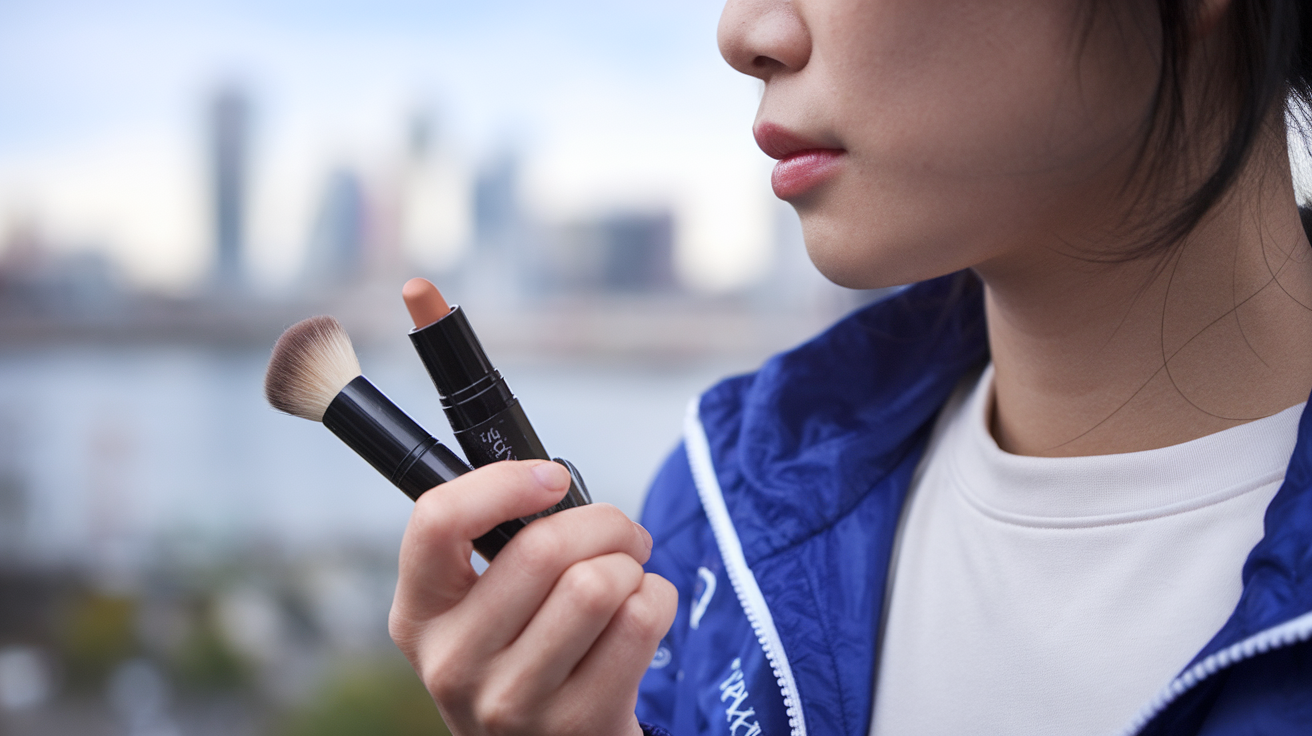
Japanese makeup has captured global attention for its ability to enhance natural beauty without masking it. The philosophy centers on creating healthy, glowing skin that looks fresh and youthful rather than heavily made up. This approach prioritizes skincare-infused cosmetics, subtle color choices, and techniques that work with your features instead of transforming them completely.
The natural look achieved through Japanese beauty products goes beyond simple minimalism. These formulations often contain hydrating ingredients, lightweight textures, and buildable coverage that allows you to customize your finish. From dewy foundations to soft-focus powders, each product serves a specific purpose in creating that coveted “no-makeup makeup” appearance that looks effortless yet polished.
In the following sections, you’ll discover the essential products and techniques that make this beauty style so effective. From base products that create luminous skin to lip tints that provide just a hint of color, we’ll cover everything you need to build your own collection. Whether you’re new to this approach or looking to refine your routine, these insights will help you achieve that naturally radiant look that Japanese beauty is famous for.
- Essential Base Products for That Coveted Japanese Glow
- Eye Makeup Products That Define Without Overpowering
- Lip and Cheek Products for Fresh-Faced Beauty
- Tools and Techniques Unique to Japanese Makeup Application
- Building Your Japanese Makeup Collection This Year
- Achieving Natural Beauty Through Japanese Makeup
- Frequently Asked Questions
Essential Base Products for That Coveted Japanese Glow
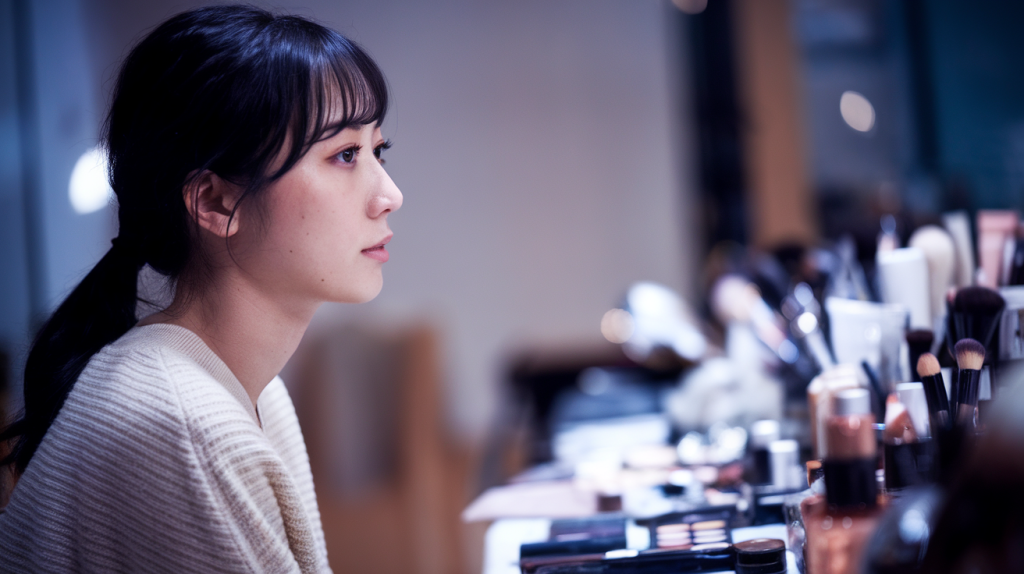
The foundation of any Japanese makeup look starts with products that perfect your skin without creating a mask-like finish. These base products focus on enhancing your natural skin texture while providing just enough coverage to even out your complexion. The goal is skin that looks like skin – only better.
Lightweight foundations and BB creams
Japanese foundations differ significantly from their Western counterparts in both texture and finish. These formulas typically contain higher water content, making them feel almost weightless on your skin. Many incorporate skincare benefits like hyaluronic acid, ceramides, and botanical extracts that nourish while providing coverage.
BB creams hold a special place in Japanese beauty routines. Originally developed in Germany but perfected in Asia, these multitasking products combine foundation, moisturizer, and sun protection in one formula. The coverage tends to be sheer to medium, perfect for those days when you want to look polished without feeling like you’re wearing makeup.
The application method matters as much as the product itself. Japanese makeup artists recommend using a damp beauty sponge to press foundation into the skin rather than rubbing it across the surface. This technique helps the product melt into your skin for a more natural finish.
Color correcting primers
Color correction plays a crucial role in achieving that flawless base without heavy coverage. Purple primers counteract yellow tones, while pink formulas brighten dull complexions. Green options neutralize redness, particularly useful for those with sensitive skin or rosacea.
Japanese primers often feature a gel-like consistency that creates a smooth canvas without feeling silicone-heavy. Many contain pearl particles that reflect light, creating a soft-focus effect that blurs imperfections. The key is selecting a primer that addresses your specific skin concerns while maintaining that natural luminosity.
Setting powders that maintain luminosity
Traditional setting powders can leave skin looking flat and lifeless, but Japanese formulations take a different approach. These powders use finely milled particles that set makeup without creating a dry, cakey appearance. Some contain light-reflecting ingredients that maintain your skin’s natural glow even after powdering.
Pressed powders with a slight sheen have become increasingly popular. These products set your base while adding a subtle radiance that mimics healthy skin. The application technique involves gently pressing powder into areas that tend to get oily, leaving the high points of your face unpowdered for dimension.
For those who prefer loose powders, Japanese brands offer ultra-fine formulas that feel like silk. These powders often come in tinted versions that add warmth or brightness while controlling shine. A light dusting with a fluffy brush is all you need – the goal is to set, not to mattify completely.
Hydrating mists and sprays
Setting sprays serve multiple purposes in Japanese makeup routines. Beyond locking makeup in place, they add moisture and help products meld together for a more natural finish. Many formulas contain beneficial ingredients like green tea, rice water, or mineral-rich thermal water.
Throughout the day, these mists can refresh both your makeup and your skin. A quick spritz revives your complexion without disturbing your base. Some women carry travel-sized versions for touch-ups, especially during dry winter months or in air-conditioned environments.
The application timing makes a difference too. Spraying between layers – after foundation but before powder, for instance – helps products blend seamlessly. This layering technique creates depth and dimension while maintaining that sought-after natural finish. Some makeup artists even dampen their brushes with setting spray before applying powder products for better adherence and a more skin-like finish.
Eye Makeup Products That Define Without Overpowering
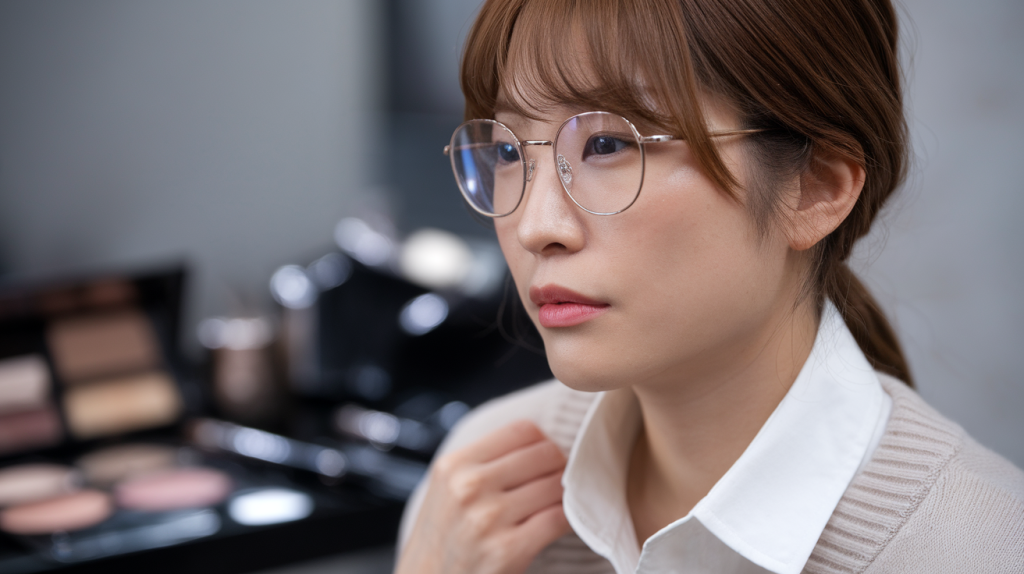
Japanese eye makeup philosophy revolves around enhancing your natural eye shape rather than dramatically altering it. The products chosen for this purpose tend toward neutral tones, subtle definitions, and formulas that last all day without creasing or smudging. This approach creates eyes that look bright and awake without obvious makeup.
Brown-toned eyeshadow palettes
Brown eyeshadows form the backbone of Japanese eye makeup collections. These versatile shades range from light beige to deep chocolate, offering options for every skin tone and occasion. Unlike Western palettes that often feature bold colors, Japanese versions focus on variations of brown, taupe, and nude shades that mimic natural shadows.
The textures in these palettes deserve special attention. Many Japanese brands create shadows with a unique bouncy texture that applies smoothly without fallout. Some formulas contain oils or emollients that help the powder adhere to your lids while maintaining a soft, blendable consistency. This makes it easier to achieve that perfectly diffused look without harsh lines.
Subtle eyeliners in soft shades
Black eyeliner can look harsh against certain skin tones, which is why Japanese makeup often features brown, gray, or burgundy alternatives. These softer shades define your eyes while maintaining a gentle appearance. Pencil liners with creamy textures allow for easy smudging, creating a soft-focus effect perfect for daily wear.
Liquid liners in brown tones have gained popularity for their ability to create precise yet natural-looking definition. The brush tips on Japanese liquid liners tend to be ultra-fine, allowing for incredibly detailed work. You can create anything from a barely-there lash line enhancement to a subtle wing that lifts your eye shape.
Gel liners offer another option for those seeking longevity with softness. Japanese gel formulas often come in pots with specialized brushes designed for specific techniques. The consistency allows for various applications – tight-lining, smoking out, or creating gradient effects that are particularly popular in Japanese makeup trends.
Lengthening mascaras vs volumizing options
Japanese mascaras prioritize length and separation over dramatic volume. The wands feature innovative designs with tiny teeth or spherical tips that catch every lash without clumping. These mascaras build gradually, allowing you to achieve your desired intensity without spider-leg effects.
Fiber mascaras represent a uniquely Japanese innovation. These products contain tiny fibers that attach to your lash tips, extending them naturally. The effect looks like your own lashes, only longer and more defined. Many formulas also include conditioning ingredients that treat your lashes while wearing them.
Eyebrow products for natural definition
Eyebrow makeup in Japan focuses on maintaining your natural brow shape while filling sparse areas. Powder products remain the most popular choice, often coming in palettes with multiple shades for customization. The powders typically have a matte finish that mimics real hair.
Here’s what makes Japanese eyebrow products stand out:
Three-tone palettes: Light, medium, and dark shades allow for gradient application
Built-in wax: Helps powder adhere and keeps brows in place
Specialized brushes: Angled tips for precision and spoolies for blending
Gray undertones: Prevent that reddish cast common in some brown brow products
Setting gels: Clear or tinted formulas that hold shape without stiffness
Liquid eyebrow pens have revolutionized brow makeup for those with very sparse areas. These products use ultra-fine tips to draw individual hair strokes that look incredibly realistic. The key lies in using light, feathery strokes that follow your natural hair growth pattern.
Eye primers for all-day wear
Eye primers might seem like an unnecessary step, but they make a significant difference in how your eye makeup wears throughout the day. Japanese primers focus on creating a smooth base while controlling oil that can cause creasing. Many formulas have a slight tint that neutralizes discoloration on your lids.
The consistency of these primers tends toward the lighter side – think serum rather than thick cream. This allows for easy blending and prevents that heavy feeling some primers can create. Application requires just a tiny amount patted across your lid and up to your brow bone.
Lip and Cheek Products for Fresh-Faced Beauty
The Japanese approach to color cosmetics emphasizes products that mimic your skin’s natural flush rather than adding obvious pigment. This philosophy extends particularly to lip and cheek products, where the goal is to look like you’ve just come in from a brisk walk or enjoyed a good laugh. These formulas blur the line between makeup and skincare, providing color while nourishing your skin.
Gradient lip tints and stains
Gradient lips, known as “igari” makeup, create a just-bitten effect that looks youthful and fresh. This technique involves concentrating color at the center of your lips and blending it outward for a soft, diffused edge. Japanese lip tints excel at this application, with watery or gel textures that blend easily.
The formulation of these tints differs from traditional lipsticks. Water-based formulas sink into your lips rather than sitting on top, creating a stain that lasts for hours. Oil-based tints provide more moisture while still maintaining that translucent color that builds gradually. You can layer applications throughout the day without worrying about heavy buildup.
Application tools matter for achieving the perfect gradient. Many Japanese lip products come with specialized applicators – cushion tips, doe-foot wands with unique shapes, or brush tips that allow for precise application. Some women prefer using their fingertips to pat and blend the color for the most natural effect.
Moisturizing lipsticks in nude tones
Japanese nude lipsticks lean toward pink and peach tones rather than the beige shades common in Western cosmetics. These colors complement Asian skin tones beautifully but work well for anyone seeking a “your lips but better” shade. The formulas prioritize moisture and comfort over long-wearing properties.
Many of these lipsticks contain treatment ingredients like honey, royal jelly, or plant oils. The texture feels more like a lip balm than a traditional lipstick, making them comfortable for all-day wear. Despite their moisturizing properties, these products still provide enough pigment to enhance your natural lip color.
The finish of Japanese nude lipsticks tends toward glossy or satin rather than matte. This luminous quality makes lips look plump and healthy. Some formulas include light-reflecting particles that create the illusion of fuller lips without obvious shimmer or glitter.
Temperature-responsive lipsticks represent an interesting innovation. These products react to your body’s pH and temperature to create a custom shade unique to you. The color develops gradually after application, resulting in a perfectly personalized nude that complements your skin tone.
Cream blushes for natural flush
Cream blushes have become essential in achieving that healthy glow characteristic of Japanese makeup. These formulas melt into your skin, creating a flush that appears to come from within. The key lies in their blendable texture that never looks patchy or sits on top of your skin.
Japanese cream blushes often come in compact form with a bouncy, mousse-like texture. Others feature a balm consistency that warms up with your fingertips for easy application. The pigmentation builds gradually, allowing you to control intensity without fear of applying too much color at once.
Placement techniques differ from Western blush application. Instead of focusing on the apples of your cheeks, Japanese makeup artists often place blush higher on the cheekbones and even across the nose bridge. This creates a sun-kissed effect that looks naturally flushed rather than deliberately applied.
Multi-use products for lips and cheeks
Efficiency and simplicity drive the popularity of multi-use color products. These versatile formulas work equally well on lips and cheeks, ensuring perfect color coordination while minimizing your makeup bag contents. The textures range from liquid tints to cream sticks, each offering different benefits.
Liquid multi-use tints provide the most natural finish. Their watery consistency blends seamlessly into both lips and cheeks, though application requires some practice. The trick involves working quickly on cheeks before the product sets, using tapping motions to blend edges.
Stick formats offer more control and portability. These products glide on smoothly and blend easily with fingertips or a sponge. Many contain moisturizing ingredients that prevent the dry, patchy finish sometimes associated with long-wearing tints. You can apply directly from the stick or use your fingers to pick up product for more precise placement.
Lip care essentials
Japanese beauty philosophy treats lip care as an integral part of makeup application, not just a preparatory step. Lip masks, treatments, and specialized balms prepare your lips for color while maintaining their health. Many women incorporate overnight lip masks into their routines for consistently smooth lips.
Sugar scrubs designed specifically for lips remove dead skin gently without causing irritation. These products often contain nourishing oils and butter that condition while exfoliating. Following with a treatment balm ensures your lips stay soft and ready for color application.
Tinted lip balms bridge the gap between care and color. These products provide substantial moisture while adding a hint of pigment. Perfect for no-makeup days or as a base under other lip products, they keep lips comfortable while enhancing their natural color. Some formulas include SPF protection, essential for preventing lip darkening and maintaining even color.
Tools and Techniques Unique to Japanese Makeup Application
Japanese makeup application relies heavily on specific tools and methods that differ from Western approaches. These techniques prioritize gentle treatment of the skin, precise product placement, and creating seamless blends that look effortless. Understanding these methods transforms how products perform and how natural your finished look appears.
Specialized brushes and sponges
Japanese makeup brushes stand apart for their exceptional softness and unique shapes. Traditional brushes use natural hair from animals like goats, squirrels, or horses, though synthetic alternatives have improved dramatically. The density and shape of each brush serves a specific purpose, from laying down sheer washes of color to precise detail work.
Foundation brushes in Japanese collections often feature densely packed, flat tops that buff product into skin without streaking. Unlike traditional flat foundation brushes, these tools create an airbrushed finish through stippling motions. The synthetic fibers don’t absorb product, ensuring more ends up on your face rather than in the brush.
Beauty sponges evolved significantly thanks to Japanese innovation. While similar to Western versions in appearance, Japanese sponges often feature different densities on various surfaces. One side might be firmer for foundation application, while another remains soft for blending edges. Some incorporate antibacterial materials or special coatings that prevent product absorption.
Specialized eye brushes deserve particular attention in Japanese makeup tools. Tiny, precise brushes allow for detailed work along the lash line or in the inner corner. Fluffy blending brushes create those perfectly diffused edges characteristic of Japanese eye makeup. Many sets include brushes specifically designed for applying product to the lower lash line – an area often neglected in Western makeup.
Patting vs rubbing methods
The way you apply products matters as much as what you apply. Japanese makeup techniques favor patting and pressing motions over rubbing or dragging. This gentler approach prevents pulling on delicate skin while ensuring better product adherence. Your skin maintains its texture rather than looking stretched or distorted.
Foundation application demonstrates this principle perfectly. Instead of sweeping foundation across your face, Japanese methods involve pressing product into skin using a sponge or brush. This technique pushes foundation into pores and fine lines rather than sitting on top. The result looks like improved skin rather than a layer of makeup.
Layering products for buildable coverage
Japanese makeup philosophy believes in building coverage gradually through multiple sheer layers rather than applying one heavy coat. This approach allows you to customize coverage exactly where needed while maintaining a natural finish. Your skin’s texture remains visible, just perfected rather than hidden.
The layering process follows a specific order designed to maximize each product’s effectiveness. Here’s the typical sequence:
Primer layer: Applied sparingly to areas that need smoothing or color correction
First foundation layer: Sheer application across entire face for basic evening
Spot concealing: Targeted coverage only where necessary
Second foundation layer: Applied only to areas needing additional coverage
Setting powder: Lightly pressed into oily zones while avoiding dry areas
This method takes more time initially but creates a finish that lasts longer and looks more natural than single heavy applications. Each layer has time to set properly, preventing the sliding and separating that can occur with thick product application.
Cream products layer beautifully using this technique. A cream blush applied in thin layers builds to a natural flush without looking obvious. You maintain control over intensity while ensuring the color melds with your skin rather than sitting on top.
Setting techniques for longevity
Setting makeup in Japanese beauty routines involves more than just powder. The process includes multiple steps designed to lock products in place while maintaining that characteristic luminous finish. Timing plays a crucial role – allowing each layer to set naturally before moving to the next step.
The powder application technique differs from Western methods. Instead of sweeping powder across the face, Japanese makeup artists press it into skin using a puff or dense brush. This pressing motion sets foundation without disturbing the underlying layers. Focus goes to areas prone to oil breakthrough, leaving naturally dry areas unpowdered.
Setting sprays serve a different purpose in Japanese routines. Rather than a final step, these sprays often go between layers to help products meld together. A light mist after foundation but before powder helps everything blend seamlessly. Another spritz after powder revives any dryness while locking everything in place.
Some techniques involve unconventional tools. Tissue paper pressed gently against finished makeup absorbs excess oil without removing product. This method, called “tissue off,” creates a more natural finish than heavy powder application. Your makeup looks fresh rather than freshly applied.
Removal methods that preserve skin health
Japanese makeup removal treats skin with exceptional gentleness, recognizing that harsh removal can damage skin barrier function. The process typically involves multiple steps, each designed to remove different types of products without aggressive rubbing. Oil cleansers dissolve makeup, while gentle foam or gel cleansers remove residue.
The double cleansing method originated in Japan and remains fundamental to makeup removal. An oil-based cleanser breaks down makeup, sunscreen, and sebum. Following with a water-based cleanser ensures complete removal of both the oil cleanser and any remaining impurities. This thorough yet gentle approach keeps skin healthy and prepared for skincare.
Point removers designed for eye and lip makeup prevent tugging on delicate areas. These specialized formulas, often oil-based but non-greasy, dissolve even waterproof products without rubbing. Soak a cotton pad with remover and hold it against closed eyes or lips, allowing the product to break down makeup before gently wiping away.
Building Your Japanese Makeup Collection This Year
Creating a Japanese-inspired makeup collection requires thoughtful selection rather than accumulating every available product. The focus should be on versatile, high-quality items that work together harmoniously. Starting with essential items and gradually expanding allows you to understand what works for your skin and preferences without overwhelming your routine or budget.
Must-have products for beginners
Beginning your journey into Japanese makeup doesn’t require a complete overhaul of your cosmetics drawer. Start with five fundamental products that form the foundation of this aesthetic. A hydrating primer creates the perfect base, while a lightweight foundation or BB cream provides coverage without heaviness. A neutral eyeshadow palette in brown tones offers versatility for both day and evening looks. Add a lip tint for that gradient effect and a cream blush for natural-looking flush.
Your initial investment should prioritize quality over quantity. One excellent foundation that matches your skin perfectly serves you better than three mediocre options. The same principle applies to tools – a single high-quality sponge and two or three essential brushes outperform a large set of inferior tools.
Consider your lifestyle when selecting products. If you have limited morning time, multi-use products streamline your routine. A cushion foundation combines several steps, while a lip and cheek tint reduces the number of products you need to apply. These efficient options still achieve that coveted natural look without sacrificing precious minutes.
Budget-friendly options vs luxury brands
Japanese makeup spans a wide price range, from drugstore gems to luxury department store brands. Many affordable options deliver exceptional quality, particularly in categories like mascara and lip tints. Drugstore brands often use the same technology as their high-end counterparts, just with simpler packaging or fewer shade options.
Investing in luxury makes sense for certain products. Foundation and concealer benefit from higher-end formulations that offer better color matching and skin-beneficial ingredients. These products touch your skin all day, making quality ingredients worth the extra cost. Tools also merit investment – a well-made brush lasts years with proper care.
Mid-range brands offer an excellent compromise. These companies often specialize in specific product categories, excelling in areas like eyeshadows or blushes. Research which brands receive consistent praise for particular products rather than buying entire collections from one company. This targeted approach maximizes your budget while building a high-performing collection.
Shopping tips for authentic products
Finding genuine Japanese beauty products requires careful shopping, especially when purchasing online. Authorized retailers provide peace of mind regarding authenticity and product freshness. Many Japanese brands now have official international websites or partnerships with established beauty retailers. These sources ensure you receive genuine products with valid expiration dates.
Physical stores specializing in Asian beauty often carry curated selections of popular Japanese brands. These shops typically have knowledgeable staff who can provide recommendations and application tips. You can test textures and colors in person, eliminating the guesswork of online shopping. Some stores offer samples, letting you try products before committing to full sizes.
When shopping online, verify seller credentials carefully. Check reviews not just for the product but for the seller specifically. Authentic products should include Japanese labeling (even if they have English translations) and proper packaging. Prices significantly below market average often indicate counterfeit products that may contain harmful ingredients or perform poorly.
Seasonal adjustments to your routine
Japanese makeup routines adapt thoughtfully to seasonal changes. Summer calls for lighter textures and longer-wearing formulas that withstand heat and humidity. Switch to gel-based primers and foundations with built-in sun protection. Waterproof formulas for eyes and tinted lip stains that won’t transfer become essential during warmer months.
Winter requires richer formulas that combat dryness while maintaining that natural finish. Cream products work better than powders when skin tends toward dehydration. Adding a hydrating primer or mixing a drop of face oil into foundation prevents flaking and enhances luminosity. Lip products need extra moisturizing properties to prevent chapping while still providing color.
Spring and autumn serve as transition periods for gradually adjusting your routine. These seasons offer opportunities to experiment with seasonal color trends while maintaining the natural aesthetic. Cherry blossom-inspired pinks in spring or warm earth tones in fall add variety without straying from the fundamental philosophy of enhancement over transformation.
Storage and organization ideas
Proper storage extends product life and maintains hygiene standards. Japanese organization principles emphasize accessibility and cleanliness. Clear acrylic organizers allow you to see everything at once, preventing products from being forgotten and expiring. Drawer dividers keep similar items together while protecting them from damage.
Temperature control matters more than many realize. Cream products and liquids last longer when stored away from bathroom humidity. A cool, dry bedroom drawer or vanity provides better conditions than a steamy bathroom cabinet. Some enthusiasts even keep certain products like eye creams or gel-based items in mini beauty fridges for extended freshness.
Regular editing keeps your collection manageable and ensures you use products before they expire. Japanese minimalism encourages keeping only items that serve a purpose and bring satisfaction. Every few months, evaluate what you actually use versus what sits untouched. This practice prevents waste while helping you understand your true preferences and needs in makeup products.
Achieving Natural Beauty Through Japanese Makeup
The journey into Japanese makeup reveals more than just new products or techniques – it presents a philosophy that celebrates your authentic beauty. This approach recognizes that the most stunning makeup looks are those that enhance rather than mask, perfect rather than transform. By selecting the right products and mastering gentle application methods, you create a look that feels as comfortable as it appears effortless.
Your collection doesn’t need every product mentioned here to succeed. Start with basics that address your primary concerns, whether that’s evening skin tone, defining eyes, or adding healthy color to lips and cheeks. As you become comfortable with these essentials, gradually incorporate additional items that refine your routine. Quality always surpasses quantity in achieving that polished yet natural appearance that defines Japanese beauty.
Frequently Asked Questions
Q: How do Japanese makeup products differ from Korean beauty products?
A: While both focus on natural beauty and skincare benefits, Japanese products typically offer more muted colors and subtle finishes. Korean beauty often features dewier finishes and includes more trendy color options, while Japanese makeup maintains classic neutrals and emphasizes longevity over intense moisture.
Q: Can Western skin tones wear Japanese makeup products effectively?
A: Absolutely. Though originally formulated for Asian skin tones, many Japanese brands now offer expanded shade ranges. The neutral browns, soft pinks, and technique focus work beautifully on all skin tones. You might need to mix shades or adjust application slightly, but the natural aesthetic translates universally.
Q: What’s the average cost of building a basic Japanese makeup collection?
A: A starter collection of five to seven quality products typically ranges from $100 to $200. This includes a base product, neutral eyeshadow palette, mascara, lip tint, blush, and essential tools. You can reduce costs by starting with drugstore options and upgrading gradually.
Q: How long do Japanese makeup products typically last before expiring?
A: Most Japanese makeup follows standard expiration guidelines: mascara lasts 3-4 months, liquid foundations 12 months, powder products 18-24 months, and lip products 12-18 months. Many products include manufacture dates rather than expiration dates, requiring you to calculate shelf life.
Q: Should I remove all my current makeup before transitioning to Japanese products?
A: No need to discard everything. Many Western products work within Japanese makeup philosophy when applied using Japanese techniques. Evaluate each item based on whether it helps achieve a natural look rather than its origin. Gradually replace products as they run out.
Q: Do Japanese makeup routines really take longer than Western methods?
A: Initially, layering techniques and careful application require more time. However, once mastered, these methods become quick and efficient. Many women find that multi-use products and streamlined collections actually save time compared to complex Western routines with numerous products.
Q: Where can I find authentic Japanese makeup tutorials specific to my eye shape?
A: YouTube channels run by Japanese makeup artists offer extensive tutorials for various eye shapes. Many brands also provide application guides on their websites. Department store beauty counters specializing in Asian cosmetics often offer personalized consultations that address your specific features.
Q: Are Japanese makeup products suitable for sensitive skin?
A: Generally, yes. Many Japanese formulations prioritize gentle ingredients and exclude common irritants. However, always check ingredient lists and patch test new products. The emphasis on skincare benefits means many products contain soothing ingredients like green tea, rice extracts, and ceramides.

