


Finding the perfect makeup routine when you’re constantly rushing between meetings, school drop-offs, and endless to-do lists can feel impossible. Black women face specific challenges with makeup products that don’t always cater to deeper skin tones or address the particular needs of melanin-rich skin. The struggle becomes even more real when you have exactly fifteen minutes to get ready while your coffee gets cold on the counter.
Most makeup tutorials assume you have an hour to blend and contour like a professional artist. But reality looks different – you’re applying mascara at red lights and touching up lipstick in elevator mirrors. The good news? A flawless everyday look doesn’t require complicated techniques or dozens of products. With the right approach tailored specifically for your skin’s needs, you can create a polished appearance that withstands your busiest days.
Let’s walk through a streamlined routine that actually works for real life. We’ll cover everything from prepping your skin properly to choosing products that multitask as efficiently as you do. Whether you’re heading to the office, running errands, or attending back-to-back meetings, this guide will help you look put-together without sacrificing precious morning minutes.
Why Your Skin Preparation Matters More Than You Think

Your makeup’s performance throughout the day depends heavily on how you prepare your skin in those first crucial moments. Black skin often produces more oil in certain areas while staying dry in others, creating a unique canvas that requires thoughtful preparation. Skipping this step might save three minutes now, but it’ll cost you touch-ups and frustration later when your foundation starts sliding off by noon.
Understanding your skin type and its changes
Your skin doesn’t stay the same every single day. Hormonal fluctuations, weather changes, and stress levels all affect how your skin behaves. Monday’s oily T-zone might become Wednesday’s dry patches. Pay attention to how your skin feels when you wake up – this quick assessment guides your preparation strategy for that particular day.
Black skin tends to have more melanin and thicker dermal layers, which means it often appears more resilient but can be prone to hyperpigmentation and uneven texture. These characteristics influence how products sit on your skin and how long they last. What works for your friend might not work for you, even if you have similar skin tones.
Seasonal shifts require adjustments too. Winter’s harsh air might demand heavier moisturizers, while summer humidity calls for lighter, oil-controlling formulas. Building awareness of these patterns helps you adapt your routine without completely overhauling it every few months.
The power of proper cleansing
Starting with a clean base makes everything else easier. Those extra thirty seconds spent removing overnight oil buildup or yesterday’s stubborn mascara pay off when your foundation glides on smoothly. Use lukewarm water – hot water strips natural oils while cold water won’t effectively remove residue.
Gentle cleansers work best for morning routines. You’re not removing heavy makeup, just refreshing your skin from sleep. Harsh cleansers can disrupt your skin’s natural barrier, leading to increased oil production or uncomfortable tightness that makeup can’t hide.
Double cleansing isn’t just for nighttime. If you use heavy overnight treatments or live in a humid climate, a quick oil cleanse followed by a gentle foam cleanser ensures your skin is genuinely clean without being stripped.
Hydration techniques that actually work
Moisturizing isn’t just about slapping on cream and calling it done. The way you apply products affects their effectiveness. Press products into your skin rather than rubbing them around. This technique helps absorption while avoiding unnecessary tugging that can irritate sensitive areas.
Consider these hydration strategies that busy women swear by:
Layer Light Products: Start with a hydrating toner or essence, then add serum, then moisturizer
Target Different Areas: Use heavier cream on dry zones and lighter gel on oily areas
Wait Between Layers: Give each product 30 seconds to absorb before adding the next
Don’t Forget Your Neck: Foundation lines become obvious when neck skin looks different
Dehydrated skin drinks up makeup, making it disappear faster and look patchy. Well-hydrated skin acts like a smooth canvas where products blend seamlessly and stay put longer.
Setting the stage with primer
Primer often gets skipped in rushed mornings, but it’s actually a time-saver. The right primer creates a barrier between your skin and makeup, preventing oxidation that can make foundation look orange or gray on darker skin tones. It also fills in pores and fine lines, creating that smooth finish you want.
Not all primers are created equal. Silicone-based primers work well for filling pores and creating a smooth surface, but they might feel heavy on already oily skin. Water-based primers offer lighter coverage and work better with water-based foundations. Color-correcting primers can neutralize specific concerns – purple tones counteract yellow undertones common in Black skin, while peach tones brighten darker areas.
Application matters as much as product choice. Press primer into areas with larger pores, typically around your nose and cheeks. Smooth it outward from the center of your face. Let it set for at least one minute before applying foundation – this patience prevents pilling and ensures longer wear.
Building Your Essential Makeup Kit

Creating a capsule makeup collection saves both time and money. You don’t need every trending product; you need the right ones that work specifically for your skin tone and lifestyle.
Foundation and concealer combinations
Finding your perfect foundation match goes beyond just color. Undertones matter enormously for Black skin, which can range from cool reds and blues to warm golds and yellows. Many women need different shades for different times of year as their skin tone shifts with sun exposure.
Foundation formulas should match your skin type and desired finish. Oily skin benefits from matte or semi-matte formulas that control shine. Dry skin looks best with hydrating or luminous finishes. Combination skin might need different products for different areas, though that defeats the time-saving purpose.
Concealer should be one to two shades lighter than your foundation for under-eye brightening, and match your foundation exactly for covering blemishes. Avoid going too light under the eyes – this creates an ashy, unnatural appearance on deeper skin tones that’s difficult to blend away.
The key is finding products that work together. Some concealers and foundations from different brands don’t play well together, causing separation or patchiness. When you find a combination that works, stick with it.
Must-have products for darker skin tones
Certain products become non-negotiable when you’re working with melanin-rich skin. Setting powder in the right shade prevents the dreaded white cast that appears in photos. Translucent doesn’t mean invisible on darker skin – look for powders specifically formulated for deeper tones.
Bronzer might seem unnecessary on already bronze skin, but it adds dimension and warmth that prevents the flat appearance heavy foundation can create. Choose bronzers two to three shades darker than your skin tone with warm undertones that complement your natural coloring.
Blush brings life back to your face after foundation evens everything out. Berry tones, deep oranges, and rich plums show up beautifully on darker skin. Cream formulas blend seamlessly and look more natural than powder, though they require setting for longevity.
Highlighter should enhance, not overwhelm. Gold, bronze, and copper tones look most natural on Black skin. Avoid highlighters with white or silver bases – these create an ashy stripe rather than a natural glow. Apply highlighter to the high points of your face where light naturally hits.
Tools that speed up application
The right tools transform your routine from tedious to efficient. A damp beauty sponge blends foundation faster and more naturally than fingers or brushes. Keep multiple sponges so you always have a clean one ready.
Invest in quality brushes for powder products. A fluffy powder brush, an angled blush brush, and a small blending brush for eyeshadow cover most needs. Synthetic brushes work well with cream products and are easier to clean – important when you’re short on time.
Consider multitasking tools. A fan brush applies highlighter and removes excess powder. A spoolie brush grooms brows and separates lashes. A small angled brush works for brows, eyeliner, and precise concealer application.
Color selection strategies
Choosing colors that complement your skin tone streamlines decision-making during rushed mornings. Build a color palette that works across different products – if terracotta works as your blush, find a similar lip color and eyeshadow.
For lips, start with your natural lip color and choose shades that enhance rather than completely change it. Deep nudes, rich browns, and muted berries tend to be universally flattering on Black women. Bold colors are beautiful but require more precision and touch-ups throughout the day.
Eye makeup colors depend on your personal style and professional requirements. Neutral browns, bronzes, and golds work for almost any occasion. These shades enhance without overwhelming, and mistakes are less noticeable when you’re applying makeup in dim morning light.
Having a signature look simplifies everything. Maybe it’s a bold lip with minimal eye makeup, or defined eyes with a nude lip. Whatever you choose, practicing the same look daily makes it second nature, cutting application time significantly.
Product textures that save time
Cream products speed up application because they blend easily with fingers – no brush cleaning required. Cream blushes, bronzers, and even eyeshadows melt into skin for a natural finish that’s hard to overdo.
Stick formulas take convenience further. Foundation sticks allow targeted application without pumping product onto your hand first. Contour sticks let you draw directly on your face then blend. Multi-use sticks work as blush, lip color, and even eyeshadow.
Pressed powders travel better than loose ones and create less mess during hurried application. They also tend to be more pigmented, requiring fewer layers for desired coverage. This efficiency matters when every minute counts.
Your Streamlined Step-by-Step Routine
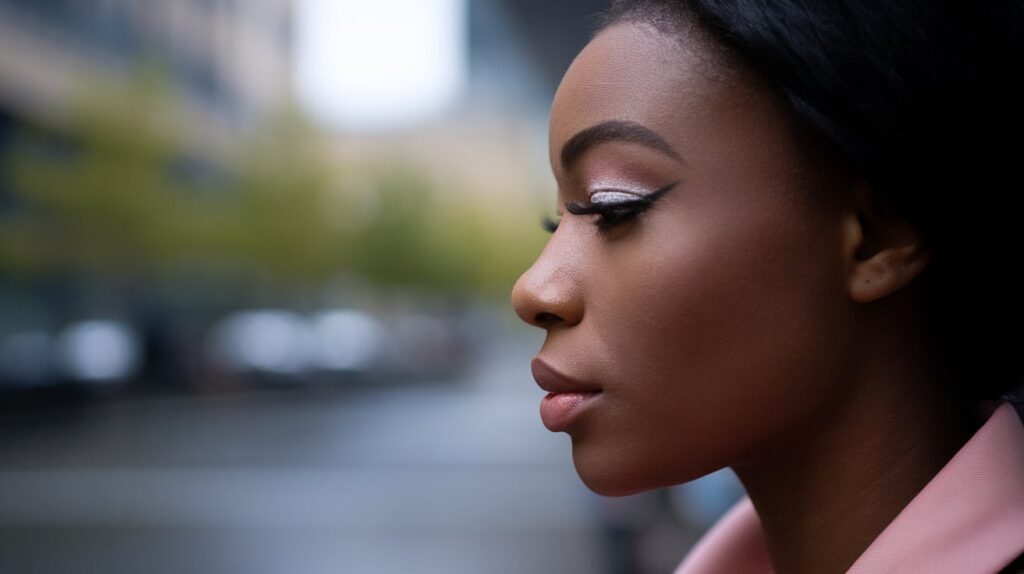
A successful morning routine flows logically from one step to the next without backtracking or waiting around. This systematic approach ensures you don’t forget crucial steps while maintaining efficiency.
The five-minute face for emergencies
Sometimes five minutes is all you have. Period. Your emergency routine should focus on the most impactful changes – evening skin tone, defining eyes, and adding color to lips.
Start with a tinted moisturizer or BB cream that combines skincare and coverage. Apply it with your hands, focusing on the center of your face where discoloration is usually most noticeable. Blend outward quickly – perfection isn’t the goal here.
Skip elaborate eye makeup. Instead, curl your lashes and apply one coat of mascara. Tight-line your upper lash line with a brown or black pencil for definition without obvious liner. This takes thirty seconds but makes eyes look more awake.
Add cream blush to the apples of your cheeks and blend upward toward your temples. Use the same product on your lips for a coordinated, pulled-together look. Set only the oiliest areas with powder if you have time.
Brows frame your entire face, so even in a rush, take ten seconds to brush them up and fill any sparse areas with a brow pencil or powder. This single step makes you look more polished than any other quick fix.
The fifteen-minute daily routine
With fifteen minutes, you can create a complete look that lasts through most daily activities. This routine forms your foundation for busier days.
After skin prep, apply foundation strategically. Focus on areas that need coverage rather than coating your entire face. The center of your face, around your nose, and any areas with hyperpigmentation usually need the most attention. Blend edges carefully to avoid obvious lines.
Concealer goes only where needed – under eyes, around nostrils, and on any blemishes your foundation didn’t cover. Set immediately with powder to prevent creasing. This targeted approach looks more natural and requires less blending time.
For eyes, stick to two eyeshadow shades maximum. Apply a neutral base close to your skin tone across the entire lid. Add a slightly darker shade to the outer corner and crease for dimension. Blend the edges with your finger – it’s faster than hunting for a clean brush.
Line only your upper lash line, keeping the line thin and close to lashes. Waterproof formulas prevent smudging but aren’t necessary if you set with matching eyeshadow. Curl lashes and apply mascara to top lashes only – bottom lashes can wait for special occasions.
Define your brows using short, hair-like strokes rather than filling in solid blocks of color. This technique looks more natural and is more forgiving of mistakes. Set with clear or tinted brow gel to keep hairs in place all day.
Building coverage throughout the day
Starting lighter and building coverage as needed prevents that heavy, cakey look by evening. Your morning application should be slightly less than what you think you need.
Pack a small touch-up kit with pressed powder, lipstick, and concealer. These three products can refresh your entire look in under two minutes. Blot oil with tissue before powdering to prevent buildup.
Mid-day touch-ups work better when you remove excess oil first. Blotting papers or even toilet seat covers absorb oil without disturbing makeup underneath. Then apply powder only where needed, using a pressing motion rather than sweeping.
If your foundation has oxidized or separated, don’t add more foundation on top. Instead, use a damp sponge to blend out patches and reactivate the product already on your skin. Follow with a light powder application to set everything back in place.
Customizing for your schedule
Your routine should flex with your daily demands. Monday’s important presentation might call for fuller coverage and defined eyes, while Friday’s casual office atmosphere allows for minimal makeup.
Create modular routines you can mix and match. Have a base routine that takes five minutes, an eye routine that adds three minutes, and a full lip routine that needs two minutes. Combine as time and occasion allow.
Batch similar tasks when possible. Do all cream products at once, then all powder products. This prevents having to clean brushes or switch between tools repeatedly. It also ensures each product type has time to set properly.
Consider your day’s checkpoints. If you have an afternoon meeting, plan for a lunch touch-up. If you’re going straight from work to dinner, pack products for transitioning your look. Thinking ahead prevents panic applications in poorly lit bathrooms.
Quick Fixes and Professional Tricks

Professional makeup artists know shortcuts that aren’t always obvious. These techniques solve common problems without requiring advanced skills or extra time.
Dealing with hyperpigmentation
Dark spots and uneven skin tone affect many Black women. Instead of layering foundation everywhere, target problem areas specifically. Color correcting before foundation uses less product and looks more natural.
Orange or peach correctors neutralize dark spots on deeper skin tones. Apply corrector only to the dark area, blend the edges, then apply foundation over it. This targeted approach prevents the mask-like effect of heavy foundation.
For stubborn spots, try the pinpoint concealing method. After your base makeup, use a small brush to apply concealer exactly on the spot, let it set for thirty seconds, then gently press the edges to blend. This technique provides maximum coverage with minimal product.
Regular exfoliation helps makeup apply more smoothly over textured areas. Chemical exfoliants work better than physical scrubs for hyperpigmentation-prone skin. Use them at night so your morning skin is already prepped.
Managing oily zones
The T-zone troubles plague many women, but darker skin often produces more oil in response to stripping products. Balance is key – control oil without triggering increased production.
Here’s how to manage oily areas without overdrying:
Morning Prep: Use a mattifying primer only in oily zones
Foundation Application: Apply less product to oily areas initially
Setting Strategy: Use loose powder on oily zones, pressed powder elsewhere
Midday Maintenance: Blot before powdering to prevent cake-up
Setting spray sounds counterintuitive for oily skin, but it actually helps. The spray melts powder and foundation together, creating a unified layer that resists oil breakthrough better than powder alone.
Enhancing your features quickly
Certain techniques instantly lift and define your features without complex contouring. Focus on light placement rather than shadow creation – it’s faster and more forgiving.
Apply highlighter to the center of your forehead, down the bridge of your nose, and on your chin. This creates the illusion of forward projection without actual contouring. The light-catching particles draw attention to the center of your face.
Lift your eyes by concentrating mascara on the outer corners of upper lashes, angling the wand upward as you apply. This creates a subtle cat-eye effect without liner.
Define your lips by overlining just the center of your upper lip, not the entire perimeter. This creates fullness where it’s most noticeable without the obvious overlining that looks unnatural in daylight.
Common mistakes that waste time
Certain habits actually slow you down despite seeming efficient. Pumping your mascara wand introduces air that makes product dry out faster and apply clumpily. Instead, swirl the wand inside the tube.
Applying too much product initially seems faster than building coverage, but it requires more blending time and often looks worse. Start with half what you think you need – you can always add more.
Using old or wrong tools sabotages your efforts. Dirty brushes don’t blend properly. Dried-out sponges absorb product instead of distributing it. The wrong shade of powder creates more problems than it solves.
Storing products improperly affects their performance. Cream products separate in heat. Powders harden from humidity. Keep your everyday products in a cool, dry place where you do your makeup.
Maintaining Your Look From Dawn to Dusk
The real test of any makeup routine is how it holds up through your actual day. Strategic choices during application and smart maintenance keep you looking fresh without constant touch-ups.
Setting techniques for longevity
Setting your makeup properly adds hours to its wear time. The technique matters as much as the products you use. Press powder into skin rather than sweeping it across. This locks foundation in place without disturbing the coverage you carefully created.
The sandwich method works especially well for oily skin. Apply a light layer of powder before foundation, then foundation, then another light powder layer. This creates a long-wearing barrier that resists oil and sweat.
Setting spray isn’t just a final step – use it between layers for extra hold. Spray after foundation but before powder, then again after all powder products. This layering approach creates multiple barriers against breakdown.
Pay special attention to areas that move frequently. Smile lines, the corners of your nose, and your chin experience more friction throughout the day. An extra bit of powder or setting spray in these zones prevents product migration.
Weather-proofing your makeup
Humidity, wind, and temperature changes challenge even the best makeup application. Adapting your routine to weather conditions prevents midday makeup meltdowns.
On humid days, use less cream product and more powder. Skip heavy moisturizers in favor of lightweight serums. Choose waterproof formulas for mascara and eyeliner, even if rain isn’t expected – humidity alone can cause smudging.
Cold, dry weather requires the opposite approach. Add an extra layer of moisturizer and use cream products that won’t crack or flake. Skip powder except where absolutely necessary. Carry a facial mist to refresh your skin without disturbing makeup.
Wind pulls moisture from your skin and can make powder products look chalky. Use cream formulas when possible and set with spray rather than powder. Apply a thin layer of clear lip balm over lipstick to prevent feathering.
Touch-up strategies
Strategic touch-ups maintain your look without building up product. The goal is refreshing, not reapplying everything from scratch.
Carry these essential touch-up items:
- Pressed powder compact with mirror
- Mini concealer for spot coverage
- Lipstick or tinted balm
- Travel-size setting spray
- Blotting papers or tissues
Before adding any product, remove excess oil and blend out any separated areas. A clean finger can blend out creased concealer. A dry sponge can smooth patchy foundation.
Focus touch-ups on the center of your face where makeup tends to break down first. The perimeter usually stays intact longer, so avoid adding product there unless necessary.
If your makeup has completely broken down in one area, remove it entirely with a makeup wipe rather than layering more product on top. Reapply fresh product to the clean area and blend edges carefully.
Transitioning from day to evening
Transforming your daytime look for evening events doesn’t require starting over. Strategic additions and adjustments create drama without the time investment.
Deepen your existing eye makeup by adding a darker shade to the outer corner and lower lash line. Use your finger to apply and blend – it’s faster and the warmth helps product meld with what’s already there.
Transform your nude lip into an evening look by adding a deeper shade just to the center of your lips, then pressing them together to blend. This creates dimension without the precision required for a full lip reapplication.
Add glow strategically. Apply highlighter to collarbones and shoulders if they’ll be exposed. Refresh the highlighter on your face, focusing on the highest points where light naturally hits.
Set everything with spray rather than adding more powder. Evening lighting is generally more forgiving, and the dewy finish from setting spray looks more youthful and fresh than matte powder.
Time Is on Your Side
Mastering an efficient makeup routine transforms hectic mornings into manageable ones. The key isn’t about having more time – it’s about using the time you have more effectively. With the right products, techniques, and strategies tailored specifically for your skin’s needs, you can achieve a polished look that enhances your natural beauty without sacrificing precious minutes.
The beauty of a streamlined routine is its flexibility. Once you master the basics, you can adjust based on your daily needs without starting from scratch. Some days call for just mascara and lip gloss, while others deserve the full treatment. Either way, you have the knowledge and skills to look exactly how you want without the stress of complicated tutorials or unsuitable products. Your makeup should work as hard as you do, lasting through whatever challenges your day brings while still looking fresh and intentional.
Frequently Asked Questions
Q: What’s the best foundation formula for Black skin that tends to get oily?
A: Look for oil-free, long-wearing foundations with a matte or semi-matte finish. Water-based formulas work better than oil-based ones. Brands that specifically formulate for deeper skin tones often have better oxidation resistance, preventing that orange or gray cast that appears after a few hours.
Q: How can I prevent my concealer from looking ashy under my eyes?
A: Choose concealers with warm or golden undertones rather than pink-based ones. Go only one to two shades lighter than your skin tone, not more. Mix concealer with a tiny drop of facial oil or orange corrector if it still appears ashy. Always set with a banana or yellow-toned powder instead of translucent.
Q: Which setting spray actually works for keeping makeup fresh all day?
A: Look for setting sprays with alcohol as one of the first ingredients – this helps the product dry down and lock makeup in place. Apply in an X and T motion across your face, hold the bottle 8 inches away, and let it dry naturally without fanning. Urban Decay All Nighter and NYX Matte Finish are particularly effective for long wear.
Q: Should I use different makeup products in summer versus winter?
A: Yes, seasonal adjustments help your makeup perform better. Summer calls for mattifying primers, waterproof formulas, and lighter coverage that won’t melt. Winter needs hydrating primers, cream products that won’t crack, and richer formulas that protect against dry air. Keep your core products but swap primers and moisturizers seasonally.
Q: What’s the fastest way to cover dark spots without looking cakey?
A: Use color correcting before foundation – orange or red correctors work best on deeper skin tones. Apply corrector only to the dark spot, let it set for 30 seconds, then apply foundation over your entire face. This uses less product than layering foundation and concealer repeatedly.
Q: How do I keep my edges laid while wearing makeup?
A: Apply edge control before starting your makeup routine so it has time to dry completely. Use a small amount of setting spray on a clean toothbrush for touch-ups throughout the day. Avoid getting foundation or powder on your edges – use a small brush for precise application near your hairline.
Q: Can I really skip primer if I’m in a rush?
A: While primer isn’t absolutely essential, it significantly extends wear time and creates a smoother finish. If you must skip it, at least use a mattifying moisturizer in oily areas. On days when you skip primer, expect to do more touch-ups and carry powder for midday maintenance.
Q: What’s the best way to make drugstore makeup work for professional settings?
A: Focus your investment on base products like foundation and concealer, then supplement with drugstore items for color products. Good application techniques matter more than price tags. Set everything properly with powder and spray, and no one will know whether your products cost $5 or $50.

