

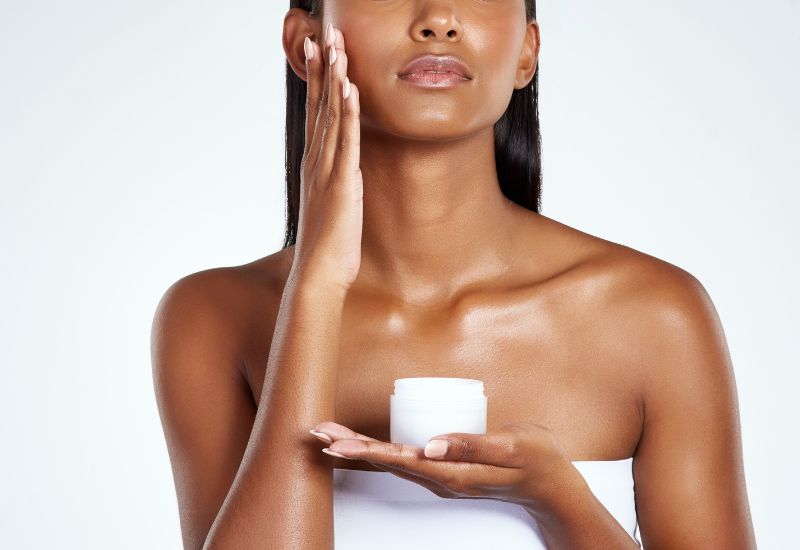
Looking in the mirror each morning, you might notice those tiny lines around your eyes getting deeper or your skin losing that natural glow it once had. These subtle changes happen so gradually that you barely register them until one day, you realize your face tells a different story than you feel inside. The good news? One simple morning ritual can dramatically slow down and even reverse many visible signs of aging.
Your morning routine sets the tone for how your skin behaves throughout the entire day. While you sleep, your body loses moisture through breathing and natural perspiration, leaving skin cells dehydrated and less plump by morning. This daily dehydration cycle accelerates the formation of wrinkles and dullness that add years to your appearance. The solution lies not in expensive serums or complicated treatments, but in something far simpler and more accessible.
Starting your day with proper hydration – specifically drinking water in a strategic way – can transform your skin from the inside out. This isn’t just about drinking any glass of water; it’s about the timing, temperature, and quantity that create optimal conditions for cellular renewal. The following sections will show you exactly how this affordable habit can help you achieve skin that looks years younger, why it outperforms many expensive alternatives, and practical ways to incorporate it into your daily life for lasting results.
What Makes Morning Hydration Your Skin’s Best Friend
Your skin undergoes significant moisture loss during sleep, with the average person losing about one liter of water through breathing and perspiration over eight hours. This overnight dehydration shows up as morning puffiness, pronounced wrinkles, and a dull complexion that can add years to your appearance. The first thing your skin cells need after this nightly drought is replenishment, which explains why strategic morning hydration creates such dramatic improvements in how young you look.
How dehydration ages your face overnight
During sleep, your body prioritizes vital organs for hydration, often leaving skin cells with minimal moisture reserves. This process causes the skin’s outer layer to shrink slightly, making fine lines more visible and creating that tight, uncomfortable feeling many women experience upon waking. The lack of moisture also slows down the skin’s natural exfoliation process, allowing dead cells to accumulate on the surface and create a dull, aged appearance.
Blood flow to the skin decreases significantly during dehydration, reducing the delivery of nutrients and oxygen that keep cells functioning optimally. This reduction in circulation contributes to dark circles, uneven skin tone, and the loss of that healthy pink undertone associated with youthful skin. Without adequate hydration first thing in the morning, these effects compound day after day, accelerating the visible aging process.
The science behind morning water absorption
Your digestive system operates most efficiently in the morning after its overnight rest, making this the ideal time for maximum water absorption. Research shows that drinking water on an empty stomach leads to faster absorption rates, with the liquid reaching your bloodstream and subsequently your skin cells within minutes rather than hours. This rapid absorption means your skin gets hydrated before you even finish getting ready for the day.
The morning also coincides with your body’s natural cortisol peak, which affects how efficiently cells utilize water. When you drink water during this hormonal window, your cells are primed to absorb and retain moisture more effectively than at other times of the day. This biological timing creates an opportunity to maximize the anti-aging benefits of hydration with minimal effort.
Temperature plays a crucial role in absorption rates too. Room temperature or slightly warm water absorbs faster than cold water, as your body doesn’t need to expend energy warming it to body temperature first. This faster absorption means quicker delivery of hydration to where it’s needed most – those thirsty skin cells that have been waiting all night for replenishment.
Why timing matters for cellular repair
Your skin’s cellular repair mechanisms are most active in the early morning hours, having worked throughout the night to fix damage from the previous day. Providing water at this crucial time supports these repair processes, allowing cells to complete their renewal cycle more effectively. Think of it as giving your skin the raw materials it needs right when it’s ready to use them for reconstruction.
The production of new collagen and elastin – proteins responsible for skin firmness and elasticity – requires adequate hydration to proceed efficiently. Morning water consumption jumpstarts this production process, helping maintain the structural integrity that keeps skin looking plump and youthful. Without this early hydration boost, collagen synthesis slows down, leading to faster development of sagging and wrinkles.
Additionally, proper morning hydration activates your lymphatic system, which removes toxins and reduces facial puffiness. This detoxification process is most effective when supported by adequate water intake immediately upon waking, helping flush out accumulated waste products that can make skin appear tired and aged.
Signs you’re not drinking enough water
Recognizing dehydration signs helps you understand when your skin needs more moisture support. The most obvious indicator appears as increased visibility of fine lines, particularly around the eyes and mouth where skin is thinnest. These lines may seem to disappear or soften significantly within an hour of proper hydration, demonstrating the direct connection between water intake and wrinkle appearance.
Another telltale sign shows up as slow skin recovery when you gently pinch the back of your hand. Well-hydrated skin snaps back immediately, while dehydrated skin takes several seconds to return to its normal position. This simple test, known as skin turgor, provides instant feedback about your hydration status and its impact on skin elasticity.
Morning headaches, dry lips, and a white coating on your tongue all indicate overnight dehydration that’s affecting your entire body, including your skin. Dark, concentrated urine first thing in the morning suggests your body has been conserving water overnight, leaving less available for maintaining healthy skin function.
Pay attention to how your makeup applies in the morning too. Foundation that looks patchy, settles into lines, or doesn’t blend smoothly often indicates dehydrated skin that can’t provide a smooth canvas. Many women blame their makeup products when the real culprit is insufficient hydration affecting their skin’s texture and appearance.
How to Maximize Your Morning Water Routine
Creating an effective morning water routine involves more than simply drinking a glass when you wake up. The specific approach you take – from temperature selection to ingredient additions – determines whether you’re getting maximum anti-aging benefits or just basic hydration.
The optimal temperature for skin benefits
Room temperature water, specifically between 68-72°F (20-22°C), provides the ideal balance for skin hydration. At this temperature, your body can immediately utilize the water without expending energy on temperature regulation, allowing faster delivery to skin cells. This immediate availability means you’ll see improvements in skin plumpness and texture within just 30 minutes of drinking.
Slightly warm water, around body temperature (98°F/37°C), offers additional benefits by improving circulation to the skin’s surface. This gentle warmth dilates blood vessels slightly, enhancing nutrient delivery and giving skin that healthy, youthful flush. The warmth also helps dissolve any beneficial additions you might include, such as lemon juice or minerals, making them more bioavailable.
Cold water, while refreshing, actually slows absorption and can shock your digestive system first thing in the morning. Your body must work to warm cold water to body temperature before it can be properly absorbed, delaying the hydration benefits your skin desperately needs after a night of moisture loss. Save the ice-cold water for later in the day when your system is fully active.
Some women find that starting with warm water and gradually transitioning to room temperature throughout their morning routine provides both comfort and optimal hydration. This approach respects your body’s natural warming process while ensuring efficient water utilization for skin health.
Adding ingredients that boost collagen
While plain water provides excellent hydration, certain additions can enhance its skin-rejuvenating properties significantly. Fresh lemon juice, rich in vitamin C, supports collagen synthesis when consumed in morning water. Just half a lemon squeezed into your morning glass provides enough vitamin C to kickstart your skin’s collagen production for the day. However, wait 30 minutes before eating to protect tooth enamel from the acid.
Here are powerful ingredients to enhance your morning water:
Sea Salt: A pinch of high-quality sea salt adds trace minerals that improve cellular water retention
Cucumber Slices: Provides silica, a mineral essential for skin elasticity and strength
Fresh Ginger: Improves circulation and adds anti-inflammatory properties that reduce puffiness
Chia Seeds: Pre-soaked seeds add omega-3 fatty acids that support skin barrier function
Avoid adding sugar or artificial sweeteners, which can trigger inflammation and glycation – a process that damages collagen and accelerates aging. If you need flavor enhancement, try fresh mint leaves or a splash of pure pomegranate juice, both of which provide antioxidants without the negative effects of processed sugars.
When to drink for best results
The golden window for morning hydration begins the moment you wake up and extends for the first 30 minutes. During this time, your stomach is empty and your digestive system is primed for maximum absorption. Drinking 16-20 ounces during this period ensures adequate hydration reaches your skin cells before other activities compete for your body’s resources.
Wait at least 30 minutes after your morning water before consuming coffee or tea. Caffeine has mild diuretic properties that can counteract your hydration efforts if consumed too soon. This waiting period also allows the water to be fully absorbed and distributed throughout your body, including to your skin, before any potential interference.
Space additional water intake throughout the morning rather than drinking large amounts at once. Your body can only process about 8 ounces effectively every 20 minutes, so gulping down excessive amounts won’t provide additional skin benefits and might cause discomfort. A steady, measured approach ensures continuous hydration support for your skin throughout the morning hours.
If you exercise in the morning, drink your initial water 30 minutes before working out, then follow up with another 8-12 ounces afterward. Exercise increases blood flow to the skin, and having adequate hydration during this time maximizes nutrient delivery and toxin removal, enhancing that post-workout glow.
Common mistakes that reduce effectiveness
Many women unknowingly sabotage their morning hydration efforts through well-intentioned but counterproductive habits. Brushing teeth immediately before drinking water introduces fluoride and other chemicals that can interfere with optimal absorption. Instead, drink your water first, then wait 15-20 minutes before brushing to maintain the benefits while protecting oral health.
Using plastic bottles, especially those exposed to heat or sunlight, can introduce chemicals that promote inflammation and oxidative stress in skin cells. Glass or stainless steel containers preserve water purity and prevent exposure to hormone-disrupting compounds that accelerate aging. If you must use plastic, choose BPA-free options and never reuse single-use bottles.
Drinking water that’s too hot can damage the delicate tissues in your mouth and esophagus, triggering an inflammatory response that affects your entire body, including your skin. Keep water temperature below 140°F (60°C) to avoid this risk while still gaining the benefits of warm water consumption.
Another common error involves replacing morning water with other beverages like juice or smoothies. While these drinks contain water, they also require digestion, which slows absorption and reduces the immediate hydration benefit your skin needs. Pure water should always come first, with other beverages following at least 30 minutes later.
Neglecting mineral balance represents perhaps the biggest mistake in morning hydration. Drinking large amounts of pure water without adequate minerals can actually flush important electrolytes from your system, leaving skin cells unable to maintain proper hydration levels. Adding a tiny pinch of sea salt or taking mineral supplements ensures your cells can actually retain and use the water you’re drinking.
Why This Habit Works Better Than Expensive Creams
The beauty industry promotes countless products promising younger-looking skin, yet the most fundamental approach – internal hydration – often gets overlooked. Understanding why morning water consumption outperforms many topical treatments helps you make informed decisions about your anti-aging strategy.
Cost comparison with skincare products
A high-quality anti-aging serum typically costs between $50-$200 per ounce and lasts about one month with daily use. Over a year, this adds up to $600-$2,400 for just one product, and most skincare routines involve multiple items. In contrast, drinking adequate water costs less than $2 per month, even if you choose filtered or bottled options. This dramatic price difference means you could hydrate properly for a lifetime for less than the cost of a few months of premium skincare.
The financial advantage becomes even more apparent when considering that many expensive creams contain up to 70% water as their base ingredient. Essentially, you’re paying premium prices for water mixed with other ingredients, many of which can’t penetrate deeply enough to create lasting change. By drinking water, you’re delivering hydration directly where cells need it most, without the markup for fancy packaging and marketing.
Consider too that topical products require constant repurchasing and often become less effective over time as skin builds tolerance. Water consumption, however, continues providing consistent benefits without any adaptation period or decreased effectiveness. Your cells will always need and respond to proper hydration, making this investment in your appearance truly sustainable.
Internal versus external hydration
Topical moisturizers work by creating a barrier on your skin’s surface that prevents water loss, but they can’t add water to dehydrated cells deep within the skin structure. These products sit on the outermost layer, the stratum corneum, which consists primarily of dead cells. While this can temporarily improve appearance, it doesn’t address the root cause of aging signs, which originate in the living cell layers beneath.
When you drink water, it enters your bloodstream and gets delivered to the dermis – the skin layer where collagen and elastin production occurs. This internal approach ensures hydration reaches the living cells responsible for generating new, healthy skin tissue. The dermis contains about 70% of your skin’s water content, and maintaining this percentage is crucial for preserving youthful appearance and function.
External products also can’t replicate water’s role in facilitating cellular processes. Every chemical reaction in your skin cells requires water as a medium, from building proteins to eliminating waste products. No topical cream can substitute for this fundamental requirement, regardless of its price or ingredient list. Think of it this way: you’re watering the plant at its roots rather than just misting its leaves.
The protective barrier that keeps harmful substances out of your skin also limits what beneficial ingredients can enter. Most molecules in skincare products are too large to penetrate this barrier effectively. Water consumed internally bypasses this limitation entirely, reaching every skin cell through your circulatory system. This comprehensive distribution ensures uniform hydration rather than the patchy results often seen with topical applications.
Long-term results people experience
Women who commit to strategic morning hydration consistently report visible improvements within the first two weeks. Initial changes include reduced morning puffiness, softer appearance of fine lines, and an overall brightness that makeup can’t replicate. These early results occur as cells reestablish optimal hydration levels and begin functioning more efficiently.
After one month of consistent morning hydration, deeper changes become apparent. The skin develops a subtle plumpness that wasn’t there before, creating a more youthful facial contour. Dark circles lighten as improved circulation delivers more oxygen to the delicate under-eye area. Many women notice their foundation goes on more smoothly and requires less product to achieve coverage, indicating improved skin texture and tone.
Three months into this routine, the cumulative benefits become undeniable. Photographs from before starting the habit reveal a marked difference in overall skin quality. The improvements aren’t just in hydration – skin appears firmer, more elastic, and has that difficult-to-define quality of looking “healthy.” These changes reflect genuine cellular improvement rather than temporary surface effects.
Long-term practitioners, those maintaining this habit for a year or more, often find they can reduce or eliminate certain skincare products from their routine. The need for heavy moisturizers decreases as internal hydration maintains the skin’s moisture balance naturally. Some women report looking better at 40 or 50 than they did at 30, simply by maintaining consistent morning hydration along with other healthy habits.
What dermatologists say about water
Leading dermatologists increasingly emphasize hydration as the foundation of any effective anti-aging strategy. They point out that even the most advanced treatments, from retinoids to laser therapy, work better when skin is properly hydrated. Dehydrated skin responds poorly to treatments and takes longer to heal, making adequate water intake essential for anyone serious about skin health.
Medical professionals note that chronic mild dehydration, which affects most adults, accelerates every aspect of skin aging. From decreased cell turnover to impaired barrier function, insufficient water intake creates an environment where aging signs develop more quickly and become more pronounced. They see this pattern repeatedly in their practices – patients with the best skin consistently maintain superior hydration habits.
Dermatologists also highlight that water consumption supports the skin’s natural protective mechanisms. Adequate hydration maintains the acid mantle, a slightly acidic film on the skin’s surface that prevents bacterial growth and maintains barrier integrity. This natural defense system works more effectively than many expensive products designed to achieve similar protection.
Research published in dermatological journals confirms what practitioners observe clinically: subjects who increase water intake show measurable improvements in skin physiology. These studies document increased skin thickness, improved elasticity, and enhanced barrier function – all markers of younger-looking skin. The scientific evidence supporting internal hydration continues to grow, validating what many women have discovered through personal experience.
The Visible Changes You’ll Notice This Year
Tracking your skin’s transformation through consistent morning hydration reveals a predictable pattern of improvements that build upon each other over time. Understanding this timeline helps you stay motivated during the initial adjustment period and recognize the subtle changes that indicate your skin is responding positively.
Week one improvements
The first seven days of strategic morning hydration bring surprisingly quick wins that encourage continued commitment. Within 24-48 hours, you’ll notice your lips feel less dry and chapped, requiring less frequent balm application. This early change indicates your body is beginning to redistribute water more effectively to all tissues, including the delicate lip area.
By day three or four, morning facial puffiness starts diminishing noticeably. Your face appears less swollen around the eyes and jawline, creating more defined features without any other intervention. This reduction happens as improved hydration helps your lymphatic system work more efficiently, clearing excess fluid that accumulates overnight.
Around day five, skin texture begins shifting subtly. Running your fingers across your cheeks reveals a smoother surface with less rough patches. This improvement occurs as proper hydration allows dead skin cells to shed more naturally rather than clumping together on the surface. Your regular skincare products may suddenly seem to work better, absorbing more easily into properly hydrated skin.
The end of week one often brings an unexpected benefit: improved sleep quality. Proper hydration throughout the day, started with your morning routine, helps regulate body temperature and reduces nighttime awakenings for water. Better sleep immediately shows on your face as reduced dark circles and a more refreshed appearance each morning.
Month one transformations
After thirty days of consistent morning hydration, the changes become obvious enough that others start noticing. Comments about looking “refreshed” or “glowing” become more frequent, even when you’re wearing minimal makeup. This external validation confirms what you’ve been observing in the mirror – genuine improvement in your skin’s appearance.
Fine lines, particularly those around your eyes and mouth, appear significantly softened. While they haven’t disappeared entirely, their depth and prominence have reduced enough to make a visible difference. This softening occurs as plump, hydrated skin cells push up from beneath, creating a natural filling effect that no topical product can match.
Your skin tone shows marked improvement by the one-month mark. Redness decreases, dark spots appear lighter, and that overall evenness you’ve been seeking starts emerging. Improved circulation from consistent hydration brings fresh nutrients to skin cells while removing waste products more efficiently, resulting in clearer, more uniform coloration.
The texture improvements that started in week one have now progressed to a noticeable smoothness across your entire face. Makeup application becomes a pleasure rather than a challenge, with foundation gliding on effortlessly and staying put throughout the day. Some women find they can switch to lighter coverage or tinted moisturizer instead of full foundation, as their improved skin needs less camouflage.
Three-month skin renewal
At the three-month milestone, you’re seeing the results of a complete skin cell turnover cycle supported by optimal hydration. Your skin has had time to generate entirely new cells under improved conditions, and the difference is remarkable. The mirror reflects skin that looks genuinely younger, not just temporarily improved.
The structural improvements become evident at this stage. Your face appears more lifted and contoured, as properly hydrated skin maintains better elasticity and firmness. Jowls seem less pronounced, cheeks appear higher, and the overall facial architecture looks more youthful. These changes result from sustained support for collagen and elastin production through consistent hydration.
Persistent skin issues that seemed unrelated to hydration often show improvement by month three:
Reduced Breakouts: Properly hydrated skin produces less excess oil, reducing clogged pores
Smaller Pores: Adequate moisture helps maintain pore elasticity, preventing enlargement
Fewer Age Spots: Improved cell turnover helps fade hyperpigmentation more quickly
Diminished Rosacea: Better circulation and reduced inflammation calm reactive skin
Softer Expression Lines: Consistent hydration prevents lines from deepening further
Friends and family who haven’t seen you recently often comment on how well you look, sometimes asking if you’ve had “work done” or started a new treatment. This reaction validates that the changes aren’t just in your imagination – you’ve achieved visible rejuvenation through the simple act of proper morning hydration.
Maintaining your results
Sustaining the improvements you’ve achieved requires less effort than you might expect. Once your body adapts to proper hydration levels, maintaining them becomes second nature. Your natural thirst signals become more accurate, prompting you to drink before dehydration affects your skin. This biological recalibration helps you maintain results without constant vigilance.
Seasonal adjustments ensure year-round benefits. Winter heating and summer air conditioning both increase water needs, so adding an extra 4-8 ounces to your morning routine during these seasons helps maintain optimal skin hydration. Travel, illness, and stress also temporarily increase hydration requirements, making flexibility in your routine important for consistent results.
After six months, many women notice their skin seems to have “reset” to a younger baseline. Instead of fighting to maintain status quo, you’re now preserving genuinely improved skin. This shift means that occasional lapses in your routine don’t immediately erase all progress – your skin maintains better resilience and recovers more quickly from temporary dehydration.
Documentation through monthly photos helps you appreciate the gradual but significant changes. Taking pictures in the same lighting each month creates a visual record that reveals improvements you might otherwise miss in daily observation. These photos also serve as motivation during any periods when commitment wavers, reminding you how far you’ve come through such a simple daily practice.
How to Make This Habit Stick
Creating lasting change requires more than good intentions – it demands practical strategies that fit seamlessly into your existing life. The key to making morning hydration automatic lies in removing barriers and creating systems that work with your natural rhythms.
Setting up your morning routine
Your environment plays a crucial role in habit formation. Place a glass or water bottle on your nightstand before bed each night, making it impossible to forget your morning hydration. This visual cue triggers the behavior immediately upon waking, before other thoughts or activities can interfere. Choose a beautiful glass or special bottle that makes the experience feel intentional rather than obligatory.
Create a specific sequence that links hydration to existing morning activities. For example: wake up, drink water, then check your phone. Or: drink water, then use the bathroom, then start coffee. This linking technique, called habit stacking, leverages established behaviors to support new ones. Your brain begins associating these activities, making the water consumption feel like a natural part of your morning flow.
Preparation the night before eliminates morning decisions that could derail your routine. Fill your water container, add any supplements or lemon slices, and place everything within arm’s reach of your bed. Some women keep a second prepared bottle in the bathroom for immediate consumption after their morning bathroom visit. This redundancy ensures success even on groggy mornings when motivation runs low.
Temperature preferences matter more than you might think for consistency. If you prefer warm water but don’t want to wait for heating, invest in a small bedside kettle that you can start immediately upon waking. If room temperature works best, a ceramic or glass container maintains ideal temperature overnight better than metal. Making the experience pleasant increases your likelihood of maintaining the practice.
Consider your wake-up time realistically when designing your routine. If you’re always rushed in the morning, trying to add a 20-minute hydration ritual will fail. Instead, plan for what you can actually achieve – even five minutes of mindful hydration beats skipping it entirely. Adjust your approach based on weekdays versus weekends, creating variations that maintain the core habit while accommodating schedule differences.
Tracking your progress
Monitoring your hydration habit provides both accountability and motivation. A simple calendar hung in your bathroom where you check off each successful morning creates a visual chain you won’t want to break. After several weeks of checkmarks, the psychological pull to maintain your streak becomes a powerful motivator.
Photograph your skin weekly in consistent lighting to document changes objectively. Use natural light from the same window, at the same time of day, with no makeup. These photos reveal gradual improvements your daily observation might miss. Create a dedicated album on your phone for easy comparison and encouragement during challenging periods.
Notice and record non-visual improvements too. Keep brief notes about energy levels, makeup application ease, or compliments received. These observations provide motivation beyond appearance and help you connect the habit to overall wellbeing. A simple notebook by your bedside works perfectly for quick morning reflections.
Apps designed for habit tracking can gamify your hydration routine if you respond well to digital motivation. Set a simple daily reminder and log completion with one tap. Many apps provide statistics, streaks, and achievements that satisfy the desire for measurable progress. However, don’t let technology complications derail a simple habit – choose the tracking method that feels easiest and most natural for you.
Dealing with common obstacles
Travel presents the most frequent challenge to morning hydration routines. Pack a collapsible water bottle in your carry-on and fill it after security for immediate access upon landing. In hotels, use the coffee maker to heat water if you prefer it warm, or request extra bottles from housekeeping to keep bedside. Maintain the habit even if the specifics change – consistency matters more than perfection.
Illness or medication changes can temporarily affect your hydration needs or preferences. During these times, modify rather than abandon your routine. If plain water causes nausea, try adding fresh ginger or switching to herbal tea temporarily. The goal is maintaining some form of morning hydration rather than achieving a perfect routine every single day.
Social situations like staying at someone’s home or early morning appointments can disrupt established patterns. Prepare by keeping water in your car, bag, or anywhere you might need it. Even drinking water during your commute maintains the habit’s essence if you can’t manage it immediately upon waking.
Forgetfulness happens to everyone occasionally. Rather than viewing a missed day as failure, treat it as data about what circumstances lead to lapses. Did you forget to prepare the night before? Was your morning unusually hectic? Understanding why you missed helps you create backup systems that prevent future occurrences without self-judgment or giving up entirely.
Building on your success
Once morning hydration becomes automatic, usually after 60-90 days, you can enhance the practice for additional benefits. Adding a brief gratitude practice while drinking your water combines mental and physical health benefits. Simply thinking of three things you appreciate while hydrating starts your day with positivity while supporting your skin.
Expand your hydration awareness throughout the day without overwhelming yourself. Notice how your skin looks and feels at different hydration levels. This awareness naturally leads to better water consumption patterns all day long, multiplying the anti-aging benefits you’re already experiencing from your morning routine.
Use your success with morning hydration as a foundation for other health habits. The confidence gained from maintaining one simple practice often catalyzes broader lifestyle improvements. Perhaps you add a five-minute morning stretch routine or begin eating breakfast regularly. Each positive change supports the others, creating an upward spiral of health and appearance benefits.
Share your experience with others who might benefit. Teaching someone else about strategic morning hydration reinforces your own commitment while helping another person discover this simple anti-aging strategy. However, avoid becoming preachy – let your glowing skin speak for itself, and share details only when asked.
Consider seasonal enhancements to maintain interest and maximize benefits. Summer might include cucumber or fresh berries in your water, while winter could feature warming additions like cinnamon or turmeric. These variations prevent boredom while potentially adding complementary nutrients that support skin health. The core habit remains consistent, but small modifications keep it fresh and enjoyable.
Your Skin’s Natural Fountain of Youth
The transformative power of morning hydration extends far beyond simple moisture replenishment. By committing to this strategic approach to drinking water, you’re activating your body’s inherent ability to maintain and restore youthful-looking skin. The beauty of this method lies not just in its simplicity but in its compounding effects – each day of proper hydration builds upon the last, creating improvements that become more pronounced over time.
Starting tomorrow morning with intentional hydration sets in motion a cascade of cellular benefits that expensive creams and treatments struggle to match. Your skin already knows how to look its best; it simply needs the right support to perform optimally. This fundamental shift from external treatments to internal nourishment represents a sustainable, affordable approach to anti-aging that works with your body’s natural processes rather than against them. The journey to younger-looking skin begins with that first glass of morning water – a simple action with remarkably powerful results.
Frequently Asked Questions
Q: How much water should I drink first thing in the morning for anti-aging benefits?
A: Start with 16-20 ounces of room temperature water within the first 30 minutes of waking. This amount provides optimal hydration without overwhelming your system, giving your skin cells the moisture they need after overnight dehydration.
Q: Can I add coffee to my morning hydration routine?
A: Wait at least 30 minutes after drinking your morning water before having coffee. Caffeine has mild diuretic properties that can interfere with hydration absorption if consumed too soon, reducing the anti-aging benefits for your skin.
Q: Will I see results if I only drink water in the morning but not throughout the day?
A: Morning hydration provides significant benefits on its own, but maintaining adequate water intake throughout the day maximizes anti-aging effects. Your morning routine jumpstarts the process, while continued hydration sustains cellular health and skin appearance.
Q: What if I don’t like plain water first thing in the morning?
A: Add fresh lemon juice, cucumber slices, or a tiny pinch of sea salt to enhance flavor and provide additional skin benefits. Avoid sugar or artificial sweeteners, which can trigger inflammation and reduce the anti-aging effects.
Q: How long before I notice visible changes in my skin?
A: Most women see initial improvements within the first week, including reduced puffiness and softer lips. More significant changes like diminished fine lines and improved skin texture typically become noticeable after 30 days of consistent morning hydration.
Q: Should I use hot or cold water for maximum skin benefits?
A: Room temperature or slightly warm water (68-98°F) provides optimal absorption and skin benefits. Cold water slows absorption while very hot water can cause inflammation, both reducing the anti-aging effects you’re seeking.
Q: Can morning hydration replace my expensive anti-aging skincare routine?
A: While proper hydration dramatically improves skin appearance and can reduce the need for heavy moisturizers, it works best alongside a basic skincare routine including sun protection. Many women find they need fewer products once their skin is properly hydrated from within.

