

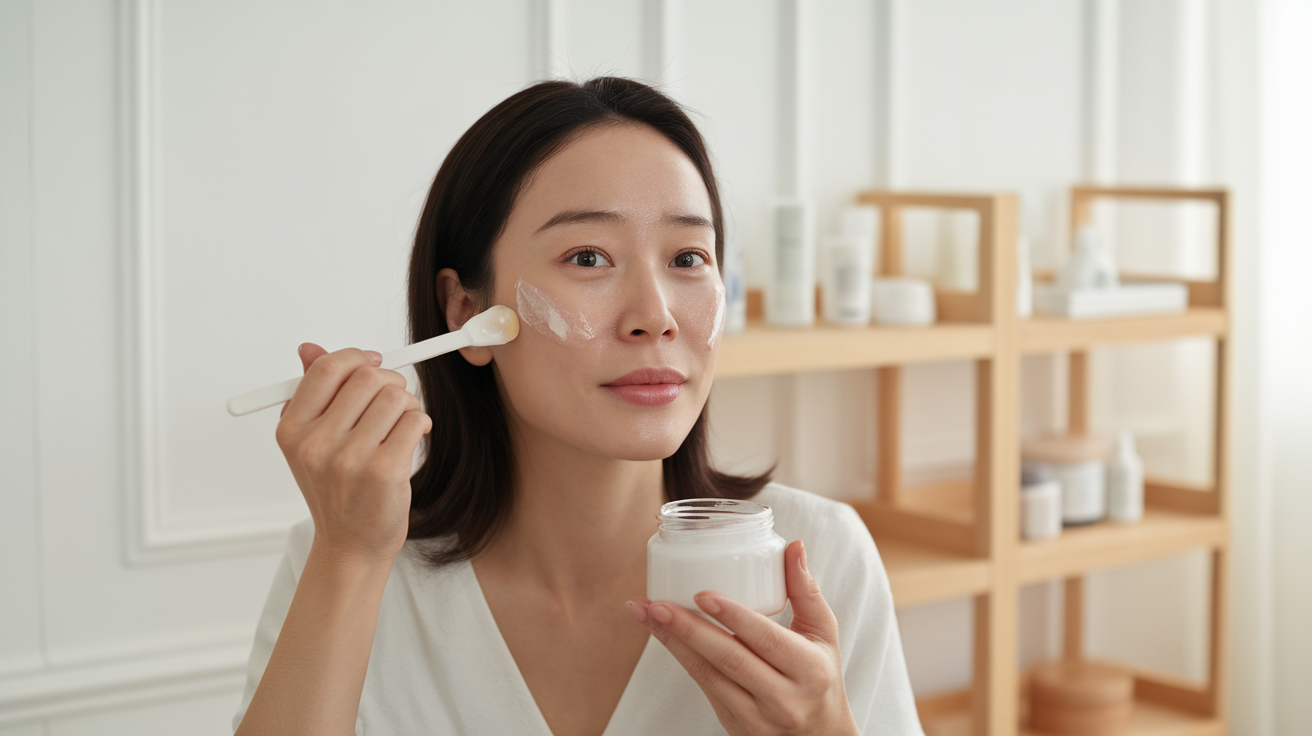
Korean skincare has revolutionized beauty routines worldwide, and one particular technique has caught the attention of women seeking radiant, hydrated skin. The practice of “slugging” combines traditional Korean beauty wisdom with a surprisingly simple ingredient found in most medicine cabinets – petroleum jelly or Vaseline. This method involves applying a thin layer of occlusive product as the final step in your nighttime routine, creating a protective barrier that seals in all your skincare products while you sleep.
The transformation this technique delivers has made it a viral sensation, with women reporting smoother texture, reduced fine lines, and an enviable morning glow. Unlike many complicated beauty trends, slugging requires minimal investment and effort while delivering maximum hydration results. The science behind it is straightforward – by creating an occlusive seal over your skin, you prevent transepidermal water loss, allowing your skin to repair and rejuvenate itself overnight.
In the following sections, you’ll discover exactly how this Korean-inspired ritual works, which skin types benefit most, and the precise steps to incorporate slugging into your routine. You’ll also learn common mistakes that can sabotage your results and ways to customize this technique for your specific needs throughout the year.
What Is Korean Skincare Slugging and Why Does It Work?
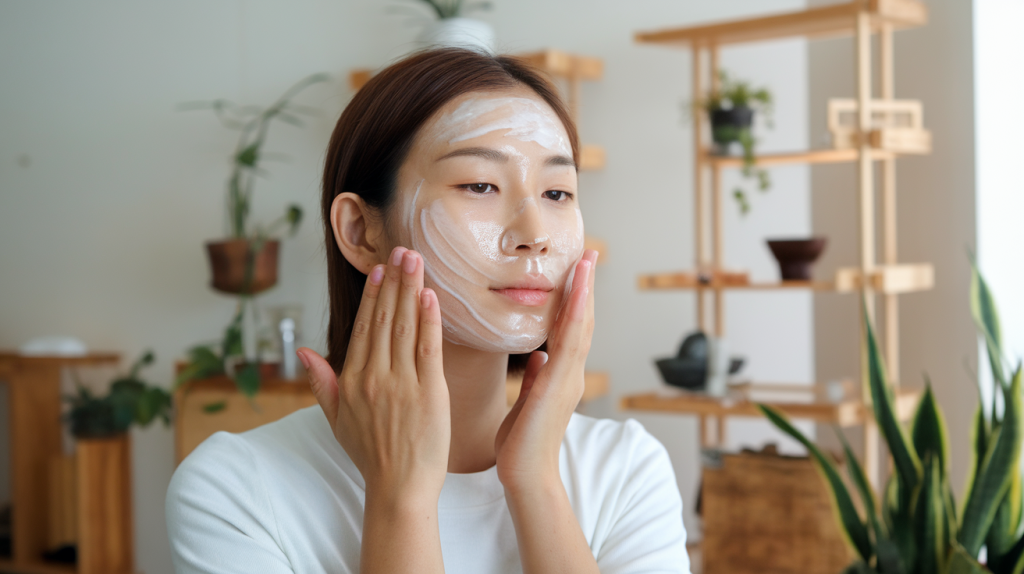
The concept of slugging might sound strange at first, but Korean women have understood the power of occlusive barriers for decades. This technique gets its name from the dewy, glossy appearance your skin takes on after application – similar to a slug’s shiny trail. While the name might not sound glamorous, the results speak for themselves.
The science behind occlusive barriers
Your skin constantly loses water through a process called transepidermal water loss (TEWL). Throughout the day and night, moisture evaporates from your skin’s surface, potentially leading to dryness, irritation, and premature aging. Occlusive ingredients create a physical barrier on your skin that dramatically reduces this water loss. Scientific studies show that petroleum jelly can reduce TEWL by up to 98%, making it one of the most effective occlusive ingredients available.
The molecular structure of petroleum jelly is too large to penetrate your pores, which means it sits on top of your skin rather than absorbing into it. This characteristic makes it ideal for sealing in the beneficial ingredients from your serums, moisturizers, and treatments applied beforehand.
How Vaseline locks in moisture
When you apply petroleum jelly as the final step in your routine, it acts like a protective blanket for your skin. This barrier not only prevents water loss but also protects your skin from environmental irritants while you sleep. The occlusive layer creates an optimal environment for your skin’s natural repair processes to work more effectively.
Your skin cells regenerate faster in a moist environment, which explains why wounds heal better under occlusive dressings. The same principle applies to slugging – by maintaining optimal moisture levels, you’re supporting your skin’s natural renewal process. This enhanced cellular turnover can lead to improved texture, reduced appearance of fine lines, and a more radiant complexion.
The beauty of using petroleum jelly lies in its simplicity and purity. Unlike many modern skincare products packed with multiple ingredients, pure petroleum jelly contains just one ingredient, reducing the risk of irritation or adverse reactions.
Korean beauty philosophy meets Western ingredients
Korean skincare philosophy emphasizes prevention over correction, focusing on maintaining healthy skin through consistent care and hydration. Slugging perfectly aligns with this approach by prioritizing skin barrier health and moisture retention. While Western beauty often focuses on active ingredients and quick fixes, Korean beauty traditions value gentle, nurturing practices that support long-term skin health.
The integration of petroleum jelly into Korean skincare routines demonstrates the practical nature of K-beauty. Rather than dismissing an ingredient because it seems basic or old-fashioned, Korean beauty enthusiasts evaluate products based on their effectiveness. This pragmatic approach has led to the adoption of slugging as a legitimate skincare technique, despite its humble main ingredient.
Many Korean women practice slugging several times a week, especially during harsh winter months when skin needs extra protection. They’ve discovered that this simple addition to their routine can make the difference between dry, flaky skin and a smooth, hydrated complexion that provides the perfect canvas for makeup application.
Skin barrier repair benefits
Your skin barrier functions as your body’s first line of defense against environmental damage, bacteria, and moisture loss. When this barrier becomes compromised – through over-exfoliation, harsh weather, or aggressive treatments – your skin becomes vulnerable to irritation, sensitivity, and dehydration. Slugging provides intensive support for barrier repair by creating ideal conditions for healing.
During sleep, your skin naturally goes into repair mode, producing new cells and working to fix damage from the day. By slugging, you’re amplifying these natural processes. The occlusive layer ensures that any healing ingredients you’ve applied stay in contact with your skin longer, increasing their effectiveness. This extended contact time can significantly improve results from treatments targeting specific concerns like hyperpigmentation, fine lines, or acne scarring.
Regular slugging can strengthen your skin barrier over time, making it more resilient to environmental stressors. Women who incorporate this technique often report that their skin becomes less reactive to weather changes, requires less moisturizer during the day, and maintains a healthy glow even during stressful periods.
The Step-by-Step Korean Slugging Method
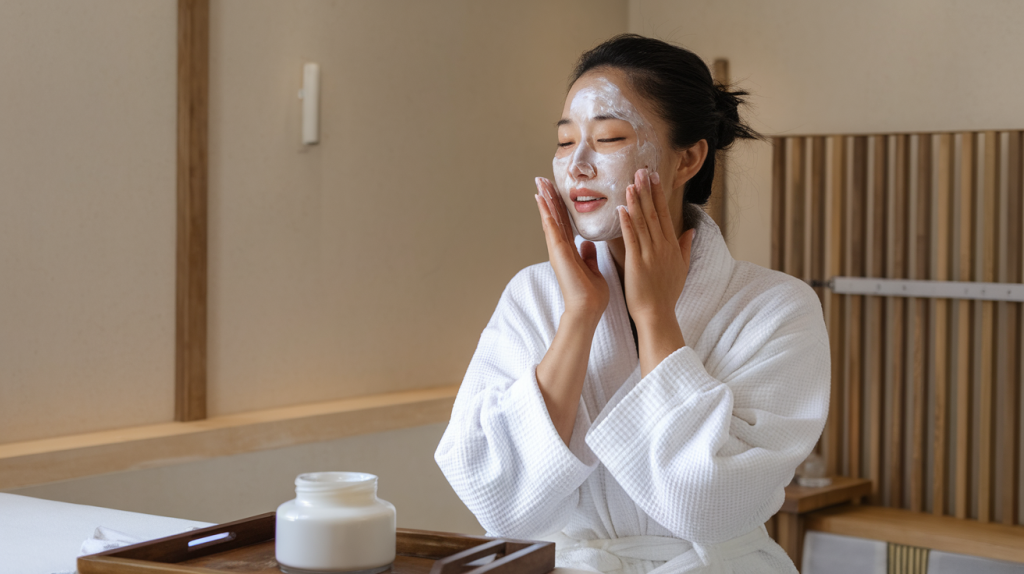
Successful slugging requires more than simply slathering petroleum jelly on your face before bed. The Korean approach involves careful preparation and specific techniques that maximize benefits while minimizing potential issues. Following the correct steps ensures you wake up with glowing skin rather than clogged pores or a greasy pillowcase.
Pre-slugging skin preparation
Before beginning your slugging routine, proper cleansing sets the foundation for success. Start with a gentle double cleanse – first using an oil-based cleanser to remove makeup, sunscreen, and excess sebum, followed by a water-based cleanser to remove any remaining impurities. This thorough cleansing prevents trapping dirt or bacteria under the occlusive layer.
After cleansing, some women prefer to use a gentle exfoliant once or twice a week before slugging. However, avoid using strong chemical exfoliants or retinoids on nights when you plan to slug, as the occlusive layer can intensify these ingredients and potentially cause irritation. Save your active treatments for non-slugging nights.
Pat your skin dry with a clean towel, but leave it slightly damp. This residual moisture will be sealed in by the petroleum jelly, providing extra hydration throughout the night. The Korean method emphasizes working with damp skin at multiple steps to maximize moisture retention.
Your skin should feel clean and comfortable before proceeding. If you notice any irritation, redness, or broken skin, postpone slugging until your skin has healed. The occlusive barrier can trap bacteria in compromised skin, potentially worsening existing issues.
Layering hydrating products first
The key to Korean slugging lies in the layering process. Before applying petroleum jelly, you’ll want to apply your hydrating products in order from thinnest to thickest consistency. This typically follows the pattern below:
Hydrating Toner or Essence: Apply 2-3 layers, patting each one in until absorbed
Serum: Choose hydrating formulas with hyaluronic acid or peptides
Light Moisturizer: Use your regular nighttime moisturizer
Face Oil (Optional): Add a few drops if your skin is extremely dry
Each layer should be mostly absorbed before applying the next. Take your time with this process – rushing through the steps reduces effectiveness. Korean women often spend 10-15 minutes on their layering routine, viewing it as a relaxing self-care ritual rather than a chore.
The products you choose for layering matter significantly. Focus on hydrating and nourishing ingredients rather than actives like acids or retinoids. Ingredients like hyaluronic acid, ceramides, peptides, and niacinamide work beautifully under an occlusive layer. These ingredients draw moisture into your skin and support barrier function without causing irritation when trapped under petroleum jelly.
Pay special attention to areas that tend to be drier, such as around your eyes and mouth. You might want to apply an extra layer of hydrating serum or a specific eye cream to these areas before proceeding with slugging.
Proper Vaseline application technique
The amount of petroleum jelly you use makes a significant difference in your results. Many women make the mistake of applying too much, thinking more product equals better results. In reality, you need only a small amount – about half a pea-sized amount for your entire face.
Warm the petroleum jelly between your fingertips before application. This makes it easier to spread and ensures even coverage. Starting from the center of your face, gently pat and press the product outward. Avoid rubbing or massaging, as this can disturb the hydrating layers underneath.
Focus on areas that need the most moisture – typically the cheeks, forehead, and chin. You can skip the T-zone if you have oily skin or are prone to breakouts in that area. The beauty of slugging lies in its flexibility – you can customize application based on your skin’s needs.
Some women prefer to mix a tiny amount of petroleum jelly with their final moisturizer instead of applying it as a separate layer. This creates a lighter occlusive effect that might be more comfortable for those new to slugging or with combination skin. Experiment to find what works best for your skin type and comfort level.
Morning routine after slugging
Waking up after slugging might feel different than your usual morning skin sensation. Your face will likely feel soft and hydrated, with a dewy appearance. However, you’ll need to properly cleanse to remove the occlusive layer before starting your day.
Use a gentle cleanser with lukewarm water to remove the petroleum jelly. You might need to cleanse twice to completely remove all residue. Avoid hot water, as this can strip away the moisture you’ve worked to preserve overnight. Some women find that using a soft, damp washcloth helps remove the product more effectively.
After cleansing, your skin should feel remarkably soft and hydrated. You might notice that you need less moisturizer than usual for your morning routine. This is one of the benefits of slugging – your skin retains moisture better throughout the following day.
Continue with your regular morning skincare routine, including sunscreen. Many women report that their makeup applies more smoothly and lasts longer on days following slugging. The improved skin texture and hydration create an ideal base for foundation and other products.
Which Skin Types Benefit Most From Slugging?
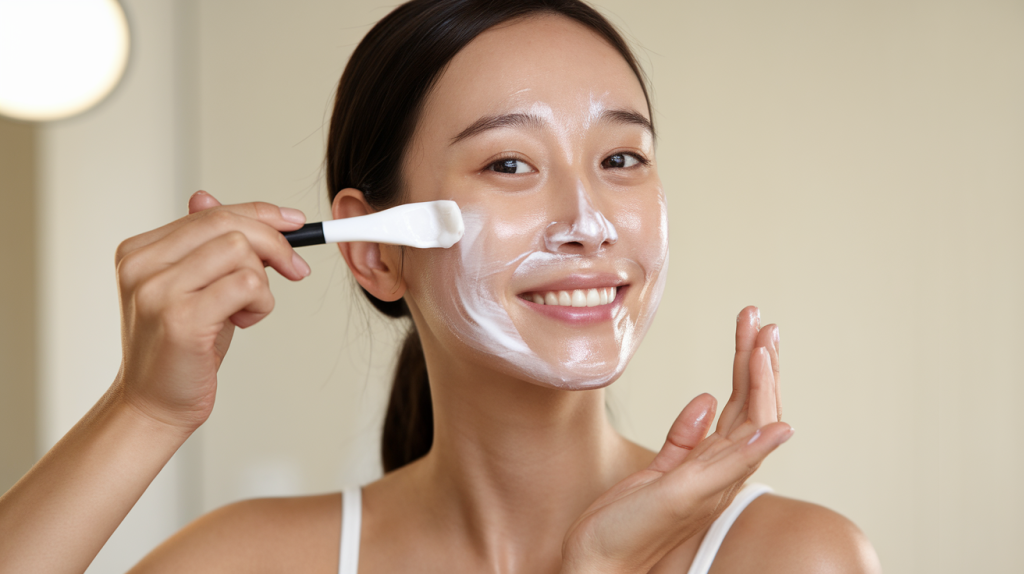
Not every skin type responds equally to slugging, and understanding whether this technique suits your specific needs can mean the difference between glowing results and potential skin issues. Korean skincare philosophy emphasizes personalization, and slugging is no exception to this rule.
Dry and dehydrated skin advantages
Women with dry or dehydrated skin often see the most dramatic improvements from slugging. These skin types struggle to maintain adequate moisture levels, leading to flakiness, rough texture, and premature fine lines. The occlusive barrier created by petroleum jelly addresses these concerns directly by preventing moisture loss overnight.
Dry skin lacks oil production, while dehydrated skin lacks water – and slugging helps with both conditions. By sealing in hydrating products, you’re giving your skin extended time to absorb beneficial ingredients. Many women with chronically dry skin report that regular slugging reduces their need for heavy moisturizers during the day and eliminates the tight, uncomfortable feeling that often accompanies dry skin.
The transformation can be particularly noticeable during winter months or in dry climates. Women living in areas with low humidity often struggle with skin that feels parched no matter how much moisturizer they apply. Slugging provides the extra protection needed to maintain comfortable hydration levels even in challenging environmental conditions.
Those with mature skin, which naturally becomes drier with age, also see significant benefits. The technique helps plump fine lines caused by dehydration and creates a smoother surface that reflects light better, resulting in a more youthful appearance.
Considerations for oily skin
Oily skin types require a more nuanced approach to slugging. While it might seem counterintuitive to add an occlusive layer to already oily skin, some women with this skin type find that strategic slugging actually helps regulate oil production. The theory suggests that well-hydrated skin produces less excess oil as a protective mechanism.
If you have oily skin and want to try slugging, consider these modifications to the standard technique. First, limit application to the driest areas of your face, typically the cheeks and perimeter. Avoid the T-zone entirely, or apply only the tiniest amount to areas that feel dehydrated. You might also reduce frequency, slugging just once or twice a week rather than nightly.
Some women with oily skin prefer “dry slugging” – applying petroleum jelly to clean, dry skin without the multiple hydrating layers underneath. This provides barrier protection without adding excess moisture that might trigger breakouts. Others mix a small amount of petroleum jelly with a lightweight, oil-free moisturizer for a less intense occlusive effect.
Sensitive skin precautions
Sensitive skin often benefits greatly from slugging, as petroleum jelly is one of the least irritating skincare ingredients available. Its molecular structure is too large to penetrate skin and trigger reactions, making it suitable even for those who react to seemingly gentle products. However, sensitive skin still requires careful consideration when implementing any new technique.
Before incorporating slugging into your routine, perform a patch test. Apply a small amount of petroleum jelly to the inside of your wrist or behind your ear and wait 24 hours to ensure no reaction occurs. While true petroleum jelly allergies are extremely rare, it’s better to be cautious.
Start slowly with sensitive skin – perhaps slugging just once a week initially, then gradually increasing frequency if your skin responds well. Pay attention to the products you layer underneath, as the occlusive barrier will intensify their effects. Stick to gentle, fragrance-free formulas that you know your skin tolerates well.
Women with conditions like rosacea or eczema often find slugging helpful for managing flare-ups. The protective barrier shields sensitive skin from environmental triggers while supporting the healing process. However, always consult with a dermatologist if you have chronic skin conditions before trying new techniques.
When to avoid slugging
Certain skin conditions and situations make slugging inappropriate or potentially harmful. Active acne, particularly inflammatory acne with pustules or cysts, shouldn’t be covered with an occlusive layer. Trapping bacteria under petroleum jelly can worsen breakouts and delay healing. If you’re experiencing a breakout, wait until your skin clears before resuming slugging.
Those using prescription retinoids or strong chemical exfoliants should exercise caution. The occlusive layer can intensify these ingredients, potentially causing severe irritation, peeling, or chemical burns. If you use these products, alternate nights – use actives on non-slugging nights and limit slugging to nights when you’re focusing solely on hydration.
Hot, humid climates might make slugging uncomfortable or unnecessary. If your skin already struggles with excess moisture and congestion in humid weather, adding an occlusive layer could exacerbate these issues. Consider saving slugging for drier seasons or air-conditioned environments.
Certain medications that increase photosensitivity or affect skin thickness require avoiding slugging. If you’re taking isotretinoin (Accutane), using prescription tretinoin, or undergoing professional treatments like chemical peels or laser therapy, consult your healthcare provider before slugging.
Common Slugging Mistakes to Avoid
Even the simplest skincare techniques can go wrong without proper knowledge. Understanding common slugging mistakes helps you avoid pitfalls that could compromise your results or even damage your skin. Korean beauty experts have identified several key errors that newcomers to slugging frequently make.
Using too much product
The most widespread mistake involves applying excessive amounts of petroleum jelly. When you use too much product, several problems arise. First, the excess doesn’t absorb or provide additional benefits – it simply sits on your skin and transfers to your pillowcase. This wastes product and creates a mess without improving results.
Excessive petroleum jelly can also feel uncomfortable and may trigger a psychological response that makes you feel like your skin can’t breathe. While petroleum jelly doesn’t actually prevent oxygen exchange through skin, the heavy feeling can disrupt sleep and make the experience unpleasant. Remember, you’re aiming for a thin, protective layer, not a thick mask.
The correct amount should make your skin look dewy and feel protected without appearing greasy or feeling heavy. If you can see visible globs of product or if your skin feels slippery to the touch, you’ve used too much. Start with less than you think you need – you can always add a tiny bit more to dry areas if necessary.
Over-application also increases the likelihood of transfer to your pillowcase and hair. This not only creates laundry challenges but can lead to clogged pores along your hairline and jaw where product accumulates. Learning proper portion control is essential for making slugging a sustainable part of your routine.
Skipping the hydration layers
Another critical error involves applying petroleum jelly directly to cleansed skin without any hydrating products underneath. This mistake stems from misunderstanding how slugging works. Petroleum jelly doesn’t moisturize on its own – it simply seals in whatever is already on your skin. Without hydrating layers underneath, you’re essentially trapping dry skin under an occlusive barrier.
This approach might temporarily make skin feel softer due to the protective layer, but it doesn’t address underlying dehydration. You might even find that your skin feels drier once you remove the petroleum jelly in the morning. The magic of slugging comes from the combination of hydrating ingredients sealed under the occlusive layer, not from the petroleum jelly itself.
Think of slugging like putting a lid on a pot – if there’s no water in the pot, the lid doesn’t create moisture. Your hydrating products are the water, and petroleum jelly is the lid that prevents evaporation. Skipping the hydration steps eliminates most of the benefits you’re seeking from this technique.
Some women skip layers thinking it will save time or prevent feeling too heavy. However, properly chosen lightweight hydrating products won’t feel heavy under petroleum jelly. The Korean approach emphasizes thin, multiple layers rather than one thick layer of moisturizer. This method provides superior hydration without the heavy feeling that might make slugging uncomfortable.
Slugging over active ingredients
Perhaps the most potentially harmful mistake involves applying petroleum jelly over strong active ingredients like retinoids, AHAs, BHAs, or benzoyl peroxide. The occlusive layer intensifies ingredient penetration and prevents evaporation, which can transform a normally tolerable product into an irritating one. What might cause mild tingling without slugging could result in severe burning, peeling, or chemical burns when trapped under petroleum jelly.
This mistake often happens when women don’t adjust their regular routine on slugging nights. If you typically use a retinoid serum or acid toner, you must skip these products entirely on nights when you plan to slug. The temptation to maintain your regular routine while adding slugging can result in compromised skin barrier function and significant irritation.
Even ingredients generally considered gentle can become problematic under occlusion. Vitamin C, while beneficial for brightening, might cause irritation when sealed under petroleum jelly. Essential oils in products can become overly potent. Fragrance, whether natural or synthetic, becomes more likely to trigger reactions when it can’t evaporate.
Create two distinct routines – one for treatment nights with active ingredients and another for slugging nights focused purely on hydration. This separation ensures you get the benefits of both approaches without the risks of combining incompatible techniques. Your skin will benefit more from alternating between treatment and recovery than from trying to do everything at once.
Not protecting your pillowcase
Failing to protect your bedding represents a practical mistake that can discourage continued slugging. Petroleum jelly transfers easily to fabric, potentially staining pillowcases and creating an ongoing laundry challenge. This transfer doesn’t just affect aesthetics – it also reduces the amount of product actually benefiting your skin through the night.
Several solutions exist for protecting your bedding while slugging:
Designated Pillowcase: Keep a specific pillowcase just for slugging nights
Silk or Satin: These materials show less staining and wash more easily
Old T-Shirt Method: Place a clean, old t-shirt over your pillow
Hair Protection: Use a silk bonnet or wrap to prevent transfer to hair
Travel Pillow: Some women use a small travel pillow with a waterproof cover
The accumulation of product on pillowcases can also create hygiene concerns. Petroleum jelly residue can trap bacteria and dead skin cells, potentially leading to breakouts along the jawline and cheeks. Regular washing becomes essential, but petroleum jelly can be challenging to remove completely from fabric.
Consider your sleeping position as well. Side sleepers face more transfer challenges than back sleepers. If you’re a restless sleeper who moves frequently through the night, you might need extra protection strategies. Some women find that training themselves to sleep on their backs improves both slugging results and reduces product transfer.
How to Customize Your Slugging Routine This Year
The beauty of slugging lies in its adaptability. Rather than following a rigid protocol, you can modify this technique to suit your changing skin needs throughout the seasons, your lifestyle, and your individual preferences. Korean skincare philosophy has always emphasized listening to your skin and adjusting accordingly.
Seasonal adjustments for slugging
Your skin’s needs fluctuate dramatically with seasonal changes, and your slugging routine should reflect these variations. During winter months, when heating systems create dry indoor air and cold weather strips moisture from skin, you might benefit from slugging three to four times per week. The extra protection helps combat environmental stressors that would otherwise leave skin feeling tight and uncomfortable.
Spring often brings increased humidity and temperature fluctuations that can confuse your skin. During this transitional period, reduce slugging frequency to once or twice weekly, focusing on nights when your skin feels particularly dry or irritated. Pay attention to weather patterns – a sudden cold snap might call for extra slugging, while unseasonably warm days suggest taking a break.
Summer typically requires the most significant adjustments. High humidity and heat can make slugging feel overwhelming, and increased sweating might lead to clogged pores if you maintain a winter slugging schedule. Many women switch to “spot slugging” during summer, applying petroleum jelly only to persistently dry areas like elbows, knees, or specific facial dry patches. Others reserve full-face slugging for heavily air-conditioned environments that create artificial dryness.
Fall serves as another transitional period where gradual adjustments work best. As temperatures drop and heating systems activate, slowly increase your slugging frequency. Start with once weekly in early fall, moving to twice weekly by late fall. This graduated approach helps your skin adapt without overwhelming it.
Alternative occlusive options
While petroleum jelly remains the gold standard for slugging, various alternatives can provide similar occlusive benefits with different textures and additional skin benefits. Exploring these options allows you to find the perfect match for your preferences and skin needs.
Squalane-based balms offer a lighter alternative that still provides occlusive properties. These products feel less heavy than petroleum jelly while still reducing transepidermal water loss. They work particularly well for combination skin types who find petroleum jelly too heavy for full-face application.
Beeswax-based products provide natural occlusive properties with a different texture. These alternatives often include additional beneficial ingredients like honey or propolis, which offer antibacterial and healing properties. The texture tends to be firmer than petroleum jelly, which some women prefer for controlled application.
Shea butter and cocoa butter provide occlusive effects while delivering fatty acids and vitamins to skin. These natural options work well for those who prefer plant-based skincare. However, they may feel heavier than petroleum jelly and could potentially clog pores in acne-prone individuals.
Some Korean beauty brands have developed specific “sleeping masks” designed for slugging-like effects. These products typically combine occlusive ingredients with additional treatment benefits like brightening or anti-aging ingredients. While more expensive than basic petroleum jelly, they offer a luxurious alternative for special occasions.
Combining with other K-beauty trends
Slugging integrates beautifully with other Korean skincare techniques, creating synergistic effects that enhance overall results. Understanding how to combine these methods maximizes your skincare investment.
The “7-skin method” – applying multiple layers of hydrating toner – pairs perfectly with slugging. By creating multiple thin hydration layers before sealing with petroleum jelly, you maximize moisture retention. Start with three layers and work up to seven if your skin needs intensive hydration. Each layer should be patted in completely before applying the next.
Glass skin preparation and slugging work together to create the ultimate dewy complexion. Focus your pre-slugging routine on products that promote clarity and luminosity – essence, brightening serums, and lightweight moisturizers. The occlusive layer enhances the glass skin effect by creating a smooth, reflective surface.
Sheet masking before slugging amplifies treatment benefits. Apply a hydrating sheet mask for 15-20 minutes, then follow with your regular layering routine before sealing everything with petroleum jelly. This combination provides intensive treatment for special occasions or when your skin needs extra care.
Facial massage techniques from Korean beauty culture enhance slugging results by improving circulation and product absorption. Spend a few minutes gently massaging your face during the layering process, using upward motions to promote lymphatic drainage. This preparation ensures products penetrate effectively before you seal them in.
Creating your personalized schedule
Developing a customized slugging schedule requires paying attention to your skin’s signals and lifestyle factors. Start by identifying your skin’s baseline needs – does it feel comfortable with twice-weekly slugging, or does it require more frequent application?
Consider your weekly schedule when planning slugging nights. Many women prefer slugging on Friday and Saturday nights when they can sleep later and don’t need to rush through morning cleansing. Others find Sunday night slugging helps repair weekend damage and prep skin for the week ahead.
Track your results using a simple journal or phone notes. Record when you slug, what products you used underneath, and how your skin looks and feels the next day. After a month, patterns will emerge showing your optimal frequency and product combinations. This data-driven approach takes the guesswork out of customization.
Your slugging schedule should also accommodate other treatments in your routine. If you use retinoids three nights per week, schedule slugging on alternate nights. This creates a balance between active treatment and recovery that supports overall skin health without overwhelming your barrier function.
Life events and skin changes require schedule flexibility. Stressful periods might call for increased slugging frequency to combat stress-related dehydration. Hormonal fluctuations during your monthly cycle might make your skin more or less receptive to slugging. Pregnancy, medication changes, or illness all warrant reassessment of your routine.
Your Path to Transformed Skin
Korean skincare slugging represents more than just another beauty trend – it’s a return to simple, effective skincare that prioritizes your skin’s fundamental needs. By creating an occlusive barrier with petroleum jelly over carefully chosen hydrating products, you’re giving your skin the optimal environment for repair and rejuvenation. The technique’s flexibility allows you to adapt it to your unique skin type, lifestyle, and changing seasonal needs.
Whether you’re battling persistent dryness, seeking to enhance your skin’s natural glow, or simply looking for an affordable addition to your skincare routine, slugging offers a scientifically-backed solution. The key lies in understanding the proper techniques, avoiding common mistakes, and customizing the practice to work with your individual needs. With patience and consistency, this time-tested Korean beauty secret can deliver the radiant, healthy skin you’ve been seeking.
Frequently Asked Questions
Q: Can I slug every single night?
A: While some women with very dry skin successfully slug nightly, most benefit from slugging 2-4 times per week. Daily slugging might lead to congestion or breakouts, especially if you have combination or oily-prone skin. Start with twice weekly and adjust based on how your skin responds.
Q: Will slugging cause milia or tiny white bumps?
A: Proper slugging shouldn’t cause milia when done correctly. These tiny bumps typically form when dead skin cells become trapped. By maintaining regular gentle exfoliation on non-slugging nights and using the correct amount of product, you can minimize this risk.
Q: Can I use Aquaphor instead of Vaseline for slugging?
A: Yes, Aquaphor works well for slugging. It contains petroleum jelly plus additional ingredients like glycerin and lanolin. Some women prefer it because it feels slightly lighter than pure petroleum jelly while still providing occlusive benefits.
Q: Should I slug if I have fungal acne?
A: Avoid slugging if you have active fungal acne. The warm, moist environment created by occlusive products can worsen fungal conditions. Wait until the condition clears completely before attempting slugging.
Q: How long should I wait after applying moisturizer before slugging?
A: Wait about 5-10 minutes after your final hydrating layer before applying petroleum jelly. Your skin should feel mostly dry to the touch but still slightly tacky. This timing ensures proper absorption while maintaining enough moisture for sealing.
Q: Can slugging help with acne scars?
A: While slugging won’t directly fade acne scars, it can improve overall skin texture and hydration, making scars appear less noticeable. The technique works best for textural issues rather than pigmentation concerns.
Q: Is it safe to slug during pregnancy?
A: Pure petroleum jelly is generally considered safe during pregnancy since it doesn’t absorb into the bloodstream. However, always consult your healthcare provider about any skincare changes during pregnancy, especially if you’re using other products underneath.
Q: What if I accidentally slug over my retinoid?
A: If you accidentally apply petroleum jelly over a retinoid or strong active, immediately remove it with a gentle cleanser. Apply a soothing moisturizer and skip all actives for several days while your skin recovers. Contact a dermatologist if severe irritation occurs.

