

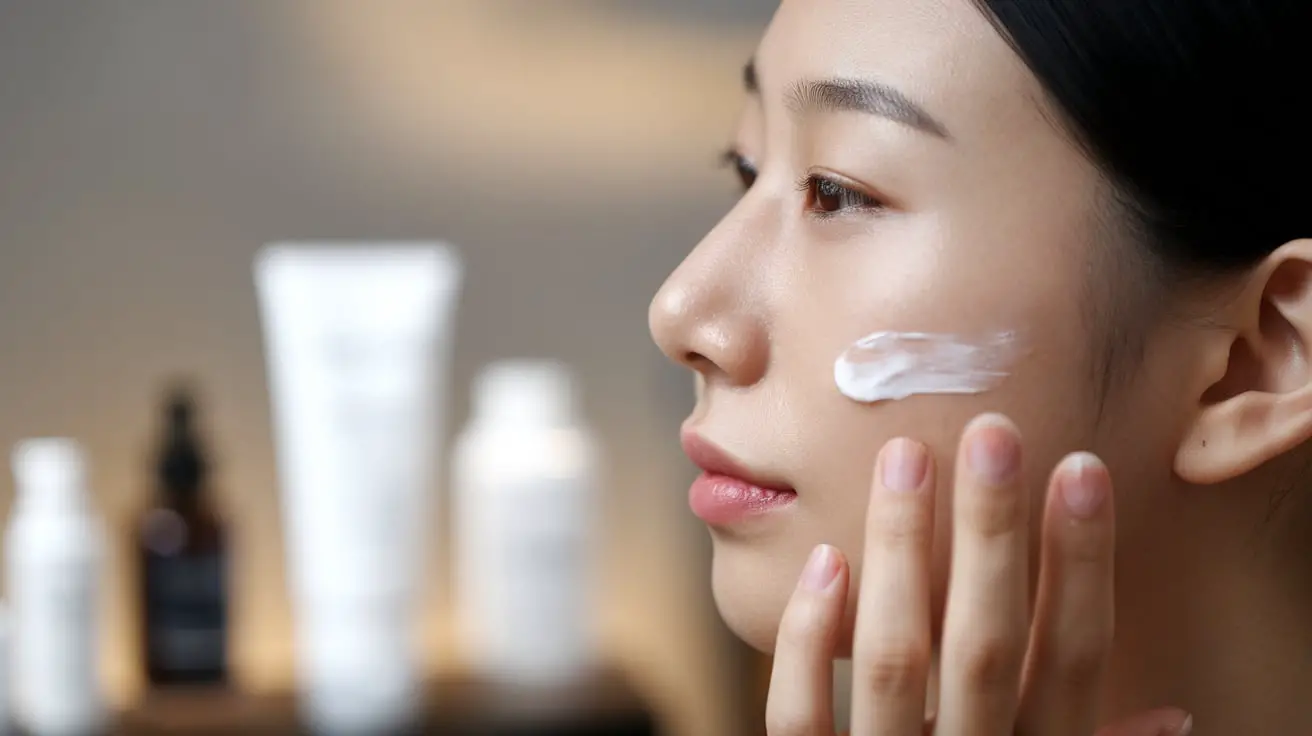
Korean skincare has transformed how women around the world approach their daily beauty routines. The meticulous attention to skin health rather than simply covering imperfections has created a revolutionary approach that delivers the kind of results once only achievable through professional treatments. This methodical system focuses on nourishing, hydrating, and protecting skin through multiple targeted steps that work synergistically to create that coveted glass-like complexion.
The professional results achieved through this routine stem from its fundamental philosophy of prevention and gentle treatment. Rather than harsh interventions that strip and rebuild, this approach respects your skin’s natural barrier while providing layers of beneficial ingredients. Each product serves a specific purpose, working in harmony with the others to address concerns ranging from dullness and dehydration to fine lines and uneven texture.
In the following sections, you’ll discover the exact steps, product choices, and techniques that transform ordinary home skincare into professional-caliber treatments. From understanding the unique philosophy behind this method to mastering the proper application techniques, this comprehensive guide reveals everything needed to achieve that luminous, healthy complexion that looks professionally maintained. Continue reading to unlock the secrets of this transformative skincare approach.
What Makes Korean Skincare Different from Western Routines?
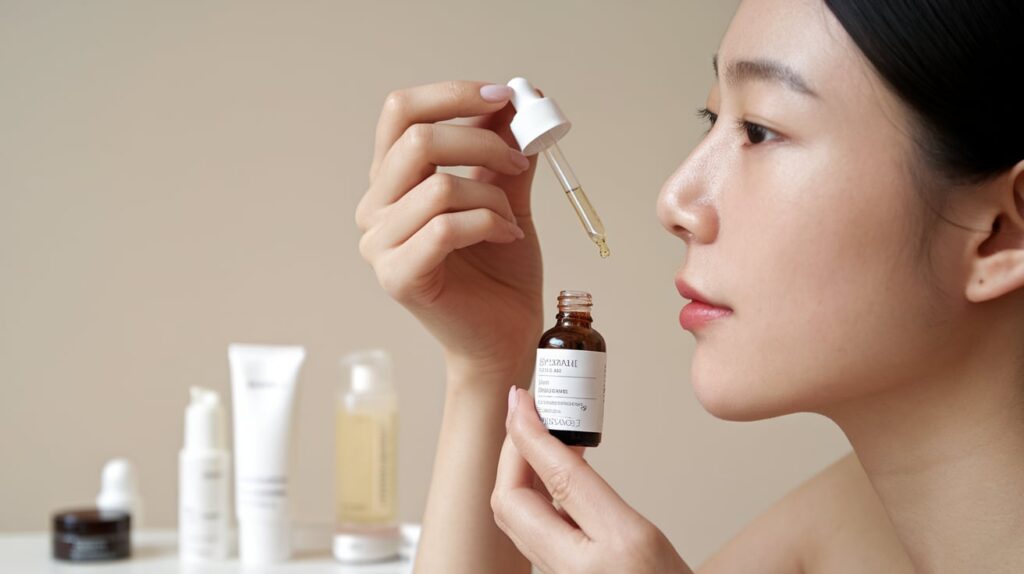
The distinction between Korean and Western skincare approaches goes far deeper than the number of products used. The fundamental philosophy centers on nurturing skin health from within rather than masking imperfections on the surface. This mindset shift changes everything about how you approach your daily routine.
The Philosophy Behind Korean Skincare
Traditional Western routines often focus on quick fixes and immediate results. You might reach for a strong retinol to tackle wrinkles or a harsh scrub to address texture issues. The Korean approach takes a gentler, more patient path. Think of it as training for a marathon rather than sprinting – the results take time but last much longer.
This philosophy views skin as a living ecosystem that needs balance and support. Products work together like a symphony, each playing its part without overwhelming the others. The goal isn’t to force change but to support your skin’s natural healing and renewal processes.
Layering Technique Fundamentals
The famous multi-step routine isn’t about using more products for the sake of it. Each layer serves a specific purpose, and the order matters tremendously. Thinner, water-based products go first, allowing them to penetrate deeply. Thicker, oil-based products follow, sealing in the benefits of previous steps.
Think of it like getting dressed – you wouldn’t put on a coat before your shirt. The same logic applies here. Lightweight toners prepare skin to absorb subsequent products better. Essences deliver concentrated ingredients deep into skin layers. Serums target specific concerns. Moisturizers lock everything in place.
The waiting time between steps also matters. Giving each product a moment to absorb prevents dilution and ensures maximum effectiveness. This patience transforms routine application into a ritual that delivers professional-caliber results.
Prevention Versus Treatment Approach
Western skincare often waits for problems to appear before addressing them. You might start using anti-aging products when wrinkles become visible or acne treatments when breakouts occur. The Korean method anticipates and prevents these issues before they develop.
Starting preventive care in your twenties or thirties means you’ll need less corrective treatment later. Regular use of antioxidants, sun protection, and hydrating ingredients maintains skin health continuously. This proactive stance keeps skin looking younger and healthier for decades.
Consider how you maintain your car – regular oil changes prevent engine damage better than waiting for problems to develop. Your skin deserves the same preventive care. Small, consistent efforts yield better results than dramatic interventions after damage occurs.
The Role of Consistency and Patience
Results from this routine don’t appear overnight. Skin cell turnover takes approximately 28 days, meaning you need at least a month to see initial changes. Full transformation often requires three to six months of dedicated practice.
This timeline frustrates some women accustomed to instant gratification. However, the gradual improvement creates lasting change rather than temporary enhancement. Your skin actually becomes healthier, not just temporarily plumped or smoothed.
Consistency matters more than perfection. Following a simplified version of the routine every day beats doing an elaborate routine sporadically. Build habits gradually, adding steps as each becomes automatic. This sustainable approach ensures long-term success.
What factors determine success with this method? Consider these essential elements:
Commitment Level: Daily practice matters more than using expensive products
Product Quality: Well-formulated products at any price point can deliver results
Application Technique: Proper methods maximize product effectiveness
Lifestyle Factors: Sleep, diet, and stress management support skin health
Customization: Adapting the routine to your specific needs improves outcomes
Glass Skin Goal Versus Coverage Mindset
The ultimate achievement in Korean skincare – glass skin – represents perfectly hydrated, clear, luminous skin that appears almost translucent. This goal differs dramatically from the Western focus on coverage and concealment.
Achieving this look requires building skin health from the foundation up. Multiple hydrating layers create that characteristic glow. Regular exfoliation maintains smooth texture. Consistent protection preserves clarity. The result looks like you’re wearing a professional makeup artist’s work when you’re actually wearing minimal or no makeup.
This shift from hiding to healing changes your entire relationship with skincare. Instead of reaching for foundation to cover redness, you address the inflammation causing it. Rather than piling on powder to mattify oiliness, you balance sebum production. The freedom that comes from having genuinely healthy skin surpasses any coverage product’s capabilities.
The Essential Steps for Professional-Level Results
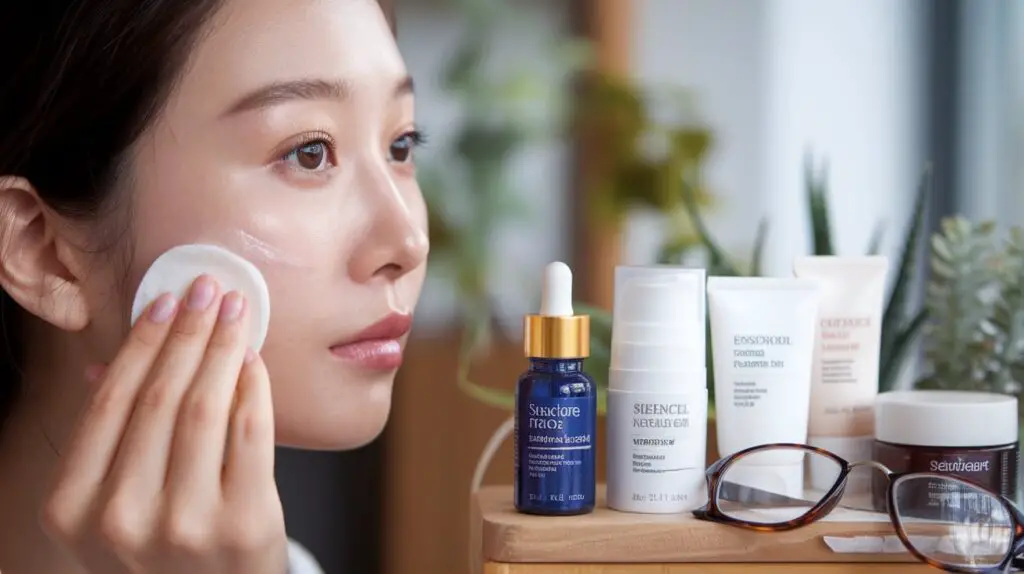
Professional results require understanding not just what products to use, but how to use them effectively. The specific techniques and order of application make the difference between an average routine and one that delivers spa-quality outcomes at home.
Double Cleansing Method
The foundation of any effective routine begins with proper cleansing. Double cleansing removes both oil-based impurities like makeup and sunscreen, plus water-based debris like sweat and dirt. This two-step process ensures completely clean skin that can properly absorb beneficial ingredients.
Start with an oil-based cleanser, even if your skin tends toward oiliness. Oil dissolves oil-based impurities that water-based cleansers can’t remove effectively. Massage the product onto dry skin for 30-60 seconds, focusing on areas where makeup and sunscreen accumulate. Add water to emulsify, then rinse thoroughly.
Follow immediately with a water-based cleanser suited to your skin type. Foam cleansers work well for oily skin, while cream or gel cleansers suit dry or sensitive types. This second step removes any remaining residue and balances your skin’s pH. Many women notice immediate improvement in skin clarity and texture just from implementing proper double cleansing.
pH-Balanced Toners and Their Purpose
Modern toners bear no resemblance to the harsh, alcohol-laden astringents of the past. Today’s formulations restore skin’s optimal pH level while delivering the first layer of hydration. This step prepares skin to absorb subsequent products more effectively.
After cleansing, skin’s pH can shift toward alkaline, compromising its protective barrier. A pH-balanced toner (around 5.5) quickly restores the slightly acidic environment your skin needs to function properly. This balance affects everything from moisture retention to protection against bacteria.
Application technique matters here. Rather than using cotton pads that absorb product, try the “7 skin method” – patting thin layers of toner directly onto skin with your hands. Start with one layer, then add more as your skin drinks them in. This technique alone can transform dehydrated skin within days.
The right toner also delivers targeted ingredients. Hyaluronic acid adds hydration. Niacinamide brightens and strengthens. Centella asiatica soothes inflammation. Choose based on your primary skin concern while maintaining that crucial pH balance.
Essence Application Techniques
Essences represent the heart of this skincare philosophy – lightweight yet potent formulations that penetrate deeply to improve skin at a cellular level. These products contain smaller molecules than serums, allowing them to reach deeper skin layers.
The key to essence application lies in the patting technique. Pour a small amount into your palms, press them together to warm the product, then gently press onto your face. This method encourages absorption while stimulating circulation. Avoid rubbing or dragging, which can irritate skin and reduce effectiveness.
Some women layer multiple essences, starting with the thinnest consistency and building up. This technique, called “essence cocktailing,” lets you address multiple concerns simultaneously. A hydrating essence might go first, followed by a brightening formula, then perhaps a fermented essence for anti-aging benefits.
Serums and Ampoules Targeting Specific Concerns
While essences provide overall skin improvement, serums and ampoules deliver concentrated ingredients for specific issues. These products contain higher percentages of active ingredients, making them powerful tools for transformation.
Understanding ingredient combinations prevents irritation while maximizing benefits. Vitamin C serums work best in the morning, providing antioxidant protection throughout the day. Retinol alternatives like bakuchiol suit evening routines when skin repairs itself. Hyaluronic acid serums can be used twice daily for intense hydration.
Ampoules offer even more concentrated formulas for intensive treatment periods. Think of them as a course of professional treatments condensed into small vials. Use them for two to four weeks when skin needs extra support – perhaps after sun exposure, during seasonal transitions, or when addressing stubborn concerns.
Application requires precision. Target serums to specific areas rather than applying everywhere. Use vitamin C on dark spots, peptides on fine lines, and niacinamide on enlarged pores. This targeted approach delivers professional-level results while preventing overload.
Proper Moisturizer Layering
The final hydrating step seals in all previous products while providing its own benefits. Proper moisturizer application involves more than just smoothing cream onto skin. The technique, timing, and type all influence effectiveness.
Apply moisturizer while skin remains slightly damp from previous steps. This traps extra hydration and helps the moisturizer spread more easily. Use upward strokes, starting from the neck and working up to the forehead. This technique supports skin elasticity while ensuring even coverage.
Consider using different moisturizers for different face zones. A lighter gel formula might suit your T-zone, while a richer cream benefits dry cheeks. This customized approach mimics professional facial techniques where aestheticians treat each area according to its needs.
Night moisturizers can be richer and more occlusive than day versions. They create a protective seal that prevents overnight moisture loss while delivering repair ingredients. Some women add a thin layer of facial oil over their night cream for extra nourishment – a technique called “slugging” that creates remarkably soft, hydrated skin by morning.
Don’t forget your neck and décolletage. These areas age similarly to facial skin but often receive less care. Extend all products downward, using any excess on your hands. This comprehensive approach ensures uniformly healthy, youthful-looking skin.
How to Choose Products for Your Skin Type
Selecting the right products transforms a good routine into a great one. Understanding your skin’s specific needs and how different ingredients work helps you make informed choices that deliver professional results.
Understanding Your Skin’s Needs
Skin types aren’t as simple as the traditional oily, dry, combination, and sensitive categories suggest. Your skin’s needs change with seasons, hormones, stress levels, and age. Learning to read these changes helps you adjust your routine accordingly.
Start by observing your skin at different times. How does it feel immediately after cleansing? What about a few hours later? Does it change throughout your menstrual cycle? These observations reveal patterns that guide product selection.
Dehydrated skin differs from dry skin, though they’re often confused. Dry skin lacks oil, while dehydrated skin lacks water. You might have oily yet dehydrated skin that produces excess sebum while feeling tight and looking dull. Understanding this distinction prevents choosing products that worsen the problem.
Pay attention to how your skin reacts to different ingredients. Some women find niacinamide reduces oiliness, while others experience increased dryness. Keeping a simple skincare diary helps identify patterns and problem ingredients. Note what you used and how your skin looked and felt afterward.
Consider your environment too. City dwellers need more antioxidant protection against pollution. Those in dry climates require extra hydration. Humid environments might call for lighter textures. Your routine should adapt to your lifestyle and surroundings.
Ingredient Knowledge Basics
Understanding key ingredients empowers you to choose products that actually work rather than relying on marketing claims. Certain ingredients have extensive research supporting their effectiveness.
Hyaluronic acid holds up to 1,000 times its weight in water, making it essential for hydration. Look for different molecular weights – smaller molecules penetrate deeply while larger ones hydrate the surface. Products combining multiple weights deliver comprehensive hydration.
Niacinamide (vitamin B3) offers multiple benefits: strengthening the skin barrier, reducing inflammation, minimizing pores, and evening skin tone. It plays well with other ingredients, making it perfect for layering. Concentrations between 2-10% provide benefits without irritation.
Morning Versus Evening Product Selection
Your morning and evening routines serve different purposes. Morning products protect against environmental damage, while evening products focus on repair and renewal.
Morning routines should include antioxidants and sun protection. Vitamin C serum provides antioxidant defense while brightening skin. Follow with products that create a good base for makeup if you wear it. Lighter textures work better under sunscreen and makeup.
Evening routines can include more intensive treatments. This is when you’d use retinol alternatives, chemical exfoliants, or rich sleeping masks. Your skin’s repair processes peak overnight, making this the ideal time for transformation-focused ingredients.
Some ingredients work well both morning and evening, while others have specific timing requirements. Adapting your routine to these natural rhythms improves results significantly.
Seasonal Adjustments to Your Routine
Your skin’s needs shift with the seasons, requiring routine adjustments for optimal results. Winter air strips moisture, while summer humidity can trigger excess oil production.
During colder months, add extra hydrating layers. An additional essence or a thicker moisturizer prevents the dryness and flaking common in winter. You might also reduce exfoliation frequency as skin becomes more sensitive.
Summer calls for lighter textures that won’t feel heavy in heat and humidity. Gel moisturizers replace creams. You might skip facial oil entirely. Increase cleansing thoroughness to remove sweat and sunscreen buildup.
Spring and fall serve as transition periods. Gradually adjust your routine as weather changes rather than making dramatic shifts. This prevents the irritation that can come from sudden product changes.
Here’s how to optimize your routine seasonally:
Winter Adjustments: Add hydrating toner layers, switch to cream cleansers, use overnight sleeping masks
Spring Transitions: Gradually lighten moisturizer texture, introduce mild exfoliation, add antioxidants
Summer Modifications: Use gel-based products, increase cleansing frequency, focus on sun protection
Fall Preparations: Begin adding hydration, reduce exfoliation, introduce richer night treatments
Remember that indoor heating and cooling also affect skin. Air conditioning can be as drying as winter air. Adjust your routine based on your environment, not just the calendar.
Common Mistakes That Prevent Professional Results
Even with quality products and good intentions, certain mistakes can sabotage your results. Understanding these pitfalls helps you avoid them and achieve the professional-level outcomes you’re seeking.
Product Order Errors
The sequence of product application dramatically affects their effectiveness. Applying products in the wrong order can prevent absorption, dilute active ingredients, or even cause adverse reactions.
The basic rule – thinnest to thickest consistency – seems simple enough. Yet many women make exceptions that compromise results. Applying a thick cream before a serum prevents the serum’s active ingredients from penetrating. Using oil too early in your routine creates a barrier that blocks water-based products.
Timing Between Steps
Rushing through your routine reduces effectiveness significantly. Each product needs time to absorb before the next layer goes on. This doesn’t mean waiting 20 minutes between steps, but giving each product a moment to settle into skin.
Generally, 30-60 seconds between steps suffices for most products. Serums with active ingredients might need slightly longer. You’ll know a product has absorbed when your skin no longer feels wet or tacky to the touch.
Some women find that certain products pill or ball up when layered. This usually indicates insufficient absorption time or incompatible formulations. Extending wait time often solves the problem. If not, consider using conflicting products at different times of day.
The morning rush tempts many to skip wait times entirely. If time constraints force you to hurry, simplify your morning routine rather than rushing through multiple steps. A properly absorbed three-step routine outperforms a rushed seven-step one.
Overloading Skin with Too Many Actives
The availability of powerful ingredients tempts some women to use everything simultaneously. Vitamin C, retinol, AHAs, BHAs – surely using them all will deliver faster results? Unfortunately, this approach often backfires spectacularly.
Too many active ingredients overwhelm skin, causing irritation, sensitivity, and sometimes the very problems you’re trying to solve. Damaged skin barrier function leads to dehydration, increased oiliness, and heightened sensitivity.
Instead, introduce active ingredients gradually. Start with one, use it consistently for several weeks, then assess whether you need additional actives. Many women find that one or two well-chosen active ingredients deliver better results than a complex cocktail.
Certain combinations also cancel each other out or cause irritation. Vitamin C and retinol, for example, work best at different pH levels. Using them together reduces both ingredients’ effectiveness. Schedule conflicting actives for different times – vitamin C in the morning, retinol at night.
Skipping Sun Protection
All the serums and treatments in the world won’t prevent aging if you skip sun protection. UV damage remains the primary cause of premature skin aging, causing wrinkles, dark spots, and loss of elasticity.
Many women skip sunscreen because they dislike the texture or white cast of traditional formulas. Modern formulations have solved these issues. Lightweight, transparent formulas exist for every skin type. Some even provide additional skincare benefits like niacinamide or hyaluronic acid.
Apply sunscreen as the final step of your morning skincare routine, before makeup. Use at least 1/4 teaspoon for your face alone – more than most women think. Reapplication throughout the day maintains protection, especially if you spend time outdoors.
Don’t forget often-missed areas: ears, neck, chest, and hands. These areas show age just as much as your face but receive less consistent care. Extend your sunscreen application to include them.
Incorrect Application Techniques
How you apply products matters almost as much as what you apply. Rough handling, excessive rubbing, and aggressive techniques can irritate skin and reduce product effectiveness.
Patting motions work better than rubbing for most products. This technique minimizes irritation while encouraging absorption. Use your ring finger for delicate eye area application – it naturally applies the gentlest pressure.
Many women use too much product, thinking more equals better results. Excess product doesn’t absorb properly and can clog pores or cause sensitivity. Start with less than you think you need. You can always add more if necessary.
The direction of application also matters. Always work upward and outward, against gravity’s pull. This technique provides a subtle lifting effect while ensuring even coverage. Never pull or stretch skin during application.
Cleansing requires particular attention to technique. Massage oil cleansers gently for at least 30 seconds to break down impurities. Use lukewarm water for rinsing – hot water strips natural oils while cold water doesn’t remove product effectively.
How Long Before You See Professional Results?
Understanding realistic timelines prevents disappointment and helps you stay committed to your routine. Professional-level results develop gradually through consistent practice rather than appearing overnight.
Realistic Timeline Expectations
Skin cell turnover cycles determine how quickly you’ll see changes. The complete cycle takes approximately 28 days in your twenties, extending to 40-50 days as you age. This biological timeline means genuine transformation requires patience.
Initial improvements often appear within the first week, particularly increased hydration and smoother texture. The multiple hydrating layers plump skin almost immediately, creating a healthier appearance. This early success motivates continued commitment.
Signs of Improvement to Watch For
Recognizing subtle improvements keeps you motivated during the transformation process. Professional results develop incrementally, with small changes adding up to dramatic overall improvement.
The first sign usually involves texture. Your skin feels smoother and softer to the touch. Makeup applies more evenly. That rough, bumpy feeling disappears. These textural changes often appear within two weeks of consistent routine practice.
Next comes improved hydration. Your skin stops feeling tight after cleansing. That afternoon oiliness diminishes as your skin’s moisture balance improves. The dewy glow associated with this skincare approach begins emerging.
Tone and clarity improvements follow. Dark spots begin fading, though this process takes several months. Redness reduces. Your overall complexion appears more uniform. These changes happen so gradually you might not notice until comparing photos from months apart.
Fine lines soften as hydration improves and cell turnover normalizes. While deeper wrinkles require more time and possibly stronger interventions, the overall plumping effect creates a younger appearance. Many women report looking more rested and refreshed even without makeup.
Pore appearance improves as sebum production balances and dead skin cells shed properly. While pore size is genetically determined, clean, healthy pores appear smaller. This refinement contributes to that smooth, glass-like finish.
Adjusting Your Routine Based on Results
Your skin provides constant feedback about what’s working and what isn’t. Learning to interpret these signals helps you fine-tune your routine for optimal results.
If irritation develops, scale back immediately. Reduce the number of products or frequency of use until skin calms. Then reintroduce products individually to identify the culprit. Sometimes it’s not a single product but the combination causing problems.
Lack of improvement after two months suggests reassessment is needed. Perhaps your products don’t suit your skin type. Maybe application techniques need refinement. Consider whether lifestyle factors like stress or diet might be interfering with results.
Maintaining Results Long-Term
Once you achieve professional-level results, maintenance becomes the priority. This phase requires less intensive treatment but continued consistency.
You might reduce the frequency of certain treatments. Perhaps you only need chemical exfoliation once weekly instead of twice. Maybe that intensive ampoule course isn’t necessary monthly. Find the minimum effective routine that maintains your results.
Seasonal adjustments become more important during maintenance. Your perfected routine might need tweaking as weather changes or hormones fluctuate. Stay flexible and responsive to your skin’s changing needs.
Prevention takes precedence over correction during maintenance. Continue using antioxidants and sun protection religiously. Keep up the hydrating layers that create that characteristic glow. These foundational steps preserve your hard-won improvements.
Regular professional treatments can supplement your home routine. A monthly facial or quarterly professional peel enhances and maintains results. Think of these treatments as tune-ups that keep everything running smoothly.
Document your journey with photos and notes. Recording what works helps you return to effective routines if you stray. It also provides motivation by showing how far you’ve come. Many women are amazed when comparing their starting point to their maintained results.
Success with this routine ultimately depends on consistency rather than perfection. Missing a step occasionally won’t destroy your progress. Getting back on track quickly matters more than never making mistakes. This forgiving approach creates a sustainable practice that delivers lasting professional results.
Your Path to Radiant Skin
The journey to achieving professional-level results through Korean skincare requires dedication, patience, and a willingness to prioritize your skin’s health over quick fixes. The transformation won’t happen overnight, but the gradual improvements you’ll experience – from refined texture and balanced hydration to that coveted luminous glow – make the commitment worthwhile. This approach treats skincare as an investment in your long-term appearance and confidence rather than a temporary solution.
Your success depends on understanding your skin’s unique needs and responding with appropriate products and techniques. Start simple, build consistency, and add complexity as you become comfortable with each step. The routine should feel like self-care rather than a chore, creating a daily ritual that both your skin and mind benefit from. With time and practice, what once seemed like an elaborate process becomes second nature, and those professional results you’ve been seeking become your new normal.
Frequently Asked Questions
Q: Do I really need to use all 10 steps of the Korean skincare routine every day?
A: No, you don’t need all 10 steps daily. Start with the core essentials: double cleansing, toner, moisturizer, and sunscreen. Add other steps like essences and serums based on your skin’s specific needs and your available time.
Q: Can I mix Korean skincare products with Western brands I already use?
A: Yes, absolutely. The techniques and philosophy matter more than product origin. Many Western brands now incorporate Korean skincare principles, and mixing products from different brands is perfectly fine as long as the ingredients work well together.
Q: Why does my skin look worse during the first few weeks of the routine?
A: Some people experience “skin purging” when starting new products, especially those that increase cell turnover. This temporary phase brings underlying congestion to the surface. If irritation persists beyond 4-6 weeks or seems severe, reassess your products.
Q: How much should I expect to spend on a complete Korean skincare routine?
A: You can build an effective routine at any budget. Drugstore brands offer excellent options under $15 per product, while luxury versions can cost hundreds. Focus on finding well-formulated products within your budget rather than assuming expensive means better.
Q: What’s the difference between essence, serum, and ampoule?
A: Essences are lightweight, watery products that hydrate and prep skin. Serums contain concentrated active ingredients targeting specific concerns. Ampoules are even more concentrated than serums, typically used as intensive treatments for limited periods.
Q: Can men follow the Korean skincare routine too?
A: Yes, skin health benefits everyone regardless of gender. Men might prefer streamlined versions or products with less fragrance, but the fundamental principles and techniques work equally well for all skin types.
Q: Should teenagers start a Korean skincare routine?
A: Teenagers can benefit from a simplified version focusing on gentle cleansing, hydration, and sun protection. Adding treatment products should be based on specific concerns like acne, always starting slowly with gentle formulations.
Q: How do I know if a product is breaking me out or if it’s just purging?
A: Purging occurs only with products that increase cell turnover (like acids or retinoids) and happens where you normally break out. New breakouts in unusual areas or from hydrating products indicate the product doesn’t suit your skin.

