

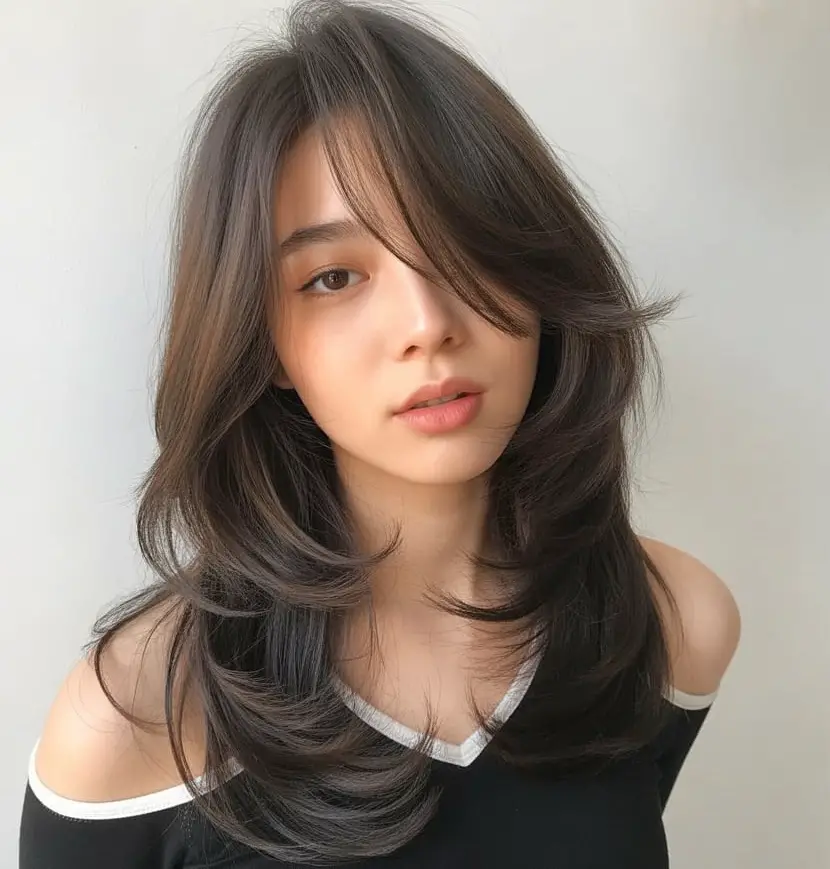
The modern woman’s schedule rarely leaves room for elaborate hair routines. Between work commitments, family responsibilities, and personal pursuits, spending hours on hairstyling feels increasingly impractical. Enter a fresh approach to effortless beauty that’s capturing attention across salons worldwide – a cut that promises style without the struggle.
This particular haircut brings together the best of both worlds: professional polish and minimal maintenance. Think of those mornings when you need to look put-together but have exactly five minutes for hair styling. This cut responds beautifully to air-drying, requires minimal product, and maintains its shape between salon visits. The secret lies in strategic layering that creates natural movement and texture, eliminating the need for daily heat styling or complex techniques.
Ready to discover how this trending style could transform your daily routine? The following sections break down everything from understanding the cut’s unique characteristics to mastering quick styling tricks. You’ll learn how to determine if it suits your face shape, what to discuss with your stylist, and simple ways to maintain that fresh-from-the-salon look at home.
What Is the Hush Cut?
The hush cut represents a modern evolution in layered hairstyling, characterized by its soft, feathery layers that create natural volume and movement. Unlike traditional layered cuts that often require precise styling to look their best, this approach works with your hair’s natural texture rather than against it. The result? A style that looks intentionally undone yet remarkably polished.
Origins and evolution
This trending style emerged from the growing demand for low-maintenance looks that still appear professionally styled. Hairstylists began experimenting with layer placement and cutting techniques that would allow hair to fall naturally into place. The name itself suggests quietness and ease – no blow dryers roaring, no curling irons sizzling, just simple, beautiful hair that behaves itself.
The technique draws inspiration from vintage shag cuts and modern French-girl hair, combining elements from both to create something entirely new. Where shags can sometimes appear too wild and French cuts too precise, this style strikes a perfect balance. It’s gained popularity particularly among women who appreciate looking polished without the time investment traditional styles demand.
Key features that define it
Several distinctive elements set this cut apart from other layered styles. First, the layers start higher up the head than traditional cuts, typically beginning around cheekbone level. This placement creates natural lift at the crown without requiring teasing or volumizing products. The layers themselves are cut using a combination of point-cutting and slide-cutting techniques, resulting in pieces that blend seamlessly rather than creating obvious steps.
Length varies considerably – from shoulder-grazing to mid-back – but the defining characteristic remains consistent: graduated layers that create a rounded, voluminous shape. The perimeter maintains enough weight to prevent stringiness while the interior layers provide movement. Stylists often incorporate subtle face-framing pieces that enhance facial features without requiring daily styling attention.
Texture plays a crucial role in this cut’s success. Whether your hair is naturally straight, wavy, or curly, the layering technique adapts to work with your specific texture. Straight hair gains body and movement, wavy hair finds its natural pattern enhanced, and curly hair experiences reduced bulk while maintaining beautiful shape.
How it differs from other layered cuts
Traditional layered cuts often create distinct levels within the hair, requiring careful styling to blend these layers together. The hush cut takes a different approach, using seamless blending techniques that allow layers to integrate naturally. Where a typical layered cut might need round-brushing to smooth transitions between lengths, this style air-dries into place with minimal intervention.
Another key difference lies in the maintenance schedule. Standard layered cuts typically need trimming every 6-8 weeks to maintain their shape. This low-maintenance alternative grows out gracefully, often looking good for 10-12 weeks between appointments. The strategic layer placement means that as hair grows, the overall shape remains flattering rather than becoming heavy or shapeless.
The cutting technique itself sets this style apart. Rather than using horizontal sections and cutting straight across, stylists work with vertical and diagonal sections, creating layers that move and flow naturally. This method produces a lived-in look from day one – no awkward growing-out phase, no stiff, freshly-cut appearance that takes weeks to soften.
Face-framing differs significantly too. While many layered cuts feature obvious face-framing pieces that require daily styling with a round brush or flat iron, this cut incorporates subtle graduation around the face. These pieces naturally curve and move, flattering facial features without demanding heat styling or specific placement each morning.
Why This Hairstyle Works for Busy Lifestyles
Modern life demands efficiency in every aspect, including personal grooming routines. The beauty of this particular cut lies in its ability to look effortlessly styled with minimal effort. For women juggling careers, families, and personal commitments, a hairstyle that works with their schedule rather than against it becomes invaluable.
Time-saving benefits
Mornings transform completely with the right haircut. Instead of dedicating 30-45 minutes to washing, blow-drying, and styling, this cut allows for a simplified routine that takes mere minutes. The strategic layering creates natural shape and movement, meaning hair falls into place whether you let it air-dry or give it a quick blast with the blow dryer.
The time savings extend beyond daily styling. Traditional cuts often require frequent touch-ups between salon visits – curling ends under, adding volume at the roots, or smoothing frizzy sections. This style’s inherent texture and movement mean these daily corrections become unnecessary. Hair looks intentionally tousled rather than unkempt, turning what might be considered “messy” into “effortlessly chic.”
Consider the cumulative time saved over a month. If you typically spend 30 minutes daily on hair styling, switching to a 5-minute routine saves over 12 hours monthly. That’s time reclaimed for exercise, reading, extra sleep, or simply enjoying a peaceful morning coffee. The psychological benefit of starting each day without hair-related stress shouldn’t be underestimated either.
Minimal styling requirements
The beauty industry constantly promotes new tools and products, but this cut challenges that consumption cycle. Basic requirements include a good shampoo and conditioner suited to your hair type, perhaps a lightweight leave-in treatment, and minimal styling products. No need for multiple brushes, various heat tools, or an arsenal of sprays and serums.
Product application becomes refreshingly simple. A small amount of texture spray or lightweight cream worked through damp hair often suffices. The layers create their own movement and body, eliminating the need for volumizing mousses or root-lifting sprays. For those who prefer completely product-free styling, this cut accommodates that preference beautifully.
Heat styling becomes optional rather than mandatory. While you certainly can use hot tools for special occasions, the cut’s structure means heat-free styling yields equally attractive results. This reduces hair damage significantly over time, leading to healthier, shinier hair that requires even less intervention. Women report their hair feeling stronger and looking better than it has in years after switching to this low-heat approach.
Versatility for different occasions
One concern with wash-and-go styles is their appropriateness for various settings. This cut addresses that worry through its inherent sophistication. The same style that works for school drop-off translates seamlessly to board meetings, dinner dates, and weekend activities. The key lies in the cut’s refined structure that reads as intentional rather than neglected.
Quick transformations become possible with minimal effort. Pulling the top section back with a clip creates an instant polished look for professional settings. A bit of texture spray and scrunching adds definition for evening plans. Tucking one side behind the ear offers asymmetrical interest for photos. These simple modifications take seconds but create noticeably different looks.
Accessories work particularly well with this style. The textured layers provide a perfect foundation for headbands, scarves, and clips. Unlike sleeker styles where accessories might slip or look out of place, the natural texture helps secure decorative elements while creating visual interest. This opens up numerous styling possibilities without requiring actual styling skills or time investment.
Cost-effectiveness
Initial investment in a quality cut pays dividends over time. While the specialized cutting technique might command a slightly higher price than a basic trim, the extended time between appointments more than compensates. Many women find they can stretch salon visits to every three months rather than every six weeks, resulting in significant annual savings.
The reduced need for styling products creates additional savings:
- Heat protectants: Rarely needed when air-drying is the norm
- Volumizing products: The cut creates natural body
- Smoothing serums: Texture is intentional, not something to fight
- Styling tools: Existing tools last longer with less frequent use
- Color touch-ups: The textured style camouflages roots better than sleek styles
Beyond direct savings, consider the indirect financial benefits. Less time spent on hair means more time for income-generating activities or cost-saving measures like cooking at home rather than grabbing takeout. The reduced stress and increased confidence from having reliably good hair can positively impact professional performance and personal relationships.
Hair health improvements lead to long-term savings too. Less heat damage means fewer deep conditioning treatments, less frequent trims to remove split ends, and reduced need for professional repair treatments. Many women report needing fewer products overall as their hair’s condition improves, creating a positive cycle of health and savings.
How to Know If the Hush Cut Suits Your Face Shape
Face shape plays a crucial role in determining how any haircut will look, but this versatile style adapts remarkably well to various facial structures. The key lies in understanding how the layers interact with your specific features and knowing which adjustments might enhance your natural beauty. Rather than following rigid rules, consider these guidelines as starting points for customization.
Round faces
Women with round faces often worry about adding volume around their cheeks, but this cut actually creates flattering angles when properly executed. The higher layer placement draws the eye upward, creating an elongating effect that many find surprisingly slimming. By keeping the bulk of the layers above the widest part of the face, the overall impression becomes more oval than circular.
The secret for round faces lies in the stylist’s approach to length and layer distribution. Keeping the overall length below the chin prevents the cut from adding width at the cheekbone level. The layers should start around the cheekbones or slightly above, creating vertical lines that counteract facial roundness. This placement naturally guides the eye up and down rather than side to side.
Styling plays a minimal but important role for round faces. A slight side part creates asymmetry that further elongates the face. When air-drying, gently directing pieces away from the face while hair is still damp helps maintain this elongating effect. The natural texture this cut provides means avoiding the perfectly round blow-dried styles that can emphasize facial roundness.
Many round-faced women discover this cut actually helps them appreciate their facial shape more. The soft layers create shadows and dimensions that highlight cheekbones and jawlines in flattering ways. Rather than trying to hide behind hair, they find themselves confidently showing their faces framed by movement and texture.
Oval faces
Considered the most versatile face shape, oval faces have the freedom to experiment with various interpretations of this cut. The balanced proportions mean both shorter and longer versions work well, allowing personal preference and lifestyle to guide length decisions. This flexibility makes the consultation process particularly enjoyable for oval-faced clients.
The main consideration for oval faces involves avoiding anything too extreme that might disrupt natural balance. Very short layers starting at the crown could create unnecessary height, while extremely long, heavy layers might drag features downward. The sweet spot typically falls somewhere in the middle – layers that start around ear level and gradually increase in length.
Styling versatility reaches its peak with oval faces. Center parts, deep side parts, or even zigzag parts all complement the balanced proportions. The textured layers can be pushed forward for a face-framing effect, swept back for an open look, or left to fall naturally. This freedom allows for easy variety without requiring different cuts.
One unexpected benefit oval-faced women report: this cut helps them discover their hair’s natural personality. Without the need to carefully style for facial balance, they can let their hair’s texture truly shine. Whether that means defined waves, subtle bends, or sleek straightness, the cut enhances rather than fights natural tendencies.
Square faces
Strong jawlines and angular features find a perfect complement in this cut’s soft, flowing layers. The rounded shape created by the layering technique provides beautiful contrast to linear facial features, creating a harmonious balance that feels both modern and flattering. Rather than competing with strong features, the layers work in partnership with them.
Length becomes particularly important for square faces. Keeping the overall length at or below the shoulders helps soften the jawline without overwhelming facial features. The layers should create width through the middle section of the style, drawing attention to the eyes and cheekbones rather than emphasizing the jaw’s width. This strategic volume placement rebalances proportions naturally.
The way layers fall around the face makes a significant difference for square-faced women. Pieces that gently curve inward near the jawline create a softening effect without requiring daily styling effort. The natural movement in this cut means these pieces fall into place organically, creating consistent flattery without manipulation. This removes the daily struggle many square-faced women face with styling their hair to soften their features.
Texture works particularly well for angular faces. The piece-y, separated finish this cut naturally creates breaks up strong lines without looking messy or unkempt. This textural interest draws attention to the hair itself rather than focusing solely on facial shape, creating an overall impression of effortless beauty.
Heart-shaped faces
Wider foreheads tapering to narrower chins present unique opportunities with this adaptable cut. The layer placement can be customized to add fullness through the lower portions of the style, creating better balance with the wider upper face. This redistribution of volume happens naturally through the cutting technique, requiring no special styling efforts.
The key for heart-shaped faces lies in avoiding too much volume at the crown while maintaining enough body to prevent the style from looking flat. Layers that begin around eye level and increase in density toward the bottom create ideal proportions. This approach adds necessary width through the jaw area while keeping the forehead area sleek and controlled.
Side-swept styling elements work particularly well for heart-shaped faces. The natural movement in this cut allows pieces to sweep across the forehead area, minimizing width without looking forced or requiring constant adjustment. These pieces can be tucked behind one ear for asymmetrical interest that further balances proportions.
Many heart-shaped women find this cut liberating after years of carefully styled hair aimed at proportion correction. The built-in balance means they can simply wash, condition, and go, trusting the cut to create flattering shapes naturally. This freedom from daily proportion management often leads to increased confidence and a more relaxed relationship with their appearance.
Styling Tips for Your New Cut
The true test of any haircut comes in the day-to-day styling reality. This particular cut shines in its ability to look polished with minimal intervention, but knowing a few key techniques maximizes its potential. The goal isn’t perfection – it’s enhancing the natural texture and movement already built into the cut.
Morning routine basics
Your new simplified morning routine starts the night before. Sleeping on a silk or satin pillowcase reduces friction that can create unwanted frizz or flatten sections. If you shower at night, a loose pineapple-style top knot keeps layers from getting crushed while you sleep. These small adjustments mean waking up to hair that needs minimal intervention.
Morning refresh techniques depend on your hair’s condition upon waking. For slightly flattened or separated sections, a spray bottle filled with water (perhaps with a drop of leave-in conditioner mixed in) provides enough moisture to reactivate the natural pattern. Scrunch gently from the bottom up, allowing the layers to find their intended placement. This process takes less than two minutes.
The decision to wash depends on your hair type and personal preference, but this cut extends the time between washes for many women. The textured layers disguise any oiliness at the roots better than sleeker styles. When you do wash, focus shampoo only on the scalp, allowing suds to cleanse lengths as they rinse out. This preserves natural oils that enhance the cut’s texture.
Drying techniques make a noticeable difference in final results. Aggressive towel rubbing disrupts the layer pattern and creates frizz. Instead, squeeze excess water gently with a microfiber towel or old t-shirt. If air-drying, avoid touching hair as it dries – the layers will settle into place naturally. For faster drying, use a diffuser on low heat, cupping sections gently without disturbing the natural pattern.
Product recommendations
The right products enhance rather than mask your cut’s natural texture. Start with basics: a clarifying shampoo used weekly removes buildup that can weigh down layers. Your regular shampoo should be sulfate-free to preserve natural oils and any color treatment. Conditioner application focuses on mid-lengths to ends, avoiding roots that don’t need the extra weight.
Leave-in treatments provide the foundation for healthy, manageable hair. Lightweight formulas work best – think serums for finer hair, creams for medium density, and slightly richer treatments for coarse textures. Application technique matters: warm a small amount between palms, then press into hair rather than rubbing. This preserves the layer formation while distributing product evenly.
Texture-enhancing products bring out the best in this cut:
- Sea salt spray: Creates piece-y definition without stiffness
- Texture cream: Adds grip and hold while maintaining softness
- Lightweight mousse: Provides volume without crunch
- Dry texture spray: Refreshes second-day hair instantly
Remember that less is more with product application. Start with tiny amounts – you can always add more, but over-producted hair loses the effortless quality that makes this cut special. Focus application on mid-lengths where definition matters most, letting roots and ends remain relatively product-free.
Quick styling techniques
The beauty of this cut reveals itself in how easily it transforms with minimal effort. For added volume, flip your head upside down while hair is still damp, scrunching gently at the roots. This encourages lift without requiring root-lifting products or tools. Return upright and let layers fall naturally – they’ll maintain that lifted quality as they dry.
Creating more defined texture takes just moments. Twist small sections while damp, then release for enhanced wave pattern. For piece-y definition, take random sections when hair is nearly dry and twist them around your finger, holding briefly. This technique works especially well around the face where defined pieces frame features beautifully.
Second-day styling often looks better than first-day hair with this cut. The natural oils and settled layers create ideal texture. Refresh by spritzing dry texture spray at the roots, then use fingers to gently separate and reshape layers. For areas that need more attention, rewet slightly and scrunch to reactivate the pattern.
Special occasion styling remains refreshingly simple. A few strategic pins can create an updo that looks complex but takes minutes. The textured layers provide grip for pins and natural volume that prevents sleek, flat formal styles. Half-up styles work particularly well, showcasing the face while displaying the cut’s movement through the lower sections.
Maintaining the look between cuts
The extended time between salon visits is a major benefit, but some maintenance keeps the style looking fresh. Regular conditioning treatments – weekly for dry hair, biweekly for normal – prevent the ends from becoming too dry and stringy. Focus these treatments on the bottom third of hair where layers are longest and most prone to damage.
Tiny trims at home can extend salon appointments even further. If you notice a few pieces becoming noticeably longer or damaged, careful point-cutting (holding scissors vertically and making tiny snips) maintains the overall shape. This isn’t about recreating your stylist’s work – just removing obvious problem pieces that disrupt the style’s flow.
Protecting hair during activities preserves the cut’s integrity. Loose braids or soft scrunchies prevent breakage during exercise. Swimming requires extra care – wet hair thoroughly before entering chlorinated water and apply a protective leave-in treatment. These small steps prevent damage that would necessitate cutting away length and disrupting the carefully crafted layers.
Seasonal adjustments keep the style looking intentional year-round. Summer humidity might require anti-frizz serum or embracing a fuller, more voluminous look. Winter static calls for a bit more conditioning treatment and perhaps a weekly hair mask. Rather than fighting seasonal changes, work with them to showcase different aspects of your cut’s versatility.
What to Tell Your Hairstylist
Clear communication with your stylist makes the difference between getting exactly what you want and leaving disappointed. This particular cut requires specific techniques that not all stylists may be familiar with, so arriving prepared with the right terminology and references helps ensure success. Understanding what to ask for – and what to avoid – sets the stage for your ideal outcome.
Key terminology to use
Speaking your stylist’s language prevents misunderstandings that could result in a cut you didn’t envision. Start by explaining you want a “lived-in layered cut with seamless blending” rather than using trend names that might mean different things to different stylists. This description immediately conveys the soft, natural finish you’re seeking.
Specific technical terms help convey your vision accurately. Request “invisible layers” or “internal layers” to indicate you want movement without obvious lines. Ask for “point cutting” and “slide cutting” techniques that create the soft, feathery ends characteristic of this style. Mention you want layers that “grow out gracefully” to signal you’re looking for a low-maintenance option.
Avoid certain terms that might lead to misinterpretation. “Choppy” suggests harsh, disconnected pieces rather than the seamless blend you want. “Razor cut” might result in too much texture for some hair types. “Dramatic layers” implies the obvious, stacked appearance you’re trying to avoid. Instead, use words like “soft,” “blended,” and “natural” to guide the conversation.
Discussing the styling expectation upfront prevents disappointment later. Tell your stylist you want a cut that “air-dries well” and “doesn’t require heat styling.” This information helps them adjust their technique to your lifestyle. Mention if you prefer to wear your hair natural versus styled – this affects how they approach the cut.
Reference points to share
Visual references eliminate guesswork and ensure you and your stylist share the same vision. Collect several photos showing different angles of the style you want. Include images of the cut on various hair textures similar to yours – this helps set realistic expectations about how the layers will behave on your specific hair type.
Point out specific elements you like in each photo rather than showing one image and saying “exactly like this.” Perhaps you prefer the layer placement from one photo, the overall length from another, and the styling finish from a third. This detailed approach helps your stylist understand your priorities and create a customized version suited to your features.
Equally important are anti-references – showing what you definitely don’t want. If previous cuts have been too short, too layered, or required too much styling, bring photos demonstrating these issues. This negative space definition often communicates more clearly than positive examples alone, helping your stylist understand your boundaries.
Consider creating a mood board that goes beyond just hair. Including images that capture the overall aesthetic you’re after – whether that’s effortless French-girl style, modern minimalism, or casual sophistication – helps your stylist understand the bigger picture. This context influences subtle decisions throughout the cutting process.
Length and layer specifications
Precise communication about length prevents the dreaded “it’s shorter than I wanted” moment. Rather than using vague terms like “medium length” or “long layers,” provide specific reference points. Indicate where you want the overall length to fall – collarbone, mid-chest, or specific inches from your shoulders. Remember that layers will make the overall style appear slightly shorter than the longest point.
Layer placement requires equally specific discussion. Rather than simply asking for “layers throughout,” indicate where you want the shortest layers to begin. Common starting points include cheekbone level, chin level, or below the jawline. This decision dramatically affects the final look and how the cut frames your face.
Discuss the density of layers you prefer. Some women want maximum movement and texture, while others prefer subtle layering that maintains thickness. Your hair’s natural density affects this decision – fine hair might need fewer layers to maintain fullness, while thick hair might benefit from more internal layering to reduce bulk without sacrificing length.
The perimeter treatment deserves special attention. Some prefer a softer, more diffused baseline that blends with the layers, while others want a slightly more defined perimeter for a polished finish. This choice affects how casual versus refined the overall style appears. Discuss whether you want the back to maintain more length than the sides or prefer an even baseline throughout.
Customization options
Every head of hair is unique, and this cut’s versatility allows for numerous personalizations. Discuss how your natural texture affects the approach – curly hair might need different layer placement than straight hair to achieve the same visual effect. Fine hair might benefit from fewer, more strategic layers, while coarse hair can handle more aggressive texturing.
Face-framing represents a major customization opportunity. Some women prefer subtle graduation that blends seamlessly with the overall layers. Others want more defined pieces around the face for enhanced framing. The angle and length of these pieces should complement your face shape and personal style. Discuss whether you typically wear your hair tucked behind your ears – this affects optimal face-framing length.
Consider lifestyle factors that might influence customization. If you exercise frequently, slightly longer layers around the face ensure you can still pull hair back effectively. If you wear glasses, discuss how the layers will interact with your frames. Professional requirements might necessitate a more polished variation, while creative fields might allow for more undone texture.
Color placement can enhance the cut’s dimension. If you have highlights or plan to add them, discuss how the layer placement will showcase the color. Balayage and this cut work particularly well together, with the layers creating movement that displays color variation beautifully. Even single-process color benefits from the dimension these layers create through light and shadow.
Effortless Style for the Modern Woman
Life moves quickly, and your hairstyle should keep pace without adding stress to your routine. This trending cut offers the perfect solution for women who want to look polished without sacrificing precious time each morning. The combination of strategic layering, natural texture, and built-in movement creates a style that works as hard as you do – by not requiring hard work at all.
The real beauty of this approach to hair lies in its adaptability. Whether you’re rushing to drop kids at school, heading to an important meeting, or meeting friends for dinner, your hair looks intentionally styled with minimal effort. This freedom from daily styling struggles creates mental space for more important matters. The confidence that comes from consistently good hair days shouldn’t be underestimated – it’s one less thing to worry about in an already full life.
Frequently Asked Questions
Q: How often should I get the hush cut trimmed?
A: Most women find they can go 10-12 weeks between trims, significantly longer than traditional layered cuts. The seamless blending technique means the style grows out gracefully without developing an obvious “needs a cut” appearance.
Q: Will this cut work on very fine or thin hair?
A: Yes, when adapted properly. Your stylist will use fewer, more strategic layers to maintain density while still creating movement. The technique actually helps fine hair appear fuller by adding texture and preventing the flat appearance that can plague single-length styles.
Q: Can I still put my hair in a ponytail with this cut?
A: Absolutely. While some shorter layers around the face might escape, the bulk of your hair can still be pulled back. Many women find the escaped pieces actually create a flattering, effortless look rather than appearing messy.
Q: What’s the minimum length needed for this style?
A: The cut works best on hair that’s at least shoulder-length, giving enough room for the graduated layers to create their characteristic movement. Shorter variations exist but may require more styling to achieve the same effortless appearance.
Q: Does this cut require special products I don’t already have?
A: Not necessarily. Most women find they need fewer products than before. A good shampoo and conditioner, plus one texture-enhancing product (like sea salt spray or light cream) typically suffice for daily styling.
Q: How do I know if my stylist understands this cutting technique?
A: Ask about their experience with “lived-in” or “invisible” layering techniques. Request to see photos of similar work they’ve done. A knowledgeable stylist will discuss customization options and ask about your styling routine before beginning.
Q: Will this cut make my hair look thinner?
A: When properly executed, it should create the illusion of fuller hair through added movement and texture. The key is working with a stylist who understands how to adapt the technique to your hair’s density.
Q: Can I straighten my hair occasionally with this cut?
A: Yes, the cut looks beautiful both natural and straightened. The layers create subtle movement even when straightened, preventing the flat, shapeless look that can occur with one-length hair.

