

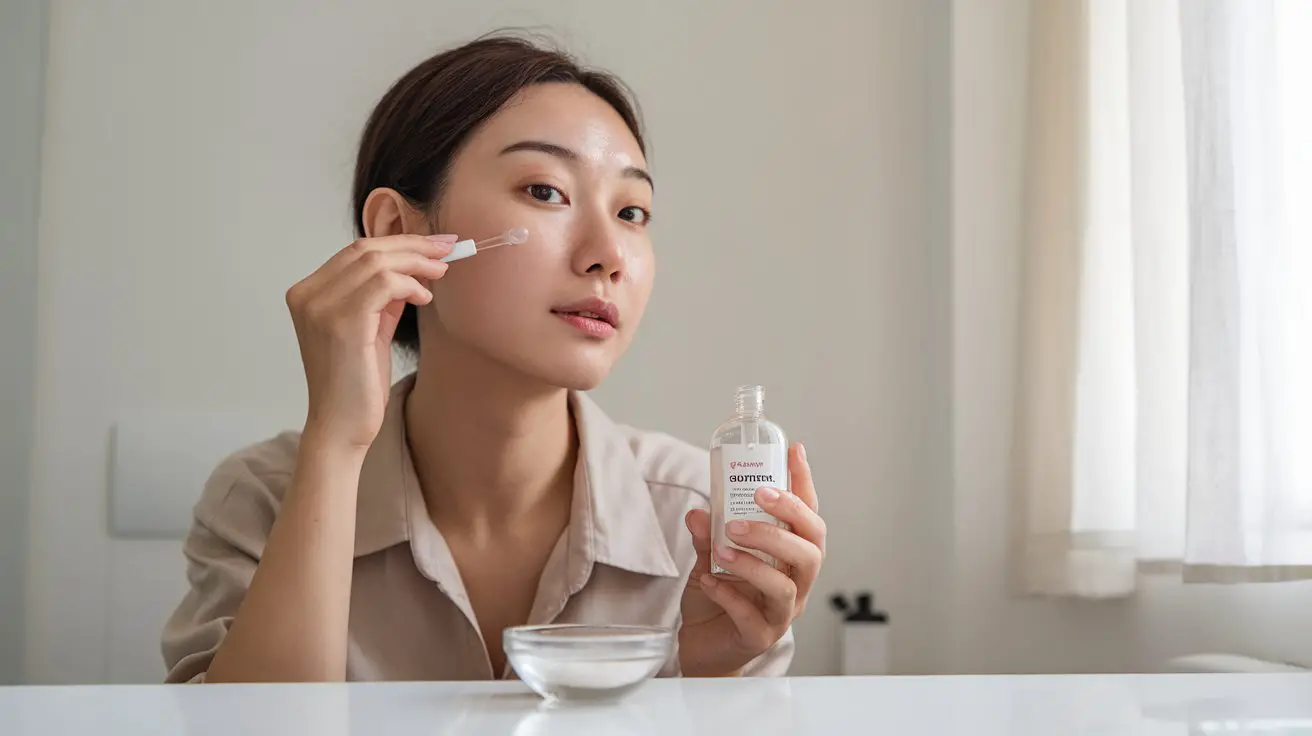
Korean skin toners have quietly revolutionized skincare routines around the world, yet most women still don’t realize the full extent of what these products can do for their skin. Unlike traditional Western toners that often leave skin feeling tight and stripped, Korean formulations work on completely different principles. These water-based treatments go far beyond basic cleansing, offering benefits that might surprise even dedicated skincare enthusiasts.
The Korean approach to toners focuses on preparation and nourishment rather than harsh clarification. While Western toners historically aimed to remove every trace of oil and residue, their Korean counterparts actually add beneficial ingredients back into the skin. This fundamental difference explains why so many women notice immediate improvements in skin texture and comfort after switching to Korean toner formulations.
Your skin deserves more than just surface-level care, and that’s exactly what Korean toners provide. In the following sections, we’ll uncover the remarkable ways these products strengthen your skin barrier, the fascinating science behind layering techniques, and the unexpected anti-aging properties that make them worth incorporating into any routine. You’ll discover how Korean toners address multiple skin concerns simultaneously, from calming irritation to brightening dull complexions, all while maintaining the gentle touch your skin craves.
- What Makes Korean Toners Different from Traditional Toners
- How Korean Toners Transform Your Skin Barrier
- The Science Behind Multiple Toner Layers
- Lesser-Known Anti-Aging Properties of Korean Toners
- Which Skin Concerns Korean Toners Address Beyond Hydration
- Your Skin's Hidden Potential Awaits
- Frequently Asked Questions
What Makes Korean Toners Different from Traditional Toners
Korean toners represent a complete departure from conventional Western toner philosophy. Rather than focusing on removing what’s left after cleansing, these formulations actively deliver nutrients and hydration deep into skin layers. This fundamental shift in purpose transforms toners from optional extras into essential skincare steps.
pH Balancing Properties
Your skin naturally maintains a slightly acidic pH around 5.5, but cleansing can disrupt this delicate balance. Korean toners specifically formulated with pH-balancing properties help restore this optimal level within seconds of application. When skin pH stays balanced, beneficial bacteria thrive while harmful microorganisms struggle to survive.
The immediate effects of proper pH balance extend beyond basic skin health. You’ll notice makeup applies more smoothly, products absorb better, and that uncomfortable tight feeling after washing disappears completely. Many Korean toners contain ingredients like hyaluronic acid and beta-glucan that work best at skin’s natural pH level, making the pH-balancing aspect crucial for ingredient effectiveness.
Hydrating Ingredients vs Astringent Formulas
Traditional toners often relied on alcohol and witch hazel to create that squeaky-clean feeling. Korean formulations take the opposite approach, loading their toners with humectants, ceramides, and botanical extracts. Ingredients like bamboo water, birch sap, and green tea extract provide hydration while offering additional skin benefits.
The hydrating focus means these products actually plump skin cells rather than dehydrating them. Fine lines appear less noticeable, pores look refined, and skin develops a healthy glow that no amount of powder or highlighter can replicate. This hydration-first approach particularly benefits women living in dry climates or spending time in air-conditioned environments.
Layering Technique Origins
Korean skincare introduced the world to the concept of toner layering, a practice that seemed counterintuitive to Western beauty standards focused on minimal product use. The technique originated from Korean women’s observation that multiple thin layers of hydration penetrated better than one thick application of moisturizer.
This discovery led to the development of lightweight, fast-absorbing toner formulas designed specifically for layering. Each application builds upon the previous one, creating a moisture reservoir within the skin. The practice became so popular that specialized layering toners emerged, formulated to work synergistically when applied multiple times.
Absorption Enhancement Capabilities
One of the most remarkable yet overlooked benefits involves how Korean toners improve the absorption of subsequent skincare products. By properly hydrating the skin’s surface layers, these toners create optimal conditions for serums, essences, and moisturizers to penetrate effectively.
Think of dry skin like a dried sponge – it repels water initially and takes time to absorb moisture. Properly hydrated skin, like a damp sponge, readily accepts and distributes beneficial ingredients throughout its layers. This enhancement effect means you actually need less of your expensive serums and treatments to achieve better results.
Some Korean toners contain specific ingredients designed to enhance penetration:
- Fermented Ingredients: Break down molecules into smaller sizes for deeper penetration
- Licorice Root Extract: Opens pathways between skin cells for better absorption
- Centella Asiatica: Calms skin while improving ingredient delivery
- Snail Mucin: Creates moisture channels that help ingredients travel deeper
- Propolis: Seals in beneficial ingredients while providing antibacterial protection
Gentle Formulations for Sensitive Skin
Korean beauty philosophy prioritizes skin health over aggressive treatment, resulting in toner formulations gentle enough for the most reactive skin types. These products typically avoid common irritants like artificial fragrances, drying alcohols, and harsh preservatives that can trigger sensitivity.
The focus on gentleness doesn’t mean sacrificing effectiveness. Many Korean toners contain soothing ingredients traditionally used in Korean medicine, such as mugwort, heartleaf, and madecassoside. These components calm inflammation while delivering active benefits, making them suitable for conditions like rosacea, eczema, and post-procedure skin.
Testing methods in Korean skincare development often involve extensive trials on sensitive skin volunteers, ensuring products meet strict gentleness standards. This rigorous approach means even women who’ve given up on toners due to past reactions often find Korean versions they can use comfortably. The result is skincare that works with your skin’s natural processes rather than against them, promoting long-term health over quick fixes.
How Korean Toners Transform Your Skin Barrier
The skin barrier serves as your body’s first line of defense against environmental aggressors, bacteria, and moisture loss. Korean toners specifically target this crucial protective layer, offering benefits that go far beyond simple hydration. Understanding how these products strengthen and support your barrier function reveals why they’ve become indispensable in modern skincare routines.
Strengthening the Moisture Barrier
Korean toners excel at reinforcing the lipid matrix that holds skin cells together, creating a stronger, more resilient barrier. This reinforcement happens through the delivery of ceramides, cholesterol, and fatty acids – the three essential components of healthy barrier function. When these elements work in harmony, skin becomes better equipped to retain moisture and resist damage.
Regular use of barrier-strengthening toners produces visible improvements within weeks. Skin feels less reactive to weather changes, makeup sits better throughout the day, and that midday tightness many women experience disappears. The strengthening effect also helps skin recover faster from treatments like retinoids or chemical exforants.
Protection from Environmental Damage
Modern life exposes skin to unprecedented levels of pollution, blue light, and oxidative stress. Korean toners increasingly include antioxidants and protective ingredients that create an invisible shield against these daily aggressors. Green tea polyphenols, resveratrol, and vitamin E work together to neutralize free radicals before they can damage skin cells.
The protective benefits extend to UV damage prevention and recovery. While toners never replace sunscreen, many Korean formulations contain ingredients that support skin’s natural defense mechanisms against photoaging. Niacinamide, for instance, helps repair DNA damage while preventing the formation of dark spots.
Reducing Transepidermal Water Loss
Transepidermal water loss (TEWL) occurs constantly as moisture evaporates from skin’s surface. Korean toners combat this process through multiple mechanisms. First, they provide immediate surface hydration that reduces the moisture gradient between skin and environment. Second, they deliver ingredients that physically seal moisture into skin.
Hyaluronic acid in various molecular weights creates a moisture-binding network at different skin depths. Smaller molecules penetrate deeply while larger ones form a protective film on the surface. This multi-level approach significantly reduces water loss compared to single-ingredient hydrators. You’ll notice the difference most clearly in harsh weather conditions – skin stays comfortable and supple rather than becoming tight and flaky.
The reduction in TEWL has cascading benefits for overall skin health. When skin maintains proper hydration levels, cellular turnover normalizes, collagen production improves, and inflammatory responses decrease.
Supporting Natural Skin Renewal
Healthy barrier function directly impacts how efficiently skin cells regenerate and shed. Korean toners often contain gentle acids and enzymes that support this natural renewal process without disrupting barrier integrity. Unlike harsh exfoliating toners that strip away cells aggressively, these formulations work with skin’s natural rhythms.
PHA (polyhydroxy acids) and plant-derived enzymes provide gentle exfoliation that reveals fresher skin without irritation. This measured approach maintains barrier health while encouraging regular cell turnover. The result? Smoother texture, more even tone, and that coveted Korean “glass skin” effect.
Many Korean toners also include ingredients that support cellular energy production. Adenosine, CoQ10, and various plant stem cells help skin cells function optimally, leading to more efficient renewal cycles. This cellular support becomes increasingly important as natural renewal rates slow with age.
Balancing Oil Production
Perhaps counterintuitively, adding moisture through toners actually helps regulate sebum production in oily and combination skin types. When skin receives adequate hydration from external sources, sebaceous glands reduce their oil output. This balancing effect explains why many women with oily skin notice less shine and fewer breakouts after incorporating Korean toners.
The mechanism works through skin’s feedback systems. Dehydrated skin triggers increased oil production as a protective measure. By maintaining optimal hydration levels through regular toner use, you essentially tell sebaceous glands they can relax their efforts. This biological response takes time to establish – typically two to four weeks of consistent use.
Specific ingredients in Korean toners further support oil balance:
- Zinc PCA: Regulates sebum production while providing antimicrobial benefits
- Willow Bark Extract: Contains natural salicylates that keep pores clear
- Tea Tree Water: Purifies without stripping natural oils
- Bamboo Extract: Absorbs excess oil while maintaining hydration
- Rice Water: Brightens and clarifies without disrupting moisture balance
The long-term impact of improved barrier function extends beyond cosmetic benefits. A healthy barrier means less inflammation, reduced sensitivity, and slower aging. Korean toners provide this foundational support through gentle, consistent care rather than aggressive intervention. Your skin learns to function optimally on its own, reducing dependence on heavy moisturizers and treatment products over time.
The Science Behind Multiple Toner Layers
The Korean beauty world introduced a technique that initially puzzled Western skincare enthusiasts: applying toner multiple times in succession. This method, often called the 7-skin method or simply toner layering, relies on scientific principles of absorption and hydration that transform how skin receives and retains moisture.
Why the 7-Skin Method Works
The effectiveness of multiple toner layers stems from how skin absorbs water-based products. Each thin layer penetrates slightly differently than a single thick application would, reaching various depths within the stratum corneum. This graduated approach allows for more complete hydration without overwhelming skin’s absorption capacity.
When you apply one thick layer of product, much of it sits on the surface waiting to either absorb or evaporate. Multiple thin layers, however, absorb quickly and completely between applications. This process creates what researchers describe as a “moisture cascade” – each layer pulls the next one deeper into the skin through osmotic pressure.
The number seven isn’t magical or mandatory. Korean skincare experts chose this number as a maximum that showed measurable benefits in hydration studies. Most women find their optimal number falls between three and five layers, depending on skin type, climate, and the specific toner formula being used.
Molecular Penetration at Different Depths
Not all molecules in toners penetrate skin equally. Size, polarity, and chemical structure determine how deeply each ingredient travels. By applying multiple layers, you give different-sized molecules optimal conditions to reach their target depths within the skin.
Small molecules like glycerin and amino acids penetrate quickly into deeper layers during initial applications. Medium-sized molecules such as peptides and certain vitamins follow in subsequent layers. Large molecules like high-molecular-weight hyaluronic acid form a protective film on the surface, sealing in everything applied beneath.
This staged penetration creates a gradient of hydration and nutrients throughout skin layers. Surface cells receive immediate moisture while deeper layers get time-released benefits as smaller molecules continue traveling inward. The process mimics how skin naturally distributes nutrients from blood vessels to surface cells.
Building Hydration Gradually
Gradual hydration through layering prevents the shock that can occur when severely dehydrated skin suddenly receives intense moisture. This measured approach allows skin cells to adjust their water content slowly, reducing the risk of irritation or reactive responses.
Think of it like watering a very dry plant – pouring water quickly causes runoff, while slow, repeated watering allows proper absorption into the roots. Skin responds similarly, with cellular structures adjusting gradually to accommodate increased moisture levels. This adjustment period helps establish lasting hydration rather than temporary surface moisture.
Each layer also serves a slightly different purpose in the hydration-building process. Initial layers prep and soften the skin, middle layers deliver core hydration, and final layers seal and protect. This systematic approach ensures maximum benefit from each application while preventing product waste.
Customizing for Your Skin Type
The beauty of toner layering lies in its complete customization potential. Unlike fixed-formula moisturizers, you control exactly how much hydration your skin receives each day. This flexibility proves invaluable as skin needs change with weather, hormones, and lifestyle factors.
Oily skin types might use fewer layers of a lightweight, water-based toner to avoid overwhelming sebaceous glands. Dry skin benefits from more layers, possibly combining different toner types for varied benefits. Combination skin allows for zone-specific application – more layers on dry cheeks, fewer on the oily T-zone.
Consider these customization strategies based on your needs:
- Morning Routine: Fewer layers for quick absorption under makeup
- Evening Routine: More layers for overnight healing and repair
- Summer Months: Light layers of refreshing, gel-type toners
- Winter Months: Multiple layers of creamy, nourishing toners
- Pre-Event Prep: Extra layers for immediate plumping effect
When to Stop Adding Layers
Recognizing when skin has reached optimal hydration prevents product waste and potential congestion. The key lies in observing how each layer absorbs and how skin feels between applications.
If a layer takes longer than 30-60 seconds to absorb, or if skin starts feeling sticky rather than dewy, you’ve likely reached saturation point. Some women describe a “bouncy” feeling when skin is perfectly hydrated – pressing gently creates slight resistance with immediate spring-back.
Environmental factors influence absorption capacity too. Humid weather naturally provides ambient moisture, requiring fewer toner layers. Dry, cold, or windy conditions increase skin’s capacity for layered hydration. Air travel, heating, and air conditioning also affect how many layers skin can beneficially absorb.
Pay attention to how your skin looks and feels hours after application. Properly layered toner should leave skin comfortable all day without midday tightness or excessive oiliness. If you notice congestion or small bumps developing, reduce layers until skin clears. Finding your perfect layering routine takes experimentation, but the results – plump, glowing, healthy skin – justify the effort invested in discovering what works best for you.
Lesser-Known Anti-Aging Properties of Korean Toners
While most women associate anti-aging benefits with serums and creams, Korean toners offer remarkable age-fighting properties that often go unrecognized. These lightweight formulations work at the cellular level to prevent and address aging signs through mechanisms quite different from traditional anti-aging products.
Preventing Premature Aging Signs
Prevention remains infinitely easier than correction when it comes to skin aging. Korean toners excel at creating conditions that slow the formation of wrinkles, dark spots, and loss of firmness. By maintaining optimal hydration levels and supporting cellular function, these products help skin resist the factors that accelerate aging.
The preventive power comes partially from consistent pH maintenance. When skin stays at its ideal acidic pH, enzyme functions that break down collagen and elastin become less active. This protective effect compounds over years of use, potentially delaying the onset of visible aging by several years.
Many Korean toners now incorporate blue light protection ingredients, addressing a modern aging concern most traditional products ignore. Lutein, various algae extracts, and specialized peptides help neutralize the oxidative stress from digital devices. Considering how many hours women spend looking at screens daily, this protection proves increasingly valuable.
Boosting Collagen Support
Rather than trying to force collagen production through aggressive ingredients, Korean toners support the skin’s natural collagen synthesis processes. They provide the building blocks and co-factors necessary for healthy collagen formation, including vitamin C derivatives, copper peptides, and amino acids.
The hydration provided by toners also creates an environment where fibroblasts – the cells responsible for collagen production – function optimally. Dehydrated skin shows decreased fibroblast activity, leading to slower collagen renewal. Simply maintaining proper moisture levels through toner use can improve natural collagen maintenance.
Fermented ingredients found in many Korean toners offer unique collagen-supporting benefits. The fermentation process breaks down proteins into smaller peptides that signal skin to increase collagen production. These bio-available peptides penetrate more effectively than synthetic alternatives, providing gentle yet effective anti-aging stimulation.
Reducing Inflammation Markers
Chronic low-grade inflammation, sometimes called “inflammaging,” accelerates every aspect of skin aging. Korean toners combat this process through powerful anti-inflammatory ingredients drawn from traditional Asian medicine. Centella asiatica, green tea, and licorice root work synergistically to calm inflammatory pathways.
The anti-inflammatory effects go beyond surface-level soothing. These ingredients actually interrupt the cascade of inflammatory signals that break down skin structure over time. Regular use helps maintain a calm, balanced complexion that ages more slowly than chronically inflamed skin.
You might not notice dramatic immediate changes from anti-inflammatory toners, but the long-term benefits become apparent when comparing your skin to others your age who haven’t prioritized inflammation control.
Improving Skin Elasticity
Elasticity – skin’s ability to snap back after being stretched – naturally decreases with age. Korean toners address this concern through multiple approaches, from providing deep hydration that plumps skin cells to delivering ingredients that support elastic fiber health.
Ingredients like hydrolyzed collagen, elastin peptides, and plant stem cells help maintain the springy quality of youthful skin. While these molecules are too large to penetrate deeply, they create a flexible film on skin’s surface that provides immediate tightening effects while signaling deeper layers to maintain elastic fiber production.
- Marine Collagen: Provides amino acids essential for elastin synthesis
- Adenosine: Directly stimulates elastic fiber formation
- Peptide Complexes: Signal skin to maintain structural proteins
- Royal Jelly Extract: Rich in proteins that support skin firmness
- Ginseng Extract: Improves microcirculation for better elasticity
The cumulative effect of improved elasticity becomes most noticeable in areas prone to sagging, such as the jawline and neck. Women who consistently use elasticity-supporting toners report firmer, more lifted-looking skin compared to using moisturizers alone.
Minimizing Pore Appearance
Large pores often signal aging skin, as decreased collagen allows pore walls to lose their tight structure. Korean toners address pore concerns through gentle refinement rather than harsh astringent action.
Niacinamide, a star ingredient in many Korean toners, regulates sebum production while improving skin elasticity around pores. This dual action creates the appearance of smaller, less noticeable pores without the irritation associated with alcohol-based pore treatments.
The consistent hydration from toners also plumps skin around pores, creating an optical blurring effect. Well-hydrated skin reflects light more evenly, making pores less visible to the naked eye. This immediate cosmetic improvement combines with long-term structural benefits for lasting pore refinement.
Some Korean toners include gentle BHAs (beta-hydroxy acids) that keep pores clear without disrupting skin barrier function. These ingredients work gradually to prevent the buildup that stretches pores over time. The result is skin that maintains a refined texture throughout the aging process, avoiding the coarse appearance that often develops in later years.
Which Skin Concerns Korean Toners Address Beyond Hydration
Korean toners have evolved far beyond simple hydrating solutions, now targeting specific skin concerns with sophisticated ingredient combinations. These versatile products address multiple issues simultaneously, making them valuable additions to any skincare routine regardless of primary skin type.
Calming Redness and Irritation
Redness and irritation affect women across all skin types, whether from sensitivity, rosacea, or environmental factors. Korean toners formulated with soothing ingredients provide immediate relief while addressing underlying causes of inflammation.
Mugwort, a traditional Korean medicinal plant, appears frequently in calming toners. This ingredient contains powerful anti-inflammatory compounds that reduce redness within minutes of application. Unlike heavy creams that might feel suffocating on irritated skin, lightweight toners deliver soothing benefits without added weight or occlusion.
Temperature plays a role in maximizing calming benefits. Storing your toner in the refrigerator adds an extra soothing element through cold therapy. The cooling effect constricts blood vessels temporarily, reducing visible redness while the ingredients work to address inflammation at the cellular level.
Evening Out Skin Texture
Uneven texture – whether from acne scarring, enlarged pores, or general roughness – responds remarkably well to consistent Korean toner use. These products smooth skin through gentle exfoliation combined with intense hydration.
Rice water, a centuries-old Korean beauty secret, contains natural enzymes that gently dissolve dead skin cells. Unlike harsh physical scrubs or strong chemical exfoliants, rice water toners work gradually to reveal smoother skin without irritation. The starch in rice water also creates a temporary smoothing effect, making skin feel silky immediately after application.
The texturizing benefits extend deeper than surface smoothing. Ingredients like snail mucin and bee venom (in synthetic form) stimulate cellular turnover and repair. Over time, this leads to more uniform skin texture as damaged areas gradually regenerate with healthy new cells.
Brightening Dull Complexions
Dullness often results from multiple factors: dead skin cell buildup, poor circulation, dehydration, and uneven pigmentation. Korean toners tackle all these issues simultaneously through carefully selected brightening ingredients.
Vitamin C derivatives in stabilized forms appear in many Korean brightening toners. These ingredients not only inhibit excess melanin production but also protect against environmental factors that cause dullness. Unlike pure vitamin C serums that can irritate sensitive skin, vitamin C in toner form provides gentler, more consistent brightening.
Fermented ingredients unique to Korean skincare amplify brightening effects. Galactomyces, sake, and rice ferments contain natural acids and enzymes that gently exfoliate while delivering brightening nutrients. The fermentation process also creates smaller molecules that penetrate more effectively than non-fermented alternatives.
Managing Acne-Prone Skin
Contrary to popular belief, acne-prone skin often benefits tremendously from the right toner. Korean formulations designed for problematic skin balance oil production while fighting bacteria without over-drying.
Tea tree water provides antibacterial benefits in a much gentler form than concentrated tea tree oil. Combined with ingredients like witch hazel extract and willow bark, these toners help prevent breakouts while maintaining skin barrier health. This balanced approach prevents the rebound oil production that harsh acne treatments often trigger.
The layering method works particularly well for acne-prone skin when using appropriate toners:
- First Layer: Contains salicylic acid to penetrate pores
- Second Layer: Delivers calming ingredients to prevent irritation
- Third Layer: Provides lightweight hydration without clogging
- Fourth Layer: Includes niacinamide for oil control and healing
This strategic layering allows acne-prone skin to receive multiple benefits without overwhelming it with heavy products that might trigger breakouts.
Soothing Post-Procedure Skin
After chemical peels, laser treatments, or other cosmetic procedures, skin requires gentle yet effective care. Korean toners formulated for sensitive and compromised skin provide ideal post-procedure support.
Centella asiatica, often called “cica” in Korean beauty, accelerates healing while preventing scarring. This ingredient has been clinically proven to speed wound healing and reduce inflammation. In toner form, it delivers these benefits without the heaviness of traditional post-procedure creams.
Propolis, another common ingredient, provides antibacterial protection while supporting skin repair. Its natural antimicrobial properties help prevent infection in compromised skin while its rich nutrient content feeds healing cells.
The liquid format of toners proves especially valuable for post-procedure care. You can apply them without rubbing or pressing on tender skin – simply pat gently or mist directly onto the face. This minimal-contact application reduces irritation risk while ensuring treated areas receive necessary care.
Many aesthetic practitioners now recommend specific Korean toners as part of post-treatment protocols. The gentle formulations help maintain treatment results while minimizing downtime and discomfort. Patients report faster healing and better overall outcomes when incorporating these products into their recovery routines.
Your Skin’s Hidden Potential Awaits
Korean toners represent far more than a passing beauty trend – they offer scientifically-backed benefits that transform how skin functions at its most fundamental level. From strengthening your moisture barrier to providing unexpected anti-aging properties, these multitasking products deliver results that expensive serums and treatments often struggle to achieve alone. The gentle yet effective approach of Korean toner formulations means women with any skin type can experience improvements in texture, tone, and overall skin health.
The true power of Korean toners lies not in dramatic overnight changes but in the cumulative benefits of consistent use. As your skin adapts to optimal hydration levels, develops stronger barrier function, and maintains better pH balance, you’ll notice improvements that go beyond surface-level beauty. Your complexion becomes more resilient, ages more slowly, and requires less intervention from heavy moisturizers or corrective treatments. The investment in a quality Korean toner today pays dividends in healthier, more radiant skin for years to come.
Frequently Asked Questions
Q: Can I use Korean toner if I have very oily skin?
A: Yes, Korean toners actually help regulate oil production by providing proper hydration. When skin receives adequate moisture from lightweight toners, sebaceous glands reduce their oil output naturally, leading to less shine and fewer breakouts over time.
Q: How long before I see results from using Korean toner?
A: Immediate effects like softer, more comfortable skin appear within days. Visible improvements in texture and tone typically develop after 2-4 weeks of consistent use. Long-term benefits such as improved elasticity and reduced signs of aging become apparent after several months.
Q: Should I still use Korean toner if I live in a humid climate?
A: Absolutely. While you might need fewer layers than someone in a dry climate, the pH-balancing and ingredient-delivery benefits remain valuable regardless of humidity levels. Choose lighter, water-based formulas and adjust the number of layers based on your skin’s daily needs.
Q: What’s the difference between essence and Korean toner?
A: Korean toners primarily focus on pH balance and initial hydration, preparing skin for other products. Essences contain higher concentrations of active ingredients and work as treatment products. Many Korean routines include both, with toner applied first.
Q: Can I mix different Korean toners in my routine?
A: Yes, many women successfully layer different toners for customized benefits. Start with the thinnest consistency and work toward thicker formulas. For example, apply a pH-balancing toner first, followed by a hydrating toner, then finish with a treatment toner containing active ingredients.
Q: Do Korean toners replace the need for moisturizer?
A: While multiple toner layers provide significant hydration, most skin types still benefit from a moisturizer to seal in all that moisture. However, you’ll likely need less moisturizer than before, and oily skin types might find toner layers sufficient during humid months.
Q: How do I know if I’m using too many toner layers?
A: Signs of over-layering include skin feeling sticky rather than dewy, products taking several minutes to absorb, or small bumps appearing from congestion. If makeup slides off easily or skin feels suffocated, reduce the number of layers until balance returns.
Q: Are Korean toners safe during pregnancy?
A: Most Korean toners are pregnancy-safe, but check ingredient lists for retinoids, high-concentration salicylic acid, or essential oils that some women prefer to avoid. Centella asiatica, hyaluronic acid, and niacinamide-based toners typically pose no concerns during pregnancy.

