

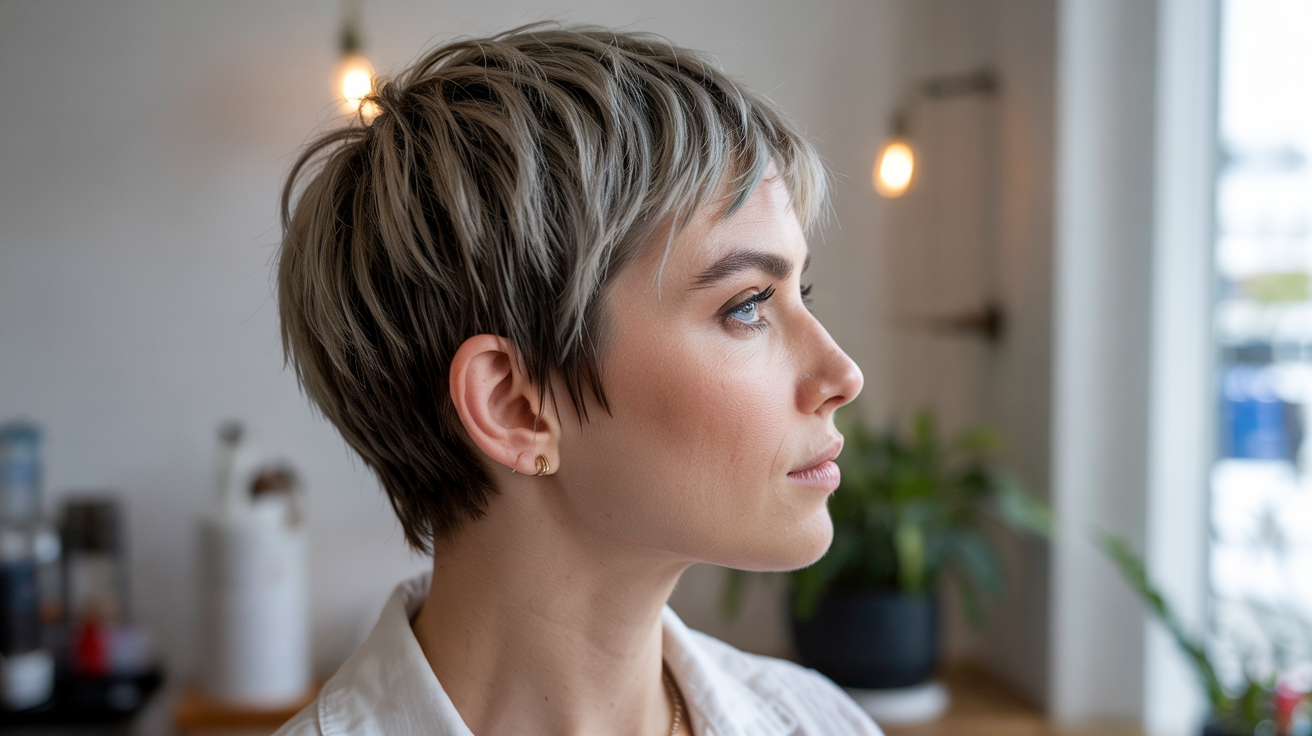
The shaggy pixie haircut has quietly become one of the most requested styles in salons across the country. This modern interpretation of the classic pixie adds texture, movement, and an effortless coolness that works for women of all ages. Unlike the ultra-polished pixies of previous decades, today’s version celebrates natural texture and creates a lived-in look that feels both contemporary and timeless.
What sets this trend apart is its incredible adaptability. Whether your hair is naturally straight, wavy, or curly, the shaggy pixie works with your texture rather than against it. The cut features strategic layers that create volume where you want it and reduce bulk where you don’t, resulting in a style that looks great from the moment you leave the salon chair.
In the following sections, we’ll explore everything you need to know about this versatile cut. From understanding what makes a pixie “shaggy” to figuring out if it suits your face shape, plus styling tips and maintenance advice, you’ll discover why so many women are making the chop and loving every minute of it.
- What Makes a Pixie Cut Shaggy This Year
- Why Shaggy Pixie Cuts Are Having Their Moment
- How to Know If a Shaggy Pixie Suits Your Face Shape
- Styling Your Shaggy Pixie for Different Occasions
- Maintaining Your Shaggy Pixie Between Salon Visits
- Rocking Your Shaggy Pixie with Confidence
- Frequently Asked Questions
What Makes a Pixie Cut Shaggy This Year
A shaggy pixie differs from traditional pixie cuts through its intentionally choppy, textured layers. Rather than precise, uniform lengths, stylists create varying lengths throughout the cut that blend seamlessly together. This technique produces natural movement and prevents the helmet-like appearance that some worry about with shorter styles. The layers typically start shorter at the crown and gradually increase in length toward the face and neckline.
The texture comes from point-cutting and razor techniques that remove weight while maintaining density. Your stylist might use thinning shears strategically to create pieces that move independently. This approach works particularly well for thick hair that needs some bulk removed, but it’s equally effective on fine hair that benefits from the illusion of fullness created by varied lengths.
Length Variations and Proportions
Today’s shaggy pixie plays with proportions in unexpected ways. The sides might be kept shorter with a subtle undercut, while the top maintains enough length to style in multiple directions. Some variations feature longer pieces around the ears or nape, creating interesting silhouettes that change based on how you style them.
The beauty lies in customization. Your stylist can adjust lengths to highlight your best features – perhaps keeping more length around the jawline to soften angular features, or creating height at the crown to elongate a round face. These thoughtful proportions make each cut unique to the wearer.
Front sections often retain more length, allowing for side-swept bangs or face-framing pieces. This versatility means you can change your look day to day without committing to a specific style.
Movement and Natural Flow
What truly defines the current shaggy pixie is its inherent movement. Unlike structured cuts that require precise styling, this version works with your hair’s natural patterns. The layering technique encourages pieces to fall in different directions, creating an organic, tousled appearance.
This movement comes from the way hair is cut at various angles. Instead of cutting straight across, stylists work at diagonal angles that encourage hair to flip, wave, or lie flat depending on its natural tendencies. The result feels effortless and modern.
For those with straight hair, the cut adds the illusion of texture. Wavy hair gets enhanced definition without the weight that can pull waves flat. Curly hair finds new freedom to spring in multiple directions rather than forming one uniform shape. Below are key elements that create natural flow:
Weight Distribution: Strategic removal of bulk allows remaining hair to move freely
Graduated Lengths: Shorter to longer progression creates cascading movement
Disconnected Sections: Intentionally separated areas add visual interest
Feathered Ends: Soft, wispy finishing prevents blunt, heavy lines
Difference from Traditional Pixie Cuts
Traditional pixie cuts often featured clean lines, geometric shapes, and required daily styling to look polished. The shaggy version throws out that rulebook. Where classic pixies demanded perfection, shaggy pixies celebrate imperfection. Bedhead becomes a style choice rather than a morning disaster.
The maintenance requirements differ significantly too. Traditional pixies needed frequent trims to maintain their shape – sometimes every three to four weeks. Shaggy pixies grow out more gracefully, with the textured layers disguising growth patterns. You might stretch appointments to six or eight weeks without losing the overall aesthetic.
Color plays differently on shaggy versus traditional pixies as well. The varied lengths and textures create natural dimension that makes single-process color look multi-tonal. Highlights and lowlights blend more organically through the choppy layers, requiring less frequent touch-ups.
Perhaps the biggest difference lies in styling philosophy. Traditional pixies often required heat styling, products for hold, and careful shaping. The shaggy pixie thrives on air-drying, minimal product, and finger-styling. This shift reflects broader beauty trends toward enhancing natural texture rather than fighting against it.
Why Shaggy Pixie Cuts Are Having Their Moment
Modern life demands hairstyles that work with busy schedules, not against them. The shaggy pixie delivers on this need perfectly. Most women find they can wash, apply a small amount of texture product, and let their hair air dry for a perfectly styled look. This five-minute morning routine appeals to professionals, parents, and anyone tired of spending excessive time on their hair.
The forgiving nature of the cut means you don’t need to style it the same way daily. Sometimes you might smooth it down for a sleeker appearance. Other days, you can enhance the texture for a more dramatic look. Bad hair days become nearly impossible when “messy” is part of the intended aesthetic. This flexibility reduces morning stress and eliminates the pressure to achieve perfection.
Product needs decrease dramatically with this cut. Where longer styles might require multiple products for washing, conditioning, styling, and finishing, a shaggy pixie often needs just a lightweight texture spray or cream. This simplification saves both time and money while reducing product buildup that can weigh hair down.
Versatility for Different Hair Types
Every hair type finds something to love in the shaggy pixie trend. Fine hair gains body and movement through the layered cutting technique. The varying lengths create shadows and depth that make thin hair appear fuller. Strategic texturizing prevents the flat, limp appearance that shorter cuts sometimes create on fine hair.
Thick hair benefits from the weight removal inherent in the cutting technique. Instead of dealing with bulk that creates unflattering shapes, thick-haired women discover a cut that works with their density. The layers allow thick hair to lay properly without requiring extensive thinning that can create frizz.
Curly and wavy textures particularly shine with this cut. The shorter length removes weight that can stretch out curl patterns, allowing natural texture to spring up. The shaggy layers work with curl formation rather than disrupting it. Many women discover curl patterns they never knew existed once the weight of longer hair is removed.
Straight hair types needn’t feel left out. The cutting technique adds visual interest to poker-straight strands through varied lengths and texturizing. What might look boring in a blunt cut becomes dynamic and interesting with shaggy layers. Even the straightest hair develops movement and body with proper cutting techniques.
Modern Take on Classic Style
The pixie cut has cycled through fashion for decades, but this current iteration feels fresh and contemporary. Social media has shown us that short hair can be feminine, professional, and edgy all at once. The shaggy version particularly appeals to women who want short hair without sacrificing versatility or personality.
This modern approach incorporates elements from other trending styles. You might notice influences from the French-girl bob in the effortless texture, or hints of the shag revival in the layering technique. By combining these elements in a shorter format, stylists have created something that feels both timeless and completely current.
The cut also reflects changing beauty standards that celebrate individuality over conformity. Rather than one perfect pixie shape, we see countless variations that work with each person’s unique features and lifestyle. This personalization makes the style accessible to more women than ever before.
Color trends mesh beautifully with the shaggy pixie too. Whether you prefer natural hues, bold fashion colors, or subtle highlights, the textured layers showcase color in interesting ways. The movement inherent in the cut means color appears multi-dimensional even with single-process applications.
Social Media Influence
Platforms like Instagram and TikTok have transformed how we discover and share hairstyle inspiration. The shaggy pixie photographs beautifully from multiple angles, making it perfect for social media documentation. Unlike some styles that only look good from one viewpoint, this cut offers visual interest from every perspective.
Styling videos showing the simplicity of working with a shaggy pixie have gone viral repeatedly. Women share their morning routines, demonstrating how quickly they can go from bed to presentable. These real-world examples convince others that short hair doesn’t mean high maintenance.
The hashtag communities around pixie cuts provide endless inspiration and support. Women considering the chop can see hundreds of variations on different face shapes, hair types, and personal styles. This visibility helps potential pixie-wearers visualize themselves with short hair and find stylists who specialize in these cuts.
Professional Yet Edgy Balance
Today’s workplace welcomes more diverse style choices than ever before. The shaggy pixie strikes an ideal balance between professional polish and personal expression. In conservative environments, you can style it smoothly for important meetings. In creative fields, you can emphasize the texture for an artier appearance.
The cut’s adaptability extends to different industries and roles. Healthcare workers appreciate how it stays out of the way during long shifts. Teachers love that it looks put-together without daily heat styling. Corporate professionals find it projects confidence while remaining appropriate for client meetings.
Weekend transformation possibilities add to the appeal. The same cut that looks boardroom-ready on Tuesday can become rock-concert cool on Saturday night with different styling products and techniques. This chameleon quality means one haircut serves multiple aspects of your life, reducing the feeling of being stuck in one style identity.
Age becomes irrelevant with this cut. Twenty-somethings wear it as a statement of independence and style. Forty-somethings appreciate how it manages changing hair textures. Sixty-somethings love the youthful energy it provides. The shaggy pixie transcends generational boundaries by adapting to each wearer’s needs and preferences.
How to Know If a Shaggy Pixie Suits Your Face Shape
Round faces often worry about short haircuts emphasizing facial width, but the shaggy pixie can actually create flattering angles and length. The key lies in keeping height at the crown while maintaining some length through the top sections. This vertical element draws the eye upward, creating an elongating effect that balances round facial proportions.
Asymmetrical elements work particularly well for round faces. Consider asking your stylist for a deeper side part or longer pieces on one side. These diagonal lines break up the circular shape and add visual interest. Avoid styles that add width at the temples or create a rounded silhouette that echoes your face shape.
Many round-faced women find success with slightly longer shaggy pixies that maintain some length around the jawline. These pieces create shadows and angles that define the face. The textured, piece-y finish of a shaggy cut prevents the bowl-like effect that round faces should avoid.
Oval Face Advantages
Oval faces hit the jackpot with the shaggy pixie – nearly every variation works beautifully. This balanced face shape can handle shorter sides, longer tops, symmetrical cuts, or asymmetrical styles with equal success. The versatility of oval faces means you can choose your pixie variation based on hair texture and lifestyle rather than facial restrictions.
Experimentation becomes your friend with an oval face. You might try a super short, textured version one appointment, then grow it into a longer, shaggier style the next. The forgiving proportions of oval faces mean you can play with different lengths and textures without worrying about unflattering results.
Consider showcasing your balanced features by keeping the sides relatively short. This draws attention to your facial structure while the textured top adds personality. Oval faces can also handle bold choices like undercuts or dramatic asymmetry that might overwhelm other face shapes.
Your main consideration should be hair texture and personal style rather than facial limitations. Choose lengths and textures that make you feel confident and suit your daily routine. The freedom to select based on preference rather than necessity is the oval face’s greatest advantage.
Square Face Styling Tips
Square faces benefit from softness around the angles, making the shaggy pixie an excellent choice. The textured, piece-y nature of the cut naturally softens strong jawlines and angular features. Focus on creating volume and texture at the crown while keeping some length around the face to break up straight lines.
Avoid cuts that end at the jawline or create horizontal lines across the face. Instead, opt for lengths that hit above or below the jaw. Wispy, feathered edges around the face create movement that contrasts beautifully with angular bone structure. The inherent messiness of a shaggy cut provides the perfect counterpoint to square faces’ natural geometry.
Side-swept bangs or longer pieces that angle across the forehead work wonderfully for square faces. These diagonal lines soften the forehead’s width while adding feminine touches to strong features. Below, find the most flattering elements for square faces:
Layered Crown: Creates height that elongates the face
Textured Edges: Softens angular jawlines naturally
Asymmetrical Elements: Breaks up symmetrical features
Wispy Bangs: Reduces forehead width visually
Tapered Nape: Prevents boxy silhouettes from forming
Heart-Shaped Face Modifications
Heart-shaped faces need balance between a wider forehead and narrower chin. The shaggy pixie can achieve this through strategic length placement. Keep fullness through the middle and lower portions of the cut while avoiding excessive volume at the crown, which can emphasize forehead width.
Chin-length pieces or layers that kick out slightly at the jaw create width where heart-shaped faces need it most. This balances the natural triangle of the face shape. Textured bangs also help by visually reducing forehead width while adding interest to the overall style.
Consider a shaggy pixie that maintains more length overall, particularly around the ears and nape. These longer elements create width in the lower portion of the face. The choppy, textured finish prevents any severity that might emphasize the pointed chin characteristic of heart shapes.
Your stylist might suggest subtle undercuts at the temples to reduce width in that area while maintaining fullness elsewhere. This technique requires expertise but can create remarkable balance for heart-shaped faces. Communication about your specific proportions helps achieve the most flattering result.
Long Face Proportions
Long faces benefit from shaggy pixies that add width rather than height. Avoid excessive volume at the crown, instead focusing on creating fullness at the sides. The textured nature of the cut helps create horizontal lines that balance vertical facial length.
Full, side-swept bangs become your best friend with a long face. They break up facial length while adding a youthful, playful element to the style. These bangs can be worn straight across for maximum length reduction or swept to the side for a softer effect.
Consider asking for a rounded shape rather than height at the crown. The shaggy texture prevents this from looking like a bowl cut while still maintaining the width-enhancing properties long faces need. Pieces that flick out at the ears add valuable horizontal elements.
The grow-out phase actually works in your favor with a long face. As the pixie grows, it naturally develops more width and fullness at the sides – exactly what elongated faces need. This means you can extend time between cuts while maintaining a flattering shape throughout the growing process.
Styling Your Shaggy Pixie for Different Occasions
Your daily styling routine can be refreshingly simple with a shaggy pixie. Start with damp (not soaking) hair for best results. Most women find that towel-drying until hair is about 70% dry provides the ideal starting point. From here, your approach depends on your hair’s natural texture and your desired finish.
For enhanced texture, work a small amount of sea salt spray or texture cream through your hair with your fingers. Focus on the mid-lengths and ends rather than the roots to avoid greasiness. Scrunch sections gently to encourage natural wave patterns, or twist small pieces around your finger for more defined texture.
Air drying produces the most natural, effortless results. If you’re short on time, use a diffuser on low heat to speed the process while maintaining texture. Direct the airflow upward to create volume at the roots. Avoid touching your hair too much during the drying process – this prevents frizz and maintains the natural formation of pieces.
Once dry, you might add a tiny amount of texture paste or pomade to define individual pieces. Warm the product between your palms first, then work through selected sections for emphasis. The goal is enhancement, not transformation – let the cut’s natural movement guide your styling choices.
Work-Appropriate Looks
Professional settings often call for a more polished version of your shaggy pixie. Start by applying a lightweight smoothing cream to damp hair. This controls frizz without eliminating the cut’s natural texture. Use a small round brush while blow-drying to smooth pieces while maintaining volume.
Direction matters when creating a professional look. Train longer pieces to sweep away from your face for an open, confident appearance. A light misting of flexible hold hairspray keeps everything in place without stiffness. The key is control without severity – you want to look polished, not plastered.
For important meetings or presentations, consider using a flat iron on select pieces for extra smoothness. Focus on the front sections that frame your face, leaving the back textured for interest. This combination of smooth and textured elements looks intentional and sophisticated.
Product buildup can make short hair look greasy quickly. Use clarifying shampoo once a week to remove residue and restore your hair’s natural movement. On days between washes, dry shampoo at the roots refreshes your style and adds volume where needed.
Weekend Casual Styling
Weekends call for maximum texture and minimal effort. This is where your shaggy pixie truly shines. Wake up, run your fingers through your hair, maybe add a spritz of texture spray, and you’re ready. The beauty of this cut lies in its ability to look deliberately undone.
For beach days or outdoor activities, protect your hair and skin with a leave-in conditioner containing SPF. The shorter length means your scalp gets more sun exposure than with longer styles. These protective products prevent color fading while maintaining hair health.
Embrace the bedhead look by enhancing whatever texture you wake up with. If pieces stick up, work with them rather than against them. A small amount of matte paste can define these rebellious sections, turning morning mishaps into style statements. Your shaggy pixie gives you permission to be perfectly imperfect.
Evening Transformation Tips
Date nights and special events offer opportunities to dramatize your shaggy pixie. Start with completely dry hair for maximum control. Use a small amount of volumizing mousse at the roots, then blow-dry while lifting sections with your fingers. This creates dramatic height and movement.
For added glamour, consider temporary color products. Spray-on highlights, colored texture powders, or even clip-in pieces can transform your look for one night. The short length means less product is needed for dramatic impact. These temporary options let you experiment without commitment.
Accessories elevate any pixie cut instantly. Decorative bobby pins, small hair clips, or even temporary hair tattoos add special-occasion flair. Position accessories asymmetrically for modern appeal. A single statement piece often works better than multiple small accessories.
Texture takes on new importance for evening styling. Use a texture spray with shimmer particles for subtle sparkle that catches the light. Focus application on the pieces that frame your face for maximum impact. Set everything with a strong-hold hairspray that maintains flexibility – you want movement, not a helmet.
Product Recommendations
The right products make all the difference in styling your shaggy pixie. Your kit needs just a few key items that serve multiple purposes. Start with a lightweight texture cream that works on both damp and dry hair. This versatility means one product handles multiple styling needs.
Sea salt spray deserves a permanent place in your styling arsenal. Choose one without drying alcohols to prevent damage. These sprays add grit and texture that enhance the shaggy nature of your cut. Apply to damp hair and scrunch for beachy texture, or spritz on dry hair for quick refreshing.
Dry shampoo becomes crucial with short hair that shows oil quickly. Look for translucent formulas that won’t leave white residue on darker hair. Apply at night before bed – this gives the product time to absorb oils while you sleep, resulting in fresher morning hair.
A quality finishing product pulls any look together. Consider keeping both a matte paste for casual texture and a smoothing serum for polished styles. Remember that short hair requires minimal product – start with a rice grain-sized amount and add more only if needed. Here are essential products for your shaggy pixie toolkit:
Texture Cream: Defines pieces without weighing hair down
Sea Salt Spray: Creates beachy, lived-in texture instantly
Dry Shampoo: Extends time between washes while adding volume
Matte Paste: Provides flexible hold with natural finish
Light Hairspray: Sets styles without stiffness or crunch
Maintaining Your Shaggy Pixie Between Salon Visits
Understanding the growth pattern of your shaggy pixie helps you plan salon visits effectively. Unlike precision cuts that lose their shape quickly, the textured nature of this style grows out more forgivingly. Most women find they can stretch appointments to six or eight weeks, sometimes longer depending on their hair’s growth rate.
The first signs you need a trim usually appear around the ears and neckline. These areas grow out most noticeably, potentially creating unflattering shapes. However, the overall silhouette often remains pleasing for weeks after these areas start looking shaggy. This extended timeline saves both money and time compared to traditional pixie maintenance.
Your face shape influences how often you need trims. Round faces might notice they need shaping sooner to maintain lengthening elements. Square faces can often go longer between cuts since the softening texture remains even as hair grows. Pay attention to when your specific cut stops flattering your features rather than following a rigid schedule.
Communication with your stylist about growth patterns helps optimize your trimming schedule. They can cut certain areas slightly shorter to extend time between visits. This strategic approach means the grow-out phase looks intentional rather than neglected.
At-Home Care Essentials
Daily care for your shaggy pixie focuses on maintaining hair health and texture. Washing frequency depends on your scalp’s oil production and lifestyle. Many women find they can wash every other day or even twice weekly with the right dry shampoo routine. This reduced washing preserves natural oils that enhance texture.
Choose sulfate-free shampoos that clean without stripping. The shorter length means products reach your scalp more directly, making gentle formulas essential. Focus shampoo application on the scalp rather than the lengths – the suds running through during rinsing sufficiently clean the hair shafts.
Conditioning requires a lighter touch with short hair. Apply conditioner only to the mid-lengths and ends, avoiding the roots entirely. This prevents the flat, greasy appearance that over-conditioning creates. Leave-in conditioners work wonderfully for adding moisture without weight.
Weekly deep conditioning treatments keep hair healthy between cuts. Apply a hair mask focusing on the ends where damage accumulates. The shorter length means you need less product, making expensive treatments more economical. These weekly treatments prevent the dry, damaged texture that can make short hair look unkempt.
Regular scalp care becomes more important with short hair. Weekly scalp massages stimulate circulation and distribute natural oils. Consider adding a scalp treatment to your routine if you notice dryness or flaking. Healthy scalp conditions promote better hair growth and texture.
Texture Preservation Techniques
Maintaining the piece-y, textured quality of your shaggy pixie requires specific techniques. Avoid over-brushing, which can make short hair look flat and lifeless. Instead, use your fingers to style and separate pieces. This preserves the cut’s natural movement while preventing the smooth, rounded shapes that brushing creates.
Product rotation prevents buildup that weighs down texture. Alternate between different styling products rather than using the same one daily. This variety keeps hair responsive to styling while preventing the dull, coated appearance that comes from product accumulation.
Sleeping habits affect morning texture significantly. Silk or satin pillowcases reduce friction that causes frizz and flatness. If you prefer cotton pillowcases, consider wrapping your hair in a silk scarf before bed. This simple step often means better morning hair that requires less styling.
Between washes, refresh texture with water rather than adding more product. A spray bottle with water and a tiny amount of leave-in conditioner reactivates existing products while adding moisture. This technique prevents the buildup that makes short hair look greasy or weighed down.
Growing Out Gracefully
Eventually, you might decide to grow out your shaggy pixie. The textured nature of this cut makes growing out easier than with traditional pixies. The varied lengths mean no single awkward phase dominates the process. Instead, your hair transitions through several wearable stages.
Strategic trimming during the grow-out process maintains style while gaining length. Focus on keeping the back and sides shaped while allowing the top to grow. This approach prevents the mullet effect that often plagues pixie grow-outs. Regular shaping appointments every six weeks keep the process looking intentional.
Accessories become valuable tools during transition phases. Headbands, decorative clips, and bobby pins help manage pieces that don’t quite fit the current style. These tools let you fake a cohesive look while nature takes its course. Experiment with different accessories to find what works for your changing length.
Styling products designed for longer hair gradually enter your routine. As pieces grow, you might need products with more hold or different textures. Embrace each phase rather than rushing toward a specific goal length. Many women discover they prefer an intermediate length to their original target.
Common Mistakes to Avoid
Over-washing ranks as the top mistake women make with shaggy pixies. Daily washing strips natural oils that enhance texture and create piece-y separation. Train your scalp to need less frequent washing by gradually extending time between shampoos. Your hair’s natural oils provide the best texturizing product available.
Using too much product creates heavy, greasy-looking hair that defeats the effortless aesthetic. Start with minimal amounts – you can always add more. Short hair shows product buildup much more obviously than longer styles. When in doubt, use less and focus on targeted application rather than all-over coverage.
Trying to fight your natural texture wastes time and damages hair. The shaggy pixie works best when you enhance what nature gave you rather than creating an entirely different texture. If you have straight hair, work with sleekness. If you have waves, enhance them. Fighting against your natural texture daily leads to frustration and damage.
Neglecting regular trims to save money backfires with pixie cuts. While shaggy pixies grow out better than traditional versions, they still need shaping to look intentional. Stretched-out appointments often result in needing corrective cuts that remove more length than regular maintenance would have required. Here are crucial mistakes that sabotage your shaggy pixie:
Overwashing: Removes natural oils that create texture
Product Overload: Weighs down hair and looks greasy
Fighting Natural Texture: Causes damage and frustration
Skipping Trims: Results in shapeless, unflattering growth
Aggressive Brushing: Eliminates piece-y texture and creates helmet hair
Rocking Your Shaggy Pixie with Confidence
The shaggy pixie represents more than just a haircut – it’s a lifestyle choice that prioritizes ease, style, and self-expression. This modern take on the classic pixie cut offers incredible versatility, working beautifully across different hair types, face shapes, and personal styles. Whether you’re drawn to its low-maintenance appeal or its fashion-forward aesthetic, this cut delivers on multiple levels.
Taking the plunge into pixie territory might feel daunting, but the rewards far outweigh any initial hesitation. You’ll discover newfound freedom in your morning routine, experience the joy of truly wash-and-go hair, and likely receive countless compliments on your bold choice. The shaggy pixie proves that short hair can be simultaneously edgy and elegant, professional and playful, structured yet effortlessly undone. Most importantly, it’s a cut that grows with you, adapting to your changing needs while maintaining its essential character.
Frequently Asked Questions
Q: How often will I need to visit the salon with a shaggy pixie cut?
A: Most women can stretch salon visits to 6-8 weeks with a shaggy pixie, compared to 4-5 weeks for traditional pixie cuts. The textured layers grow out more gracefully, disguising growth patterns naturally.
Q: Can I style a shaggy pixie if I have very straight hair?
A: Absolutely! Straight hair actually benefits from the texturizing techniques used in shaggy pixies. Your stylist will create layers and use point-cutting to add movement and prevent your hair from lying too flat.
Q: What’s the best way to sleep with a shaggy pixie to avoid morning flatness?
A: Use a silk or satin pillowcase to reduce friction, or wrap your hair in a silk scarf before bed. Some women find that spritzing with water and scrunching before sleep creates great morning texture.
Q: Will a shaggy pixie make my round face look rounder?
A: Not if cut correctly! Ask your stylist to maintain height at the crown and keep some length through the top. Asymmetrical elements and longer pieces around the face create flattering angles for round faces.
Q: How do I prevent my shaggy pixie from looking greasy between washes?
A: Use dry shampoo at night before bed rather than in the morning – this gives it time to absorb oils while you sleep. Also, avoid applying styling products to your roots and use clarifying shampoo weekly.
Q: Can I color my hair with a shaggy pixie cut?
A: Yes! The varied lengths and textures in a shaggy pixie actually showcase color beautifully. Single-process color appears multi-dimensional, and highlights blend seamlessly through the choppy layers.
Q: What’s the biggest mistake people make when styling their shaggy pixie?
A: Using too much product is the most common error. Short hair shows product buildup quickly. Start with a rice grain-sized amount and build up only if needed. Less is definitely more with pixie styling.
Q: How long does it take to grow out a shaggy pixie if I change my mind?
A: Growing from pixie to bob length typically takes 6-9 months with regular shaping trims. The shaggy cut grows out more attractively than traditional pixies, passing through several wearable stages along the way.

