

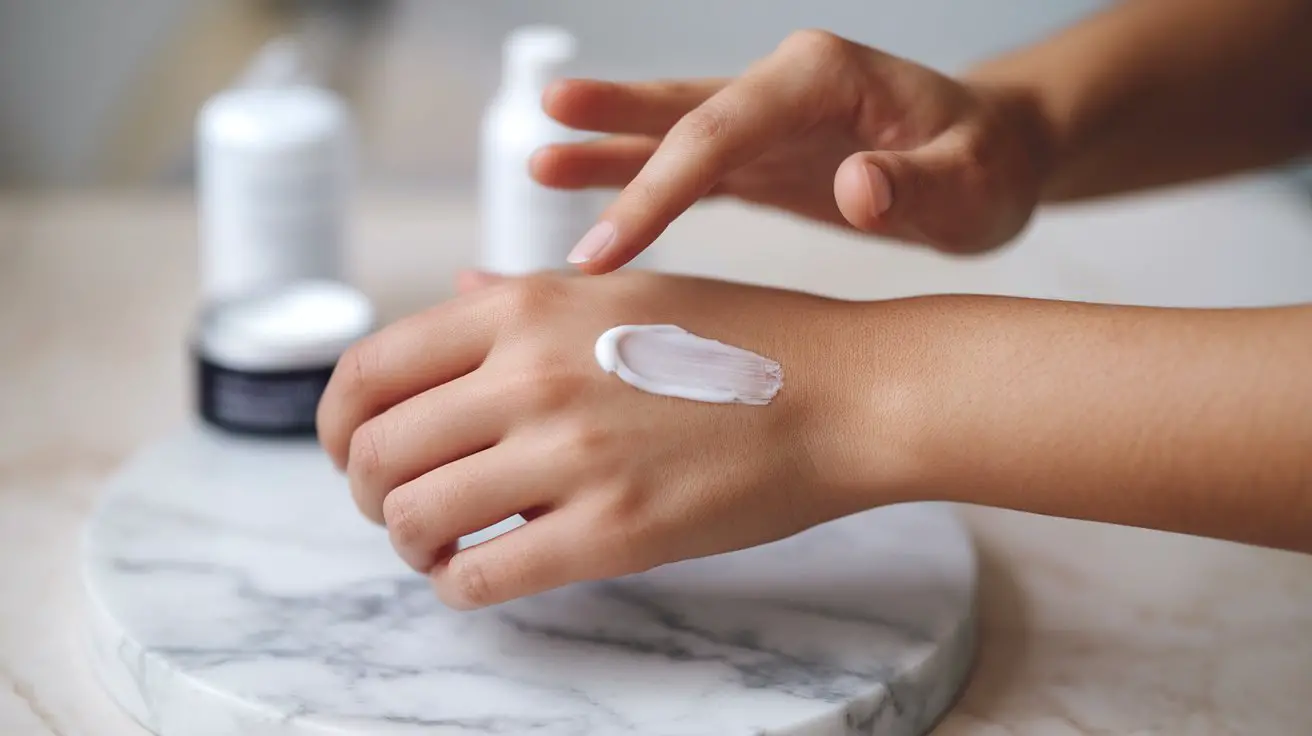
Dry skin can feel like a constant battle. You wake up with tight, flaky patches that makeup clings to, and by midday your face feels uncomfortable and looks dull. Many women struggle with this frustrating cycle, trying product after product without finding real relief. The good news is that Korean skincare has revolutionized how we treat dry skin, offering solutions that actually work rather than just temporarily masking the problem.
Korean beauty brands have spent decades perfecting formulas specifically designed to address dehydration at its core. Their products focus on building up your skin’s natural moisture barrier while delivering hydration deep into the layers where it’s needed most. This approach differs significantly from Western products that often just sit on the surface or contain harsh ingredients that can make dryness worse over time.
The following sections will guide you through the Korean skincare products and techniques that can transform your dry skin into a hydrated, glowing complexion. You’ll discover which ingredients to look for, how to build an effective routine, and which specific products deliver the best results for different types of dryness. Let’s explore how Korean skincare can finally give you the comfortable, radiant skin you’ve been searching for.
- What Makes Korean Skincare Different for Dry Skin
- Essential Korean Products for Dry Skin Relief
- Building Your Korean Skincare Routine
- Top Korean Ingredients That Transform Dry Skin
- How to Choose the Right Products for Your Skin Type
- Final Thoughts on Korean Skincare for Dry Skin
- Frequently Asked Questions
What Makes Korean Skincare Different for Dry Skin
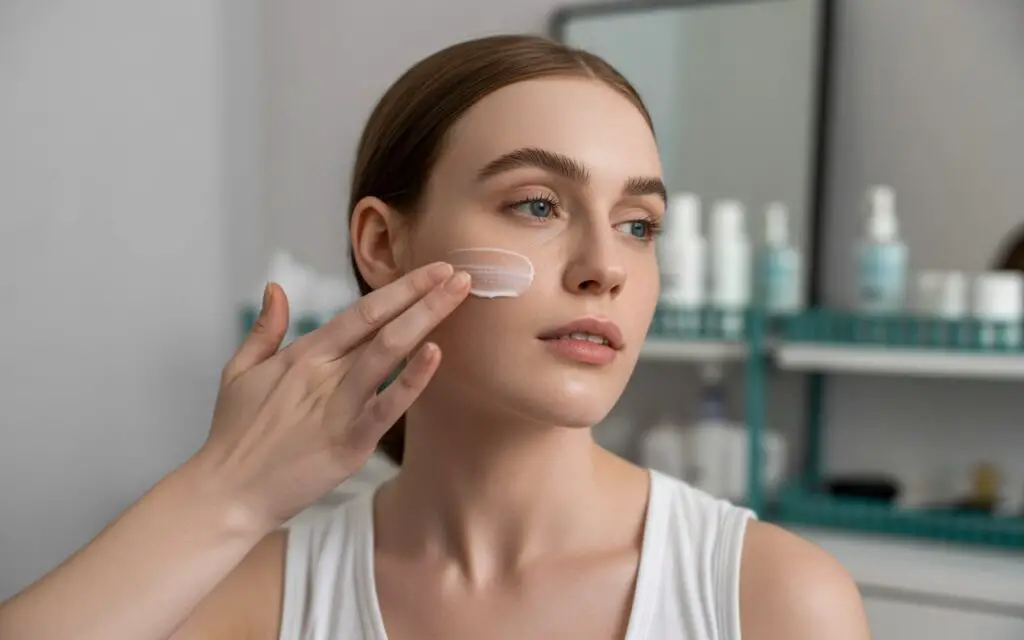
Korean skincare takes a fundamentally different approach to treating dry skin than what most Western brands offer. Rather than simply adding moisture to the surface, these products work to strengthen your skin’s ability to retain hydration naturally. This philosophy stems from the Korean belief that healthy skin starts with a strong moisture barrier and proper hydration at every level.
The Korean approach to hydration
The cornerstone of Korean skincare lies in treating dehydration as a multi-layered issue that requires a comprehensive solution. Korean brands recognize that dry skin isn’t just about lacking water – it’s about your skin’s inability to hold onto moisture effectively. This understanding has led to the development of products that work together systematically rather than as isolated treatments.
Korean skincare emphasizes prevention over correction. Instead of waiting for skin to become severely dehydrated before treating it, the focus is on maintaining optimal hydration levels consistently. This proactive approach means using lighter, water-based products that penetrate deeply rather than heavy creams that merely coat the surface.
The concept of “skin food” plays a crucial role in Korean beauty philosophy. Products are formulated with ingredients that nourish and feed your skin, much like how you would nourish your body with healthy food. This means including vitamins, minerals, and nutrients that support your skin’s natural functions rather than just providing temporary relief.
Key ingredients that transform dry skin
Korean skincare has popularized several breakthrough ingredients that specifically target dryness and dehydration. Hyaluronic acid appears in multiple molecular weights in Korean formulas, allowing it to hydrate different layers of your skin simultaneously. The smaller molecules penetrate deeply while larger ones create a protective film on the surface.
Centella asiatica, often called “cica,” has become a staple in Korean products for dry, sensitive skin. This botanical extract not only hydrates but also helps repair damaged moisture barriers and reduces inflammation that often accompanies severe dryness. Many Korean brands have developed entire product lines centered around this powerful ingredient.
Beta-glucan represents another innovation in Korean skincare for dryness. This ingredient surpasses even hyaluronic acid in its ability to penetrate the skin and provide lasting hydration. Derived from sources like oats and mushrooms, beta-glucan also offers anti-aging benefits while deeply moisturizing your skin.
Layering techniques for maximum moisture
The famous Korean layering method isn’t just about using multiple products – it’s a strategic approach to building hydration gradually. Each layer serves a specific purpose, from preparing your skin to receive moisture to sealing everything in for long-lasting effects. This technique allows even the driest skin to achieve optimal hydration without feeling heavy or greasy.
Starting with the thinnest consistency and working up to thicker formulas ensures maximum absorption of each product. A hydrating toner preps your skin, followed by an essence that delivers concentrated moisture. Then comes serum for targeted treatment, moisturizer to lock everything in, and finally, a protective layer like sunscreen during the day or a sleeping mask at night.
The key to successful layering lies in allowing each product to absorb partially before applying the next. This doesn’t mean waiting until your skin feels completely dry – Korean skincare actually works best when applied to slightly damp skin. The moisture helps subsequent products penetrate more effectively.
Patting motions rather than rubbing help products absorb better while stimulating circulation. This gentle technique, fundamental to Korean skincare application, prevents pulling or stretching delicate facial skin while ensuring even distribution of products.
Why Korean products work better for dryness
Korean formulations typically contain higher concentrations of active ingredients compared to many Western products. This means you get more of the beneficial components that actually improve your skin’s condition rather than just fillers and fragrances. The focus on efficacy over marketing claims results in products that deliver visible results.
The texture of Korean skincare products sets them apart significantly. Even products designed for very dry skin often have lightweight, fast-absorbing textures that don’t leave a greasy residue. This innovation allows you to layer multiple hydrating products without feeling like you’re wearing a mask of heavy creams.
Korean brands invest heavily in research and development, constantly innovating with new ingredients and delivery systems. Encapsulation technology, for example, protects unstable ingredients until they reach your skin, ensuring maximum potency. This scientific approach combined with traditional botanical knowledge creates uniquely effective formulations.
Quality control standards in Korean skincare manufacturing tend to be exceptionally high. Many brands conduct extensive testing to ensure their products are gentle enough for sensitive skin while still being powerful enough to address serious dryness. This commitment to both safety and efficacy makes Korean products particularly suitable for those with dry, reactive skin.
Essential Korean Products for Dry Skin Relief
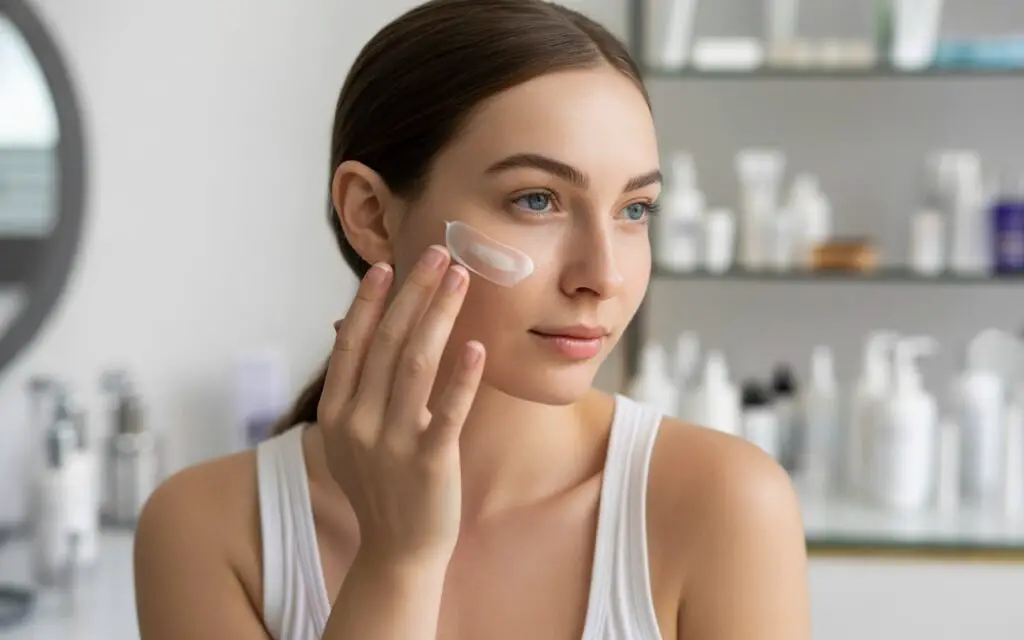
Finding the right Korean skincare products can completely transform how your dry skin looks and feels. The Korean beauty industry has developed specific product categories that work synergistically to combat dryness at every level. Understanding which products to incorporate and how they function will help you build an effective routine tailored to your skin’s needs.
Hydrating toners and essences
Korean toners bear little resemblance to the harsh, alcohol-based Western versions that strip your skin. These hydrating toners, often called “skin” in Korean beauty terminology, actually add moisture while preparing your skin to absorb subsequent products more effectively. They typically have a watery or slightly viscous texture that feels refreshing rather than drying.
The primary function of a hydrating toner goes beyond simple pH balancing. These products contain humectants like hyaluronic acid, glycerin, and various botanical extracts that begin the hydration process immediately after cleansing. Many Korean toners now include fermented ingredients, which have smaller molecular structures that penetrate more deeply into your skin.
Popular options for dry skin include toners with multiple types of hyaluronic acid, allowing hydration at various skin depths. Some formulations incorporate soothing ingredients like green tea, chamomile, or centella asiatica to calm any irritation that often accompanies dryness. The best toners for severely dry skin have a slightly thicker consistency, almost like a light essence.
Essences represent a uniquely Korean innovation that bridges the gap between toner and serum. These products typically contain a higher concentration of active ingredients than toners but remain lightweight enough to layer easily. For dry skin, essences often feature fermented ingredients like galactomyces or saccharomyces, which help strengthen your skin’s natural moisture barrier.
The application method matters as much as the product itself. Korean women often use the “7-skin method” for extremely dry skin, applying multiple thin layers of hydrating toner to build up moisture gradually. This technique can transform even the driest complexion without the heaviness of traditional thick creams.
Rich moisturizers and sleeping masks
Korean moisturizers for dry skin strike a perfect balance between richness and absorbability. Unlike heavy Western creams that can feel suffocating, these formulations use advanced emulsification techniques to create products that deeply nourish without leaving a greasy film. Many incorporate multiple types of ceramides to repair and strengthen your skin’s protective barrier.
The texture of Korean moisturizers often surprises newcomers to K-beauty. Gel-creams provide intense hydration with a lightweight feel, while “water creams” offer richness that melts into your skin. These innovative textures mean you can use generous amounts without worrying about clogged pores or a shiny finish.
Sleeping masks have revolutionized overnight skincare for those with dry skin. These leave-on treatments work while you sleep, creating an occlusive layer that prevents moisture loss while delivering intensive nourishment. Unlike traditional night creams, sleeping masks often have a gel or light cream texture that feels comfortable rather than heavy on your skin.
The ingredients in Korean sleeping masks go beyond simple hydration. Many contain peptides for anti-aging benefits, niacinamide for brightening, or botanical extracts for soothing inflammation. Some innovative formulas even include probiotics to support your skin’s microbiome, addressing dryness from multiple angles.
Nourishing serums and ampoules
Serums and ampoules represent the treatment powerhouses in Korean skincare, delivering concentrated doses of active ingredients to address specific concerns. For dry skin, these products often focus on deep hydration, barrier repair, and preventing moisture loss throughout the day.
Korean serums for dryness frequently feature multiple molecular weights of hyaluronic acid, ensuring hydration reaches every layer of your skin. Some formulations include up to seven different types, each targeting a specific depth. This comprehensive approach provides immediate surface hydration while building long-term moisture reserves deeper in your skin.
Ampoules take concentration even further, typically containing higher percentages of active ingredients than serums. These products often come in smaller bottles because you need only a few drops per application. For severely dry skin, ampoules with ceramides, cholesterol, and fatty acids can help rebuild your compromised moisture barrier within weeks.
The viscosity of these products varies widely, from water-light serums that absorb instantly to more viscous formulations that provide an extra layer of protection. Some Korean brands offer “booster” products that you can mix with other skincare items to enhance their hydrating properties, allowing customization based on your skin’s daily needs.
Gentle cleansers that don’t strip moisture
Korean cleansing philosophy emphasizes maintaining your skin’s natural moisture even while removing impurities. Oil cleansers, the first step in the famous double-cleansing method, actually help dry skin by dissolving makeup and sunscreen without disrupting your lipid barrier. Many Korean oil cleansers emulsify completely with water, rinsing clean without residue.
The second cleansing step uses water-based cleansers specifically formulated to respect dry skin’s needs. These products often have creamy or gel textures that create minimal foam, as excessive suds can strip natural oils. Ingredients like ceramides, hyaluronic acid, and botanical extracts ensure your skin feels comfortable rather than tight after washing.
pH-balanced formulas represent another crucial aspect of Korean cleansers for dry skin. Products with a pH between 5.5 and 6.5 support your skin’s natural acid mantle, preventing the disruption that leads to increased dryness and sensitivity. Many Korean brands clearly display pH levels on their packaging, making it easy to choose appropriate products.
Some innovative Korean cleansers now include “cleansing balms” that start as a solid but melt into oil upon contact with skin. These products excel at removing stubborn makeup while depositing moisturizing ingredients. The transformation from balm to oil to milk (when mixed with water) provides a luxurious cleansing experience that actually benefits dry skin rather than aggravating it.
Morning cleansing for dry skin often requires a different approach than evening routines. Many Korean skincare enthusiasts with very dry skin skip morning cleansers entirely, using only water or a hydrating toner on a cotton pad. This preserves the beneficial oils and moisture your skin produced overnight.
Building Your Korean Skincare Routine
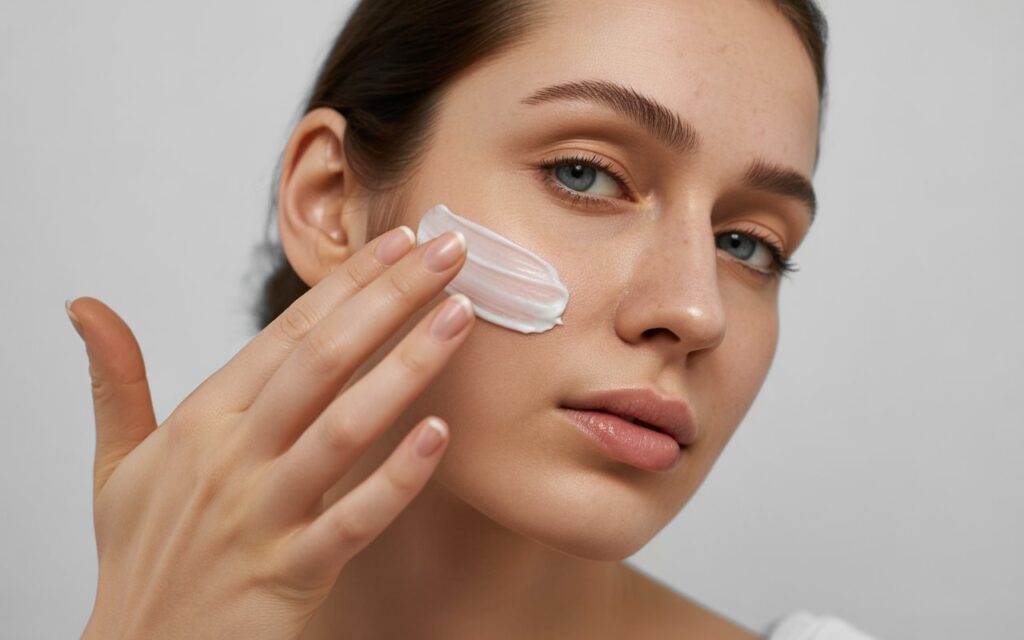
Creating an effective Korean skincare routine for dry skin requires understanding not just which products to use, but when and how to apply them for maximum benefit. The beauty of Korean skincare lies in its flexibility – you can adjust your routine based on your skin’s changing needs, the weather, or even your schedule. A well-structured routine transforms skincare from a chore into a therapeutic ritual that your skin will thank you for.
Morning routine for dry skin
Your morning routine sets the foundation for how your skin will look and feel throughout the day. For dry skin, the focus should be on protective hydration that creates a smooth base for makeup while shielding against environmental stressors. Start with the gentlest cleansing possible – many people with very dry skin find that splashing with lukewarm water or using a cotton pad soaked in hydrating toner provides sufficient cleansing without stripping natural oils.
After cleansing, immediately apply a hydrating toner while your skin is still slightly damp. This helps lock in moisture and prepares your skin for better absorption of subsequent products. Pat the toner in gently with your palms rather than using cotton pads, which can absorb product you want on your skin. Some mornings, you might benefit from multiple thin layers of toner if your skin feels particularly parched.
Next comes your essence or serum, chosen based on your skin’s specific needs that day. A hydrating essence works well for maintenance, while a more concentrated serum might be necessary during harsh weather or stressful periods. The key is learning to read your skin and adjust accordingly. Apply these products with gentle pressing motions, focusing on areas that tend to be driest.
Your morning moisturizer should provide lasting hydration without interfering with makeup application. Look for formulations that absorb well while leaving a subtle glow rather than a greasy shine. Many Korean moisturizers designed for daytime use contain ingredients that help makeup adhere better while preventing it from clinging to dry patches.
Sunscreen represents the final and most crucial step in your morning routine. Korean sunscreens have revolutionized sun protection for dry skin with hydrating formulas that double as primers. These products often contain moisturizing ingredients like hyaluronic acid and ceramides, making them beneficial rather than drying. Apply generously and allow a few minutes for absorption before makeup application.
Evening routine for deep hydration
Evening routines offer the opportunity for more intensive treatment since you don’t need to worry about makeup application or immediate sun exposure. This is when you can layer multiple hydrating products and use richer textures that might be too heavy for daytime wear. Begin with thorough but gentle cleansing to remove sunscreen, makeup, and daily grime.
Double cleansing becomes especially important in the evening. Start with an oil-based cleanser to dissolve makeup and sunscreen, massaging gently for at least 60 seconds to ensure thorough removal. Follow with a gentle water-based cleanser to remove any remaining residue. This two-step process ensures clean skin without the harshness of single aggressive cleansers.
After cleansing, your skin is primed to absorb treatment products most effectively. Apply your hydrating toner immediately, perhaps using the multiple-layer method if your skin needs extra moisture. Evening is the ideal time for this technique since you have more time and won’t be applying makeup over the layers.
Treatment steps in the evening can be more elaborate than morning routines. You might use both an essence and a serum, or even multiple serums targeting different concerns. For dry skin, combining a hydrating serum with one that supports barrier repair can provide comprehensive benefits. Allow each product to absorb partially before applying the next.
Weekly treatments and special care
Incorporating weekly treatments elevates your routine from basic maintenance to transformative skincare. Sheet masks represent a quintessentially Korean approach to intensive hydration. These single-use masks saturated with essence deliver concentrated ingredients directly to your skin for 15-20 minutes. For dry skin, look for masks containing hyaluronic acid, ceramides, or honey.
The timing and frequency of sheet mask use can be customized based on your needs. Some people with extremely dry skin benefit from using hydrating masks every other day, while others find once or twice weekly sufficient. The key is consistency rather than sporadic intensive treatments. Consider keeping masks in the refrigerator for an extra soothing effect.
Exfoliation requires careful consideration when you have dry skin. Korean skincare favors gentle chemical exfoliants over harsh physical scrubs. Products containing PHA (polyhydroxy acids) or very mild AHA (alpha-hydroxy acids) can remove dead skin cells without causing irritation. These gentle exfoliants often come in toner or essence form, making them easy to incorporate without disrupting your routine.
Special treatments might include overnight masks applied once or twice weekly for intensive repair. Some Korean brands offer “modeling masks” – powder formulations you mix with water to create a rubber-like mask that creates an occlusive seal, forcing ingredients deep into your skin. While more involved than sheet masks, these provide dramatic hydration boosts for special occasions or severe dryness.
Your weekly routine might also include facial massage with a hydrating oil or balm. This practice, popular in Korean skincare, improves circulation while allowing for deep penetration of nourishing ingredients. Use gentle upward strokes and focus on areas prone to dryness or tension.
Common mistakes to avoid
Even with the best products, certain application errors can sabotage your results. Over-exfoliation tops the list of mistakes people make when starting Korean skincare. The availability of various exfoliating products might tempt you to use them too frequently, but this can worsen dryness by damaging your moisture barrier. Limit exfoliation to once or twice weekly, and always follow with extra hydration.
Product overload represents another common pitfall. While Korean skincare involves multiple steps, this doesn’t mean using every product every time. Your skin needs time to adjust to new products, and using too many at once makes it impossible to identify what’s working or causing problems. Introduce new products one at a time, with at least a week between additions.
Ignoring wait times between products can reduce their effectiveness. While you don’t need to wait for complete absorption between each step, allowing 30-60 seconds helps prevent pilling and ensures each layer can penetrate properly. This is particularly important when using products with different bases – water-based products should go first, followed by oil-based ones.
Here are critical timing considerations for your routine:
Cleansing Duration: Spend at least 60 seconds on oil cleansing to properly dissolve sunscreen and makeup
Toner Application: Apply within 60 seconds of cleansing while skin remains damp
Treatment Wait Time: Allow 1-2 minutes between serum applications
Final Moisturizer: Wait 5 minutes before applying makeup in the morning
Sunscreen Setting: Give sunscreen 10-15 minutes to form a protective film
Temperature mistakes can also impact your results. Using hot water strips natural oils and exacerbates dryness. Stick to lukewarm water for all cleansing steps. Similarly, rubbing your skin dry with a towel creates friction that can irritate dry, sensitive skin. Instead, gently pat with a soft towel or let your skin air dry partially before applying products.
Top Korean Ingredients That Transform Dry Skin
Understanding the science behind Korean skincare ingredients helps you make informed choices about which products will best address your specific dryness concerns. Korean beauty brands have pioneered the use of both cutting-edge synthetic ingredients and traditional botanical extracts, creating formulations that deliver proven results. These ingredients work through different mechanisms to not just temporarily moisturize but actually improve your skin’s ability to maintain hydration long-term.
Hyaluronic acid and its benefits
Hyaluronic acid has become synonymous with Korean skincare, and for good reason. This molecule can hold up to 1,000 times its weight in water, making it incredibly effective at hydrating dry skin. What sets Korean formulations apart is their use of multiple molecular weights of hyaluronic acid in single products. Low molecular weight hyaluronic acid penetrates deeply to plump skin from within, while higher molecular weights create a protective film on the surface.
The way Korean brands formulate with hyaluronic acid maximizes its effectiveness. Many products combine it with ingredients that enhance penetration, such as fermented extracts or specific peptides. This synergistic approach means you get better results than from hyaluronic acid alone. Some advanced formulations even include sodium hyaluronate crosspolymer, a modified version that provides longer-lasting hydration by forming a moisture-locking mesh on your skin.
Korean skincare has also innovated in hyaluronic acid delivery systems. Microsphere technology allows for time-released hydration throughout the day. Some products feature hyaluronic acid complexes that combine different forms – sodium hyaluronate, hydrolyzed hyaluronic acid, and sodium acetylated hyaluronate – each offering unique benefits for different skin layers.
Application technique matters when using hyaluronic acid products. This ingredient works best when applied to damp skin in humid environments. In very dry climates, hyaluronic acid can potentially draw moisture from deeper skin layers to the surface. Korean skincare addresses this by formulating products with occlusive ingredients that seal in the moisture, preventing this reverse effect.
Ceramides for barrier repair
Ceramides represent the building blocks of your skin’s protective barrier, and Korean skincare has elevated their use to an art form. These lipid molecules naturally exist in your skin but decrease with age and external damage, leading to chronic dryness. Korean formulations typically include multiple types of ceramides (often listed as ceramide NP, ceramide AP, ceramide EOP) that work together to restore barrier function.
The ratio of ceramides to other lipids matters significantly for effectiveness. Korean research has shown that the ideal formulation includes ceramides, cholesterol, and fatty acids in specific proportions that match healthy skin. This biomimetic approach means products don’t just add ceramides but recreate your skin’s natural protective structure. Many Korean brands have patented their specific ceramide complexes based on this research.
Beyond traditional ceramides, Korean skincare has introduced plant-derived ceramides and ceramide precursors. These ingredients stimulate your skin’s own ceramide production rather than just adding external ceramides. Ingredients like phytosphingosine and sphingolipids appear frequently in Korean products targeting barrier repair. This dual approach – both supplementing and stimulating ceramide production – provides more comprehensive results.
The delivery method for ceramides impacts their effectiveness significantly. Korean brands often use liposome or nanosome technology to ensure ceramides reach the appropriate skin layers. Some innovative formulations include “ceramide capsules” that burst upon application, delivering fresh, potent ingredients directly where needed. This attention to delivery systems explains why Korean ceramide products often outperform simpler formulations.
Snail mucin for healing
Perhaps no ingredient better represents Korean skincare innovation than snail mucin. This secretion contains a complex mixture of proteins, glycolic acid, hyaluronic acid, and antimicrobial peptides that work together to heal and hydrate damaged skin. Korean brands have refined extraction and purification processes to create elegant formulations that bear no resemblance to their slimy origins.
Scientific research supports snail mucin’s benefits for dry, damaged skin. The ingredient promotes collagen production, accelerates wound healing, and provides antimicrobial protection – all crucial for restoring healthy skin function. For those with dry skin, snail mucin’s ability to enhance skin repair while providing deep hydration makes it particularly valuable. The glycoproteins in snail mucin create a protective film that prevents transepidermal water loss.
Korean formulations typically use filtered snail mucin at concentrations ranging from 60% to 96%. Higher concentrations provide more intensive treatment but may feel sticky if not properly formulated. The best Korean snail products balance high mucin content with elegant textures that absorb well. Many combine snail mucin with other hydrating ingredients like hyaluronic acid or centella asiatica for enhanced benefits.
The quality of snail mucin varies significantly based on farming and extraction methods. Korean brands often highlight their cruelty-free collection processes, where snails naturally produce mucin in stress-free environments. This ethical approach doesn’t just appeal to conscious consumers – stressed snails produce lower quality mucin with fewer beneficial components. Premium Korean brands invest in optimal snail farming conditions to ensure the highest quality ingredient.
Natural oils and botanical extracts
Korean skincare brilliantly incorporates traditional botanical wisdom with modern extraction techniques. Natural oils play a crucial role in treating dry skin, but Korean formulations go beyond simple plant oils. Through fermentation, enzymatic treatment, and other processing methods, these ingredients become more bioavailable and less likely to cause irritation.
Fermented oils represent a uniquely Korean innovation. The fermentation process breaks down oil molecules into smaller components that penetrate more easily while creating beneficial postbiotics. Fermented argan oil, camellia oil, and sea buckthorn oil appear frequently in Korean products for dry skin. These processed oils provide intensive nourishment without the heavy, greasy feel of traditional facial oils.
Botanical extracts in Korean skincare often come from plants used in traditional Korean medicine (hanyak). Ginseng, green tea, rice, and mugwort have centuries of use history, but modern extraction methods have revealed new benefits. For dry skin, extracts like licorice root provide anti-inflammatory effects while helping to repair barrier damage. Centella asiatica extract, available in various processed forms, speeds healing while preventing moisture loss.
The concentration and standardization of botanical extracts sets Korean products apart. Rather than using undefined “plant extract,” Korean brands often specify the exact compounds and their percentages. For example, products might list “madecassoside 0.1%” rather than just “centella asiatica extract.” This pharmaceutical approach to cosmetic formulation ensures consistent results.
Korean brands also excel at combining multiple botanicals for synergistic effects. A single product might contain five or six carefully selected extracts that work together – one for inflammation, another for barrier repair, another for antioxidant protection. This comprehensive approach means you get multiple benefits without needing numerous separate products. The art lies in selecting compatible ingredients that enhance rather than interfere with each other.
How to Choose the Right Products for Your Skin Type
Selecting Korean skincare products for dry skin requires more strategy than simply grabbing items labeled “hydrating” or “for dry skin.” Your specific type of dryness, lifestyle factors, and individual sensitivities all play crucial roles in determining which products will transform your skin versus those that might disappoint. Understanding how to evaluate products and build a personalized routine ensures you invest in items that deliver real results.
Understanding your specific dryness concerns
Not all dry skin is created equal, and Korean skincare recognizes these nuances with targeted solutions. Dehydrated skin lacks water and often feels tight and shows fine lines, while truly dry skin lacks oil and may feel rough or flaky. Many people actually have dehydrated oily skin, where excess oil production masks underlying water loss. Identifying your specific condition helps you choose products that address the root cause rather than just surface symptoms.
Seasonal dryness requires different products than chronic dry skin conditions. If your skin only becomes dry during winter months or in air-conditioned environments, you might need lighter hydrating layers that can be adjusted based on conditions. Those with year-round dryness often benefit from richer formulations and barrier-repair focused ingredients. Korean brands often create separate lines for these different needs.
Your skin’s dry areas might not be uniform across your face. Many people experience an oily T-zone with dry cheeks, or dryness concentrated around the eyes and mouth. Korean skincare philosophy encourages targeted treatment – using different products on different facial areas based on their needs. This “multi-masking” approach means you might use a lighter essence on oily areas while applying a rich cream only where needed.
Age-related dryness presents unique challenges that Korean skincare addresses specifically. As skin matures, it produces less sebum and loses moisture more quickly. Products for mature dry skin often combine hydrating ingredients with peptides, antioxidants, and ingredients that support collagen production. The texture preferences might also differ – mature skin often benefits from richer formulations that younger skin might find too heavy.
Reading Korean product labels
Navigating Korean skincare labels can feel overwhelming initially, but understanding key terms helps you make informed choices. Many Korean products include English translations, but knowing common Korean terms provides advantages when shopping. “Su” or “水” indicates water or hydrating properties, while “gam” (감) suggests richness or nourishment. These linguistic clues help identify products suitable for dry skin even without full translations.
Ingredient lists on Korean products follow international naming conventions, making them easier to decipher than you might expect. The first five ingredients matter most, as they comprise the bulk of the formulation. For dry skin, look for hydrating ingredients like glycerin, hyaluronic acid, or various plant extracts within these top positions. Avoid products with alcohol denat or SD alcohol in the first few ingredients, as these can worsen dryness.
Korean brands often highlight key ingredient percentages on packaging, particularly for active ingredients. A product might prominently display “Contains 2% Niacinamide” or “70% Centella Extract.” These percentages help you gauge potency and compare products effectively. For dry skin, higher percentages of hydrating ingredients generally provide better results, though formulation quality matters as much as quantity.
Texture indicators on Korean packaging help predict how products will feel and perform. Terms like “gel,” “cream,” “balm,” or “oil” appear in English or symbols. Korean brands also use unique texture descriptors – “essence” indicates a lightweight liquid more concentrated than toner, while “emulsion” suggests a light moisturizer. Understanding these categories helps you build appropriate layering routines.
Testing and introducing new products
The Korean approach to introducing new skincare emphasizes patience and systematic testing. Rather than overhauling your entire routine at once, add one product at a time with at least a week between additions. This methodical approach helps identify which products truly benefit your skin and quickly pinpoint any that cause irritation or breakouts.
Patch testing prevents whole-face reactions to new products. Apply a small amount behind your ear or on your inner wrist and wait 24-48 hours before facial application. For extra caution with sensitive dry skin, do a second patch test on a small area of your face, such as along the jawline. This two-step testing process significantly reduces the risk of adverse reactions.
When you begin using a new product, start with less frequent application than recommended. If directions suggest twice-daily use, begin with once daily or even every other day. This allows your skin to adjust gradually, particularly important with active ingredients that might cause initial dryness or irritation. Increase frequency slowly based on how your skin responds.
Sample sizes and travel versions offer perfect testing opportunities without committing to full-sized products. Korean brands frequently offer discovery sets or sample packs specifically designed for finding your perfect routine. Many Korean beauty retailers also provide generous samples with purchases, allowing you to test multiple products before investing in full sizes.
Keep a simple skincare diary when testing new products. Note the date you started each product, any immediate reactions, and changes you observe over time. This record becomes invaluable for identifying which products create positive changes versus those that don’t justify their cost. Photos taken in consistent lighting can help track progress objectively.
Budget-friendly options that work
Korean skincare offers excellent options across all price points, with many affordable products outperforming expensive alternatives. The competitive Korean beauty market means brands must deliver results to succeed, regardless of price point. Understanding where to splurge versus save helps build an effective routine without overspending.
Basic hydrating products like toners and essences often provide excellent value at lower price points. The ingredients that make these products effective – hyaluronic acid, glycerin, basic botanical extracts – aren’t expensive raw materials. Many budget Korean toners contain the same key ingredients as luxury versions, just with simpler packaging and fewer exotic extracts.
Here’s where budget-conscious shopping makes sense for dry skin:
Cleansers: Basic gentle formulas work as well as expensive options
Hydrating Toners: Simple formulations with hyaluronic acid and glycerin deliver results
Sheet Masks: Bulk packs provide weekly treatments at low per-use cost
Basic Moisturizers: Ceramide and hyaluronic acid creams from affordable brands perform well
Sunscreens: Korean drugstore sunscreens often surpass Western luxury options
Consider investing more in targeted treatment products like serums or ampoules with patented ingredients or advanced delivery systems. These products often justify higher prices through unique formulations or higher concentrations of expensive actives. A good routine might combine affordable basics with one or two premium treatment products.
Korean skincare subscriptions and online retailers often offer better value than purchasing through third-party sellers. Direct purchasing eliminates markup and ensures product authenticity. Many Korean brands offer loyalty programs or bulk discounts that further reduce costs. Buying routine staples in larger sizes or multipacks typically provides the best value for products you know work well for your skin.
Final Thoughts on Korean Skincare for Dry Skin
Your journey to hydrated, comfortable skin doesn’t have to remain a distant dream. Korean skincare offers proven solutions that address dryness at its source rather than merely masking symptoms. By understanding the philosophy behind these products and building a routine tailored to your specific needs, you can achieve the glowing, moisturized complexion that seemed impossible with conventional products.
The transformation won’t happen overnight, but consistency with the right Korean products will show results within weeks. Start simple with a gentle cleanser, hydrating toner, and appropriate moisturizer, then gradually add targeted treatments as you learn what your skin responds to best. The Korean skincare approach teaches us that healthy, hydrated skin comes from nurturing it properly every day, not from quick fixes or harsh treatments. Your dry skin days are numbered – relief awaits in the thoughtfully formulated world of K-beauty.
Frequently Asked Questions
Q: How long does it take to see results from Korean skincare for dry skin?
A: Most people notice improved hydration within 1-2 weeks of consistent use. Significant improvements in skin texture and barrier function typically appear after 4-6 weeks. Severe dryness may require 2-3 months of dedicated routine for full transformation.
Q: Can I use Korean skincare products if I have sensitive skin along with dryness?
A: Yes, many Korean brands specifically formulate for sensitive, dry skin. Look for products labeled “hypoallergenic” or those featuring centella asiatica, which soothes while hydrating. Always patch test and introduce products gradually.
Q: Do I need to use all 10 steps of the Korean skincare routine?
A: No, the 10-step routine is a maximum, not a requirement. For dry skin, focus on cleansing, hydrating toner, moisturizer, and sunscreen as basics. Add other steps based on your specific needs and available time.
Q: Why do Korean products sometimes feel sticky on my skin?
A: The stickiness often comes from humectants like hyaluronic acid drawing moisture from the air. This feeling usually disappears as products fully absorb. If it persists, you may be using too much product or need to adjust your layering technique.
Q: Can I mix Korean skincare products with Western brands I already use?
A: Yes, you can combine Korean and Western products effectively. Focus on ingredient compatibility rather than brand origin. Many people successfully use Korean hydrating products with Western treatments like retinoids.
Q: What’s the difference between essence and serum in Korean skincare?
A: Essences typically have a lighter, more watery consistency and prepare skin for better absorption of subsequent products. Serums are more concentrated treatments targeting specific concerns. For dry skin, using both can provide optimal hydration.
Q: Should I change my Korean skincare routine seasonally?
A: Yes, adjusting your routine based on weather and humidity levels helps maintain optimal hydration. You might need richer products in winter and lighter layers in humid summer months.
Q: How do I know if a Korean product is authentic?
A: Buy from authorized retailers, check for Korean language on packaging alongside English, and verify batch codes when possible. Authentic products have consistent packaging quality and proper seals.

