

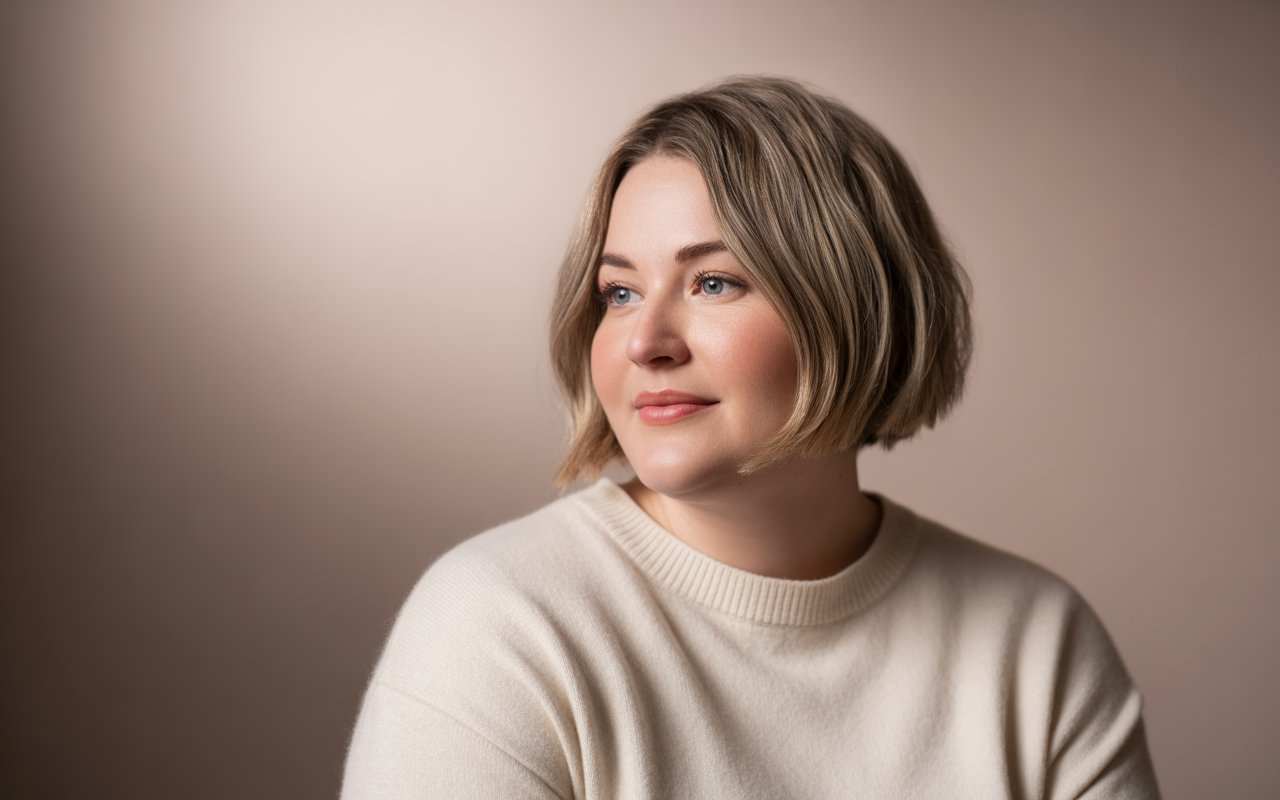
Finding the perfect haircut when you have a round face shape can feel like solving a puzzle. Your face shape influences how different cuts frame your features, and understanding this relationship helps you make choices that highlight your best attributes. Round faces have their own special charm, with soft curves and youthful proportions that respond beautifully to the right styling approaches.
The key lies in selecting cuts that create visual balance through strategic lengths, layers, and styling techniques. Certain haircuts naturally add definition where you want it most, while others might emphasize roundness in ways that don’t align with your goals. Knowledge about which styles work best saves you from disappointing salon visits and gives you confidence when discussing options with your stylist.
We’ll explore various haircut options that stylists recommend for round face shapes, from long layered styles to bold pixie cuts. You’ll discover how different techniques create illusions of length and angles, plus practical styling tips that make the most of your chosen cut. Let’s uncover the secrets to finding your most flattering look.
Understanding Your Round Face Shape
Round faces possess distinct characteristics that set them apart from other face shapes. The width and length measurements are nearly equal, creating that signature circular appearance. Your cheekbones sit at the widest point of your face, while your jawline curves gently without sharp angles. These proportions give round faces a naturally soft, approachable appearance that many women actually try to achieve through contouring and makeup techniques.
Identifying Round Face Characteristics
Determining whether you truly have a round face requires more than a quick glance in the mirror. Take measurements from your forehead to chin and compare them to the width across your cheekbones. If these numbers are similar, you likely have a round face shape. Your forehead and jawline will also measure roughly the same width, contributing to that balanced circular silhouette.
Many women mistake their face shape, particularly confusing round with oval or square shapes. The telltale difference lies in those soft edges and the lack of prominent angles at your jaw or temples. Your hairline typically follows a gentle curve rather than forming distinct peaks or straight lines.
Common Misconceptions About Round Faces
One persistent myth suggests that women with round faces should avoid all short hairstyles. This outdated advice ignores the many short cuts that actually create stunning effects on round face shapes. Another misconception claims that bangs are off-limits, when actually the right fringe style can work wonders for proportion and balance.
Some believe that round faces always look younger, which oversimplifies the reality. While soft features can create a youthful appearance, the right haircut enhances sophistication and maturity when desired. Age-appropriate styling has more to do with personal preference and lifestyle than face shape restrictions.
Why Certain Cuts Work Better Than Others
The science behind flattering haircuts for round faces involves creating visual tricks that add length and definition. Cuts that fall below the chin naturally draw the eye downward, creating an elongating effect. Strategic layering adds movement and dimension that prevents hair from sitting flat against round contours.
Volume placement plays a crucial role in how a cut flatters your face shape. Adding height at the crown lengthens your overall silhouette, while keeping sides sleeker prevents additional width. This principle applies whether you prefer pixie cuts or long flowing styles.
The Role of Face Proportions
Beyond the basic round shape, individual proportions affect which specific cuts suit you best. Consider your neck length, shoulder width, and overall body proportions when selecting a hairstyle. A woman with a longer neck might carry off a chin-length bob differently than someone with a shorter neck, even if both have round faces.
Your features also influence cut selection – prominent cheekbones might benefit from different framing than softer facial contours. Hair texture adds another layer to consider, as fine hair behaves differently than thick or coarse strands in any given cut.
Long Layered Cuts That Slim and Elongate
Long hair offers versatile options for women with round faces, particularly when enhanced with thoughtful layering. The vertical lines created by longer lengths naturally counteract the horizontal emphasis of round face shapes. Strategic layer placement transforms basic long hair into a customized cut that flatters your specific features while maintaining the length you love.
How Layers Create Vertical Lines
The magic of layering lies in its ability to add movement and create visual pathways that guide the eye up and down rather than side to side. When layers start below the chin and cascade downward, they form subtle vertical lines that lengthen your face’s appearance. This optical illusion works because our eyes naturally follow the direction of the layers, creating that desired elongating effect.
Face-framing layers that begin at or below the jawline work particularly well. These pieces add definition without creating width at the cheekbone level. The key is ensuring your stylist understands where to start the layering – too high, and you risk adding volume where you least want it.
Consider how different layer techniques affect the overall result. Long, sweeping layers create gentle movement, while choppy or textured layers add more dramatic definition. Your hair’s natural texture influences which approach works best, with wavy hair often benefiting from longer layers that enhance natural movement.
Best Layer Placement for Round Faces
Starting layers at the collarbone or lower prevents unwanted volume around the widest part of your face. This placement allows hair to fall straight past your cheeks before beginning to curve and move. Request that your stylist keep the layers longer and more blended rather than creating stark, short pieces that might flip outward.
The area around your face requires special attention during the layering process. Gentle graduation from longer to shorter pieces creates a soft frame without harsh lines. Avoid heavy layering directly at cheek level, as this can create a shelf effect that emphasizes roundness. Instead, opt for seamless blending that maintains length while adding subtle movement.
Back layers can be more dramatic since they don’t directly frame your face. Here, your stylist might incorporate more variation in length to create volume and body without affecting facial proportions. This approach gives you the benefits of layered hair – easier styling, more movement, reduced bulk – without compromising the slimming effect around your face.
Styling Tips for Maximum Effect
Daily styling techniques make the difference between a good haircut and a great one. Using a round brush while blow-drying helps create subtle curves that direct hair away from your face rather than clinging to its contours. Focus on lifting roots at the crown for added height while keeping sides smoother.
Heat styling tools offer additional options for enhancing your layered cut. A large barrel curling iron creates loose waves that add vertical movement. Alternatively, a flat iron can create sleek, straight styles that maximize the lengthening effect of your layers. The key lies in maintaining volume at the right points while avoiding width-adding styles:
Root Lift: Apply volumizing mousse to damp roots before blow-drying with head upside down
Mid-Length Control: Use a smoothing serum through the middle sections to prevent poofiness
End Definition: Work a light texturizing cream through the bottom layers for separation
Finishing Touch: A light mist of flexible hold spray maintains style without stiffness
Common Mistakes to Avoid
Over-layering remains one of the biggest pitfalls for round faces. Too many short layers, especially around the face, can create a rounded silhouette that emphasizes exactly what you’re trying to minimize. Request subtle layering that maintains weight and length rather than aggressive texturizing that removes too much bulk.
Another common error involves styling hair too voluminously all around. While volume at the crown helps, creating equal fullness throughout makes faces appear wider. Focus lifting techniques on the top sections while keeping sides sleeker. Similarly, avoid styles that curl under at chin length, as this creates a circular frame that mirrors face shape.
Neglecting regular trims can also sabotage a well-designed layered cut. As layers grow out, they lose their shape and intended effect. Schedule maintenance appointments every 8-10 weeks to preserve the cut’s flattering properties. Between visits, resist the temptation to have “just the front” trimmed, as this can disrupt the careful balance your stylist created.
Bob Variations That Create Angles
The bob stands as one of the most versatile haircuts available, with countless variations that work beautifully on round faces when executed correctly. Modern bob styles move far beyond the traditional blunt cut, incorporating asymmetry, texture, and strategic lengths that add definition and create flattering angles. The right bob can transform a round face by adding architectural interest and drawing attention to your best features.
Asymmetrical Bobs for Definition
An asymmetrical bob introduces instant visual interest by breaking up the circular symmetry that round faces naturally possess. One side cut slightly longer than the other creates a diagonal line across your face, which naturally slims and adds intrigue. This style works because it prevents the eye from focusing on facial width, instead creating dynamic movement that draws attention to the cut itself.
The degree of asymmetry can range from subtle to dramatic, depending on your comfort level and lifestyle needs. A gentle variation might feature one side just an inch longer, while bold versions can have several inches of difference. Consider starting with modest asymmetry if you’re new to this style – you can always go more dramatic later.
Styling an asymmetrical bob requires attention to maintaining its unique shape. Blow-dry with a paddle brush to keep lines clean and defined. A flat iron helps perfect the angles, especially on the longer side. The shorter side often benefits from a bit of texturizing product to prevent it from appearing too severe or helmet-like.
Length Considerations for Round Faces
The most flattering bob length for round faces typically falls somewhere between the chin and shoulders. This range allows for customization based on your neck length and personal preferences while maintaining the elongating effect you want. Chin-length bobs work well when cut with a slight angle, longer in front than back, to create that desirable vertical line.
Avoid bobs that end exactly at the fullest part of your cheeks, as this placement can emphasize width. Instead, aim for lengths that fall either above or below this point. A bob that grazes the collarbone offers a particularly flattering option, as it creates significant vertical length while still maintaining the classic bob silhouette.
Your hair’s natural texture also influences ideal length. Curly or wavy hair tends to spring up when cut, so you might need extra length to achieve your desired look. Straight hair shows length more accurately but might require careful layering to avoid appearing too heavy or blunt at the bottom.
Texture Techniques That Add Dimension
Texture transforms a basic bob into a multidimensional style that flatters round faces through strategic volume and movement. Razoring techniques create soft, piece-y ends that prevent the heavy, blunt look that can emphasize facial roundness. Point cutting adds subtle texture without removing too much weight, maintaining the structure while adding visual interest.
For women with fine hair, texturizing becomes even more important. Light layers throughout the bob add body without creating unflattering width. Your stylist might incorporate subtle graduation at the back to create lift at the crown while maintaining sleekness through the sides. This approach gives the illusion of fuller hair while preserving the slimming silhouette.
Thick hair benefits from different texturizing approaches. Internal layers remove bulk without changing the outer shape, allowing for easier styling and movement. Thinning techniques applied strategically – never at the roots or too close to the face – help achieve that perfect balance between structure and flow.
Maintenance Tips for Perfect Shape
Keeping your bob looking its best requires commitment to regular salon visits. The precision of a bob means that even small amounts of growth can alter its shape and effect. Plan for trims every 4-6 weeks to maintain those carefully crafted angles and prevent the style from becoming shapeless or unflattering.
Between salon visits, proper home care preserves your bob’s integrity. Invest in quality styling tools, particularly a good blow dryer and flat iron if your bob requires sleek styling. Use heat protectant products religiously to prevent damage that can make hair appear frizzy or unkempt. A weekly deep conditioning treatment keeps hair healthy and manageable.
Your sleeping habits affect how your bob looks each morning. Silk or satin pillowcases reduce friction that can cause frizz and disturb your style. For longer bobs, loosely securing hair at the crown with a soft scrunchie prevents creases while maintaining shape. Shorter bobs might benefit from a silk bonnet or wrap to preserve styling overnight.
Pixie Cuts and Short Styles That Flatter
Short haircuts offer surprising versatility for round faces when approached with the right techniques and styling strategies. The common belief that round faces must avoid short hair couldn’t be further from the truth – pixie cuts and other short styles can actually create incredibly flattering effects through strategic volume placement and thoughtful design. These cuts offer the added benefits of easy maintenance and a fresh, modern appearance that suits many lifestyles.
Strategic Volume Placement
Creating height at the crown while keeping sides closer to the head forms the foundation of flattering short cuts for round faces. This vertical emphasis naturally elongates facial proportions, counteracting the width of round face shapes. Your stylist should focus on leaving length on top while tapering sides gradually, avoiding any harsh disconnection that might create unflattering horizontal lines.
The way your pixie grows from the crown becomes crucial for daily styling. Hair that naturally grows forward allows for easy height creation with minimal product and effort. If your growth patterns work against you, discuss this with your stylist during consultation – they can adjust the cut to work with, rather than against, your natural hair direction.
Product selection makes a significant difference in achieving proper volume placement. Lightweight mousses and texture sprays add lift without weighing hair down or creating stickiness. Apply these products to damp hair at the roots, then blow-dry while lifting sections straight up from the scalp. This technique creates lasting height that survives throughout your day.
Working with different hair textures requires adjusted approaches to volume. Fine hair might need additional support from volumizing powder or dry shampoo applied at the roots. Thick hair benefits from selective thinning at the sides to prevent unwanted bulk while maintaining fullness on top. Curly textures offer natural volume but might need strategic length removal to prevent triangle-shaped silhouettes.
Side-Swept Options for Balance
Incorporating side-swept elements into short cuts adds asymmetry that naturally slims round faces. A deep side part creates an instant diagonal line, while swept bangs or longer pieces on one side break up facial symmetry in flattering ways. This approach works whether you prefer edgy, disconnected styles or softer, more blended looks.
The angle of your side-swept sections matters significantly. Pieces that sweep across the forehead at a sharp diagonal create more dramatic slimming effects than those that curve gently. Consider your comfort level with bold styles when deciding how extreme to make these angles. Even subtle side-sweeping adds beneficial asymmetry without requiring dramatic styling commitment.
Working with Your Natural Texture
Your hair’s natural characteristics should guide pixie cut decisions rather than fight against them. Straight hair shows every cut line clearly, making precision crucial but also allowing for sharp, defined styles. Wavy hair adds automatic texture and movement, often requiring less daily styling effort. Curly hair creates its own volume and interest, though it needs thoughtful shaping to prevent overwhelming round face proportions.
Women with curly hair often fear that short cuts will create unflattering width. However, a skilled stylist can work with curl patterns to create height while controlling side volume. This might involve leaving more length on top while keeping sides quite short, or incorporating undercuts that remove bulk while preserving curly texture where it matters most.
Growing Out Gracefully
Planning for grow-out from the beginning makes the transition between cuts much smoother. A well-designed pixie includes elements that look intentional at various lengths rather than awkward in-between stages. Discuss your maintenance commitment honestly with your stylist so they can create a cut that grows out attractively based on your salon visit frequency.
Regular micro-trims every 3-4 weeks keep pixie cuts looking fresh while allowing for gradual length changes if desired. Focus these maintenance appointments on preserving shape around ears and neckline while letting top sections gain length. This approach prevents the mushroom effect that can occur when short cuts grow out unevenly.
The growing-out process offers opportunities to experiment with different styles. What starts as a classic pixie might transition through an edgy asymmetrical phase before reaching a textured bob length. Each stage can look intentional with proper maintenance and styling adjustments.
Styling Techniques That Enhance Your Cut
The best haircut in the world still needs proper styling to reach its full potential. Understanding how to work with your chosen cut transforms good hair days from occasional luck into daily reality. These techniques apply whether you’re working with a pixie, bob, or long layered style, adapting to enhance each cut’s unique properties while flattering your round face shape.
Volume Placement Strategies
Mastering where to add and remove volume changes everything about how your haircut flatters your face. The golden rule for round faces involves creating height at the crown while maintaining sleeker sides. This vertical emphasis happens through both cutting techniques and daily styling choices.
Start your styling routine with proper product distribution. Apply volumizing products primarily to the top sections of hair, avoiding the sides where extra fullness would add unwanted width. Work products through with fingers to ensure even coverage, then section hair strategically for blow-drying. Clip side sections flat against your head while drying top portions with a round brush or fingers for maximum lift.
The direction you dry each section affects final volume placement. Lift hair straight up from the crown while drying, creating roots that stand away from the scalp. For side sections, direct the airflow downward to encourage hair to lie flatter. Back sections can have moderate volume to create overall balance without adding facial width.
Different occasions might call for adjusted volume strategies. Professional settings often favor sleeker styles with subtle height, while social events allow for more dramatic volume variations. Learn to modify your techniques based on your plans, always keeping that crucial balance between height and width.
Part Placement for Face Slimming
Your part serves as more than just a hair division – it creates lines that significantly impact facial appearance. Deep side parts create instant asymmetry that slims round faces, while middle parts can emphasize facial width if not styled carefully. Experimenting with part placement helps you discover your most flattering options.
A part that starts slightly off-center and angles back creates diagonal lines that naturally elongate. This placement works especially well with side-swept bangs or face-framing layers. The key lies in avoiding parts that sit directly above the outer corners of your eyes, as this placement can make faces appear wider.
Zig-zag parts offer another option for adding interest while avoiding unflattering symmetry. Create subtle zig-zags rather than dramatic ones to maintain sophistication while breaking up roundness. This technique works particularly well for casual styles or when you want added volume at the roots without committing to a specific part direction.
Heat Styling Methods That Work
Using hot tools effectively means understanding how different techniques create various effects on round faces. Curling methods that add vertical movement differ from those creating horizontal volume. Similarly, straightening techniques can either slim or inadvertently emphasize facial width depending on execution.
When curling, focus on creating waves that start below the cheekbones and flow downward. Vertical sections curled away from the face create lengthening lines, while horizontal sections curled under can create width. Use larger barrel sizes for loose, elongating waves rather than tight curls that add horizontal volume.
Flat iron techniques extend beyond basic straightening:
Root Lift Method: Place iron close to roots and lift upward before gliding down
Face-Framing Flip: Create subtle outward curves at the bottom of face-framing pieces
Sleek Sides: Keep iron movements strictly downward on side sections
Texture Bends: Create subtle bends throughout for movement without curl
End Treatment: Barely curve ends under to avoid blunt lines
Quick Morning Routines
Real life demands styling routines that work within limited time frames. Developing a reliable morning routine ensures you can achieve flattering results even when rushed. Focus on the most impactful techniques that deliver maximum benefit with minimum effort.
A five-minute routine might include dry shampoo at the crown for instant lift, quick blow-drying of face-framing pieces for polish, and strategic smoothing of side sections. Keep tools and products organized for easy access, and consider overnight techniques like loose pin curls or braids that create ready-made texture.
For those extra-rushed mornings, master one signature quick style that always flatters. This might be a sleek low ponytail positioned to create vertical lines, a textured top knot that adds height, or perfectly placed bobby pins that create asymmetrical interest. Having this fallback option reduces stress while ensuring you always leave home looking polished.
Find Your Perfect Cut
Choosing the ideal haircut for your round face opens up a world of styling possibilities that highlight your best features. From long layers that create flowing vertical lines to precisely cut bobs that add architectural interest, each option offers unique benefits. The key lies in understanding how different cuts interact with your face shape and selecting techniques that create the effects you desire.
Your perfect cut might be a combination of elements from various styles – perhaps a bob length with strategic layers, or a pixie with carefully planned longer sections. Work with a stylist who understands face shapes and can customize techniques to your individual proportions and preferences. Remember that the most flattering haircut is one that makes you feel confident and suits your lifestyle, regardless of conventional rules.
Frequently Asked Questions
Q: Can women with round faces wear bangs?
A: Yes, bangs can look fantastic on round faces when cut correctly. Side-swept bangs create diagonal lines that slim the face, while wispy, textured bangs add vertical interest. Avoid heavy, straight-across bangs that create horizontal lines.
Q: How often should I trim my hair to maintain a flattering shape?
A: Regular trims every 6-8 weeks for long hair and 4-6 weeks for shorter styles help maintain the specific angles and layers that flatter round faces. Precise cuts like bobs need more frequent maintenance.
Q: What’s the biggest mistake to avoid when styling hair for a round face?
A: Creating equal volume all around the head is the most common error. This approach emphasizes facial width instead of creating length. Focus volume at the crown while keeping sides sleeker.
Q: Do I need special products for styling round face-flattering cuts?
A: While not mandatory, certain products help achieve better results. Volumizing mousses for crown height, smoothing serums for side control, and texturizing sprays for movement support your styling goals.
Q: Can I have long hair with a round face?
A: Absolutely! Long hair works beautifully on round faces, especially with layers starting below the chin. The length naturally creates vertical lines that elongate facial appearance.
Q: Should I avoid short haircuts if I have a round face and double chin?
A: Not necessarily. Strategic short cuts can actually draw attention upward and away from the chin area. Pixies with height on top and longer bobs with careful angles can be very flattering.
Q: What’s the best way to find a stylist who understands round face shapes?
A: Look for stylists who ask detailed questions about your face shape during consultations and can explain why they recommend specific techniques. Check their portfolio for examples of work on similar face shapes.
Q: How do I style my hair when growing out a short cut?
A: Focus on maintaining shape around the ears and neckline while allowing top sections to gain length. Use accessories like headbands or pins to control awkward lengths while preserving flattering proportions.
Q: Are there any haircuts that never work for round faces?
A: No cut is completely off-limits, but certain styles require more careful execution. Blunt, chin-length cuts with no layers or movement need precise angling to avoid emphasizing roundness.

