

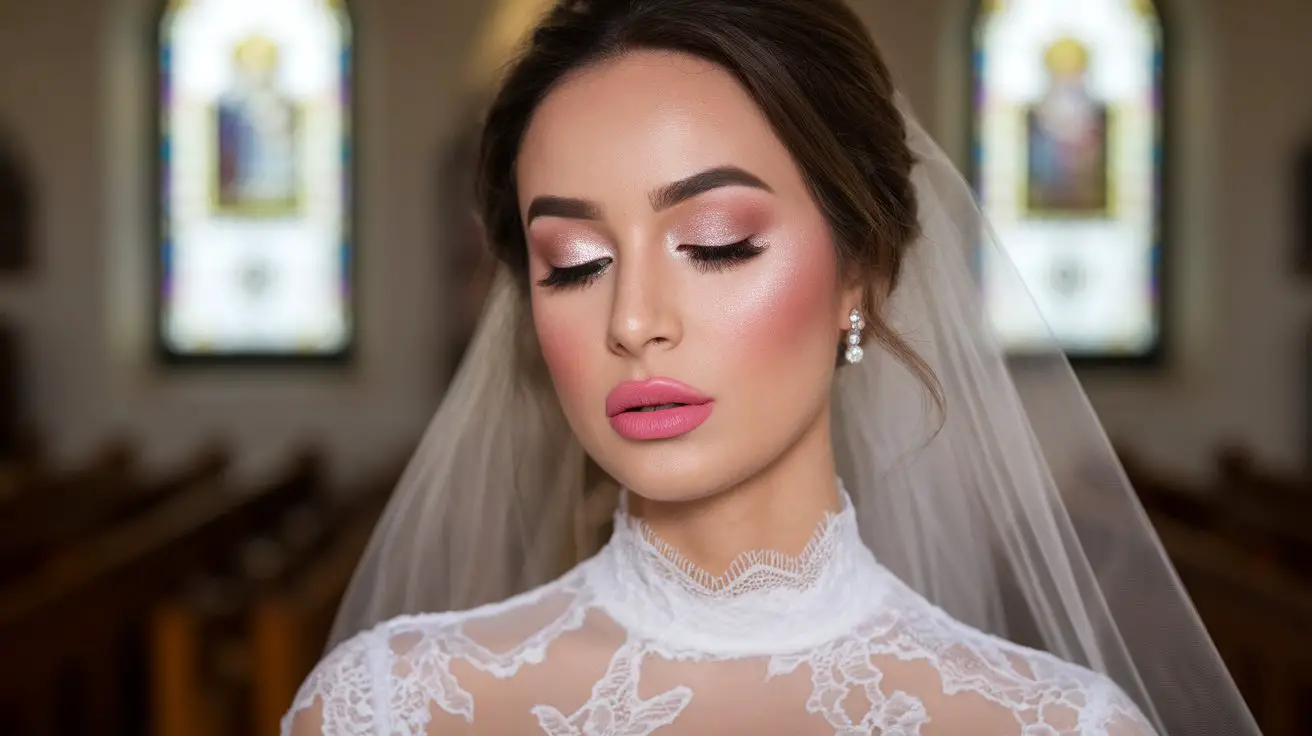
Your wedding day makeup faces challenges that everyday looks never encounter. Between happy tears during the ceremony, countless hugs from guests, hours of dancing, and endless photo sessions, your makeup needs serious staying power. The difference between looking fresh at midnight versus having mascara streaks and patchy foundation comes down to specific techniques and products designed for marathon wear.
Traditional makeup application simply won’t cut it for a 12-hour celebration. Professional makeup artists have developed specialized methods that lock cosmetics in place through emotional moments, weather changes, and vigorous dancing. These techniques go beyond just using waterproof mascara – they involve strategic layering, specific product combinations, and application methods that create a virtually budge-proof finish.
The following sections reveal exactly how to achieve that coveted all-night glamour. You’ll discover preparation secrets that start days before your wedding, learn which products actually deliver on their long-wear promises, and master professional techniques that eliminate the need for constant touch-ups. Let’s create makeup that looks as stunning at your last dance as it did walking down the aisle.
- Why Your Wedding Makeup Needs Different Techniques Than Regular Makeup
- Essential Prep Work for Marathon-Worthy Makeup
- How to Build Your Base for 12+ Hour Wear
- Which Products Actually Last Through Dancing and Tears?
- Professional Techniques for Touch-Up Free Coverage
- Your Wedding Day Glow: Final Thoughts on Flawless, Long-Lasting Makeup
- Frequently Asked Questions
Why Your Wedding Makeup Needs Different Techniques Than Regular Makeup
Wedding celebrations push makeup to its absolute limits in ways regular events never do. You’ll face emotional moments that test even the strongest waterproof formulas, from tearing up during vows to laughing until you cry during speeches. Standard makeup application techniques simply weren’t designed for this level of emotional intensity combined with physical activity.
The emotional moments that test makeup durability
Those first-look photos capture raw emotion that everyday makeup can’t withstand. Your eyes will water seeing your partner’s reaction, threatening carefully applied eyeshadow and liner. The ceremony brings another wave of tears – yours, your partner’s, and probably your parents’ too. Each embrace afterward transfers makeup between faces, requiring products that stay locked to your skin rather than transferring to Uncle Bob’s suit jacket.
Photography considerations throughout the day
Professional photographers capture thousands of images from dawn until well past dark. Flash photography reveals every flaw that natural light might hide, including makeup that’s oxidized or separated throughout the day. HD cameras pick up texture issues, color changes, and any areas where coverage has worn away. Your makeup needs to photograph beautifully under harsh midday sun, soft golden hour light, and artificial reception lighting – each requiring different considerations for color and coverage.
Different lighting situations throughout your venue create unique challenges. The soft church lighting differs vastly from bright outdoor ceremony spaces or dimly lit reception halls. Products that look perfect in natural light might appear ghostly under flash or orange under warm indoor bulbs.
Environmental factors from ceremony to reception
Weather conditions wreak havoc on standard makeup application. Outdoor ceremonies mean battling humidity that melts foundation, wind that makes eyes water, or sun that causes perspiration. Even indoor venues present challenges with varying temperatures as you move from air-conditioned preparation rooms to packed dance floors generating serious heat.
Your makeup must survive the transition between multiple locations too. The cool bridal suite, potentially warm ceremony space, breezy cocktail hour location, and stuffy reception hall each create different conditions. Products need to maintain their integrity through these temperature and humidity fluctuations without breaking down or changing color.
The marathon timeline of wedding celebrations
Most special events last three to four hours maximum. Weddings stretch from early morning preparation through late-night celebrations – often spanning 14 to 16 hours. You’ll apply makeup at 8 AM for a 3 PM ceremony, then need it looking fresh until midnight or later. This timeline exceeds the wear time of most long-wear products, which typically promise 8 to 12 hours of coverage.
The sheer length of time creates unique challenges:
Oil Production: Your skin produces sebum continuously throughout this extended period
Product Breakdown: Even quality cosmetics begin separating after many hours
Friction Points: Repeated smiling, talking, and movement wear away product
Gravity Effects: Heavy products can settle into fine lines over extended wear
Color Changes: Some foundations oxidize or shift shade after prolonged wear
Touch-up limitations during the event
Unlike a regular night out where you can duck into the bathroom for major repairs, wedding touch-ups require ninja-level discretion. You can’t disappear for 20 minutes during your reception to reapply foundation. Guests want to see you, photographers need you available, and honestly, you’ll want to spend time celebrating rather than fixing makeup.
The typical wedding dress also complicates bathroom visits, making detailed touch-ups nearly impossible without assistance. Full skirts, long trains, and fitted bodices mean you can’t lean over a sink or easily maneuver in small bathroom stalls. Any touch-up strategy must work quickly with minimal tools while you’re surrounded by guests wanting your attention.
Essential Prep Work for Marathon-Worthy Makeup
Creating wedding makeup that lasts requires preparation that begins well before your big day. The condition of your skin directly impacts how well products adhere and how long they maintain their appearance. Starting with properly prepped skin makes the difference between makeup that sits beautifully on your face versus products that slide, separate, or disappear entirely.
Skin preparation the week before
Your skin renewal cycle means the surface cells on your wedding day are forming right now. Begin gentle exfoliation seven days before to remove dead cells that can cause makeup to appear patchy or flaky. Use a mild chemical exfoliant with AHA or BHA rather than harsh physical scrubs that might cause irritation or micro-tears.
Increase your water intake to at least eight glasses daily during this week. Hydrated skin from within provides a plump, smooth surface that helps makeup glide on evenly and stay put longer. Skip any new skincare products or treatments that might cause unexpected reactions – this isn’t the time for experimentation.
Pay special attention to your lips during this preparatory week. Dry, flaky lips make long-wear lipstick application nearly impossible. Apply a thick layer of lip balm before bed each night, and gently buff away dead skin each morning with a soft toothbrush. Well-conditioned lips hold color significantly longer than dry, rough surfaces.
Morning-of skincare routine
Wake up at least three hours before makeup application begins. This gives your skin time to naturally balance oil production after cleansing and allows skincare products to fully absorb. Rushing this process often leads to makeup sliding off prematurely or pilling during application.
Start with a gentle, pH-balanced cleanser to remove overnight oil and residue without stripping your skin. Pat your face dry with a clean towel – rubbing can cause irritation that shows through makeup. Apply a lightweight, fast-absorbing moisturizer appropriate for your skin type. Even oily skin needs hydration; skipping moisturizer causes your skin to overproduce oil throughout the day, breaking down makeup faster.
Wait 10 to 15 minutes after moisturizer before beginning makeup application. This patience pays off tremendously in longevity. Products applied to fully absorbed skincare adhere better and maintain their placement throughout your celebration.
Primer selection for your skin type
Primer acts as double-sided tape between your skin and makeup, but choosing the wrong formula sabotages your entire look. Silicone-based primers work wonderfully for normal to dry skin, creating a smooth barrier that prevents makeup from sinking into pores or fine lines. However, they can cause slipping on very oily skin after several hours.
Water-based primers suit oily and combination skin better, providing grip without adding slickness that develops as natural oils emerge. For extremely oily skin, consider a mattifying primer containing clay or charcoal to absorb excess sebum throughout the day. These formulas actually improve in performance as hours pass, unlike silicone options that can break down with oil production.
Don’t forget specialized primers for different facial zones. Eye primer prevents creasing and intensifies shadow colors while extending wear time dramatically. A separate lip primer or even a light concealer application creates a base that helps lipstick adhere for hours longer than application on bare lips.
Setting the perfect canvas
The moments between primer and foundation application determine whether your base lasts four hours or fourteen. Allow primer to set for two to three minutes – it should feel tacky, not wet or completely dry. This sweet spot provides maximum adhesion for foundation application.
For areas prone to breakthrough shine or makeup breakdown, try the Wayne Goss method. Apply a light dusting of translucent powder over primer before foundation. This technique, though counterintuitive, creates an incredibly long-lasting base that resists oil breakthrough for hours longer than traditional application.
Hydration strategies for lasting coverage
Strategic hydration throughout your wedding day maintains makeup integrity without disturbing the surface. Facial mists might seem helpful but can actually break down makeup if used incorrectly. Instead, drink water consistently through a straw to avoid disturbing lip color. This internal hydration keeps skin plump and prevents the tight, dry feeling that makes you want to touch your face.
Keep blotting papers handy for oil control rather than adding more powder throughout the day. Excessive powder application creates a cakey appearance in photos and can actually accelerate oil production. Gentle blotting removes excess oil while leaving your makeup intact, maintaining that fresh application look for hours longer.
Consider your venue’s climate control when planning hydration strategies. Air-conditioned spaces dry out skin faster, potentially causing makeup to appear patchy or flaky by evening. Very warm venues increase oil production and perspiration. Having a game plan for these environmental factors prevents panic and ensures your makeup stays beautiful regardless of conditions.
How to Build Your Base for 12+ Hour Wear
The foundation of long-lasting wedding makeup literally starts with your foundation. Building your base requires specific layering techniques that lock each product in place before adding the next. This methodical approach takes more time than everyday application but creates coverage that withstands tears, sweat, and champagne toasts without budging.
Foundation layering techniques
Professional makeup artists rarely apply foundation in one thick layer for special events. Instead, they build coverage gradually using thin, targeted layers. Start with a small amount of product – about half what you’d typically use – and work it into skin using a damp beauty sponge or dense brush. Focus on the center of your face where you need the most coverage, blending outward with decreasing density.
After your first thin layer, assess where you need additional coverage. Apply a second targeted layer only to those areas rather than all over your face. This spot-treatment approach prevents the mask-like appearance that develops when thick foundation settles into expression lines throughout the day. The varying coverage levels also photograph more naturally, mimicking how real skin looks rather than creating a flat, uniform surface.
Press, don’t rub, when blending foundation layers. Pressing motions push product into skin while rubbing can disturb previous layers and create streaking. A dampened beauty sponge works particularly well for this pressing technique, melding layers together while maintaining coverage. The moisture in the sponge also prevents foundation from looking dry or cakey as the day progresses.
Color correcting that stays put
Color correction before foundation addresses discoloration more effectively than simply piling on concealer. But traditional cream color correctors can slip and slide under foundation during long wear. Set each color corrector with a light dusting of matching powder before moving to the next area. Pink powder over green corrector, yellow powder over purple corrector – this locks the correction in place.
Apply color correctors only where absolutely necessary. Overdoing correction creates a thick base layer that’s more likely to crease and separate. Focus on persistent discoloration that shows through your foundation’s first layer. For most people, this means under-eye darkness, redness around the nose, and any blemishes or scarring.
The order of operations matters significantly here. Color correct first, set with powder, then apply foundation over top. This sandwich method ensures corrections stay exactly where you placed them rather than mixing with foundation and creating muddy colors. You’ll use less foundation overall since you’ve already addressed problem areas, resulting in a lighter, longer-lasting base.
Concealer placement and setting methods
Strategic concealer placement extends wear time dramatically compared to standard application. Instead of drawing concealer directly under eyes in a sweeping motion, place small dots exactly where you see darkness. This targeted approach uses less product, reducing the likelihood of creasing while maintaining full coverage where needed.
The triangle technique popular on social media wastes product and creates unnecessary thickness that settles into fine lines. For weddings, stick to precise placement using a concealer one shade lighter than your foundation. Blend edges seamlessly into foundation using patting motions with your ring finger or a small, flat brush. The warmth from your finger helps meld products together while the gentle pressure ensures thorough blending.
Setting concealer requires a delicate touch to avoid creating texture in photographs. Use a small, fluffy brush to apply translucent powder only to areas where concealer was applied. Press powder into skin rather than sweeping it across. This pressing motion locks concealer in place without disturbing the carefully blended edges. Wait 30 seconds, then use a clean, dry sponge to press again, ensuring powder and concealer have fully bonded.
Powder application strategies
Strategic powder placement makes the difference between makeup that lasts versus makeup that looks like it’s lasted too long. Focus translucent powder on areas that produce oil or experience friction: T-zone, under eyes, around the nose, and chin. Leave areas like cheeks and temples with minimal powder to maintain dimension and prevent that flat, overpowdered appearance.
The baking technique, while effective for longevity, requires modification for wedding makeup. Traditional baking can look heavy in natural light and create flashback in photos. Instead, try “soft baking” – apply a generous amount of powder to key areas, wait just two minutes instead of five to ten, then dust away excess. This provides longevity benefits without the harsh, dry appearance that full baking can create.
Setting spray timing and technique
Setting spray isn’t just a final step – strategic application throughout the process extends wear significantly. After completing your base but before eye makeup, apply your first light mist of setting spray. Hold the bottle 8 to 10 inches from your face and spray in an X and T formation to ensure even coverage. This first layer helps subsequent products adhere better.
Apply another layer after completing all powder products but before any cream blushes or highlights. This middle layer rehydrates powder products, preventing that dry, cakey look that develops over time. The moisture helps powders meld with your foundation, creating a skin-like finish that photographs beautifully while maintaining serious staying power.
Your final setting spray application requires the most product and specific technique. After all makeup is complete, spray generously using the X and T method, then immediately press a tissue gently against your face. Spray again through the tissue – this creates an additional protective layer. The tissue method might sound excessive, but it’s a professional technique that adds hours to wear time.
Choose setting sprays with different functions for each layer. A hydrating spray for the first application prevents dryness, a setting spray with alcohol for the middle layer aids adhesion, and a sealing spray for the final coat locks everything in place. This combination approach addresses multiple longevity concerns simultaneously.
Which Products Actually Last Through Dancing and Tears?
Not all long-wear products deliver on their promises when tested by wedding day demands. The products that survive a normal workday often fail spectacularly when faced with emotional tears, enthusiastic hugging, and hours of dancing. Understanding which formulas actually withstand these challenges saves you from mascara migration and disappearing lip color.
Waterproof vs water-resistant formulas
The distinction between these terms matters enormously for wedding makeup. Water-resistant products withstand light moisture like misty eyes or light perspiration but break down with actual tears or sweat. They’re easier to remove at day’s end but won’t survive your ceremony’s emotional moments. Save these for rehearsal dinners or bridal showers rather than the main event.
Waterproof formulas contain specific polymers and waxes that repel water completely. They’ll survive full crying sessions, though you’ll need oil-based removers and patience to take them off later. For weddings, waterproof wins every time for mascara and eyeliner. Your happy tears during the father-daughter dance won’t result in raccoon eyes or streaky cheeks.
Some products now offer “water-proof, cry-proof, life-proof” formulas specifically designed for special occasions. These typically combine waterproofing agents with additional binding polymers that resist oil, friction, and transfer. While pricier than standard waterproof options, they’re worth the investment for once-in-a-lifetime events where touch-ups aren’t feasible.
Long-wear lipstick options and application tricks
Traditional lipstick, no matter how beautiful, won’t survive wedding festivities. Between kissing, eating, drinking, and talking for hours, regular formulas disappear within the first hour. Liquid lipsticks with true 24-hour wear claims provide the staying power needed, but application technique determines whether you’ll have beautiful color or flaky, patchy lips by reception time.
Start with completely smooth, moisturized lips – any dry patches will be emphasized by long-wear formulas. Apply a thin first coat of liquid lipstick, beginning at the center and working outward. Avoid overloading the applicator; excess product leads to uneven wear and that dreaded inner lip ring. Let this first layer dry completely, which takes two to three minutes for most formulas.
After the first layer sets, blot gently with tissue, then apply a second thin coat. This layering method creates more even, longer-lasting coverage than one thick application. For extra security, dust translucent powder through a tissue over lips, then apply a final thin layer. This technique, borrowed from theatrical makeup artists, creates virtually budge-proof color that survives eating and drinking.
The formula matters as much as application. Look for liquid lipsticks containing dimethicone or cyclopentasiloxane high in the ingredient list – these create the flexible film that adheres to lips. Avoid formulas with lots of oils or butters; while comfortable, they won’t provide the longevity needed. Some excellent performers contain polymers similar to those in long-wear nail polish, creating incredible staying power.
Eye makeup that survives emotional moments
Your eye makeup faces the ultimate test during wedding ceremonies. Standard eyeshadows crease within hours, but wedding-appropriate formulas must withstand tears, oil production, and constant movement from smiling and laughing. Cream shadows generally don’t provide adequate longevity unless specifically formulated for extended wear and properly set.
Powder shadows applied with specific techniques outperform most cream formulas for longevity. After primer application, set the lid with translucent powder before applying shadow. Use your finger to press – not sweep – the first shadow layer onto lids. The warmth and pressure from your finger helps shadow adhere better than brush application alone. Build color intensity through pressed layers rather than heavy single application.
Consider these application strategies for bulletproof eye makeup:
Foiling Method: Mix powder shadow with setting spray on a flat brush for intense, long-lasting color
Shadow Sealing: Spray setting spray on a flat brush and press over completed eye look
Waterline Setting: Set waterline liner with matching powder shadow for extended wear
Lash Preparation: Dust lashes with translucent powder before mascara application
Blush and bronzer that won’t fade
Cheek color tends to disappear first, especially on oily skin or during warm weather. Powder blushes and bronzers applied over foundation often vanish within hours. The secret lies in layering cream and powder formulas using a specific sequence that locks color in place for the entire celebration.
Apply cream blush directly after foundation but before any powder. Choose a highly pigmented formula since you’ll use less product – excess cream blush can disturb foundation and create patchiness. Tap cream blush onto the apples of cheeks with fingers, blending edges with a damp sponge. The key is keeping product concentrated where you want the most color rather than spreading it too wide.
Once cream blush is perfectly blended, set it with translucent powder, then apply powder blush directly on top in the same placement. This sandwich technique ensures color stays put even as natural oils emerge throughout the day. The cream provides a base that powder adheres to, while powder locks the cream in place and provides additional color that won’t fade.
Setting products that lock everything in place
Beyond setting spray, several products work together to create virtually indestructible makeup. Setting powder remains crucial, but the type and application method affect longevity dramatically. Loose powders generally outperform pressed versions for staying power, as they contain fewer binding agents that can break down with oil and sweat.
Silica-based setting powders provide the longest wear, creating an invisible barrier over makeup. They photograph beautifully without flashback when applied correctly. However, they can emphasize texture if over-applied. Use a velour puff to press silica powder into areas prone to breakdown, then buff away excess with a fluffy brush. This pressing technique embeds powder into foundation rather than sitting on top where it can shift or wear away.
Consider adding a makeup sealer – different from setting spray – as your final step. Sealers contain alcohol and polymers that create a protective film over your entire makeup application. While they can feel slightly stiff initially, they relax within minutes and provide unprecedented longevity. Professional theater and film makeup artists rely on these for performances where touch-ups are impossible.
Professional Techniques for Touch-Up Free Coverage
Master makeup artists employ specific techniques that eliminate the need for constant touch-ups throughout your wedding day. These methods, perfected on film sets and fashion shows, create makeup that maintains its initial appearance for hours without intervention. Learning these professional secrets transforms your makeup from high-maintenance to virtually indestructible.
The sandwich method for eyeshadow
Professional makeup artists discovered that sandwiching cream products between powders creates extraordinary longevity. For eyeshadow, this means applying primer, setting it with powder, adding cream shadow, then sealing with powder shadow. Each layer locks the previous one in place, creating depth and dimension that won’t budge even through tears or sweat.
Begin with your regular eye primer applied from lash line to brow bone. While still tacky, dust translucent or skin-toned powder over the entire lid using a fluffy brush. This creates a dry base that grabs onto subsequent products. Next, apply cream shadow with your finger, pressing it into the lid rather than swiping. The pressing motion ensures maximum adhesion to the powdered base.
Immediately set cream shadow with corresponding powder shadow before it fully dries. Use a flat brush to press powder shadow directly on top of cream, concentrating color where you want maximum intensity. This pressing technique differs from typical sweeping motions but provides significantly better longevity. Build depth by repeating cream and powder layers in deeper shades for the crease and outer corner.
The final step involves spraying setting spray onto a flat shader brush and pressing it over your completed eye look. This melts all layers together while creating a protective seal. Shadows applied this way routinely last 16+ hours without creasing, fading, or migrating. The technique takes practice but delivers professional-level results that withstand any wedding day challenge.
Lip color layering secrets
Long-lasting lip color requires more than just applying long-wear lipstick. Professionals use a multi-step process that ensures color stays vibrant and even throughout your entire celebration. This technique prevents the dreaded disappearing center while maintaining comfortable wear.
Start by filling in entire lips with lip liner that matches your chosen lipstick shade. This creates a stained base that remains even if surface products wear away. Choose a creamy but firm liner that won’t skip or drag across lips. Work from outer corners toward the center, completely coloring lips rather than just outlining them.
Blot lips with tissue, then dust translucent powder through a single ply of tissue. This sets the liner while maintaining some texture for subsequent products to grip. Apply your first thin coat of liquid lipstick, starting at the center of bottom lip and working outward. Use the applicator’s tip for precise edges rather than trying to fix mistakes later.
After allowing the first coat to set for two minutes, add dimension by applying a slightly deeper shade to outer corners and a touch of lighter shade to the center. This gradient effect not only looks beautiful but disguises any minor wear that might occur. The varying depths of color ensure lips look intentional even if some transfer occurs during eating or kissing.
Strategic powder placement
Where and how you apply powder determines whether makeup looks fresh or cakey after hours of wear. Professionals map facial zones based on oil production and movement patterns, applying different amounts of powder to each area. This strategic approach maintains dimension while providing longevity where needed most.
The T-zone typically needs the most powder due to oil production. Press powder into skin using a damp sponge rather than brushing it on. This technique embeds powder into foundation, creating a longer-lasting barrier against breakthrough oil. Focus extra attention on the sides of your nose where glasses might sit or where you tend to touch your face unconsciously.
Leave the perimeter of your face nearly powder-free. Temples, jawline, and hairline need minimal powder to maintain natural dimension. Over-powdering these areas creates a mask-like effect in photos and ages your appearance. A light dusting with a fan brush provides adequate setting without sacrificing the natural glow that makes skin look healthy and youthful.
Consider facial expressions when placing powder. Smile lines, crow’s feet, and forehead lines need special attention:
Expression Lines: Use minimal powder to prevent settling and emphasis
Oil-Prone Areas: Press powder firmly for maximum staying power
Dry Zones: Skip powder entirely or use hydrating setting spray instead
Friction Points: Extra powder where straps, hair, or hands might touch
Heat-setting your makeup
This professional technique uses controlled heat to cure makeup similar to how heat sets nail polish. The warmth helps products meld together while evaporating excess moisture that could cause slipping later. While it sounds unusual, this method significantly extends wear time.
After completing your base makeup, use a blow dryer on cool setting held 12 inches from your face. Move it constantly in circular motions for 30 seconds. The gentle air flow and minimal heat help products settle into skin while removing surface moisture. This technique works particularly well for cream products that need encouragement to fully set.
Some artists prefer using a facial steamer at the very end of makeup application. Hold your face in steam for five seconds, then immediately fan your face to cool and set products. The momentary moisture followed by quick drying creates a sealed finish. This method requires practice to avoid overdoing it, but results rival professional airbrush applications for longevity.
Emergency kit essentials for minor fixes
Despite the best techniques, you’ll want a tiny emergency kit for peace of mind. Choose multi-purpose products that address multiple concerns without requiring extensive touch-ups. The goal isn’t major repairs but minor adjustments that maintain your overall look.
Blotting papers remain the most valuable tool for maintaining makeup without adding layers. Choose large sheets that can address your entire T-zone in one press. Some papers contain a hint of powder for extra oil control without the cakey buildup that comes from reapplying actual powder. Keep these easily accessible – tucked in your bouquet or given to your maid of honor.
A retractable lip brush with long-wear lip color takes up minimal space while allowing precise touch-ups without disturbing surrounding makeup. Choose a shade that works alone or over your existing lip color. This single tool addresses fading, eating away the center, or transfer from kissing without needing multiple products.
Cotton swabs dipped in a tiny amount of oil-based makeup remover fix minor smudges without disturbing surrounding makeup. Pre-treat several swabs and store them in a small container. These prove invaluable for cleaning up emotional tear trails or minor mascara flakes without starting over. The precision of a swab means you can address issues without your guests even noticing.
Your Wedding Day Glow: Final Thoughts on Flawless, Long-Lasting Makeup
Creating wedding makeup that survives from sunrise to last dance requires more than good products – it demands specific techniques, strategic preparation, and professional methods rarely used in everyday application. The time investment in proper preparation and layering pays off when you’re still photo-ready at midnight without sneaking away for touch-ups. Your guests will wonder how you maintained such a fresh appearance throughout the entire celebration.
The combination of thorough skin preparation, strategic product selection, and professional application techniques creates a synergy that extends wear time far beyond what any single approach could achieve. Each layer supports the next, creating a flexible yet durable finish that moves with your skin while maintaining coverage. This systematic approach might feel excessive compared to your usual routine, but your wedding day deserves this level of attention to detail. Practice these techniques during your trial run to perfect the timing and pressure needed for each step.
Frequently Asked Questions
Q: How far in advance should I start preparing my skin for long-lasting wedding makeup?
A: Begin your preparation routine at least one week before your wedding. This gives you time to gently exfoliate, increase hydration, and address any lip dryness without risking irritation close to your big day.
Q: Can I use regular setting spray instead of multiple specialized products?
A: While one quality setting spray provides some longevity, using different formulas at various stages (hydrating, setting, and sealing) creates significantly longer wear. The investment in multiple products is worthwhile for all-day coverage.
Q: Will waterproof makeup look cakey or heavy in photos?
A: Waterproof makeup photographs beautifully when applied in thin layers and properly set. The key is building coverage gradually rather than applying thick coats, and using the pressing technique rather than rubbing products into skin.
Q: Should I do my makeup differently if my wedding is outdoors versus indoors?
A: Outdoor weddings require extra attention to oil control and sun protection. Add mattifying primer to your T-zone and consider a setting powder with SPF. Indoor weddings allow for slightly less powder since you won’t battle sun and wind.
Q: How do I prevent lipstick from transferring when kissing?
A: Layer lip liner, liquid lipstick, powder, and another thin coat of liquid lipstick. Let each layer dry completely before the next. This sandwich method creates transfer-resistant color that survives multiple kisses.
Q: What’s the biggest mistake people make with long-wear wedding makeup?
A: Applying products too thickly in an attempt to make them last longer. This actually causes faster breakdown and creasing. Thin, strategic layers always outperform one heavy application for longevity.
Q: Can oily skin achieve the same longevity as normal or dry skin?
A: Absolutely. Oily skin requires water-based primers, mattifying products, and strategic powder placement, but these adjustments create equally long-lasting results. The key is working with your skin type rather than against it.
Q: How long should I wait between each makeup step for maximum longevity?
A: Allow 2-3 minutes between primer and foundation, 30 seconds between foundation layers, and 2 minutes for liquid lipstick to set. This patience ensures each layer properly adheres before adding the next.

