

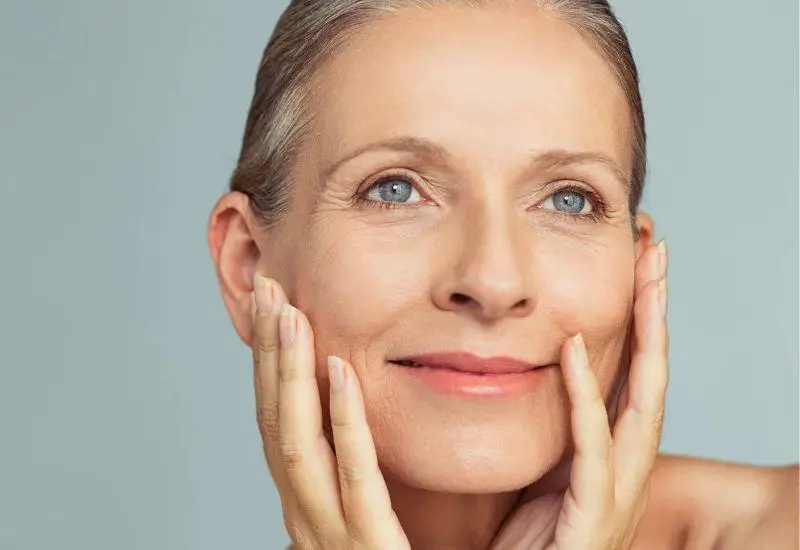
As skin matures, that natural radiance you once took for granted seems to fade away. The luminous complexion of youth gradually gives way to dullness, uneven texture, and a lack of that coveted healthy glow. This transformation happens to everyone, yet understanding why it occurs and what you can do about it makes all the difference in maintaining vibrant-looking skin at any age.
The good news is that achieving glowing skin isn’t reserved for the young. Modern skincare science, combined with time-tested approaches, offers numerous ways to restore brilliance to mature complexions. From targeted skincare routines to lifestyle adjustments, multiple pathways exist to help your skin recapture its radiant appearance. The key lies in understanding which methods work best for your specific needs and combining them strategically.
Throughout the following sections, we’ll share comprehensive strategies for reviving your skin’s natural luminosity. You’ll discover the underlying causes of dullness, effective daily routines, professional treatment options, lifestyle modifications, and nutritional approaches that support radiant skin. Each approach offers its own benefits, and when combined thoughtfully, they create a powerful system for achieving the glowing complexion you desire.
- What Makes Aging Skin Lose Its Natural Glow?
- How Can Daily Skincare Routines Restore Radiance?
- Which Professional Treatments Boost Skin Luminosity?
- What Lifestyle Changes Enhance Skin's Natural Radiance?
- How Do Diet and Supplements Support Glowing Skin?
- Achieving Lasting Radiance: Your Comprehensive Approach
- Frequently Asked Questions
What Makes Aging Skin Lose Its Natural Glow?

The journey toward understanding how to restore glow begins with recognizing what causes its disappearance in the first place. Multiple factors contribute to the gradual dulling of mature skin, and each plays a distinct role in diminishing your complexion’s natural radiance.
Decreased cell turnover and collagen production
Your skin’s ability to renew itself slows significantly with age. In youth, skin cells turn over approximately every 28 days, but this process can take 40 to 60 days or longer as you age. This slower renewal means dead skin cells accumulate on the surface, creating a dull, rough texture that prevents light from reflecting evenly. Simultaneously, collagen production decreases by about 1% per year after age 20, leading to thinner skin that appears less plump and vibrant.
The reduction in collagen affects more than just firmness. This essential protein helps maintain skin’s moisture levels and smooth texture. Without adequate collagen, skin develops fine lines and loses the bouncy quality that contributes to a youthful glow. Additionally, elastin fibers break down over time, further compromising skin’s ability to maintain its smooth, light-reflecting surface.
Environmental damage and sun exposure effects
Years of environmental exposure take their toll on skin radiance. Ultraviolet radiation from the sun remains the primary culprit, accounting for up to 80% of visible facial aging signs. UV damage creates irregular pigmentation, destroys collagen, and triggers inflammation that leaves skin looking tired and lackluster. Even minimal daily sun exposure without protection accumulates over decades, resulting in photoaging that manifests as dark spots, rough texture, and overall dullness.
Beyond sun damage, urban pollution contributes significantly to skin deterioration. Microscopic particles from car exhaust, industrial emissions, and other sources penetrate skin, generating free radicals that damage cells and accelerate aging. These pollutants also clog pores and create a film on skin’s surface that blocks natural radiance. Indoor environmental factors matter too – heating and air conditioning systems strip moisture from skin, while blue light from screens may contribute to premature aging.
Hormonal changes impact on skin
Hormonal fluctuations throughout life profoundly affect skin appearance. During perimenopause and menopause, declining estrogen levels lead to numerous skin changes. Estrogen helps maintain skin thickness, moisture retention, and collagen production. As levels drop, skin becomes drier, thinner, and less able to maintain its healthy glow. These hormonal shifts also affect oil production, often resulting in either excessive dryness or unexpected breakouts that mar skin clarity.
Thyroid hormones play an equally important role in skin health. Both hypothyroidism and hyperthyroidism can cause skin to appear dull and lifeless. Low thyroid function often results in dry, rough skin that lacks radiance, while overactive thyroid can lead to thin, fragile skin. Cortisol, the stress hormone, also impacts skin appearance by breaking down collagen and triggering inflammation when chronically elevated.
Dehydration and moisture barrier breakdown
Proper hydration forms the foundation of glowing skin, yet maintaining optimal moisture levels becomes increasingly challenging with age. The skin’s natural moisture barrier, composed of lipids and proteins, weakens over time. This barrier normally prevents water loss while protecting against environmental irritants. When compromised, skin loses moisture rapidly, resulting in a dull, flaky appearance that reflects light poorly.
Lifestyle factors affecting skin radiance
Daily habits significantly influence how your complexion appears. Smoking accelerates skin aging dramatically, reducing blood flow and depleting skin of oxygen and nutrients needed for a healthy glow. Alcohol consumption dehydrates skin and dilates blood vessels, leading to a ruddy, uneven appearance. Poor sleep quality prevents skin from completing its nighttime repair processes, resulting in a tired, lackluster complexion.
Chronic stress manifests visibly in your complexion through multiple mechanisms:
Inflammation triggers: Stress hormones promote inflammation that damages skin cells and accelerates aging
Blood flow changes: Stress diverts blood flow away from skin, depriving it of nutrients
Barrier disruption: Chronic stress weakens skin’s protective barrier, increasing sensitivity
Behavioral impacts: Stress often leads to poor skincare habits, inadequate sleep, and unhealthy dietary choices
Even seemingly minor factors like sleeping position, facial expressions, and phone habits contribute to skin appearance over time. Understanding these various influences empowers you to make informed choices about which factors to address first in your quest for glowing skin.
How Can Daily Skincare Routines Restore Radiance?
Creating an effective daily skincare routine specifically designed to boost radiance requires understanding both the order of product application and which ingredients deliver the most dramatic results. The right combination of products, applied consistently, can transform dull, tired-looking skin into a luminous complexion that appears years younger.
Your morning and evening routines serve different purposes in the quest for glowing skin. Morning care focuses on protection and creating an ideal base for the day ahead. Evening routines emphasize repair and renewal, taking advantage of skin’s natural nighttime regeneration processes. Both routines should address cleansing, treatment, hydration, and protection, but the specific products and techniques vary based on timing and skin needs.
Morning routines for glowing skin
Starting your day with the right skincare approach sets the foundation for all-day radiance. Begin with lukewarm water rather than hot, as excessive heat strips natural oils and leaves skin looking dull. Pat your face gently with a soft towel rather than rubbing, which can irritate mature skin and cause redness that masks your natural glow.
After cleansing, apply a vitamin C serum while skin remains slightly damp. This timing maximizes absorption and helps lock in moisture. Vitamin C brightens skin tone, protects against environmental damage, and stimulates collagen production – all essential for achieving that coveted glow. Follow with a hydrating serum containing hyaluronic acid, which can hold up to 1,000 times its weight in water, plumping skin and creating a smooth, light-reflecting surface.
The final morning steps should include a moisturizer suited to your skin type and broad-spectrum sunscreen with at least SPF 30. Many women skip sunscreen on cloudy days or when staying indoors, but UV rays penetrate clouds and windows, continuing their aging effects. Mineral sunscreens containing zinc oxide or titanium dioxide often provide a subtle luminizing effect while protecting skin.
Essential ingredients that boost luminosity
Understanding which ingredients deliver real results helps you choose products wisely rather than falling for marketing hype. Certain ingredients have proven track records for enhancing skin radiance through various mechanisms.
Exfoliating acids remain fundamental for glowing skin. Alpha hydroxy acids (AHAs) like glycolic and lactic acid dissolve the bonds between dead skin cells, revealing fresher skin beneath. Beta hydroxy acid (BHA), primarily salicylic acid, penetrates deeper to clear pores and smooth texture. These acids should be introduced gradually, starting with lower concentrations used just twice weekly.
Retinoids deserve their reputation as gold-standard anti-aging ingredients. Whether using prescription retinoids or over-the-counter retinol, these vitamin A derivatives accelerate cell turnover, boost collagen production, and fade dark spots. The result is smoother, more evenly toned skin that reflects light beautifully. However, retinoids require patience – visible improvements typically take 12 weeks or longer.
Niacinamide, also known as vitamin B3, offers multiple benefits for dull skin. This versatile ingredient strengthens the moisture barrier, reduces inflammation, minimizes pores, and helps fade hyperpigmentation. Unlike some active ingredients, niacinamide plays well with others and rarely causes irritation, making it ideal for sensitive mature skin.
Peptides support skin structure by signaling increased collagen production. While results aren’t as dramatic as with retinoids, peptides offer a gentler approach suitable for those who cannot tolerate stronger actives. Antioxidants beyond vitamin C, including vitamin E, ferulic acid, and resveratrol, protect against free radical damage while supporting skin’s natural repair processes.
Proper cleansing techniques for mature skin
Cleansing might seem basic, but technique matters tremendously for maintaining skin radiance. Over-cleansing strips natural oils and disrupts the skin barrier, while under-cleansing allows buildup that dulls complexion. Finding the right balance requires attention to product choice and application method.
Oil cleansing has gained popularity for good reason – it effectively removes makeup, sunscreen, and impurities without stripping skin. Massage a cleansing oil or balm onto dry skin for 60 seconds, focusing on areas where makeup and sunscreen accumulate. Add water to emulsify, then rinse thoroughly. This method leaves skin clean yet moisturized, preserving the natural glow.
Double cleansing – following oil cleansing with a gentle water-based cleanser – ensures thorough removal of all residue without harshness. Choose creamy or gel cleansers formulated without sulfates, which can be too drying for mature skin. Spend 30-45 seconds massaging the second cleanser in circular motions to boost circulation and enhance natural radiance.
Layering products for maximum glow
Product layering follows specific rules for optimal results. Apply products from thinnest to thickest consistency, allowing each layer to absorb before adding the next. This approach prevents pilling and ensures each product can penetrate effectively.
Water-based serums go first, followed by oil-based serums or facial oils. Moisturizer comes next, sealing in previous layers while adding its own benefits. For evening routines, retinoids typically go directly after cleansing on dry skin, followed by waiting 20-30 minutes before applying other products. This timing prevents dilution and reduces irritation risk.
Night routines that repair and brighten
Evening skincare routines offer opportunities to use stronger treatments that might cause photosensitivity during daytime. After thorough cleansing, apply targeted treatments based on your primary skin concerns. Alternating active ingredients prevents irritation while addressing multiple issues – use retinoids three nights weekly, exfoliating acids twice weekly, and focus on hydration the remaining nights.
Night creams formulated with ceramides, peptides, and antioxidants support skin’s overnight repair processes. These richer formulations would feel too heavy during the day but work perfectly while you sleep. Consider adding a few drops of facial oil to your night cream for extra nourishment – rosehip, marula, and squalane oils all support skin barrier function without clogging pores.
The power of overnight masks shouldn’t be overlooked. These leave-on treatments deliver concentrated ingredients throughout the night. Hydrating masks with hyaluronic acid and glycerin plump skin by morning, while brightening masks containing vitamin C or kojic acid work to fade dark spots and even skin tone. Use overnight masks 2-3 times weekly for best results, adjusting frequency based on how your skin responds.
Which Professional Treatments Boost Skin Luminosity?
Professional skincare treatments offer powerful solutions for restoring radiance that home care alone cannot achieve. These clinical approaches use advanced technology and higher-strength ingredients to deliver dramatic improvements in skin texture, tone, and overall glow. Understanding your options helps you invest wisely in treatments that provide the most significant benefits for your specific concerns.
Chemical peels for instant radiance
Chemical peels remain one of the most effective professional treatments for revealing glowing skin quickly. These treatments use controlled applications of acids to remove damaged outer layers, stimulating fresh cell growth and collagen production. The result is smoother, brighter skin with improved texture and reduced signs of aging.
Superficial peels using glycolic, lactic, or salicylic acid provide gentle exfoliation suitable for regular maintenance. These “lunchtime peels” require no downtime and deliver subtle but cumulative improvements in radiance. Most women benefit from a series of 4-6 superficial peels spaced 2-4 weeks apart, followed by maintenance treatments every 1-3 months.
Medium-depth peels penetrate deeper, addressing more significant concerns like deeper wrinkles, stubborn hyperpigmentation, and acne scarring. Trichloroacetic acid (TCA) peels at concentrations of 20-35% fall into this category. While requiring 5-7 days of visible peeling and redness, the results can be transformative. Skin emerges noticeably smoother, clearer, and more radiant than before treatment.
The key to successful peel treatments lies in proper patient selection and preparation. Your skincare professional should evaluate your skin type, concerns, and lifestyle before recommending a specific peel. Pre-treatment with retinoids and hydroquinone often improves results while reducing complications. Post-peel care is equally crucial – strict sun protection and gentle skincare maintain and extend the glowing results.
Microneedling and collagen stimulation
Microneedling has evolved from a simple dermaroller technique to sophisticated treatments using electronic devices with precise needle depths. This controlled injury triggers your skin’s natural healing response, stimulating collagen and elastin production while improving product absorption. The result is firmer, smoother skin with enhanced natural radiance.
Professional microneedling devices create thousands of microscopic channels in the skin, typically penetrating 0.5-2.5mm deep depending on the treatment area and concern. These channels not only stimulate collagen but also allow for deeper penetration of growth factors, peptides, and other beneficial ingredients applied during treatment. Many practitioners now combine microneedling with platelet-rich plasma (PRP) from your own blood, creating the popular “vampire facial” that accelerates healing and enhances results.
The beauty of microneedling lies in its versatility and relatively low risk profile. Unlike lasers, microneedling works well on all skin tones without risk of hyperpigmentation. Most people experience redness similar to a mild sunburn for 24-48 hours, followed by some flaking as skin renews. Results build gradually over several months as new collagen forms, with most people noticing improved texture and glow after 3-6 treatments.
LED light therapy benefits
Light-emitting diode (LED) therapy harnesses specific wavelengths of light to trigger beneficial cellular responses without heat or damage. Different colors penetrate to various depths, addressing multiple skin concerns simultaneously. Red light (630-700nm) stimulates collagen production and improves circulation, while near-infrared light (700-1000nm) penetrates deeper to reduce inflammation and accelerate healing.
Professional LED treatments use more powerful devices than home units, delivering therapeutic doses of light in 20-30 minute sessions. Many women appreciate that LED therapy requires no downtime and feels relaxing during treatment. Some describe a warm, pleasant sensation as the light works to energize cellular processes. Results accumulate with regular treatments, typically twice weekly for 4-6 weeks initially.
Research supports LED therapy’s effectiveness for improving skin radiance through multiple mechanisms. The light energy increases ATP production in cells, providing more energy for repair and renewal. Circulation improves, bringing fresh oxygen and nutrients while removing waste products more efficiently. The combined effects create healthier, more radiant skin from within.
Professional-grade facials and their effects
Modern professional facials go far beyond basic cleansing and masks, incorporating advanced techniques and technologies for superior results. HydraFacial, one popular option, uses patented vortex suction to deep clean while simultaneously infusing customized serums. The treatment removes dead skin cells and impurities while delivering hydration and antioxidants, leaving skin instantly glowing.
Oxygen facials have gained celebrity endorsements for their immediate radiance-boosting effects. These treatments spray highly concentrated oxygen molecules directly onto skin, along with customized serums containing hyaluronic acid, peptides, and antioxidants. The pressurized oxygen helps ingredients penetrate deeper while plumping skin and improving circulation.
Professional enzyme treatments offer another approach to revealing glowing skin:
Papaya enzymes: Gently dissolve dead skin cells without irritation
Pumpkin enzymes: Rich in vitamins A and C for brightening
Pineapple enzymes: Contain bromelain for anti-inflammatory benefits
Cherry enzymes: Provide antioxidant protection while exfoliating
Many aestheticians now customize facials using multiple modalities in one session. You might receive ultrasonic exfoliation to loosen dead cells, followed by gentle extraction, an enzyme mask, LED therapy, and finishing with oxygen infusion. This comprehensive approach addresses multiple factors contributing to dull skin in a single treatment.
Laser treatments for skin resurfacing
Laser technology offers the most dramatic improvements in skin texture and radiance, though with longer recovery times than other professional treatments. Fractional lasers create controlled micro-injuries in skin, leaving surrounding tissue intact for faster healing. This approach stimulates intense collagen remodeling while addressing pigmentation, fine lines, and textural irregularities.
Non-ablative fractional lasers like Clear + Brilliant provide gentler resurfacing suitable for maintaining glow with minimal downtime. These treatments create millions of microscopic treatment zones, replacing damaged skin with healthy tissue. Most people experience mild redness and sandpaper-like texture for 2-3 days, followed by beautiful glowing skin as healing completes.
More aggressive fractional CO2 and erbium lasers deliver dramatic results for severely sun-damaged or scarred skin. While requiring 7-14 days of significant downtime, these treatments can take years off your appearance. The intense collagen remodeling continues for months after treatment, with skin becoming progressively smoother, firmer, and more radiant.
Intense Pulsed Light (IPL) treatments, while not true lasers, effectively address pigmentation issues that contribute to dull, uneven skin tone. IPL targets melanin and hemoglobin, fading brown spots and reducing redness. A series of 3-5 treatments typically produces significant improvement in overall skin clarity and radiance. Many women appreciate that IPL requires virtually no downtime while delivering noticeable results.
The investment in professional treatments pays dividends when combined with excellent home care. Most practitioners recommend starting with less aggressive options and advancing to more intensive treatments only if needed. This approach minimizes risk while allowing you to find the perfect combination of treatments for your skin’s unique needs.
What Lifestyle Changes Enhance Skin’s Natural Radiance?
The most expensive skincare products and professional treatments cannot compensate for lifestyle habits that undermine skin health. Your daily choices profoundly impact how your complexion looks and feels, often more than any serum or cream. Understanding these connections empowers you to make changes that support glowing skin from within, creating lasting improvements that no product alone can achieve.
Hydration from within
Water remains the most fundamental nutrient for radiant skin, yet many women chronically under-hydrate without realizing it. Your skin cells require adequate water to function properly, maintain their plump appearance, and efficiently eliminate toxins. Dehydrated skin appears dull, emphasizes fine lines, and lacks the bouncy quality associated with youthful radiance.
The standard recommendation of eight glasses daily serves as a starting point, but individual needs vary based on activity level, climate, and overall health. A more personalized approach involves monitoring your urine color – pale yellow indicates good hydration, while darker shades suggest you need more fluids. Caffeinated beverages and alcohol increase fluid needs since they have mild diuretic effects.
Making hydration easier throughout your day requires strategic planning. Keep a reusable water bottle visible on your desk, set hourly reminders on your phone, or link water consumption to existing habits like checking email. Some women find that adding cucumber slices, lemon, or fresh herbs makes water more appealing, encouraging consistent intake.
Beyond plain water, certain beverages offer additional skin benefits. Green tea provides antioxidants that protect against environmental damage while supporting healthy circulation. Bone broth supplies collagen-building amino acids and minerals. Fresh vegetable juices deliver concentrated vitamins and phytonutrients that promote skin health. However, these additions supplement rather than replace pure water intake.
Recognizing dehydration’s effects on your complexion motivates better habits. Dehydrated skin often feels tight after cleansing, shows more prominent fine lines, and may produce excess oil as it tries to compensate for lack of moisture. These signs improve remarkably quickly once proper hydration is restored – many women notice enhanced radiance within just one week of increasing water intake.
Sleep quality and skin regeneration
Quality sleep does more for your complexion than any night cream, yet it’s often the first thing sacrificed in busy lives. During deep sleep phases, your body releases growth hormones that repair damaged cells and build new collagen. Blood flow to skin increases, delivering nutrients and oxygen while removing metabolic waste products. Without adequate rest, these crucial processes cannot occur properly.
Research reveals that even one night of poor sleep visibly affects skin appearance. Dark circles form as blood vessels dilate, skin barrier function decreases leading to increased water loss, and inflammation markers rise throughout the body. Chronic sleep deprivation accelerates aging by shortening telomeres and increasing cortisol production, both of which damage skin cells over time.
Creating an environment conducive to restorative sleep involves multiple factors. Room temperature between 65-68°F promotes deeper sleep, while complete darkness signals melatonin production. Many women find that blue light blocking glasses worn 2-3 hours before bed improve sleep quality significantly. Establishing a consistent bedtime routine signals your body to begin winding down.
The position you sleep in affects facial skin directly. Side sleeping creates compression lines that eventually become permanent wrinkles. Stomach sleeping is even worse, crushing one side of your face against the pillow for hours. Back sleeping prevents these mechanical forces while allowing better lymphatic drainage to reduce morning puffiness. Silk or satin pillowcases reduce friction for those who cannot maintain back sleeping all night.
Exercise and circulation benefits
Regular physical activity transforms skin appearance through multiple mechanisms that no topical treatment can replicate. Exercise increases heart rate and blood flow, delivering oxygen and nutrients to skin cells while flushing away toxins. This enhanced circulation creates an immediate post-workout glow that, with consistency, becomes your everyday complexion.
Sweating during exercise provides natural detoxification, clearing pores from within. The key lies in proper post-workout skincare – always cleanse promptly after sweating to prevent reabsorption of released toxins. Many women make the mistake of letting sweat dry on their skin, which can lead to breakouts and dullness rather than the desired glow.
Different types of exercise offer varying benefits for skin health:
Cardiovascular exercise: Running, cycling, or dancing boost circulation dramatically
Strength training: Builds lean muscle that supports skin structure
Yoga: Improves lymphatic drainage and reduces stress-related skin issues
Facial exercises: Target specific muscles to maintain firmness and definition
Swimming: Provides full-body workout but requires extra moisturizing afterward
The timing of exercise matters for skin health. Morning workouts jumpstart circulation for all-day radiance, while evening sessions must finish at least three hours before bed to avoid interfering with sleep. Outdoor exercise adds vitamin D benefits but requires diligent sun protection to prevent damage that negates exercise’s positive effects.
Stress management for better skin
Chronic stress wreaks havoc on skin through multiple pathways, making stress reduction essential for achieving lasting radiance. Cortisol and other stress hormones break down collagen, impair barrier function, and trigger inflammation throughout the body. These effects manifest as breakouts, sensitivity, premature aging, and overall dullness that no product can fully counteract.
Identifying your personal stress triggers allows targeted management strategies. Work deadlines might require better time management, while family obligations could benefit from boundary setting. Many women find that simply acknowledging stress’s impact on their appearance motivates them to prioritize self-care practices they previously considered optional.
Effective stress reduction techniques vary by individual preference and lifestyle. Meditation apps provide guided sessions as short as five minutes, making the practice accessible even during busy days. Deep breathing exercises activate the parasympathetic nervous system within minutes, countering stress responses. Regular massage not only relaxes muscles but improves lymphatic drainage for clearer, brighter skin.
Creating daily micro-breaks prevents stress accumulation throughout your day. Step outside for fresh air between meetings, practice desk stretches, or spend a few minutes practicing gratitude. These small interventions interrupt the stress cycle before it significantly impacts your complexion.
Environmental protection strategies
Your skin faces constant assault from environmental factors beyond just sun exposure. Air pollution, temperature extremes, and indoor air quality all influence how radiant or dull your complexion appears. Understanding these factors helps you create protective strategies that preserve your skin’s natural glow.
Urban environments pose particular challenges due to high pollution levels. Microscopic particles penetrate skin, generating free radicals and inflammation. Creating a barrier between your skin and pollutants requires both physical protection through proper skincare and behavioral modifications. Avoid exercising outdoors during high pollution days, and always double cleanse in the evening to remove accumulated particles.
Indoor environments often prove equally challenging. Heating and air conditioning systems create artificially dry air that rapidly dehydrates skin. Combat this with desktop humidifiers, regular facial mists, and barrier-reinforcing products. Plants not only add humidity but also filter indoor air pollutants naturally.
Seasonal changes require adjusting your protective strategies. Winter’s harsh conditions demand richer moisturizers and more frequent hydrating treatments. Summer’s intensity necessitates vigilant sun protection and antioxidant support. Spring and fall transitions often trigger sensitivity, requiring gentler approaches until skin adapts.
Technology-related environmental factors deserve attention too. Blue light from screens may contribute to hyperpigmentation and premature aging. Screen filters, blue light blocking skincare ingredients, and regular screen breaks help minimize potential damage. Position screens at arm’s length and slightly below eye level to reduce squinting, which contributes to expression lines.
How Do Diet and Supplements Support Glowing Skin?
The connection between what you eat and how your skin appears runs deeper than most people realize. Every cell in your body, including skin cells, builds itself from nutrients you provide through diet. While topical treatments address surface concerns, true radiance begins with nourishing your skin from within through strategic food choices and targeted supplementation.
Your skin reflects your overall health more visibly than any other organ. Nutritional deficiencies show up as dullness, dryness, premature aging, and various skin conditions. Conversely, a diet rich in skin-supporting nutrients creates the foundation for that healthy glow everyone desires. Understanding which foods fuel radiance versus those that diminish it empowers you to make choices that support your skincare goals.
The relationship between diet and skin health isn’t always immediate. While some foods cause rapid reactions, most dietary changes require consistency over weeks or months to show visible results. This delayed gratification often discourages people from maintaining beneficial eating patterns. However, those who persist discover that dietary improvements create lasting changes no product can match.
Antioxidant-rich foods for skin health
Antioxidants serve as your skin’s internal defense system against aging and environmental damage. These powerful compounds neutralize free radicals before they can harm healthy cells, preserving your complexion’s youthful appearance. While skincare products deliver antioxidants topically, consuming them provides protection from within that reaches every skin cell.
Berries rank among the most potent antioxidant sources available. Blueberries, blackberries, and raspberries contain anthocyanins that protect collagen from breakdown while supporting skin’s natural repair processes. Aim for at least one cup of mixed berries daily, whether fresh, frozen, or blended into smoothies. Frozen berries often contain higher antioxidant levels than fresh ones shipped long distances.
Dark leafy greens provide a different spectrum of protective compounds. Spinach, kale, and Swiss chard deliver vitamin C for collagen synthesis, vitamin A for cell renewal, and vitamin E for moisture retention. These versatile vegetables work well in salads, smoothies, soups, or lightly sautéed as side dishes. Rotating between different greens ensures you receive varied nutrients.
Colorful vegetables follow the simple rule that deeper colors indicate higher antioxidant content. Orange and red produce like carrots, sweet potatoes, and bell peppers provide beta-carotene that converts to vitamin A in your body. Purple vegetables including eggplant and purple cabbage offer unique antioxidants that protect against UV damage. Creating rainbow-colored meals naturally increases your antioxidant intake.
Green tea deserves special mention for its exceptional polyphenol content. Regular consumption of 2-3 cups daily provides steady antioxidant protection while supporting healthy metabolism. The ritual of tea drinking also encourages hydration and creates mindful breaks throughout your day.
Essential fatty acids and skin barrier
Healthy fats play crucial roles in maintaining supple, glowing skin by supporting the lipid barrier that locks in moisture. Without adequate essential fatty acids, skin becomes dry, inflamed, and prone to sensitivity – all factors that diminish radiance. Including the right fats in your diet strengthens this barrier from within.
Omega-3 fatty acids found in fatty fish like salmon, mackerel, and sardines provide powerful anti-inflammatory benefits. These fats calm redness, support healing, and help maintain skin’s natural oil balance. Eating fatty fish twice weekly supplies therapeutic amounts of EPA and DHA, the most bioavailable forms of omega-3s.
Plant-based omega-3 sources include walnuts, chia seeds, flaxseeds, and hemp hearts. While the ALA form in plants requires conversion to EPA and DHA, these foods still offer valuable benefits. Grinding flaxseeds fresh improves absorption, while chia seeds can be soaked to create a gel-like consistency that hydrates from within.
Monounsaturated fats from avocados, olive oil, and nuts support skin health differently. These fats help absorb fat-soluble vitamins A, D, E, and K while providing oleic acid that maintains suppleness. A quarter of an avocado daily or two tablespoons of extra virgin olive oil supplies beneficial amounts without excessive calories.
Vitamins that promote radiance
Specific vitamins directly impact your skin’s appearance, with deficiencies quickly manifesting as various complexion concerns. While whole foods provide the best sources, understanding each vitamin’s role helps you make informed choices about both diet and potential supplementation.
Vitamin C stands out for its multi-faceted skin benefits. Beyond supporting collagen production, it brightens skin tone, protects against sun damage, and helps wounds heal faster. Citrus fruits provide well-known sources, but red peppers, strawberries, and broccoli actually contain higher concentrations. Consuming vitamin C-rich foods throughout the day maintains steady levels since your body cannot store this water-soluble vitamin.
Vitamin A influences cell turnover rates and sebum production, making it essential for clear, smooth skin. Preformed vitamin A from animal sources like liver and egg yolks absorbs readily, while plant-based carotenoids require conversion. Sweet potatoes, carrots, and winter squash provide abundant carotenoids that also offer antioxidant protection.
The B-vitamin complex supports energy production in skin cells while maintaining healthy barrier function. Biotin (B7) specifically supports skin health, though deficiency is rare with a balanced diet. Niacin (B3) improves circulation and helps repair DNA damage. Whole grains, legumes, and nutritional yeast provide comprehensive B-vitamin coverage.
Vitamin E works synergistically with vitamin C to protect cell membranes from oxidative damage. Nuts, seeds, and their oils provide the most concentrated sources. Just one ounce of almonds supplies nearly half your daily vitamin E needs. Combining vitamin E sources with vitamin C-rich foods enhances absorption and effectiveness.
Collagen-boosting nutrients
While consuming collagen supplements has become popular, supporting your body’s natural collagen production often proves more effective. Specific nutrients serve as building blocks and cofactors for collagen synthesis, helping maintain firm, plump skin that reflects light beautifully.
Protein provides amino acids essential for building new collagen. Glycine, proline, and lysine appear in particularly high concentrations in collagen structure. Bone broth naturally contains these amino acids in easily absorbed forms. For plant-based options, combining various protein sources ensures complete amino acid profiles.
Supporting nutrients that boost collagen production include:
Zinc: Found in oysters, beef, pumpkin seeds, and chickpeas – necessary for collagen synthesis
Copper: Present in shellfish, nuts, seeds, and dark chocolate – activates enzymes for collagen formation
Silicon: Abundant in oats, brown rice, and green beans – strengthens collagen structure
Sulfur: Provided by cruciferous vegetables, eggs, and garlic – maintains collagen integrity
Vitamin C: Critical cofactor that must be present for collagen production to occur
Bone broth has gained attention for its collagen content, but the proteins must still be broken down and rebuilt into your own collagen. The real benefits come from its mineral content and amino acid profile that support collagen production. Sipping warm bone broth also encourages hydration while providing electrolytes.
Foods to avoid for clearer skin
Certain foods consistently correlate with skin problems and dullness across research studies. While individual responses vary, paying attention to how your skin reacts to different foods helps identify personal triggers. Common culprits often surprise people who haven’t made the diet-skin connection.
High-glycemic foods cause rapid blood sugar spikes that trigger inflammation and oil production. White bread, sugary snacks, and processed cereals fall into this category. These foods also promote glycation, where sugar molecules attach to collagen fibers, making them stiff and prone to breaking. Choosing whole grains and pairing carbohydrates with protein or fat moderates blood sugar response.
Dairy products, particularly skim milk, may worsen acne and dullness in sensitive individuals. The hormones naturally present in milk, combined with dairy’s effect on insulin levels, can trigger breakouts and inflammation. Many women notice clearer, brighter skin within weeks of reducing dairy intake. Plant-based alternatives fortified with calcium and vitamin D provide nutritional replacements.
Excessive alcohol depletes skin of moisture and nutrients while dilating blood vessels. Regular consumption accelerates aging through dehydration, inflammation, and impaired nutrient absorption. Limiting alcohol to special occasions or choosing lower-alcohol options like wine spritzers helps minimize negative effects. Always alternate alcoholic beverages with water to maintain hydration.
Processed foods high in sodium, preservatives, and artificial ingredients often trigger inflammation that manifests as puffiness and dullness. Reading ingredient labels helps identify hidden sources of skin-disrupting additives. Preparing more meals at home using whole ingredients gives you control over what goes into your body and onto your complexion.
Achieving Lasting Radiance: Your Comprehensive Approach
The journey to glowing skin at any age requires patience, consistency, and a multifaceted approach tailored to your unique needs. No single product, treatment, or lifestyle change creates lasting radiance alone. Instead, combining targeted skincare, professional treatments, healthy habits, and proper nutrition creates synergistic effects that transform dull, tired complexions into luminous skin that defies age expectations.
Start by addressing the fundamentals: establish consistent morning and evening routines using evidence-based ingredients, protect your skin vigilantly from environmental damage, and ensure adequate hydration both internally and externally. Build upon this foundation by incorporating professional treatments that address your specific concerns, whether through gentle chemical peels for maintenance or more intensive procedures for dramatic improvement. Support these efforts through lifestyle modifications that promote skin health from within – quality sleep, regular exercise, stress management, and a nutrient-rich diet all contribute to your overall glow. Most importantly, remain patient and consistent, as true skin transformation takes time but delivers results that last far longer than any quick fix.
Frequently Asked Questions
Q: How long does it typically take to see visible improvements in skin radiance?
A: Most people notice initial improvements within 2-4 weeks of starting a comprehensive routine, with more significant changes appearing after 8-12 weeks. Professional treatments may show faster results, but lasting transformation requires consistent daily care over several months.
Q: Can I achieve glowing skin without expensive professional treatments?
A: Absolutely. While professional treatments accelerate results, a well-designed home routine using quality products, combined with healthy lifestyle habits, can dramatically improve skin radiance. Focus on proven ingredients like retinoids, vitamin C, and chemical exfoliants.
Q: What’s the single most important step for glowing mature skin?
A: Daily sun protection ranks as the most crucial step, preventing further damage while allowing other treatments to work effectively. Without consistent SPF use, all other efforts provide limited results.
Q: Should I use the same products year-round for maintaining glow?
A: Seasonal adjustments optimize results. Use richer moisturizers and gentler exfoliants during winter, while summer may require lighter formulations and increased antioxidant protection.
Q: How do I know if my dull skin is from aging or another issue?
A: Aging-related dullness develops gradually with accompanying signs like fine lines and uneven texture. Sudden dullness might indicate dehydration, hormonal changes, or underlying health issues worth discussing with healthcare providers.
Q: Can makeup help create the appearance of glowing skin?
A: Illuminating primers, liquid highlighters mixed with foundation, and setting sprays with light-reflecting particles create immediate glow. However, healthy skin provides the best canvas for any makeup application.
Q: What role does genetics play in maintaining radiant skin?
A: While genetics influence baseline skin characteristics and aging patterns, lifestyle choices and skincare practices significantly impact how these genetic factors express themselves. Even those without “good skin genes” can achieve remarkable improvements.
Q: Is it ever too late to start working on skin radiance?
A: It’s never too late to improve your skin’s appearance. While younger skin responds more quickly, mature skin still benefits tremendously from proper care, often showing dramatic improvements when consistently nourished and protected.

