

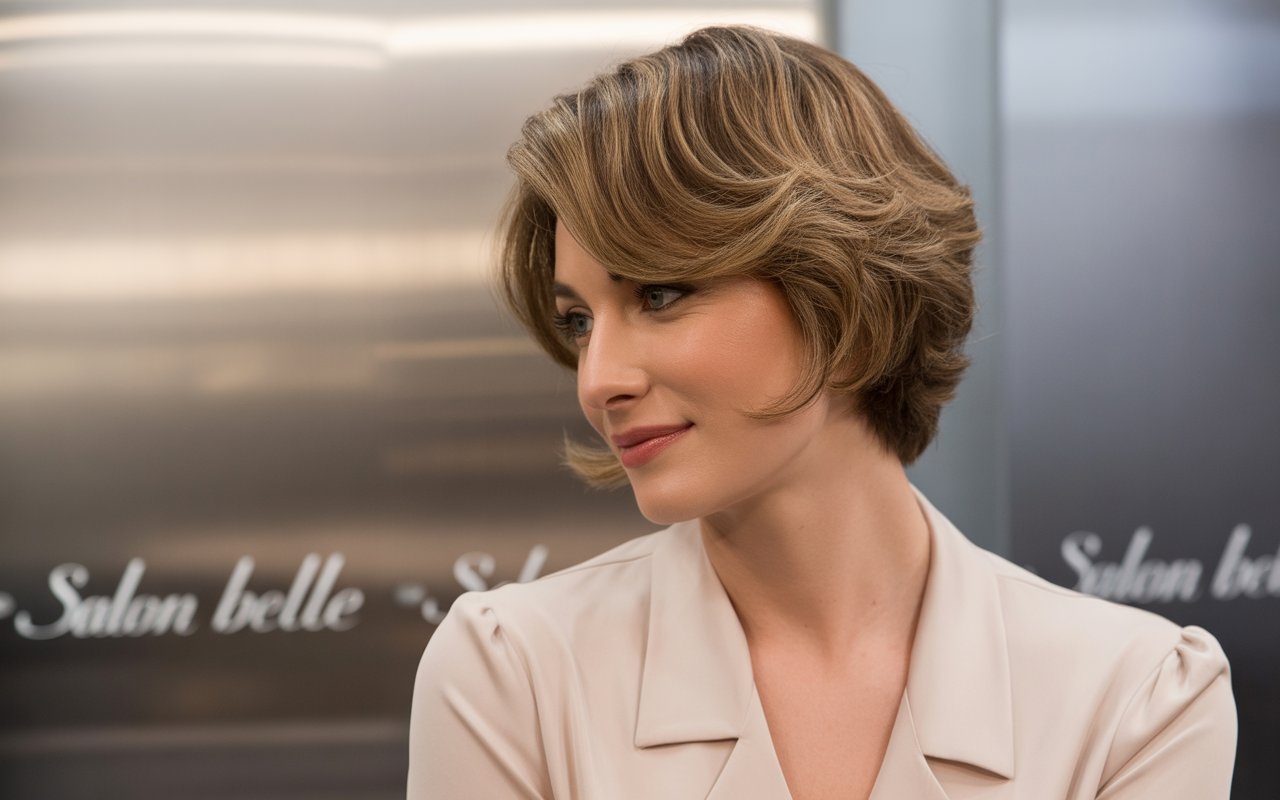
Short layered hairstyles offer the perfect blend of style and practicality that many women seek. They bring movement, texture, and personality to your look without demanding hours of daily styling. Whether you’re ready for a dramatic change or simply want to refresh your current style, these cuts provide endless possibilities for self-expression.
The beauty of layered short cuts lies in their adaptability. They work wonderfully with various hair textures, from fine and straight to thick and wavy. You can style them sleek and polished for professional settings or tousled and textured for casual weekends. This versatility makes them ideal for busy women who want to look put-together without complicated routines.
In the following sections, we’ll explore everything from understanding why these styles work so well to mastering simple styling techniques. You’ll discover trending cuts, learn about essential tools, and find tips for maintaining your new look between salon visits. Let’s uncover how the right short layered cut can transform not just your appearance but also your daily hair routine.
- What Makes Short Layered Hairstyles So Appealing?
- Essential Tools and Products for Short Layered Styles
- Step-by-Step Styling Techniques for Your Layers
- Trending Short Layered Cuts This Year
- Maintaining Your Short Layered Cut Between Salon Visits
- Wrap Up Your Short Layered Hairstyle
- Frequently Asked Questions
What Makes Short Layered Hairstyles So Appealing?
Short layered cuts have captured attention for good reason. They solve multiple hair challenges while offering fresh, modern looks that suit various lifestyles. Understanding their appeal helps you decide if this style direction fits your needs.
Low maintenance benefits
The time-saving aspect of these cuts cannot be overstated. Most women find their morning routines cut in half after switching to a layered short style. The strategic placement of layers means your hair naturally falls into place with minimal effort. You might need just a quick finger-style with some product, and you’re ready to face the day.
These cuts also dry remarkably fast. After washing, you’re looking at 5-10 minutes with a blow dryer instead of the 20-30 minutes longer styles require. This quick-dry benefit proves especially valuable during busy mornings or when traveling.
Versatility for different occasions
One misconception about short hair involves limited styling options. In reality, layered cuts offer surprising versatility. You can create sleek, professional looks by smoothing layers with a flat iron. For evening events, add texture spray and scrunch for an edgier appearance. Weekend casual? Let your natural texture shine through with minimal product.
The key lies in how layers interact with different styling methods. Heat tools, products, and techniques all produce distinct results on layered hair. This variety means you’re never stuck with one look, despite having shorter length.
How layers add volume and movement
Layers work like magic for creating fullness and life in hair that might otherwise fall flat. By removing weight strategically, your stylist creates natural lift at the roots. This technique particularly benefits women with fine or thin hair who struggle with limp, lifeless styles.
Movement comes naturally with well-placed layers. Each section moves independently, creating dimension and preventing that helmet-like appearance some short cuts can have. Watch how your hair bounces and flows with everyday movements – that’s the power of proper layering technique.
Suitable for various face shapes
The adaptability of layered cuts to different face shapes makes them universally flattering. Round faces benefit from layers that add height at the crown. Square faces soften with wispy layers around the jawline. Oval faces can experiment with virtually any layer placement. Heart-shaped faces look beautiful with layers that add width around the chin area.
Your stylist can customize layer placement to highlight your best features. Maybe you love your cheekbones – layers can frame them perfectly. Perhaps you want to minimize a prominent forehead – strategic layers create the illusion of different proportions. This customization potential means everyone can find their perfect short layered style.
Essential Tools and Products for Short Layered Styles
Success with your new cut depends largely on having the right tools and products at your disposal. While you don’t need a professional salon setup at home, certain items make styling significantly easier and help maintain your cut’s shape between appointments.
Must-have styling tools
A quality blow dryer with multiple heat settings tops the list of essentials. Look for models with cool shot buttons to set your style and concentrator nozzles for precise drying. Ionic technology helps reduce frizz, particularly beneficial for layered cuts where smooth definition matters.
Round brushes in various sizes become your best friends with short layers. Smaller barrels (1-2 inches) work perfectly for creating volume at the roots and shaping shorter layers. Medium barrels help smooth longer layers and create gentle curves. Natural bristle brushes grip hair better than synthetic ones, giving you more control during styling.
A good flat iron serves multiple purposes beyond straightening. Use it to flip out ends, create subtle waves, or smooth specific layers that misbehave. Choose one with adjustable temperature settings to prevent heat damage, especially important for maintaining healthy-looking layers.
Products for texture and hold
Texturizing products transform layered cuts from flat to fabulous. Sea salt sprays add grip and enhance natural texture without weighing hair down. Apply to damp hair and scrunch for beachy, effortless looks. Texture powders offer similar benefits with more dramatic volume potential.
Lightweight mousses provide hold without stiffness. They’re ideal for defining layers while maintaining movement. Apply a golf-ball-sized amount to damp hair, focusing on roots for lift and mid-lengths for definition. Avoid heavy products that can make short layers look greasy or weighed down.
Here’s a quick guide to product selection based on your hair type:
Fine Hair: Volumizing mousse provides lift without heaviness
Thick Hair: Smoothing serum controls bulk while defining layers
Wavy Hair: Curl-enhancing cream brings out natural texture
Straight Hair: Texturizing spray adds grip and movement
Tools for maintenance between cuts
Small trimming scissors help manage wayward pieces between salon visits. While you shouldn’t attempt major cutting at home, carefully snipping split ends prevents damage from traveling up the hair shaft. Quality scissors make cleaner cuts than regular household versions.
A hand mirror proves invaluable for checking the back of your head during styling. Magnetic versions stick to bathroom mirrors, leaving both hands free for styling. This simple tool helps ensure even product distribution and proper layer placement.
Budget-friendly alternatives
Professional tools can be expensive, but affordable alternatives exist. Drugstore blow dryers with basic features often perform adequately for short hair. The reduced drying time means less wear on the motor, extending the life of budget models.
DIY texturizing spray saves money while delivering results. Mix sea salt with water and a tiny amount of hair gel in a spray bottle. This homemade version creates texture comparable to expensive salon brands. Dry shampoo also doubles as a texturizing product – spray at roots and massage for instant volume.
Multi-use products maximize your budget. Leave-in conditioners that also provide heat protection eliminate the need for separate products. Styling creams that work on wet and dry hair offer versatility without doubling your product investment.
Step-by-Step Styling Techniques for Your Layers
Mastering a few key techniques transforms your layered cut from basic to beautiful. These methods work for various occasions and can be adapted based on your available time and desired finish.
Morning routine basics
Start with freshly washed or slightly damp hair. If washing isn’t necessary, mist hair lightly with water to reactivate yesterday’s products. This damp base allows for easier manipulation and better product distribution throughout your layers.
Apply your chosen styling product evenly through hair, using your fingers to separate and define individual layers. Focus product application on areas where you want the most definition or control. Remember that less is often more with short styles – you can always add more product if needed.
Begin blow-drying using your fingers to lift roots and direct layers into place. This finger-styling method creates natural movement and prevents the over-styled look that sometimes comes with excessive brush use. Work in sections, drying the underneath layers first before moving to the top.
Creating volume at the roots
Volume starts with proper product placement. Concentrate volumizing products at the roots, avoiding the ends where they can create unwanted weight. Massage products into the scalp area to ensure even distribution and maximum lift potential.
The blow-drying technique makes all the difference for root volume. Flip your head upside down during initial drying to encourage lift. Once hair is about 80% dry, flip back up and use a round brush to direct roots upward and away from the scalp. The cool shot button sets this lift in place.
For extra staying power, try the velcro roller trick. While hair is still warm from blow-drying, place medium-sized rollers at the crown area. Leave them in while you finish getting ready, then remove for lasting height that doesn’t fall flat by lunch.
Defining layers with products
Different products create various effects on layers. Pomades and waxes offer piece-y definition perfect for modern, textured looks. Warm a small amount between your palms, then work through individual layers, twisting and separating for emphasis.
Serums provide sleeker definition for more polished styles. Apply sparingly to avoid greasiness, focusing on the ends of each layer. This technique works particularly well for controlling flyaways and creating smooth, defined sections.
The scrunch method brings out natural texture in layers. Apply curl-enhancing or texturizing products to damp hair, then gently squeeze sections upward. This technique encourages waves and creates lived-in texture that looks effortlessly stylish.
Quick refresh methods
Second-day hair often needs just minor adjustments rather than complete restyling. Dry shampoo at the roots absorbs oil and adds texture. Spray, wait a moment, then massage in thoroughly. This refreshes both cleanliness and volume simultaneously.
For flattened layers, the steam refresh works wonders. Hang your outfit in the bathroom during a hot shower – the steam also revives your hairstyle. After exposure to steam, scrunch layers back into place and they’ll spring back to life.
A texturizing refresh spray can revive limp layers instantly. These products, designed specifically for refreshing styled hair, add grip and movement without the weight of traditional styling products. A few spritzes and some scrunching bring back that just-styled appearance.
When time is extremely limited, strategic placement of a headband or decorative clips can disguise uncooperative layers while adding style. Position accessories to lift roots and redirect layers that aren’t cooperating with your desired look.
Trending Short Layered Cuts This Year
Fashion in hair constantly evolves, and this year brings fresh takes on classic layered looks. These trending styles offer inspiration whether you’re planning a dramatic change or subtle update to your current cut.
The modern pixie with soft layers
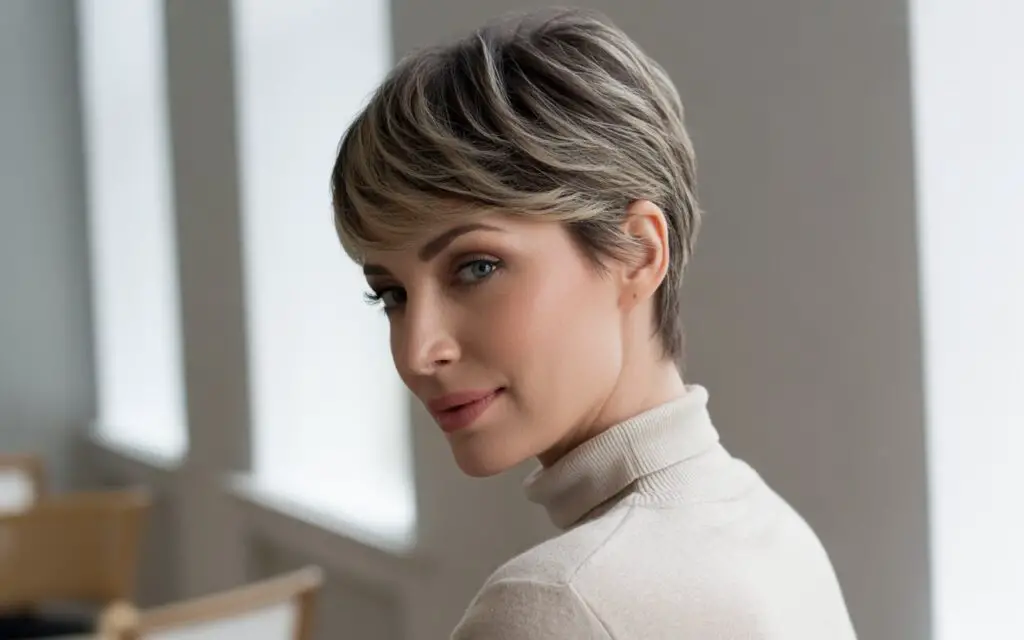
Gone are the severe, ultra-short pixies of the past. Today’s versions feature soft, feminine layers that create movement and versatility. The length typically stays longer on top, allowing for styling options while maintaining the pixie’s signature ease.
These updated pixies work beautifully with natural texture. Layers cut to enhance waves or curls create organic movement that requires minimal styling effort. For straight hair, the layers add necessary dimension to prevent the cut from appearing too severe or flat against the head.
Stylists often incorporate longer pieces around the face, softening the overall look. These face-framing layers can be styled forward for a more dramatic appearance or swept to the side for classic elegance. The flexibility makes this cut suitable for both professional environments and casual settings.
Color plays wonderfully with modern pixie layers. Highlights or lowlights emphasize the cut’s dimension, while bold colors make individual layers pop. Even subtle color variations create visual interest that enhances the layered structure.
Textured bob variations
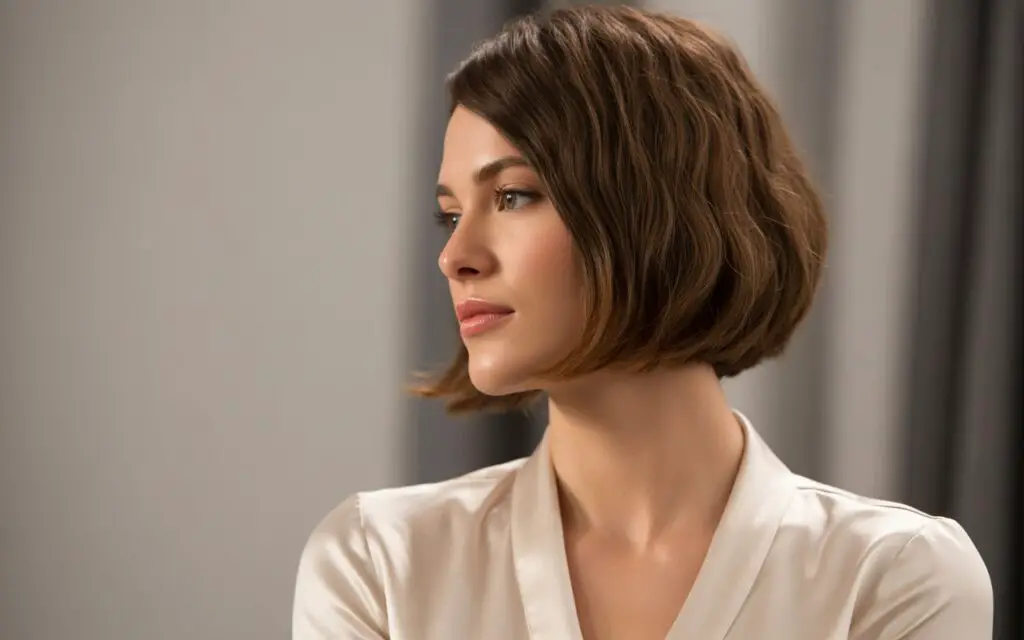
The bob refuses to go out of style, and this year’s versions feature heavy texture through strategic layering. Unlike traditional blunt bobs, these cuts incorporate varied lengths that create movement and prevent the helmet effect.
Choppy layers throughout give these bobs an effortless, lived-in quality. The texture works whether you prefer straight, wavy, or curly styling. Each option showcases the layers differently, providing multiple looks from one cut.
Length variations range from chin-grazing to just below the ears. Shorter versions offer maximum ease of styling, while slightly longer cuts provide more versatility. The key remains in the layering technique, which removes bulk while maintaining a full appearance.
Shaggy short cuts
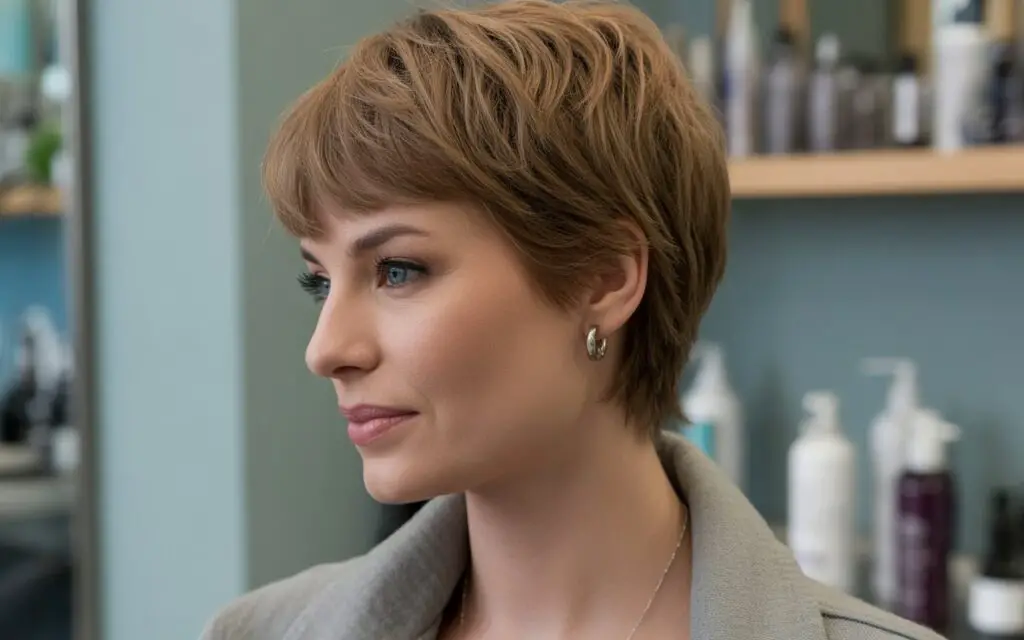
The shag has made a major comeback, adapted for shorter lengths. These cuts feature heavy layering throughout, creating that signature rock-and-roll texture. Modern versions tone down the extreme layering of vintage shags while maintaining their effortless cool.
What distinguishes current shag interpretations is their wearability. While maintaining the cut’s characteristic layers and texture, stylists create versions that work in professional settings. The key lies in controlling the layer placement to avoid too much volume in unflattering areas.
Bangs often accompany short shags, whether wispy and textured or bold and statement-making. These front layers integrate seamlessly with the overall cut, creating cohesion from front to back. The result looks intentionally undone yet completely put-together.
Asymmetrical layered styles
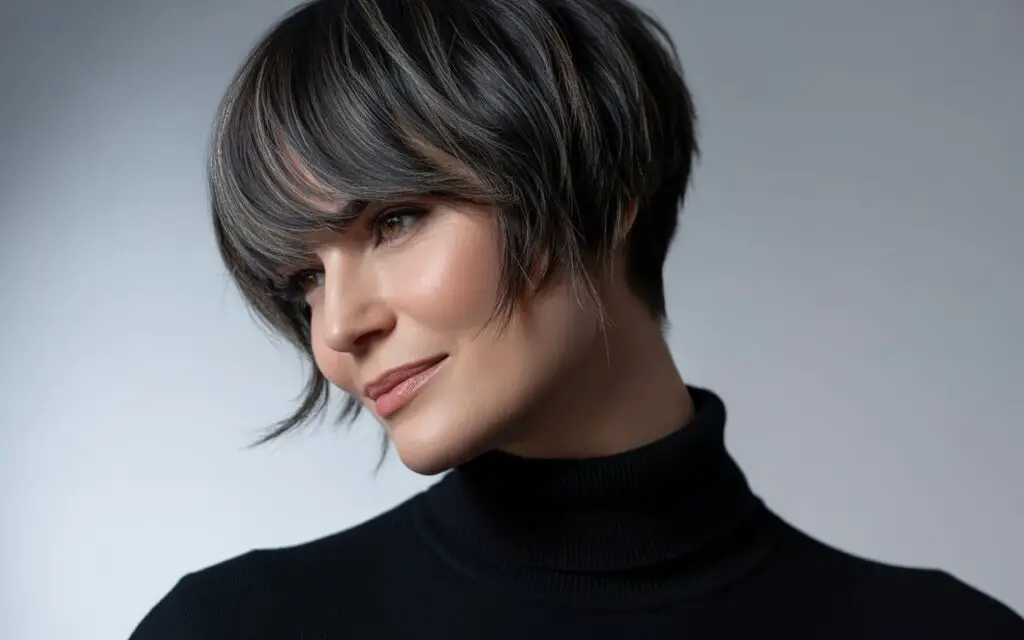
Asymmetry adds edge to traditional layered cuts. One side might feature longer layers while the other stays shorter, creating visual interest and modern appeal. These cuts suit women wanting something unique without going too extreme.
The beauty of asymmetrical layers lies in their adaptability. Styled sleek, they look polished and professional. Add texture, and they become edgy and fashion-forward. This versatility makes them perfect for women who enjoy experimenting with their look.
Balance remains crucial with asymmetrical cuts. Skilled stylists ensure the proportions flatter your face shape while maintaining the cut’s dramatic effect. The layers must work together despite their different lengths, creating harmony within the intentional imbalance.
Maintenance for asymmetrical styles requires attention to preserve the cut’s specific shape. Regular trims every 4-6 weeks keep the proportions correct. Between appointments, styling techniques can emphasize or minimize the asymmetry based on your mood and occasion.
Maintaining Your Short Layered Cut Between Salon Visits
Regular maintenance keeps your layered cut looking fresh and styled long after leaving the salon chair. Understanding how to care for your specific cut extends the time between appointments while keeping your style looking intentional rather than overgrown.
Trimming tips at home
While major cutting should remain in professional hands, minor maintenance can happen at home. Invest in sharp hairdressing scissors specifically for this purpose. Regular scissors create ragged edges that lead to split ends and frizz.
Focus only on obviously damaged ends or pieces that disrupt your style’s shape. Work in good lighting with dry hair so you can see exactly what you’re cutting. Take tiny amounts at a time – you can always cut more, but you can’t glue hair back on.
The point-cutting technique works well for maintaining layered texture. Hold scissors vertically and make small snips into the ends rather than cutting straight across. This method maintains the soft, layered look while removing damage.
For bangs or face-framing layers, the twist method provides control. Twist small sections before cutting to create soft, graduated ends rather than blunt lines. This technique helps maintain the professional look of your layers between visits.
Preserving layer definition
Products play a huge role in maintaining visible layers as your cut grows. Switch up your styling routine if layers start blending together. Adding texturizing products can revive definition that washing and time might have softened.
Sleep habits affect how layers maintain their shape. Silk or satin pillowcases reduce friction that can flatten layers overnight. For extra protection, loosely wrap hair in a silk scarf, preserving your style for morning.
Regular deep conditioning keeps layers healthy and defined. Damaged hair tends to frizz and lose its shape, making layers appear messy rather than intentional. Weekly treatments maintain the health necessary for good layer definition.
When to schedule appointments
Most short layered cuts need professional attention every 4-8 weeks. Your specific timeline depends on hair growth rate and how precisely your cut needs maintenance. Pixies and very short layers typically need more frequent visits.
Watch for these signs that appointment time has arrived:
Lost Shape: The overall silhouette no longer resembles your original cut
Blended Layers: Individual layers merge together, losing definition
Difficulty Styling: Your usual routine no longer produces desired results
Heavy Feeling: Hair feels weighed down despite proper washing
Neck Hair: Growth at the neckline disrupts the cut’s clean lines
Book appointments in advance to maintain consistent scheduling. Many salons offer standing appointments for clients with short cuts, ensuring you never go too long between visits.
Signs you need a refresh
Beyond regular maintenance, sometimes cuts need refreshing even when length isn’t the issue. Changes in hair texture, lifestyle, or preferences might call for adjustments to your layered style.
If styling takes significantly longer than usual, your cut might need updating. Layers can lose their effectiveness over time, especially if hair texture changes due to hormones, weather, or chemical processing.
Boredom with your current style often signals readiness for change. Even subtle adjustments to layer placement or length can reinvigorate your look. Discuss options with your stylist for refreshing without completely changing your cut.
Product buildup can masquerade as a cut problem. Before assuming you need a trim, try a clarifying treatment. Sometimes removing accumulated products reveals that layers still have plenty of life left.
Wrap Up Your Short Layered Hairstyle
Short layered hairstyles offer the perfect solution for women seeking manageable yet stylish hair. They provide the versatility to transition from boardroom meetings to weekend adventures without demanding hours of preparation. The right cut, combined with simple techniques and quality tools, creates a look that feels both polished and effortlessly natural.
Your journey with a layered cut becomes easier when you understand what makes it work. From selecting the perfect style for your face shape to mastering quick styling techniques, each element contributes to a successful short hair experience. Regular maintenance and the right products ensure your investment in a great cut continues paying dividends between salon visits. Most importantly, these cuts grow with you, adapting to life’s changes while maintaining their essential easy-care nature.
Frequently Asked Questions
Q: How often should I wash my short layered hair?
A: Most women with short layered cuts find washing every 2-3 days ideal. This frequency maintains cleanliness without stripping natural oils that help define layers.
Q: Can I achieve a short layered look if I have very thick hair?
A: Yes, thick hair actually benefits greatly from layering. Your stylist will use thinning techniques and strategic layer placement to remove bulk while maintaining fullness where you want it.
Q: What’s the difference between razored and scissor-cut layers?
A: Scissor-cut layers create cleaner, more defined edges perfect for sleek styles. Razored layers produce softer, more textured edges ideal for casual, piece-y looks.
Q: Will short layers work with my natural curls?
A: Absolutely. Layers actually enhance curls by removing weight and allowing individual curl patterns to spring up. The key is finding a stylist experienced with curly hair.
Q: How do I prevent my short layers from sticking up in the morning?
A: Apply a light styling cream before bed and wrap hair in a silk scarf. In the morning, dampen any rebellious pieces and redirect with a blow dryer.
Q: Can I grow out a short layered cut without looking awkward?
A: Yes, with regular trims to maintain shape during the growing process. Your stylist can adjust layers to blend better as length increases.
Q: What’s the minimum length needed for effective layering?
A: Layers can work in hair as short as 2-3 inches. The technique just changes to accommodate the length.
Q: Do I need to use heat styling tools with a layered cut?
A: Not necessarily. Many layered cuts air-dry beautifully with the right products. Heat tools simply offer additional styling options.
Q: How do I know if my face shape suits short layers?
A: Every face shape can wear short layers with the right customization. Consult with your stylist about placement and length to flatter your specific features.

