

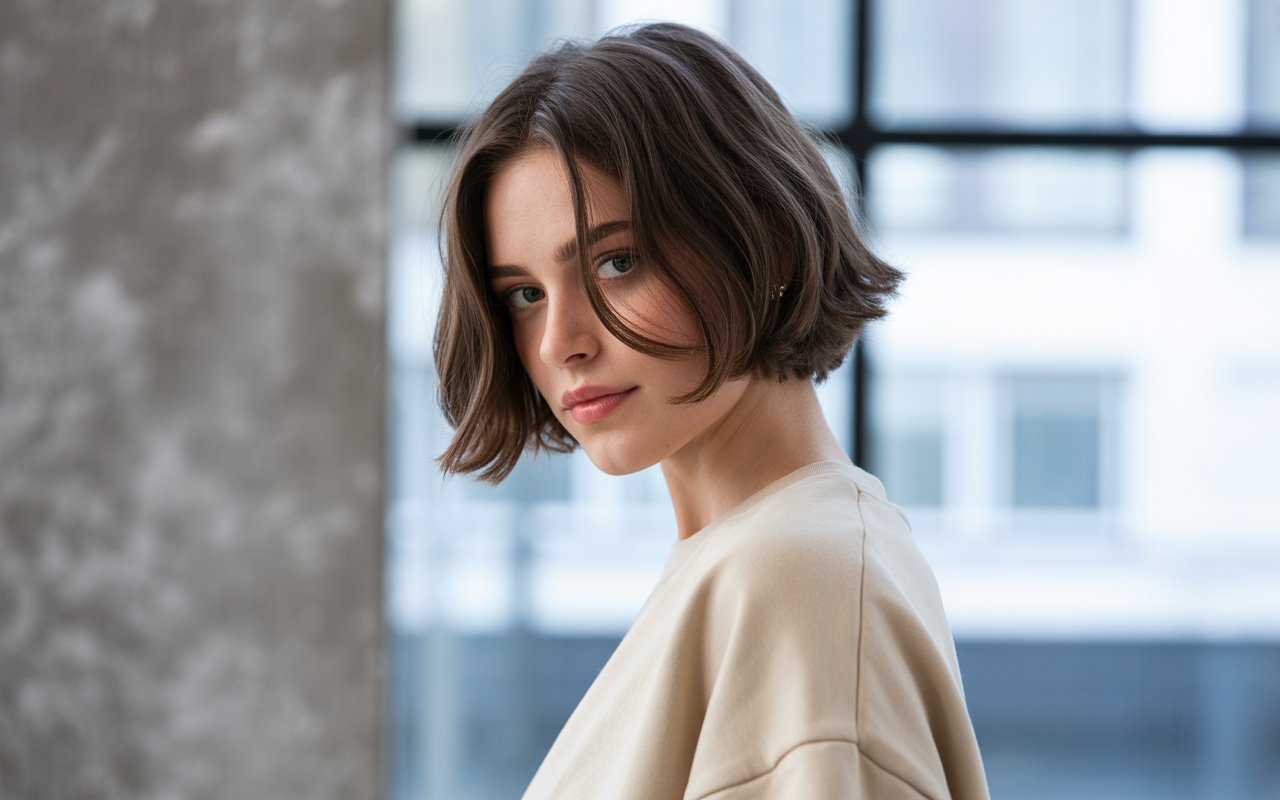
Short layered bob haircuts have become the go-to choice for women seeking a fresh, modern look that requires minimal styling effort. This versatile cut combines the classic sophistication of a bob with the dynamic movement that layers provide, creating a hairstyle that works beautifully across different ages, face shapes, and hair textures. The strategic placement of layers can transform a basic bob into something truly special, adding dimension and life to your hair while maintaining that polished, put-together appearance.
The beauty of this particular style lies in its adaptability. Whether you have fine hair that needs extra body or thick hair requiring weight removal, layers can be customized to work with your natural texture. Professional stylists love working with this cut because it offers endless possibilities for personalization, from subtle, barely-there layers that add gentle movement to more dramatic, choppy layers that create an edgier aesthetic. The result is always a haircut that feels both current and timeless.
In the following sections, we’ll explore everything you need to know about choosing and maintaining the perfect short layered bob. From understanding how layers interact with different face shapes to mastering styling techniques that bring out the best in your cut, this comprehensive guide will help you make informed decisions about your next salon visit. Let’s discover why this haircut continues to dominate salon requests and how you can make it work for your unique style.
What Makes Short Layered Bobs So Flattering
Short layered bobs possess an almost magical ability to flatter virtually every woman who wears them. The secret lies in how layers create movement and dimension, preventing the hair from falling flat against the head or appearing too heavy around the face. Unlike a one-length bob that can sometimes feel severe or boxy, layers introduce softness and flow that complement facial features rather than competing with them.
Face-Framing Qualities
The way layers frame your face can completely transform your appearance. Shorter layers around the face act like a natural contouring tool, drawing attention to your best features while softening areas you might want to minimize. For women with round faces, angled layers that start near the cheekbones create the illusion of length and definition. Those with square faces benefit from softer, curved layers that balance strong jawlines. Heart-shaped faces look stunning with layers that add fullness around the chin area, while oval faces can carry virtually any layer pattern beautifully.
Versatility for Different Face Shapes
What makes this haircut particularly special is its ability to be customized for individual face shapes without losing its essential character. A skilled stylist can adjust the layer placement, angle, and density to enhance your natural bone structure. For instance, if you have a longer face, horizontal layers add width and balance proportions. Women with wider faces might prefer layers that start higher up, creating vertical lines that elongate the face. The key is working with your stylist to identify your face shape accurately and discussing which layer techniques will best complement your features.
How Layers Add Movement
Static hair can age anyone, regardless of their actual years. Layers inject life and energy into your hairstyle by creating natural movement that shifts and flows as you move. This dynamic quality prevents your hair from looking flat or lifeless, especially important for those with naturally straight or fine hair. The varying lengths created by layering allow each section of hair to move independently, catching light differently and creating visual interest that a blunt cut simply cannot achieve.
Volume and Texture Benefits
One of the most significant advantages of adding layers to a short bob is the instant volume boost they provide. By removing weight from specific areas and creating graduated lengths, layers allow hair to lift away from the scalp naturally. This effect is particularly beneficial for women with fine or thinning hair who struggle to achieve fullness with single-length cuts. The texture created by layers also makes styling easier, as the hair has a natural inclination to fall into place with minimal effort.
Age-Appropriate Styling
Perhaps one of the most compelling reasons this haircut remains perpetually popular is its ability to look sophisticated and youthful simultaneously. The movement created by layers prevents the hair from appearing too serious or matronly, while the structured bob shape maintains a polished, professional appearance. Women of all ages find that this style helps them look current without trying too hard to appear younger than they are. It’s a haircut that grows with you, easily adapted with slight modifications to suit changing preferences and lifestyles.
The combination of these elements makes short layered bobs more than just a haircut – they’re a strategic beauty choice that enhances natural features while providing practical benefits. Whether you’re looking to add volume, create movement, or simply update your look, this versatile style offers solutions that work with your hair rather than against it.
How to Choose the Right Layer Length for Your Hair Type
Selecting the appropriate layer length for your specific hair type can make the difference between a haircut you love and one that becomes a daily styling struggle. Your natural hair texture, density, and behavior all play crucial roles in determining which layering technique will work best. Understanding these factors before your salon appointment helps ensure you leave with a cut that enhances your hair’s natural qualities rather than fighting against them.
Fine Hair Considerations
Fine hair requires a delicate approach to layering that maintains density while adding movement. The biggest mistake women with fine hair make is requesting too many layers or layers that are too short, which can leave hair looking wispy and thin. Instead, longer layers that start below the chin work beautifully, creating subtle movement without sacrificing the appearance of fullness. Your stylist might suggest “invisible layers” – a technique where the layering is so subtle it’s barely noticeable to the eye but makes a significant difference in how the hair moves and styles.
Strategic placement becomes crucial with fine hair. Layers concentrated around the crown area can create lift where you need it most, while maintaining length and weight through the sides prevents that dreaded “see-through” effect. Some stylists recommend a technique called “internal layering,” where layers are cut underneath the top sections of hair, providing support and volume without creating visible gaps or thin spots.
Thick Hair Options
Women blessed with thick hair have different challenges and opportunities when it comes to layering. Here, layers serve primarily to remove bulk and create manageability rather than add volume. Short, choppy layers throughout can transform heavy, helmet-like hair into a piece that moves beautifully and feels lighter on the head. Your stylist might use texturizing techniques alongside traditional layering to ensure the hair doesn’t become too poufy or triangular in shape.
The key with thick hair lies in graduated layering that removes weight evenly throughout the cut. Starting with shorter layers at the crown and gradually increasing length toward the perimeter creates a balanced shape that doesn’t overwhelm your features. Many stylists also incorporate “slide cutting” or “point cutting” techniques to soften the ends of each layer, preventing that harsh, stacked appearance that can occur with dense hair.
Wavy and Curly Hair Adaptations
Textured hair requires special consideration because curls and waves behave differently than straight hair when cut into layers. The spring factor – how much hair bounces up when cut – must be carefully calculated to avoid ending up with layers that are shorter than intended. Dry cutting often works best for wavy and curly hair, allowing the stylist to see exactly how each curl will fall and interact with surrounding layers.
For wavy hair, longer layers that follow the natural wave pattern create harmonious movement without disrupting the curl formation. The goal is enhancing what nature gave you rather than trying to impose a different texture. Curly-haired women often benefit from layers that start at or below the jawline, preventing the dreaded “triangle” shape that can occur when curls are cut too short on the sides. Each layer should be cut individually, respecting the unique curl pattern in different sections of the head.
Straight Hair Styling
Straight hair shows every cut line, making precision crucial when adding layers. The advantage is that straight hair displays the architecture of the cut beautifully, but this also means any mistakes or unevenness will be immediately visible. Layers in straight hair need to be perfectly blended to avoid obvious steps or gaps. Your stylist might use a combination of techniques including razor cutting for softer edges or precise scissor work for more defined layers.
Consider these specific approaches for straight hair:
Feathered Layers: Create soft, blended transitions between lengths for natural movement
Graduated Bob: Shorter layers in back gradually increase toward the front
Textured Ends: Add piece-y definition without removing too much length
Face-Framing Layers: Start longer to avoid harsh lines around facial features
Subtle Graduation: Maintains sleekness while adding gentle movement
Professional Consultation Tips
Walking into your salon appointment prepared makes all the difference in achieving your desired result. Bring photos showing not just styles you like, but also any cuts you’ve had previously that worked well or poorly. Be honest about your styling routine and skill level – there’s no point in getting a high-maintenance cut if you have five minutes to style your hair each morning. Discuss your hair’s natural tendencies with your stylist: Does it tend to flip out or under? Are there cowlicks or growth patterns that affect how your hair falls?
During the consultation, ask your stylist to explain their layering plan in detail. Understanding where they’ll place the shortest layer, how they’ll blend the lengths, and what the final silhouette will look like helps prevent miscommunication. Don’t hesitate to speak up if something doesn’t sound right for your lifestyle or preferences. A good stylist will appreciate your input and work with you to modify their approach.
Styling Techniques That Make Layers Pop
The right styling techniques can transform your layered bob from ordinary to extraordinary. While this haircut is designed to look good with minimal effort, knowing a few professional tricks helps you achieve salon-worthy results at home. The beauty of layers lies in their versatility – you can create different looks for various occasions simply by changing your styling approach.
Blow-Drying Methods
Mastering the blow-dry is essential for bringing out the best in your layers. Start with damp, towel-dried hair and apply a heat protectant throughout. The key technique involves using a round brush to lift each layer away from the head while directing the airflow from roots to ends. This method creates volume at the roots while smoothing the cuticle for shine.
For maximum impact, work in sections starting from the bottom layers. Wrap each section around your round brush and slowly pull through while following with the dryer. The size of your brush matters – smaller brushes create more curl and volume, while larger ones produce a sleeker finish. Don’t forget to finish with a blast of cool air to set each section and add shine.
Many women find success with the “rough dry” method for a more casual, lived-in look. This involves using just your fingers to lift and separate layers while drying, creating natural texture and movement. This technique works particularly well if you have naturally wavy hair or prefer a more undone aesthetic.
Product Recommendations
The right products make styling easier and help your layers maintain their shape throughout the day. Start with a lightweight volumizing mousse or spray applied to damp hair, concentrating on the roots and mid-lengths. These products provide lift without weighing down your layers or making them appear greasy.
For added definition, a texturizing spray or sea salt spray works wonders on layers. Apply to damp or dry hair and scrunch gently to enhance natural texture and separation between layers. If you have fine hair, look for products labeled “weightless” or “volumizing” to avoid flattening your carefully cut layers.
Finishing products seal the deal. A light-hold hairspray maintains your style without stiffness, while a smoothing serum or oil (used sparingly) adds shine and controls flyaways. For piece-y, defined layers, try a small amount of pomade or wax warmed between your palms and applied to the ends.
Heat Styling Tools
While blow dryers create the foundation, other heat tools can enhance your layered look. A flat iron, when used correctly, can add subtle bends and movement to layers. Instead of pulling the iron straight down, add a slight curve at the ends – inward for a classic look or outward for a more modern flip. This technique works especially well on the face-framing layers.
Curling irons or wands add romantic waves that showcase how beautifully your layers blend together. For a natural look, alternate curl directions and leave the ends out of the iron. This creates the kind of effortless waves that make layers truly shine. Choose a barrel size that complements your layer length – generally, 1-inch to 1.25-inch barrels work best for short layered bobs.
Air-Drying Techniques
Not everyone has time for elaborate heat styling, and thankfully, layered bobs can look fantastic when air-dried properly. The trick lies in the preparation. Apply a curl-enhancing cream or mousse to damp hair, then gently scrunch to encourage natural texture. For straight-haired women, a volumizing spray at the roots prevents flat, lifeless results.
Creating structure while air-drying helps layers fall into place naturally. Try twisting small sections while they dry, or use clips to lift the roots for added volume. Some women find success with the “pineapple” method – loosely gathering hair at the crown while it dries to create lift and prevent layers from falling flat against the head.
The position you hold your head while hair dries also affects the final result. Flipping your head upside down periodically encourages root lift, while tilting to each side ensures layers dry with movement rather than plastered against your scalp.
Quick Morning Routines
Reality dictates that most mornings don’t allow for lengthy styling sessions. Fortunately, well-cut layers often need just a few minutes of attention to look polished. Keep a spray bottle filled with water nearby to reactivate products and reshape layers that may have gotten crushed during sleep.
For second-day hair, dry shampoo becomes your best friend. Spray at the roots to absorb oil and add texture, then use your fingers to lift and separate layers. A quick blast with the blow dryer on cool setting can revive volume without starting from scratch.
When time is extremely limited, focus on the layers that frame your face. These pieces have the most visual impact, so even if the back isn’t perfect, well-styled face-framing layers create an overall polished appearance. A small flat iron or curling wand can quickly smooth or add movement to just these key sections in under two minutes.
The versatility of styling options means you’re never locked into one look. Experiment with different techniques to discover what works best for your hair type and lifestyle. Some days call for sleek sophistication, while others demand textured casualness – your layers can deliver both with the right approach.
Maintenance Tips to Keep Your Layers Looking Fresh
A beautiful layered bob requires regular attention to maintain its shape and movement. Unlike single-length cuts that can grow out relatively gracefully, layers need consistent care to prevent them from becoming shapeless or unbalanced. Understanding the maintenance requirements before committing to this style helps ensure long-term satisfaction with your choice.
Trimming Schedule
The frequency of trims depends largely on how quickly your hair grows and how precise you want your layers to remain. Most women find that scheduling appointments every 6-8 weeks keeps their layered bob looking fresh and intentional. Fast-growing hair might require visits every 4-5 weeks, while those with slower growth can stretch to 10 weeks between cuts.
Pay attention to how your layers behave as they grow. The first sign that you need a trim often comes from styling difficulties – when your usual techniques stop producing the same results, or when layers start flipping in unintended directions. Some women notice their style losing its shape around week five, while others maintain the look for two months or more.
Your stylist can help establish an ideal schedule based on your specific cut and growth patterns. They might suggest slightly different timing for maintenance versus reshaping appointments. A quick “dusting” of the ends every few weeks can extend the time between major cuts while keeping layers looking crisp.
At-Home Care Between Cuts
What you do between salon visits significantly impacts how well your layers maintain their shape. Regular deep conditioning treatments prevent dry, damaged ends that can make layers appear frizzy or unkempt. Focus conditioner on the mid-lengths and ends where layers are most visible, avoiding the roots to prevent weighing down your style.
Sleeping habits affect how layers fall each morning. Silk or satin pillowcases reduce friction that can cause tangles and odd bends in shorter layers. Some women find success with protective styles like loose top knots or silk scarves that keep layers from getting crushed during sleep.
Consider these essential care practices:
Weekly Treatments: Deep conditioning masks restore moisture and smoothness
Gentle Handling: Wide-tooth combs prevent breakage in delicate layers
Cool Water Rinses: Seal the cuticle for shinier, smoother layers
Minimal Heat: Air-dry when possible to prevent damage
Protection: UV sprays and swimming caps guard against environmental damage
Product Buildup Prevention
Layers show product buildup more obviously than single-length cuts because the varying lengths create more surface area and movement. Residue can weigh down layers, making them appear limp and lifeless instead of bouncy and defined. Establishing a clarifying routine helps maintain the fresh, clean look that makes layers so appealing.
Use a clarifying shampoo once every 1-2 weeks, depending on how many styling products you typically apply. If you’re a minimal product user, monthly clarifying might suffice. Heavy product users or those in hard water areas might need weekly clarifying sessions. Follow clarifying treatments with deep conditioning to restore moisture that these stronger shampoos can strip away.
Between clarifying sessions, ensure you’re thoroughly rinsing all products from your hair. Layers near the nape of the neck often harbor hidden product residue. Spend extra time massaging these areas during shampooing and rinsing to prevent buildup that can affect how your layers fall.
Color Considerations with Layers
If you color your hair, layers present both opportunities and challenges. The dimension created by layers looks stunning with highlights or balayage techniques that emphasize the movement and depth of the cut. However, root growth becomes more noticeable with layers because the varying lengths create multiple growth lines at different points on your head.
Planning your color maintenance schedule alongside your cut appointments maximizes efficiency and ensures your style always looks intentional. Many women find that booking color touch-ups every other cut appointment works well. This timing keeps roots under control while allowing the overall shape to guide color placement.
For those considering adding color to their layered bob, discuss placement carefully with your colorist. Highlights woven through the top layers create the illusion of even more movement, while darker shades underneath can add depth and make fine hair appear fuller. Face-framing highlights draw attention to this crucial area where layers have the most impact.
Seasonal Adjustments
Your layered bob might need slight modifications as seasons change. Summer humidity can cause layers to misbehave, requiring anti-humidity products or slightly different cutting techniques. Some women opt for slightly shorter layers in summer to combat the expansion that humidity causes, then grow them out a bit for fall.
Winter static presents different challenges. Layers can stick up or cling to scarves and coat collars. Anti-static sprays or leave-in conditioners with smoothing properties help combat these issues. You might also adjust your styling routine, using slightly heavier products in winter to keep layers controlled despite dry indoor air.
Spring and fall transitions offer perfect opportunities to reassess your layer placement and overall shape. These seasonal appointments can address any issues that developed over the previous months while preparing your style for upcoming weather challenges.
Regular maintenance might seem demanding, but the payoff comes in the form of a consistently polished appearance that requires minimal daily styling effort. Well-maintained layers practically style themselves, falling into place with just a quick shake of the head or run-through with fingers.
Current Trends in Short Layered Bob Styles
Fashion moves quickly, but certain elements of the layered bob remain timeless while others evolve with current aesthetics. Understanding today’s trends helps you make informed decisions about updating your look while maintaining the classic appeal that makes this style so enduring. The beauty of current trends lies in their emphasis on personalization and natural texture rather than rigid, one-size-fits-all approaches.
Textured Ends
Gone are the days of perfectly smooth, blunt ends. This year’s most requested finishing technique involves creating lived-in, piece-y texture that looks effortlessly chic. Stylists achieve this look through various cutting methods including point cutting, slide cutting, and razor work. The result is ends that separate naturally, creating movement without appearing choppy or damaged.
This textured approach works particularly well with the modern lifestyle. Women want hairstyles that look intentional but not overdone, and textured ends deliver exactly that aesthetic. The technique also offers practical benefits – textured ends hide split ends better than blunt cuts and tend to grow out more gracefully, extending the time between necessary trims.
The key to successful textured ends lies in moderation. Too much texturizing can leave hair looking thin or straggly, while too little defeats the purpose. Skilled stylists customize the amount of texture based on your hair density and desired final look. Fine hair might need just a whisper of texturizing, while thick hair can handle more aggressive techniques.
Asymmetrical Options
Asymmetry adds an unexpected element to the classic layered bob, creating visual interest without sacrificing wearability. This trend manifests in various ways – from subtle differences in length between sides to more dramatic diagonal lines that make a bold statement. The beauty of asymmetrical layers lies in their ability to correct facial imbalances while appearing purely fashion-forward.
For those new to asymmetry, starting subtle makes sense. A slight variation in length, perhaps just half an inch difference between sides, creates intrigue without shocking change. As comfort grows, more dramatic asymmetry becomes an option. Some women love how a longer side can cascade over one shoulder while the shorter side reveals an earring or shows off their neck.
Asymmetrical layers require confident styling to look intentional rather than accidental. The key is consistency – style both sides smoothly for a sleek look, or enhance texture on both sides for a more casual approach. Mixing styling techniques between sides rarely works and can make the asymmetry appear unintentional.
Blunt vs Feathered Layers
The ongoing debate between blunt and feathered layers reflects broader fashion trends toward either minimalism or romanticism. Blunt layers create a modern, architectural look with clear lines and geometric shapes. This approach works beautifully for women who prefer sleek, polished styles and have the hair density to support such defined shapes.
Feathered layers offer a softer alternative, creating gentle transitions between lengths that appear to flow seamlessly. This technique particularly flatters women over 40 who want to avoid harsh lines around the face. Feathering can also make thin hair appear fuller by creating the illusion of movement and body throughout the cut.
The choice between blunt and feathered often comes down to personal style and maintenance preferences. Blunt layers require more frequent trims to maintain their precision but often style more quickly. Feathered layers grow out more forgivingly but might need more styling effort to define the softer shapes.
Color Placement Techniques
Modern color techniques designed specifically for layered cuts have revolutionized how women approach hair color. “Layer lighting” involves placing highlights strategically to emphasize the movement and dimension that layers create. This technique uses the architecture of the cut to guide color placement, resulting in incredibly natural-looking dimension.
Money piece highlights remain popular, with bright face-framing sections that draw attention to facial features while showcasing the shortest layers. This trend works particularly well with layered bobs because the highlighted sections move independently, creating constant visual interest as you move your head.
Shadow roots and color melting techniques complement layers beautifully by creating seamless transitions that mirror the graduated lengths of the cut. These approaches require less maintenance than traditional highlights while still providing the dimension that makes layers truly pop. The key lies in choosing colors that enhance your natural base while adding just enough contrast to showcase the cut’s movement.
Modern Updates to Classic Cuts
Classic cuts get contemporary updates through subtle modifications that reflect current preferences. The traditional graduated bob now often includes disconnected layers that create more dramatic movement. What once might have been a smooth transition from short to long now incorporates strategic gaps that add edge and modernity.
Surface layers have become increasingly popular as a way to add movement without sacrificing length or density. These barely-there layers cut only into the top section of hair create volume and texture while maintaining the weight necessary for a polished appearance. This technique particularly benefits women who want the movement of layers without the commitment to a fully layered cut.
The French bob influence shows in shorter, more uniform layers that graze the jawline with subtle graduation. This sophisticated take on layers appeals to women seeking a low-maintenance option that still offers movement and style. Combined with modern styling techniques that emphasize natural texture, these updated classic cuts feel fresh and current while maintaining timeless appeal.
Technology has also influenced cutting techniques, with stylists using specialized tools and methods to create incredibly precise layers that would have been impossible decades ago. These advancements allow for customization that considers not just face shape and hair type, but also lifestyle factors and styling preferences in ways that make each cut truly unique.
Final Thoughts on Your Perfect Layered Bob
The journey to finding your ideal short layered bob is deeply personal, reflecting not just your aesthetic preferences but also your lifestyle and maintenance comfort level. This versatile haircut has proven its staying power by adapting to changing trends while maintaining its essential appeal – the perfect balance of sophistication and ease that modern women demand from their hairstyles. Whether you choose subtle layers that whisper movement or bold, choppy layers that make a statement, the key lies in working with a skilled stylist who understands your vision and can translate it into a cut that enhances your natural beauty.
The investment you make in a quality layered bob pays dividends in daily styling ease and consistent compliments. While the maintenance requirements might seem demanding initially, most women find that the regular trim schedule becomes a welcome ritual of self-care. The confidence that comes from having a hairstyle that looks polished with minimal effort cannot be understated. As you embark on your layered bob journey, remember that the best haircut is one that makes you feel like the most authentic version of yourself – confident, stylish, and ready to take on whatever each day brings.
Frequently Asked Questions
Q: How short can I go with a layered bob if I have a round face?
A: For round faces, the ideal length hits right at or just below the jawline. This creates vertical lines that elongate your face while the layers add angles that complement your soft features.
Q: Will layers make my thin hair look even thinner?
A: When done correctly, layers actually make thin hair appear fuller. The key is using long, subtle layers that create movement without removing too much density. Avoid over-layering or very short layers.
Q: How do I know if my stylist understands the layered bob I want?
A: During consultation, a knowledgeable stylist will ask about your styling routine, examine your hair texture, and explain their cutting plan. They should show you where the shortest layer will fall and how they’ll blend the lengths.
Q: Can I still wear my hair in a ponytail with a short layered bob?
A: Most layered bobs are too short for traditional ponytails, but you can create half-up styles, use decorative clips, or try mini buns with the longer sections. Bobby pins become your styling friends for updos.
Q: What’s the difference between layers and texture in a bob?
A: Layers refer to different lengths cut throughout your hair to create movement. Texture describes how the ends are finished – smooth, choppy, or piece-y. You can have layers with various textures.
Q: How often should I wash my layered bob?
A: Most women with layered bobs find washing every 2-3 days ideal. This schedule maintains scalp health while preserving your style. Dry shampoo helps extend time between washes while adding texture.
Q: Do I need special tools to style a layered bob at home?
A: Basic tools include a good blow dryer, round brush, and heat protectant spray. Optional additions like a flat iron or curling wand expand your styling options but aren’t absolutely necessary for daily wear.
Q: What happens if I decide to grow out my layered bob?
A: Growing out layers requires patience and regular trims to maintain shape during the transition. Your stylist can gradually reduce the layer differential while keeping your hair looking intentional throughout the growing process.

