

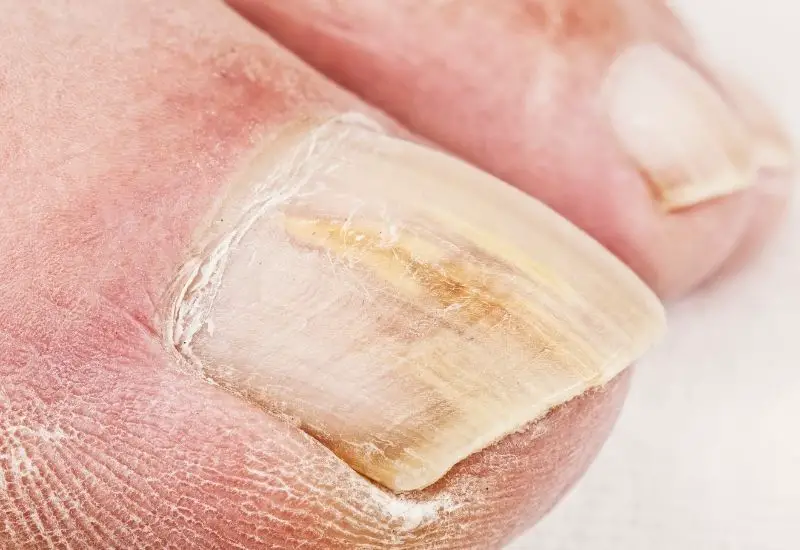
Yellow nails can transform perfectly manicured hands into a source of self-consciousness. Whether from nail polish staining, fungal infections, or lifestyle habits, this common cosmetic concern affects millions of women worldwide. The good news is that your kitchen pantry likely contains powerful ingredients capable of restoring your nails to their natural, healthy color.
Natural remedies offer a gentle yet effective approach to treating nail discoloration without harsh chemicals or expensive salon treatments. These time-tested solutions work by addressing the root causes of yellowing while nourishing the nail bed and surrounding skin. From acidic ingredients that break down stains to antifungal compounds that target infections, nature provides numerous options for restoring nail health.
In the following sections, you’ll discover which household ingredients work best for yellowing nails, how to prepare effective treatments, and the daily habits that prevent discoloration from returning. Each remedy has been selected for its proven ability to brighten nails safely while strengthening them for long-term health. Let’s explore these accessible solutions that can transform your nails from yellow to naturally white.
- What Causes Yellow Nails and Why Natural Remedies Work
- Essential Kitchen Ingredients That Fight Yellow Nails
- How to Create Effective Nail Soaks and Treatments
- Natural Oils and Their Nail-Brightening Benefits
- Daily Habits That Keep Nails White and Healthy
- Final Thoughts on Natural Nail Brightening
- Frequently Asked Questions
What Causes Yellow Nails and Why Natural Remedies Work
Understanding why nails turn yellow helps you choose the right natural treatment for your specific situation. The discoloration you see results from various factors, each requiring a slightly different approach for optimal results.
Common culprits behind nail discoloration
Dark nail polish, especially reds and oranges, frequently leaves behind stubborn stains that penetrate the nail plate. Smoking creates a persistent yellowing that affects both nails and fingertips. Fungal infections cause thickening and discoloration that worsens without treatment. Certain medications and health conditions can also trigger nail yellowing, though these cases may require medical attention alongside home remedies.
How natural ingredients target yellowing
Natural acids found in citrus fruits and vinegar work by breaking down the molecular bonds of stains embedded in your nail surface. These gentle acids penetrate the nail plate without causing the damage associated with harsh chemical bleaches. Antifungal properties in ingredients like tea tree oil attack fungal growth at its source, preventing further discoloration while existing stains fade.
The minerals and vitamins in natural remedies simultaneously nourish nail tissue. This dual action of cleansing and strengthening creates lasting results rather than temporary cosmetic improvement. Your nails receive essential nutrients while unwanted pigmentation lifts away gradually.
When to consider home treatments vs medical help
Natural remedies work wonderfully for cosmetic yellowing from polish, mild fungal issues, or lifestyle factors. However, sudden nail changes accompanied by pain, swelling, or spreading discoloration warrant professional evaluation. Diabetics or those with circulation problems should consult healthcare providers before attempting home treatments, as nail health often reflects overall wellness in these conditions.
The science behind natural nail whitening
pH levels play a crucial role in nail whitening. Most stains and fungal growth thrive in neutral to alkaline environments. Natural acids create an inhospitable environment for both stains and fungi while gently exfoliating the nail surface. This pH adjustment happens without stripping essential oils that keep nails flexible and strong.
Oxidation reactions from ingredients like hydrogen peroxide break down pigment molecules into colorless compounds. This process mimics professional whitening treatments but proceeds more gently, reducing the risk of nail brittleness or sensitivity.
Prevention alongside treatment
While treating existing yellowing, implementing preventive measures ensures lasting results. Base coats create protective barriers between polish and nail. Regular nail holidays allow nails to breathe and recover. Gloves during cleaning protect against chemical exposure that contributes to discoloration.
Natural remedies succeed through consistency rather than intensity. Unlike harsh salon treatments that promise instant results, these gentle methods work progressively. Most women notice initial improvement within two weeks, with significant brightening occurring over four to six weeks of regular treatment. This gradual approach preserves nail integrity while achieving the desired cosmetic outcome.
Essential Kitchen Ingredients That Fight Yellow Nails
Your kitchen holds surprisingly powerful nail-whitening ingredients that rival expensive commercial treatments. These common items offer safe, affordable solutions for restoring nail brightness without special trips to beauty supply stores.
Lemon juice as a natural bleaching agent
Fresh lemon juice contains citric acid that breaks down stubborn stains while providing vitamin C for nail strength. Simply soak nails in pure lemon juice for ten minutes, or create a paste with equal parts lemon juice and baking soda for enhanced whitening power. The natural bleaching action works best on polish stains and mild discoloration.
For sensitive skin, dilute lemon juice with equal parts water. Apply this gentler solution twice weekly, increasing frequency as your skin adjusts. Remember to moisturize afterward, as citrus can temporarily dry nail beds and cuticles.
Baking soda’s whitening properties
This versatile powder acts as a mild abrasive that buffs away surface stains while neutralizing acids that contribute to yellowing. Mix three tablespoons of baking soda with one tablespoon of hydrogen peroxide to form a paste. Apply this mixture to nails, letting it sit for three minutes before gently scrubbing with an old toothbrush.
Baking soda also addresses fungal issues through its antifungal properties. Regular application creates an alkaline environment unfavorable to fungal growth, making it particularly effective for yellowing caused by mild infections. Use this treatment every other day until you see improvement, then reduce to weekly maintenance.
Apple cider vinegar for fungal issues
The acetic and malic acids in apple cider vinegar attack fungal infections while brightening nail appearance. Mix equal parts vinegar and warm water in a bowl large enough for soaking fingers or toes. Soak for 20 minutes daily, patting dry thoroughly afterward to prevent moisture-related fungal growth.
This ingredient works particularly well for thick, yellowed nails indicating fungal involvement. The vinegar penetrates deeply into nail tissue, reaching areas topical treatments might miss. Many women report noticeable improvement within three weeks of consistent use.
Hydrogen peroxide solutions
Standard 3% hydrogen peroxide from your medicine cabinet offers professional-grade whitening at home. Mix three tablespoons of hydrogen peroxide with one tablespoon of baking soda, creating an effervescent paste. Apply to nails for three minutes maximum – longer exposure can cause brittleness.
The oxygen released during application lifts stains from within the nail structure. This deeper penetration makes hydrogen peroxide ideal for long-standing discoloration that surface treatments haven’t resolved. Limit use to twice weekly to prevent over-drying.
Toothpaste applications
Whitening toothpaste designed for teeth works similarly on nails, though choose varieties without harsh abrasives. Apply a small amount to each nail, gently buffing with a soft toothbrush for two minutes. The mild polishing agents remove surface yellowing while fluoride strengthens nail tissue.
Select toothpastes containing baking soda or hydrogen peroxide for enhanced results. These formulations combine multiple whitening mechanisms in one convenient product. However, avoid gel toothpastes, which lack the gentle abrasive properties needed for stain removal. This method works best as a quick fix before special events or as weekly maintenance between more intensive treatments.
How to Create Effective Nail Soaks and Treatments
Proper preparation and application techniques determine whether natural remedies succeed or disappoint. These methods maximize ingredient effectiveness while protecting surrounding skin from irritation.
Preparing your nails for treatment
Remove all polish completely using acetone-free remover, which prevents additional drying. Trim nails to a manageable length – shorter nails absorb treatments more evenly and show results faster. File edges smooth to prevent snagging during treatment application.
Wash hands thoroughly with soap and warm water, removing oils and debris that might block remedy absorption. Push back cuticles gently with an orange stick, exposing the entire nail surface for treatment. This preparation takes just five minutes but dramatically improves remedy penetration.
Clean nails reveal their true condition, helping you assess which areas need extra attention. Sometimes what appears as yellowing is actually residue buildup that simple cleaning removes. This initial assessment guides your treatment selection and intensity.
Simple soak recipes and timing
Creating effective soaks requires proper ratios and timing for optimal results without irritation. Here are proven combinations that target different types of yellowing:
Basic Brightening Soak: Mix two cups warm water with juice from two lemons and one tablespoon olive oil for moisturizing.
Fungal Fighter: Combine equal parts apple cider vinegar and warm water with five drops tea tree oil.
Deep Whitening Bath: Blend one cup warm water, two tablespoons hydrogen peroxide, and one tablespoon baking soda.
Gentle Daily Soak: Mix warm water with two tablespoons honey and one tablespoon lemon juice.
Soak times vary by ingredient strength. Gentle honey soaks can last 20-30 minutes, while hydrogen peroxide mixtures should stay under 5 minutes. Water temperature matters too – warm water opens nail pores for better absorption, but hot water can cause irritation.
Scrub techniques for stubborn stains
After soaking, gentle scrubbing enhances stain removal without damaging nail structure. Use a soft-bristled toothbrush designated specifically for nail care. Circular motions work better than back-and-forth scrubbing, which can create ridges.
Focus extra attention on nail tips where staining concentrates. The free edge typically shows the most discoloration from polish and environmental exposure. Apply slightly more pressure here, but stop if you feel any discomfort.
For extremely stubborn stains, create a scrub paste using two parts baking soda, one part lemon juice, and one part coconut oil. This combination provides mechanical and chemical stain removal while the oil prevents excessive drying.
Overnight treatment options
Overnight treatments allow extended contact time for gradual, gentle whitening. Apply vitamin E oil mixed with lemon essential oil before bed, covering with cotton gloves to prevent sheet staining. This method particularly benefits dry, brittle nails that can’t tolerate intensive treatments.
Another effective overnight option involves applying a thick paste of baking soda and water, covering with bandages. The extended contact time allows deeper penetration without the irritation of concentrated short treatments. Remove in the morning with warm water and moisturize immediately.
Frequency and consistency guidelines
Most natural remedies require consistent application for visible results. Daily treatments work for gentle ingredients like olive oil or diluted lemon juice. Stronger solutions containing hydrogen peroxide or concentrated acids need spacing to prevent nail damage.
Start with twice-weekly applications, monitoring your nail response. Increase frequency if well-tolerated, but reduce if brittleness or sensitivity develops. Results typically appear within two weeks, with significant improvement by week four. Patience proves essential – rushing the process with excessive treatment causes setbacks through nail damage.
Natural Oils and Their Nail-Brightening Benefits
Natural oils provide therapeutic benefits beyond simple moisturizing, actively fighting discoloration while nourishing nail tissue. These concentrated plant extracts offer potent remedies in just a few drops.
Tea tree oil for fungal yellowing
Australian tea tree oil contains powerful antifungal compounds that eliminate infections causing nail yellowing. Its penetrating nature reaches deep into nail beds where topical creams fail. Mix two drops tea tree oil with one teaspoon carrier oil like jojoba or sweet almond to prevent skin irritation.
Apply this blend twice daily directly to affected nails using a cotton swab. The treatment continues working hours after application, creating an environment hostile to fungal growth. Most cases show improvement within four weeks, though complete resolution may take several months for severe infections.
Never use undiluted tea tree oil, as its concentration can burn sensitive skin. If irritation occurs despite dilution, reduce application frequency or increase carrier oil ratio. Some women find alternating tea tree treatment with gentler remedies prevents sensitivity while maintaining effectiveness.
Vitamin E oil for nail health
This antioxidant-rich oil repairs damaged nail tissue while preventing future yellowing. Pierce vitamin E capsules and apply the contents directly to clean nails before bedtime. The thick consistency allows overnight absorption without evaporation.
Beyond whitening, vitamin E strengthens brittle nails prone to breaking and peeling. Regular application creates a protective barrier against environmental stressors that contribute to discoloration. Many users notice improved nail flexibility within one week, with color improvement following gradually.
Combine vitamin E with other brightening ingredients for enhanced results. Mix capsule contents with drops of lemon essential oil or hydrogen peroxide for dual-action treatment. This combination addresses both current staining and underlying nail weakness.
Coconut oil treatments
Virgin coconut oil’s medium-chain fatty acids penetrate nail plates effectively, carrying its antifungal and moisturizing benefits deep into tissue. Warm the oil slightly for better absorption – microwave a tablespoon for ten seconds or rub between palms until liquid.
Massage warm oil into nails and cuticles for five minutes, allowing thorough penetration. The massage action stimulates blood flow, encouraging healthy nail growth while the oil works on discoloration. Leave on for at least 30 minutes or overnight for intensive treatment.
Coconut oil’s lauric acid content makes it particularly effective against candida-related nail yellowing. Regular use prevents fungal overgrowth while maintaining nail flexibility. This gentle option suits daily use without risk of irritation or over-treatment.
Essential oil combinations
Blending essential oils creates customized treatments targeting specific nail concerns. Lavender oil soothes irritated nail beds while providing mild antifungal action. Eucalyptus oil increases circulation to promote healthy nail growth. Orange oil contains d-limonene, a natural degreaser that lifts stubborn stains.
Create your own nail-brightening blend using ten drops lavender, five drops lemon, three drops tea tree, and two drops eucalyptus in one ounce of carrier oil. Store in a dark glass bottle to preserve potency. Apply nightly with gentle massage, paying attention to cuticles and nail edges.
Application methods for best results
Proper oil application maximizes benefits while preventing waste. Always start with clean, dry nails to ensure optimal absorption. Use a small brush or cotton swab for precise application, avoiding flooding the nail bed which can cause lifting.
Layer oils strategically for enhanced effectiveness. Apply tea tree oil first for antifungal action, followed by vitamin E for nourishment, finishing with coconut oil to seal in treatments. This layering technique addresses multiple concerns simultaneously without overwhelming nail tissue.
Temperature affects oil penetration significantly. Warm oils absorb faster and deeper than room-temperature applications. However, avoid overheating, which can destroy beneficial compounds. Test temperature on your wrist before nail application to prevent burns.
Daily Habits That Keep Nails White and Healthy
Long-term nail brightness depends more on daily practices than occasional intensive treatments. These sustainable habits prevent yellowing while maintaining overall nail health.
Proper nail care routines
Establishing consistent care routines prevents the accumulation of staining agents. File nails weekly in one direction to prevent splitting that traps discoloring debris. Keep nails at moderate length – extremely long nails yellow more easily from increased surface area exposure.
Moisturize nails and cuticles every morning and night using hand cream or cuticle oil. Hydrated nails resist staining better than dry, porous ones. Pay special attention to the nail fold where yellowing often begins.
Clean under nails daily with a soft brush and soap, removing debris that contributes to discoloration. This simple step, often overlooked, prevents bacterial and fungal growth that causes yellowing. Dry thoroughly afterward, as moisture trapped under nails encourages infections.
Dietary changes for nail health
Your diet directly impacts nail appearance and resistance to yellowing. Biotin-rich foods like eggs, almonds, and sweet potatoes strengthen nail structure. Adequate protein intake ensures proper keratin production for healthy nail growth.
Increase consumption of vitamins C and E through citrus fruits, berries, and leafy greens. These antioxidants protect nails from environmental damage while supporting collagen production. Zinc from pumpkin seeds and chickpeas helps prevent the white spots and yellowing associated with deficiency.
Stay hydrated by drinking eight glasses of water daily. Dehydration causes nails to become brittle and more susceptible to staining. Consider adding lemon to your water for internal support of external brightening efforts.
Breaking harmful nail habits
Certain habits directly cause or worsen nail yellowing. Nail biting introduces bacteria while damaging nail structure, creating perfect conditions for discoloration. Using nails as tools for opening cans or scraping surfaces causes trauma that leads to yellowing.
Wearing nail polish continuously without breaks prevents nails from breathing. Schedule polish-free weeks monthly, allowing natural oils to restore nail health. During these breaks, apply strengthening treatments and brightening remedies for maximum benefit.
Picking at cuticles creates inflammation that affects nail growth and appearance. Instead, gently push back cuticles after showering when they’re soft. This maintains neat appearance without the damage that contributes to yellowing.
Choosing the right nail products
Product selection significantly impacts nail color over time. Always use base coat before colored polish, creating a barrier against staining pigments. Choose formaldehyde-free polishes that don’t yellow nails with extended wear.
Quality matters more than quantity in nail care. Invest in good files, buffers, and tools rather than multiple bottles of cheap polish. Glass files cause less damage than emery boards, reducing the micro-tears where stains settle.
Research ingredients in nail products before purchasing. Avoid those containing toluene and dibutyl phthalate, which contribute to yellowing. Look for strengthening ingredients like keratin and calcium that support overall nail health. Natural nail care brands often exclude harmful chemicals while providing effective results.
Maintenance between treatments
Consistency in maintenance prevents severe yellowing that requires intensive intervention. Quick daily attention proves more effective than sporadic deep treatments. Buff nails gently once weekly to remove surface stains before they penetrate deeper.
Apply cuticle oil every night, even when not actively treating yellowing. This simple step maintains nail flexibility and resistance to staining. Keep hand cream by every sink, encouraging frequent moisturizing throughout the day.
Monitor nail changes closely to catch yellowing early when it responds best to treatment. Take monthly photos to track progress objectively – gradual improvements often go unnoticed without documentation. Adjust your routine based on these observations, intensifying treatments when needed or reducing frequency once desired brightness returns.
Final Thoughts on Natural Nail Brightening
Natural remedies transform yellow nails through patience and consistency rather than harsh chemicals or expensive treatments. The ingredients sitting in your kitchen provide gentle yet effective solutions that respect nail health while addressing cosmetic concerns. Whether dealing with polish stains, mild fungal issues, or lifestyle-related discoloration, these accessible treatments offer real results without the risks associated with aggressive bleaching products.
Success with natural nail brightening comes from combining the right remedies with supportive daily habits. Regular treatment application, proper nail care, dietary improvements, and smart product choices work together to create lasting change. Your nails will thank you for choosing these nurturing approaches that strengthen while they whiten, leading to naturally beautiful nails that don’t require constant polish coverage.
Frequently Asked Questions
Q: How long does it take for natural remedies to whiten yellow nails?
A: Most women notice initial improvement within 10-14 days of consistent treatment. Significant whitening typically occurs after 4-6 weeks of regular application, though severe discoloration may require 2-3 months of patient treatment.
Q: Can I use multiple natural remedies at the same time?
A: Yes, but space different treatments throughout the day or week. For example, use lemon juice soaks in the morning and tea tree oil at night, or alternate between hydrogen peroxide treatments and vitamin E oil on different days.
Q: Will natural remedies work on nails yellowed from smoking?
A: Natural remedies can improve smoking-related yellowing, but results vary. Combining baking soda scrubs with hydrogen peroxide soaks shows the best results for tobacco stains, though complete whitening may prove challenging without smoking cessation.
Q: Are these remedies safe for pregnant women?
A: Most topical natural remedies like lemon juice, baking soda, and coconut oil are safe during pregnancy. However, avoid tea tree oil and other essential oils without consulting your healthcare provider, as some can cause sensitivities during pregnancy.
Q: Should I stop wearing nail polish while treating yellow nails?
A: Taking regular polish breaks helps tremendously. Try to go polish-free for at least one week monthly during treatment. When you do wear polish, always use a quality base coat to prevent future staining.
Q: What if natural remedies make my nails more brittle?
A: Reduce treatment frequency immediately and increase moisturizing with vitamin E or coconut oil. Some ingredients like hydrogen peroxide and concentrated lemon juice can over-dry nails if used too frequently or without proper moisturizing afterward.
Q: Can children use these natural nail remedies?
A: Gentle options like diluted lemon juice or coconut oil are generally safe for children. Avoid hydrogen peroxide and essential oils on young children’s nails. Always supervise application and use weaker dilutions than recommended for adults.
Q: How can I prevent my nails from yellowing again after treatment?
A: Maintain results by always using base coat under polish, taking regular polish breaks, wearing gloves during cleaning, moisturizing daily, and doing weekly maintenance treatments with gentle remedies like coconut oil or diluted lemon juice.

