

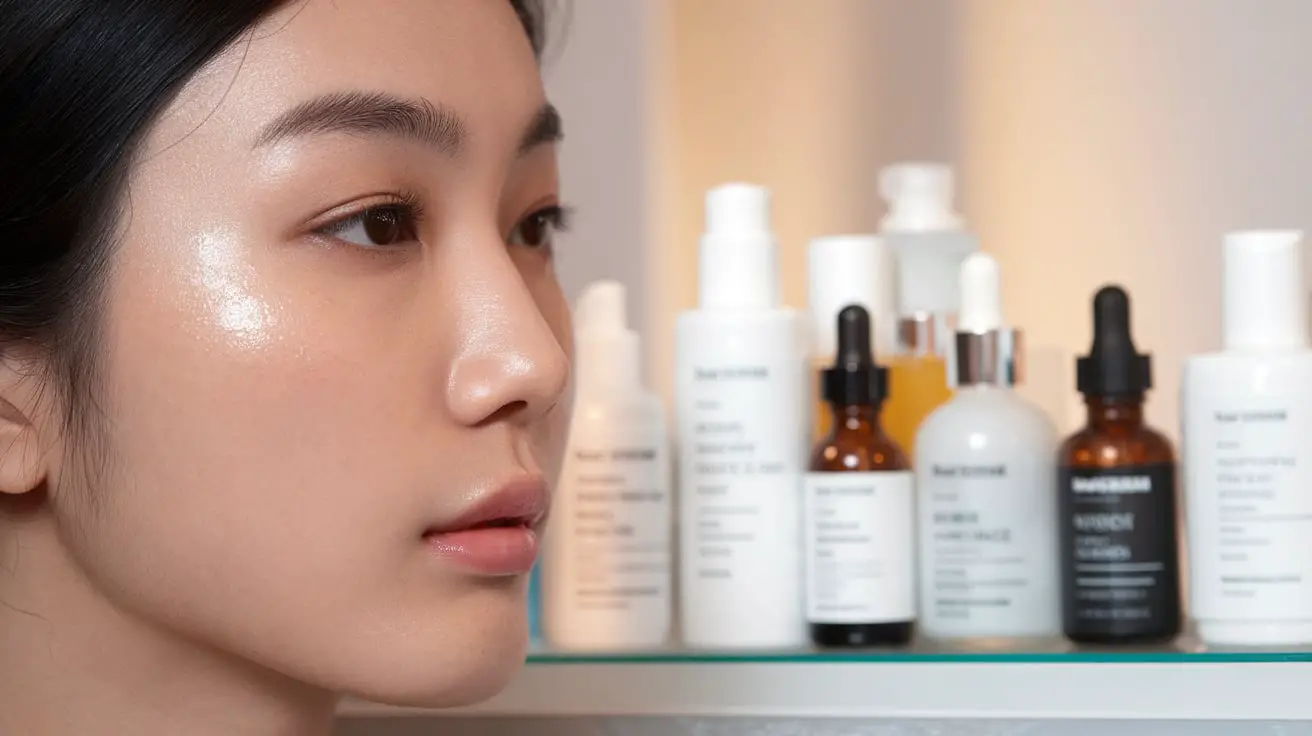
Korean skincare has revolutionized the beauty industry with its innovative formulations and results-driven approach. Beauty professionals worldwide have taken notice of these products, recommending them to clients who want visible improvements in their skin texture, hydration levels, and overall complexion. The combination of advanced technology, unique ingredients, and accessible pricing has made K-beauty a staple in professional skincare routines.
What sets these products apart isn’t just their cute packaging or trendy marketing. Korean skincare brands invest heavily in research and development, often introducing ingredients and techniques years before they appear in Western beauty markets. From snail mucin to fermented extracts, these formulations deliver real results that have converted skeptics into devoted users. Beauty experts appreciate the scientific backing behind each product, along with the gentle yet effective approach that works for various skin types.
The products beauty professionals recommend most often share certain characteristics: they layer well with other products, show visible results within weeks, and address multiple skin concerns simultaneously. Whether you’re dealing with acne, aging, dullness, or dehydration, there’s a Korean skincare solution that experts trust. In the following sections, we’ll explore exactly which products have earned the seal of approval from beauty professionals and why they deserve a place in your routine.
- What Makes Korean Skincare Products Stand Out This Year
- How to Choose the Right Korean Skincare for Your Skin Type
- Which Korean Skincare Steps Beauty Experts Never Skip
- What Are the Most Recommended Korean Skincare Brands
- How Korean Skincare Ingredients Transform Your Complexion
- Your Journey to Radiant Skin Starts Here
- Frequently Asked Questions
What Makes Korean Skincare Products Stand Out This Year
Korean skincare continues to push boundaries with formulations that feel more like scientific breakthroughs than traditional beauty products. The technology behind these products focuses on bioavailability – ensuring ingredients penetrate deeper into skin layers where they can actually make a difference. This approach differs significantly from Western products that often sit on the skin’s surface.
The science behind K-beauty formulations
Korean laboratories prioritize ingredient stability and delivery systems. They use encapsulation technology to protect active ingredients from degradation while ensuring they release at optimal times. This means your vitamin C serum stays potent longer and your retinol works without causing irritation. The pH levels in these formulations are carefully calibrated to match skin’s natural acidity, allowing better absorption and minimal disruption to your skin barrier.
Water-based formulas dominate Korean skincare for good reason. These lightweight textures penetrate quickly without leaving residue, making them perfect for layering multiple products. Beauty experts particularly appreciate how these formulations work in humid and dry climates alike.
Key ingredients that set them apart
The ingredient lists read like a blend of traditional Asian medicine and cutting-edge chemistry. Ginseng, green tea, and rice water appear alongside peptides, ceramides, and various acids. But what truly distinguishes K-beauty is the concentration and quality of these ingredients.
Fermentation plays a huge role in Korean skincare innovation. The fermentation process breaks down molecules into smaller sizes, making them easier for skin to absorb. Fermented ingredients also contain higher concentrations of amino acids and antioxidants compared to their non-fermented counterparts. Beauty professionals often point to fermented essences as game-changers for clients struggling with dull, uneven skin tone.
Innovation in texture and application
Korean brands have mastered the art of creating textures that feel luxurious yet functional. Gel creams that transform into water droplets, sleeping masks that don’t transfer onto pillows, and essences that feel like silk – these aren’t just gimmicks but carefully engineered formulas.
The application methods matter too. Korean skincare introduced the world to the seven-skin method, where you apply toner in multiple thin layers rather than one heavy application. This technique, endorsed by countless beauty professionals, maximizes hydration without overwhelming skin. Similarly, the practice of patting products into skin rather than rubbing has become standard advice from aestheticians worldwide.
Temperature-responsive formulas represent another innovation gaining traction. Some Korean moisturizers contain ingredients that react to your skin’s temperature, releasing different nutrients as your skin warms or cools throughout the day.
Why beauty professionals trust these formulas
Aestheticians and dermatologists recommend Korean skincare because the results speak for themselves. These products undergo rigorous testing, often with clinical trials that rival pharmaceutical standards. The commitment to gentle yet effective formulas means fewer adverse reactions and more consistent results across different skin types.
Professional makeup artists particularly value how Korean skincare creates the perfect canvas. The focus on hydration and skin texture means makeup applies more smoothly and lasts longer. Many professionals now incorporate Korean skincare products into their kit essentials, using them on clients before important photo shoots or events.
Price point versus quality considerations
Perhaps the most remarkable aspect of Korean skincare is the value proposition. While luxury K-beauty brands exist, many highly effective products remain surprisingly affordable. Beauty experts often express amazement at finding products under $30 that outperform alternatives costing three times as much. This accessibility has democratized good skincare, allowing more people to maintain professional-level routines at home.
The price-to-performance ratio becomes even more impressive when considering product longevity. Korean brands often package products in larger sizes or create concentrated formulas where a small amount goes far. A single essence bottle might last three to four months with daily use, making the per-use cost minimal.
How to Choose the Right Korean Skincare for Your Skin Type
Selecting Korean skincare products requires understanding both your skin’s unique characteristics and how different formulations address specific concerns. Beauty experts emphasize that success with K-beauty comes from choosing products that work together harmoniously rather than randomly picking popular items.
Understanding your skin’s specific needs
Your skin changes constantly based on factors like weather, hormones, stress, and age. Korean skincare philosophy acknowledges this fluidity, encouraging you to adjust your routine as needed rather than sticking rigidly to one set of products year-round. Start by observing your skin at different times – how does it feel when you wake up versus midday? Does it react differently during your menstrual cycle?
Beauty professionals recommend keeping a skin diary for two weeks before overhauling your routine. Note when your skin feels tight, when oil appears, and which areas need extra attention. This information helps you select products that address your actual concerns rather than what you assume your skin needs.
Many people incorrectly categorize their skin type based on one characteristic. You might have oily areas but also experience dehydration – a common combination that Korean skincare addresses particularly well. Understanding these nuances helps you build a more effective routine.
Matching products to oily and combination skin
Oily and combination skin types often benefit most from Korean skincare’s lightweight, layering approach. Beauty experts recommend starting with a gentle, low-pH cleanser that removes excess oil without stripping skin. Follow with a hydrating toner – not the astringent type that dominated Western skincare for years, but a Korean-style hydrating toner that balances and prepares skin for subsequent products.
For these skin types, essences containing niacinamide work wonders. This ingredient regulates oil production while brightening and strengthening the skin barrier. Beauty professionals often suggest:
Morning routine basics: Light, water-based products that control oil without heaviness
Serums with BHA: Help unclog pores and prevent blackheads
Gel moisturizers: Provide hydration without adding excess oil
Mattifying sunscreens: Protect while controlling shine throughout the day
The key lies in maintaining hydration levels. When oily skin becomes dehydrated, it produces even more oil to compensate. Korean skincare’s emphasis on hydration helps break this cycle.
Solutions for dry and sensitive complexions
Dry and sensitive skin requires a gentler approach with richer formulations. Korean beauty brands excel at creating products that deeply moisturize without causing irritation. Ingredients like ceramides, centella asiatica, and various botanical extracts soothe while strengthening the skin barrier.
For dry skin, beauty experts recommend incorporating facial oils into the Korean skincare routine. While not traditionally Korean, many K-beauty brands now offer sophisticated oil blends that integrate seamlessly with other products. Apply these after your essence but before your moisturizer for optimal results.
Sensitive skin benefits from Korean skincare’s tendency toward minimal, focused ingredient lists. Unlike Western products that might combine numerous actives, Korean formulations often highlight one or two star ingredients, reducing the risk of reactions. Products labeled “soon” (순한) indicate gentle formulations suitable for sensitive skin.
Sheet masks deserve special mention for dry and sensitive skin types. The occlusive nature of sheet masks helps ingredients penetrate while preventing water loss. Beauty professionals suggest using hydrating sheet masks two to three times weekly for these skin types.
Reading ingredient lists like a professional
Korean skincare products list ingredients differently than you might expect. Understanding how to read these lists helps you make informed choices. The first five ingredients typically make up the bulk of the formula, so pay closest attention to these.
Water usually appears first, often listed as “aqua” or “eau.” Good formulations replace regular water with beneficial alternatives like green tea water, rice water, or birch sap. These provide additional nutrients while serving as the product base.
Watch for ingredient concentrations, particularly with active ingredients. Korean regulations require specific percentages for certain claims. Products advertising “brightening” effects must contain adequate amounts of proven brightening ingredients like niacinamide or vitamin C derivatives.
Avoid products with high amounts of denatured alcohol (different from beneficial fatty alcohols), artificial fragrances if you have sensitive skin, and known irritants specific to your skin. Beauty experts suggest introducing new products one at a time, allowing two weeks between additions to identify any reactions.
Common mistakes to avoid when selecting products
The biggest mistake people make is buying products based solely on popularity or attractive packaging. What works wonderfully for your favorite beauty influencer might not suit your skin at all. Beauty professionals see this constantly – clients arriving with bags of trending products that don’t work together or address their actual concerns.
Another frequent error involves overloading on active ingredients. Korean skincare promotes gentle, consistent care rather than aggressive treatment. Using multiple exfoliating products or combining too many actives can damage your skin barrier, leading to sensitivity and breakouts.
Ignoring seasonal adjustments represents another oversight. Korean women typically maintain separate routines for different seasons, switching to lighter formulations in summer and richer products in winter. This flexibility prevents many common skin issues.
Don’t assume more expensive means better. Some of the most recommended Korean skincare products by beauty experts fall into budget-friendly categories. Focus on ingredients and formulation rather than price tags. Similarly, avoid purchasing full-size products immediately. Many Korean brands offer sample sizes or travel sets, allowing you to test products before committing.
Which Korean Skincare Steps Beauty Experts Never Skip
Professional aestheticians and skincare experts have identified certain Korean skincare steps as absolutely essential for maintaining healthy, radiant skin. These aren’t just trendy additions but fundamental practices that create noticeable improvements in skin texture and appearance.
The double cleansing method professionals swear by
Double cleansing forms the foundation of effective Korean skincare, and beauty experts consider it non-negotiable for anyone wearing makeup or sunscreen. This two-step process ensures complete removal of both oil-based impurities (makeup, sunscreen, excess sebum) and water-based debris (sweat, dirt, remaining residue).
The first cleanse uses an oil-based cleanser – either a cleansing oil, balm, or micellar water. These products dissolve stubborn makeup and sunscreen that water-based cleansers can’t remove effectively. Massage the oil cleanser onto dry skin for 30-60 seconds, focusing on areas where makeup tends to accumulate. Add water to emulsify, then rinse thoroughly.
Your second cleanse employs a water-based cleanser suited to your skin type. This removes any remaining impurities and residue from the oil cleanser. Beauty professionals emphasize using lukewarm water and gentle circular motions. The entire process shouldn’t take more than two minutes, but those two minutes make a substantial difference in how well your skin absorbs subsequent products.
Even on makeup-free days, beauty experts maintain double cleansing at night. Throughout the day, skin accumulates pollution, bacteria, and oxidized sebum that single cleansing might miss. This thorough cleaning prevents clogged pores, dullness, and premature aging.
Essence and its transformative effects
If beauty professionals could recommend only one Korean skincare innovation, many would choose essence. This lightweight, hydrating step bridges toner and serum, preparing skin to better absorb subsequent products while delivering its own beneficial ingredients.
Essences typically contain fermented ingredients, hyaluronic acid, and various botanical extracts in high concentrations. The fermentation process creates smaller molecules that penetrate deeper into skin, delivering nutrients where they’re most needed. Beauty experts credit essences with improving skin texture, increasing hydration, and creating that coveted “glow from within.”
Application technique matters with essences. Rather than using cotton pads, pour a small amount into your palms, gently press them together, then pat onto your face and neck. This patting motion, called “chok chok” in Korean, helps absorption while stimulating circulation. Some beauty professionals layer essence two or three times for extra hydration, especially during winter months.
The results from consistent essence use typically appear within two to three weeks. Skin becomes more plump, fine lines appear softened, and overall texture improves noticeably. Many makeup artists report that clients who use essences regularly require less foundation and concealer.
Sheet masks versus overnight treatments
Beauty experts view sheet masks and overnight treatments as powerful tools for addressing specific concerns, though they serve different purposes in a routine. Sheet masks provide intensive, immediate hydration and can target various issues from brightening to anti-aging. The physical barrier created by the mask prevents evaporation, forcing ingredients into skin over 15-20 minutes.
Professional recommendations for sheet masking include:
Frequency matters: Two to three times weekly for most skin types
Temperature tricks: Refrigerate masks for depuffing or warm slightly for relaxation
Maximize absorption: Pat remaining essence into skin rather than rinsing
Timing considerations: Use before important events for instant radiance
Overnight treatments, particularly sleeping masks, work differently. These products seal in your entire skincare routine while delivering their own active ingredients throughout the night. Korean sleeping masks typically feature lighter textures than Western night creams, allowing skin to breathe while maintaining moisture.
Beauty professionals often recommend alternating between sheet masks and overnight treatments based on skin’s needs. Use sheet masks when skin needs immediate revival and sleeping masks for sustained repair and hydration. Some experts layer a sleeping mask over a sheet mask for extremely dry or damaged skin, though this intensive treatment should be reserved for occasional use.
The importance of proper layering technique
Korean skincare’s effectiveness largely depends on correct layering, and beauty experts stress this point consistently. The general rule follows a thin-to-thick consistency pattern, allowing each product to absorb before applying the next. This methodical approach prevents pilling, ensures maximum absorption, and allows products to work synergistically.
The typical layering order proceeds as: cleanser, toner, essence, serum, eye cream, moisturizer, and sunscreen (morning) or sleeping mask (night). However, beauty professionals note that not everyone needs every step daily. Adjust based on your skin’s current needs rather than forcing all products into every routine.
Wait times between layers vary, but most experts suggest 30-60 seconds between products. Your skin should feel slightly damp but not wet when applying the next layer. This dampness actually helps subsequent products penetrate better. For active ingredients like vitamin C or retinol serums, some professionals recommend waiting up to five minutes before proceeding.
Morning versus evening routine differences
Beauty experts emphasize that morning and evening routines serve different purposes and should be tailored accordingly. Morning routines focus on protection and preparation for the day ahead, while evening routines emphasize repair and regeneration.
Morning routines typically stay lighter and quicker. After cleansing (usually just water or a gentle cleanser), apply hydrating and protective products. Beauty professionals prioritize antioxidant serums in the morning to combat environmental damage throughout the day. Sunscreen always forms the final step, applied generously and reapplied every two hours when possible.
Evening routines can be more elaborate since skin repairs itself during sleep. This is when beauty experts recommend using active ingredients, treatments, and richer formulations. The skin’s permeability increases at night, making it the ideal time for ingredients like retinol, acids, and peptides.
Some products work best at specific times. Vitamin C serums often perform better in the morning, providing antioxidant protection throughout the day. Retinol and exfoliating acids belong in evening routines since they can increase photosensitivity. Beauty professionals also note that skin produces less oil at night, making it the perfect time for richer moisturizers or facial oils that might feel too heavy during the day.
What Are the Most Recommended Korean Skincare Brands
Beauty professionals have identified certain Korean skincare brands that consistently deliver exceptional results across various skin types and concerns. These recommendations come from years of testing products on diverse clients and observing long-term results.
Established brands with proven track records
Several Korean beauty companies have earned unwavering trust from skincare professionals through decades of innovation and quality. Sulwhasoo, a luxury brand rooted in traditional Korean herbal medicine, receives consistent praise for its anti-aging formulations. Beauty experts particularly recommend their First Care Activating Serum for clients over 35 seeking preventive aging care.
IOPE represents another established name that professionals trust. Their Bio Intensive Conditioning Ampoule uses advanced fermentation technology that aestheticians credit with visible skin transformation. The brand’s commitment to research – they operate multiple laboratories and conduct extensive clinical trials – gives professionals confidence in recommending their products.
Innisfree has maintained its reputation through sustainable practices and effective formulations featuring Jeju Island ingredients. Beauty experts appreciate their extensive range that addresses various budgets without compromising quality. Their Green Tea Seed Serum consistently appears on professional recommendation lists for its hydrating and antioxidant properties.
SK-II, though technically Japanese, gained massive popularity through Korean beauty channels and deserves mention. Their Facial Treatment Essence, containing the proprietary Pitera ingredient, remains a gold standard that many beauty professionals consider irreplaceable. Despite the premium price point, experts often declare it worth the investment for clients serious about skin transformation.
Newer companies making waves in the industry
Recent years have seen emerging Korean brands capture professional attention through innovative formulations and targeted solutions. Beauty of Joseon has gained rapid recognition for combining traditional Korean ingredients with modern skincare technology. Their Glow Deep Serum, featuring rice bran and arbutin, has become a favorite among aestheticians for addressing hyperpigmentation.
Torriden focuses on minimalist formulations with maximum impact. Beauty professionals appreciate their DIVE-IN series, particularly the Hyaluronic Acid Serum that contains five types of hyaluronic acid molecules. This molecular variety ensures hydration at different skin depths, a feature that sets it apart from single-molecule alternatives.
Round Lab has earned professional endorsement through their location-specific ingredient sourcing. Their Birch Juice Moisturizing line, using birch sap from East Sea waters, provides hydration that beauty experts find superior to many established brands. The brand’s transparency about sourcing and production has also won professional trust.
Some By Mi, despite its playful name, produces serious skincare that professionals increasingly recommend. Their AHA-BHA-PHA 30 Days Miracle series has gained particular traction among aestheticians dealing with acne-prone clients. The controlled concentrations of acids provide results without the irritation common in Western acid products.
Budget-friendly options that deliver results
Korean skincare’s greatest strength might be its ability to deliver professional-quality results at accessible prices. Beauty experts regularly recommend these affordable options that rival products costing significantly more.
COSRX has become synonymous with effective, affordable skincare. Their Advanced Snail 96 Mucin Power Essence costs under $25 but delivers results that beauty professionals compare to essences priced over $100. The brand’s simple formulations and focus on single star ingredients make them ideal for sensitive skin or those new to Korean skincare:
Snail Mucin Products: Accelerate healing and hydration
BHA Blackhead Power Liquid: Gently exfoliates without irritation
Centella Blemish Cream: Calms inflammation while treating acne
Propolis Light Ampoule: Provides antioxidant protection and glow
The Ordinary’s Korean cousin, Purito, offers similarly straightforward formulations at reasonable prices. Their Centella Unscented line has become a professional favorite for clients with reactive skin. Beauty experts appreciate that quality ingredients like centella asiatica and niacinamide appear at effective concentrations without unnecessary additions.
Etude House, often dismissed as merely cute packaging, produces several products that professionals secretly stock. Their SoonJung line, designed for sensitive skin, rivals pharmacy brands at a fraction of the cost. The pH 5.5 Relief Toner has become a hidden gem among aestheticians for calming irritated skin.
Premium lines worth the investment
While Korean skincare offers excellent budget options, certain luxury lines justify their higher price points through exceptional formulations and results. Beauty professionals recommend these premium investments for specific concerns or as treatment products within an otherwise affordable routine.
Amorepacific’s signature line uses fermented green tea grown on Jeju Island, processed through proprietary methods that maximize antioxidant content. The Time Response Skin Renewal cream, while expensive, contains ingredients that beauty experts claim can delay surgical interventions. Professionals often suggest using this as a treatment product rather than daily moisturizer to extend its use.
History of Whoo represents the pinnacle of traditional Korean medicine in skincare. Their Bichup line, featuring wild ginseng and deer antler extract, targets mature skin with visible firmness loss. Beauty experts recommend these products for clients seeking luxury experiences alongside results, as the textures and packaging create a ritualistic skincare experience.
Sulwhasoo’s Concentrated Ginseng line deserves separate mention from their standard offerings. The Renewing line contains rare ginseng varieties processed through techniques passed down through generations. Aestheticians report visible lifting and firming effects that justify the investment for clients concerned with sagging.
Where to purchase authentic products
Finding genuine Korean skincare products requires careful consideration, as counterfeits flood the market. Beauty professionals emphasize purchasing from authorized retailers to ensure product authenticity and safety.
Sephora and Ulta now carry curated selections of Korean beauty brands, offering the security of established retailers with easy return policies. While selections remain limited compared to Korean retailers, these stores provide good starting points for Korean skincare newcomers.
Online platforms like YesStyle, StyleKorean, and Olive Young Global ship directly from Korea, offering extensive selections and competitive prices. Beauty professionals recommend checking seller ratings and authentication guarantees. Many of these sites offer points programs and bulk discounts that make building a routine more affordable.
Amazon requires extra caution. Only purchase from official brand stores or authorized sellers, never third-party vendors offering suspiciously low prices. Check reviews for mentions of authenticity concerns and compare prices with official brand websites.
Local Korean beauty stores provide the advantage of testing products before purchase. Major cities often have K-beauty boutiques where knowledgeable staff can provide recommendations. These stores frequently offer samples and host events where you can learn application techniques from professionals.
For serious Korean skincare enthusiasts, beauty professionals suggest establishing relationships with trusted sellers who can source specific products from Korea. This becomes particularly valuable for limited edition items or products not widely distributed internationally.
How Korean Skincare Ingredients Transform Your Complexion
The unique ingredients found in Korean skincare products have revolutionized how beauty professionals approach various skin concerns. These components, many derived from traditional Asian medicine or cutting-edge biotechnology, deliver results that often surpass conventional Western skincare ingredients.
Snail mucin and its regenerative properties
Snail mucin might sound unusual, but beauty experts consistently rank it among the most effective ingredients for skin repair and hydration. This ingredient contains a complex mixture of proteins, glycolic acid, hyaluronic acid, and antimicrobial peptides that work together to heal and protect skin.
The collection process, which doesn’t harm snails, produces a filtrate rich in growth factors that stimulate collagen production. Beauty professionals have observed accelerated healing of acne scars, reduced appearance of fine lines, and improved overall skin texture in clients using snail mucin products regularly. The ingredient’s ability to simultaneously hydrate and repair makes it particularly valuable for compromised skin barriers.
Clinical studies support what aestheticians have observed firsthand. Snail mucin can increase skin moisture by up to 90% while reducing transepidermal water loss. The glycolic acid component provides gentle exfoliation, while the antimicrobial properties help prevent bacterial growth that leads to acne.
Beauty experts recommend introducing snail mucin gradually, starting with essences or serums containing 60-70% mucin before progressing to higher concentrations. Most skin types tolerate this ingredient well, though those with dust mite allergies should proceed cautiously due to potential cross-reactivity.
Centella asiatica for calming inflammation
Centella asiatica, also known as cica or tiger grass, has become a cornerstone ingredient in Korean skincare for sensitive and acne-prone skin. This herb contains active compounds called triterpenoids that provide powerful anti-inflammatory and wound-healing benefits.
Beauty professionals particularly value centella for post-procedure care. After chemical peels, laser treatments, or microneedling, products containing this ingredient significantly reduce recovery time and minimize irritation. The ingredient strengthens skin barrier function while calming existing inflammation.
What distinguishes Korean formulations is their use of different centella derivatives. Madecassoside targets redness and sensitivity, while asiaticoside promotes collagen synthesis. Madecassic acid and asiatic acid provide antioxidant protection. Korean brands often combine these derivatives for comprehensive benefits.
The concentration and processing method matter significantly with centella products. Beauty experts note that Korean brands typically use higher concentrations of standardized extracts compared to Western alternatives. Water-based extracts work well for oily skin, while oil-soluble versions in creams benefit dry, sensitive complexions.
Fermented ingredients and skin absorption
Fermentation technology represents one of Korean skincare’s greatest innovations, transforming ordinary ingredients into skincare powerhouses. The fermentation process breaks down molecular structures, creating smaller particles that penetrate skin more effectively while increasing nutrient density.
During fermentation, beneficial bacteria and yeasts produce additional compounds like amino acids, peptides, and vitamins that weren’t present in the original ingredient. Beauty professionals report that fermented products show results faster than their non-fermented counterparts, with improvements visible within days rather than weeks.
Popular fermented ingredients in Korean skincare include:
Rice ferment filtrate: Brightens and softens skin texture
Galactomyces ferment: Improves skin clarity and reduces pore appearance
Bifida ferment lysate: Strengthens skin barrier and reduces sensitivity
Soybean ferment: Provides anti-aging benefits through increased collagen production
Red ginseng ferment: Enhances circulation and provides antioxidant protection
Beauty experts emphasize that fermented ingredients work particularly well for mature skin. The enhanced bioavailability means active ingredients reach deeper skin layers where aging concerns originate. Fermented products also tend to have lower pH levels, which aligns with skin’s natural acidity for better compatibility.
Hyaluronic acid variations in K-beauty
While hyaluronic acid isn’t unique to Korean skincare, K-beauty’s approach to this ingredient sets it apart. Korean formulations typically use multiple molecular weights of hyaluronic acid, each targeting different skin layers for comprehensive hydration.
High molecular weight hyaluronic acid forms a protective film on skin’s surface, preventing moisture loss and providing immediate plumping effects. Medium molecular weight penetrates to middle skin layers, maintaining hydration throughout the day. Low molecular weight reaches deepest layers, stimulating the skin’s own hyaluronic acid production.
Beauty professionals appreciate Korean brands’ transparency about molecular weights and concentrations. Many Western products simply list “hyaluronic acid” without specifying types or percentages, while Korean brands often detail exact molecular weights and sources.
Korean formulations also combine hyaluronic acid with complementary ingredients that enhance its effectiveness. Beta-glucan amplifies hydration, ceramides strengthen barrier function, and panthenol soothes while maintaining moisture. These synergistic combinations explain why Korean hydrating products often outperform single-ingredient alternatives.
The application method promoted in Korean skincare maximizes hyaluronic acid benefits. Applying to damp skin, layering multiple hydrating products, and sealing with an occlusive moisturizer creates optimal conditions for this humectant ingredient. Beauty experts credit this methodical approach with achieving the dewy, plump skin associated with Korean beauty.
Niacinamide concentrations that work
Niacinamide has become a staple in Korean skincare formulations, but the approach to concentration differs from Western products. While some Western brands push concentrations to 20%, Korean formulations typically maintain 2-5% concentrations, which research shows provides benefits without irritation.
Beauty professionals prefer this moderate approach for several reasons. Lower concentrations allow daily use without sensitivity, making niacinamide accessible to more skin types. The ingredient pairs well with other actives at these levels, enabling comprehensive routines without conflicts. Most importantly, studies demonstrate that benefits plateau around 5%, making higher concentrations unnecessary for most concerns.
Korean brands excel at combining niacinamide with ingredients that enhance its effects. Arbutin amplifies brightening benefits, zinc controls oil production, and hyaluronic acid prevents the dryness sometimes associated with niacinamide use. These thoughtful combinations deliver multiple benefits without overwhelming skin.
The stability of niacinamide in Korean formulations also impresses professionals. Unlike vitamin C, which degrades quickly, niacinamide remains stable in various pH ranges and temperatures. Korean brands leverage this stability by incorporating the ingredient across product categories – from toners to moisturizers to sunscreens – providing consistent benefits throughout routines.
Beauty experts recommend starting with 2% niacinamide products and gradually increasing if needed. Most clients achieve desired results with 3-5% concentrations used consistently. The key lies in regular use rather than high concentrations, aligning perfectly with Korean skincare’s philosophy of gentle, consistent care.
Your Journey to Radiant Skin Starts Here
Korean skincare has earned its place in beauty professionals’ recommendations through consistent delivery of visible results. The combination of innovative ingredients, thoughtful formulations, and accessible pricing creates opportunities for everyone to achieve healthier, more radiant skin. Whether you’re drawn to the science of fermented essences, the healing properties of snail mucin, or the simplicity of proper hydration techniques, K-beauty offers solutions tailored to your specific needs.
The products and techniques beauty experts recommend aren’t just passing trends but proven approaches backed by research and real-world results. Starting your Korean skincare journey doesn’t require purchasing dozens of products immediately. Begin with key steps like double cleansing and essence, then gradually build a routine that addresses your unique concerns. Your skin will thank you for the patience and consistency that Korean beauty philosophy promotes.
Frequently Asked Questions
Q: Can I mix Korean skincare products with Western brands in my routine?
A: Yes, Korean skincare products work well with Western brands. Beauty experts regularly combine products from different origins based on what works best for specific concerns. Just pay attention to ingredient compatibility and maintain the thin-to-thick layering rule.
Q: How long before I see results from Korean skincare products?
A: Most people notice improved hydration within days, while texture improvements typically appear after 2-3 weeks of consistent use. More significant changes like reduced pigmentation or fine lines usually require 6-12 weeks of regular application.
Q: Do I really need to use 10 steps in my Korean skincare routine?
A: No, the 10-step routine is optional and can be customized. Beauty professionals recommend starting with 4-5 essential steps: double cleanse, toner, essence, moisturizer, and sunscreen. Add other steps based on your skin’s specific needs.
Q: Are Korean skincare products suitable for darker skin tones?
A: Korean skincare products work for all skin tones. Many ingredients like niacinamide, centella asiatica, and hyaluronic acid benefit everyone regardless of complexion. However, be cautious with strong exfoliants that might cause post-inflammatory hyperpigmentation in darker skin.
Q: Why are Korean sunscreens so popular among beauty experts?
A: Korean sunscreens use advanced UV filters not yet approved in the US, providing superior protection with lightweight, cosmetically elegant textures. They don’t leave white casts, layer beautifully under makeup, and often include skincare benefits.
Q: Should I use sheet masks every day like some Korean women do?
A: Daily sheet masking isn’t necessary for most people. Beauty experts recommend 2-3 times weekly for optimal results without overwhelming skin or budget. Save daily masking for special occasions or when skin needs intensive care.
Q: What’s the difference between essence and serum in Korean skincare?
A: Essences are lighter, more watery formulations that prepare skin for better absorption of subsequent products. Serums are more concentrated treatments targeting specific concerns. Use essence after toner and before serum in your routine.
Q: Can men use Korean skincare products designed for women?
A: Absolutely. Skin is skin, regardless of gender. Korean skincare products work effectively for anyone, though men might prefer less fragrant options and simpler routines.

