

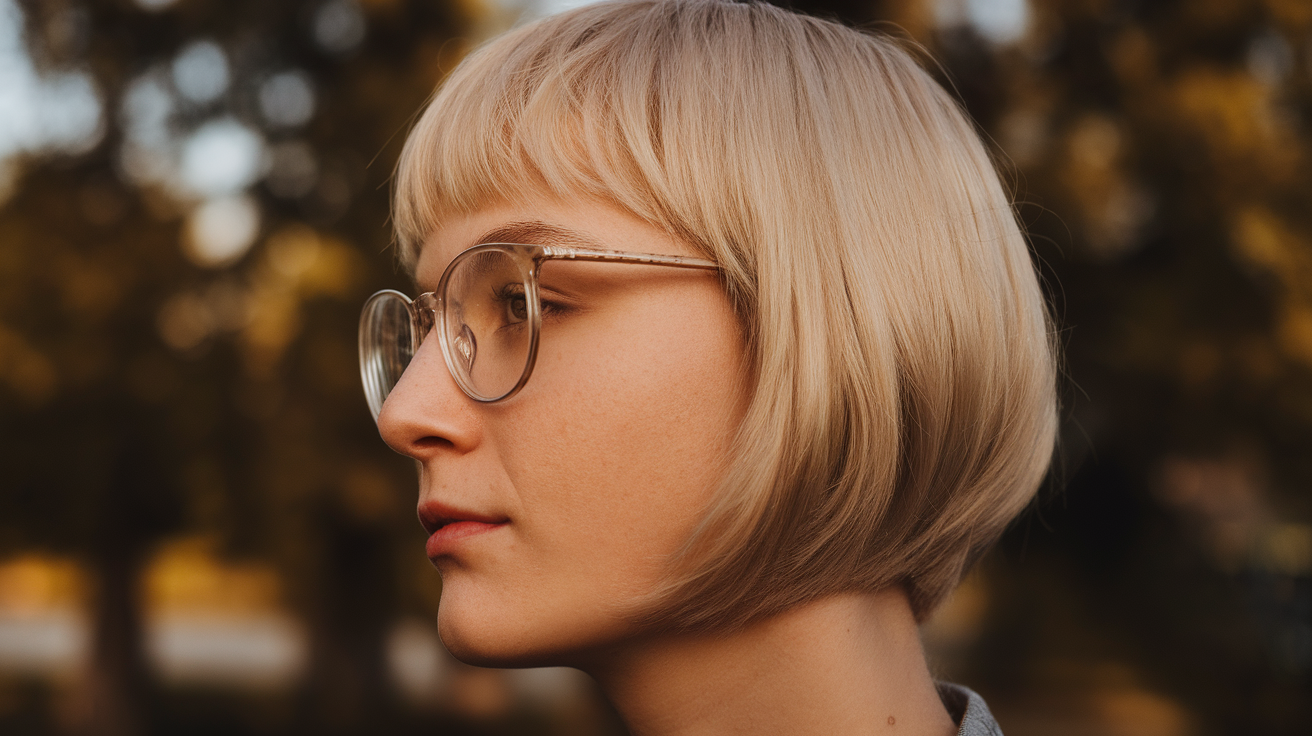
Finding the perfect haircut can transform your entire look, and women with oval face shapes have a special advantage in the world of hairstyling. This balanced facial structure opens doors to countless possibilities, from dramatic pixie cuts to flowing long layers. The symmetrical proportions of an oval face create a canvas that works harmoniously with various lengths, textures, and styles, making it one of the most versatile face shapes for experimenting with different looks.
The key to maximizing your oval face shape lies in understanding which cuts enhance your natural features while expressing your personal style. Whether you prefer sleek and sophisticated or textured and playful, the right haircut can highlight your best features while creating the exact aesthetic you want. Professional stylists often consider oval faces the ideal shape because nearly every haircut can be adapted to look stunning, though some styles truly shine when paired with these balanced proportions.
Let’s explore the world of haircuts specifically chosen for oval faces, from short and sassy to long and luxurious. We’ll examine how different lengths work with your face shape, which styling techniques bring out your best features, and what details make each cut special. By understanding these options, you’ll be equipped to choose a haircut that not only flatters your face but also fits your lifestyle and personality perfectly.
Understanding Your Oval Face Shape
An oval face shape stands out for its balanced proportions and gentle curves. The forehead measures slightly wider than the chin, while cheekbones sit as the widest point of the face. The overall length exceeds the width by about one and a half times, creating that characteristic egg-like shape that stylists love to work with. This natural symmetry means you can experiment freely with different cuts without worrying about correcting imbalances.
How to identify an oval face
Determining whether you have an oval face requires just a few simple measurements. Pull your hair back completely and look straight into a mirror. Notice if your face length from forehead to chin exceeds the width across your cheekbones. The jawline should taper gently without sharp angles, and your forehead shouldn’t appear significantly wider or narrower than your jaw. Some women discover they’ve been misidentifying their face shape for years, thinking they had round or long faces when they actually possessed the versatile oval shape.
Key features and proportions
The magic of oval faces lies in their natural harmony. Your cheekbones create the widest point, sitting higher on the face than with round shapes. The forehead curves gently rather than appearing flat or angular. This creates a soft frame that works beautifully with both structured and flowing haircuts. The chin tapers to a subtle point without the sharpness of a heart-shaped face or the squared edges of other face shapes.
What measurements matter most? Focus on these ratios:
- Length to width: Approximately 1.5 times longer than wide
- Forehead to jaw: Forehead slightly wider than jawline
- Cheekbone position: Widest part of the face
- Jawline angle: Soft curve rather than sharp definition
Common misconceptions
Many women with oval faces don’t realize how much freedom they have with hairstyles. Some avoid bangs thinking they’ll shorten the face too much, while others stick to one length believing layers won’t suit them. These limiting beliefs prevent exploration of styles that could be absolutely perfect. Another misconception involves assuming that because “everything works,” no thought needs to go into choosing a cut. While oval faces are versatile, selecting styles that align with your hair texture, lifestyle, and personal preferences still matters tremendously.
Why oval faces are versatile
The balanced proportions of this face shape mean you won’t need to use hair to create illusions of length or width. This freedom allows you to choose cuts based purely on preference rather than correction. Want to try that edgy asymmetrical bob? Go for it. Considering classic Hollywood waves? They’ll look gorgeous. This versatility extends to every aspect of hairstyling, from part placement to hair accessories.
Your oval face also adapts well to different hair textures. Fine hair can be cut into styles that add volume without overwhelming your features. Thick hair can be shaped and layered without creating unflattering bulk. Curly textures can be worn at any length while maintaining beautiful proportions. This adaptability makes oval faces the chameleon of face shapes, able to pull off trends that might challenge other facial structures.
Short Haircuts That Complement Oval Faces
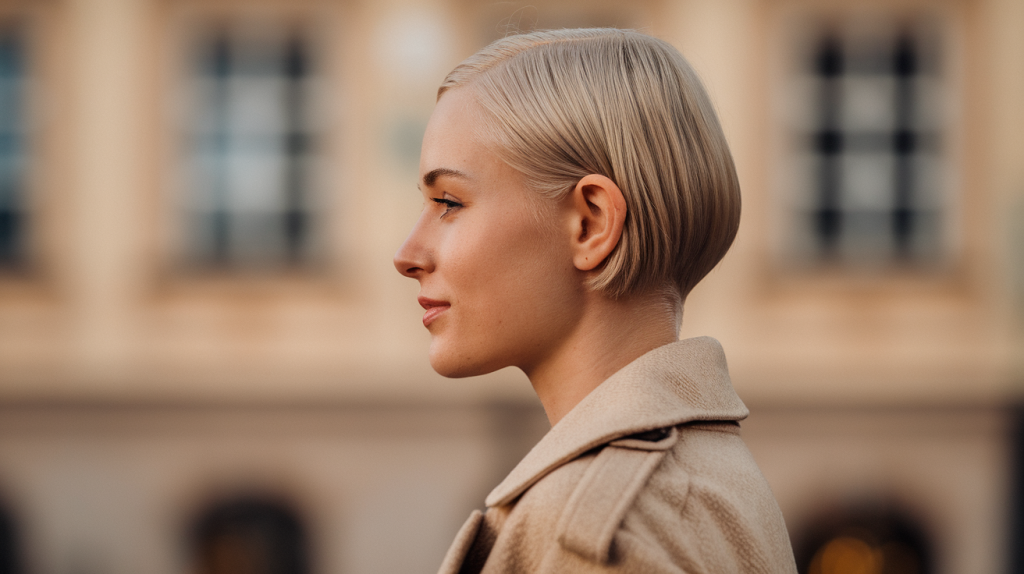
Short haircuts on oval faces create striking, confident looks that highlight facial features beautifully. The balanced proportions mean you can go as short as you dare without worrying about creating unflattering angles or emphasizing specific areas. From pixie cuts that show off cheekbones to sophisticated bobs that frame the face perfectly, short styles offer both convenience and high impact for women ready to make a statement.
Pixie cuts and their variations
The pixie cut represents ultimate freedom for oval faces. This short style can be tailored countless ways, from super short and sleek to longer and tousled. The classic pixie keeps hair short around the sides and back while leaving slightly more length on top for styling versatility. This cut draws attention to your eyes and cheekbones, creating an elegant frame for your features.
Modern pixie variations include the textured pixie, which uses choppy layers to create movement and dimension. This style works particularly well for women with fine hair, as the layering technique adds visual thickness. For those wanting more styling options, the long pixie or “mixie” provides extra length through the crown and bangs area while maintaining the short, easy-care appeal of traditional pixie cuts.
Bob styles for oval faces
The bob remains a timeless choice that oval faces wear exceptionally well. The classic chin-length bob creates clean lines that complement your natural symmetry. This length hits at the perfect spot to showcase your jawline without adding width or creating imbalance. Straight, sleek bobs offer sophisticated polish, while textured bobs with subtle waves add playful movement.
A-line bobs, shorter in back and gradually longer toward the front, create interesting visual lines that oval faces carry beautifully. This graduated shape adds modern edge while maintaining the polished feel bobs are known for. The slight angle draws the eye downward, creating a slimming effect that enhances your natural proportions even further.
Consider these popular bob variations:
- Blunt bob: Clean, straight line at chin or jaw level
- Layered bob: Soft layers add movement and reduce bulk
- Asymmetrical bob: One side longer for dramatic effect
- Stacked bob: Shorter layers in back create volume and shape
Lobs and their styling options
The lob, or long bob, bridges the gap between short and medium lengths perfectly. Typically falling between the chin and shoulders, this length offers incredible versatility for oval faces. You can wear it straight and sleek for professional settings, add waves for casual weekends, or create sophisticated updos for special occasions. The length provides enough weight to keep hair smooth while remaining short enough for easy maintenance.
Styling lobs becomes effortless with the right cut. Subtle layers throughout prevent the style from appearing heavy or flat against your head. For added interest, many women choose to incorporate gentle graduation, where the back sits slightly shorter than the front sections. This creates beautiful movement when you turn your head and adds visual interest from every angle.
Maintenance tips for short cuts
Short haircuts require regular upkeep to maintain their shape and style. Plan for salon visits every 4-6 weeks to keep lines clean and prevent awkward growing-out phases. Between appointments, the right products make all the difference. Texturizing sprays add grip and definition to pixie cuts, while smoothing serums keep bobs looking polished.
Styling short hair often takes less time than longer lengths, but technique matters more. For pixie cuts, work product through damp hair and use your fingers or a small round brush to direct pieces where you want them. Bobs benefit from blow-drying with a round brush to create smooth finish or using a flat iron for ultra-sleek looks. The key lies in working with your hair’s natural texture rather than fighting against it.
Don’t forget about nighttime care for short styles. Silk or satin pillowcases reduce friction that can cause frizz and flatness. For very short cuts, a light misting of water in the morning often refreshes the style without complete rewashing. These small maintenance steps keep your short haircut looking salon-fresh between appointments.
Medium-Length Styles for Oval Faces
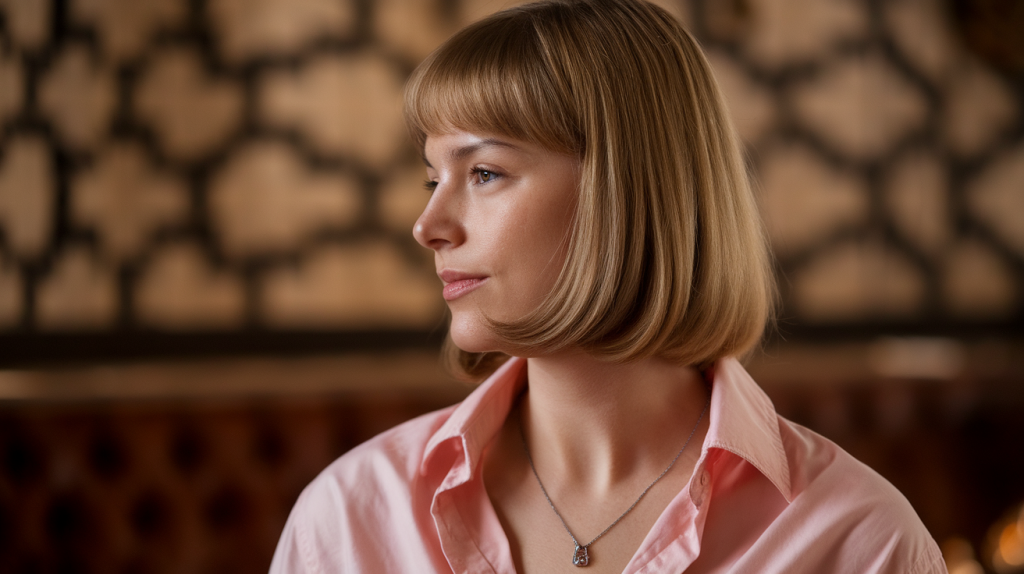
Medium-length haircuts offer the perfect balance between style versatility and manageable maintenance for oval faces. Falling anywhere from just below the chin to the shoulders, these lengths provide endless possibilities for both everyday wear and special occasion styling. This sweet spot in hair length allows you to experiment with various textures, layers, and styling methods while maintaining enough length for updos and braids when desired.
Shoulder-length cuts
Shoulder-length hair creates a flattering frame for oval faces without overwhelming your features. This length works with virtually every hair texture, from pin-straight to tightly coiled. The weight of hair at this length helps control volume while still allowing for movement and body. Many women find this length ideal because it offers sophisticated appeal without requiring extensive daily styling.
The classic shoulder-length cut can be customized numerous ways. A blunt cut creates sleek, powerful lines perfect for professional settings. Adding long layers introduces movement without sacrificing the overall length. For those seeking more drama, incorporating shorter layers around the crown adds height and dimension that beautifully complements oval face proportions.
Layered versus blunt cuts
The choice between layered and blunt cuts dramatically changes how medium-length hair behaves and appears. Blunt cuts create density and weight at the bottom, resulting in a strong, defined shape. This option works wonderfully for fine hair that needs the illusion of thickness. The solid line also provides a polished, put-together appearance with minimal styling effort.
Layered cuts offer different advantages. By removing weight strategically throughout the hair, layers create movement and prevent that heavy, triangle-shaped effect that can occur with one-length cuts. Layers also provide more styling versatility – you can enhance natural waves, create volume at the roots, or achieve that lived-in, effortless texture that’s currently so popular. The key lies in working with a stylist who understands how to place layers to enhance your specific hair type.
For oval faces, both options work beautifully. Consider these factors when choosing:
- Hair density: Thick hair often benefits from layers to remove bulk
- Texture preference: Layers enhance natural texture, blunt cuts minimize it
- Styling time: Blunt cuts typically require less daily manipulation
- Professional requirements: Some workplaces favor the polished look of blunt cuts
Adding movement and texture
Creating movement in medium-length hair transforms a simple cut into something special. For oval faces, adding texture enhances your natural features without disrupting the balanced proportions. Subtle waves starting at eye level draw attention to your cheekbones. Textured ends prevent hair from appearing too heavy or dragging down your features.
Modern texturizing techniques go beyond basic layers. Point cutting creates soft, feathered ends that move beautifully. Slide cutting adds seamless movement throughout the lengths. For those wanting more dramatic texture, razor cutting produces piece-y, lived-in results. Each technique serves different purposes and works better with certain hair types. Discussing these options with your stylist ensures you get the movement you want without compromising the integrity of your hair.
Styling techniques
Medium-length hair responds well to various styling methods, making it perfect for women who enjoy changing their look regularly. Heat styling with a large round brush creates smooth, polished results with subtle bend at the ends. For more casual looks, scrunching damp hair with texturizing products produces effortless waves. The length provides enough weight to prevent excessive volume while maintaining beautiful shape.
Air-drying becomes more manageable at medium lengths compared to longer hair. Apply leave-in conditioner and lightweight styling cream to damp hair, then twist sections while drying for enhanced texture. Braiding damp hair overnight creates gorgeous waves without heat damage. For special occasions, medium length allows for elegant half-up styles, low buns, and sophisticated ponytails that shorter cuts can’t achieve.
Quick styling tips for everyday wear include using dry shampoo at the roots for volume and texture. A curling iron or wand creates polished waves in minutes. For straight styles, a flat iron smooths any unwanted bends or frizz. The versatility of medium-length cuts means you’re never locked into one look, perfect for oval faces that can carry off any style with confidence.
Long Hairstyles That Enhance Oval Features
Long hair on oval faces creates endless possibilities for stunning looks that range from romantically flowing to sleekly sophisticated. The natural balance of your face shape means you can wear length without worrying about elongating or widening effects that concern other face shapes. This freedom allows you to focus on choosing cuts and styles that express your personality while making the most of your hair’s natural characteristics.
Classic long layers
Long layers remain the gold standard for adding movement and dimension to lengthy hair. Starting layers around the collarbone area prevents the style from appearing too heavy while maintaining the overall length you love. This technique works especially well for oval faces because it creates soft movement around your features without disrupting your natural proportions.
The beauty of long layers lies in their adaptability. Subtle layers create gentle movement for those preferring understated elegance. More dramatic layering produces volume and texture that makes fine hair appear fuller. Your stylist can customize the layer placement based on your hair’s thickness, texture, and your styling preferences. Layers beginning at chin level frame the face beautifully, while those starting lower maintain more weight and sleekness.
Strategic layering also addresses common long hair concerns. By removing weight from specific areas, layers prevent that flat-against-the-head look at the crown. They also reduce bulk in thick hair without sacrificing length. For women with straight hair, layers add the movement needed to prevent hair from hanging lifelessly. Those with natural waves or curls find that proper layering enhances their texture pattern while reducing unwanted volume.
Face-framing techniques
Face-framing represents one of the most flattering techniques for long-haired women with oval faces. These shorter pieces around the face create soft movement and draw attention to your best features. Unlike heavy bangs or severe angles, face-framing layers work with your natural proportions to enhance rather than hide your facial structure.
The technique involves cutting shorter pieces that graduate into the longer lengths, creating seamless blending. These pieces typically start somewhere between the cheekbones and chin, depending on your preferences and hair texture. When styled with slight bends or waves, they create beautiful movement that catches light and adds dimension around your face.
Different face-framing styles achieve various effects:
- Soft graduation: Barely-there layers that whisper around the face
- Defined framing: More noticeable shorter pieces for dramatic effect
- Curtain effect: Longer face-framing that parts naturally in the center
- Side-swept framing: Asymmetrical pieces that create interesting angles
Volume and texture considerations
Managing volume becomes crucial with long hair, particularly for oval faces where too much width can disrupt your natural balance. The weight of long hair often creates a flat appearance at the roots while maintaining bulk at the ends. Understanding how to distribute volume throughout your style makes the difference between heavy, shapeless hair and gorgeous, flowing locks.
For fine hair, creating volume requires strategic cutting and styling. Long layers with shorter pieces through the crown add lift without sacrificing length. Texturizing techniques remove weight while creating the illusion of fuller hair. Root-lifting products and proper blow-drying techniques provide additional boost where needed. The goal involves creating balanced volume that doesn’t overwhelm your features.
Thick hair presents opposite challenges. Too much volume can create an unflattering triangular shape or overwhelming mass. Thinning techniques, when done properly, remove bulk while maintaining healthy ends. Internal layers reduce weight without changing the overall silhouette. For very thick hair, combining several techniques often yields the best results.
Updos and styling versatility
Long hair provides unmatched versatility for creating various updo styles that showcase oval face shapes beautifully. From casual top knots to elaborate formal styles, the length gives you options for every occasion. The key lies in choosing updos that maintain your face’s natural balance while adding interest and elegance.
Low styles like chignons and low buns create sophisticated looks perfect for professional settings or formal events. These styles show off the neck and jawline while maintaining elegance. Leaving face-framing pieces loose softens the overall effect. High ponytails and top knots create youthful, energetic looks while elongating the neck. The placement flexibility means you can adjust height and position to suit different outfits and occasions.
Braided styles work wonderfully with long hair on oval faces. From simple three-strand braids to complex fishtails and Dutch braids, these styles add texture and interest while controlling length. Incorporating braids into half-up styles creates romantic looks perfect for weddings or special events. Messy, undone braids offer casual elegance for everyday wear. The versatility of long hair means you’re never limited to wearing it down, giving you freedom to change your look based on mood, weather, or occasion.
Choosing the Right Bangs and Details
Bangs can completely transform a haircut, and oval faces have the unique advantage of wearing virtually any bang style successfully. The decision to add bangs depends more on personal preference, hair texture, and lifestyle than on face shape limitations. Understanding how different bang styles interact with your features helps you make confident choices that enhance your overall look while adding personality to any haircut length.
Types of bangs for oval faces
The world of bangs offers numerous options for oval faces, each creating distinct effects. Blunt bangs cut straight across the forehead make bold statements while showcasing beautiful eye shapes. These work particularly well with sleek, geometric cuts like bobs or long, straight styles. The key lies in ensuring the thickness and length complement your hair density and forehead proportions.
Wispy bangs provide a softer alternative that works beautifully with romantic, layered cuts. These lighter-weight bangs allow some forehead visibility while adding gentle framing. They’re perfect for women who want the bang look without full commitment or heaviness. The delicate texture integrates seamlessly with face-framing layers and works across all hair lengths.
Textured or choppy bangs add edge and movement to any style. Cut with point-cutting or razoring techniques, they create piece-y separation that feels modern and effortless. This style particularly suits women with straight to wavy hair who want low-maintenance options. The inherent texture means less precise styling requirements while still looking intentionally styled.
Side-swept versus straight across
The choice between side-swept and straight-across bangs significantly impacts your overall look. Side-swept bangs create diagonal lines that add sophistication and versatility. They can be worn heavily swept for drama or lightly brushed aside for subtlety. This style grows out gracefully, making it perfect for bang newcomers or those who dislike frequent trims.
Straight-across bangs make stronger statements and require more maintenance commitment. They create horizontal lines that can visually widen the face, though this rarely poses problems for well-proportioned oval shapes. The precise nature of straight bangs means they need regular trimming and proper styling to maintain their impact. However, when done well, they create striking frames for your features.
Consider your daily routine when choosing between these options:
- Morning styling time: Straight bangs need more precise styling
- Trim frequency: Side-swept bangs grow out more gracefully
- Versatility desires: Side-swept offers more styling variations
- Statement level: Straight bangs create bolder looks
Curtain bangs and their appeal
Curtain bangs have resurged as a favorite choice for oval faces, and their popularity makes perfect sense. These center-parted bangs gradually lengthen toward the sides, creating a soft frame that opens up the face while adding romantic movement. The style references 1970s glamour while feeling thoroughly modern, especially when paired with textured cuts.
The beauty of curtain bangs lies in their grow-out pattern. Unlike blunt bangs that require frequent trimming, curtain bangs transition seamlessly into face-framing layers as they grow. This makes them ideal for women who want to experiment with bangs without long-term commitment. The center part also provides styling flexibility – you can sweep them more to one side for asymmetrical looks or wear them evenly parted for classic appeal.
Styling curtain bangs requires minimal effort for maximum impact. A round brush and blow dryer create the signature flipped-out ends. For more casual looks, air-drying with light product creates natural separation. The length typically hits somewhere between the cheekbones and jawline, perfectly highlighting oval face features without hiding them.
When to skip bangs entirely
Sometimes the best bang choice is no bangs at all. Certain hair textures and lifestyles make bangs more challenging than enjoyable. Very curly or coily hair often requires significant daily styling to maintain bang shapes, which can damage hair over time. Similarly, women who exercise frequently might find bangs annoying when sweaty or during activities.
Professional considerations also influence bang decisions. Some workplace environments favor pulled-back styles that become difficult with shorter bang pieces. If you regularly wear protective styles or need hair completely off your face, maintaining separate bang sections proves impractical. Natural texture lovers might prefer keeping their length consistent for easier wash-and-go styling.
Hair growth patterns affect bang success too. Strong cowlicks or unusual growth directions at the hairline can make bangs sit incorrectly despite styling efforts. Rather than fighting natural patterns daily, working with them by choosing bang-free styles often yields better results. Oval faces look equally stunning without bangs, so never feel obligated to add them simply because you can. The freedom to choose based on preference rather than necessity remains one of the greatest advantages of having balanced facial proportions.
Your Perfect Cut Awaits
The journey through haircut possibilities for oval faces reveals just how fortunate you are to have such balanced proportions. From daring pixie cuts to flowing long layers, every length offers unique opportunities to express your style while flattering your features. The key lies not in following rigid rules but in understanding how different cuts interact with your hair texture, lifestyle needs, and personal preferences to create looks that make you feel confident and beautiful.
Your oval face shape gives you the freedom to experiment with trends, try dramatic changes, or stick with classic styles that never go out of fashion. Whether you choose face-framing layers, bold bangs, or sleek one-length cuts, the decision ultimately comes down to what makes you feel most like yourself. Take these insights to your next salon appointment and collaborate with your stylist to create a look that celebrates your unique beauty while taking full advantage of your versatile face shape.
Frequently Asked Questions
Q: Can oval faces pull off asymmetrical haircuts?
A: Yes, oval faces wear asymmetrical cuts beautifully. The balanced proportions mean you can play with uneven lengths without creating unflattering imbalances. Whether it’s an asymmetrical bob or side-swept pixie, these edgy styles work wonderfully.
Q: How often should I trim my hair to maintain the perfect cut for my oval face?
A: Trim frequency depends on your chosen style. Short cuts like pixies need trimming every 4-6 weeks, bobs every 6-8 weeks, and longer styles every 8-12 weeks. Regular maintenance keeps your cut looking fresh and properly shaped.
Q: What’s the best haircut for oval faces with thin hair?
A: Layered bobs and textured lobs work excellently for thin hair on oval faces. These cuts add movement and create volume illusion without requiring heavy styling. Avoid very long, one-length cuts that can emphasize thinness.
Q: Do oval faces look good with very short buzz cuts?
A: Absolutely! Oval faces can successfully wear ultra-short styles like buzz cuts or shaved designs. Your balanced features mean you can go as short as you want without worrying about emphasizing particular facial areas.
Q: Should I avoid center parts with an oval face?
A: Not at all – center parts look fantastic on oval faces. Your symmetrical features mean you can wear hair parted anywhere: center, side, or deep side. Experiment to find what you prefer with different styles.
Q: What haircut mistakes should oval faces avoid?
A: The main mistake is not considering hair texture and lifestyle when choosing cuts. While oval faces can wear any style, selecting cuts that work against your natural texture or require more maintenance than you can provide leads to frustration.
Q: Can I wear heavy, full bangs with an oval face?
A: Yes, oval faces carry heavy bangs beautifully. Your proportions mean thick, full bangs won’t overwhelm your features. Just ensure your stylist adjusts the width and length to complement your specific forehead size and hairline.
Q: What’s the most versatile haircut length for oval faces?
A: Medium-length cuts offer maximum versatility. Falling between chin and shoulders, this length allows for updos, various textures, and easy transitions between casual and formal styling while remaining manageable for daily care.

